



I get this question a lot: Does protein powder make you gain weight? And honestly, I used to wonder the same thing years ago. It can feel confusing when you’re trying to eat better but don’t want to accidentally add extra weight.
The truth is not that complicated, but it often gets misunderstood. Weight gain is not just about protein powder; it depends on how you use it and your overall diet.
In this blog, I’ll walk you through how protein powder works in your body, when it can lead to weight gain, and when it can actually help with weight loss.
I’ll also share how to use it the right way, the best types to choose, and how much you really need, so you can make smarter, easier choices.
Does Protein Powder Make You Gain Weight?
The short answer: protein powder does not cause weight gain on its own. Weight gain is determined by your total daily calorie intake relative to what you burn, not by any single food or supplement.
That said, protein powder can contribute to weight gain indirectly if it pushes you into a calorie surplus without you realizing it. How you use it matters more than whether you use it.
1. Protein for Bulking vs Weight Loss
Protein powder works differently depending on your calorie intake and fitness goal. Understanding this difference helps you use it correctly for bulking or weight loss.
| Condition | How Protein Works | Result |
|---|---|---|
| Calorie Surplus (Bulking) | Protein supports muscle growth and adds extra calories when intake is high | Leads to muscle gain and possible weight gain |
| Calorie Deficit (Weight Loss) | Protein helps preserve lean muscle while the body burns stored fat for energy | Supports fat loss and better body composition |
2. When Protein Powder Can Lead to Weight Gain
Protein powder can lead to weight gain if you consume it in high-calorie shakes every day without tracking intake.
Adding ingredients like sugar, peanut butter, full-fat milk, or ice cream increases calories quickly.
Liquid calories from shakes are less filling than solid foods, so it’s easier to consume more without noticing.
If you don’t adjust your regular meals, those extra calories add up. Also, a lack of physical activity means your body does not burn the added energy.
Over time, this calorie surplus leads to gradual weight gain and increased body fat.
To show you how quickly this adds up, here’s a real-world example from my client work. Someone came to me frustrated that her “healthy” morning shake was stalling her weight loss. We broke it down together:
| Ingredient | Approx. Calories |
|---|---|
| 2 scoops protein powder | ~300 kcal |
| 1 generous spoonful of peanut butter | ~150 kcal |
| 1 cup whole milk | ~150 kcal |
| 1 banana | ~100 kcal |
| Total | ~700 kcal |
That’s a full meal’s worth of calories in a drink that took less than five minutes to consume, and was barely filling. She hadn’t changed anything else in her diet.
The shake was just sitting on top. Swapping to one scoop of water instead of milk and half a banana brought it down to around 200 calories and still met her protein needs.
If you don’t adjust your regular meals, those extra calories add up. Also, a lack of physical activity means your body does not burn the added energy.
Over time, this calorie surplus leads to gradual weight gain and increased body fat.
3. When Protein Powder Helps With Weight Loss
Protein powder can support weight loss when used the right way in a balanced diet. It helps you stay full longer, reducing unnecessary snacking and overeating.
Protein also supports muscle while you lose fat, helping your body look more toned. When used in a calorie deficit, it becomes a useful tool.
Replacing high-calorie snacks with protein shakes can help you control your daily calorie intake.
Do Protein Shakes Make You Fat?
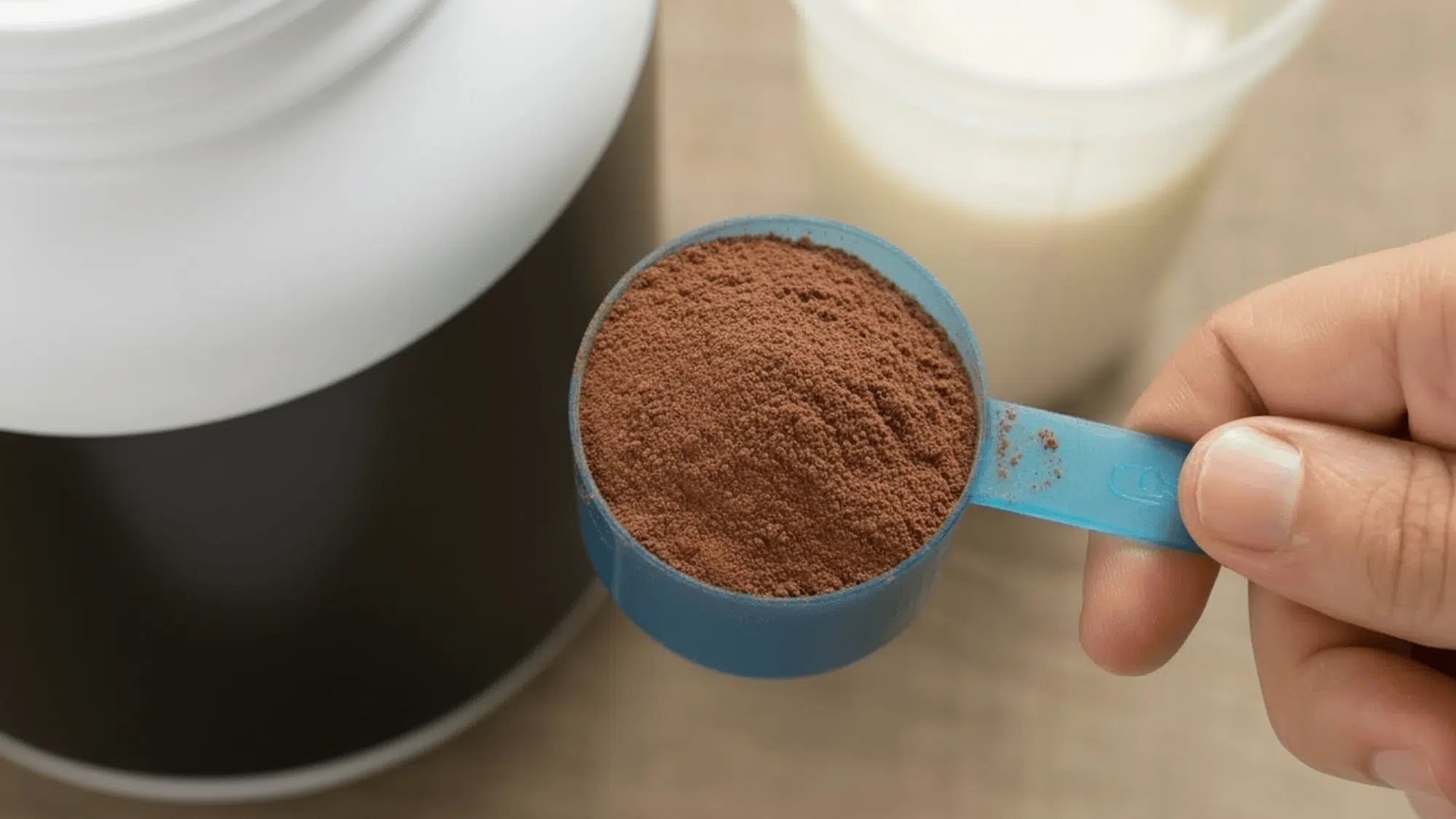
Protein shakes do not make you fat on their own. They only lead to weight gain if they add extra calories to your daily intake.
- Protein Shakes vs Junk Food Calories: Protein shakes support muscle and keep you full. Junk food adds empty calories and can lead to fat gain.
- Myths vs Reality: Many believe protein shakes directly cause fat gain. In reality, weight gain depends on total calories consumed versus burned, not any single ingredient. No credible nutrition professional or peer-reviewed study has found that protein powder uniquely promotes fat storage in people who are not in a calorie surplus.
- Portion Size Matters: Drinking large servings or multiple shakes daily can increase calorie intake quickly. Keeping portions controlled helps you avoid unwanted weight gain.
- Quality of Ingredients: Low-quality shakes with added sugar and fillers can raise calorie levels. Choosing clean, low-sugar protein options supports better weight control.
How Protein Powder Works in Your Body?
Protein helps your body build and repair muscles after daily activity and exercise. It also supports recovery and slightly boosts metabolism by using more energy to digest.
Protein has a higher thermic effect than carbs and fats, meaning your body burns more calories while digesting it.
Types of Protein Powder and Their Effect
Different types of protein powders work in different ways in your body. Choosing the right one can help you match your fitness and diet goals better.
| Type of Protein | Effect on Body | Best Use |
|---|---|---|
| Whey Isolate | Digests quickly; 90%+ pure protein with most fat and lactose removed. Easier on digestion than concentrate. | Ideal after workouts for recovery; good for those with lactose sensitivity |
| Whey Concentrate | Slightly less processed than isolate; retains more naturally occurring compounds like immunoglobulins. 70–80% protein by weight. | General daily use when lactose is not a concern |
| Casein Protein | Digests slowly and releases protein over time | Helps keep you full for longer; good before bed |
| Plant-Based Protein (Pea, Soy) | Easier to digest and free from dairy | Suitable for those avoiding dairy or with sensitivities |
How Much Protein Do You Really Need?
Your protein needs can vary based on your lifestyle and fitness goals. Understanding the right amount helps you avoid both deficiency and excess intake.
- Basic Daily Requirement: Most people need about 0.8–1.2 grams of protein per kg of body weight daily. This amount supports normal body functions and overall health.
- Higher Needs for Active People: For weight loss or active individuals, intake can increase to 1.2–2.0 grams per kg. This helps maintain muscle and keeps you full for longer.
- Avoid Excess Intake: Consuming more protein than your body needs can add extra calories. Over time, this may lead to unwanted weight gain.
Protein vs Carbs vs Fat (Simple Comparison)
Each nutrient plays a different role in your body, and understanding this helps you manage weight better. Here’s a simple comparison to show how protein differs from carbs and fats.
| Nutrient | Calories per Gram | Main Role | Fullness Level |
|---|---|---|---|
| Protein | 4 calories | Builds and repairs muscle, supports recovery | High keeps you full longer |
| Carbohydrates | 4 calories | Provides quick energy for daily activities | Medium, digests faster |
| Fats | 9 calories | Stores energy and supports body functions | Low to medium, high in calories |
How to Use Protein Powder Without Gaining Weight?
Using protein powder the right way can support your goals without adding extra fat.
Small changes in how you use it can make a big difference in your results.
It is always a good idea to consult a doctor or nutrition expert before making major diet changes. This helps you choose the right protein type and intake based on your body needs.
- Choose the Right Type: Whey isolate has less fat and carbs compared to whey concentrate. Plant-based options are also good if you want a lighter, dairy-free choice.
- Watch Your Calories: Always check nutrition labels to understand calorie and protein content. Avoid added sugar and high-calorie ingredients that increase intake.
- Use it as a Meal Support, Not Extra Calories: Use protein shakes to replace snacks or as part of a meal when needed. Adding them to your diet can increase your total calories.
- Pair With Exercise: Strength training helps your body use protein to build and repair muscle. Regular activity also prevents excess calories from turning into fat.
Protein Powder or Whole Foods: What’s Better?
Whole foods provide essential nutrients like fiber, vitamins, and minerals that your body needs for overall health.
These nutrients are often missing in protein powders, which mainly focus on protein content.
While protein powder is useful for convenience, it should not replace balanced meals made from whole foods. Eating only shakes can reduce nutrient variety and affect your long-term health.
Protein powder works best as a supplement to fill gaps in your diet, especially when you cannot meet your protein needs through food alone.
A balanced approach that includes both whole foods and protein powder helps support better nutrition, improved digestion, and more sustainable health results over time.
Best Time to Take Protein for Weight Loss
Timing your protein intake can make a difference in how it supports weight loss. Using it at the right moments can help control hunger and improve results.
1. Post-workout
Taking protein after a workout helps your muscles recover and grow stronger. After exercise, your body needs nutrients to repair muscle tissue, and protein supports this process.
It also helps reduce muscle loss while you are in a calorie deficit. Drinking a protein shake post-workout can improve recovery and keep you full for longer.
This reduces the chances of overeating later and supports better weight management over time.
2. As a Meal Replacement
Using a protein shake as a meal replacement can help control your calorie intake. It works best when you replace a high-calorie meal with a balanced, lower-calorie shake.
This helps you stay within your daily calorie goals without feeling too hungry. Protein also keeps you full for a longer time, which reduces snacking.
However, it should not replace all meals, as whole foods are still important for overall nutrition.
3. Between Meals to Control Hunger
Drinking protein between meals can help manage hunger and prevent overeating. It keeps your stomach full for longer, which reduces the urge to snack on unhealthy foods.
This is helpful if you struggle with frequent cravings during the day. A small protein shake between meals can stabilize energy levels and support better portion control.
When used properly, it helps you stay in a calorie deficit and supports steady weight loss.
Common Myths About Protein and Fat Gain
There are many myths around protein and weight gain that often confuse people. Understanding the truth helps you make better and smarter diet choices.
Many think protein turns into fat instantly, but weight gain depends on total calorie intake. Not all shakes are high in calories, and protein is useful for everyone, not just bodybuilders.
- Protein Damages Kidneys in Healthy People: Some believe protein harms the kidneys, but this is not true for healthy individuals. Normal protein intake is safe unless you already have a medical condition.
- More Protein Means Faster Weight Loss: Eating excess protein does not speed up fat loss beyond a limit. Too much can still add calories and slow your progress.
- Protein Powder Replaces All Meals: Many think shakes can fully replace regular food, which is not ideal. Whole foods provide more nutrients that your body needs daily.
- Protein Is Only for Gym Users: Protein is important for everyone, not just people who work out. It supports daily body functions like repair, recovery, and energy balance.
- The Scale Going Up Means You’re Gaining Fat: As covered earlier, weight gain on the scale can reflect lean muscle development, water retention, or digestive content, not necessarily fat.
Who Should Use or Avoid Protein Powder?
Protein powder can be helpful for some people, but it is not needed for everyone. Knowing who should use it and who should limit it helps you make better choices.
| Category | Who It Applies To | Explanation |
|---|---|---|
| Should Use | Busy people | Protein powder is a quick and easy way to meet daily protein needs when you don’t have time to cook. |
| Should Use | People are struggling to meet protein needs | It helps fill gaps in your diet if you are not getting enough protein from regular food. |
| Should Use | Those on weight loss plans | It supports fullness, reduces hunger, and helps maintain muscle during fat loss. |
| Limit or Avoid | People are already meeting protein goals | Extra protein is not needed if your diet already provides enough, and it may add extra calories. |
| Limit or Avoid | Those relying only on shakes | Depending only on protein shakes can reduce the nutrient variety that whole foods provide. |
Are There Any Side Effects?
Protein powder is generally safe, but some people may notice mild side effects depending on the type and amount used. Understanding these effects can help you use it more safely and avoid common issues.
- Digestive Issues: Some people may experience bloating, gas, or digestive issues with certain protein powders. This often depends on lactose content or sensitivity to specific ingredients.
- Added Sugar and Artificial Ingredients: Added sugar or artificial ingredients can raise calories and affect health. Choosing low-sugar options helps reduce this risk.
- Kidney Health Concerns: High protein intake is safe for most healthy people. Those with kidney issues should consult a doctor before use.
- Excess Calorie Intake: Excessive use may lead to unnecessary calorie intake over time. This can contribute to weight gain if not balanced with activity.
- Low-Quality Ingredients: Some low-quality protein powders may contain additives or contaminants. Always choose trusted brands with clear ingredient labels.
- Nutrient Imbalance: Over-reliance on shakes can reduce intake of nutrients from whole foods. A balanced diet should always include natural food sources.
Final Thoughts
Protein powder does not cause weight gain on its own, and that’s the key point to remember. Your total calorie intake, daily habits, and activity level matter far more than simply adding a scoop of protein.
When used the right way, it can support weight loss by helping you stay full and maintain muscle. But if you overuse it or ignore your overall diet, it can lead to extra calorie intake and weight gain.
From my own experience, using protein powder with a balanced diet and regular workouts made it easier to control hunger and stay on track.
The focus should always be on how you use it, not just using it. Also, avoid using protein powder in excess and consider consulting a nutritionist for the right intake.
If you found this helpful, start tracking your protein intake today and use it wisely to match your fitness goals.