
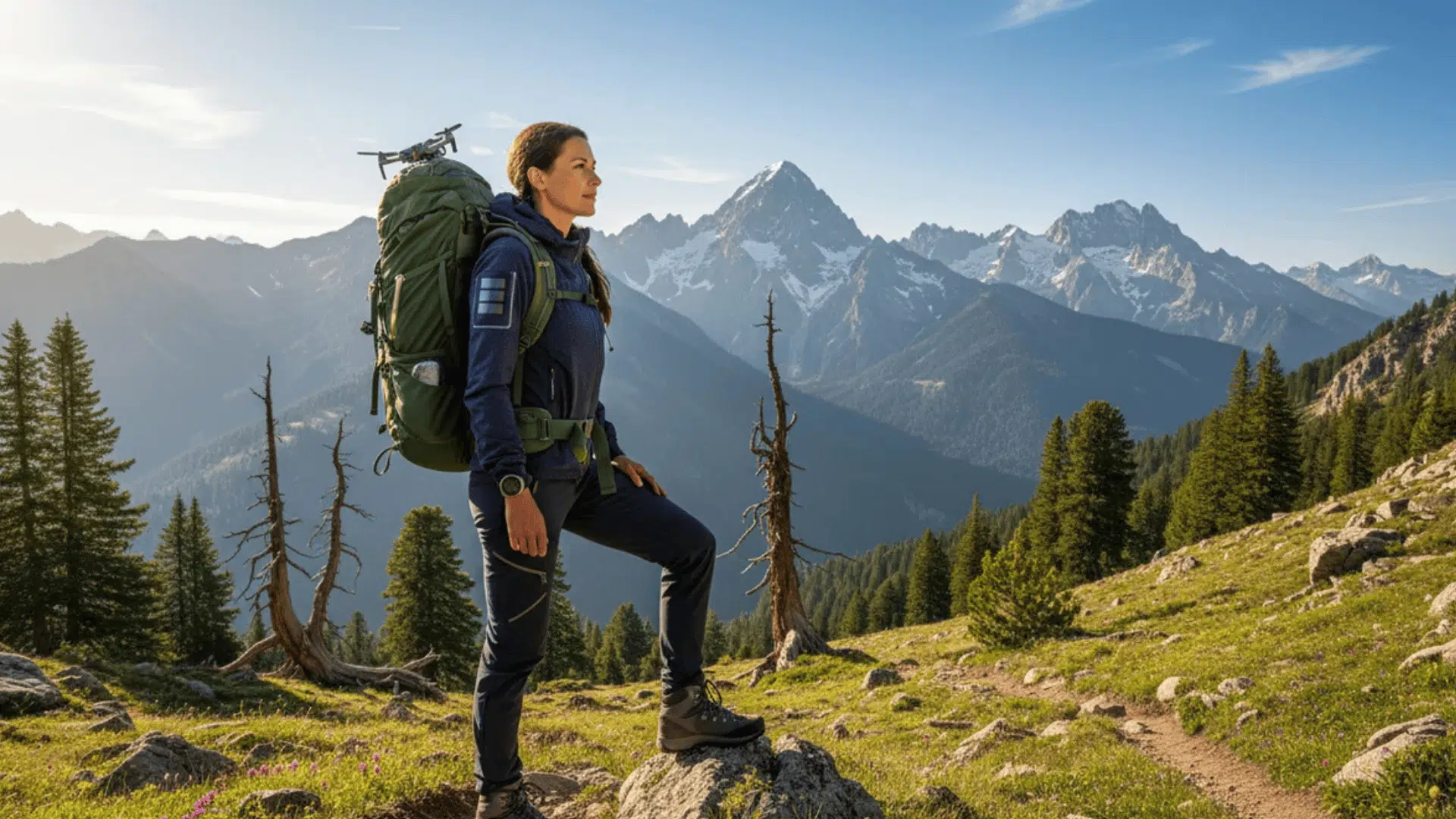

I know picking hiking gear can feel confusing, especially with so many options in 2026. If you are trying to find the Top Rated Hiking Gear for Every Trail 2026, this guide will make things simple.
I will walk you through boots, jackets, pants, backpacks, and key accessories that actually work on real trails.
You will also see trusted brands, expert tips, and clear advice on what to buy based on your needs and budget.
Even if you hike once a month or every weekend, choosing the right gear can make your trip safer and more comfortable.
I wrote this guide to save you time and help you avoid costly mistakes. By the end, you will know exactly what to pick for your next hike.
We will keep it clear, honest, and focused on what truly matters when you pack out.
What are the Best Top-Rated Hiking Gear Picks?
The best sports gear for hiking covers five core categories: footwear, jackets, pants, backpacks, and accessories.
Within each category, the gear that actually earns its place on trail is lightweight, weather-ready, and built to handle the specific conditions you hike in most often.
Here is a quick breakdown before we go deep on each category:
- Footwear: The most important purchase. Fit and terrain-match matter more than brand.
- Jacket: A waterproof, breathable shell is a safety item, not just comfort gear.
- Backpack: Fit and load distribution directly affect how your body feels by mile 8.
- Pants: Quick-dry, stretch fabric does real work on technical terrain.
- Accessories: Socks, poles, and a headlamp are the most underrated items in your kit.
Top Rated Hiking Gear for Every Trail in 2026
The best hiking gear focuses on comfort, durability, and real trail performance across all conditions.
Below, I cover top boots and shoes, jackets, pants, backpacks, and trusted accessories, along with specific product picks that hold up when conditions get demanding.
1. Best Hiking Boots for Comfort and Durability
Strong hiking boots should include options such as the Salomon X Ultra 4, Merrell Moab 3, and Columbia Newton Ridge.
These offer solid grip, ankle support, and waterproof protection. Good traction and cushioning matter most for comfort.
Lightweight boots work well for day hikes, while tougher boots handle rocky and long trails better.
Boots vs. Hiking Shoes vs. Trail Runners
This is one of the most common questions I get, and it matters more than most gear guides acknowledge.
- Hiking boots (mid or high-cut) are best for rocky, uneven terrain with a heavy pack. The ankle support is real and valuable on loose ground.
- Hiking shoes (low-cut) work well for well-groomed trails and faster-paced day hikes. Lighter and more flexible, but with less ankle protection.
- Trail running shoes like the HOKA Speedgoat 7 or Saucony Peregrine 14 are increasingly popular for lightweight hiking.
2. Top Hiking Jackets for All Weather Conditions
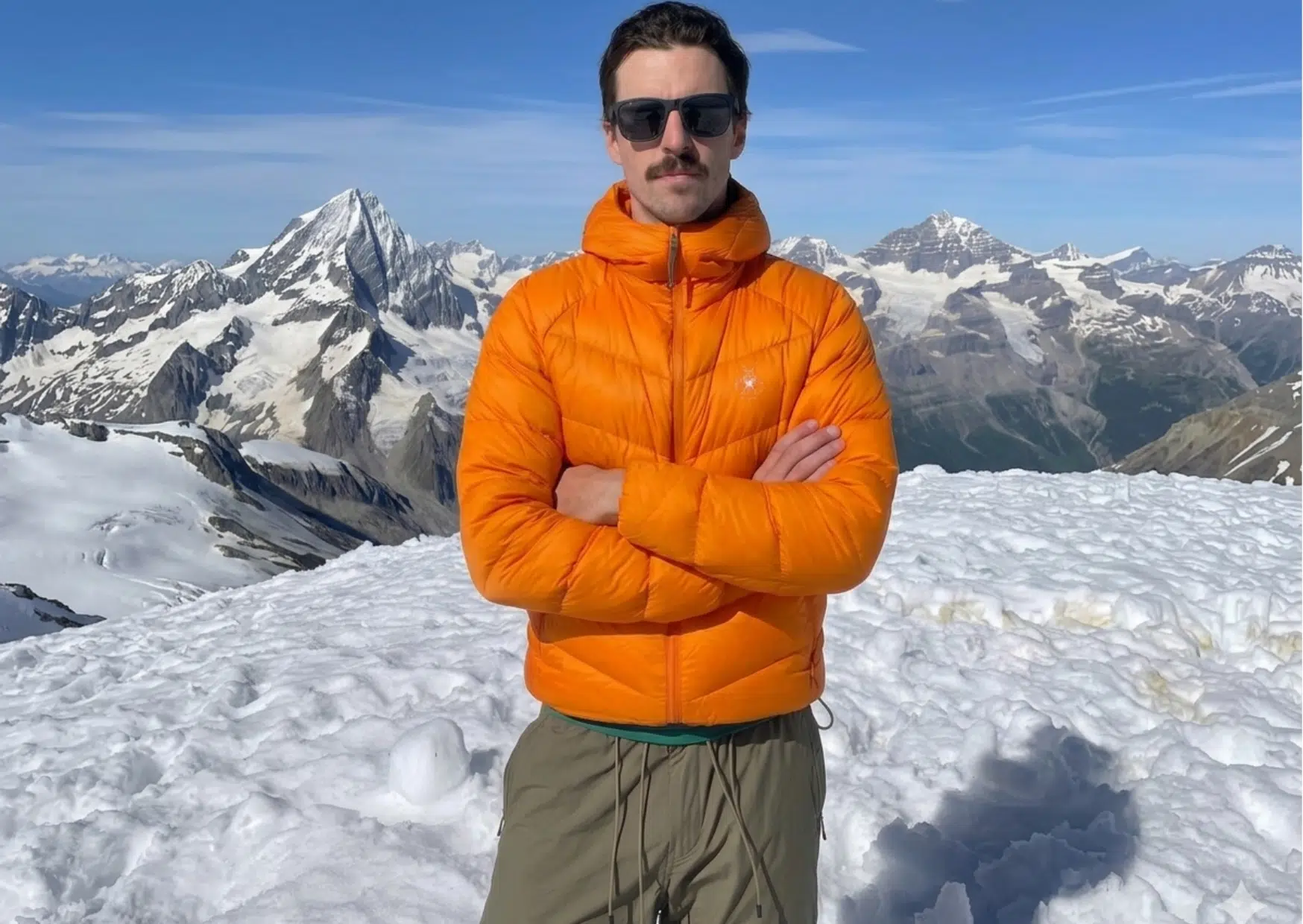
Reliable jackets include Arc’teryx Beta LT, Patagonia Torrentshell, and The North Face Antora. These cover rain, cold, and light weather use.
Breathable and waterproof materials are key features. Layering-friendly jackets make it easy to adjust to changing conditions.
The Layering System Matters Here
A jacket alone is not a weather strategy. The system that actually works on trial is:
- Base layer: Moisture-wicking synthetic or merino wool. Keeps sweat off your skin.
- Mid layer: Insulating fleece or a light down jacket for warmth when you stop moving.
- Outer shell: Waterproof and windproof. This is your Arc’teryx, Patagonia, or North Face layer.
A common mistake I see with newer hikers: they skip the mid layer because the forecast looks mild, then end up cold and wet at the summit.
Weather changes fast above the treeline. A rule of thumb is to always pack a mid-layer if you are going above 6,000 feet, regardless of what the weather app says at the trailhead.
3. Best Hiking Pants for Flexibility and Protection
Top options like prAna Stretch Zion, Columbia Silver Ridge, and REI Sahara offer comfort and stretch. These pants move easily and dry fast.
Quick-dry fabric and flexibility improve trail comfort. They also protect better than regular pants.
For warmer conditions and faster-paced hikes, shorts are often the better call. The key spec to look for is four-way stretch and a quick-dry fabric weight under 150g/m².
On longer summer hikes, I typically start in shorts and pack a light pair of pants for the descent when temperatures drop.
4. Hiking Essentials for Every Trail Type
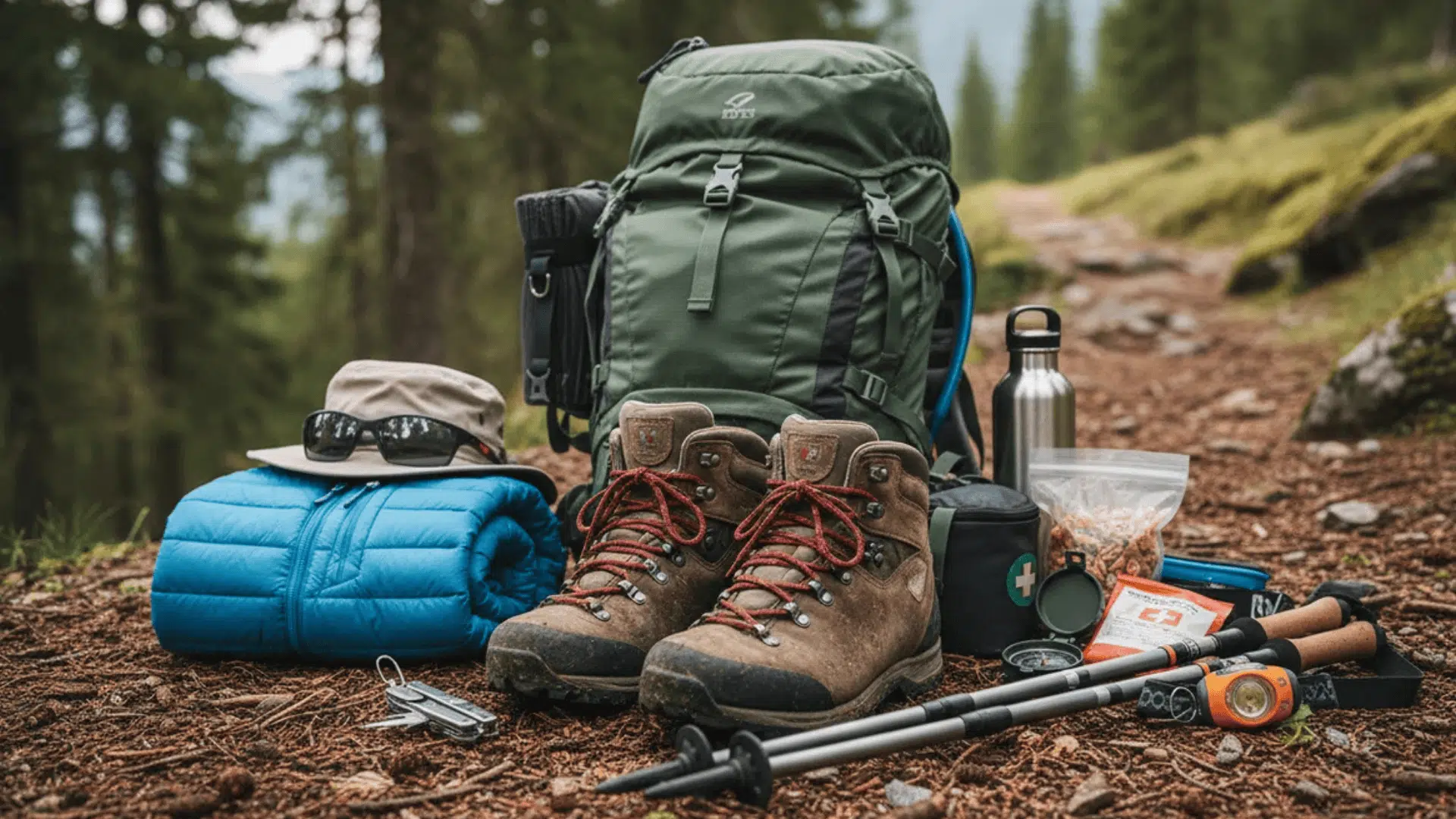
Essential gear includes a Garmin eTrex GPS, a Nalgene water bottle, and a basic first aid kit. These cover navigation, hydration, and safety.
Core gear keeps hikes safe and well-planned. Extra layers may be needed for colder seasons.
One item I would add here that most gear lists skip: a personal locator beacon (PLB) or satellite communicator. Cell service disappears fast in backcountry terrain.
I have been in situations on trail where a PLB would have changed the risk calculation entirely. It is not dramatic gear; it is just smart.
5. Best Backpacks for Day Hikes and Long Treks
Top picks include Osprey Daylite, Deuter Aircontact, and Gregory Baltoro. These offer comfort and smart storage. Fit and weight balance are the most important factors.
Daypacks suit short hikes, while larger packs handle longer trips.
Capacity Guide by Hike Type:
- Under 20L: Half-day hikes, running vest packs, minimal carry
- 20 to 35L: Full day hikes, suitable for most hikers most of the time
- 40 to 65L: Overnight to multi-day backpacking
- 65L and Above: Extended expeditions, winter gear loads
The most overlooked feature in a daypack is the back panel ventilation system. On a warm day with a 25L pack, a non-vented back panel means a sweat-soaked shirt by mile 3.
Top Hiking Accessories You Should Not Skip
Small gear items can improve safety, comfort, and ease on any trail. The right accessories help handle common challenges without adding much weight.
- Trekking Poles: Trekking poles improve balance on uneven ground and reduce pressure on knees during long hikes. They are especially useful on steep or rocky trails.
- Headlamp or Flashlight: A headlamp provides hands-free lighting in low visibility or late hikes. It is a key safety item in the event of unexpected delays.
- First Aid Kit: A compact first aid kit helps handle small injuries like cuts or blisters. Basic medical supplies are important for any hike.
- Multi-Tool or Knife: A small multi-tool can assist with quick fixes, cutting, or simple tasks. It adds practical support in many situations.
- Hydration Accessories: Items like hydration bladders or water filters ensure safe drinking water. Staying hydrated is critical on all trails.
- Sun Protection Gear: Sunglasses, hats, and sunscreen help protect against sun exposure. These items reduce fatigue and skin damage.
Best Hiking Gear Brands to Trust in 2026
Trusted hiking gear brands in 2026 include names like The North Face, Patagonia, Columbia, Arc’teryx, and Salomon. These brands are known for consistent quality, strong materials, and gear that performs well on real trails.
Reliable brands focus on durability, comfort, and tested designs. A trustworthy brand often uses better fabrics, offers solid warranties, and has a good track record with hikers.
Premium brands usually cost more but last longer and perform better in tough conditions. Budget brands can work for light or occasional use, but may not match long-term durability
How to Choose the Right Hiking Gear for Your Needs
The right gear depends on trail type, weather, and comfort level. Simple choices based on use can make hiking safer and more enjoyable.
- Matching Gear to Your Hiking Style: Gear should match how often and where you hike. Short, easy hikes require lighter gear, while long or rough trails require stronger, more durable gear.
- Beginner vs Advanced Gear Choices: Beginners can start with basic, budget-friendly gear that covers comfort and safety. Advanced hikers often prefer lighter, high-performance gear for better efficiency.
- Fit, Weight, and Weather Considerations: Proper fit reduces discomfort during long hikes. Lightweight gear helps reduce strain, especially on long trips. Weather-ready gear protects against rain, cold, and heat.
One thing I tell every new hiker I work with: buy your footwear first and buy it properly fitted. Everything else can be upgraded incrementally.
Blisters from poorly fitted boots, though, will end a trip on day one, and no amount of other good gear makes up for that.
Budget Vs Premium Hiking Gear: What to Pick
Choosing between budget and premium gear depends on usage, trail type, and comfort needs. Both options can work well when matched with the right expectations and conditions.
| Feature | Budget Hiking Gear | Premium Hiking Gear |
|---|---|---|
| Price | Lower cost, easier to afford | Higher cost, long-term investment |
| Performance | Good for light or occasional hikes | Strong performance in tough conditions |
| Durability | May wear out faster | Built to last longer with better materials |
| Comfort | Basic comfort and fit | Better fit, cushioning, and support |
| Weather Protection | Limited protection in extreme weather | Advanced protection for rain, cold, and heat |
| Best Use | Short hikes, beginners, casual use | Long hikes, frequent use, rough trails |
| When to Invest More | Not always needed for simple hikes | Worth it for boots, jackets, and backpacks |
| Smart Ways to Save | Buy essentials first, avoid extras | Mix budget items with key premium gear |
Final thoughts
After years on the trail, I have learned one simple truth: the right gear makes everything easier. It helps you move better, stay safe, and enjoy the hike rather than worry about problems.
You do not need to buy everything at once. I always suggest starting with good footwear, then adding pieces as you learn what works for you. Pay attention to fit, comfort, and how your gear performs in real conditions.
Every hike teaches you something new. Over time, your setup will get better, lighter, and more reliable.
If you take one thing from this guide, let it be this: choose gear that supports your hiking style, not just what looks good online.
If this guide helped you, share it with a fellow hiker or drop your favorite gear picks in the comments. I would love to hear what works for you on the trail.