
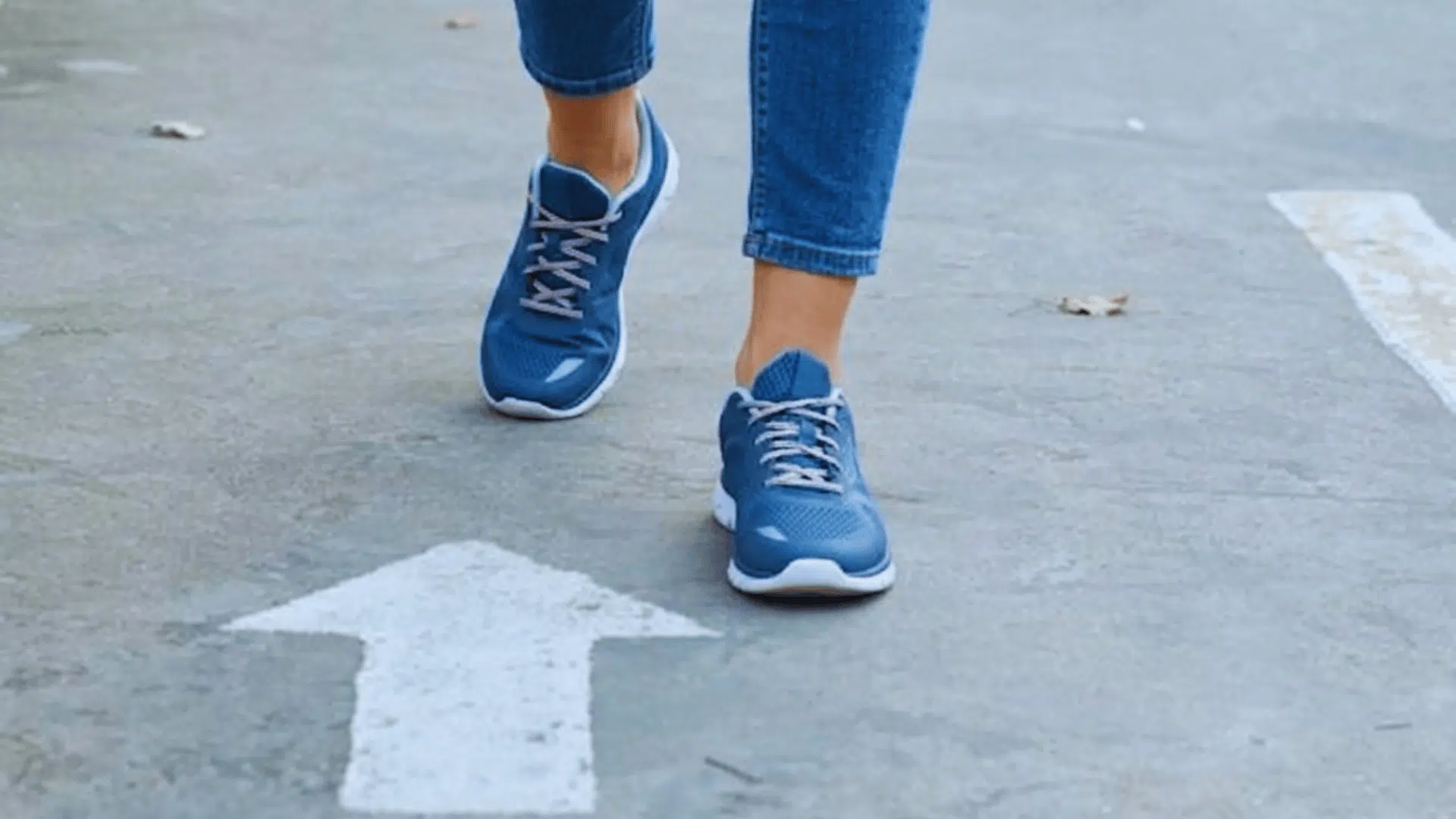



Walking is something most people do every day without giving it much thought. I used to follow the same routine until I learned about a simple change that can make it more useful.
As a certified personal trainer, I started programming short retro walking sessions into client warm-ups about three years ago.
Results were surprising. Clients felt less knee pain, and older adults improved their balance within weeks.
Walking backward may feel strange at first, but it can work your body in new ways and keep your mind active.
In this guide, I’ll share the benefits of walking backward, as well as how it helps with strength, balance, posture, and even brain function.
You will also find easy tips to start safely without risking injury. If you want a small change that can improve your daily routine, this is worth trying.
It does not take much time, but it can make a real difference over time.
What Is Walking Backward?
Walking backward, also known as retro walking, means moving in reverse rather the taking forward steps. It may look simple, but the body works differently during this movement.
Muscles, balance, and focus all change because the direction is not natural for daily use.
The legs push and step differently, and the brain stays more alert to guide each move safely. Retro walking shifts work to the quads, glutes, and calves, which lengthen under load instead of just contracting
That demand is a key reason it builds strength faster in those areas than a regular walk of the same duration.
This type of walking is often used in fitness routines and therapy programs. It can be done on a flat surface, a track, or even a treadmill with care.
Many people use it to support strength, balance, and recovery.
Even short sessions can feel challenging, which makes it a useful addition to regular walking habits.
Health Benefits of Walking Backward
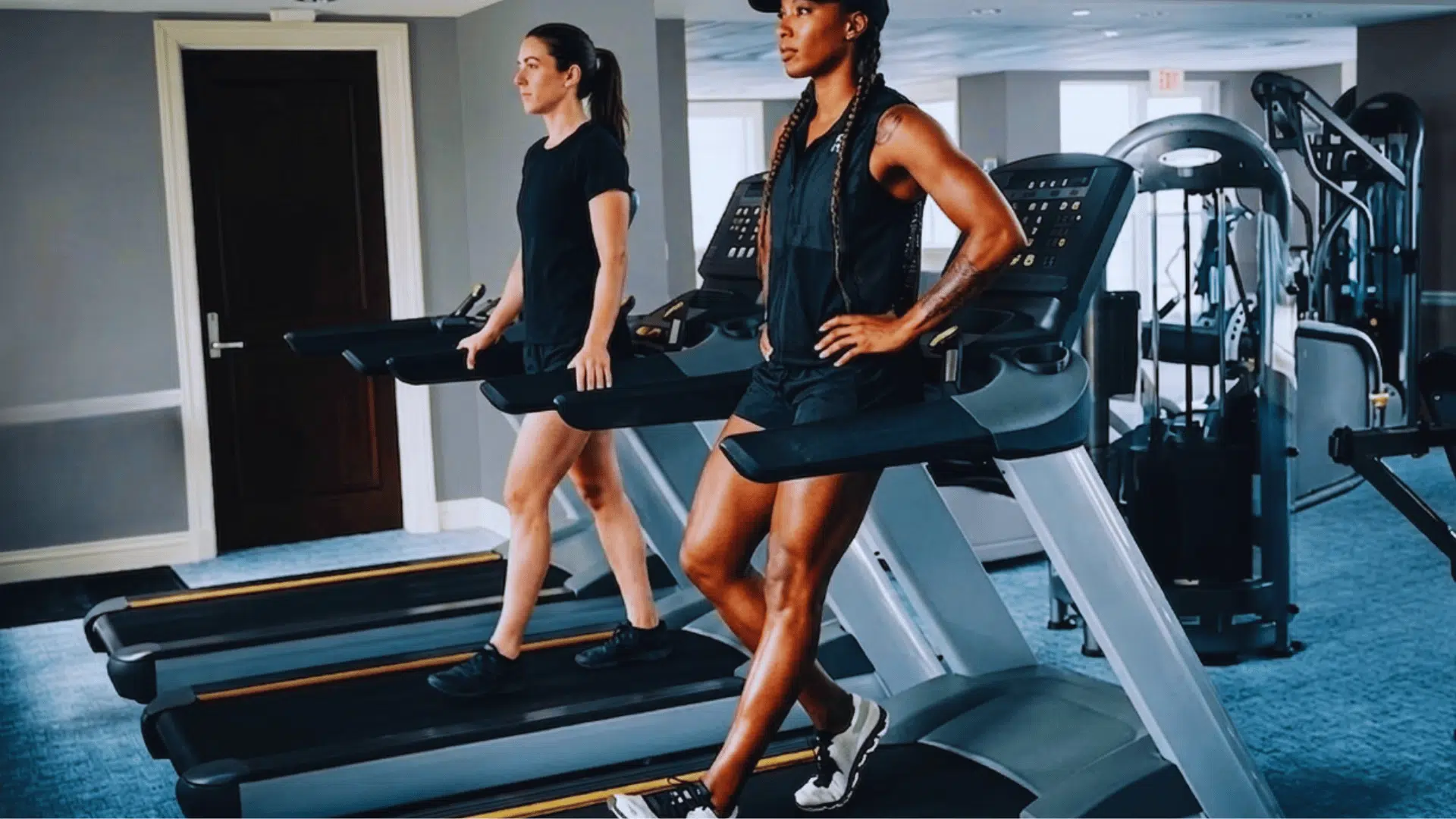
Walking backward is a simple habit that can improve both your body and mind. It works muscles and brain areas that normal walking does not fully use.
1. Stronger Leg Muscles
Walking backward puts more load on your leg muscles compared to normal walking. It activates the quadriceps, glutes, calves, and hip flexors more deeply.
Because the movement is not natural, muscles work harder to stay steady. This builds strength and control over time.
It can also help fix weak muscle areas that forward walking may not target well.
This simple change can build stronger legs without heavy workouts. It trains muscles differently and improves strength and stability.
When working with clients, I find that two to three minutes of backward walking added to a warm-up is enough to activate the glutes in a way that ten minutes of standard walking simply does not achieve.
2. Better Balance and Coordination
Walking backward forces the body to adjust in a new way. It challenges balance because the usual movement pattern cannot be followed. The brain and body must work together to stay stable.
This improves coordination and enhances control during daily activities.
Over time, it can reduce the risk of falls. Athletes often use it for this reason. It trains small stabilizing muscles that are often ignored.
This leads to smoother and more controlled movement in both simple tasks and physical activities.
A study in the International Journal of Environmental Research and Public Health found that backward treadmill walking improved balance and walking speed in chronic stroke patients better than standard balance training.
3. Easier on the Knees
One key benefit of walking backward is reduced stress on the knees. The movement shifts pressure away from the front of the knee joint.
This makes it useful for people dealing with knee pain or joint issues.
It is often used in therapy because it allows movement with less strain. If forward walking causes discomfort, this can be a safer option.
It keeps the body active while protecting the joints. Over time, it may also support better knee function and reduce discomfort during everyday movement.
4. Sharper Memory
Walking backward also supports brain activity. Studies suggest that even thinking about backward movement can improve memory.
When moving in reverse, the brain works harder to process direction and the number of steps.
This extra effort helps improve short-term memory and recall. It can be a simple way to keep the mind active.
Adding this habit to a daily routine may support better focus and mental sharpness over time without the need for complex mental exercises or tools.
5. Improved Posture
Poor posture is common, especially with long hours of sitting. Walking backward helps engage core and spine muscles. These muscles support body alignment and posture.
When they get stronger, posture naturally improves. It also reduces slouching habits.
Over time, this can reduce neck and shoulder tension and support better posture. Regular practice helps the body stay balanced and lowers daily strain.
To walk backward safely, keep your head up, shoulders back, and core engaged.
That upright position is the same posture most people struggle to hold during desk work. Practicing it during movement reinforces the muscle memory behind it.
6. Less Lower Back Pain
Lower back pain often comes from weak support muscles. Walking backward activates the muscles around the lower spine. This helps build strength where the body needs it most.
Stronger muscles support the spine better and reduce strain. It can also improve movement during daily tasks.
Janet Dufek, a kinesiology professor at the University of Nevada, who studied backward locomotion for over 20 years, found that retro walking increases low back and hamstring flexibility and reduces low back pain.
The natural hip flexor stretch during the reverse step also relieves lumbar tension that desk workers commonly carry.
Over time, this may help reduce long-term discomfort.
It is a gentle way to manage back pain without heavy exercise. Adding it to a routine can support a healthier and more stable lower back.
7. Higher Calorie Burn
Walking backward requires more effort than walking forward. The body uses more energy to stay balanced and move in reverse.
This leads to a higher calorie burn even at the same speed.
It can make walking more effective without increasing the time required. For those trying to manage weight, this can help.
It also adds variety to a routine, which keeps it interesting. Small changes like this can improve results over time without making the workout longer or more difficult.
8. Better Brain Function
Walking backward challenges the brain in a different way. It increases activity in areas of the brain linked to thinking and decision-making. Since the movement is less familiar, the brain must stay alert.
This helps improve focus and problem-solving skills.
Over time, it may support better mental performance in daily life. It is a simple activity that works both the body and the mind.
Adding it to a routine can help keep the brain active without complex mental training exercises.
9. Improved Cardiovascular Fitness
Walking backward supports heart health, as does other walking. It may increase heart rate more quickly due to the added effort.
This helps improve endurance over time. Regular practice can support better heart and lung function.
It is a simple way to stay active and improve overall fitness. No special equipment is needed.
A 2023 study published in Health Science Reports tracked participants who walked backward on a treadmill for at least 15 minutes, four times per week, over 12 weeks.
Retro walking showed higher oxygen use and better fitness gains than forward walking.
The elevated heart rate that comes with the unfamiliar movement pattern is what drives that cardiovascular adaptation.
Just a few minutes each day can make a difference in energy levels and stamina. It is an easy addition to any routine focused on long-term health.
10. Greater Flexibility
Walking backward stretches muscles in a way that forward walking does not. It targets the hip flexors and hamstrings more effectively.
These areas often become tight from sitting or a lack of movement.
Regular practice can help loosen them and improve flexibility. Better flexibility supports smoother movement and reduces injury risk.
It also makes daily tasks easier. Over time, the body may feel less stiff and more comfortable during movement.
This simple habit supports a better range of motion in the lower body.
11. Faster Rehabilitation Recovery
Backward walking is often used in physical therapy. It helps people recover from injuries in a safe and controlled way. The movement reduces pressure on joints while still allowing activity.
This makes it useful for knee injuries, stroke recovery, and similar conditions.
It also helps rebuild strength and coordination. Over time, recovery can become more effective.
It is a simple but useful method in many rehab programs. With proper guidance, it can support faster healing and a return to normal activities.
Who Should Be Careful?
Retro walking is not suitable for everyone. People with balance issues, neurological conditions like Parkinson’s or multiple sclerosis, or recent lower-body injuries may face a higher risk of falling.
This does not mean it must be avoided, but guidance is important.
Working with a physical therapist or trained coach can help make it safer and more effective.
If forward walking already causes pain or feels unstable, start with extra support. A treadmill with handrails can help you stay steady.
Walking with a partner is also a good option. They can guide you and reduce the risk while you build confidence.
Walking Backward vs Walking Forwards
Both walking styles help the body, but they work in different ways. Knowing the difference can help you choose what works best.
| Aspect | Walking Backwards | Walking Forwards |
|---|---|---|
| Movement Style | Reverse stepping motion | Natural forward motion |
| Muscle Use | Targets quads, calves, and glutes more | Uses balanced lower body muscles |
| Balance Demand | Higher needs more focus | Lower, more automatic |
| Brain Activity | Increases alertness and focus | Less mental effort needed |
| Knee Impact | Less stress on the knee joints | More pressure on the knees |
| Calorie Burn | Higher at the same speed | Lower at the same speed |
| Coordination | Improves body control more | Normal coordination use |
| Flexibility | Stretches hip flexors and hamstrings more | Limited stretch effect |
| Safety | Needs more attention to the surroundings | Safer and familiar |
Simple Ways to Start Walking Backward Safely
These small actions help build confidence and reduce risk. They also make the learning process easier and more comfortable.
- Start slow: Begin with short steps and a steady pace so the body can adjust to the new movement without losing balance.
- Choose a clear space: Use an open, flat area, such as a track or an empty hallway, to avoid obstacles and sudden hazards.
- Keep posture upright: Stand straight with the head up and shoulders relaxed to support balance and proper movement.
- Use support if needed: Try holding a railing or a wall, or using a treadmill side bar when starting out for extra stability.
- Look back often: Turn the head slightly or glance over the shoulder to stay aware of surroundings and avoid collisions.
- Avoid crowded areas: Stay away from busy paths or streets where sudden movement from others can cause accidents.
- Practice regularly: Repeat the activity a few times a week to build balance, strength, and comfort.
Conclusion
Walking backward may seem like an unusual thing to add to your routine, but the benefits are hard to ignore.
Stronger muscles, better balance, less knee pain, sharper memory, and a higher calorie burn, all from simply changing the direction you walk.
It does not require any special equipment or a gym membership. Just a flat surface, a little awareness of your surroundings, and a willingness to try something different.
Start small. Even 10 minutes a day can make a difference over time. The key is consistency, not intensity.
If you have already tried retro walking, or you are thinking about giving it a go after reading this, share your experience in the comments below.
Your thoughts could be exactly what someone else needs to take that first step, just in reverse.