
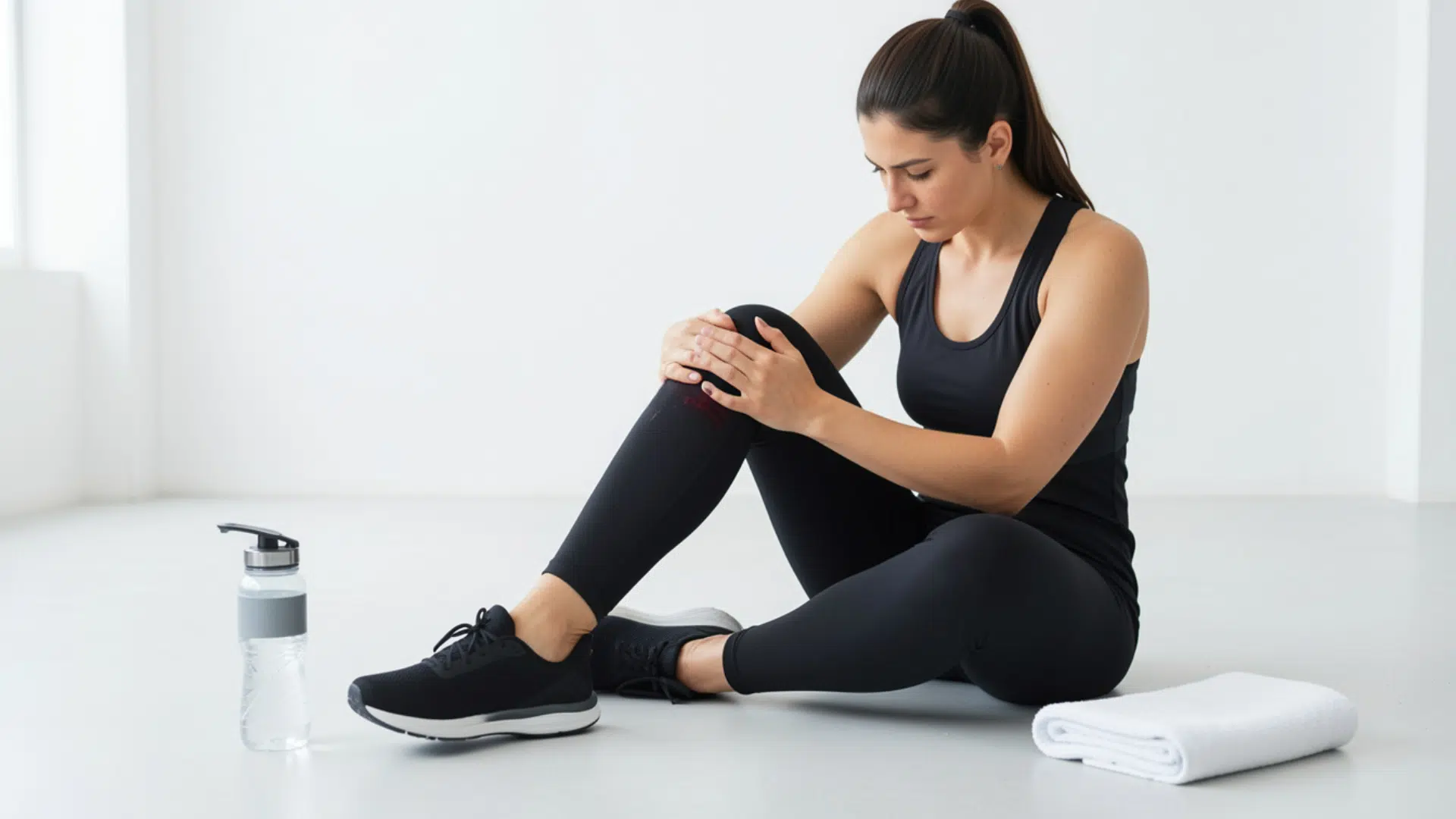


I’ve had those days when even walking up the stairs feels tough after a workout. If you’ve been there too, you’re not alone.
Muscle soreness can show up after trying a new routine or pushing a little harder than usual. The good news is that there are simple ways to feel better.
In this guide, I’ll share practical, easy tips on how to help sore muscles after exercise. You’ll learn what causes the soreness, what actually helps, and what to avoid.
I’ll also share home methods, recovery habits, and small changes that make a big difference.
By the end, you’ll know how to take care of your body so you can stay active without feeling stuck or uncomfortable the next day.
Why do Muscles Get Sore After Exercise?
Muscle soreness after exercise is very common, especially if you try something new or increase intensity. I’ve noticed it most after workouts that challenge muscles in a different way.
This soreness is often called delayed onset muscle soreness (DOMS).
It happens when tiny tears form in your muscle fibers during exercise. Don’t worry, this is a normal part of building strength. As your body repairs these small tears, your muscles become stronger over time.
You may also feel stiffness, tenderness, or tightness a day or two later. This is your body’s way of adapting to the effort you put in.
The key thing to remember is that soreness is not always bad. It simply means your muscles are working, healing, and improving with each session.
How to Help Sore Muscles After Exercise?
Helping sore muscles is not about doing one thing; it’s about combining a few simple habits that support recovery.
The body heals naturally, but the right steps can make the process smoother and more comfortable.
One effective approach is to stay lightly active instead of resting completely. Gentle movement helps muscles loosen and prevents stiffness from worsening.
Another important step is giving muscles enough time to recover. Pushing too hard too soon can slow healing and increase discomfort.
Simple daily habits also play a key role in recovery and overall muscle comfort.
When does Muscle Soreness Go Away?
Muscle soreness can vary based on how hard the muscles were worked and how the body recovers. Most discomfort fades gradually as the muscles heal and adjust to the activity.
- Normal Duration: Muscle soreness usually lasts 1 to 3 days after exercise. This is the most common recovery time for most people.
- Start Time: Soreness often begins 12–24 hours after a workout. It may not be felt right away, but it shows up later.
- Peak Soreness: The discomfort is usually at its peak at 24–48 hours. This is when muscles feel the stiffest and tenderest.
- Mild Cases: Light soreness can improve within a day. It often goes away quickly with gentle movement.
- Intense Workouts: Hard or new exercises may cause soreness for up to 4–5 days. This happens when muscles are pushed beyond their usual limits.
- Recovery Factors: The duration depends on fitness level and workout type. Better conditioning can lead to faster recovery.
- Warning Sign: Soreness lasting more than a week may not be normal. It could be a sign of strain or injury.
Best Ways to Relieve Sore Muscles After a Workout
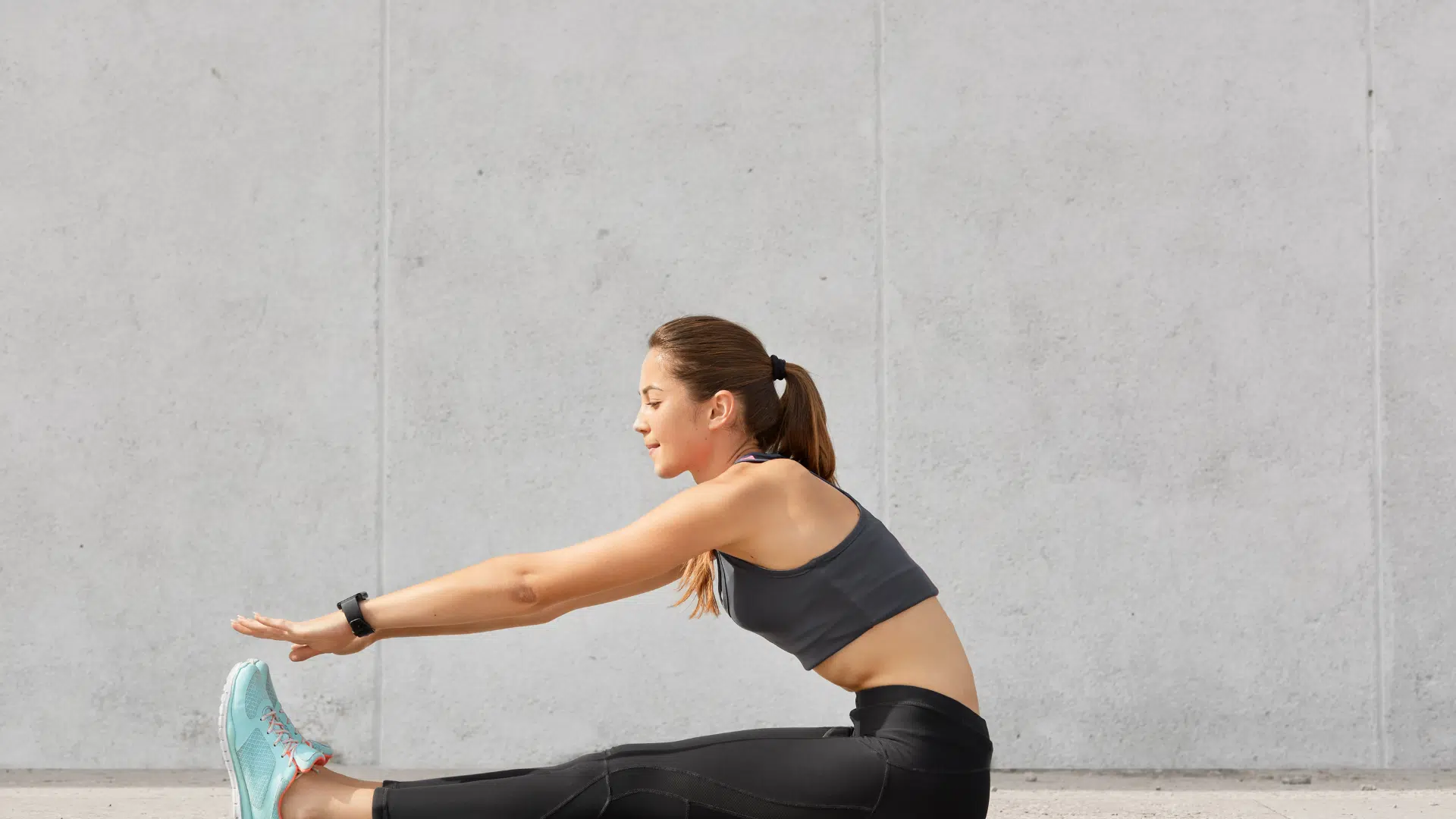
Muscle soreness can feel uncomfortable, but it is a normal part of physical activity and recovery. Taking the right approach can help the body heal better and make future workouts feel easier.
1. Stretching and Gentle Movement
Stretching and light movement help reduce stiffness and keep muscles flexible after a workout. Gentle activities like walking or slow yoga improve blood flow, which brings oxygen and nutrients to sore areas.
This process supports natural healing without putting extra stress on the muscles.
Staying still for too long can increase tightness, so small movements throughout the day can make a noticeable difference in comfort and recovery.
This is one of the easiest ways to reduce muscle soreness naturally.
2. Foam Rolling and Self-Massage
Foam rolling and self-massage help release tight spots in muscles and reduce tension built up during exercise. By applying gentle pressure, these methods improve circulation and help muscles relax.
This can also break up minor knots that cause discomfort. Regular use after workouts can support faster recovery and improve flexibility over time, making future exercise sessions feel smoother and less painful.
It can be done at home with simple tools. Consistent use may reduce soreness over time.
3. Ice Packs and Cold Therapy
Cold therapy is useful for reducing inflammation and numbing sore areas after intense workouts. Applying an ice pack for short periods can help calm muscle discomfort and limit swelling.
It works best soon after exercise or when soreness feels more intense. Care should be taken to avoid prolonged direct contact with the skin, as this may cause irritation.
From experience, using an ice pack right after a heavy workout helped reduce that deep soreness feeling the next day, especially after leg exercises.
Short, controlled sessions provide safe and helpful relief. Cold therapy is commonly used to relieve sore muscles after intense workouts.
4. Epsom Salt Baths for Muscle Relief
Soaking in a warm bath with Epsom salt can help relax tired muscles and ease soreness. The warmth helps improve blood flow, while the bath itself promotes a sense of calm and relaxation.
This combination can reduce muscle tightness and make the body feel more comfortable. Taking time to rest in warm water after a workout can be a simple and soothing way to support overall recovery.
It also helps reduce stress levels, and a calm body can recover more effectively.
5. Compression Gear and Elevation
Compression clothing helps support muscles and may reduce swelling after exercise. It works by improving blood flow and keeping muscles stable during recovery.
Elevating sore areas, such as legs after a workout, can also help reduce fluid buildup and discomfort. Together, these methods support better circulation and can make recovery feel smoother, especially after long or intense physical activity.
These methods are easy to incorporate into a routine and are often used by athletes for better recovery.
6. Getting Enough Sleep for Muscle Repair
Sleep plays a key role in muscle recovery and overall health. During rest, the body repairs small muscle tears and rebuilds stronger tissue. Lack of sleep can slow this process and increase soreness.
Getting enough quality rest allows the body to recover fully and prepare for the next workout. A consistent sleep routine supports both performance and long-term muscle health.
Good sleep also supports energy levels, and it helps maintain overall physical balance.
7. Alternative Recovery and Relaxation Methods
What Not to do When Muscles are Sore?
Avoiding certain habits is just as important as following the right recovery steps. Simple mistakes can increase soreness, slow healing, and make future workouts harder.
- Avoid Intense Workouts Too Soon: Jumping back into heavy exercise can worsen soreness and delay recovery. Muscles need time to heal before being pushed again.
- Skipping warm-up or cool-down: Skipping these can increase stiffness and make soreness feel worse. Proper warm-up prepares muscles, while cool-down helps them relax.
- Staying completely inactive: Too much rest can lead to more stiffness. Light movement helps improve blood flow and reduce discomfort.
- Ignoring Sharp pain: Sharp or severe pain may signal injury, not normal soreness. Continuing activity can make it worse.
- Poor Hydration Habits: Not drinking enough water can increase the risk of cramps and slow recovery. Hydration supports muscle function and healing.
- Overusing pain relief methods: Overusing pain relievers may mask the issue instead of helping recovery. Natural recovery methods should be the focus.
Heat vs. Cold: Which Is Better for Sore Muscles?
Heat and cold therapy are both helpful for sore muscles, but they work in different ways. Choosing the right one depends on the type of soreness and when it occurs after exercise.
| Method | When to Use | Benefits | How It Helps |
|---|---|---|---|
| Cold Therapy (Ice) | Right after intense exercise or swelling | Reduces inflammation and numbs pain | Slows blood flow to reduce swelling and discomfort |
| Heat Therapy | After initial soreness or stiffness | Relaxes muscles and improves flexibility | Increases blood flow to support healing |
| Cold Packs | Within the first 24 hours | Helps calm sore, inflamed areas | Provides quick relief from sharp soreness |
| Warm Baths/Heating Pads | After 24–48 hours | Eases tight muscles and tension | Helps muscles feel loose and relaxed |
| Combination Use | For ongoing soreness | Balances relief and recovery | Alternating methods can support overall healing |
Foods and Drinks that Help Muscles Recover

The right foods and drinks can support muscle recovery and reduce soreness after exercise. A balanced diet helps the body repair faster and regain strength more effectively.
1. Protein-Rich Foods for Muscle Repair
Protein helps rebuild muscle fibers that get stressed during exercise. Foods like eggs, chicken, fish, lentils, and yogurt provide essential amino acids needed for repair.
Eating protein after a workout supports recovery and helps reduce soreness over time. It also plays a role in building strength and maintaining muscle mass.
Including a good protein source in each meal can improve recovery and help the body adapt better to regular physical activity.
A research review available through the National Library of Medicine (PMC) shows that protein intake before and after workouts supports muscle repair and improves recovery after exercise.
2. Anti-Inflammatory Foods for Recovery
Anti-inflammatory foods help reduce muscle soreness and support healing after exercise. Options like berries, spinach, nuts, and fatty fish contain nutrients that fight inflammation in the body.
These foods can naturally ease discomfort and improve recovery. Including them in daily meals helps muscles feel less stiff and more relaxed.
Over time, a diet rich in these foods can support better overall health and make workouts easier to manage.
3. Hydration for Muscle Function
Staying hydrated is important for proper muscle function and recovery. Water helps deliver nutrients to muscles and remove waste products after exercise. Dehydration can lead to cramps, fatigue, and increased soreness.
Drinking enough fluids before and after workouts supports better performance and faster healing. It also helps maintain energy levels and keeps the body balanced.
From experience, even small changes like keeping a water bottle nearby during workouts made a noticeable difference in reducing post-workout fatigue and soreness.
Good hydration habits can make a noticeable difference in how muscles feel after activity.
4. Magnesium for Muscle Relaxation
Magnesium helps muscles relax and reduces the chance of cramps after exercise. It plays an important role in muscle function and nerve signals.
Foods like nuts, seeds, bananas, and leafy greens are good sources of magnesium. Getting enough magnesium can help ease tightness and improve recovery.
In some cases, supplements may be helpful if intake is low. Maintaining proper levels supports smoother recovery and better muscle comfort over time.
5. Electrolytes for Fluid Balance
Electrolytes such as sodium, potassium, and calcium help maintain fluid balance in the body. They are important for muscle contractions and preventing cramps.
Sweating during exercise can cause electrolyte loss, making it important to replace them. Electrolyte-rich foods and drinks can support recovery and hydration.
Keeping levels balanced helps muscles work properly and reduces fatigue. This can improve overall performance and post-workout recovery. Consult your coach regarding the best electrolytes for muscle recovery to ensure your body replenishes vital minerals lost through heavy sweating. Maintaining an optimal fluid balance prevents painful cramping and allows your muscle tissue to rebuild efficiently after high-intensity training.
Should You Work Out With Sore Muscles?
Working out with sore muscles is safe for mild soreness, but should be avoided if pain is severe or sharp.
Light activity can support recovery, but intense exercise may delay healing. This decision also depends on how to help sore muscles without causing further strain
Mild soreness is a normal part of exercise and can be managed with light activity. Gentle movements like walking, stretching, or low-intensity workouts can improve blood flow and help reduce stiffness. This often makes muscles feel better and supports recovery.
However, if soreness is intense or limits movement, rest is the better option. Pushing through heavy pain can increase the risk of injury and slow down healing.
A balanced approach works best. Focus on different muscle groups while giving sore areas time to recover properly.
Helpful Tips to Ease Muscle Soreness at a Glance
Quick, simple actions can make a big difference in reducing muscle soreness. Small daily habits help support recovery and keep muscles feeling better after workouts.
| Tip | What to Do | Benefit |
|---|---|---|
| Stay Hydrated | Drink water throughout the day | Helps reduce cramps and supports recovery |
| Keep Moving | Do light activity like walking | Improves blood flow and reduces stiffness |
| Stretch Gently | Focus on sore areas | Increases flexibility and eases tightness |
| Eat Balanced Meals | Include protein and nutrients | Supports muscle repair |
| Get Enough Rest | Maintain a good sleep routine | Helps muscles heal and recover faster |
| Use Proper Form | Maintain correct exercise technique | Prevents extra strain and reduces soreness |
At the End
Muscle soreness can feel frustrating, but it doesn’t have to stop progress. From my own experience, simple habits like light movement, proper rest, and eating well made a big difference in recovery.
Over time, these small changes helped reduce soreness and made workouts feel much easier and more consistent.
The key is to listen to your body and give it the care it needs, rather than pushing through heavy discomfort. A balanced approach always works better in the long run.
Staying consistent with recovery habits can improve both comfort and performance. Even small efforts each day can lead to better results over time.
If there are any methods that worked well or made a difference, feel free to share them in the comments below. Your experience could help others improve their recovery, too!