




I’ve seen a lot of people try the 100 squats-a-day challenge, and I get why it’s so popular. It’s simple, you don’t need any equipment, and you can do it right at home. I like that it fits easily into a busy day and still feels like real progress.
Before going in: if you’re just here to know whether this challenge is worth your time, the short answer is yes — with the right expectations.
You won’t build a bodybuilder’s physique in 30 days, but you will build a real fitness habit, noticeably stronger legs, and better movement quality.
In this blog, I’ll walk you through what happens when you do 100 squats every day for a month. I’ll share the kind of results you might notice, both in how your body looks and how it feels.
I’ll also talk about the benefits, possible downsides, and what to expect along the way.
You’ll also find a simple plan, helpful tips, and safe ways to do squats. My goal is to help you stay consistent and get better results without feeling confused or overwhelmed.
What is the 100-Squats-a-Day Challenge?
The 100 squats-a-day challenge is exactly what it sounds like. You do 100 bodyweight squats every day for 30 days. No machines, no gym setup, just your body and a bit of space.
One of the best parts is how simple it is. You don’t need any equipment, and you can do it almost anywhere, like your room or a small corner at home.
You also don’t have to finish all 100 at once. You can break them into smaller sets, like 10 or 20 at a time, based on what feels comfortable.
This makes it a good option for beginners or anyone with a busy schedule. It’s easy to start, easy to follow, and helps build a steady daily routine without feeling too overwhelming.
It’s a great fit if you’re looking to build a movement habit, improve lower-body endurance, or add structure to an inconsistent routine.
It’s not the right tool if your main goal is maximum muscle growth or maxing out your back squat, for those goals, progressive overload with heavier loads is more effective.
Muscles Worked During Squats
Understanding which muscles are working helps you train smarter. Squats are a compound movement, meaning they recruit several muscle groups at once.
- Quadriceps: The primary mover as you push up from the bottom position
- Glutes (Gluteus Maximus): Heavily activated during hip extension at the top of the movement
- Hamstrings: Act as stabilizers and assist during the lowering phase
- Calves: Help with ankle stability throughout the movement
- Core and Lower Back: Engaged constantly to keep your torso upright and your spine neutral
As a trainer, I always tell clients that squats are not just a leg exercise. Every time you brace before going down, your core is working.
That’s why people who squat consistently tend to report better posture and less lower back stiffness over time
How to Do a Squat With Proper Form
Form is the single factor that separates productive squats from painful ones. Over the years, I’ve corrected hundreds of squat patterns in clients, and most errors come down to a few repeating mistakes.
- Stand with feet shoulder-width apart, toes turned out slightly (about 15–30 degrees).
- Brace your core as if you’re about to take a punch.
- Push your hips back first, then bend your knees. Think “sit back,” not “sit down.”
- Lower until your thighs are at least parallel to the floor, going deeper is fine if your mobility allows.
- Keep your chest up, back flat, and heels fully planted throughout the movement.
- Drive through your heels to return to standing, squeezing your glutes at the top.
Before and After of 1 Month Squats Challenge
After 30 days of daily squats, you may start to notice small but meaningful changes. These results depend on your starting point and consistency.
1. Physical Changes
After a month, your legs and glutes may look more toned and slightly firmer. This happens because squats target major lower-body muscles and keep them active every day.
You might also notice a small drop in body fat if you follow a balanced diet alongside the challenge. Your posture can improve as your core and lower body get stronger.
Movements like sitting and standing may feel smoother, and your body may feel more stable during daily activities.
2. Performance Changes
Doing squats every day helps build stamina over time. In the beginning, 100 reps may feel tiring, but by the end of the month, it usually feels more manageable.
Your body adapts to the movement, making each set easier to complete. You may also notice that everyday tasks like walking, climbing stairs, or bending down feel less tiring.
This improvement comes from stronger muscles and better endurance, which support your body during regular daily movements.
3. Mental Changes
Sticking to a daily squat routine can help build discipline. Showing up every day, even for a short workout, creates a sense of consistency.
Over time, this can turn into a healthy habit that feels easier to maintain. You may also feel more motivated as you track your progress and notice small improvements.
This routine can give you a sense of structure and help you stay focused on your fitness goals without feeling overwhelmed or pressured.
How Many Calories Does 100 Squats Burn?
This is one of the most common questions I get, and the honest answer is: not as many as most people assume.
For an average person, 100 bodyweight squats burn roughly 30–50 calories, depending on body weight, pace, and intensity. A person around 155 lbs can expect to burn approximately 20–25 calories per session.
Over a full month at that rate, you’re looking at around 600–750 calories burned from squats alone — roughly the equivalent of one moderately sized meal. Squats are not a fat-loss shortcut.
They are a strength-and-endurance tool, and any body composition changes you see will be driven primarily by your diet.
That said, adding muscle mass does increase your resting metabolic rate. Muscle tissue burns more calories at rest than fat tissue, so the long-term metabolic benefit of consistent strength training adds up over months, not days.
100-Squat-a-Day Challenge Plan
This plan helps you build strength step by step over 30 days. Each week adds a small change to keep your body improving.
Week 1: Bodyweight Squats Daily
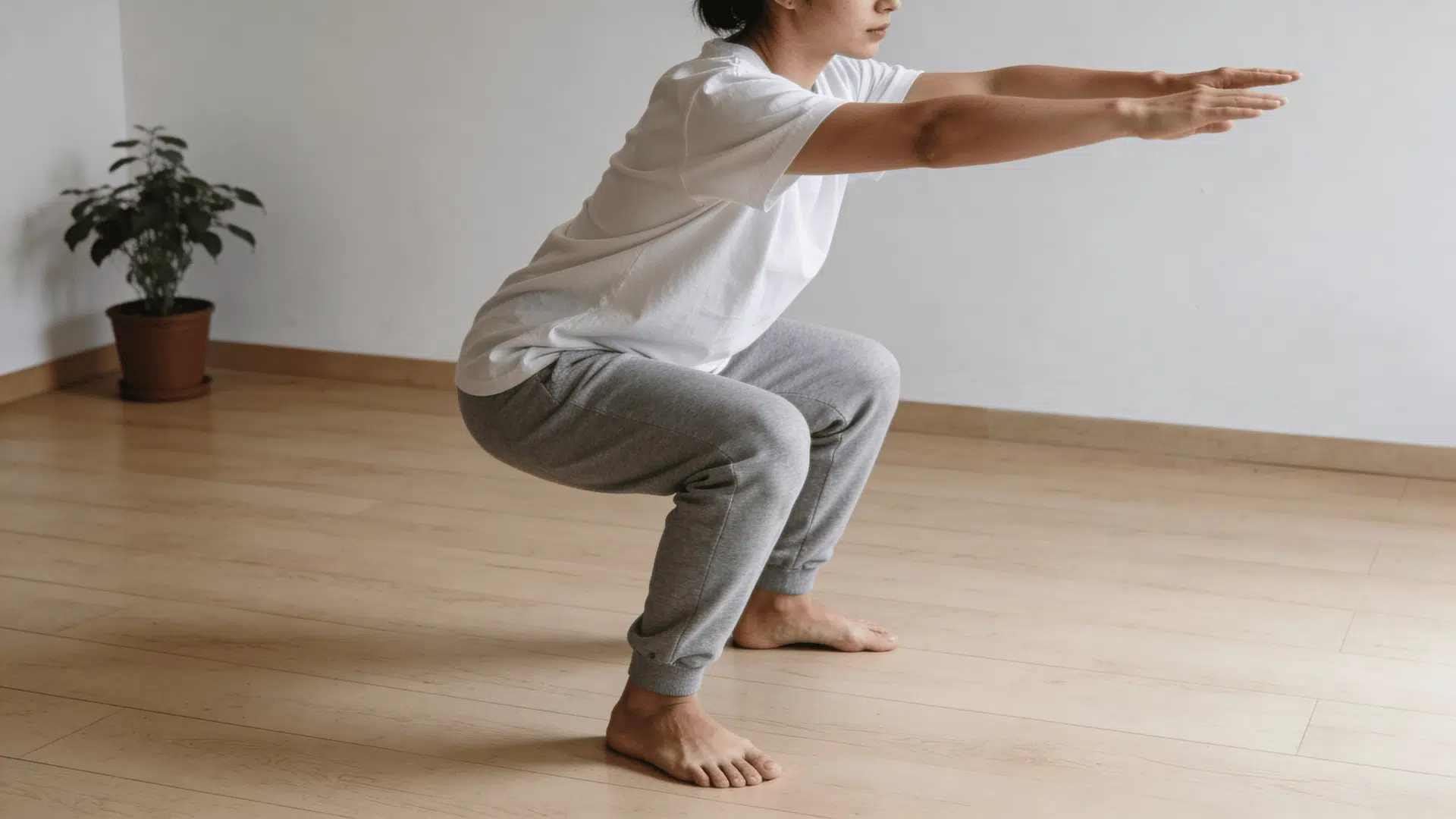
In the first week, focus on doing simple bodyweight squats every day. This helps your body get used to the movement and builds a strong base.
Keep your form correct and move at a steady pace, not rushing. If 100 reps feel like too much, break them into smaller sets.
The goal here is to stay consistent and comfortable. By the end of the week, your legs may feel stronger, and the movement will start to feel more natural.
Week 2: Add Light Weight
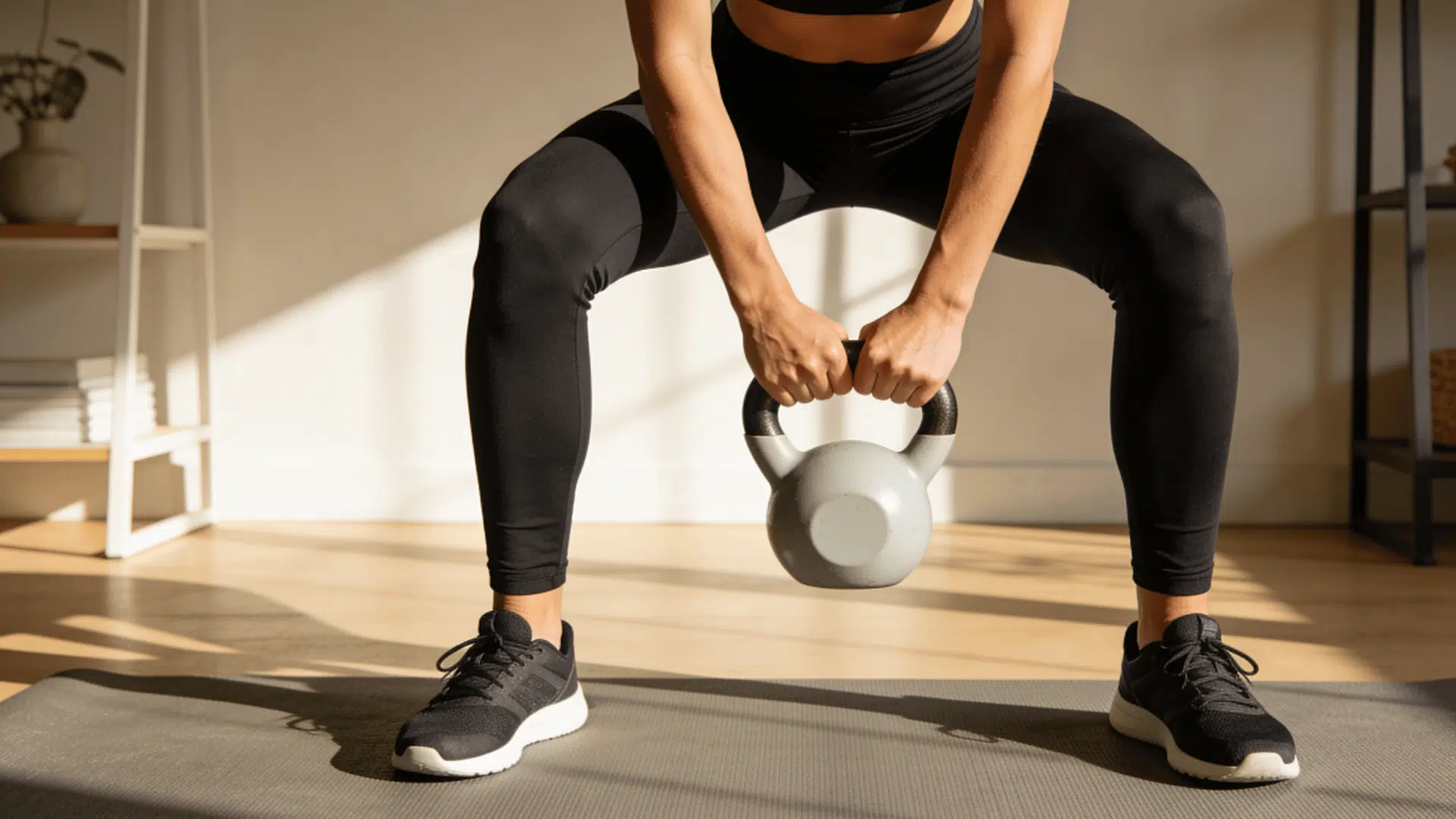
In the second week, you can add light weight to make the exercise a bit more challenging. A simple way is to hold a dumbbell or any small weight in front of your chest while squatting.
This is called a goblet squat. Keep the weight manageable so your form stays correct. You can still split your reps into sets if needed.
Adding weight helps your muscles work harder and supports better strength gains without making the routine too difficult.
Week 3: Split Squats for Balance
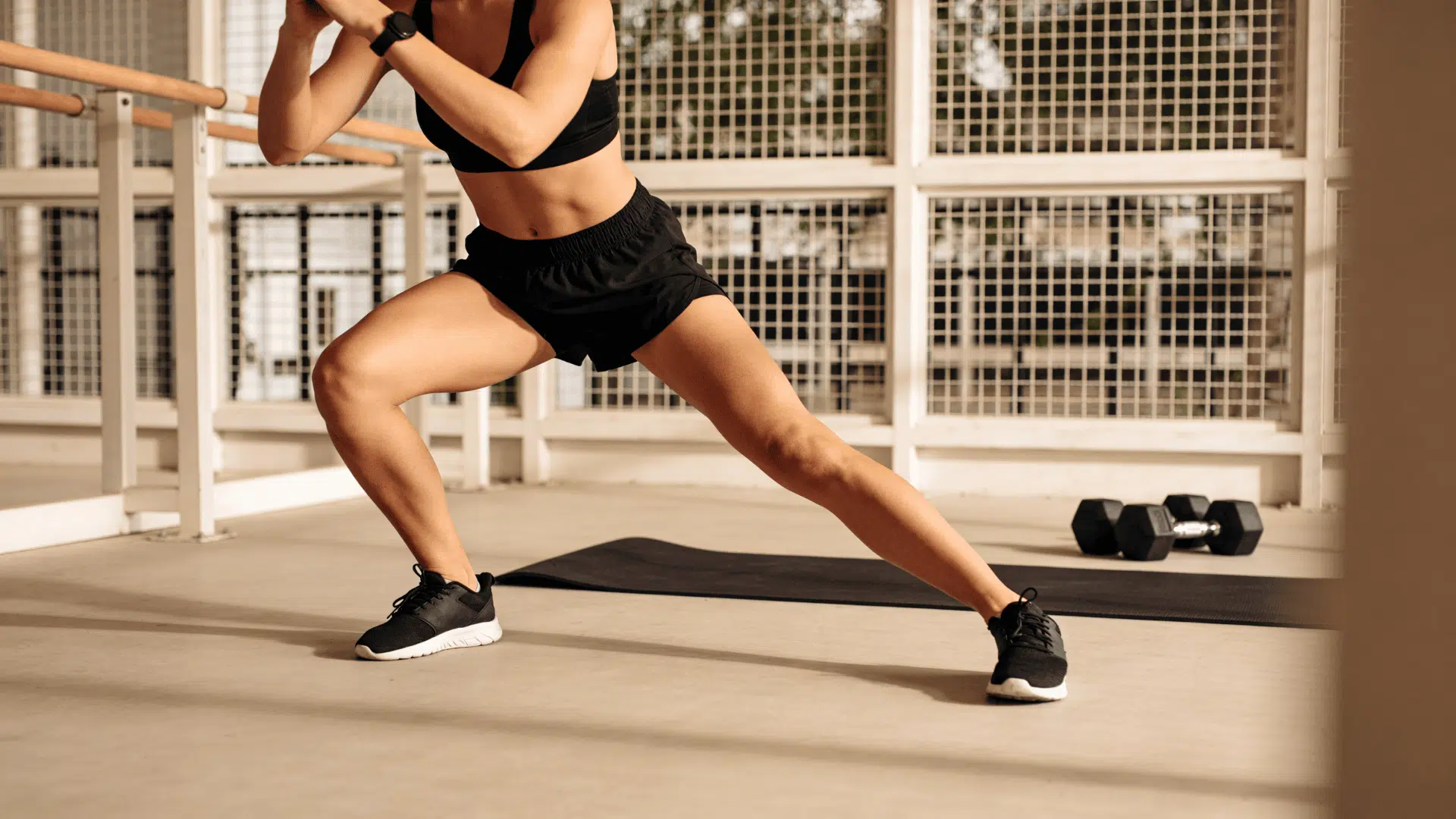
During the third week, start adding split squats to improve balance and work each leg separately. This means placing one foot forward and the other behind while lowering your body.
It may feel slightly harder at first, but it helps build control and stability. You can mix split squats with regular squats to complete your total reps.
Focus on slow, controlled movements to avoid losing balance. This step helps correct muscle imbalances and makes your lower body stronger overall.
Week 4: Weighted Squats or Variations
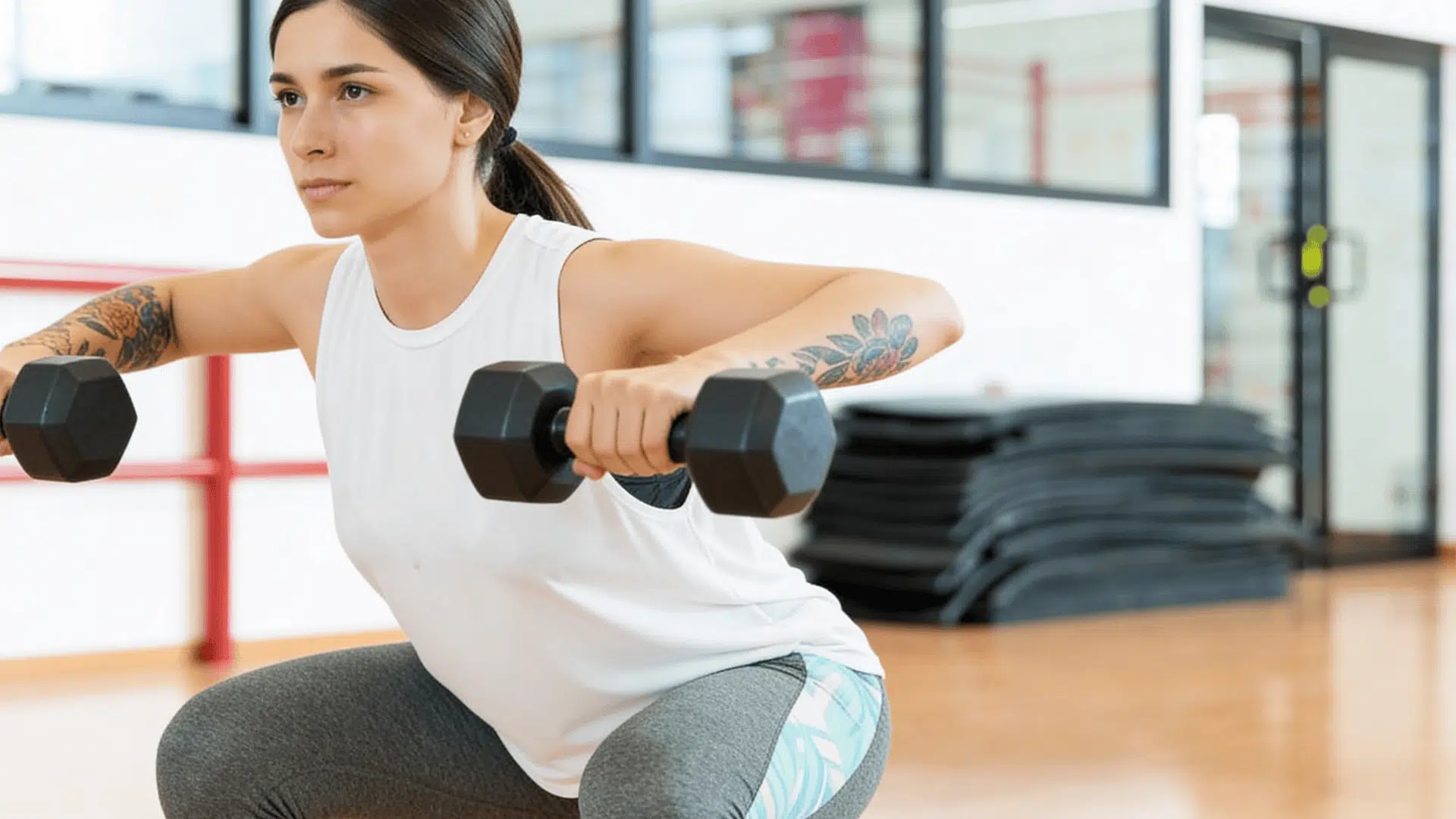
In the final week, you can increase the challenge by using more weight or trying squat variations. You can use heavier dumbbells or try different styles, such as sumo squats or pulse squats.
These changes keep your routine from feeling repetitive and push your muscles to keep improving. Make sure your form stays correct, even with added difficulty.
By now, your body should feel stronger and more stable, making it easier to handle these advanced variations safely.
100 Squats a Day: Reddit User Experience and Results
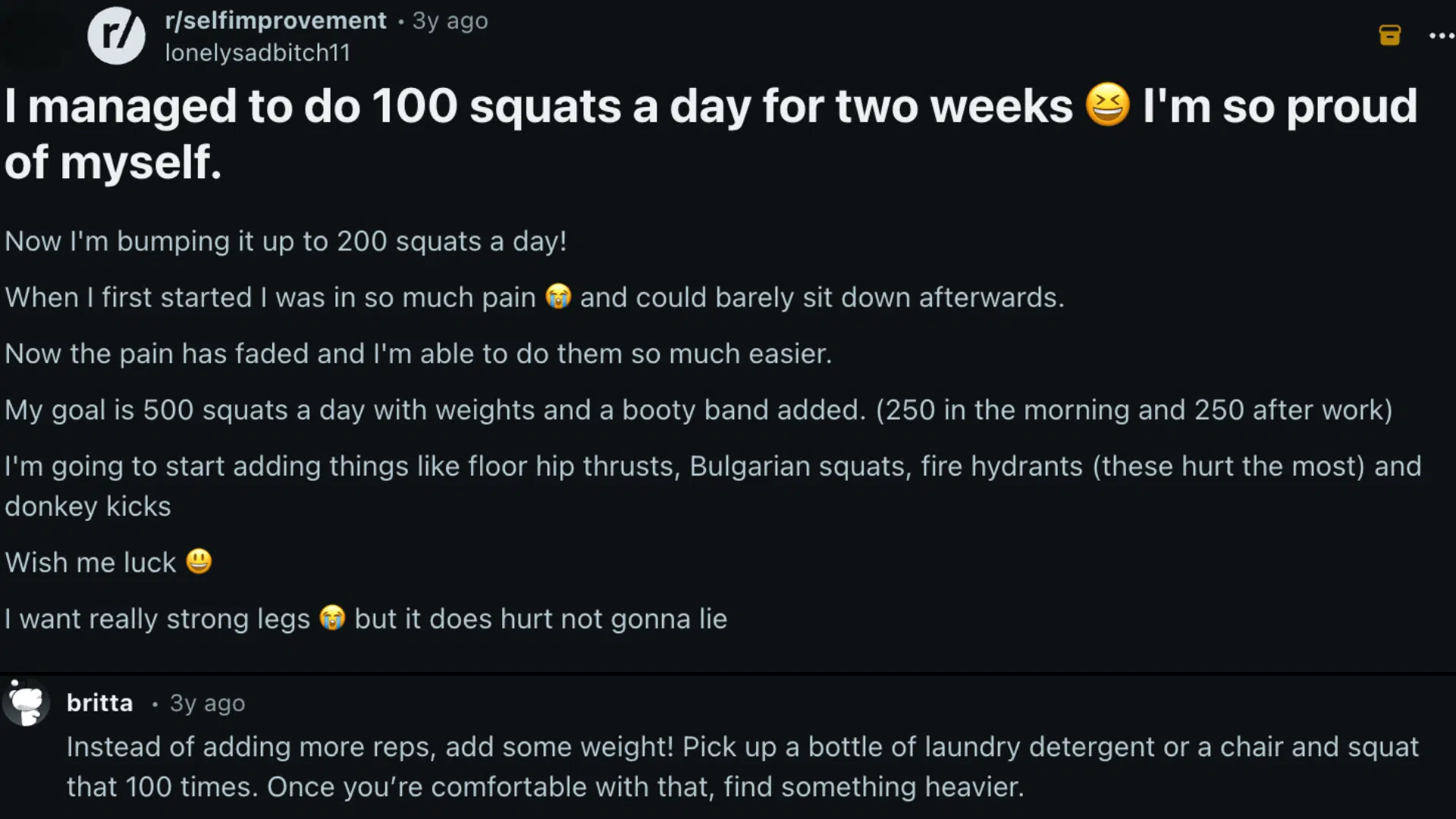
A Reddit user shared their experience doing 100 squats a day for two weeks, and the results were honest and practical. In the first few days, they felt strong soreness, especially in the thighs and glutes.
But after a week, their body adjusted, and the workout felt easier. They noticed better leg strength and endurance, but not big visual changes yet.
The biggest win was building a daily habit. Staying consistent made them feel more disciplined. The post also points out that form matters more than speed. Doing squats correctly helped avoid pain and gave better results.
This Reddit experience shows that the challenge can improve strength and routine, but visible body changes take more time and patience.
Benefits vs Downsides of Doing 100 Squats a Day
This table provides a clear, simple comparison of the main benefits and downsides of doing 100 squats every day.
| Benefits | Downsides |
| Builds lower body strength by working quads, glutes, and hamstrings | No recovery time can lead to joint strain and fatigue |
| Improves endurance as high reps increase stamina over time | Plateau in results as the body adapts to the same routine |
| Boosts energy and mood through better oxygen flow and movement | Not ideal for muscle growth without added weight |
| Helps build a fitness habit with daily consistency | Form breakdown risk when doing too many reps |
Tips to Get Better Results from the Challenge
Small changes in how you train can make a big difference over time. These simple tips can help you stay on track and see steady progress.
- Focus on form Over Speed: Move slowly and maintain proper posture. Good form protects your joints and works the right muscles.
- Add Variations: Try sumo squats or pulse squats to keep things fresh. This helps target muscles in slightly different ways.
- Combine with a Proper Diet: Eat balanced meals with enough protein and nutrients. This supports muscle tone and overall energy.
- Track Progress With Photos: Take before-and-after pictures each week. It helps you notice small changes that are easy to miss daily.
Final Thoughts
Doing 100 squats a day can be a great way to build a simple fitness habit. It helps you stay active, improve endurance, and feel more in control of your routine.
If you’re just starting out, this challenge can give you a clear and easy way to begin without feeling confused or overwhelmed.
At the same time, it’s important to remember that your body needs change to keep improving. Over time, adding weight or trying new variations will help you move forward and avoid getting stuck.
What matters most is showing up daily and staying consistent. Small efforts add up.
If you’ve tried this challenge or are planning to start, share your experience in the comments below. Your story might help someone else stay motivated, too!
Frequently Asked Questions
Can Squats Help Reduce Cellulite on the Thighs?
Squats strengthen and tone the thigh muscles, which may reduce the appearance of cellulite over time when combined with a healthy diet and consistent cardio.
Is it Safe to do Squats During a Menstrual Cycle?
Light to moderate squat sessions are generally safe during a menstrual cycle, though intensity should be reduced if cramps or discomfort are present.
How Long does a Set of Squats Take to Complete?
A set of squats typically takes between ten and fifteen minutes to complete, depending on rep speed and rest breaks between sets.
Do Squats Help Improve Knee Stability?
Squats strengthen the muscles surrounding the knee joint, which can improve knee stability when performed with proper form and a full range of motion.
What Should be Eaten Before a Squat Session for Best Performance?
A light meal or snack with a mix of carbohydrates and protein, consumed thirty to sixty minutes before a session, helps fuel muscles and maintain energy levels.