



I remember when I first started lifting, I wasn’t sure if I was doing the right exercises for my chest.
You might feel the same, especially when trying to figure out what incline bench work is and if it’s worth adding to your routine.
In this article, I’ll break it down based on what I’ve seen work with my clients over five years of coaching.
You’ll learn which muscles it targets, the key benefits, and how it compares to other chest movements. I’ll also share tips and variations to help you get better results.
If you’re new to the gym or trying to sharpen your form, this guide will help you train smarter.
By the end, you’ll know exactly how to use the incline bench to build strength and shape your upper chest.
What Is the Incline Bench Press?
The incline bench press is a popular upper-body exercise that focuses on building strength and size in the chest.
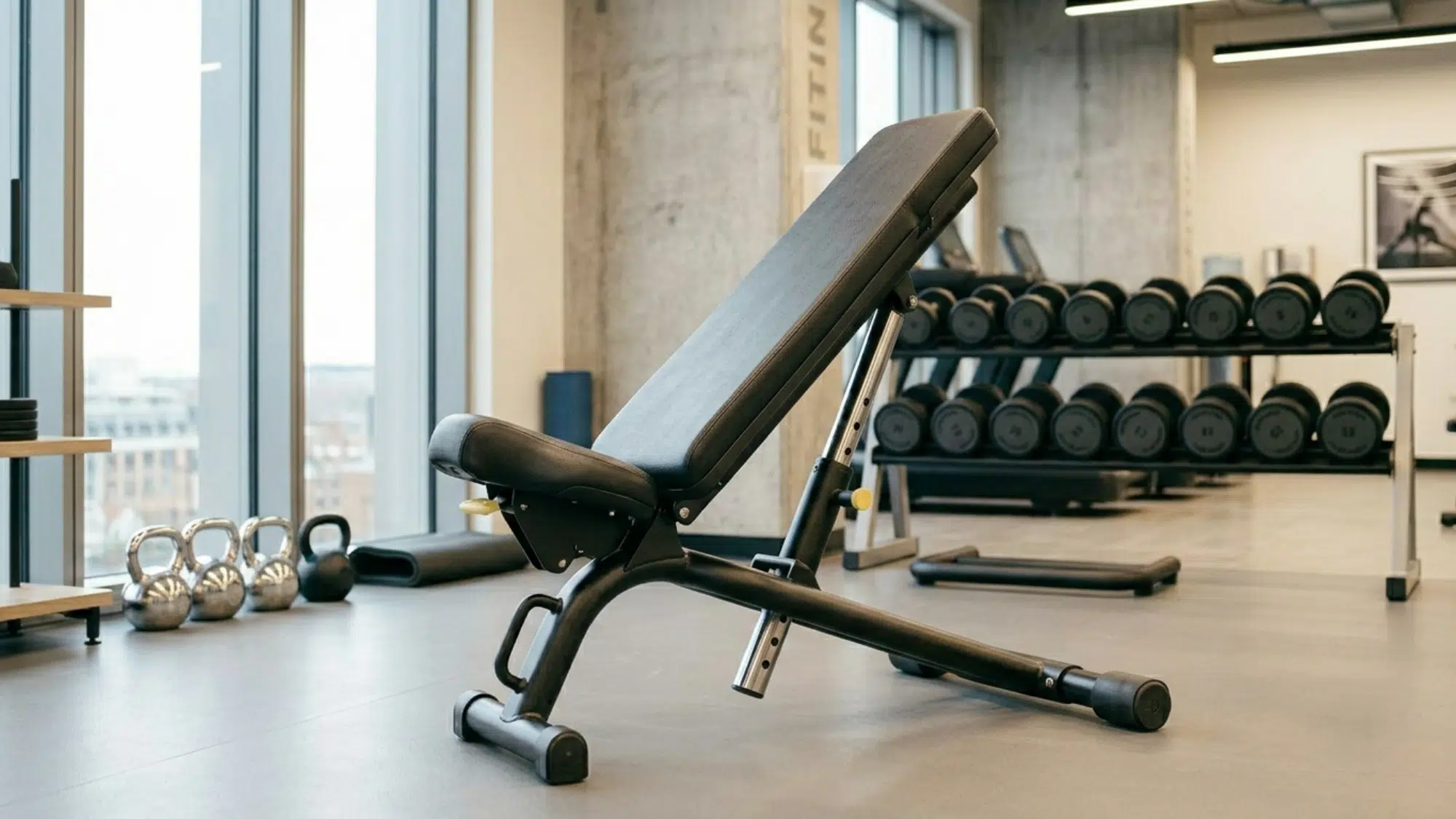
It is performed on a bench set at an angle, usually between 15 and 45 degrees. This angled position changes how your muscles work compared to a flat bench.
If you’re wondering what incline bench work does, it mainly targets the upper part of the chest, along with the shoulders and triceps.
A key detail worth knowing early: the angle you choose matters. Research and practical experience both point to 30 degrees as the sweet spot for upper chest activation.
Angles above 45 degrees shift most of the work to the shoulders instead of the chest.
This exercise improves chest shape and balance while targeting areas that flat moves miss and building control and strength.
Knowing what incline bench works helps you choose better exercises and get improved results.
What Muscles Does the Incline Bench Press Work?

A clear breakdown of the key muscles involved and how each one supports strength, control, and upper body development.
1. Upper Chest (Pectoralis Major)
The upper chest is the main muscle targeted during the incline bench press. When people ask what incline bench work is, this is the primary focus.
The angled bench shifts the load to the clavicular head of the pectoralis major, helping build fullness in the upper chest.
This area is often harder to develop with flat exercises alone. Regular training can improve chest shape, posture, and overall upper-body strength, giving your chest a more lifted, defined look.
In my experience coaching beginners, the upper chest is almost always the most underdeveloped part of the pecs.
Most people rely on the flat bench and push-ups, which miss the upper chest. Adding incline work helps build a more balanced chest faster
2. Front Shoulders (Anterior Deltoids)
The front shoulders play a strong supporting role in the incline bench press. If you’re asking what incline bench work does, the anterior deltoids are heavily involved, especially as the bench angle increases.
These muscles help lift and stabilize the weight during the pressing motion. Over time, this can lead to stronger and more defined shoulders.
Proper form is key to avoiding overloading and keeping the chest as the main muscle worked.
One thing I always tell my clients is that if you feel your shoulders burning before your chest does, the bench angle is too steep.
Drop it to 30 degrees and reassess. That simple adjustment usually fixes the problem within a set or two.
3. Triceps (Back of the Arms)
The triceps assist in extending your arms as you push the weight upward. When considering what incline bench work, the triceps are key secondary muscles.
They help complete the movement by locking out your elbows at the top.
Strong triceps improve overall pressing strength and can help you lift heavier weights over time.
While they are not the main focus, they play a big role in performance and contribute to better upper-body strength and stability.
4. Upper Back and Traps
This muscle group is missing from the original blog but appears consistently in top-ranking content.
The trapezius and rhomboids work to keep your shoulder blades retracted and your posture stable throughout the lift.
Without this activation, the movement becomes sloppy, and the risk of shoulder injury increases.
Consciously pinching your shoulder blades together before you unrack the bar is one of the best cues I use with new clients to engage this area properly.
5. Serratus Anterior
The serratus anterior is a smaller muscle located along the sides of your ribcage.
It may not be the first muscle that comes to mind when thinking about what the incline bench does, but it helps stabilize your shoulder blades during the lift.
This stability is important for maintaining proper form and preventing injury.
A strong serratus anterior supports smoother movement and better control, especially when lifting heavier weights on an incline bench.
6. Stabilizer Muscles
Several smaller stabilizer muscles are also engaged during the incline bench press.
If you’re wondering what incline bench work does, these muscles help keep your body steady and aligned. This includes muscles in your core, shoulders, and upper back.
They work together to support balance and control throughout the movement.
Even though they are not the main target, they are essential for safe lifting and improving overall strength and coordination in your workouts.
Benefits of Using an Incline Bench
An incline bench helps target the upper chest and adds variety to your workouts. It also supports better strength balance and improves overall muscle control.
- Better Upper Chest Development: The incline angle places greater emphasis on the upper chest, helping create a fuller, more balanced look.
- Improved Shoulder Strength: This exercise engages the front shoulders, building strength that supports many other pushing movements.
- Enhanced Muscle Definition: Regular use can improve the shape and separation of your chest, giving a more defined appearance.
- Increased Pressing Power: Strength gained from incline work can carry over to other lifts, such as the flat bench and overhead press.
- Reduced Muscle Imbalance: It helps target undertrained areas with flat exercises, leading to better overall symmetry.
- Better Posture: Strengthening the upper chest and upper back muscles through incline pressing supports scapular retraction, which helps pull the shoulders back and reduce slouching over time.
- More Workout Variety: Adding an incline bench keeps your routine fresh and helps prevent plateaus in your progress.
Incline Bench vs Flat Bench
A simple comparison to help you understand how each exercise targets your muscles differently and fits into your workout goals.
| Feature | Incline Bench Press | Flat Bench Press |
|---|---|---|
| Main Muscle Focus | Upper chest (clavicular head) | Middle chest (sternal head) |
| Shoulder Involvement | Higher shoulder engagement | Moderate shoulder involvement |
| Triceps Involvement | Moderate | High |
| Bench Angle | Set at 15–45 degrees | Completely flat |
| Muscle Activation | Targets the upper chest more | Targets the overall chest more evenly |
| Strength Potential | Usually, lower weights are lifted | Allows heavier lifting |
| Chest Shape Impact | Builds upper chest fullness | Builds overall chest thickness |
| Beginner Friendly | Slightly harder to learn | Easier to perform |
| Risk of Shoulder Strain | Slightly higher if the angle is too steep | Generally lower with proper form |
| Best For | Upper chest development and balance | Overall chest mass and strength |
A common question I get is whether you need both in your program. The short answer is yes.
I’ve worked with lifters who only did flat bench for months and wondered why their upper chest looked flat even as their overall size grew.
Adding two incline sets per chest session made a visible difference within six weeks for most of them.
How to Do the Incline Bench Press Correctly?
Using the right setup and form helps target the chest and reduce shoulder strain. Small adjustments in angle and control can make each rep more effective.
- Set your bench between 30 and 45 degrees. For most people, 30 degrees puts more load on the chest and less on the shoulders.
- Lie back and position yourself so the bar is directly above your eyes when racked.
- Retract your shoulder blades and press them into the bench before you touch the bar. This protects your shoulders and improves pressing power.
- Grip the bar slightly wider than shoulder-width with your palms facing forward.
- Take a breath in, then unrack the bar and hold it above your upper chest with arms extended.
- Lower the bar slowly to just below your collarbone, keeping your elbows at a moderate angle rather than flaring them out completely.
- Press the bar back up in a controlled line until your arms are fully extended, but do not lock your elbows at the top.
- Exhale as you press upward and repeat for your target reps.
As a trainer, the two most common mistakes I correct are letting the shoulder blades lift off the bench mid-press and setting the bench too steeply.
Both reduce chest engagement and increase injury risk.
Best Incline Bench Variations to Try
These variations can help you target muscles from different angles, making your workouts more effective and engaging.
1. Incline Dumbbell Bench Press

The incline dumbbell bench press is a popular upper-body exercise that targets the upper chest while engaging the shoulders and triceps.
Unlike a barbell, dumbbells allow each arm to move independently, improving balance and muscle coordination.
If you’re wondering what incline bench work does, this variation highlights the upper chest even more due to the increased range of motion.
It is great for correcting muscle imbalances and building a well-shaped, strong chest over time.
How to Perform:
Set an incline bench at 30–45 degrees. Hold a dumbbell in each hand, then lie back with your feet flat on the floor.
Start with weights at chest level, palms facing forward. Press the dumbbells upward until arms are extended, then slowly lower them back to the starting position.
Benefits:
- Improves upper chest development
- Increases range of motion
- Helps fix muscle imbalances
- Enhances shoulder stability
- Builds balanced strength on both sides
2. Incline Barbell Press

The incline barbell press is a classic strength exercise that targets the upper chest, shoulders, and triceps.
It allows you to lift heavier weights compared to dumbbells, making it ideal for building strength and muscle mass.
If you’re asking what incline bench work does, this variation strongly emphasizes the upper chest while still engaging supporting muscles.
The fixed bar path provides stability, which can help lifters focus on controlled movement and progressive overload for consistent upper body growth.
How to Perform:
Set the bench at a 30–45 degree angle and lie back under a barbell. Grip the bar slightly wider than shoulder-width. Lower it slowly to your upper chest, keeping your elbows at a slight angle.
Press the bar upward until your arms are fully extended, then repeat.
Benefits:
- Allows heavier lifting for strength gains
- Builds upper chest size and power
- Provides stable and controlled movement
- Supports progressive overload
- Improves overall pressing performance
3. Incline Cable Press

The incline cable press is an effective variation that keeps constant tension on your chest muscles throughout the movement.
It targets the upper chest while also engaging the shoulders and triceps.
If you’re wondering what incline bench work is, this variation improves muscle activation due to the steady resistance from cables.
Unlike free weights, cables allow smoother motion and better control. This makes it a great option for improving muscle connection, refining form, and adding variety to your upper body workouts.
How to Perform:
Set the bench at an incline between two cable pulleys. Adjust the handles to chest height.
Sit back and hold the handles with palms facing forward. Press the cables upward and inward until your arms are extended.
Slowly return to the starting position while maintaining control and tension.
Benefits:
- Provides constant muscle tension
- Improves mind-muscle connection
- Reduces risk of injury with controlled movement
- Enhances upper chest activation
- Great for controlled and focused training
4. Incline Machine Press

The incline machine press is a beginner-friendly exercise that targets the upper chest, shoulders, and triceps using a guided path.
It removes the need for balance, allowing you to focus fully on muscle engagement.
If you’re wondering what incline bench work does, this variation clearly emphasizes the upper chest while supporting controlled movement.
The machine setup helps maintain proper form, making it ideal for those learning the exercise or aiming to train safely with consistent resistance and reduced risk of injury.
How to Perform:
Adjust the seat so the handles align with your upper chest. Sit back with feet flat and grip the handles firmly. Push the handles forward until your arms are extended without locking your elbows.
Slowly return to the starting position, keeping the movement controlled throughout the set.
Benefits:
- Easy to learn and beginner-friendly
- Provides stable and guided movement
- Reduces risk of injury
- Helps maintain proper form
- Targets the upper chest effectively without balancing weights
Pros and Cons of Incline Bench
The incline bench press helps target the upper chest and improve strength. It also adds variety to workouts but needs proper form and setup to avoid shoulder strain.
| Pros | Cons |
|---|---|
| Targets the upper chest effectively | Can place more stress on the shoulders |
| Helps build a balanced chest shape | Harder to lift heavy compared to the flat bench |
| Improves upper body strength | Requires proper angle setup |
| Adds variety to workouts | An incorrect form may reduce chest focus |
| Engages multiple muscle groups | Not ideal for beginners without guidance |
| Supports better muscle definition | Limited if used alone without other chest exercises |
Tips to Improve Your Incline Bench Performance
These tips help you train smarter and get more out of every rep.
- Set the Right Bench Angle: Keep the bench at 30–45 degrees to target the upper chest and reduce shoulder strain. Lower to 30 degrees for better chest focus if possible.
- Focus on Controlled Movement: Lower the weight slowly and press up with control to improve muscle activation and reduce injury risk.
- Maintain Proper Grip: Use a grip slightly wider than shoulder-width to balance chest and arm involvement.
- Keep Your Feet Stable: Plant your feet firmly on the ground to improve balance and overall lifting power.
- Don’t Lock Your Elbows: Keep a slight bend at the top to maintain tension on the chest muscles.
- Warm Up Properly: Start with lighter weights to prepare your muscles and joints for heavier lifts.
- Progress Gradually: Increase weight or reps slowly over time to build strength safely and consistently.
- Retract Your Shoulder Blades Before Every Set: Pinch your shoulder blades and press them into the bench before unracking to protect your shoulders and keep the chest working.
- Don’t Skip the Flat Bench Entirely: Incline work builds the upper chest, but combining it with flat pressing ensures balanced chest development and avoids neglecting the middle and lower pecs.
Conclusion
By now, you have a clear idea of what the incline bench press can do for your upper body and how it fits into your workout.
It’s not just about lifting weights; it’s about using the right angle, form, and variations to get better results over time.
Stay consistent and use proper technique to see real progress in strength and chest development.
I have seen that the ones who see the fastest upper chest growth are those who treat incline pressing as a primary movement rather than an afterthought at the end of a chest session.
Do it first with proper form for better results. Small changes can improve your workout.
Have you tried incline bench exercises, and what results have you noticed? Share your experience in the comments below!
Frequently Asked Questions
Are Incline Benches Effective for Full-Body Workouts?
Incline benches support many exercises for the chest, shoulders, back, and core, making them a useful addition to any home gym.
What Are Some Safety Tips for Using an Incline Bench at Home?
Use a weight that matches your fitness level and set the bench at the right angle. Move slowly and carefully to avoid injury. Always warm up before your workout and cool down after.
How Can an Incline Bench Fit Into an At-Home Gym Setup?
Make sure you have enough space for the bench and full movement. Place it where you can easily adjust angles and switch between exercises.
Is the Incline Bench Press Good for Beginners?
It can be, but it’s more technical than the flat bench. Beginners should start with machines or light dumbbells and focus on proper shoulder positioning.