






Two basketball leagues. Two very different paychecks. That gap can feel unfair, confusing, or both, and most people never get a clear answer for why it happens.
This blog walks through the big ideas behind how money flows in both leagues and how that connects to what players earn.
We will also break down the main ways a league brings money in, how that money can be shared, and what rules shape player pay.
It also explains why two leagues in the same sport can run in very different ways, and why the gap has become such a hot topic.
By the end, the full picture will feel simpler: what drives pay, what limits it, and what could change it in the future.
How Revenue Is Shared in the NBA
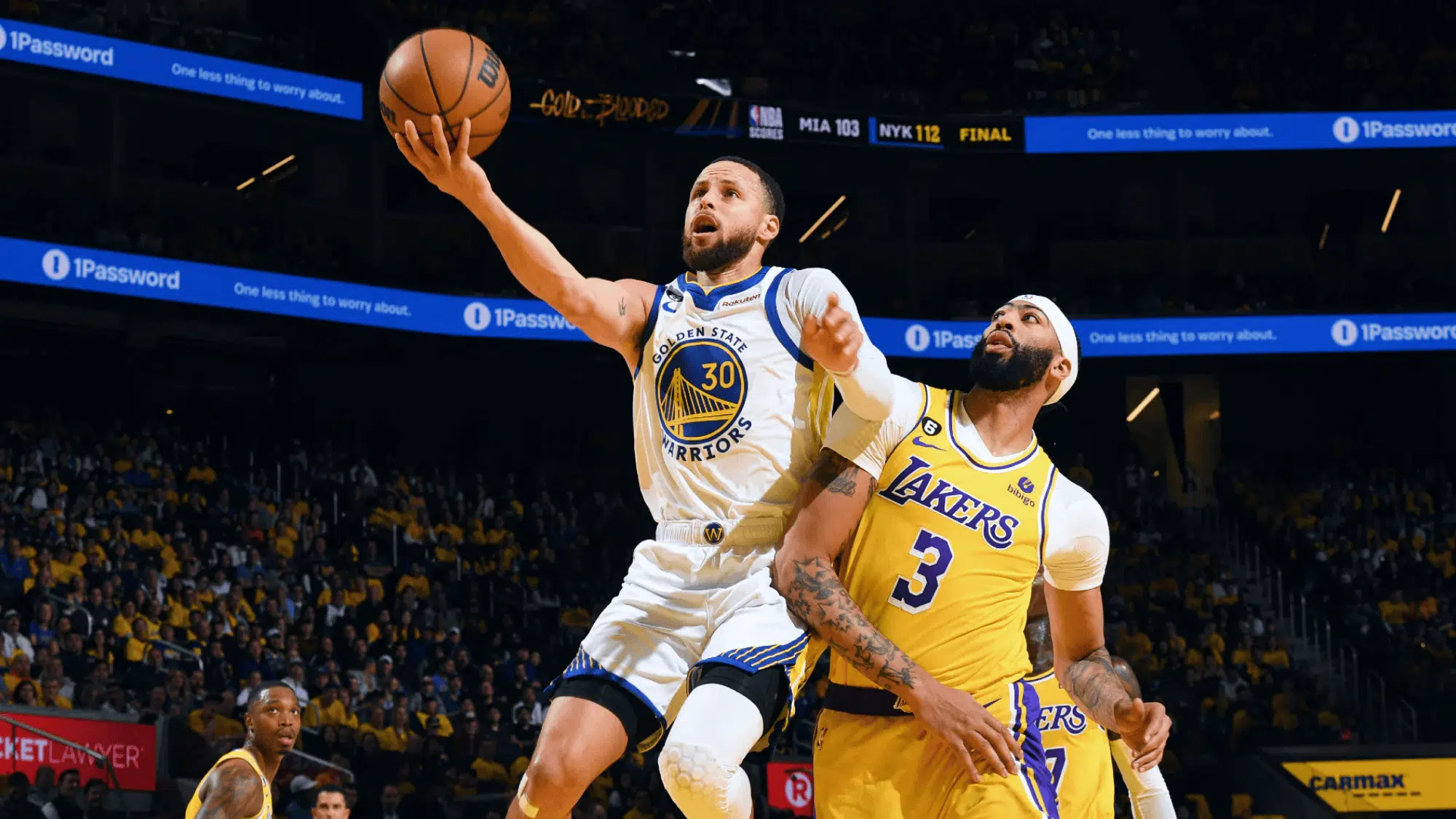
Understanding the NBA’s model helps you see why players make what they do.
NBA Revenue Model Explained
The NBA makes money from several big sources:
The NBA makes money from several big sources, and it sits among the richest sports globally when it comes to total revenue generation:
| Revenue Source | What it Includes | Example / Note |
|---|---|---|
| National media deals | League-wide TV contracts | ESPN, ABC, TNT, and others |
| Local television rights | Team-level broadcast deals in local markets | Each team sells rights in its city |
| Corporate sponsorships | Advertising + brand partnerships | Big spend to advertise during games |
| Ticket sales and arena revenue | Game-day income from fans | Tickets, food, merchandise |
| International deals | Global broadcast + partnerships | Strong in China and Europe |
| Licensing and merchandise | Royalties from products using NBA branding | Jerseys, video games, merch sales |
All of this gets lumped into something called Basketball Related Income (BRI). Think of BRI as the pot of money the league and teams earn from anything basketball-related.
NBA Player Revenue Split
Here’s where it gets interesting. The NBA’s collective bargaining agreement says players must receive between 49% and 51% of BRI. That’s right, nearly half of everything the league makes goes directly to the players.
This split happens through:
- Team salary caps – Each team has a minimum and maximum they can spend on players
- Individual contracts – Stars like LeBron James or Stephen Curry negotiate massive deals
- Rookie scales – Young players have set salaries based on draft position
When the NBA grows and makes more money, player salaries automatically go up because they’re tied to that BRI number. It’s a system that scales with success, which is why NBA salaries have exploded over the past 20 years.
How Revenue Is Shared in the WNBA
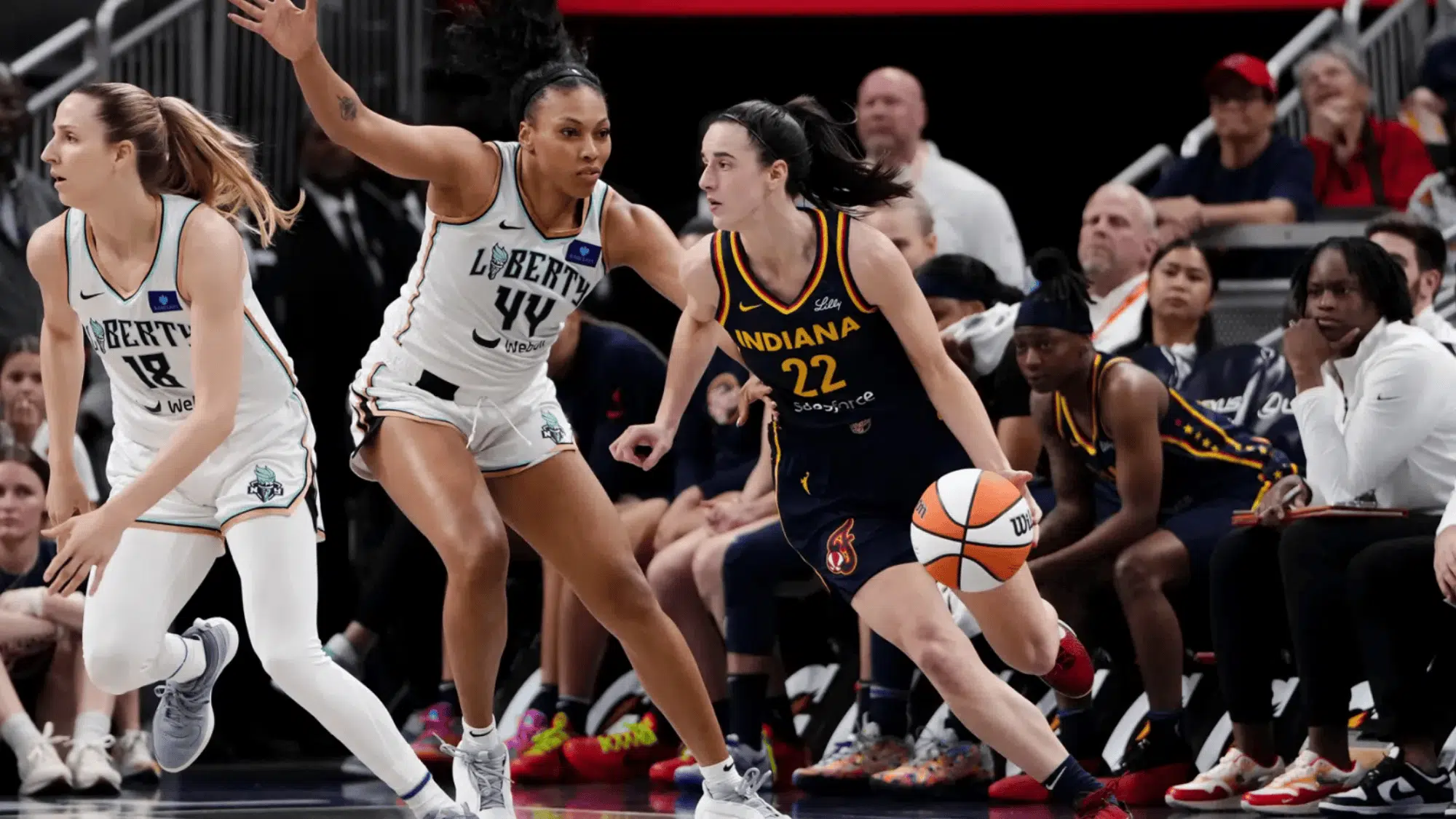
The WNBA operates differently, and understanding why matters for the bigger conversation about pay.
WNBA Revenue Structure
The WNBA’s money comes from similar sources, just on a much smaller scale:
| Revenue Source | What it Includes | Example / Note |
|---|---|---|
| Media rights | TV + streaming broadcast deals | ESPN, CBS, streaming platforms |
| Ticket sales | Money from game attendance | Smaller arenas means fewer seats to sell |
| Corporate sponsorships | Brand deals and sponsor placements | Growing but still building |
| Merchandise | Fan gear and apparel sales | Jerseys, team merch |
| League partnerships | Long-term brand partnerships | Nike, Google, AT&T |
The big difference? The WNBA season is shorter (40 regular-season games vs the NBA’s 82), arenas are smaller, and viewership numbers are lower. All of this means less total revenue coming in.
WNBA Player Revenue Share Explained
This is where things get complicated and often misunderstood.
The WNBA’s current CBA (signed in 2020) doesn’t work exactly like the NBA’s 50/50 split. Instead, players receive:
- A guaranteed baseline that works out to roughly 9–10% of total revenue in direct salary
- Performance-based bonuses and incentives that can push total compensation higher
- Marketing deals and shared revenue pools that increase the overall player take
When you add everything up—salaries, bonuses, prize money, marketing funds—some estimates put the real number closer to 20% of revenue going to players. But it’s still nowhere near the NBA’s 50%.
Why not just match the NBA’s percentage? Because the WNBA has fixed costs that eat up a bigger chunk of revenue.
Running a professional league costs money, arenas, travel, staff, marketing, and when your total revenue is $200 million instead of $11 billion, those costs take up a much bigger slice of the pie.
Why the Revenue Gap Between the WNBA and NBA Is So Large

Let’s be real: the gap is massive. But it’s not just one simple reason; it’s a bunch of factors working together.
1. League Age and Market Size
The NBA was founded in 1946. It’s had almost 80 years to build a global fanbase, negotiate better TV deals, and become part of American culture.
The WNBA? It launched in 1997. That’s only 27 years old. The league is still in what you’d call its growth phase, building recognition and expanding its market. Rome wasn’t built in a day, and neither is a multibillion-dollar sports league.
2. Ownership and Subsidies
Here’s something many people don’t realize: NBA team owners have a stake in the WNBA. For years, the NBA financially supported the WNBA during its early years when it wasn’t making money.
Some of these owners are among the NBA’s wealthiest franchise builders, turning basketball into billion-dollar business empires far beyond the court.
This setup means:
- The WNBA benefits from shared infrastructure (arenas, staff, marketing resources)
- The NBA has historically covered losses to keep the league running
- Investment decisions are made with long-term growth in mind, not immediate profit
Some critics say this means WNBA players are getting a bad deal. Others argue it’s the only reason the league exists at all.
3. Media Rights and Viewership
Let’s talk about TV money, because that’s really what drives everything in professional sports.
The NBA’s playoff games regularly draw millions of viewers. The NBA Finals? That’s a major cultural event with international audiences. Advertisers pay huge money for those eyeballs.
The WNBA Finals, while growing, still draw a much smaller audience. Fewer viewers means advertisers pay less. Less advertising money means smaller TV deals. Smaller TV deals mean less revenue for everyone.
But here’s the good news: viewership is trending up. The 2023 WNBA Finals saw significant growth, and stars like Caitlin Clark and A’ja Wilson are bringing new fans to the game.
NBA And WNBA Salaries Explained
When you look at actual paychecks, the difference is eye-opening. Basketball, in fact, ranks among the sports creating the most millionaires across all professional leagues worldwide.
NBA:
- Average salary: ~$10 million per year
- Minimum salary: ~$1 million (for rookies)
- Maximum salary: Over $50 million (for superstars)
WNBA:
- Average salary: ~$120,000 per year
- Minimum salary: ~$64,000 (for rookies)
- Maximum salary: ~$240,000 (supermax contracts)
The salary cap in the WNBA is $1.46 million per team for 2024. In the NBA? Try $136 million per team. That’s roughly 93 times higher.
Is the WNBA Profitable Yet?
This is one of the most-asked questions, so let’s tackle it head-on.
Has the WNBA ever made a profit? According to most reports, no, at least not consistently. The league has operated at a loss for most of its history, with the NBA covering shortfalls.
But here’s the thing: losses don’t always mean failure. Amazon didn’t turn a profit for years while it built its business. The same goes for many successful companies.
The WNBA is in investment mode. The league is:
- Expanding to new cities (adding teams in San Francisco, Portland, and Toronto)
- Building a stronger fanbase
- Developing better media deals
- Creating long-term sustainability
With the new media contract and growing interest, many analysts believe the WNBA could reach profitability within the next 5 to 10 years.
What the New WNBA Media Deal Means for Future Revenue
In 2024, the WNBA announced a game-changing $2.2 billion media rights deal over 11 years. That’s about $200 million per year, roughly matching the league’s entire current annual revenue.
This deal includes:
- More games on national TV (ESPN, ABC, CBS)
- Streaming partnerships with Prime Video and other platforms
- Better time slots and promotional support
- International broadcast expansion
What does this mean for players? Almost certainly higher salaries in the next CBA negotiation. When the money doubles, player compensation has to go up.
The current agreement runs through 2027, so expect major changes when the new one gets negotiated.
Could the WNBA Ever Match the NBA Revenue Model?
Let’s be realistic: the WNBA probably won’t generate $11 billion annually anytime soon. But that doesn’t mean players can’t earn more or that the gap can’t shrink significantly.
Look at other leagues for comparison:
- MLS (Major League Soccer) has grown massively in 20 years
- Women’s soccer leagues worldwide have seen salary explosions after the World Cup success
- The NHL took decades to reach its current revenue levels
The WNBA is on a similar path. With smart marketing, continued investment, and growing fan support, the league could realistically:
- Triple revenue within 10 years
- Increase player salaries to an average of $250,000 to $300,000
- Reach a 25% to 30% revenue share for players
- Become profitable without NBA subsidies
Equality doesn’t have to mean identical numbers. It means fair compensation based on the value players create and the revenue they help generate.
The Bottom Line
At the end of the day, player pay is shaped by how each league is built and how money is handled behind the curtain.
The NBA has a long-established system that links player earnings closely to league growth, while the WNBA is still building its path and balancing big goals with real costs.
That’s why the conversation isn’t just about salaries, it’s about understanding the structure, challenges, and momentum. Interest, support, and visibility can shift things over time.
Want more breakdowns like this that make sports business simple? Share this post, and check out the next guide for more easy explanations.