
April 10, 2026
The first time I laced up my boots and hit a trail, I had no idea what I was doing. I packed too much, wore the wrong shoes, and turned back after 20 minutes. Sound familiar? Hiking doesn’t have to feel that overwhelming. With a little prep and the right know-how, it becomes one of the most rewarding things you can do outdoors. This guide covers everything a beginner needs to start hiking confidently: choosing the right trail, understanding trail ratings, building a simple gear kit, staying safe, and developing stamina over time. I’ve included the tips I wish someone had given me before that first embarrassing attempt. If you’re planning your first short walk or working toward something longer, you’ll find practical, experience-backed advice here that you can act on today. How to Start Hiking with Zero Experience? Hiking for beginners means starting with short, easy trails that are close to home. These trails are usually well-marked, flat, and simple to follow. There is no need to go far or pick a hard route in the beginning. Many new hikers worry about getting lost, choosing the wrong gear, or staying safe. These concerns are normal and easy to manage with basic planning. Clear trails and simple preparation help reduce most risks. A good way to begin is by setting a small goal. Start with a 2–5 km walk on a local trail that feels comfortable. This builds confidence without putting too much pressure on the body. Hiking is beginner-friendly because it does not require special skills. With the right trail, basic gear, and simple safety steps, getting started can feel easy and manageable. Top Hiking Tips for Beginners Start with a simple gear that keeps the hike safe and comfortable. Focus on basics first, then add more items as […]

I still remember how unsure I felt when I first tried to ride a bike. It looked easy, but once I sat on it, balance felt hard. If you feel the same, you’re not alone. Learning this skill takes time, but you can do it with the right steps and a bit of practice. You’ll learn to ride a bike step by step with clear, simple instructions. I’ll show you how to balance, get moving, and stop using easy steps. These tips work well for both adults and kids who are just starting. You don’t need special skills or costly gear to begin. A safe place and regular practice can make a big difference. Stay patient, keep trying, and you will feel more confident each time you ride and improve your control. Step-By-Step Guide to Riding a Bike Learning to ride a bike may feel tricky at first, but breaking it into small steps makes it easier. I followed this same process, and it helped me gain confidence slowly. Step 1: Adjust Your Bike Start by setting the saddle at the right height. Sit on the bike and check that your toes can just touch the ground. This position gives better control and helps prevent falls while learning. A proper seat height also makes balancing easier during early practice. Make sure the handlebars feel comfortable to hold and easy to control. Take a few moments to sit and get used to the position. This setup creates a safe base before moving to the next step. Step 2: Baby Steps Ignore the pedals completely and focus only on balance. Push the bike forward using both feet while sitting on the saddle. Keep your gaze straight ahead, not down. This helps the body stay steady and balanced. Move slowly at first and […]

I’ve worked with many people who want stronger arms but feel unsure about where to begin. Most don’t need complex plans or long hours in the gym. A simple upper-body dumbbell workout, done with good form, can build real strength over time. I’ve used these same exercises with clients, and I’ve seen how small, steady effort leads to clear results. In this guide, I’ll walk you through arm exercises with weights that target your biceps, triceps, and forearms. I’ll also share how to set up your workout, choose the right weights, and avoid common mistakes that slow progress. You don’t need a big setup or special tools. A pair of dumbbells and a clear plan are enough. Stay consistent, focus on form, and you’ll notice better strength, control, and muscle tone over time. Why Is an Upper Body Dumbbell Workout Needed? I’ve seen many people skip arm training, but that often leads to weak grip and poor strength over time. A good upper-body dumbbell workout helps build strength in your arms and supports daily tasks like lifting, pushing, and carrying. When you train your arms with weights, you also improve balance and control in your movements. Arm exercises with weights target your biceps, triceps, and forearms together. This helps your muscles work more effectively as a group rather than in isolation. It also supports better posture and reduces the chance of strain during workouts. From my experience, even simple dumbbell moves can bring clear results when done with proper form. You don’t need heavy weights or long sessions to see progress. How to Do an Upper Body Dumbbell Workout for Arms? This routine uses simple arm exercises with weights and follows a timed format for better focus. It targets the biceps and forearms together to build strength and control in […]
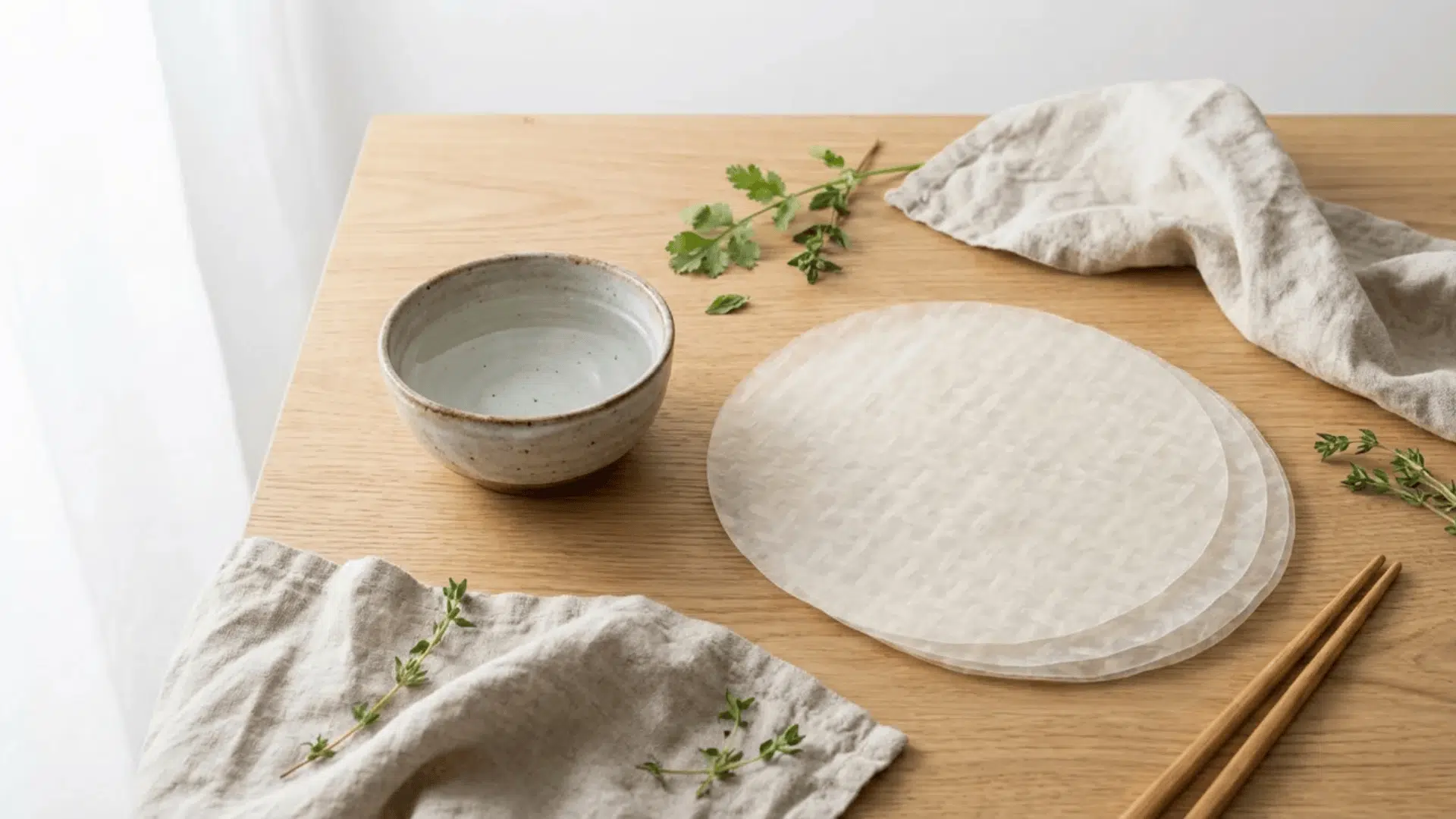
Rice paper nutrition is simpler than you might think. Each sheet runs between 30 and 50 calories, contains almost no fat, and is naturally gluten-free, making it one of the lightest wrapper options you can find. But if you are trying to figure out how many carbs are in rice paper, if it fits your diet, or how it stacks up against flour tortillas and spring roll wrappers, you need more than just a calorie count. This blog breaks down the full rice paper nutrition facts, including calories, carbs, protein, fat, and sodium, across different serving sizes. You will also find out how rice paper fits into weight loss, gluten-free, and other common diets. By the end, you will know exactly what you are eating and how to make rice paper work for your health goals. What is Rice Paper and What is it Made Up Of Rice paper is a thin, edible sheet commonly used to wrap spring rolls and light dishes in many Asian cuisines, especially Vietnamese food. It is known for its dry, firm texture when packaged, and becomes soft and flexible after being dipped in water. This makes it easy to wrap around vegetables, meats, or noodles. Rice paper is mainly made from white rice flour, water, and a small amount of salt. Some varieties also include tapioca starch, which helps improve texture and gives the sheet a slightly chewy feel once softened. The mixture is spread into thin layers, steamed, and then dried into round sheets. Because it uses simple ingredients, rice paper is naturally gluten-free and low in fat. Its mild taste pairs well with a wide range of fillings, making it a popular choice for light meals. Rice Paper Nutrition at a Glance Before going into each nutrient, here is a quick reference […]
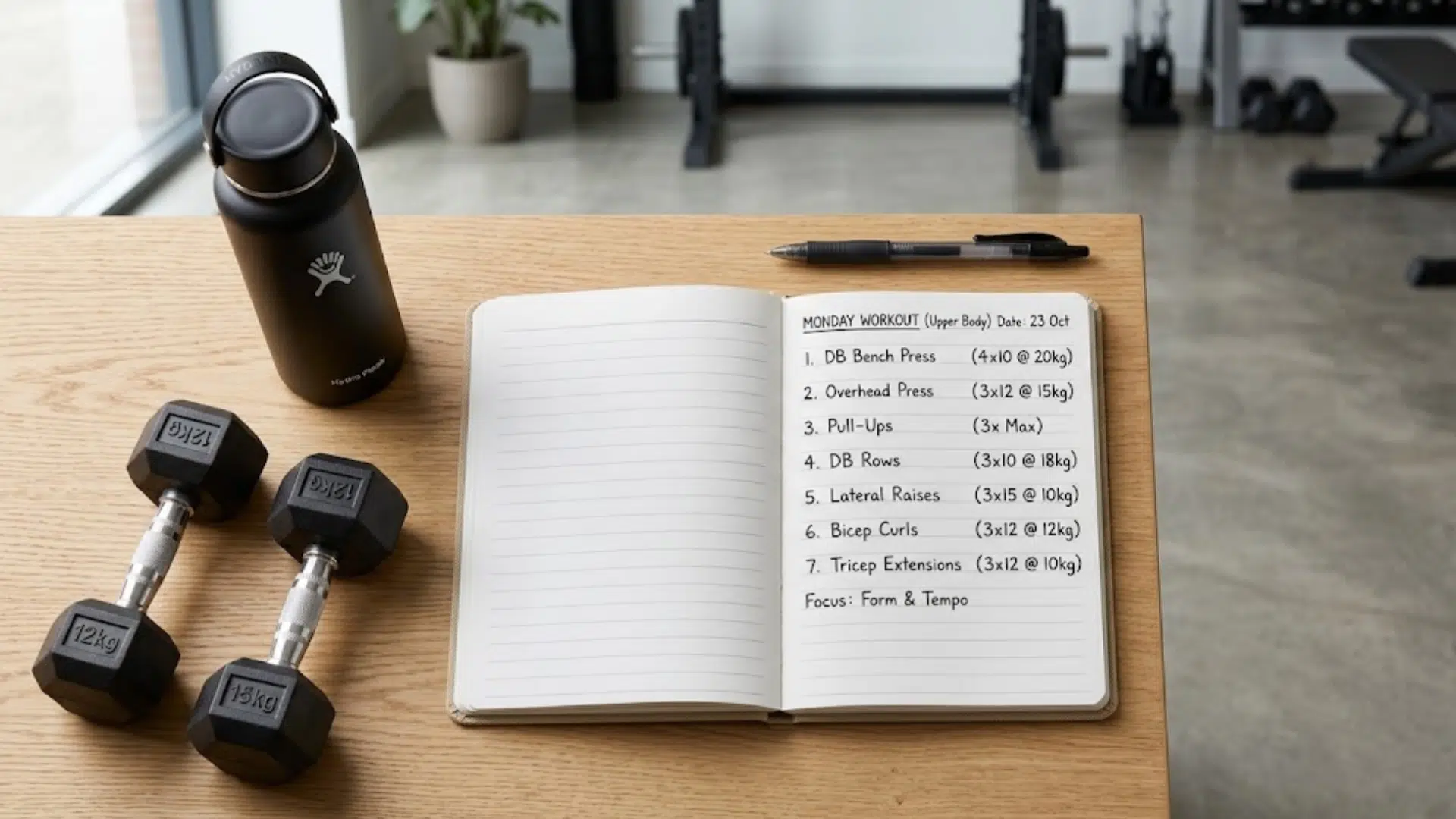
I used to wonder how many exercises you should do per workout, and you might be
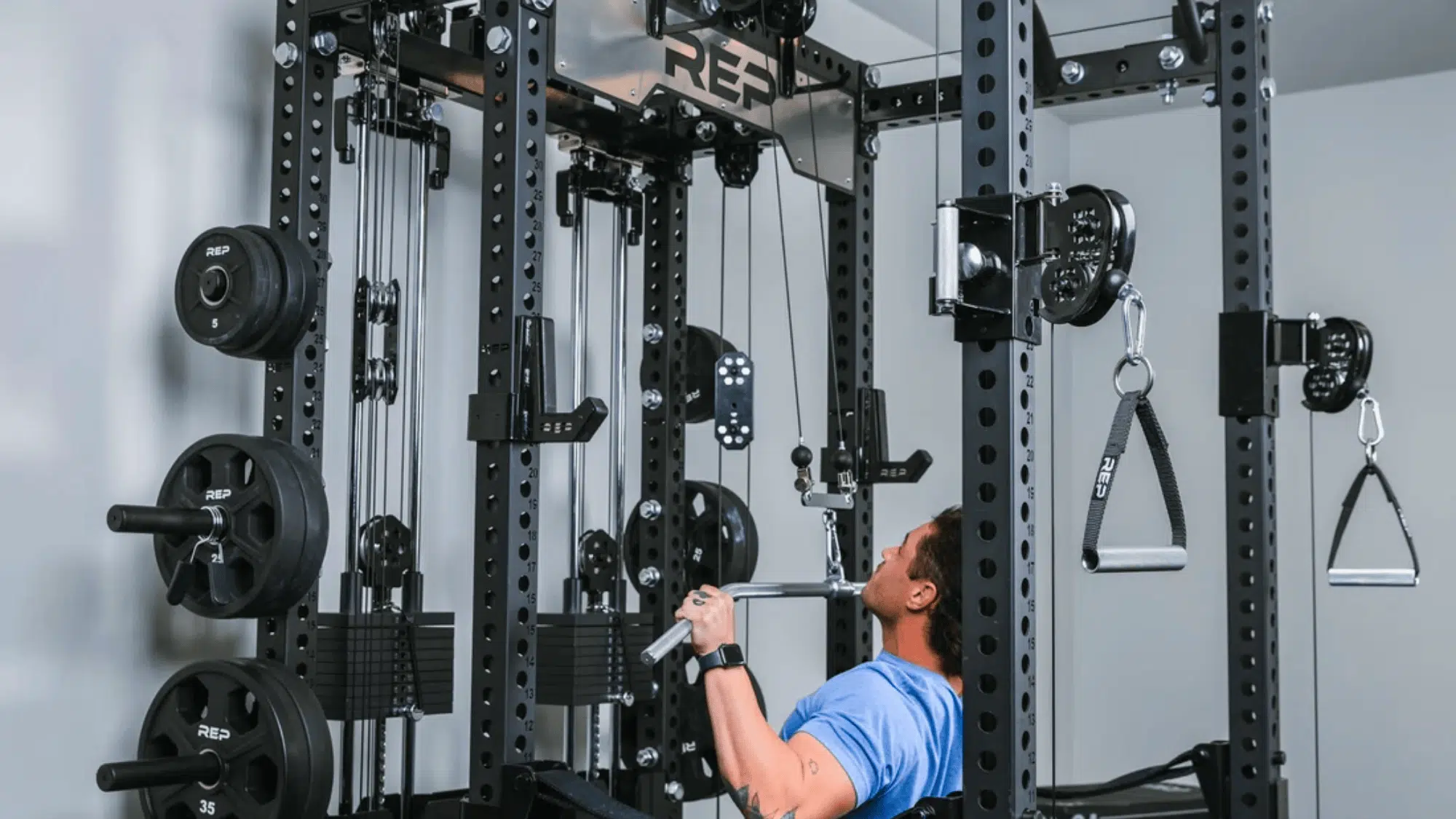
A power rack is the most important piece of equipment you will ever buy for your
I remember when I first started lifting, I wasn’t sure if I was doing the right

I know how confusing it can feel when you’re running regularly but not getting faster. As