

Talking about the “worst” NBA players can feel a little harsh, especially since reaching the league takes years of hard work. Every season sparks debates over draft busts, missed potential, and players who didn’t meet expectations.
Fans, analysts, and even old-school watchers all have different ideas about who belongs on the list, and the reasons are not always the same.
Some struggled with injuries, some didn’t fit their draft position, and others simply weren’t ready for NBA speed.
We will look at the most talked-about names, why fans consider them the biggest disappointments, how expectations shaped their reputations, and why the conversation is more complicated than it seems.
It sets the stage for a fair and honest look at each player.
How We Figure Out Who’s the “Worst”
Before diving in, let’s talk about how anyone can be called the worst. Sports fans use different measures:
- Stats that matter: PER (Player Efficiency Rating), Win Shares, and VORP (Value Over Replacement Player)
- Draft expectations: Did they live up to where they were picked?
- Playing time vs. production: Some guys played a lot but didn’t help their teams
- Career length: Sticking around for years while being bad is different than washing out quickly
The word “worst” feels harsh, since every NBA player works incredibly hard. But when you’re the #1 draft pick and barely score, people will talk.
Worst NBA Players Ever
These names come up every time the conversation turns to all-time NBA draft disappointments, thanks to their high expectations, surprising selections, and careers that never matched the hype.
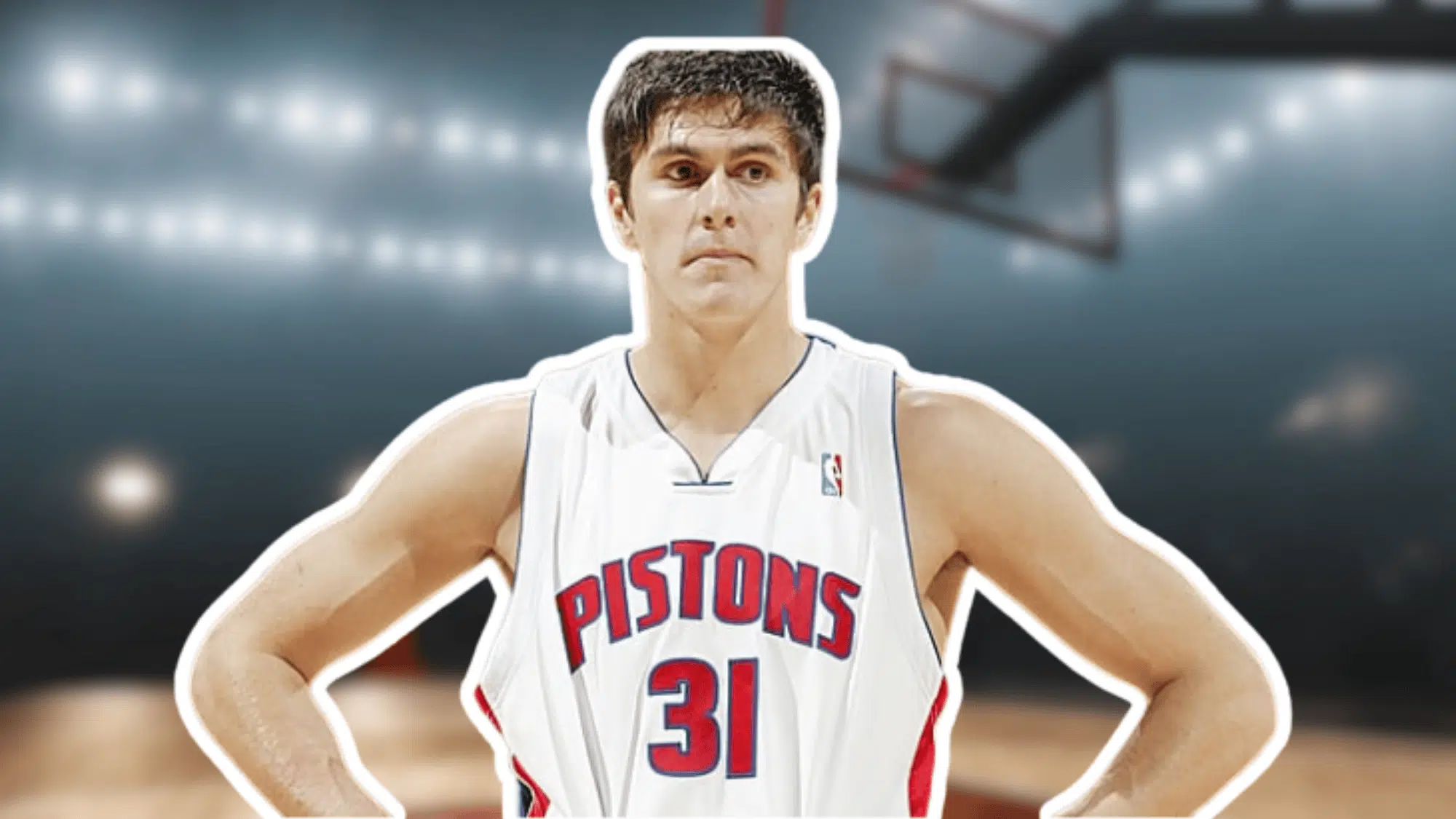
1. Darko Miličić
| Born | NBA Career Length | Position |
|---|---|---|
| 1985 | 2003-2013 | Center/Power Forward |
The second overall pick in the legendary 2003 draft, Miličić became the poster child for draft busts after being selected ahead of Carmelo Anthony, Chris Bosh, and Dwyane Wade.
His Detroit years were particularly forgettable, averaging just 1.6 points despite being on a championship team. He showed flashes of potential in Orlando and Minnesota but never developed consistency.
His mental approach to basketball was questioned throughout his career, and he retired at 28 to pursue kickboxing in Serbia.
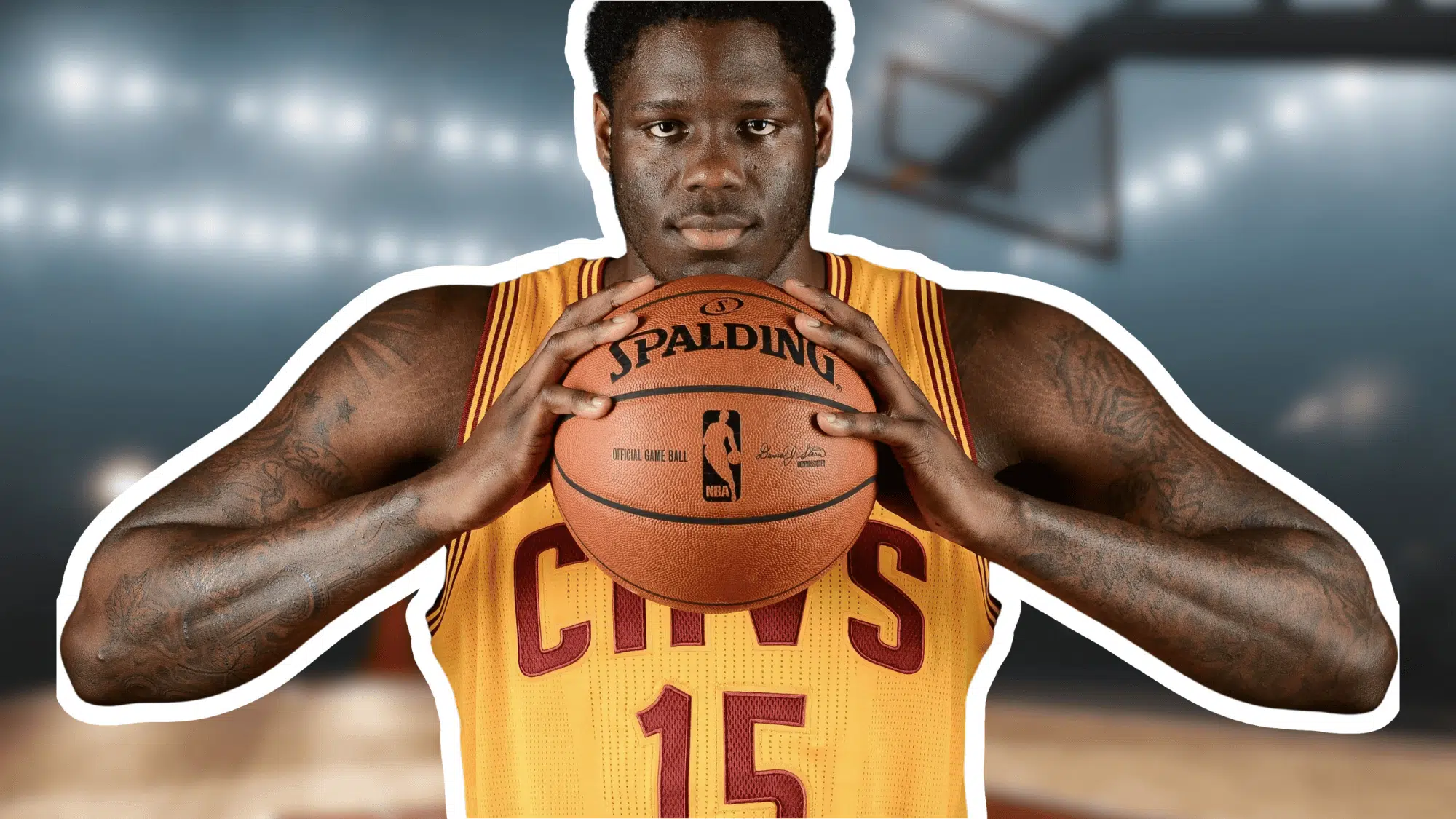
2. Anthony Bennett
| Born | NBA Career Length | Position |
|---|---|---|
| 1993 | 2013-2017 | Power Forward |
Universally considered the worst number-one pick in NBA history, Bennett’s selection by Cleveland shocked analysts who didn’t have him in their top ten.
He struggled with weight issues, conditioning problems, and a complete lack of confidence that manifested in hesitant play. His rookie season was historically bad, as he shot 35.2% from the field.
Despite chances with multiple teams, he never averaged more than 5.2 points per game and was out of the league by age 24, finishing his career overseas.
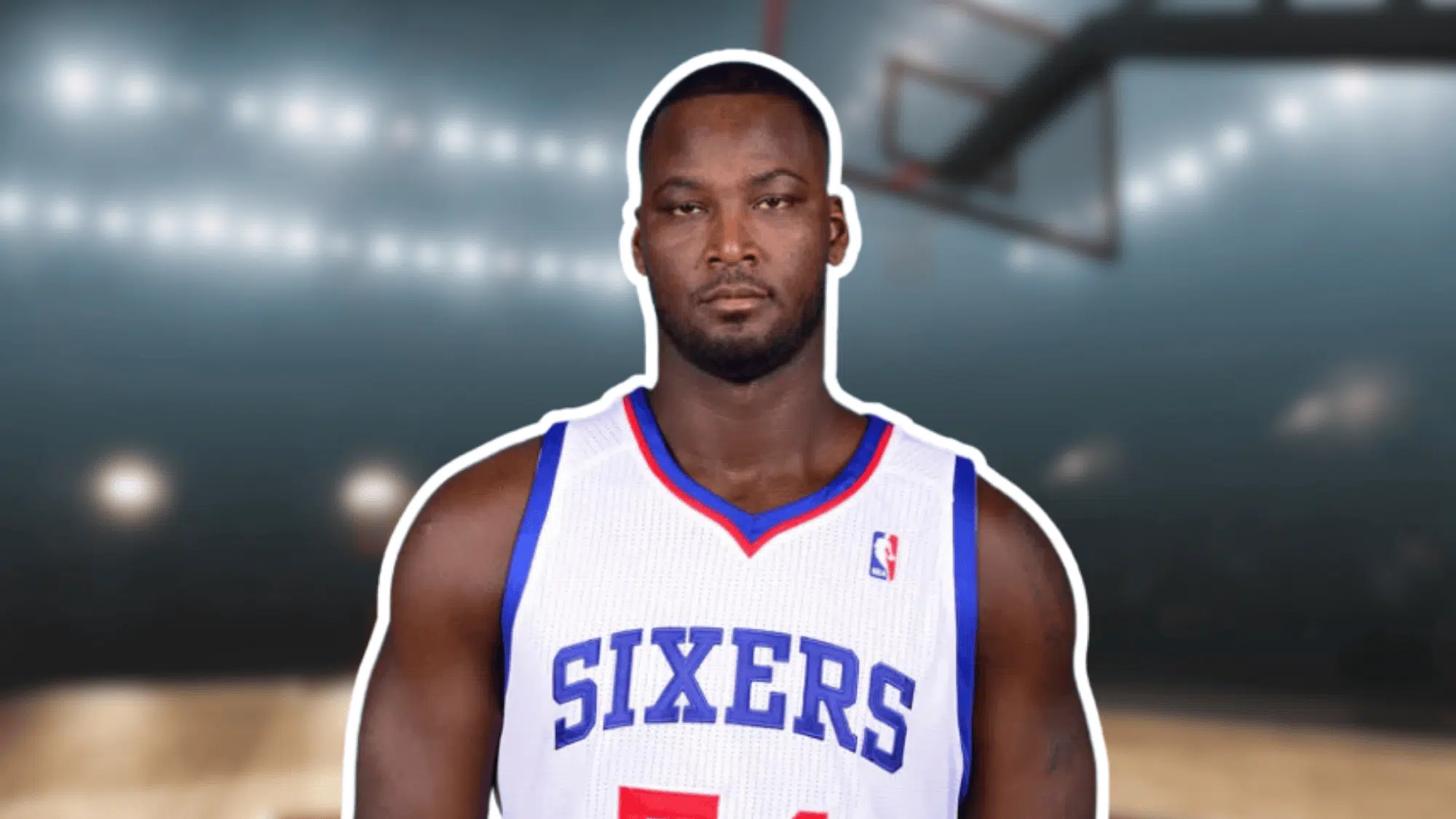
3. Kwame Brown
| Born | NBA Career Length | Position |
|---|---|---|
| 1982 | 2001-2013 | Center |
Michael Jordan’s first draft pick as an executive with the Washington Wizards epitomized unfulfilled potential, having been selected straight out of high school.
He possessed impressive physical tools but lacked basketball instincts, court awareness, and mental toughness. His hands were notoriously poor, leading to countless fumbled passes and missed opportunities around the rim.
Despite playing twelve seasons, he never developed an offensive game beyond dunks and was benched during crucial moments throughout his career, becoming a cautionary tale about drafting on potential alone.
4. LaRue Martin

| Born | NBA Career Length | Position |
|---|---|---|
| 1949 | 1972-1976 | Center/Power Forward |
Portland’s selection of Martin first overall in 1972 remains one of the most baffling draft decisions ever, especially since Bob McAdoo and Julius Erving were available.
Martin averaged just 5.3 points and 4.6 rebounds across four unmemorable seasons. He showed no exceptional offensive or defensive skills and was physically overmatched against elite centers of his era.
His selection haunted the Trail Blazers franchise for years, representing a catastrophic evaluation failure that set the organization back significantly during a crucial rebuilding period.
5. Michael Olowokandi

| Born | NBA Career Length | Position |
|---|---|---|
| 1975 | 1998-2007 | Center |
“The Kandi Man” was selected ahead of future Hall of Famers Dirk Nowitzki, Paul Pierce, and Vince Carter in 1998, making his mediocrity especially painful for Clippers fans.
Despite his seven-foot frame and athleticism, he never developed post moves, defensive instincts, or rebounding prowess expected from a franchise center.
His best season saw him average 12.3 points, embarrassingly low for a first overall pick.
Injuries compounded his lack of skill development, and he bounced between teams as an underwhelming rotation player before retiring with a forgettable legacy.
6. Nikoloz Tskitishvili

| Born | NBA Career Length | Position |
|---|---|---|
| 1983 | 2002-2007 | Power Forward |
Denver’s fifth overall selection in 2002, the Georgian big man was drafted based on international intrigue rather than proven skill.
Standing 7’0″ but weighing barely 220 pounds, he was physically unprepared for NBA physicality and got bullied relentlessly in the paint.
His shooting touch never translated to games, and he showed alarming passivity that made coaches question his competitive fire.
Tskitishvili averaged a meager 3.1 points across five seasons, spending most of his time in the D-League before washing out completely and returning to Europe.
7. Adam Morrison

| Born | NBA Career Length | Position |
|---|---|---|
| 1984 | 2006-2010 | Small Forward |
The third overall pick and college superstar at Gonzaga, Morrison’s game simply didn’t translate to professional basketball despite his scoring prowess in the NCAA tournament.
His lateral quickness was severely lacking, making him a massive defensive liability that opponents targeted mercilessly.
Diabetes management added complications, but his primary issues were basketball-related, poor athleticism, inability to create separation, and getting constantly blown by on defense.
He essentially became a benchwarmer for two Lakers championship teams before disappearing from the league at age 26, with career averages of under six points.
8. Rafael Araújo

| Born | NBA Career Length | Position |
|---|---|---|
| 1980 | 2004-2007 | Center/Power Forward |
Toronto’s shocking eighth overall selection in 2004 bypassed Andre Iguodala and several other superior prospects, immediately drawing criticism from scouts and fans alike.
The Brazilian center lacked the finesse and skill expected of international players, playing with concrete hands and limited coordination.
He fouled excessively, couldn’t defend pick-and-rolls, and offered zero offensive versatility beyond clumsy putbacks.
His three-year NBA stint produced averages of 2.9 points and 3.2 rebounds in limited minutes, representing one of the Raptors’ most regrettable draft decisions during their struggling early years.
9. Marcus Fizer

| Born | NBA Career Length | Position |
|---|---|---|
| 1978 | 2000-2007 | Power Forward |
Chicago’s fourth overall pick in 2000, Fizer was selected based on college production at Iowa State that never materialized professionally.
He lacked the three-point range to play as a modern power forward and didn’t have the post skills or defensive abilities to bang inside the traditional way.
His basketball IQ was questionable, as he took ill-advised shots and made poor decisions with the ball.
Injuries plagued his career, but even when healthy, he was offensively limited and defensively challenged, bouncing between teams before fading into obscurity with unremarkable statistics.
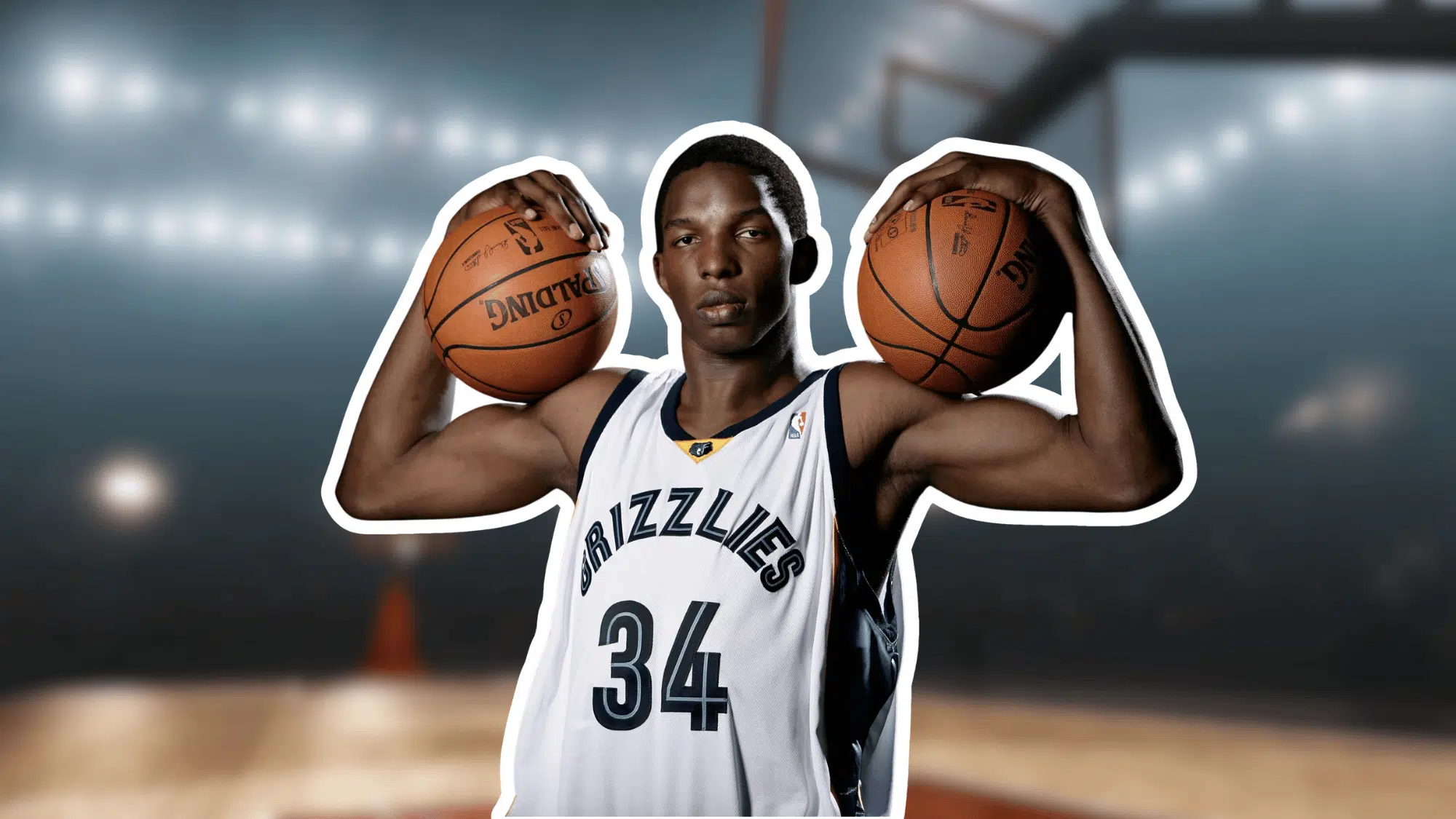
10. Hasheem Thabeet
| Born | NBA Career Length | Position |
|---|---|---|
| 1987 | 2009-2014 | Center |
Memphis selected the 7’3″ Tanzanian second overall in 2009, passing on James Harden and Stephen Curry in what became an all-time draft blunder.
Despite his imposing size and shot-blocking ability in college, Thabeet was completely lost on NBA courts, looking confused on defense and offering absolutely nothing on offense.
He couldn’t catch passes cleanly, finish around the rim, or adjust to the game’s speed.
His coordination issues were shocking for a top pick, and he averaged just 2.2 points across five forgettable seasons before becoming a key player in international leagues.
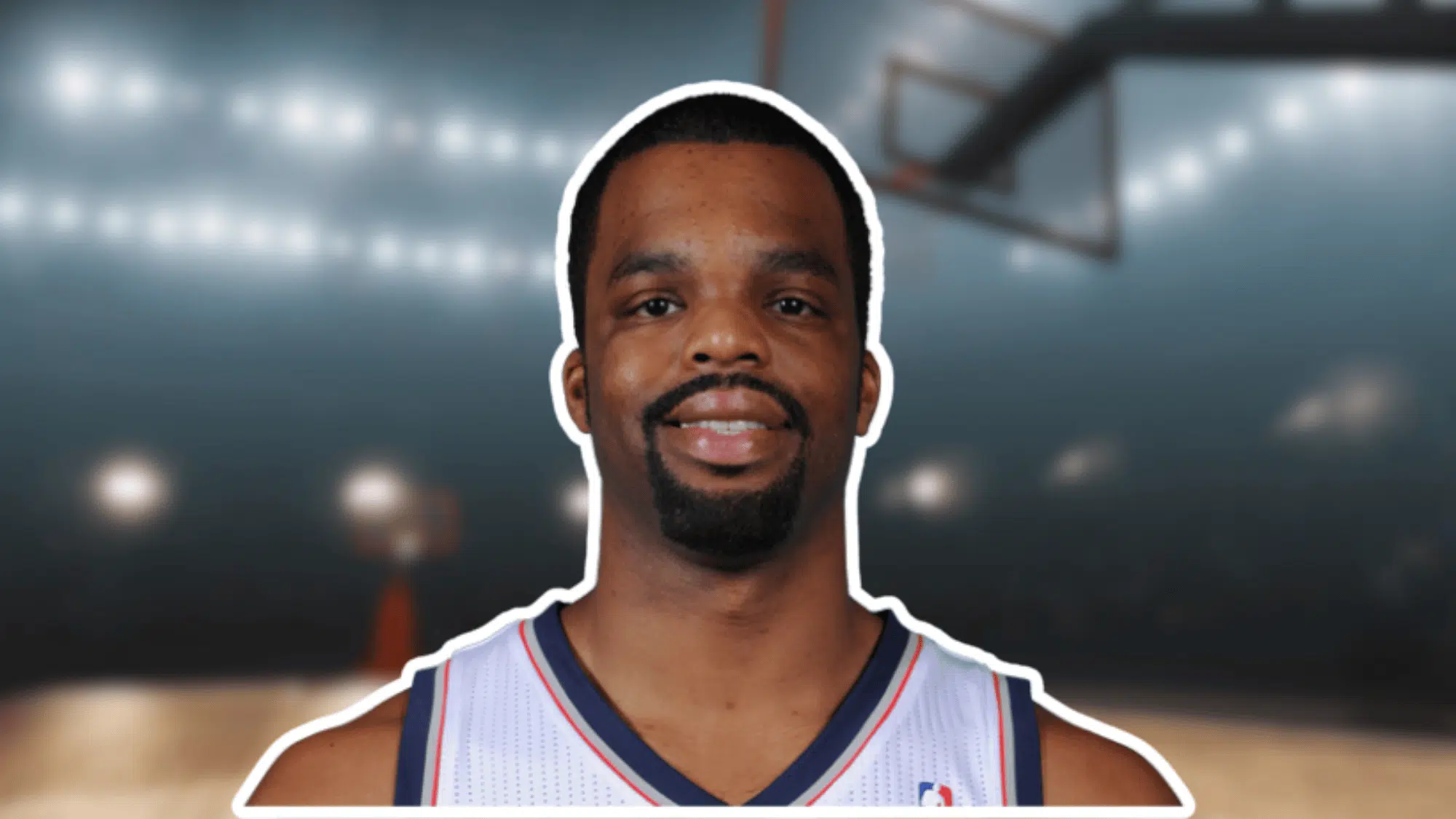
11. Shelden Williams
| Born | NBA Career Length | Position |
|---|---|---|
| 1983 | 2006-2012 | Power Forward |
Atlanta’s fifth overall pick in 2006, Williams was a college defensive standout at Duke whose game had zero NBA translation despite his “Landlord” nickname.
His 6’9″ frame should have helped him, but he didn’t have the post presence to play power forward or the ball skills to keep up with emerging stretch forwards.
His offensive repertoire consisted almost entirely of awkward hook shots that rarely fell, and his rebounding numbers were disappointing given his supposed strength.
Williams bounced around nine different teams in six seasons, never finding a consistent role and averaging just 4.4 points before quietly exiting professional basketball.
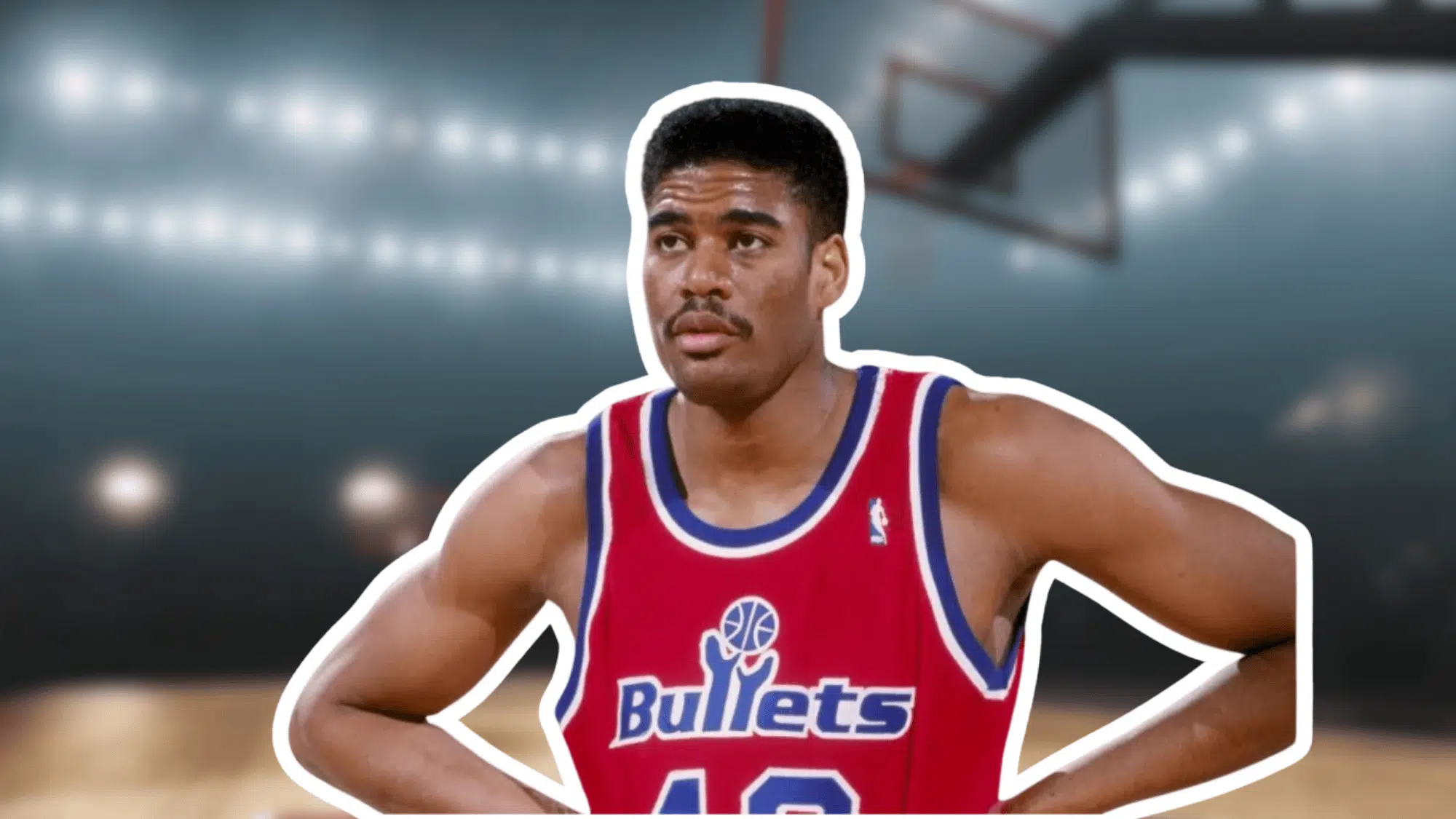
12. Pervis Ellison
| Born | NBA Career Length | Position |
|---|---|---|
| 1967 | 1989-2001 | Center/Power Forward |
Sacramento’s first overall selection in 1989, “Never Nervous Pervis” was actually extremely nervous in the NBA, missing entire seasons with injuries and underperforming when healthy.
His college championship pedigree at Louisville created unrealistic expectations he couldn’t meet in the professional ranks.
While he had one solid season with Washington that earned him the Most Improved Player award, chronic knee and foot injuries derailed any momentum.
He played just 474 games across eleven seasons, a shockingly low number for a top pick, and averaged only 9.5 points while becoming a cautionary tale about medical red flags.
13. Joe Alexander

| Born | NBA Career Length | Position |
|---|---|---|
| 1986 | 2008-2010 | Small Forward |
Milwaukee’s eighth overall pick in 2008, Alexander was drafted on athletic upside and one strong college season at West Virginia rather than proven basketball skill.
He immediately looked overwhelmed by NBA competition, with poor shooting mechanics, limited ball-handling, and confused defensive rotations.
His decision-making was erratic, often forcing drives into traffic or launching contested jumpers.
After two dismal seasons averaging 3.5 points, he was out of the NBA entirely and spent his remaining career bouncing between international leagues, never recapturing even his college form.
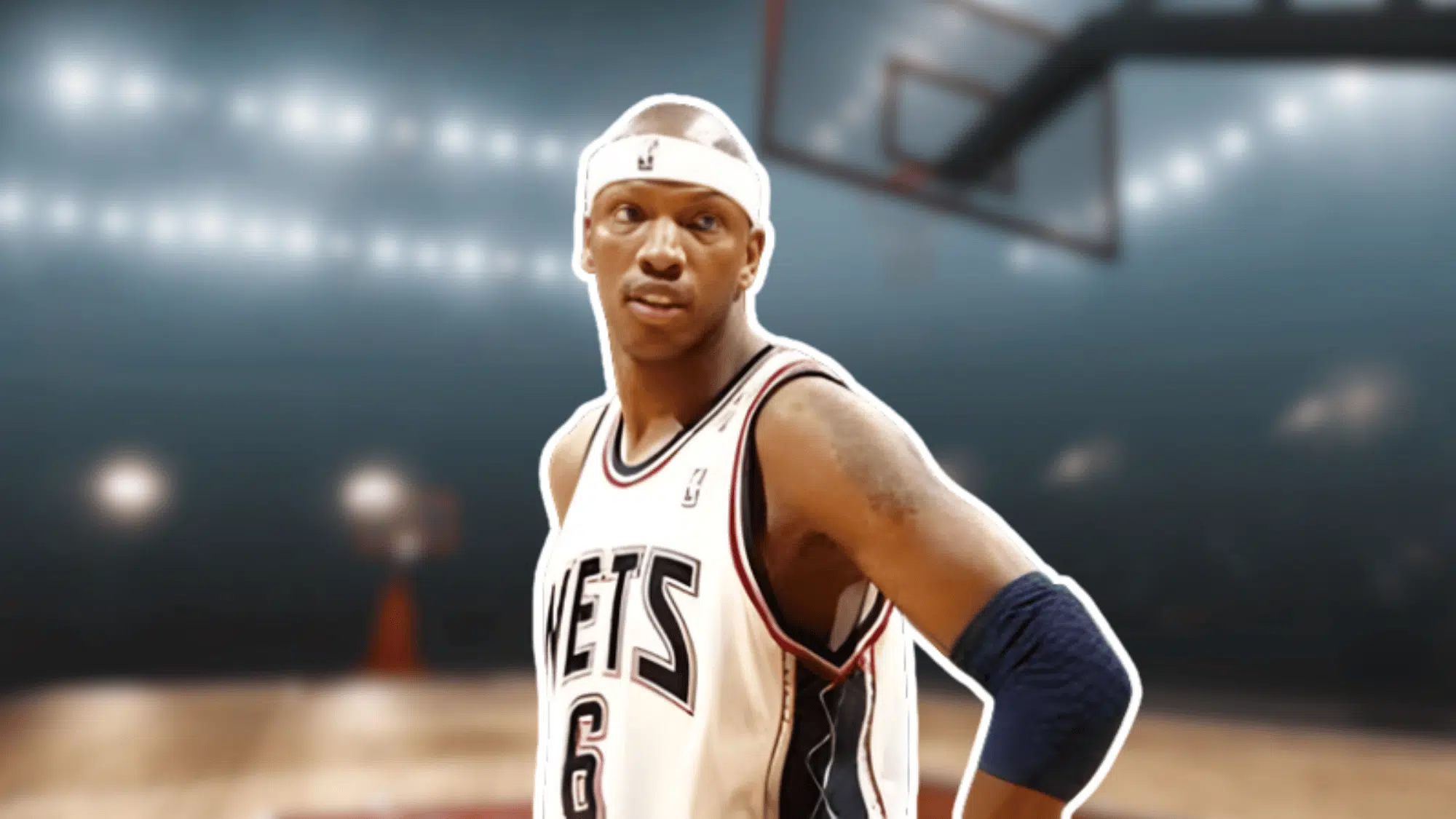
14. Stromile Swift
| Born | NBA Career Length | Position |
|---|---|---|
| 1979 | 2000-2010 | Power Forward/Center |
Vancouver selected Swift second overall in 2000 based purely on explosive athleticism and highlight-reel dunks, ignoring his complete lack of basketball fundamentals.
He possessed incredible leaping ability but couldn’t translate it into consistent production, struggling with positioning, touch, and awareness.
His offensive game never developed beyond alley-oops, and defensively, he committed foolish fouls while chasing blocks.
Despite ten seasons, he never averaged double digits and remained the “athletic but unskilled” player who frustrated coaches by failing to convert his physical gifts into meaningful impact.
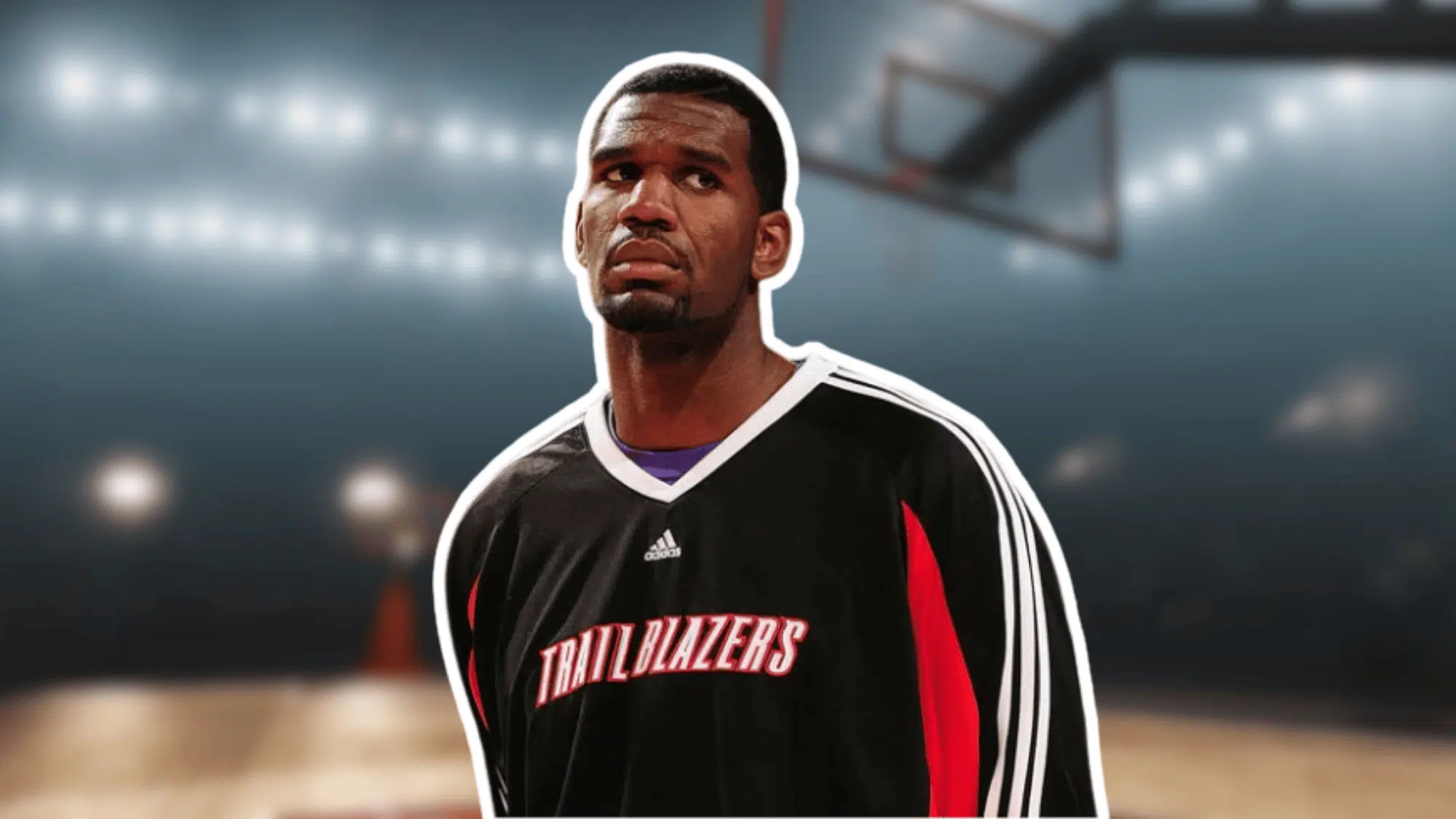
15. Greg Oden
| Born | NBA Career Length | Position |
|---|---|---|
| 1988 | 2008-2014 | Center |
Portland’s first overall pick in 2007, ahead of Kevin Durant, Oden’s career became a tragic “what if” story defined entirely by catastrophic injury misfortune rather than lack of talent.
Microfracture surgery before his rookie season was an ominous sign, and he missed his entire first year. When healthy, he showed legitimate skill, defensive presence, and post moves that justified his selection.
However, recurring knee injuries limited him to just 105 games across five seasons, robbing basketball fans of the chance to watch a potentially dominant big man and leaving Portland cursed by another devastating injury saga.
16. Eddy Curry

| Born | NBA Career Length | Position |
|---|---|---|
| 1982 | 2001-2012 | Center |
Chicago’s fourth overall pick in 2001, Curry possessed soft hands and scoring touch but absolutely zero defensive instincts, conditioning, or professional work ethic.
His weight ballooned throughout his career, reaching well over 300 pounds and destroying his mobility and stamina.
He refused to run the floor, couldn’t defend pick-and-rolls, and showed alarming laziness, infuriating teammates and coaches.
New York traded multiple assets for him in a disastrous deal, and he became a salary cap albatross while producing empty calories offensively. His career devolved into a cautionary tale about wasted talent and lack of dedication.
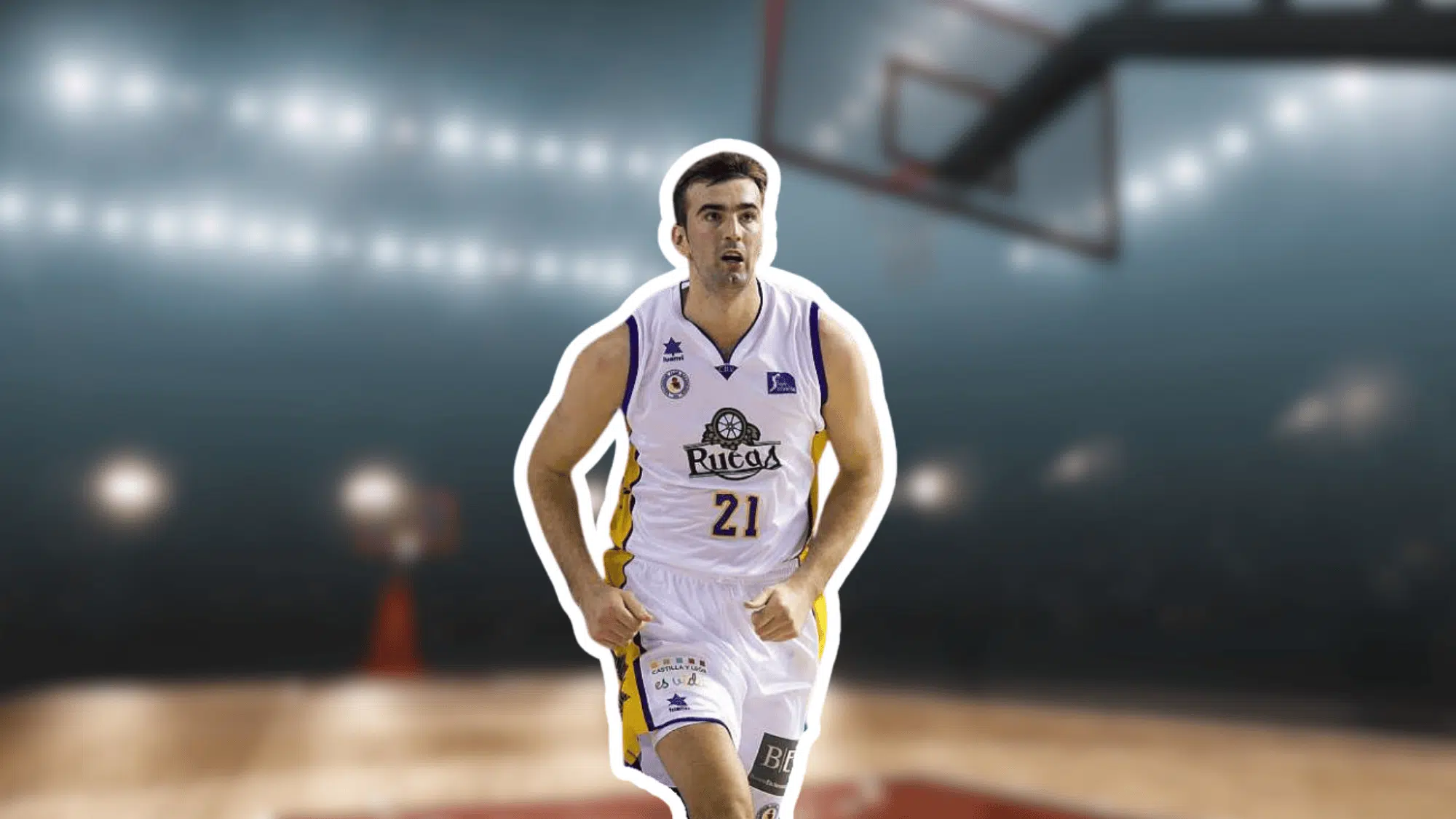
17. Nedžad Sinanović
| Born | NBA Career Length | Position |
|---|---|---|
| 1968 | 1993-1995 | Center |
Cleveland’s twentieth overall pick in 1993, the Bosnian center holds the distinction of being one of the least productive international players in NBA history.
He appeared in only 16 total games across two seasons, looking completely overmatched and unprepared for the physicality and speed of American basketball.
His selection was based on limited European tape and wishful thinking rather than legitimate scouting.
Sinanović averaged 1.4 points in garbage time minutes before returning to Europe, where his career continued respectably, proving the NBA competition level was simply too advanced for his skill set.
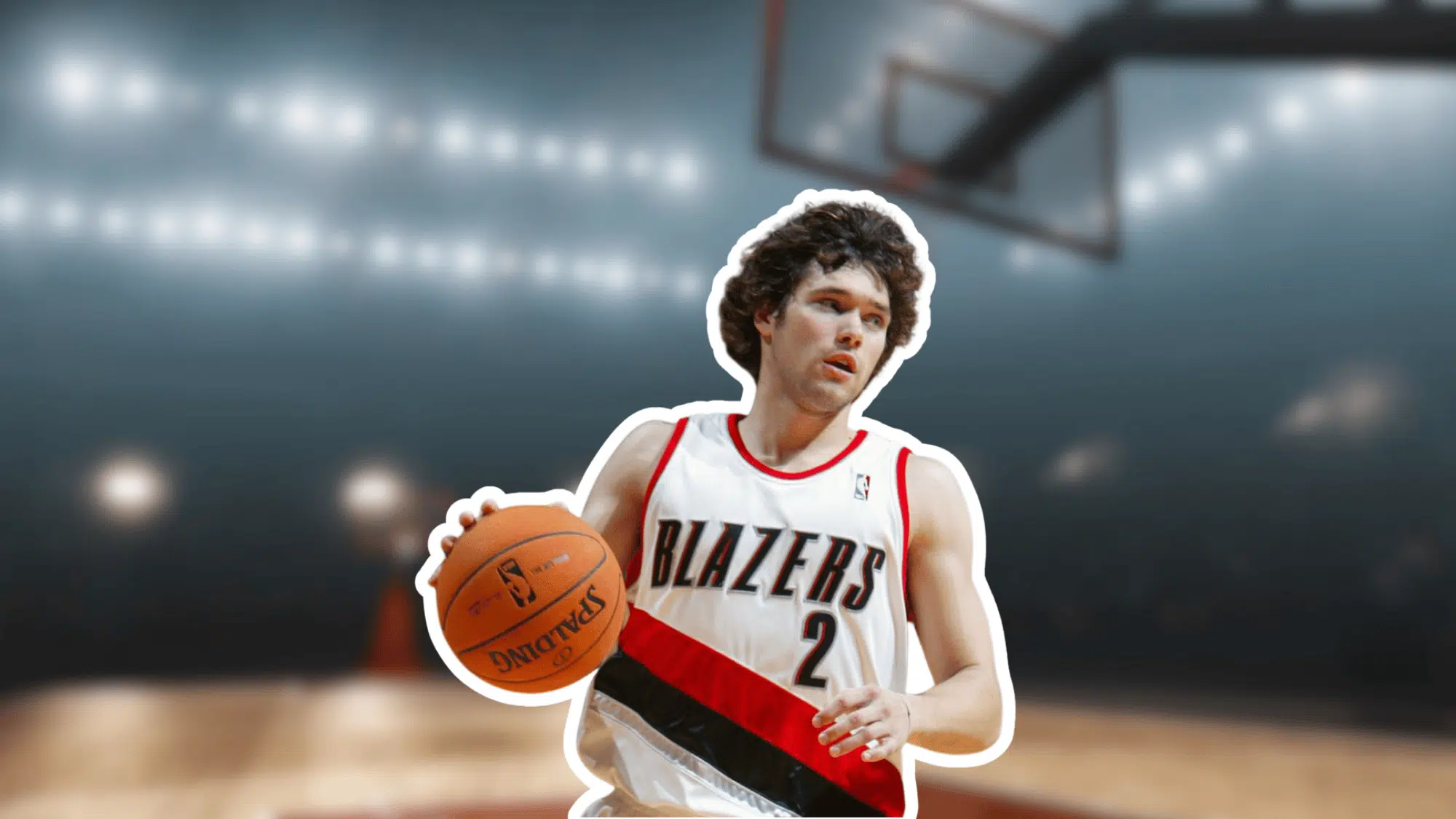
18. Dan Dickau
| Born | NBA Career Length | Position |
|---|---|---|
| 1978 | 2002-2008 | Point Guard |
New Orleans’ twenty-eighth overall pick in 2002, Dickau was a college scoring star at Gonzaga whose game completely failed to translate against NBA athleticism and defensive pressure.
He lacked the quickness to defend opposing point guards and got routinely exploited on switches, making him a massive defensive liability.
His decision-making was poor under pressure, leading the frequent turnovers and failing to create high-quality shots for teammates.
Dickau bounced between six different teams in six seasons, never establishing himself anywhere despite numerous opportunities.
He averaged 4.4 points on inefficient shooting, proving that college production against mid-major competition means little at the highest level of professional basketball.
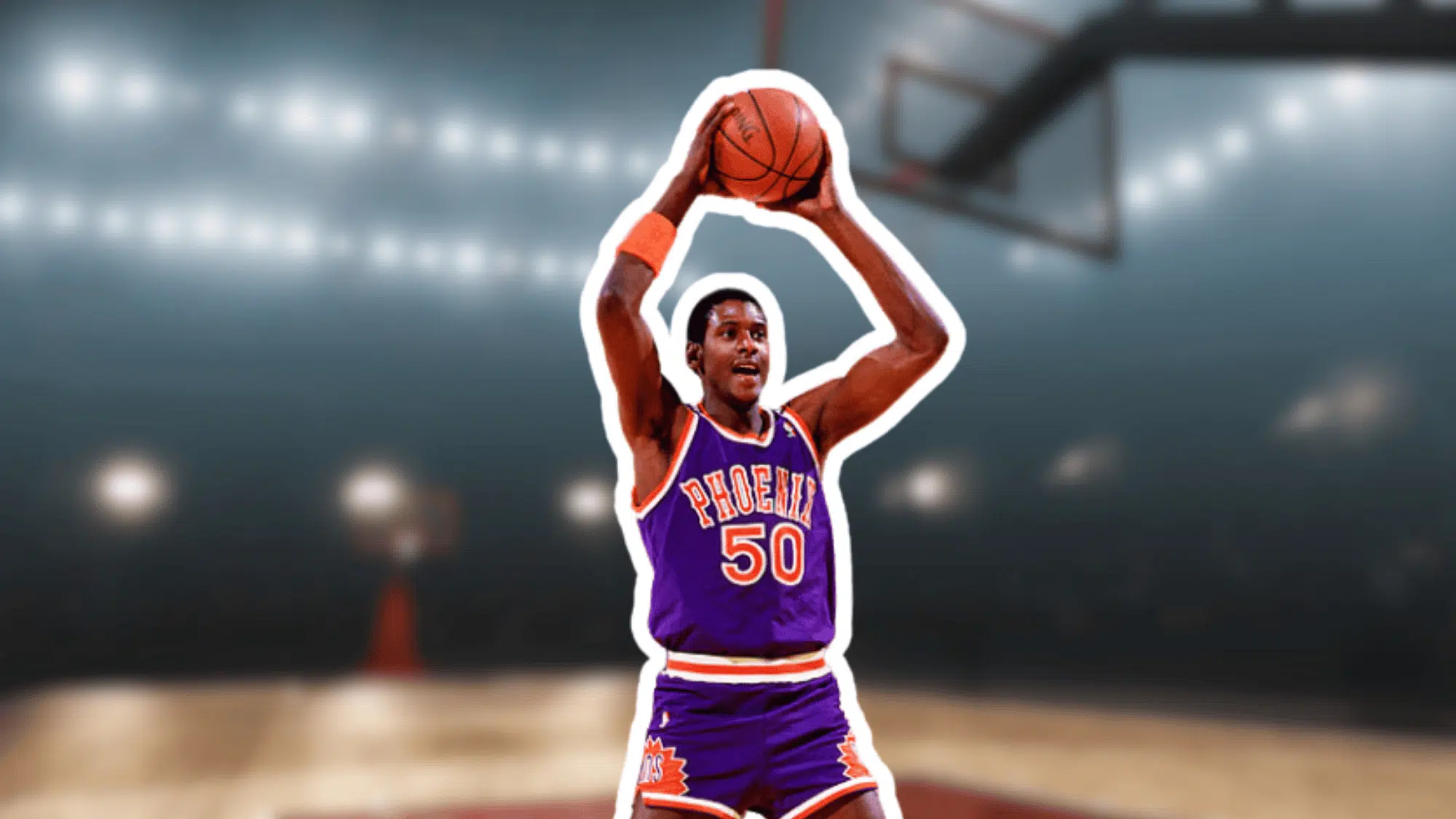
19. William Bedford
| Born | NBA Career Length | Position |
|---|---|---|
| 1963 | 1986-1993 | Center |
Detroit’s sixth overall pick in 1986, Bedford’s career was destroyed by cocaine addiction and repeated suspensions rather than a lack of basketball ability.
He showed legitimate shot-blocking prowess and offensive potential when actually on the court, but substance abuse issues kept him perpetually suspended and unreliable.
His addiction problems resulted in multiple arrests and lengthy NBA bans, limiting him to just 134 games across seven seasons.
While his talent suggested he could have been productive, his off-court demons made him one of the biggest wastes of potential in draft history, serving as a tragic reminder of addiction’s destructive power.
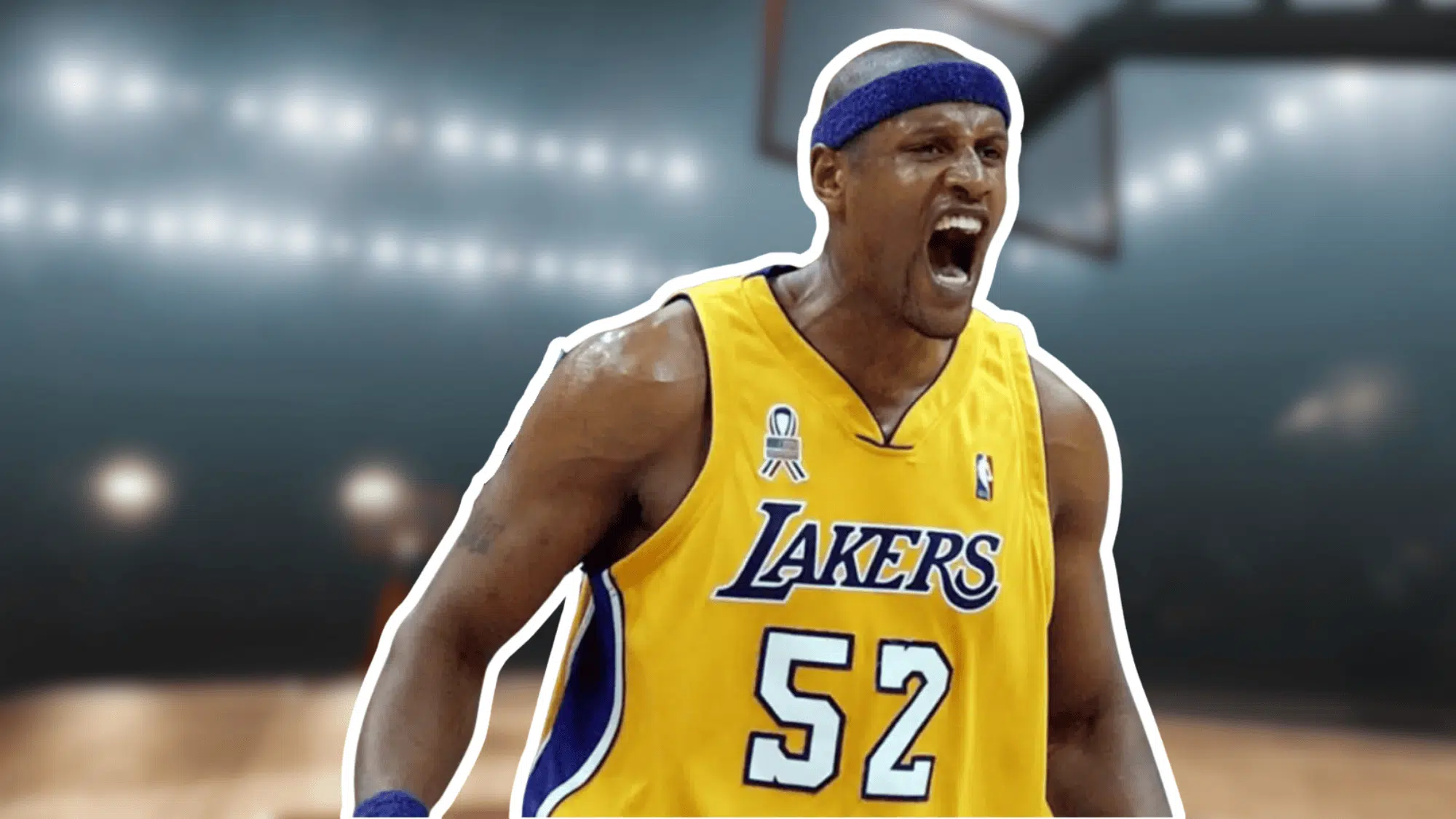
20. Samaki Walker
| Born | NBA Career Length | Position |
|---|---|---|
| 1976 | 1996-2006 | Power Forward/Center |
Dallas’s ninth overall pick in 1996, Walker was selected for his size and athleticism but consistently demonstrated poor basketball IQ and decision-making throughout his ten-year career.
He committed baffling fouls at crucial moments, took ill-advised shots, and showed no ability to read defensive schemes or execute plays properly.
His most memorable moment was accidentally tipping in a shot after the buzzer that nearly cost the Lakers a playoff game in 2002.
Walker averaged just 4.8 points despite his lottery pedigree and physical tools, bouncing between eight teams as franchises quickly discovered his mental mistakes outweighed any physical advantages.
21. Yaroslav Korolev

| Born | NBA Career Length | Position |
|---|---|---|
| 1987 | 2005-2007 | Small Forward |
LA Clippers’ twelfth overall pick in 2005, the Russian teenager was drafted at age 18 based entirely on upside projection rather than actual basketball accomplishment.
He looked completely unprepared for NBA basketball, lacking strength, shooting consistency, and an understanding of the American style of play.
His development was virtually nonexistent over the two seasons, and he appeared in only 37 games, averaging 1.5 points. Korolev returned to Russia after the Clippers waived him, never attempting another NBA stint.
His selection represented the dangers of drafting international teenagers without proper evaluation of their readiness or mental fortitude.
22. Ndudi Ebi
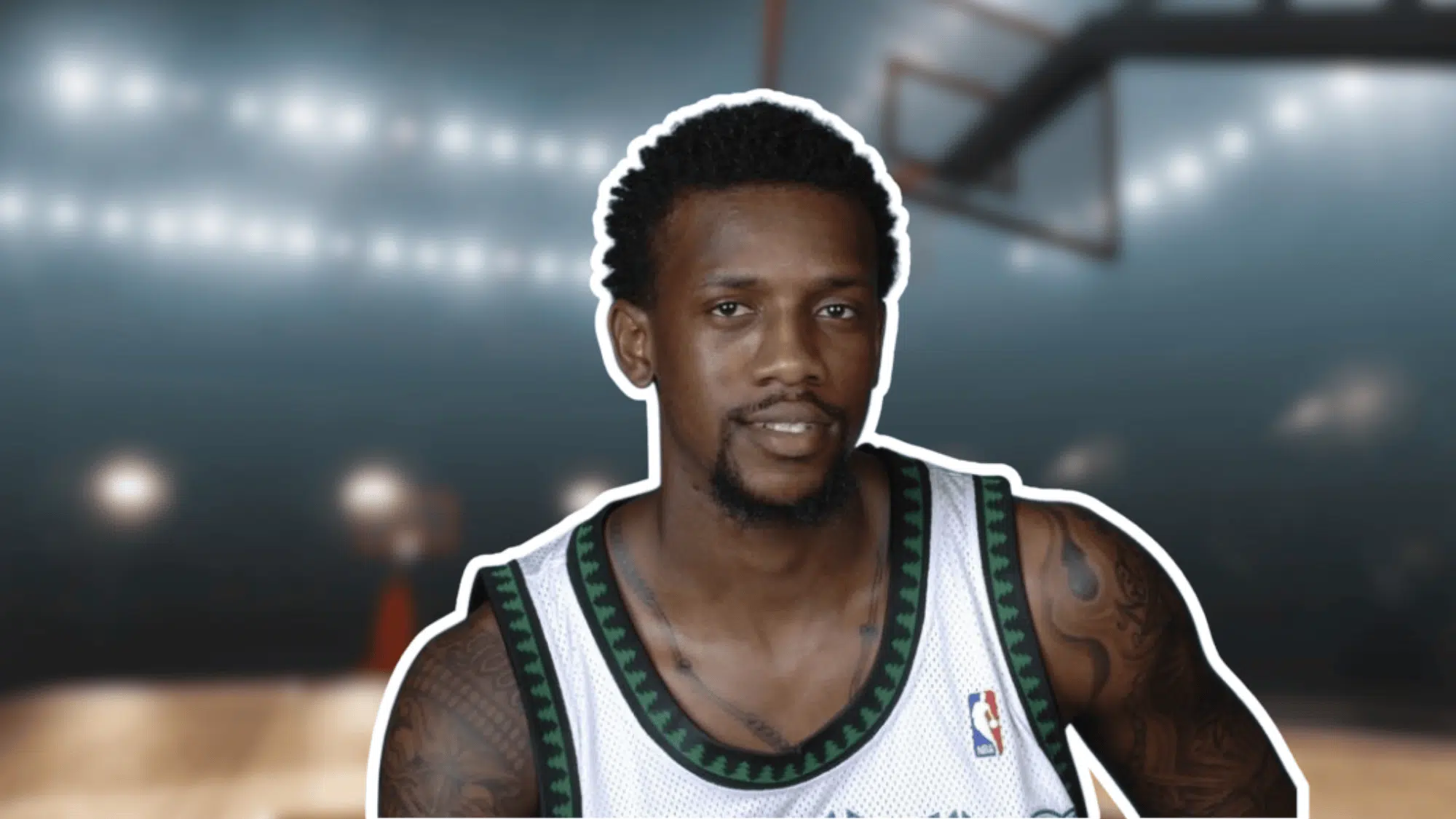
| Born | NBA Career Length | Position |
|---|---|---|
| 1984 | 2003-2005 | Small Forward |
Minnesota’s 26th overall pick in 2003, the British-Nigerian forward was selected straight out of high school with virtually no competitive basketball experience against quality opponents.
His raw athleticism couldn’t compensate for a complete lack of fundamental skills, basketball IQ, and understanding of team concepts.
Ebi appeared in just 23 games across two forgettable seasons, averaging 1.2 points while looking perpetually lost on NBA floors.
His selection was pure projection gambling that failed spectacularly, and he spent his remaining career bouncing through minor leagues worldwide, never developing into even a rotation-quality player.
23. Todd Fuller

| Born | NBA Career Length | Position |
|---|---|---|
| 1974 | 1996-2001 | Center/Power Forward |
Golden State’s eleventh overall pick in 1996, Fuller was infamously selected one spot ahead of Kobe Bryant in one of history’s worst draft decisions.
The North Carolina State product showed decent college fundamentals but lacked elite NBA-level skills, not athleticism, shooting, defense, or post moves.
He was systematically too slow, too weak, and too limited offensively to compete effectively at the highest level of professional basketball.
Fuller averaged 3.7 points across five seasons while Kobe became a Lakers legend, making Warriors fans permanently bitter about this catastrophic evaluation failure that haunted the franchise for decades.
24. Ousmane Cisse
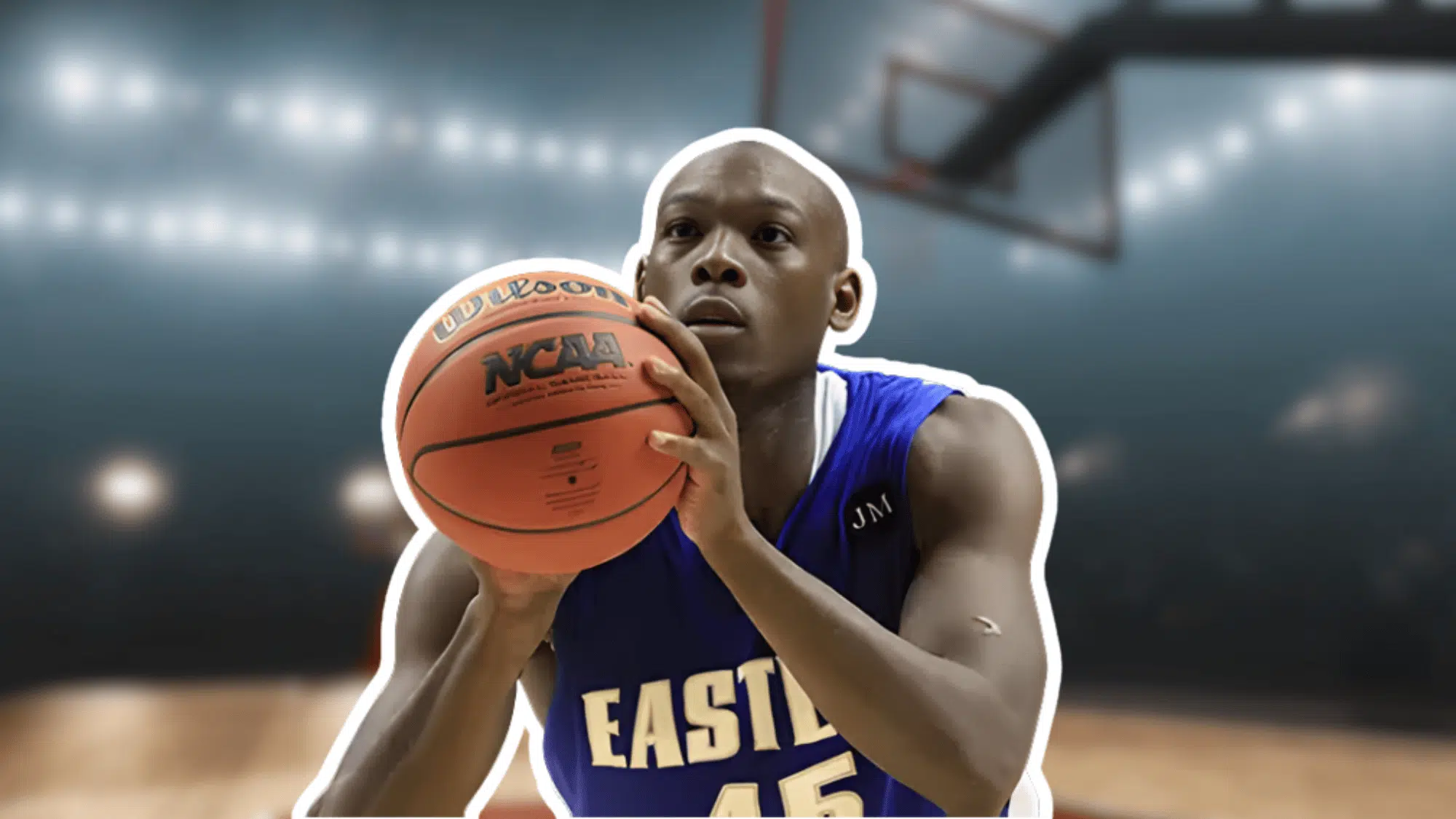
| Born | NBA Career Length | Position |
|---|---|---|
| 1982 | 2007 | Center |
Denver’s fortieth overall pick in 2001, the Malian center didn’t reach the NBA until 2007 and appeared in exactly two games before disappearing forever.
In those two brief appearances, he recorded zero points, one rebound, and three fouls in four total minutes.
His selection was based on African tournament performances that translated to absolutely nothing in NBA competition.
Cisse’s physical tools were intriguing theoretically, but he lacked coordination, skill refinement, and competitive experience against quality opposition.
He represents the ultimate draft mystery player, whose international credentials meant nothing once he faced legitimate professional basketball.
25. Pavel Podkolzin
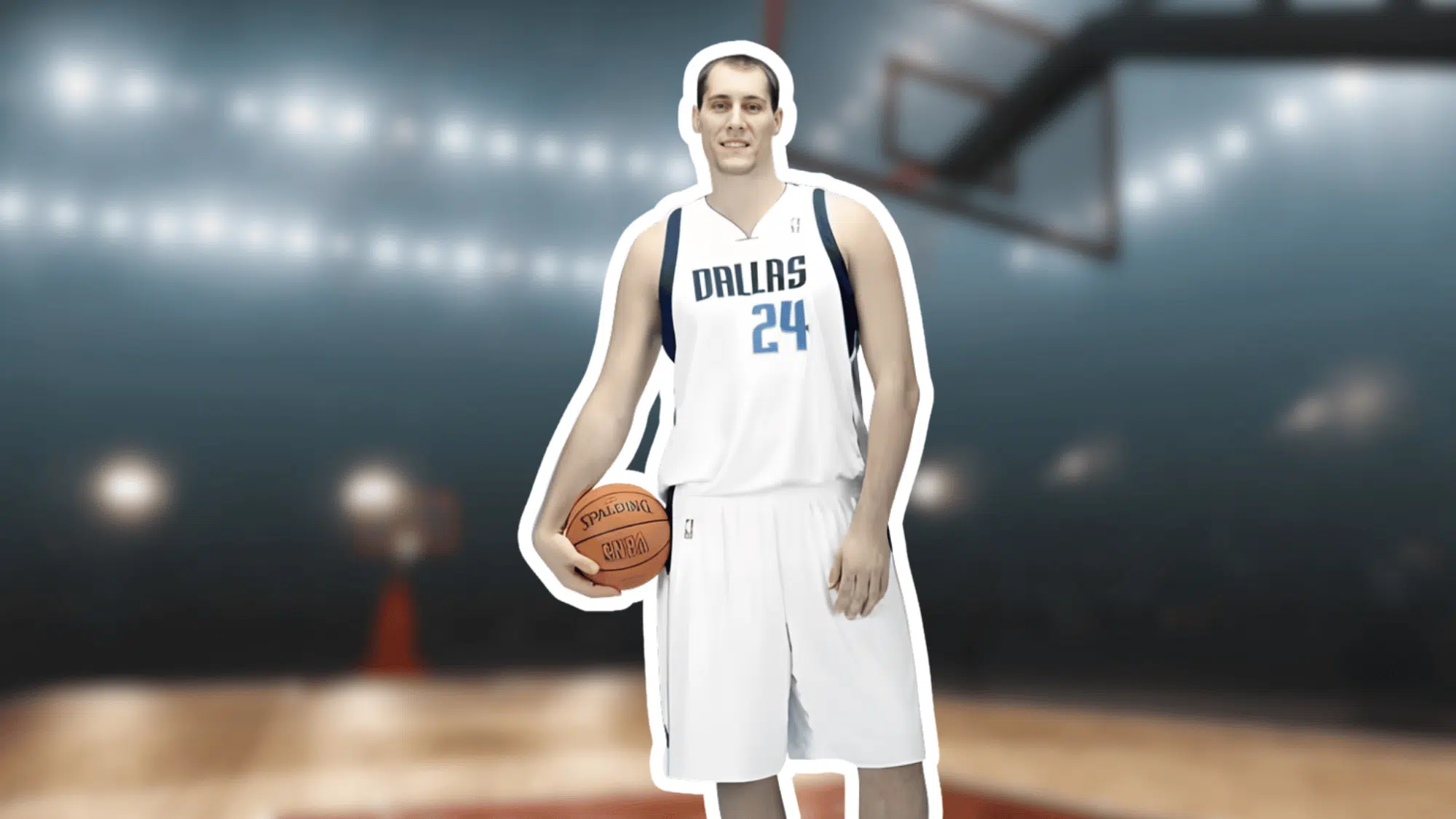
| Born | NBA Career Length | Position |
|---|---|---|
| 1985 | 2004-2006 | Center |
Dallas’s twenty-first overall pick in 2004, the 7’5″ Russian giant was drafted purely on height rather than actual basketball ability or coordination.
He appeared in 6 total NBA games across 2 seasons, looking completely overwhelmed and uncoordinated, averaging 0.7 points per game.
His massive frame couldn’t compensate for glacial movement speed, poor hands, and nonexistent offensive skills beyond standing near the basket.
Podkolzin returned to Europe, where his size was more manageable against lesser competition, but his NBA stint proved that height alone means nothing without corresponding skill, athleticism, and basketball intelligence.
26. Robert Swift
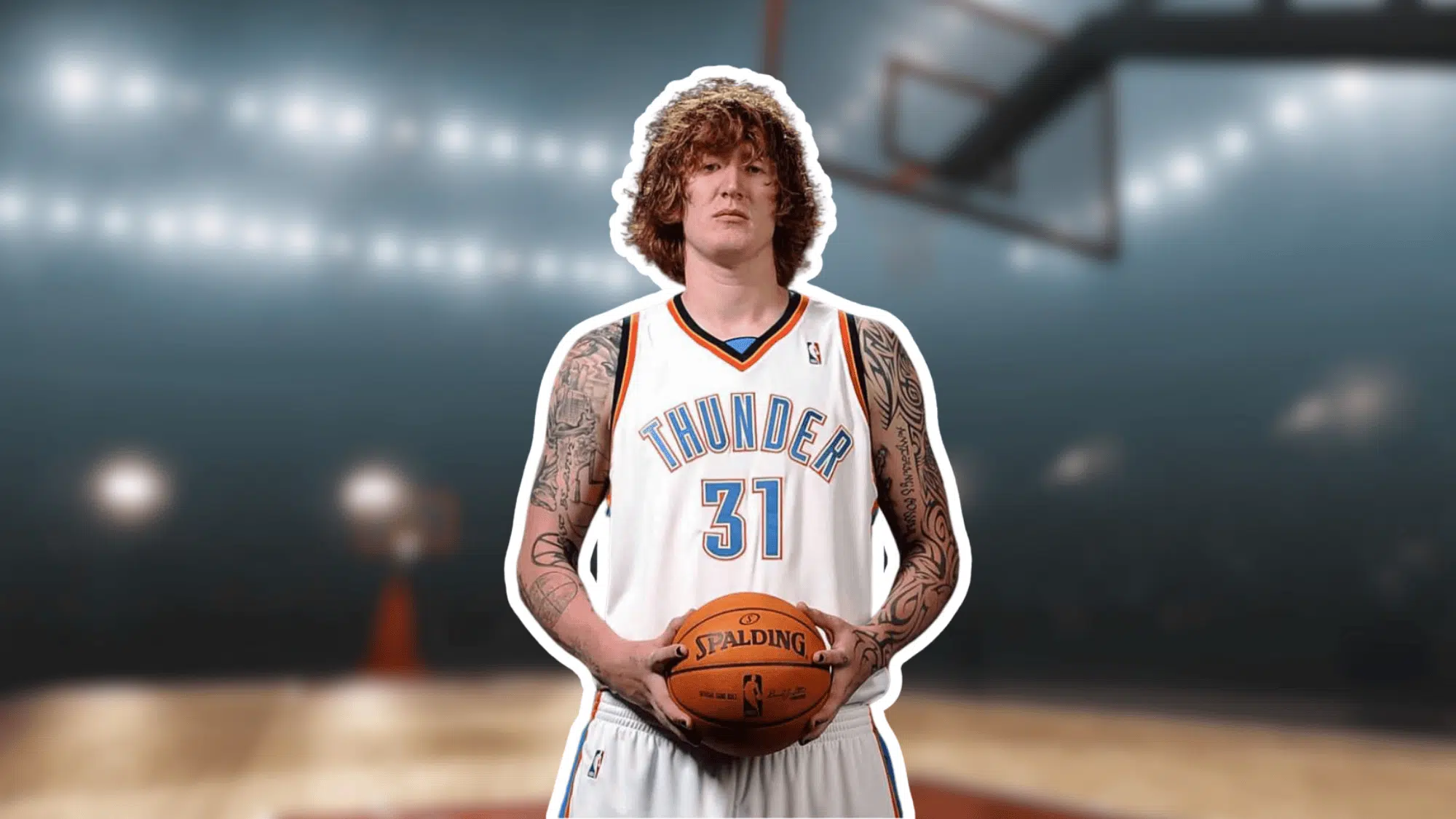
| Born | NBA Career Length | Position |
|---|---|---|
| 1985 | 2004-2009 | Center |
Seattle’s twelfth overall pick in 2004, Swift was drafted straight from high school based on his 7’1″ frame and potential rather than polish or production.
He never developed professional-level skills, struggling with coordination, basketball IQ, and work ethic throughout his brief career.
Injuries compounded his limitations, but even when healthy, he looked perpetually confused on both ends of the floor.
Swift averaged 3.9 points across five disappointing seasons before personal problems derailed him completely.
His post-NBA life descended into foreclosure, arrests, and substance abuse issues, making his story tragic beyond just basketball failure.
27. DeSagana Diop
| Born | NBA Career Length | Position |
|---|---|---|
| 1982 | 2001-2013 | Center |
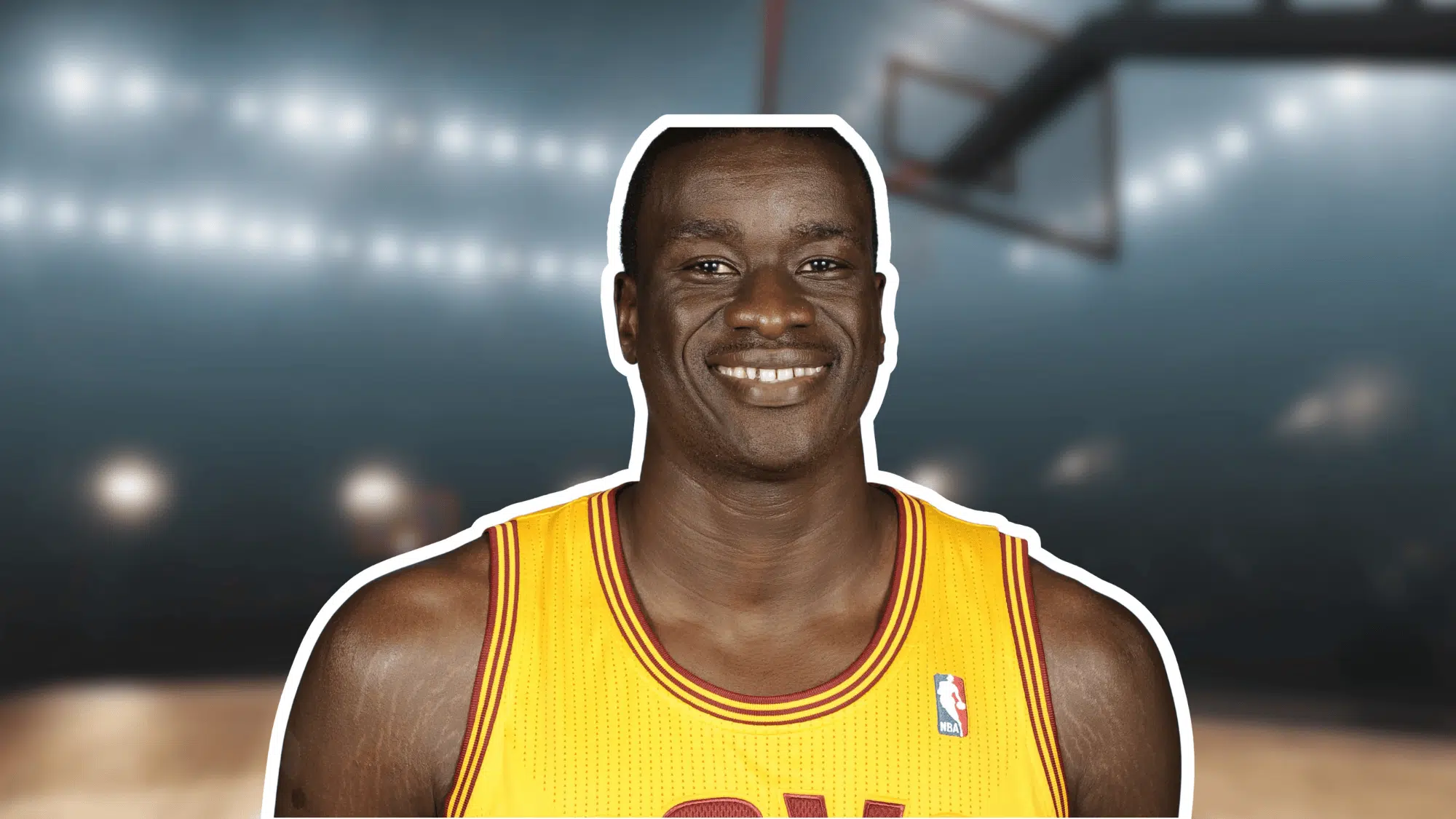
Cleveland’s eighth overall pick in 2001, the Senegalese center was selected based on shot-blocking potential and little else, proving woefully inadequate offensively throughout his career.
He possessed absolutely zero offensive game, no post moves, no touch, no free-throw shooting, making him unplayable in crucial moments despite his decent defensive presence.
Diop somehow lasted twelve seasons purely as a backup rim protector, averaging a pathetic 2.6 points per game.
Dallas inexplicably signed him to a massive contract in 2005, representing one of the worst free-agent signings ever and cementing his legacy as an offensively incompetent big man.
28. Melvin Ely
| Born | NBA Career Length | Position |
|---|---|---|
| 1978 | 2002-2011 | Center/Power Forward |
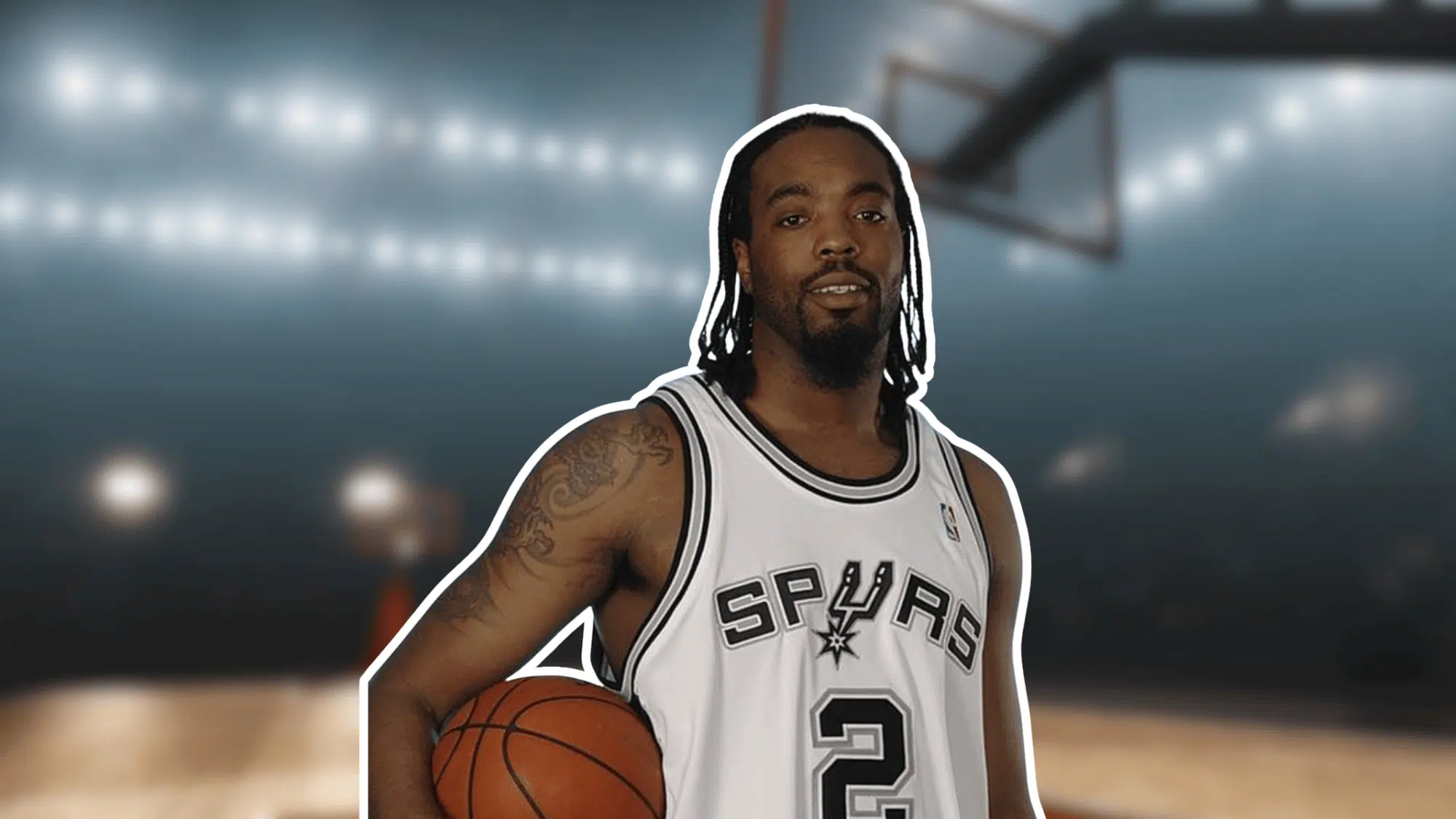
LA Clippers’ twelfth overall pick in 2002, Ely possessed size and athleticism but demonstrated alarmingly low basketball intelligence and poor decision-making throughout his career.
He couldn’t read defensive rotations, consistently took terrible shots, and showed no improvement over nine seasons bouncing between teams.
His defensive positioning was consistently wrong, and he fouled excessively while attempting to compensate for mental mistakes.
Ely averaged 5.3 points despite many chances with struggling teams needing frontcourt help, showing physical tools are useless without mental processing and skill development.
29. Chris Washburn
| Born | NBA Career Length | Position |
|---|---|---|
| 1966 | 1986-1989 | Power Forward/Center |
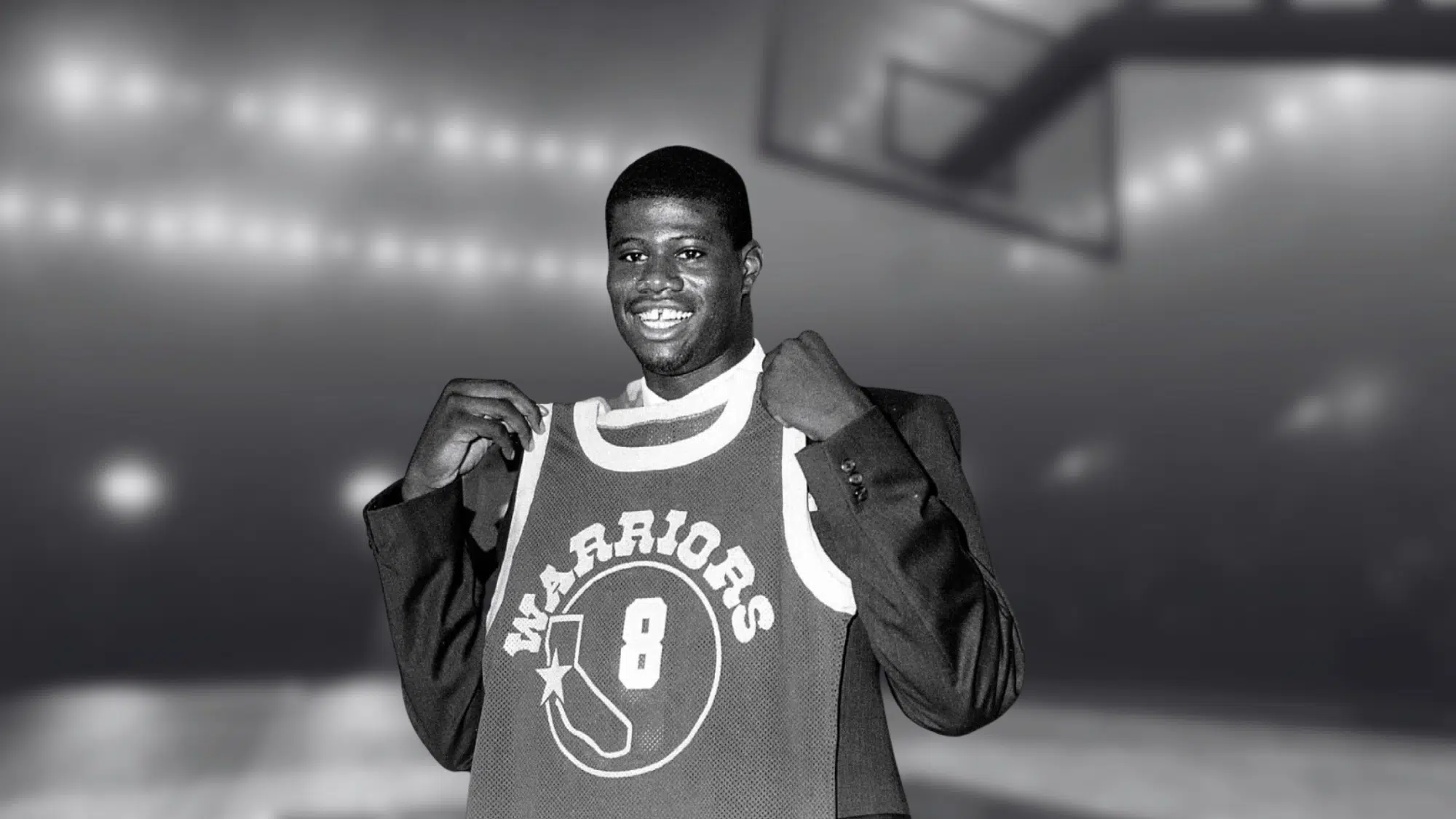
Golden State’s third overall pick in 1986, Washburn’s career imploded due to cocaine addiction and chronic drug test failures that resulted in a lifetime NBA banishment.
He showed flashes of talent at NC State, but desperate franchises ignored academic scandals and substance-abuse red flags.
His three-season NBA stint produced 3.1 points per game before his permanent ban for repeated violations. Washburn’s choice of better players showed disastrous character judgment.
His post-basketball life of homelessness and addiction highlights how untreated substance abuse can ruin promising careers, serving as a tragic cautionary tale.
30. Sun Yue

| Born | NBA Career Length | Position |
|---|---|---|
| 1985 | 2008-2009 | Point Guard |
LA Lakers’ fortieth overall pick in 2007, the Chinese guard was selected primarily for marketing purposes rather than legitimate NBA talent evaluation.
He appeared in only 10 games during one season, looking completely overmatched by NBA speed and physicality, averaging 0.6 points per game.
His ball-handling was loose, his shooting inconsistent, and his defensive awareness nonexistent against quality competition.
Sun Yue earned a championship ring despite contributing nothing, then returned to China, where he resumed a successful career, proving he was unprepared for basketball’s highest level and was chosen for the wrong reasons.
31. Keith Closs

| Born | NBA Career Length | Position |
|---|---|---|
| 1976 | 1997-2001 | Center |
LA Clippers’ fifteenth overall pick in 1997, the 7’3″ shot-blocker possessed incredible timing and length but absolutely nothing else resembling NBA-caliber basketball skills.
He couldn’t catch passes, finish around the rim despite his height, or avoid foolish fouls while hunting blocks obsessively.
His offensive limitations were staggering: a career 42% free-throw shooter who averaged 1.7 points despite his size advantage.
Closs moved between teams for four seasons as coaches hoped his defense would develop, but he stayed one-dimensional, and his limited skills weren’t enough.
His career earnings were wasted, causing financial and legal troubles.
Why This Conversation Is Complicated
Before we throw around labels like “worst player ever,” we need to look at context, such as injuries, expectations, and eras, all of which twist how careers actually unfold.
The injury factor: When a player keeps getting hurt, calling them the “worst” feels wrong. They didn’t fail because they lacked skill – their bodies gave out.
Role players vs. busts: Some players were decent role players but disappointing draft picks. That’s different from being completely useless on the court.
Era matters: The game has changed a lot. Comparing players from the 1980s to today isn’t always fair.
What Fans Actually Think
Online forums and social media show interesting patterns:
- Reddit users often bring up Sun Yue and Michael Ruffin for the worst efficiency
- Twitter debates usually center on Anthony Bennett
- YouTube comments love mentioning Kwame Brown (thanks to memes)
- Older fans remember different names, like Cherokee Parks
Analytics nerds and casual fans rarely agree. Stats tell one story, but expectations and hype tell another.
You can participate in the conversations here at Reddit.
The Bottom Line
Looking back at all these players shows that the “worst” label isn’t always fair. Some faced huge pressure, some battled injuries, and others were pushed into roles that didn’t match their skills.
Expectations, draft position, and team fit all play a big part in how fans judge a career.
What really stands out is that every player on this list still reached a level most people only dream about, even if the results didn’t match the hype.
In the end, these stories remind fans how unpredictable the NBA can be and how much talent and luck matter.
Want to see more breakdowns like this? Check out the next posts and join the conversation!