

Football money talks louder than ever, and sometimes it can feel confusing to understand who really earns what. This blog breaks it all down in a simple way, so you don’t need a finance degree to keep up.
You’ll see a clear list of the highest-paid Premier League players, what they earn each week and each year, and which clubs have the biggest wage bills.
It also looks at how huge salaries affect team building, why wages keep rising, and whether these stars are truly worth the money.
By the end, there will be a better picture of how player wages work, where these numbers come from, and what they mean for the game you love.
Why Premier League Wages Are So Huge
Premier League salaries reach staggering levels because the league generates more money than any other in world football.
Massive TV deals, global sponsorships, and huge matchday revenues allow clubs to offer contracts that attract and retain the biggest stars.
These financial advantages create a competitive environment where wages rise year after year.
- Broadcasting Revenue: Billion-dollar TV deals push salaries higher across all clubs.
- Champions League Earnings: European success adds major income for top-tier clubs.
- Commercial Partnerships: Global brands fund large contracts through sponsorship deals.
- Matchday Income: High ticket sales and fan spending increase the club’s financial power.
- Long-Term Contracts: Clubs protect assets by securing stars on lengthy, expensive deals.
In the end, Premier League wages are driven by a mix of commercial success and fierce competition. Clubs with the most financial power pay top dollar to secure elite talent, setting salary standards that keep rising as the league grows stronger globally.
Highest Paid Premier League Players
Here’s a breakdown of the Premier League’s top earners, showing their clubs, weekly wages, and yearly salaries, plus why each star commands such huge paychecks.
1. Erling Haaland

| Team | Weekly Wage ($) | Approx Annual Salary ($) |
|---|---|---|
| Man City | 665,000 | 34,580,000 |
The Norwegian striker continues to justify his record-breaking wages with prolific goal-scoring performances since joining from Borussia Dortmund.
His contract reflects Manchester City’s commitment to building around their star forward, who has transformed their attacking capabilities.
The package positions him as the Premier League’s most valuable asset, setting a new benchmark for player compensation in English football.
2. Mohamed Salah

| Team | Weekly Wage ($) | Approx Annual Salary ($) |
|---|---|---|
| Liverpool | 507,000 | 26,364,000 |
The Egyptian forward’s recent contract extension secures his place among football’s elite earners while cementing his legacy at Anfield.
His consistent output over multiple seasons has made him indispensable to Liverpool’s success, with his commercial value extending far beyond the pitch.
Salah’s wages reflect both his on-field contributions and his global marketability as one of football’s most recognizable faces.
3. Casemiro

| Team | Weekly Wage ($) | Approx Annual Salary ($) |
|---|---|---|
| Man United | 443,000 | 23,036,000 |
Manchester United invested heavily in the Brazilian’s experience and leadership when they secured his signature from Real Madrid.
His salary reflects the premium placed on world-class defensive midfielders who can dictate tempo and provide stability.
Despite his age, United views his tactical intelligence and winning mentality as crucial assets worth the substantial financial commitment to their squad restructuring efforts.
4. Virgil Van Dijk

| Team | Weekly Wage ($) | Approx Annual Salary ($) |
|---|---|---|
| Liverpool | 443,000 | 23,036,000 |
The Dutch captain’s commanding presence has revolutionized Liverpool’s defensive solidity since his arrival, making him virtually irreplaceable in their system.
His wages acknowledge his status as arguably the world’s finest centre-back, combining physical dominance with exceptional reading of the game.
Liverpool’s investment ensures they retain their defensive cornerstone during their most competitive years under current management.
5. Raheem Sterling

| Team | Weekly Wage ($) | Approx Annual Salary ($) |
|---|---|---|
| Chelsea (vars.) | 411,000 | 21,372,000 |
The English winger’s substantial wages stem from his proven Premier League pedigree and previous successes with Manchester City.
Chelsea’s significant investment demonstrates their ambition to assemble a squad capable of challenging for major honors across multiple competitions.
Sterling’s versatility across the front line and experience in high-pressure matches justify his position among the league’s highest-compensated players.
6. Bruno Fernandes

| Team | Weekly Wage ($) | Approx Annual Salary ($) |
|---|---|---|
| Man United | 380,000 | 19,760,000 |
The Portuguese midfielder has been instrumental in Manchester United’s creative output since his arrival, consistently delivering goals and assists from deep positions.
His contract extension through 2027 underscores United’s reliance on his playmaking abilities and leadership qualities as vice-captain.
Fernandes’ work rate and ability to influence matches in multiple phases of play make him central to the club’s long-term strategic vision.
7. Bernardo Silva

| Team | Weekly Wage ($) | Approx Annual Salary ($) |
|---|---|---|
| Man City | 380,000 | 19,760,000 |
The Portuguese technician’s versatility and intelligence have made him one of Pep Guardiola’s most trusted performers across multiple positions.
Silva’s ability to operate in tight spaces and maintain possession under pressure exemplifies Manchester City’s playing philosophy.
His compensation reflects his importance to the team’s tactical flexibility and his consistency in delivering high-level performances across domestic and European competitions.
8. Jack Grealish

| Team | Weekly Wage ($) | Approx Annual Salary ($) |
|---|---|---|
| Man City / Everton | 380,000 | 19,760,000 |
The English playmaker’s substantial salary originated from his British record transfer fee when Manchester City acquired him from Aston Villa.
His wages remain unchanged despite his loan move to Everton, highlighting the financial commitment City made to secure his services.
Grealish’s ball-carrying ability and creative flair were viewed as essential additions to an already star-studded squad seeking continued dominance.
9. Omar Marmoush

| Team | Weekly Wage ($) | Approx Annual Salary ($) |
|---|---|---|
| Man City | 374,000 | 19,448,000 |
Manchester City’s latest marquee signing arrived in the January 2025 transfer window with impressive wages that reflect his emerging status as an elite forward.
His recruitment demonstrates the City’s ongoing investment in attacking talent to maintain its competitive edge across multiple competitions.
The substantial package suggests high expectations for immediate impact and future development under Guardiola’s tutelage at the Etihad Stadium.
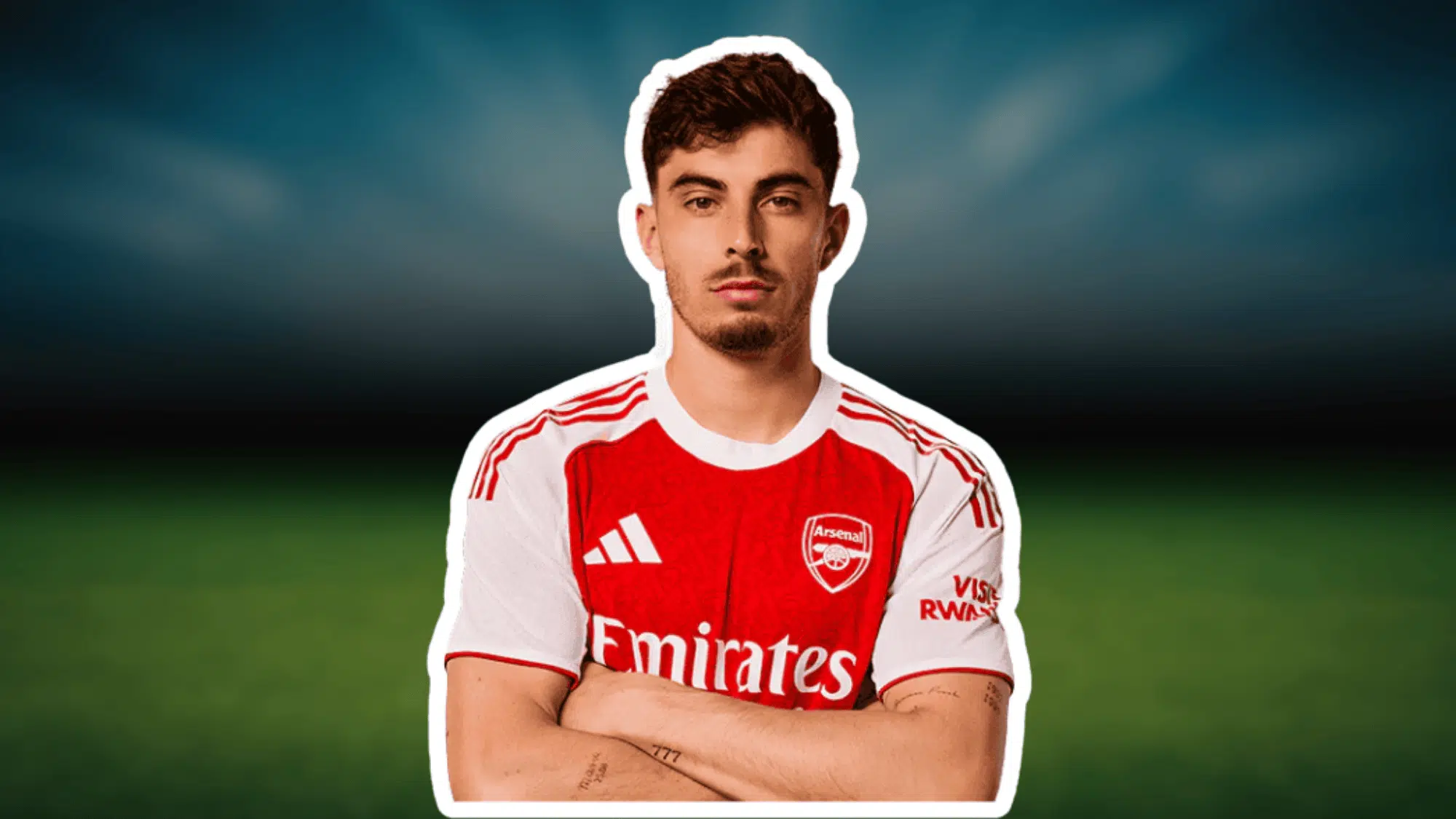
10 . Kai Havertz
| Team | Weekly Wage ($) | Approx Annual Salary ($) |
|---|---|---|
| Arsenal | 355,000 | 18,460,000 |
The German forward’s status as Arsenal’s highest-paid player reflects manager Mikel Arteta’s confidence in his ability to lead the line in their title challenge.
Havertz’s unique combination of technical skill and physical presence offers Arsenal tactical versatility in attacking positions.
His wages represent Arsenal’s willingness to compete financially with their rivals as they pursue their first Premier League title in over two decades.
11. Alexander Isak

| Team | Weekly Wage ($) | Approx Annual Salary ($) |
|---|---|---|
| Liverpool | 355,000 | 18,460,000 |
The Swedish striker’s transfer to Liverpool came with British record wages, reflecting his status as one of Europe’s most clinical finishers.
His ability to lead the line with pace and precision makes him an ideal fit for Liverpool’s high-intensity attacking system.
Isak’s goalscoring prowess and age profile suggest he could be the long-term solution to Liverpool’s search for a reliable number nine capable of delivering in crucial moments.
12. John Stones

| Team | Weekly Wage ($) | Approx Annual Salary ($) |
|---|---|---|
| Man City | 317,000 | 16,484,000 |
The English defender’s wages reflect his unique ability to operate both as a centre-back and a defensive midfielder in Guardiola’s system.
Stones’ technical comfort on the ball and tactical intelligence allow Manchester City to build attacks from deep positions with confidence.
His versatility has proven invaluable during injury crises, making him one of the most tactically essential players in City’s squad despite not always being a guaranteed starter.
13. Reece James

| Team | Weekly Wage ($) | Approx Annual Salary ($) |
|---|---|---|
| Chelsea | 317,000 | 16,484,000 |
Chelsea’s captain commands premium wages befitting his status as one of the Premier League’s most complete full-backs when fit.
His attacking output from right-back, combined with defensive solidity, makes him a rare two-way threat in modern football.
James’ leadership qualities and academy pedigree reinforce his value to Chelsea’s project, though injuries have occasionally disrupted his ability to consistently influence matches.
14. Gianluigi Donnarumma

| Team | Weekly Wage ($) | Approx Annual Salary ($) |
|---|---|---|
| Man City | 317,000 | 16,484,000 |
The Italian goalkeeper’s move to Manchester City established him as the Premier League’s highest-paid shot-stopper, reflecting the premium placed on elite goalkeeping.
Donnarumma’s command of his area, shot-stopping ability, and composure with the ball at his feet align perfectly with City’s possession-based approach.
His wages acknowledge both his proven track record at the highest level and his potential to dominate the position for years to come.
15. Cody Gakpo

| Team | Weekly Wage ($) | Approx Annual Salary ($) |
|---|---|---|
| Liverpool | ~291,000 | ~15,200,000 |
The Dutch forward’s substantial salary reflects Liverpool’s investment in securing one of Europe’s most promising young attackers during a competitive transfer window.
Gakpo’s adaptability across multiple forward positions provides the manager with tactical flexibility in different match situations and formations.
His combination of pace, technical ability, and goal threat has made him an increasingly important part of Liverpool’s attacking rotation as they compete on multiple fronts.
16. Rúben Dias

| Team | Weekly Wage ($) | Approx Annual Salary ($) |
|---|---|---|
| Man City | ~291,000 | ~15,200,000 |
The Portuguese centre-back transformed Manchester City’s defensive stability upon arrival, earning immediate recognition as one of the Premier League’s elite defenders.
Dias’ organizational skills and ability to read dangerous situations have made him indispensable to the City’s backline structure.
His wages reflect the market value of world-class defenders who can anchor a title-challenging side while maintaining consistency across grueling domestic and European campaigns.
17. Martin Ødegaard

| Team | Weekly Wage ($) | Approx Annual Salary ($) |
|---|---|---|
| Arsenal | ~266,000 | ~13,940,000 |
Arsenal’s captain earns premium wages that acknowledge his central role in the team’s tactical approach and leadership structure.
The Norwegian midfielder’s vision, passing range, and ability to unlock defenses make him the creative heartbeat of Arteta’s system.
Ødegaard’s compensation reflects Arsenal’s commitment to building their project around a player who embodies both technical excellence and the mentality required to challenge for major honors.
18. Declan Rice

| Team | Weekly Wage ($) | Approx Annual Salary ($) |
|---|---|---|
| Arsenal | ~266,000 | ~13,940,000 |
The English midfielder’s record transfer fee from West Ham United came with wages befitting his status as one of the Premier League’s most complete central midfielders.
Rice’s defensive awareness, ball progression, and leadership qualities provide Arsenal with the midfield foundation they previously lacked.
His salary represents Arsenal’s determination to compete financially for homegrown talent capable of making an immediate impact at the highest level.
19. Bukayo Saka

| Team | Weekly Wage ($) | Approx Annual Salary ($) |
|---|---|---|
| Arsenal | ~266,000 | ~13,840,000 |
The academy graduate’s wages reflect Arsenal’s eagerness to secure one of English football’s brightest young talents on a long-term deal.
Saka’s explosive pace, direct running, and end product from the right wing have made him one of the Premier League’s most dangerous attackers.
His compensation demonstrates Arsenal’s strategy of rewarding homegrown players who exemplify the club’s values while performing at an elite level consistently.
20. Tijani Reijnders

| Team | Weekly Wage ($) | Approx Annual Salary ($) |
|---|---|---|
| Everton FC | ~266,000 | ~13,840,000 |
The midfielder’s substantial wages at Everton suggest significant investment in strengthening their central areas with emerging European talent.
Reijnders’ technical ability and tactical awareness offer Everton a modern midfielder capable of controlling matches in multiple phases of play.
His compensation level indicates the club’s ambition to establish itself as a competitive challenger, though his exact status and team affiliation require verification, given recent transfer activity.
21. William Saliba

| Team | Weekly Wage ($) | Approx Annual Salary ($) |
|---|---|---|
| Arsenal | ~266,000 | ~13,840,000 |
The French defender’s emergence as one of Europe’s premier young centre-backs has justified Arsenal’s patience during his loan spells before establishing himself in the first team.
Saliba’s combination of pace, strength, and composure on the ball makes him ideally suited to Arsenal’s high defensive line and possession-based approach.
His wages reflect Arsenal’s determination to retain their defensive cornerstone amid interest from Europe’s elite clubs seeking top-quality defenders.
22. Phil Foden

| Team | Weekly Wage ($) | Approx Annual Salary ($) |
|---|---|---|
| Man City | ~241,000 | ~12,520,000 |
The Manchester-born midfielder represents City’s successful academy development, with his wages reflecting both his immense talent and homegrown status.
Foden’s ability to operate across multiple attacking positions with equal effectiveness makes him one of Guardiola’s most valuable assets.
His compensation balances his current world-class performances with recognition of his potential to become one of the Premier League’s defining players over the next decade.
23. Rodri

| Team | Weekly Wage ($) | Approx Annual Salary ($) |
|---|---|---|
| Man City | ~241,000 | ~12,520,000 |
The Spanish midfielder’s wages acknowledge his status as the metronome of Manchester City’s record-breaking machine, controlling tempo and dictating play from deep positions.
Rodri’s tactical discipline and passing accuracy make him virtually irreplaceable in City’s system, with his absence often noticeably impacting team performance.
His compensation reflects the scarcity of defensive midfielders who combine his technical quality with the physical attributes needed to dominate Premier League matches.
24. Hugo Ekitike

| Team | Weekly Wage ($) | Approx Annual Salary ($) |
|---|---|---|
| Liverpool | ~228,000 | ~11,860,000 |
The young French forward’s substantial wages at Liverpool demonstrate the club’s investment in emerging attacking talent with high potential ceilings.
Ekitike’s pace and finishing ability offer Liverpool an alternative attacking profile to their established forwards.
His compensation suggests Liverpool views him as a key part of their future attacking plans, with expectations that he’ll develop into a consistent goal threat under their coaching staff’s guidance.
25. Wesley Fofana

| Team | Weekly Wage ($) | Approx Annual Salary ($) |
|---|---|---|
| Chelsea | ~228,000 | ~11,860,000 |
The French defender’s wages stem from Chelsea’s aggressive recruitment strategy when they secured him from Leicester City for a significant transfer fee.
Fofana’s recovery pace and modern defending capabilities align with Chelsea’s vision for a youthful, athletically gifted backline.
Despite injury setbacks limiting his appearances, his compensation reflects Chelsea’s long-term faith in his ability to become a cornerstone defender once he achieves consistent fitness levels.
26. Viktor Gyökeres

| Team | Weekly Wage ($) | Approx Annual Salary ($) |
|---|---|---|
| Arsenal | ~228,000 | ~11,860,000 |
The Swedish striker’s impressive goalscoring record earned him a lucrative move to Arsenal, where his wages reflect confidence in his ability to deliver consistent attacking output.
Gyökeres’ physical presence and clinical finishing provide Arsenal with a different attacking dimension compared to their more technical forwards.
His compensation demonstrates Arsenal’s willingness to invest in proven goal scorers who can contribute immediately to their title ambitions across multiple competitions.
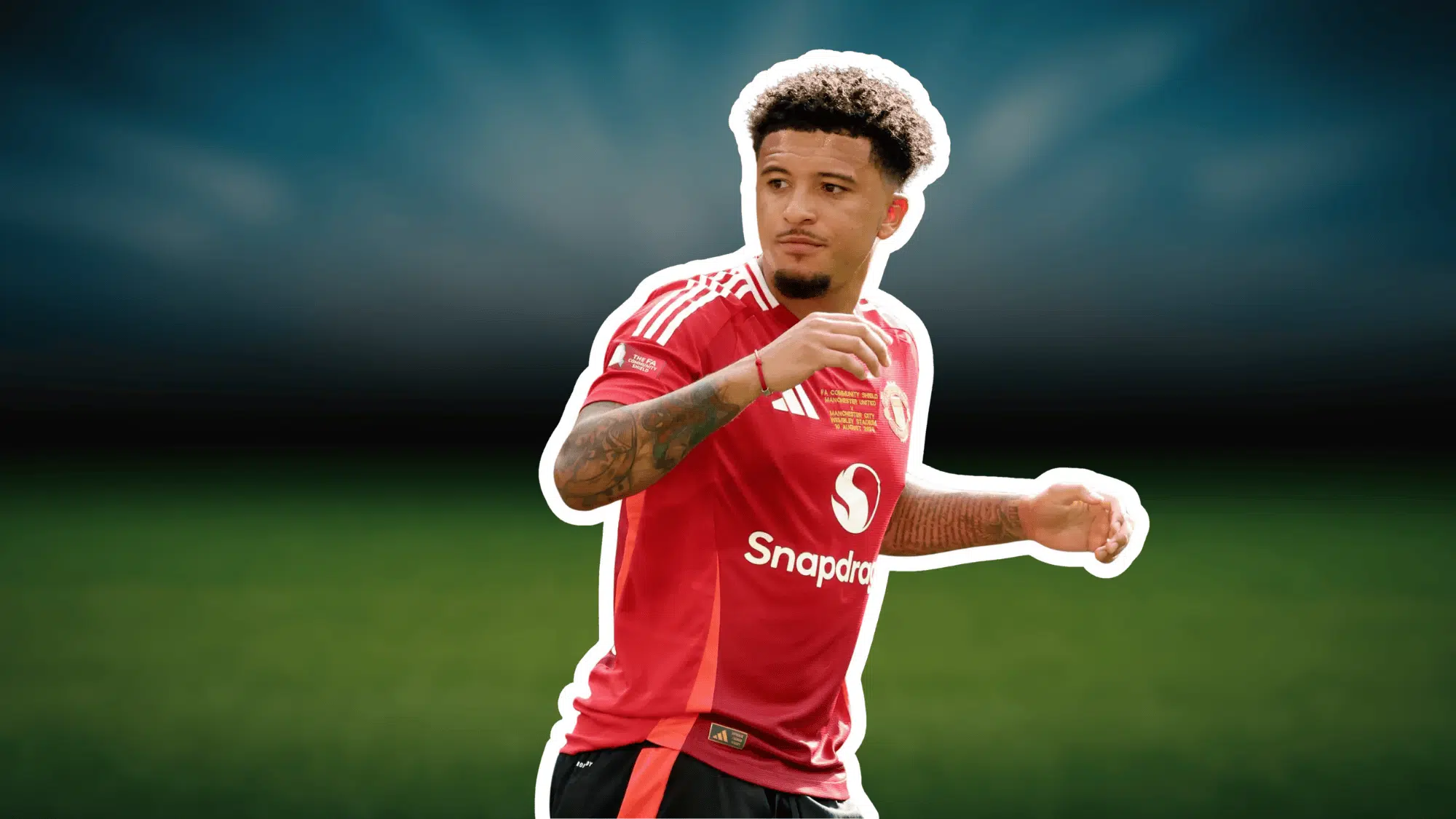
27. Jadon Sancho
| Team | Weekly Wage ($) | Approx Annual Salary ($) |
|---|---|---|
| Man United | ~228,000 | ~11,860,000 |
The English winger’s substantial wages reflect Manchester United’s significant investment when bringing him back to the Premier League from Borussia Dortmund.
Sancho’s creative ability and experience in high-pressure environments were viewed as essential additions to United’s attacking options.
His compensation acknowledges both his proven track record in elite European football and the premium paid for English talent, though his impact has fluctuated amid tactical adjustments and squad rotation.
28. Joško Gvardiol

| Team | Weekly Wage ($) | Approx Annual Salary ($) |
|---|---|---|
| Man City | ~228,000 | ~11,860,000 |
The Croatian defender arrived at Manchester City with a reputation as one of Europe’s most promising young centre-backs, commanding wages that reflect his potential.
Gvardiol’s versatility in playing both centrally and at left-back provides Guardiola with valuable tactical flexibility in different match situations.
His compensation represents City’s strategy of securing elite defensive talent early in their careers, investing in players who can anchor the backline for years to come.
29. Matthijs de Ligt

| Team | Weekly Wage ($) | Approx Annual Salary ($) |
|---|---|---|
| Man United | ~222,000 | ~11,530,000 |
The Dutch centre-back’s wages at Manchester United reflect his pedigree as a former Ajax captain and his experience at Europe’s biggest clubs.
De Ligt’s leadership qualities and defensive intelligence made him an attractive target for United’s efforts to rebuild their backline with proven international talent.
His compensation acknowledges both his current abilities and the expectation that he’ll form a long-term defensive partnership capable of restoring United’s defensive reputation.
30. Harry Maguire

| Team | Weekly Wage ($) | Approx Annual Salary ($) |
|---|---|---|
| West Ham | ~215,000 | ~11,200,000 |
The English defender’s move to West Ham came with wages that reflect his experience as a former Manchester United captain and international regular.
Maguire’s aerial dominance and organizational skills provide West Ham with veteran leadership in their defensive structure.
His salary shows West Ham’s ambition to become consistent European contenders by investing in experienced Premier League defenders who understand the league’s physical demands.
31. Ryan Cherki

| Team | Weekly Wage ($) | Approx Annual Salary ($) |
|---|---|---|
| Chelsea | ~203,000 | ~10,540,000 |
The French midfielder’s wages at Chelsea represent the club’s continued investment in promising young talent from Europe’s top academies and development systems.
Cherki’s technical ability and creativity in advanced positions offer Chelsea attacking versatility as they rebuild their squad with youthful prospects.
His compensation reflects Chelsea’s strategy of securing high-potential players early, betting on their development into consistent performers who can justify significant financial commitments over time.
Which Club Has the Highest Wage Bill?
Money talks in modern football, and nowhere is that clearer than when looking at total club wage bills. Here’s how the biggest spenders stack up:
| Club | Total Annual Wage Bill | Players Earning £10m+ Per Year |
|---|---|---|
| Manchester City | £365 million | 8 |
| Manchester United | £331 million | 7 |
| Liverpool | £314 million | 6 |
| Chelsea | £302 million | 5 |
| Arsenal | £278 million | 4 |
Manchester City leads the pack, which makes sense when you’ve got Haaland, De Bruyne, and several other world-class talents on your books. Manchester United isn’t far behind, despite their recent struggles on the pitch.
How Big Salaries Shape Teams
These massive wage bills aren’t just random numbers; they change entirely how clubs build their squads. When you’re paying one player £27 million per year, that’s money you can’t spend on bringing in new signings or keeping other squad players happy.
Take Haaland’s contract at City as an example. Yes, he scores goals for fun, but his salary takes up a huge chunk of the wage budget. That means City has to be super careful about who else they bring in and how much they pay them.
Liverpool faces similar challenges with Salah and Van Dijk both earning over £19 million annually. But here’s the thing—these players deliver on the pitch. Salah keeps breaking scoring records, and Van Dijk is still one of the best defenders in the world.
The clubs that struggle most are those paying huge salaries to players who aren’t performing. Manchester United has been criticized for this in recent years, with several high earners not quite living up to their massive paychecks.
Why Do Premier League Salaries Keep Going Up?
You might wonder why footballers earn so much money. There are three main reasons:
- Broadcasting money: Premier League TV deals are worth billions. Every club gets a share, and the biggest clubs use that money to pay top wages.
- Champions League cash: Teams that qualify for Europe’s elite competition earn massive bonuses, which helps them afford bigger salaries.
- Commercial deals: Big clubs like Manchester City, Liverpool, and United sign huge sponsorship agreements with global brands. This money goes toward paying star players.
Clubs also offer longer contracts now (like Haaland’s deal running until 2034!) to protect their investment. If a player is locked in for nearly a decade, the club knows they won’t lose them for free.
Are These Players Actually Worth the Money?
That’s the million-pound question, literally! Some players absolutely justify their wages. Haaland scored over 50 goals in his first season at City and helped them win the treble. That’s worth every penny.
Salah continues to be Liverpool’s most important player, consistently delivering 20+ goals and assists combined each season. Van Dijk transformed Liverpool’s defense when he arrived and remains their leader at the back.
But not every high earner performs at that level. Some players get big contracts based on past success and then struggle with injuries, form, or don’t fit the team’s system anymore.
The smartest clubs are the ones that pay big money to players who actually deliver results on the pitch week after week.
How We Got These Numbers
These salary figures come from trusted sources, combined with reports from reliable sports journalists and official club statements.
Keep in mind that exact numbers can vary slightly between different sources because:
- Some sites report weekly wages, others show annual salaries
- Bonuses and performance incentives aren’t always included
- Image rights and sponsorships are separate from basic salary
The numbers shown here represent the base salary players earn before bonuses kick in.
Final Thoughts
Ultimately, Premier League wages reflect the financial flow in modern football, the pressure clubs face, and the value top players bring.
Some stars clearly earn every penny with goals, trophies, and leadership. Others raise fair questions about whether their pay really matches their impact.
Understanding how wages work, where the money comes from, and how it shapes squads makes watching matches even more interesting.
Next time a transfer or contract hits the headlines, it will be easier to judge it. Want more simple football breakdowns like this? Save this blog, share it with a friend, and check back for more.