
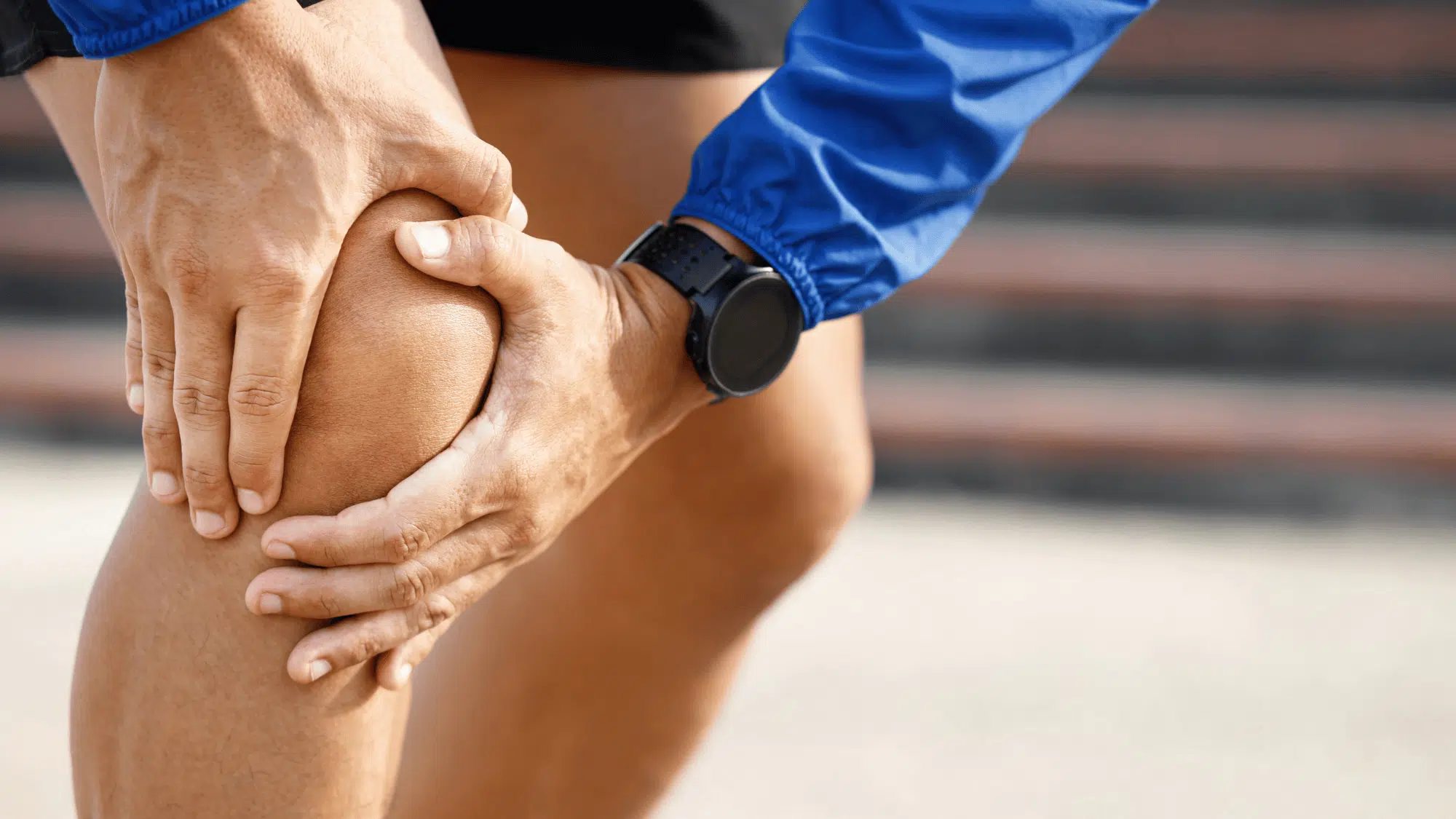




Runner’s knee can feel annoying and confusing, especially when the big question is, “How long will this take to heal?” The truth is, runner’s knee recovery time can be different for each person.
Some people feel better in a few weeks, while others may need a couple of months, depending on what caused the pain and how early it was treated.
This blog breaks it all down in simple terms. It covers what runner’s knee is, the most common causes, and the signs to watch for.
We will also share treatment options, what to avoid, and easy ways to support faster healing. A clear recovery timeline and answers to common questions are included, too.
Does Runner’s Knee Go Away on Its Own?
In most cases, runner’s knee does not entirely go away on its own.
Many doctors suggest stopping the activities that cause pain, like running or squatting. Rest can help the knee feel better for a short time, but it usually does not fix the real problem.
When regular activity starts again, the pain often returns.
Too much rest can also make the body weaker over time. The knee and nearby muscles may handle less pressure, which can make even simple daily movements feel harder.
A better plan is active recovery, doing the right exercises and slowly building strength so the knee can handle more load without pain for the long run.
How Long Does Runner’s Knee Take to Heal With Treatment?
Healing time for runner’s knee depends on what is done after the pain starts. Some people improve quickly with the right changes, while others take longer if the knee keeps getting stressed.
The good news is that most cases get better with simple, steady care.
With Rest + Activity Modification
Resting from painful moves can give the knee a break and reduce irritation.
- Pain may calm down in 1–2 weeks
- Full recovery often takes 4–6 weeks
Helpful changes include:
- Cutting back on running, hills, and stairs
- Swapping to low-impact options (only if pain-free)
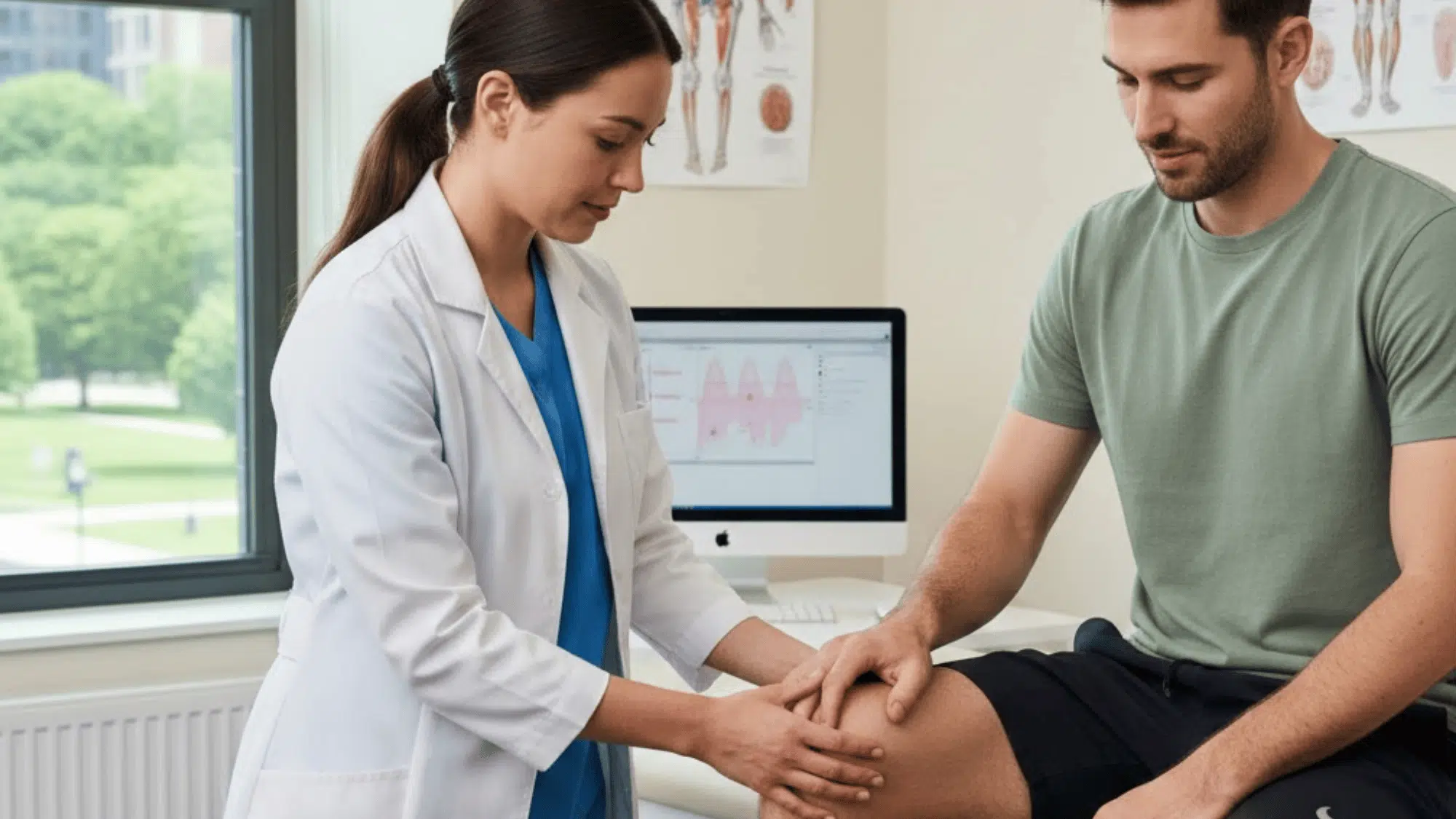
With Physical Therapy
Physical therapy usually helps faster and supports long-term healing because it works on the real cause, like weakness or poor kneecap tracking.
- Noticeable improvement often shows up in 10–14 days
- A stronger, more stable recovery is common in 6–8 weeks
Often focuses on:
- Strengthening hips and thighs
- Improving movement patterns
- Gradually rebuilding tolerance for activity
Runners’ Knee Recovery Timeline
Patience pays here: with smart rest, gentle strengthening, and gradual loading, most runner’s knee symptoms ease week by week, helping you return confidently.
Week 1–2: Pain Starts to Settle
During the first two weeks, the main goal is calming the knee and stopping further irritation. Pain usually begins to ease when stressful movements are reduced.
Swelling and discomfort may slowly improve, making basic movements feel easier. This stage helps create the right base for safe healing and prevents the problem from getting worse.
- Focus on gentle movement without forcing the knee
- Use supportive footwear to reduce joint stress
Week 3–4: Strength and Control Improve
At this stage, the knee can usually handle light strengthening work. Muscles around the hips, thighs, and knees start to support the joint better.
Movement often feels more controlled, and small daily tasks become easier. This phase is important for fixing muscle imbalances that caused the pain in the first place.
- Exercises should stay pain-free at all times
- Balance and posture awareness become more important
Week 5–6: Daily Activities Feel Normal
By weeks five and six, everyday movements usually feel comfortable again. The knee feels more stable, and confidence in walking, standing, and sitting improves.
Most people notice less stiffness and better overall function. This phase confirms that the knee is handling normal loads without irritation.
- Longer walks may feel easier and more natural
- Knee fatigue should be minimal after daily tasks
Week 6–8 and Beyond: Return to Running
This phase focuses on safely bringing running back into the routine. Short and slow sessions help test how the knee responds.
Progress is gradual to avoid setbacks. Paying attention to how the knee feels after activity helps guide safe increases in training over time.
- Rest days remain important between running sessions
- Any sharp pain is a sign to slow down
Fastest Ways to Shorten Runners’ Knee Recovery Time
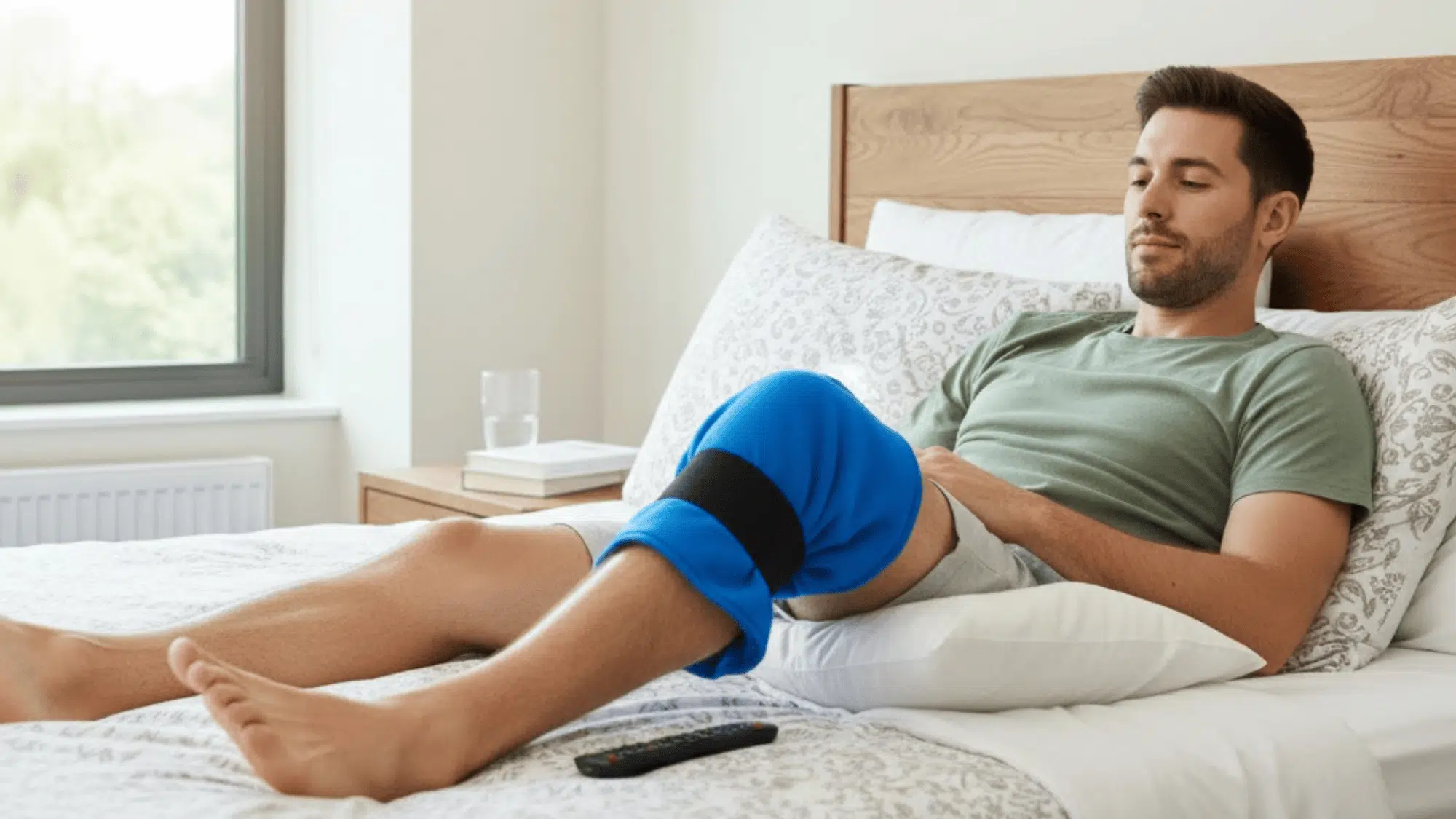
Recovering faster from runner’s knee is not about doing more; it is about doing the right things at the right time.
These steps focus on reducing pain, fixing the cause, and helping the knee handle movement again without flare-ups.
1. Avoid Painful Activities
Pushing through knee pain often delays healing. Activities that cause sharp or lasting pain should be reduced or paused until the knee settles. Letting pain guide decisions helps protect the kneecap and prevents further irritation.
- Pain is a warning sign, not a challenge to beat
- Modify movements instead of stopping all activity
2. Start Guided Physical Therapy
Physical therapy helps address muscle weakness, poor movement patterns, and kneecap alignment issues. A guided plan supports safe progress and reduces the chance of repeated pain once activity levels increase again.
- Exercises are adjusted as strength improves
- Professional guidance helps avoid common recovery mistakes
3. Strengthen Key Muscle Groups
Strong muscles help control how the kneecap moves. Focusing on the quadriceps, especially the VMO, along with the hips and glutes, reduces stress on the knee during movement and activity.
- Balanced strength supports better knee tracking
- Strong hips reduce the pressure placed on the knee
4. Use Low-Impact Cardio
Low-impact exercises help maintain fitness without adding extra stress to the knee. Options like cycling or swimming allow movement while protecting the joint during recovery.
- Keeps blood flow and endurance levels up
- Reduces stiffness from too much inactivity
5. Stay Consistent, Not Aggressive
Steady progress leads to better results than rushing recovery. Minor improvements over time help the knee adapt safely and lower the risk of setbacks.
- Recovery works best with patience.
- Sudden increases often lead to flare-ups
Can You Still Walk or Run With Runner’s Knee?
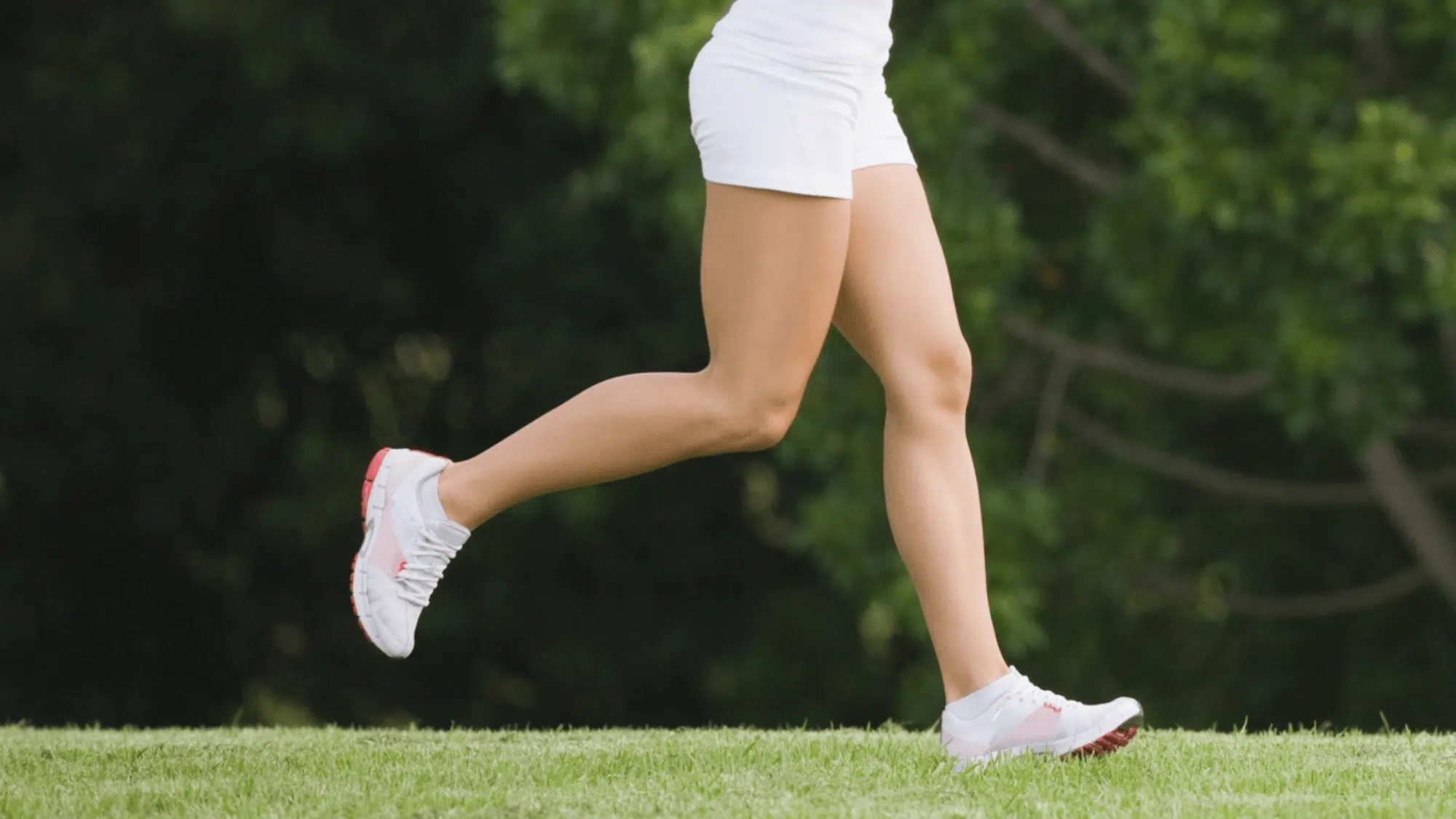
Walking or running with runner’s knee depends on how the knee feels during and after movement. Pain is the clearest signal and should always guide decisions during recovery.
Walking With Runner’s Knee
Walking is usually safe if it does not cause pain or discomfort. Short, easy walks can help maintain movement without stressing the knee.
If pain appears while walking or afterward, activity should be reduced until the knee settles.
Running With Runner’s Knee
Running should only restart when the knee is fully pain-free during daily activities. Starting too early often brings the pain back. Short, slow runs help test how the knee responds before increasing distance or speed.
Let Pain Guide Readiness
Pain is the body’s way of signaling readiness or overload. Ignoring it can slow recovery. A pain-free knee during and after activity is the best sign that progress is on track.
What to Avoid During Runner’s Knee Recovery
| What to avoid | Why it slows recovery | What to do instead |
|---|---|---|
| Running through pain | Adds more stress to the kneecap and can keep the irritation active | Switch to pain-free activities and return to running only when symptoms settle |
| Downhill walking or stairs | Increases pressure on the front of the knee and often triggers symptoms | Use elevators when possible, take stairs slowly, and avoid steep hills |
| Sudden training increases | Overloads the knee before it can adapt, leading to flare-ups | Increase distance, speed, or intensity gradually, one change at a time |
| Ignoring early symptoms | Small problems can turn into longer-lasting pain and longer recovery time | Reduce load early and start rehab steps as soon as discomfort appears |
When to See a Doctor or Physiotherapist
Most cases of runner’s knee improve with rest, activity changes, and simple exercises. However, some signs mean extra help may be needed.
Seeing a doctor or physiotherapist at the right time can prevent longer recovery and repeated pain.
- Pain Lasting More than 2–3 Weeks: Ongoing discomfort may mean the knee is not healing properly on its own.
- Swelling or Worsening Symptoms: Increasing pain, swelling, or stiffness can signal added irritation or another issue.
- Difficulty with Daily Activities: Trouble walking, sitting, or using stairs should not be ignored.
- Recurrent Runner’s Knee: Pain that keeps coming back often needs professional assessment and guided treatment.
Final Thoughts
Runner’s knee can feel slow to heal, but steady steps usually bring steady results. The best recoveries happen when pain is respected, daily habits are adjusted, and the right muscles are strengthened.
A smart plan helps the kneecap track better, lowers stress on the joint, and reduces the chance of the pain coming back.
Recovery time may be a few weeks for mild cases, or longer if symptoms have been present for a while, but progress is still possible with the right approach.
If pain keeps returning or daily activities are getting harder, getting help sooner can make a big difference.
Need a clear plan? Start today with simple rehab steps or book a physiotherapist visit.