



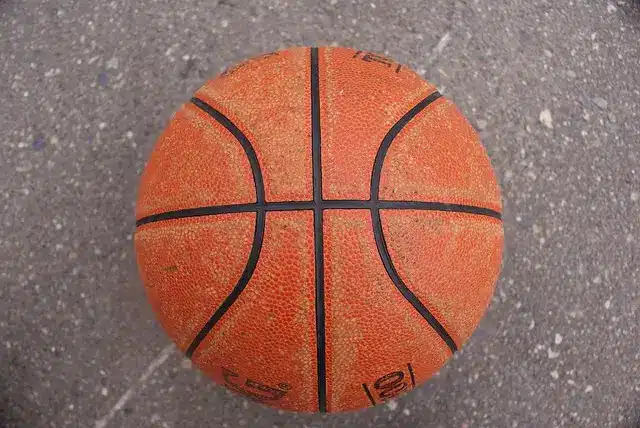


Many people love debating which sport is the hardest, and the answer isn’t always simple. Every sport challenges the body and mind in different ways, from strength and speed to skill and mental focus.
This blog takes a closer look at what makes certain sports tougher than others. It breaks down training demands, injury risks, and the mental pressure athletes face.
Each ranked sport is explained in simple terms so readers can understand why it earned its place on the list.
We will also cover what it takes to train for high-level competition, when athletes begin, and what the public thinks of the most demanding sports.
This guide helps make sense of a big question many people love to argue about.
What Is the Hardest Sport?
Mixed Martial Arts (MMA) is widely considered the hardest sport due to its extreme blend of strength, endurance, technique, and mental toughness.
When people ask what the hardest sport is or look for rankings of the hardest sports, MMA consistently ranks at the top across expert evaluations.
In sports, “difficulty” refers to the combined physical, technical, and psychological demands required to compete at an elite level.
Why MMA ranks #1
Experts score MMA highest because athletes must master striking, grappling, wrestling, power, cardio, and split-second decision-making under intense pressure.
Why Athletes Agree
Fighters describe MMA as brutally demanding, requiring nonstop conditioning, pain tolerance, discipline, and years of training across multiple martial arts.
MMA stands above other hard sports because it pushes athletes beyond traditional limits. Its combination of technique, conditioning, combat skill, and mental resilience makes it the toughest sport to train for, compete in, and sustain over time.
Most Hardest Sports
Some sports push athletes to their absolute limits in strength, skill, and resilience; here’s a look at disciplines widely regarded as the most brutally demanding.
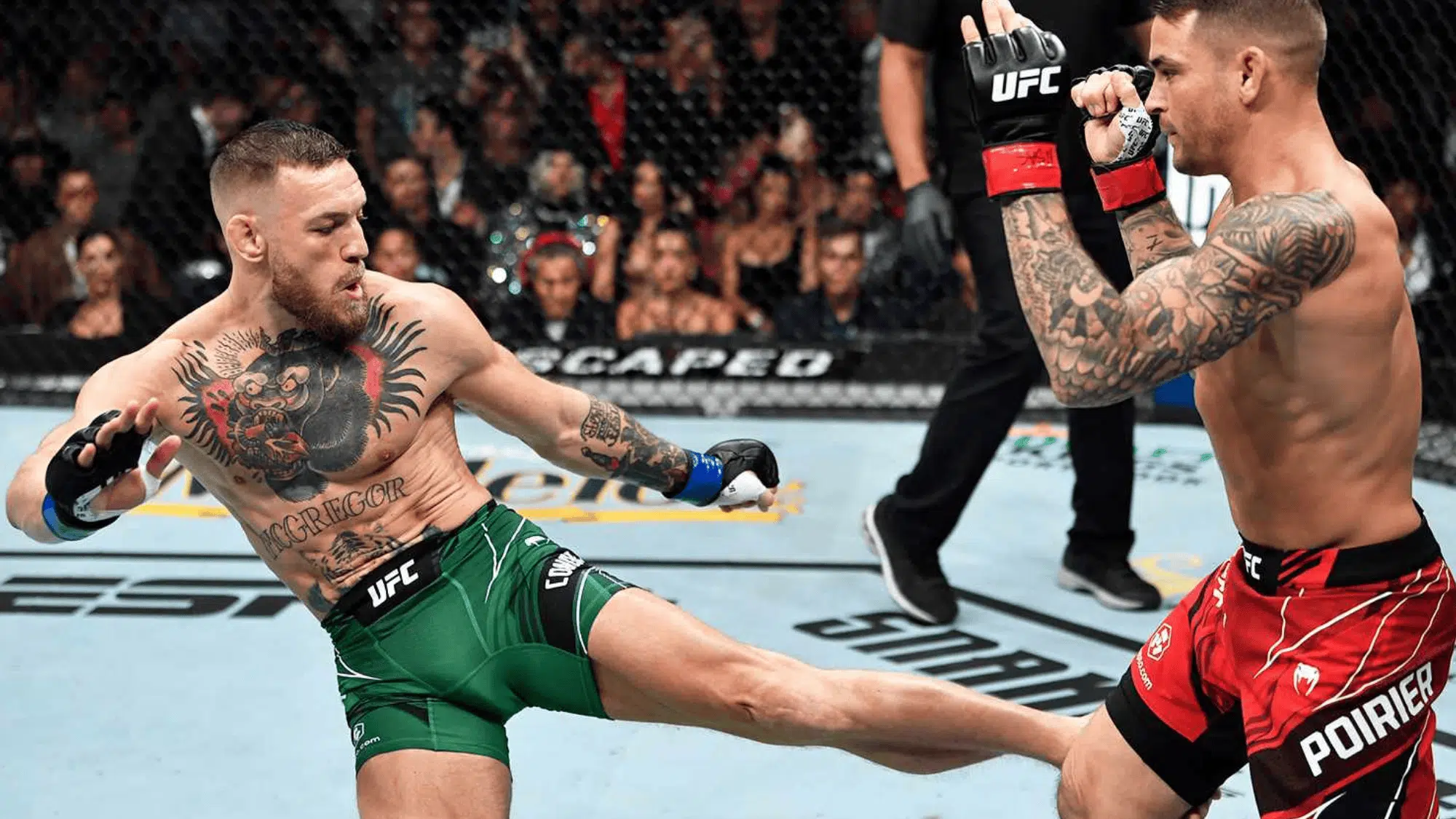
1. Mixed Martial Arts
| Difficulty Level | Training Intensity | Injury Risk |
|---|---|---|
| 10/10 | 10/10 | 10/10 |
MMA requires a complete athlete, one who combines power, technical expertise, tactical thinking, and mental strength. Competitors face severe physical and psychological demands inside the cage.
Continuous threats of injury and the need for discipline make psychological toughness vital for success in this supremely challenging sport.
Notable Competitors: Conor McGregor, Khabib Nurmagomedov, and Ronda Rousey.
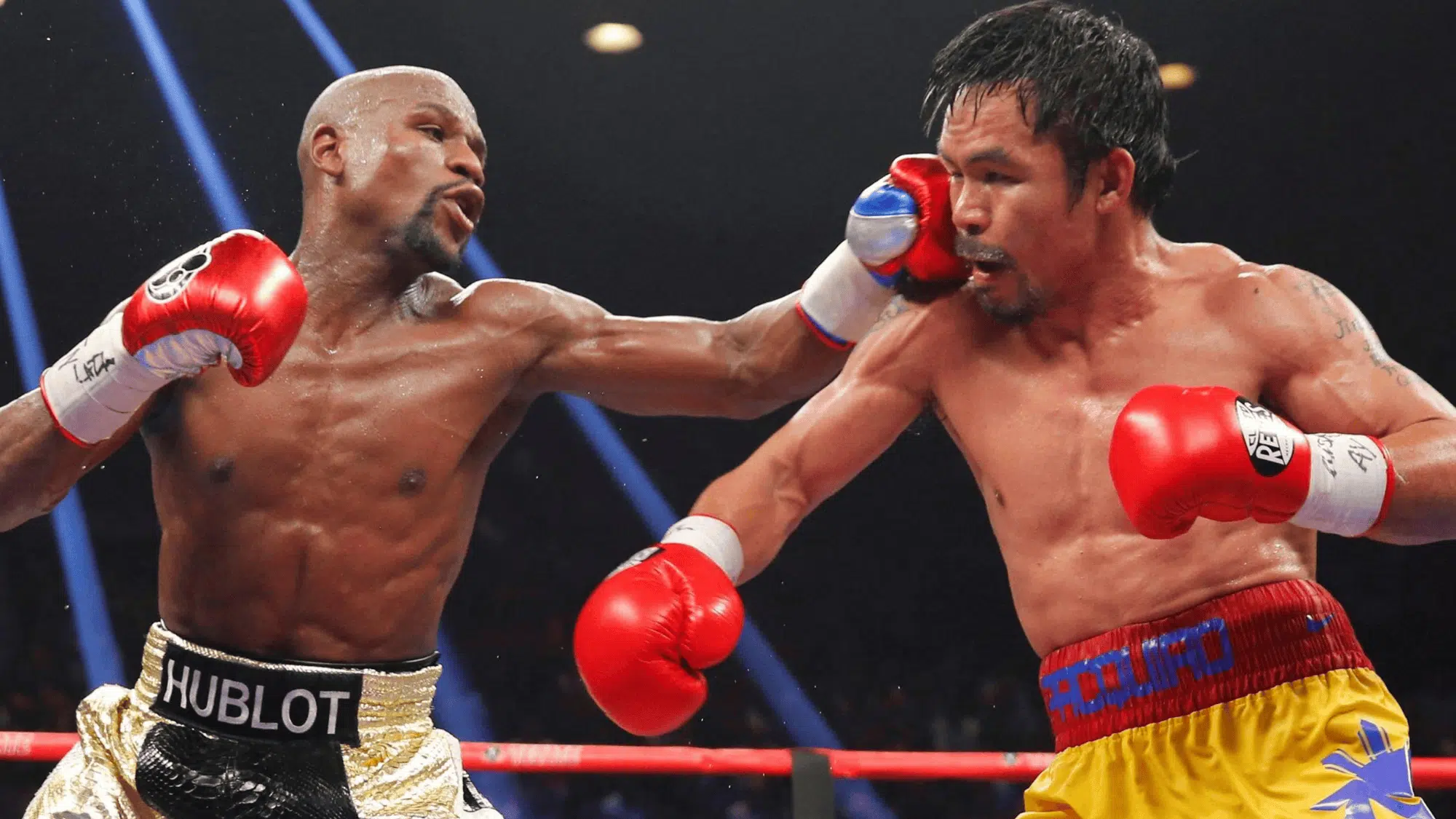
2. Boxing
| Difficulty Level | Training Intensity | Injury Risk |
|---|---|---|
| 9/10 | 10/10 | 9/10 |
This sport’s demanding nature stems from the need for exceptional tolerance for punishment, raw strength, and unwavering concentration. Boxers endure multiple rounds of severe physical stress, absorbing strikes throughout their body.
Psychological fortitude proves essential not merely for absorbing damage but for maintaining aggression and focus across extended bouts.
Legendary figures: Muhammad Ali, Mike Tyson, Floyd Mayweather.
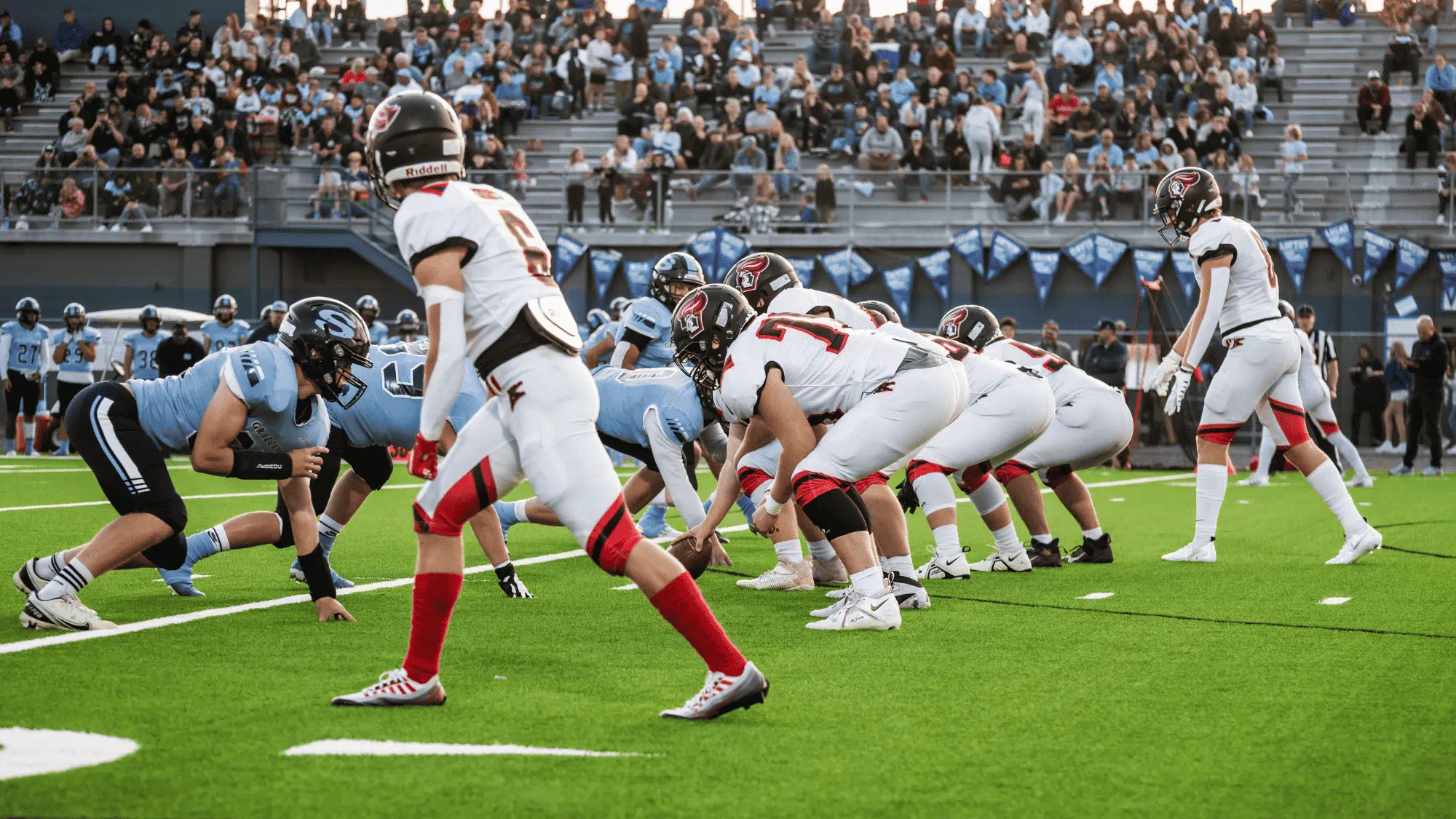
3. American Football
| Difficulty Level | Training Intensity | Injury Risk |
|---|---|---|
| 9/10 | 9/10 | 10/10 |
High-velocity impacts and constant physical confrontation push participants to their performance limits. Every play demands explosive output, concentration, and resilience to handle severe contact and rapid recovery.
Mental strength proves crucial for sustaining performance through the sport’s physical brutality, with injury risk present in every contest.
Notable Athletes: Tom Brady, Jerry Rice, Deion Sanders.
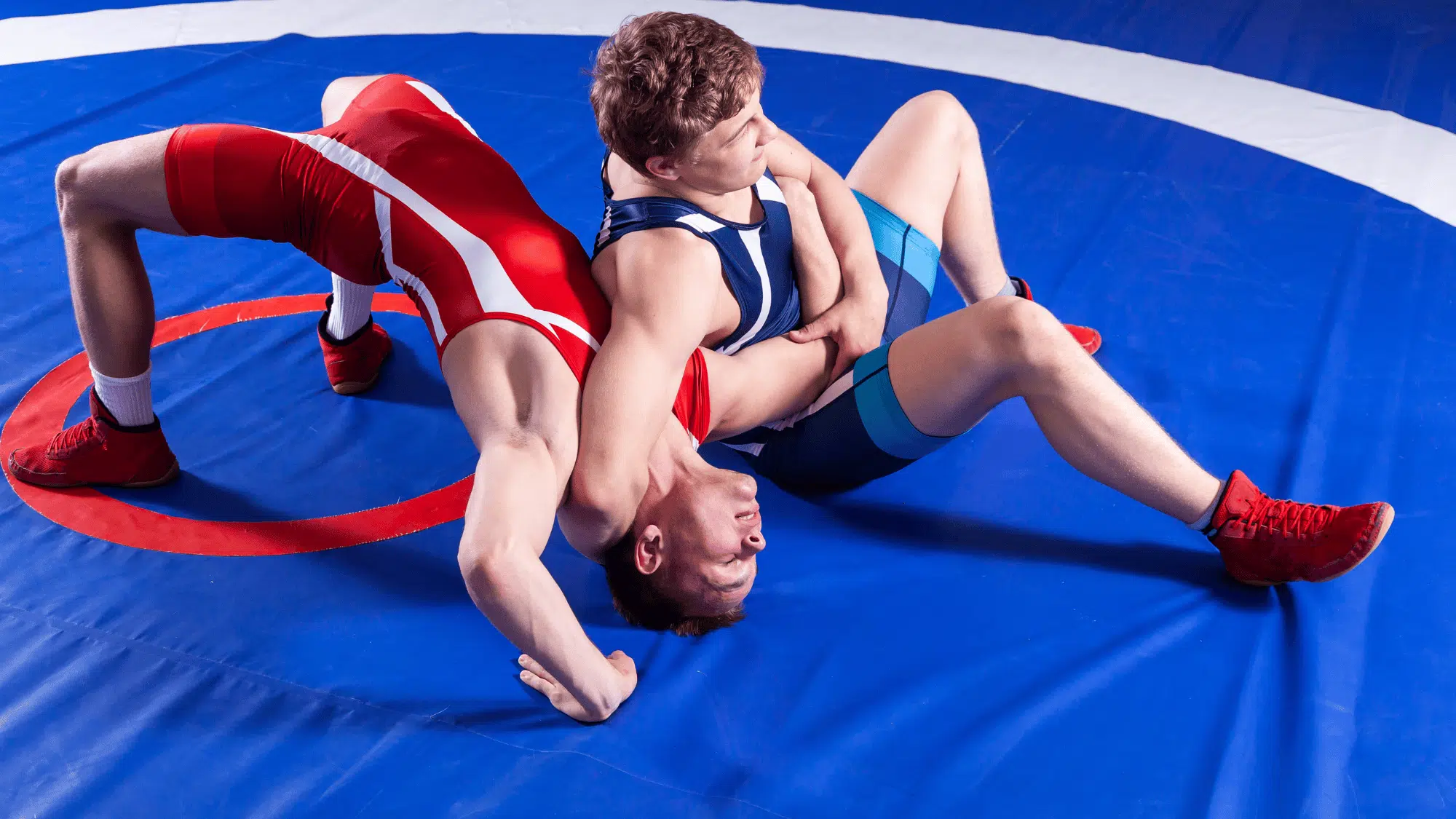
4. Wrestling
| Difficulty Level | Training Intensity | Injury Risk |
|---|---|---|
| 9/10 | 10/10 | 8/10 |
Wrestling Merges Strength, Perseverance, and Technique with Intense Mental Discipline. Competitors Undergo Demanding Physical Exertion, with a Higher Injury Risk Due to The Sport’s Nature.
Mental Discipline Remains Paramount as Wrestlers Perfect Techniques, Control Adversaries, and Test Their Limits During Both Preparation and Competition.
Famous Wrestlers: Dan Gable, John Smith, Jordan Burroughs.
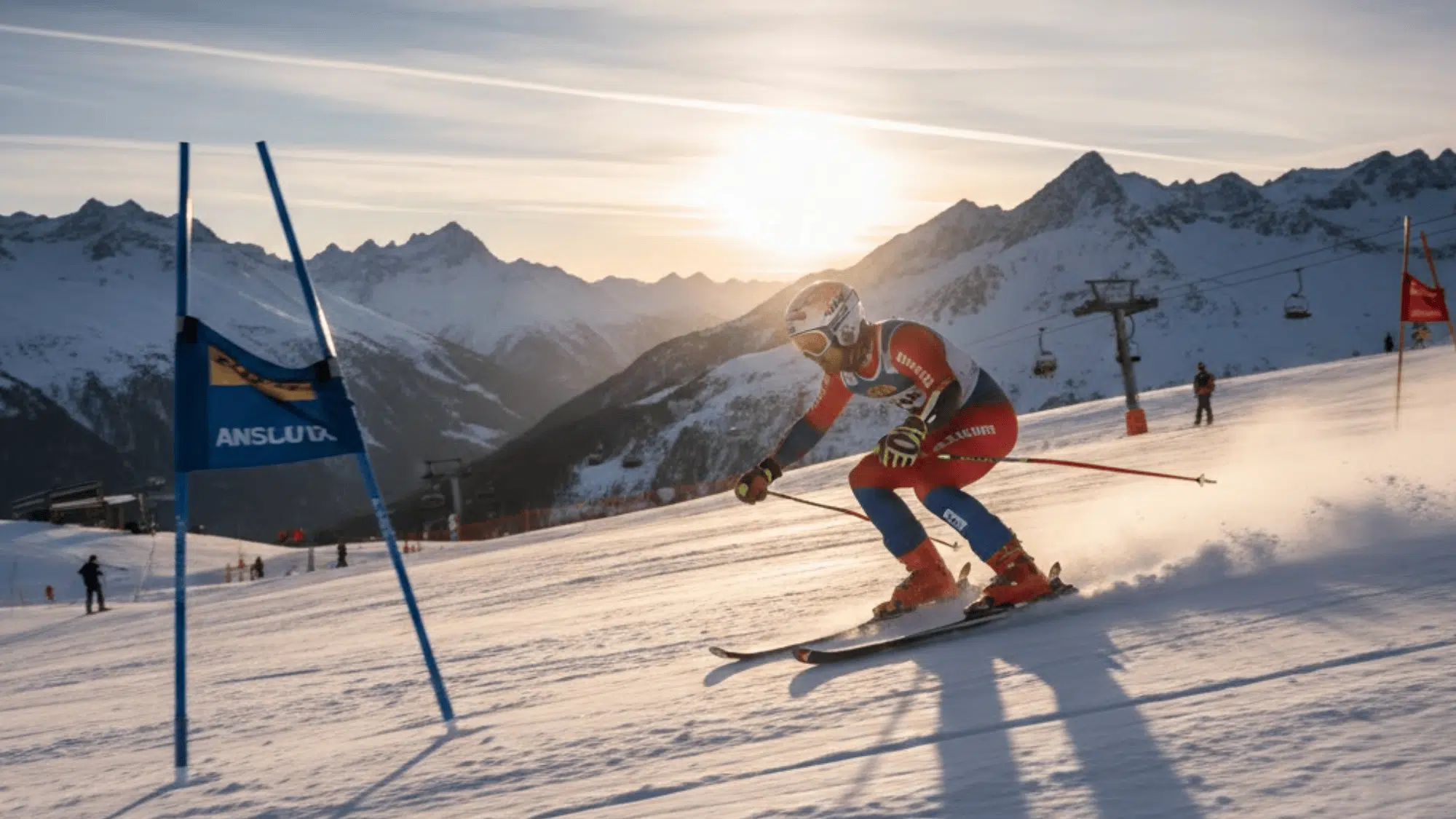
5. Alpine Skiing
| Difficulty Level | Training Intensity | Injury Risk |
|---|---|---|
| 8/10 | 8/10 | 9/10 |
Descending Slopes at Extreme Velocities Requires Outstanding Technical Ability, Focus, and Lightning-Fast Responses. Success Demands Both Physical Capacity to Handle Slope Intensity and Mental Strength to Manage Fear and Fatigue.
Increased Injury Risk from Unpredictable Terrain Requires Constant Attention and Quick Adjustments to Maintain Control at Speed.
Notable Skiers: Lindsey Vonn, Marcel Hirscher, Mikaela Shiffrin.
6. CrossFit

| Difficulty Level | Training Intensity | Injury Risk |
|---|---|---|
| 8/10 | 10/10 | 8/10 |
This Discipline Pushes Athletes to Their Boundaries Through Functional Movements, Testing Strength, Stability, and Mental Focus.
Workout Intensity, Combining Heavy Loads with Cardiovascular Challenges, Demands Both Physical and Psychological Toughness.
Competitors Must Maintain Mental Strength to Perform at Their Peak While Enduring the Fatigue and Discomfort Associated with Such Challenging Protocols.
Top Athletes: Rich Froning, Mat Fraser, Tia-Clair Toomey.
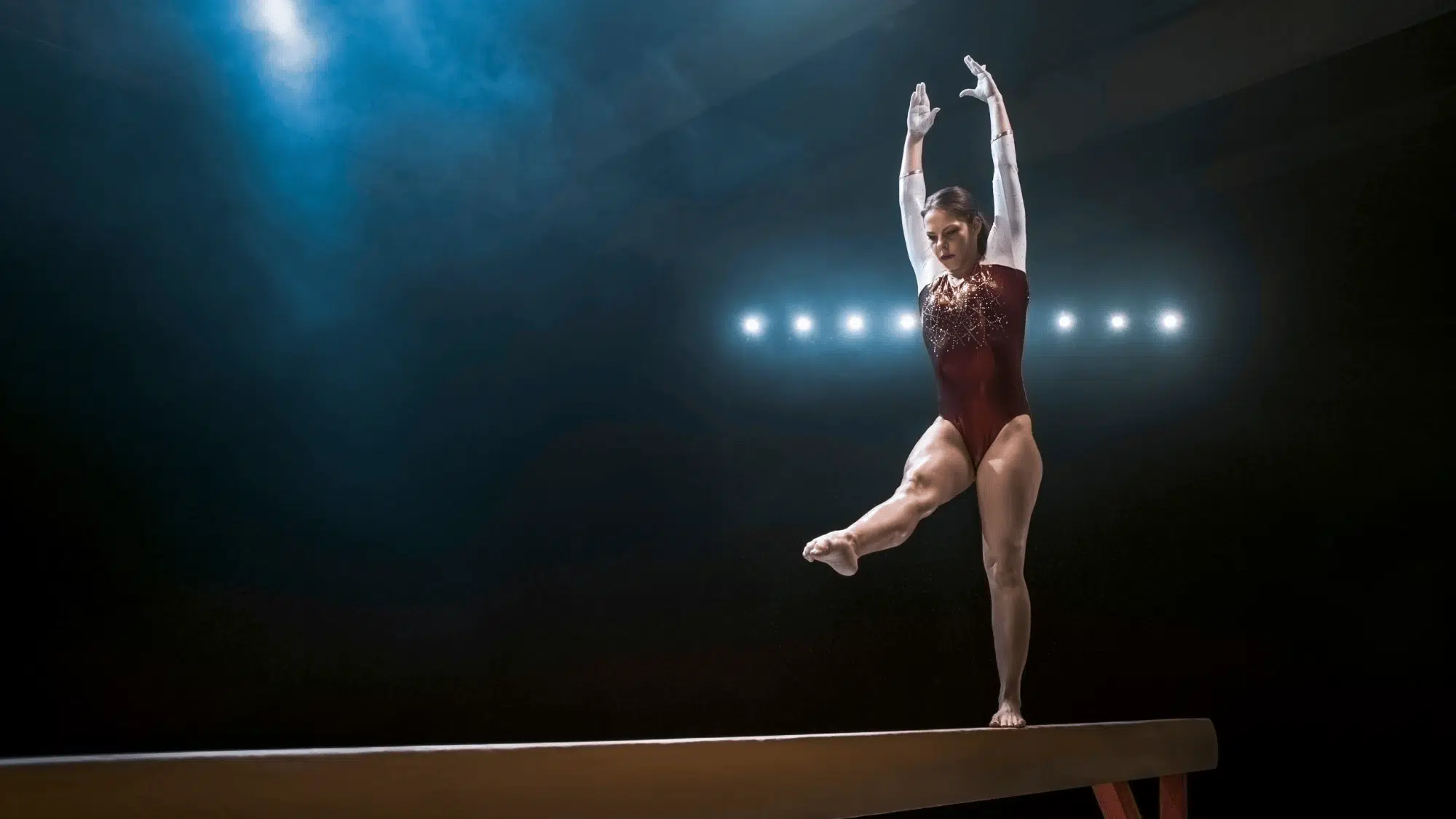
7. Gymnastics
| Difficulty Level | Training Intensity | Injury Risk |
|---|---|---|
| 9/10 | 10/10 | 9/10 |
This Sport Requires an Unusual Blend of Strength, Flexibility, and Skill for Executing Complex Movements with Precision. Competitors Push Their Bodies to The Limit While Maintaining Focus and Elegance Under Pressure.
Athletes Must Perform Demanding Routines Flawlessly While Managing Considerable Pressure, Making It Among the Most Challenging Pursuits.
Famous Gymnasts: Simone Biles, Nadia Comaneci, Shawn Johnson.
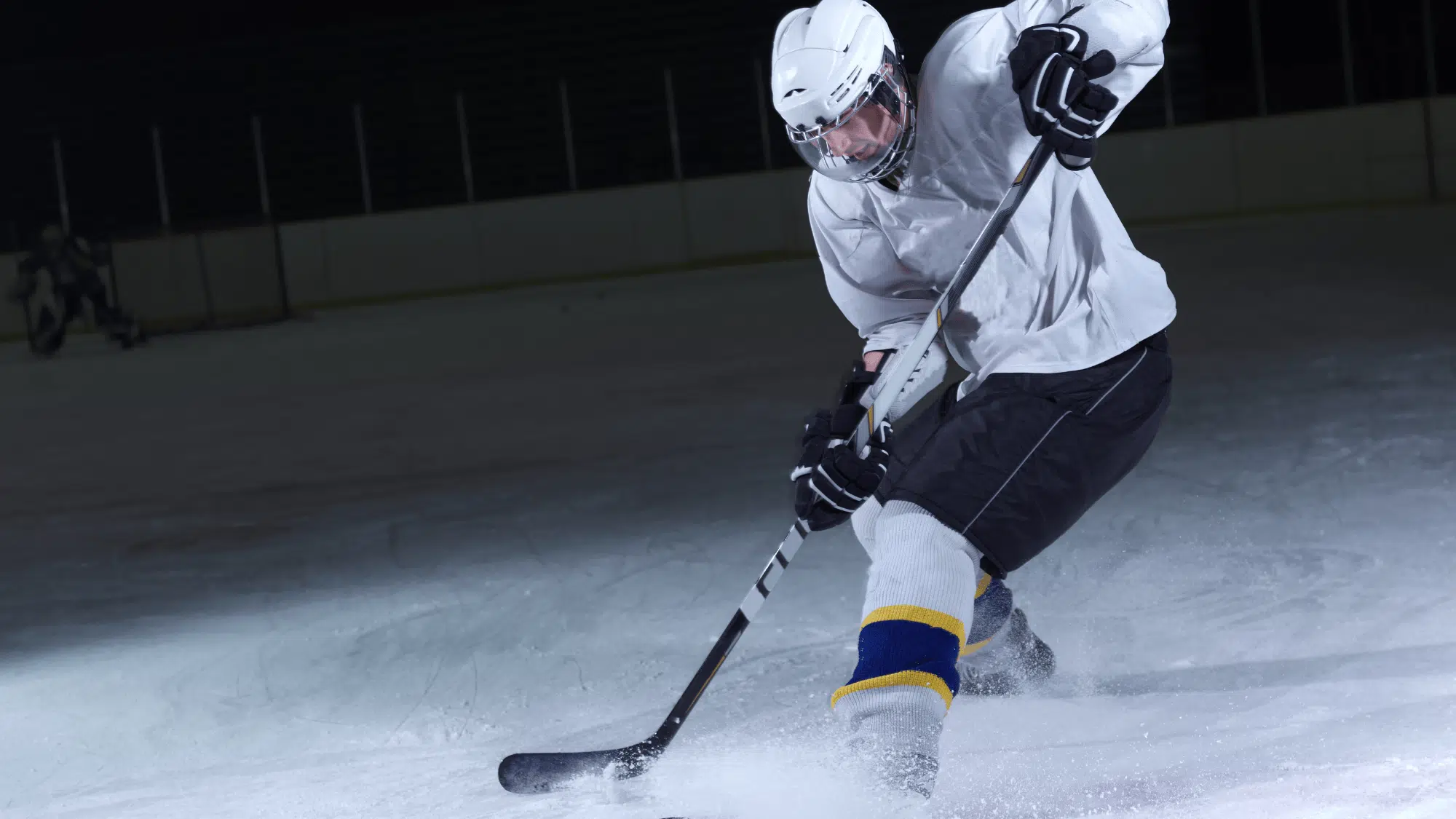
8. Ice Hockey
| Difficulty Level | Training Intensity | Injury Risk |
|---|---|---|
| 8/10 | 9/10 | 9/10 |
This Sport Combines Velocity, Strength, and Strategy in a Harsh Environment. Competitors Must Maintain Balance and Coordination on Skates While Managing the Puck and Enduring Physical Contact.
The Rapid Game Pace Requires Quick Reactions, While Constant Collision Risk Creates Mental and Physical Exhaustion, Requiring Complete Focus and Toughness.
Legendary Players: Wayne Gretzky, Sidney Crosby, Alexander Ovechkin.
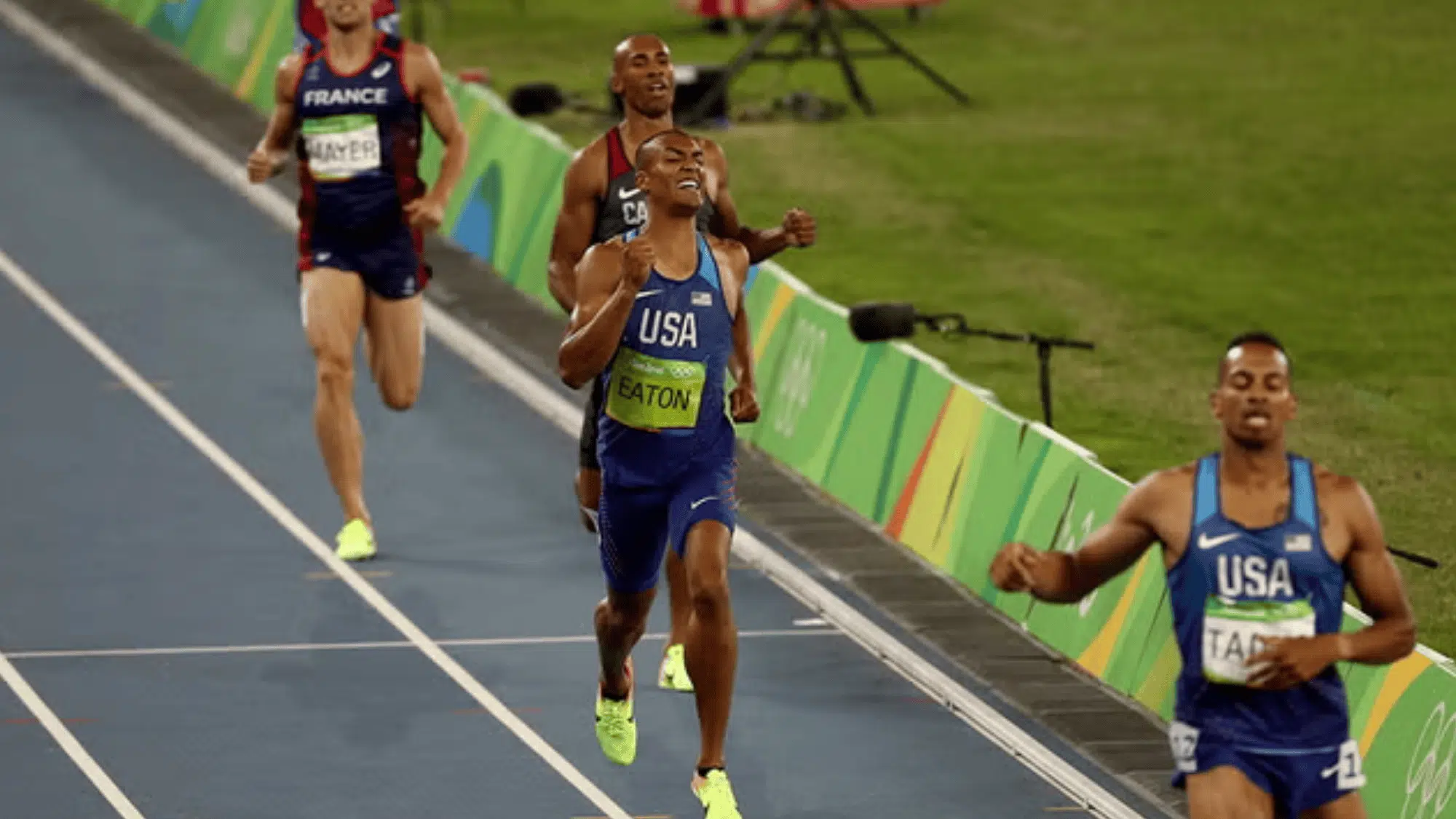
9. Decathlon
| Difficulty Level | Training Intensity | Injury Risk |
|---|---|---|
| 10/10 | 9/10 | 8/10 |
Competitors Must Perform Excellently Across Ten Distinct Disciplines, Demanding Peak Fitness While Maintaining Focus and Mental Strength Throughout. the Event Tests Versatility with Each Discipline Requiring Different Capabilities.
Staying Mentally Sharp Through Multiple Events Proves as Demanding as The Physical Effort, Creating One of Sport’s Most Grueling Challenges.
Top Decathletes: Ashton Eaton, Daley Thompson, Kevin Mayer.
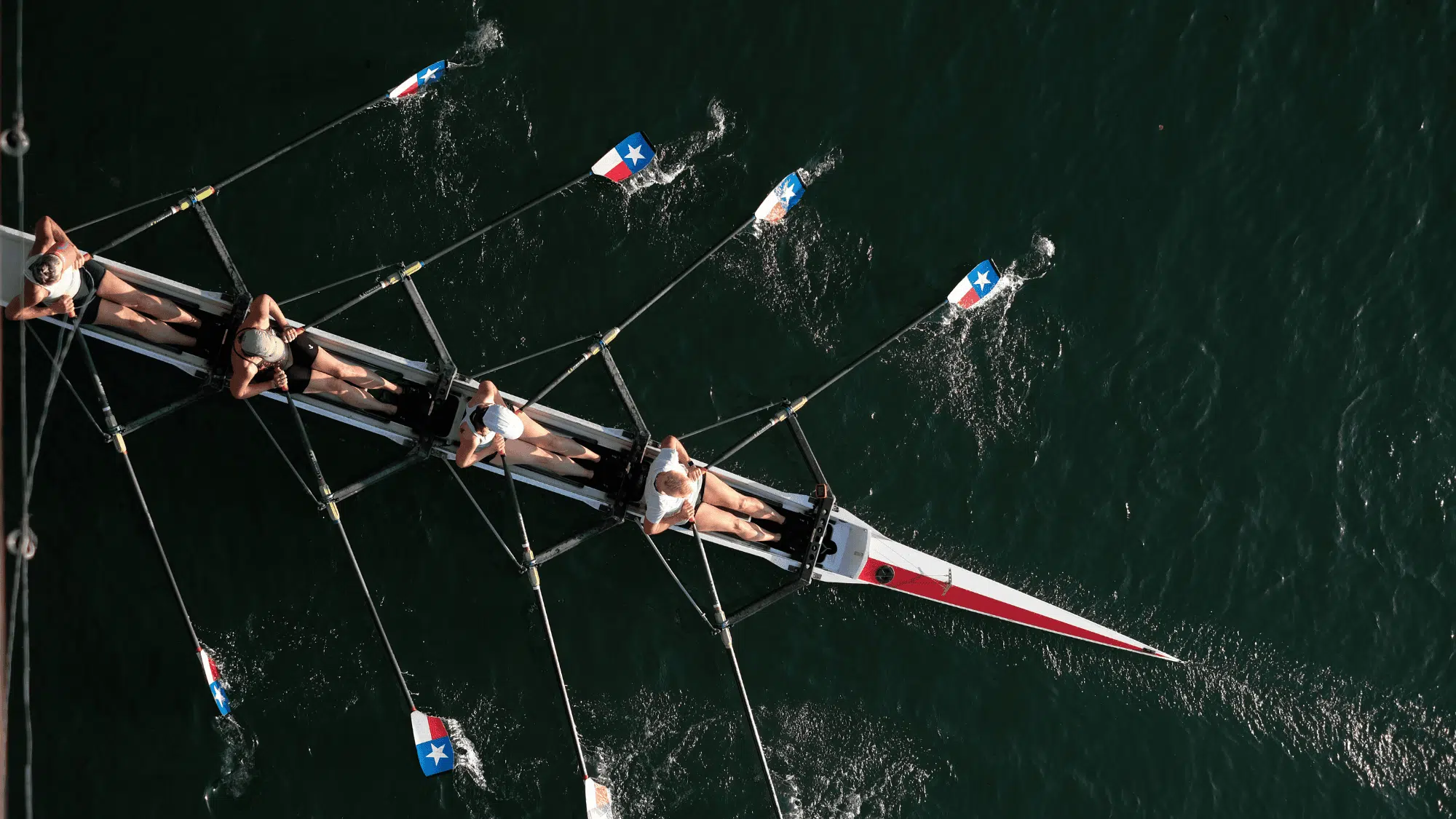
10. Rowing
| Difficulty Level | Training Intensity | Injury Risk |
|---|---|---|
| 7/10 | 9/10 | 6/10 |
This Physically Demanding Sport Requires Strength, Stability, and Teamwork for Maintaining Synchronization While Pushing Through Intense Fatigue.
Competitors Must Prepare for Extended Training Periods in Varied Conditions, Focusing on Both Endurance and Technique.
Constant Physical Strain, Combined with The Perfect Teamwork Required Under Pressure, Makes Rowing Exceptionally Challenging.
Famous Rowers: Steve Redgrave, Mahe Drysdale, Hamish Bond.
11. Tennis
| Difficulty Level | Training Intensity | Injury Risk |
|---|---|---|
| 8/10 | 8/10 | 7/10 |
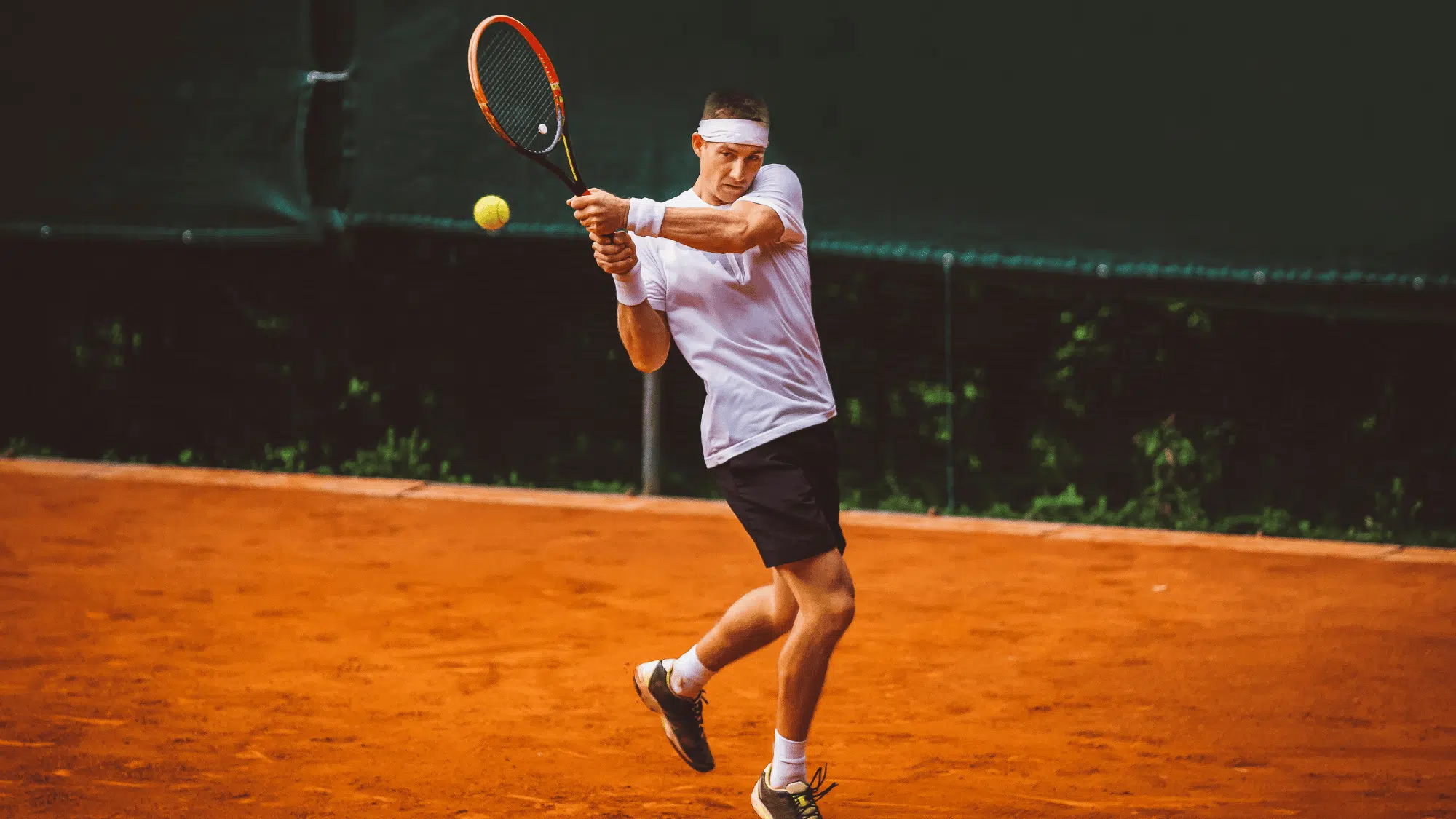
Tennis Requires Agility, Power, and Mental Resilience. Competitors Must Sustain Lengthy Rallies and Matches While Maintaining Peak Performance Under Extreme Pressure.
Mental Strain from Focusing on Each Point, Combined with Constant Movement Demands and Rapid Reactions, Makes Tennis Exceptionally Tough. Players Face Exhaustion yet Must Remain Sharp Strategically.
Tennis Greats: Serena Williams, Roger Federer, and Rafael Nadal.
What It Takes to Train for The Hardest Sports
Training for The Hardest Sports Demands Extreme Dedication, Long Hours, and Early Specialization. Athletes Push Their Bodies and Minds Through Routines that Test Endurance, Strength, Discipline, and Mental Focus Every Single Day.
- Real Training Hours per Week: Top Athletes Often Train 20–30 Hours Weekly, Combining Strength Work, Skill Drills, Recovery Sessions, and Conditioning to Maintain Peak Performance and Handle Intense Physical Demands.
- Conditioning Requirements: Conditioning Focuses on Explosive Power, Stamina, Flexibility, and Speed. Programs Include Interval Training, Mobility Work, Agility Drills, and Sport-Specific Movements Designed to Boost Overall Athletic Efficiency and Resilience.
- Strength Benchmarks: Strength Expectations Vary but Often Include Heavy Compound Lifts, High Core Stability, and Functional Power. Athletes Must Hit Strict Performance Benchmarks to Compete Safely and Effectively at Elite Levels.
- Skill Acquisition Timeline: Mastering Complex Movements Takes Years. Most Athletes Spend 8–12 Years Developing Precision, Coordination, Reaction Time, and Strategic Awareness Needed for High-Pressure Competitive Environments.
- Age Athletes Typically Start: Many Begin Training Between Ages 5 and 10, Allowing Enough Time to Build Foundational Strength, Flexibility, and Technique Before Advancing into Elite Competition.
Training for Demanding Sports Requires Patience, Discipline, and Long-Term Dedication. the Journey Starts Early, Develops Slowly, and Rewards Athletes Who Consistently Commit to Improvement at Every Stage.
Public Perspectives on Physically Taxing Sports
Online Communities Have Identified Several Sports as Particularly Demanding. Discussion Participants Highlighted Gymnastics, Boxing, Mixed Martial Arts, Ice Hockey, and Wrestling as Requiring Exceptional Physical Capabilities.
Gymnastics Received Recognition for Its Combination of Power, Suppleness, and Stamina Requirements. Combat Disciplines Demand Complete Bodily Engagement and Psychological Resilience.
Marathon-Level Competitions Like Ironman Events and Crew Rowing Earned Acknowledgment for Their Extraordinary Endurance Requirements.
The Varied Physical Demands Make Determining the Single “most Challenging” Sport a Matter of Perspective.
You can join and participate in the discussion here are Reddit.
Final Thoughts
Choosing the hardest sport is never easy because each one tests athletes in its own way. Some demand extreme strength, others require sharp skills, and many push competitors to stay focused under pressure.
What stays true across all tough sports is the mix of discipline, sacrifice, and dedication needed to perform at a high level.
This list shows the effort that goes into training, competing, and staying mentally strong through every challenge.
It also highlights the different paths athletes take to reach the top of their sport. No matter which one stands out most, each deserves respect for its difficulty and intensity.
Want to share thoughts or debate the rankings? Leave a comment and join the conversation!