
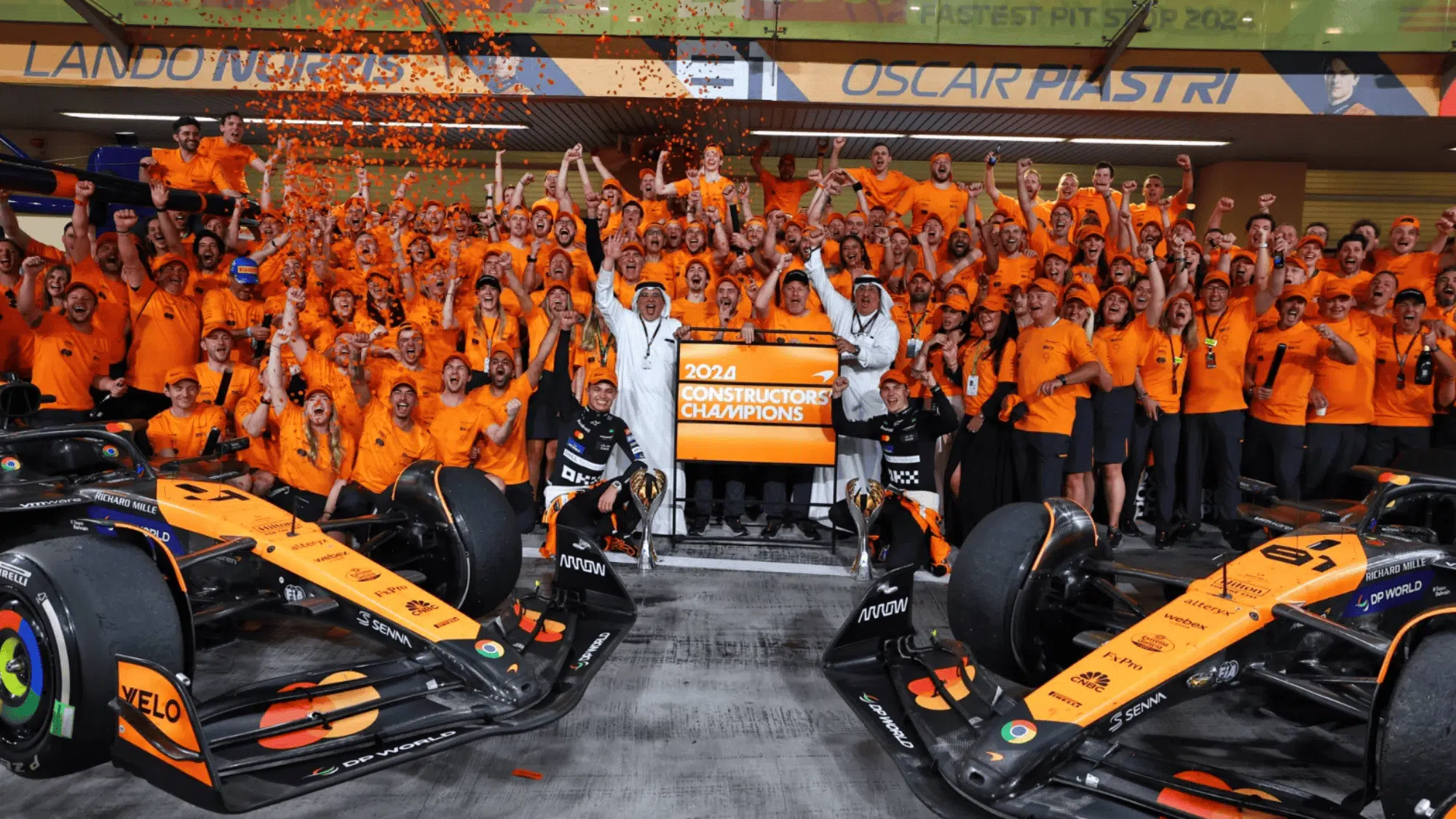
McLaren isn’t just fast on track, it’s also a big-name business with a surprising ownership story behind it.
If “who owns McLaren?” has ever felt confusing, that’s normal, because the F1 team and the supercar brand are not owned in the exact same way.
This blog explains who owns the McLaren F1 Team in 2025, who has the real decision-making power, and what “majority owner” actually means.
We will also clear up the difference between McLaren Racing and McLaren Automotive, explain where each business is based, and show what role CYVN Holdings plays alongside Bahrain’s Mumtalakat.
By the end, the full ownership setup will make sense, without the corporate jargon.
Who Owns the McLaren F1 Team in 2025?
McLaren F1 Team is owned by McLaren Racing Ltd, and McLaren Racing is part of the larger McLaren Group. But the story gets more interesting when we look at who owns these companies.
The Bahrain Mumtalakat Holding Company is the majority owner of McLaren Racing. This is Bahrain’s sovereign wealth fund, which means it’s an investment fund owned by the Bahrain government.
They’ve been involved with McLaren since 2007 and have steadily increased their stake over the years.
Recently, CYVN Holdings from Abu Dhabi joined as a strategic partner with a non-controlling stake. This happened in 2024 when Mumtalakat bought out two previous investors: MSP Sports Capital and Ares Management.
The McLaren Group is now valued at around £3.5 billion, which shows just how much F1 teams have grown in value over recent years.
McLaren F1 Ownership Structure Explained
Let’s make this super simple with a quick breakdown:
| Owner | Role | What They Control |
|---|---|---|
| Bahrain Mumtalakat | Majority Shareholder | Main decision-making power |
| CYVN Holdings | Minority Investor | Strategic partner, non-controlling stake |
| McLaren Group | Parent Company | Oversees McLaren Racing and other divisions |
What does “full ownership of racing division” mean?
When we say Mumtalakat has full ownership of the racing division, it means they control McLaren Racing as a whole.
However, the day-to-day operations are handled by the management team led by CEO Zak Brown and Team Principal Andrea Stella.
Think of it like this: the owners provide the money and make big strategic decisions, but the racing experts run the show on race weekends.
The key difference here is between control (who makes major business decisions) and operations (who manages the team daily).
Mumtalakat controls the business side, while experienced racing professionals handle everything on track.
What Role Does CYVN Holdings Play in McLaren?
CYVN Holdings might be a newer name in the McLaren story, but they’re playing an important role.
CYVN is an Abu Dhabi-based investment firm that focuses on advanced mobility and automotive technology. They’re interested in the future of transportation, which makes McLaren a perfect fit for their portfolio.
Here’s where things can get confusing, so pay attention:
McLaren has two main divisions:
- McLaren Racing – This runs the F1 team, IndyCar program, and other racing activities
- McLaren Automotive – This makes the supercars you see on the road
CYVN Holdings actually owns 100% of McLaren Automotive (the car-making business). But when it comes to McLaren Racing (the F1 team), they only have a minority, non-controlling stake.
Mumtalakat is still in charge of the racing side.
This arrangement works well because both divisions can benefit from shared technology and innovation, but they operate independently based on what makes sense for their specific businesses.
Even with Middle Eastern investors, all McLaren Racing operations remain based in Woking, England. The team is still very much British in terms of where the cars are designed, built, and tested.
Who Makes McLaren?
When people ask “who makes McLaren,” they’re usually asking about the supercars, not the F1 team. So let’s clear this up.
McLaren Automotive makes McLaren cars. This is a UK-based manufacturer headquartered in Woking, England (the same town where the F1 team is based).
McLaren Automotive produces:
- High-performance supercars (like the 720S and Artura)
- Ultra-exclusive hypercars (like the P1 and Speedtail)
- Limited-run special editions for collectors
The relationship between the divisions:
Think of it like a family tree. At the top is the McLaren Group, which is the parent company. Under that umbrella, you have:
- McLaren Racing (runs the F1 team and other racing programs)
- McLaren Automotive (builds road cars)
- Other technology and applied divisions
These divisions share technology, expertise, and the McLaren name, but they operate as separate businesses with different owners and goals.
The F1 team’s knowledge helps make better road cars, and innovations from road cars sometimes find their way onto the race track.
When Was McLaren Founded?
McLaren’s story began in 1963 when a young New Zealand racing driver named Bruce McLaren founded the company.
Bruce wasn’t just a talented driver; he was also an engineer who wanted to build his own racing cars. Sadly, he died testing one of his cars in 1970, but his legacy lived on.
Key moments in McLaren history:
1960s-1970s:
- Bruce McLaren started the team in 1963
- First Formula 1 entry and early successes
- Wins in various racing categories
1980s-1990s:
- Golden era with drivers like Ayrton Senna and Alain Prost
- Multiple championships
- Partnership with Honda engines
2000s:
- Expansion into road car manufacturing
- Formation of McLaren Group
- New challenges and rebuilding phases
2010s-2020s:
- Financial restructuring
- Change in ownership structure
- Recent resurgence and return to competitiveness
Throughout all these changes, McLaren has maintained its reputation as one of the most prestigious names in motorsport. The British heritage and engineering excellence remain at the core of everything McLaren does.
Is McLaren British or Bahraini?
This is a common question, and the answer is simple: McLaren is British.
Yes, the majority owner is from Bahrain, and there’s investment from Abu Dhabi, but ownership and nationality are two different things.
Here’s what makes McLaren British:
- Headquarters: Woking, Surrey, United Kingdom
- Manufacturing: All F1 cars are built in the UK
- Racing license: Competes under a British racing license
- Team personnel: Primarily British and European staff
- Heritage: 60+ years of British motorsport history
Think of it like this: if someone from Japan buys a house in London, the house is still in London. The owner’s nationality doesn’t change, regardless of where the house is located or what it represents.
McLaren Racing vs McLaren Automotive: Key Differences
This confusion trips up a lot of people, so here’s a clear comparison:
| Aspect | McLaren Racing | McLaren Automotive |
|---|---|---|
| Purpose | Compete in motorsports (F1, IndyCar, etc.) | Build and sell supercars |
| Primary Owner | Bahrain Mumtalakat (majority) | CYVN Holdings (100%) |
| Business Focus | Racing performance, championships | Road car sales, automotive tech |
| Revenue Sources | Sponsorships, prize money, partnerships | Car sales, limited editions |
| Location | Woking, UK (McLaren Technology Centre) | Woking, UK (McLaren Production Centre) |
Why does this matter?
Understanding this distinction helps you realize that when McLaren Racing does well in F1, it doesn’t directly mean McLaren Automotive sells more cars (though it certainly helps the brand image).
These are separate businesses with different goals, even though they share technology and the McLaren name.
The racing division proves technology on track. The automotive division puts similar performance into cars you can actually buy and drive on the road. It’s a symbiotic relationship that benefits both sides.
Why McLaren F1 Ownership Changed in Recent Years
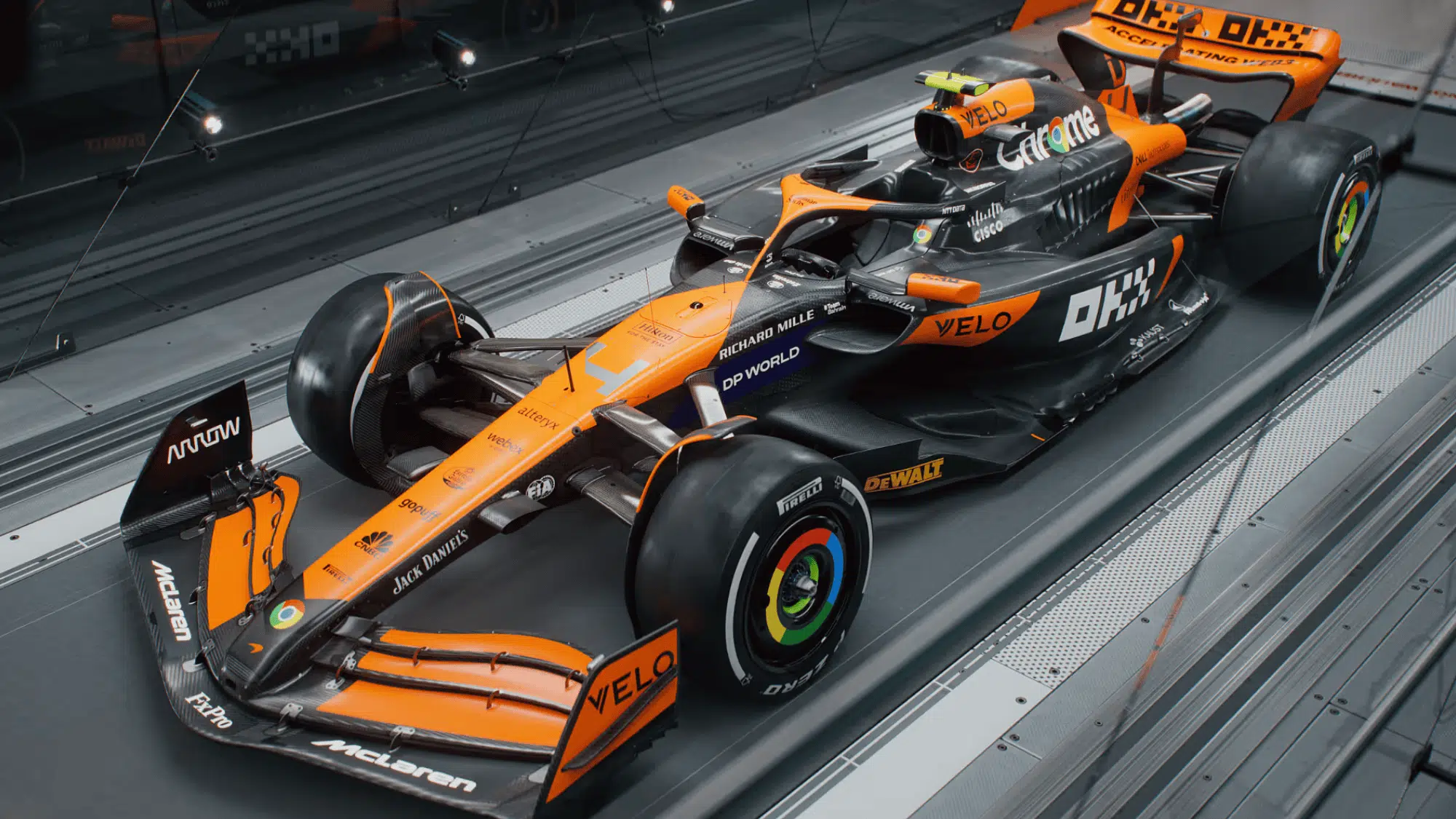
McLaren’s ownership didn’t change just because someone felt like shaking things up. There were real business reasons behind the shifts.
1. COVID-19 Financial Pressures
The pandemic hit motorsport hard. With no races happening and sponsors pulling back, F1 teams faced serious cash problems.
McLaren needed emergency funding, and Mumtalakat stepped up with increased investment. This saved the team during a critical period but also meant giving up more ownership.
2. The Cost-Cap Era in F1
Formula 1 introduced spending limits starting in 2021. This was meant to level the playing field, but it also changed how teams needed to operate.
Having financially stable owners became more important than ever because teams had to be smarter with their money.
3. F1 Team Valuations Skyrocketing
Thanks to Netflix’s “Drive to Survive” and growing global interest, F1 became hugely popular in new markets like the United States.
This made F1 teams much more valuable. Smart investors recognized this trend, and McLaren’s value jumped significantly.
4. Strategic Investors vs Traditional Owners
In the old days, F1 teams were often owned by passionate individuals or automotive brands. Now, professional investment firms see F1 teams as valuable assets.
MSP Sports Capital and Ares Management were this type of investor; they came in, helped stabilize McLaren, and then sold their stakes at a profit when the time was right.
Mumtalakat buying them out shows a commitment to long-term ownership rather than quick profits, which is actually great news for McLaren fans.
Wrapping It All Up
McLaren’s ownership is easier to understand once the two sides are kept separate. The F1 team sits under McLaren Racing, where Bahrain’s Mumtalakat holds the majority and guides the biggest business choices.
CYVN Holdings supports the racing side with a smaller stake, while fully owning McLaren Automotive, the road-car maker.
Even with strong Middle East investment, the heart of McLaren Racing stays in Woking, with the same British base, people, and racing license.
The recent changes show how much F1 has grown as a business, and why long-term funding matters in the cost-cap era.
Want more simple guides like this? Share this post or leave a comment with the next team to cover.