
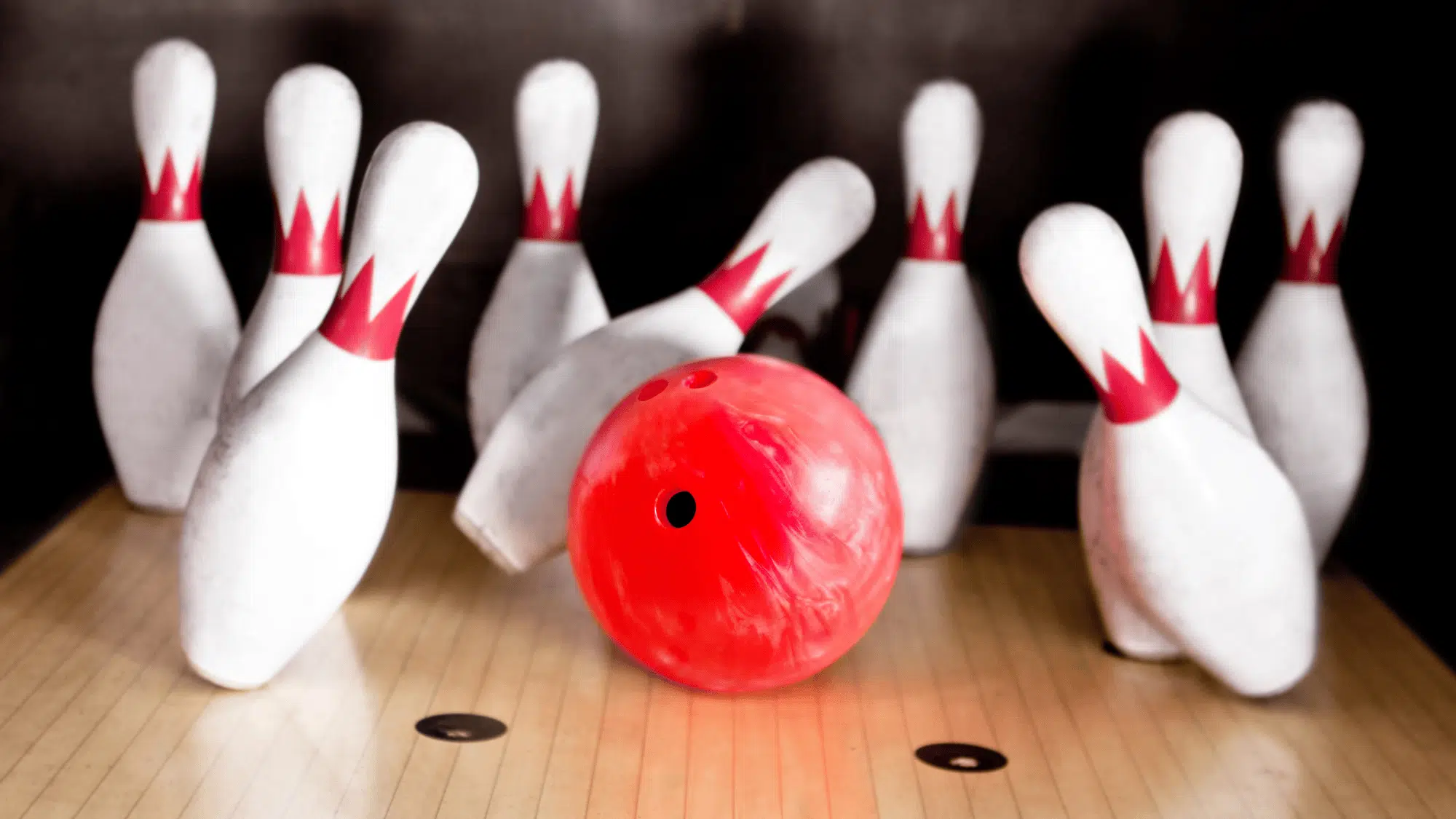
Ever heard someone confidently say they know exactly who “invented” bowling, and it just doesn’t sound right? Yep, this topic is full of myths, half-truths, and fun little twists that most people never hear about.
This blog breaks it all down in a simple, story-like way. It walks through bowling’s early beginnings, how different places shaped the game, and why the rules weren’t always the same everywhere.
We will also cover how bowling spread across countries, how it became a big deal in America, and what led to the modern version people recognize today.
Along the way, it highlights the key groups that helped shape the sport, as well as the big milestones that turned bowling from a casual pastime into an organized game with leagues, standard rules, and updated equipment.
Who Invented Bowling?
Let’s clear this up once and for all: Bowling wasn’t invented by one person.
The game evolved over thousands of years, with contributions from many cultures and individuals. Here’s who played important roles:
Key Contributors (Not Inventors):
- Ancient Egyptians: Created early pin-and-ball games
- German churches: Developed kegel games that shaped pin bowling
- European cultures: Spread and popularized various pin games
- Martin Luther: Often mentioned in connection with promoting ninepins (though this is sometimes exaggerated)
- Joe Thum and other organizers: Helped create the ABC and unify rules in 1895
- ABC founders: Standardized modern ten-pin bowling
Think of bowling like language; nobody invented English all at once. It developed over time with input from countless people. Bowling is the same way.
The Ancient Egyptian Evidence of Bowling
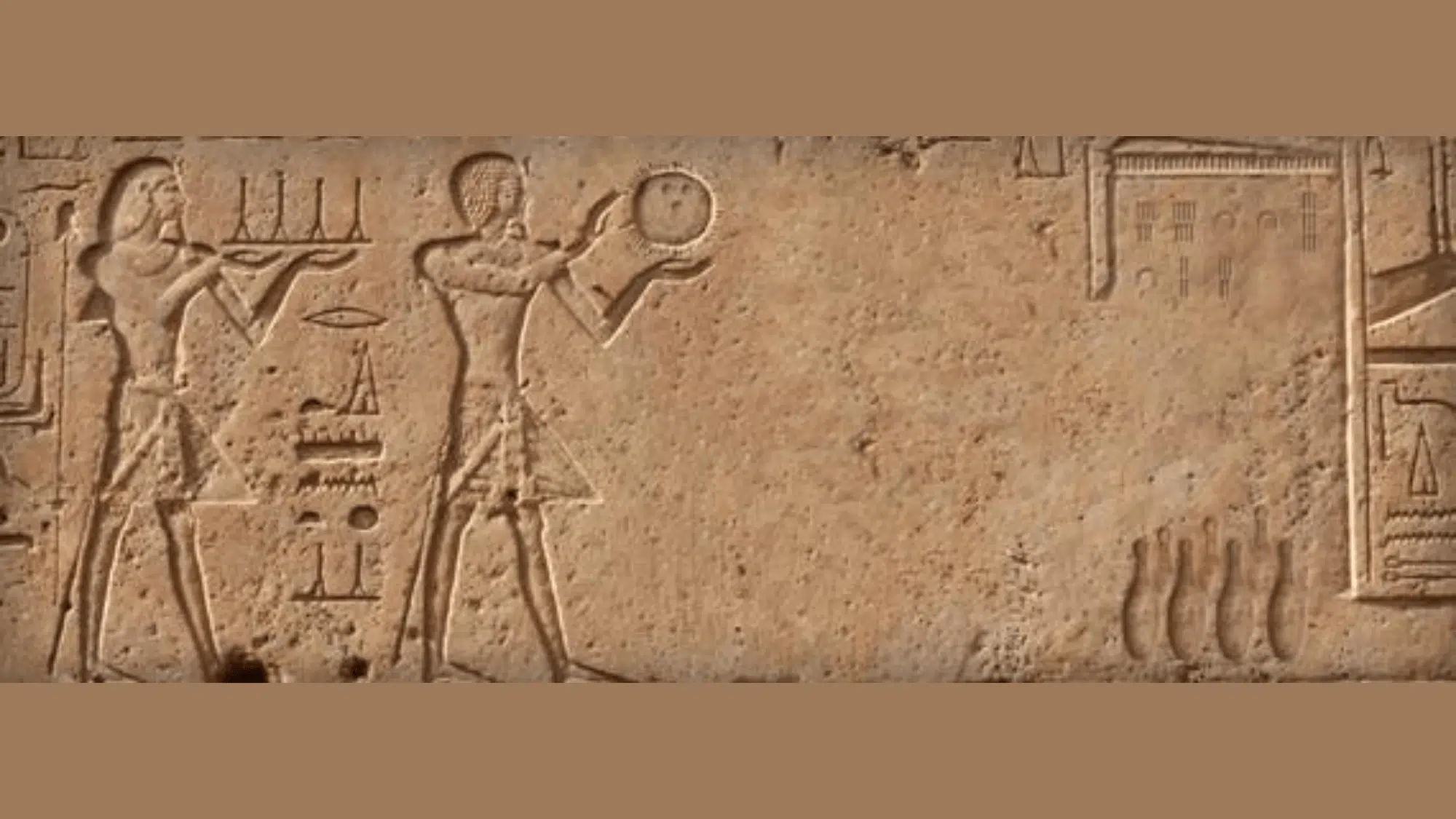
Archaeologists have discovered some pretty cool evidence suggesting that bowling existed way back in ancient times.
In Egypt, they found pins and ball-like objects in tombs dating back thousands of years. These items looked similar to what you’d use in a basic bowling game.
What this Evidence Tells Us:
- People were definitely rolling objects at targets or pins
- The concept of knocking things down with a ball existed in ancient times
- It doesn’t prove they played exactly like modern bowling
- We don’t know all the rules they used
Think of it like finding an old basketball; you know people were playing something, but you can’t be 100% sure about all the game details.
Early Bowling-Like Games Around the World
Egypt wasn’t the only place where people enjoyed rolling things at targets. Similar games popped up in different parts of the world:
Roman and Greek Games: People played rolling games similar to modern-day bocce, where you roll balls toward a target.
Hawaiian (Polynesian Ula Maika): This game involved rolling stones at pins or targets over specific distances.
Sound familiar? These games show that humans everywhere loved the simple challenge of aiming, rolling, and knocking things over. It’s a universal kind of fun that crosses cultures and centuries.
Germany’s Big Role in Bowling’s Development

Here’s where things get really interesting. In medieval Germany, bowling wasn’t just entertainment; it was tied to religion.
German churches had a tradition in which people would set up a pin called a “kegel” (representing evil or the devil). Church members would roll stones or balls to knock it down.
If you hit it, you were considered cleansed or righteous. If you missed, well, you might need more prayer time.
This religious ceremony eventually turned into a popular game. People started playing for fun rather than faith, and the “kegel” tradition became the foundation for modern bowling.
That’s why you’ll sometimes hear bowling called “kegling” in older texts.
Bowling Spreads Across Europe
Once bowling caught on, it spread like wildfire across Europe. But with popularity came problems.
In England, bowling became so prevalent that King Edward III banned it in 1366. Why? People were spending so much time bowling that they weren’t practicing archery, a critical military skill.
The king worried that his soldiers wouldn’t be ready for battle if they were too busy at the bowling lanes.
Other European countries had similar love-hate relationships with bowling. Various regions developed their own versions with different numbers of pins, lane sizes, and rules.
It was basically bowling chaos, everyone playing slightly different games.
Bowling Arrives in America
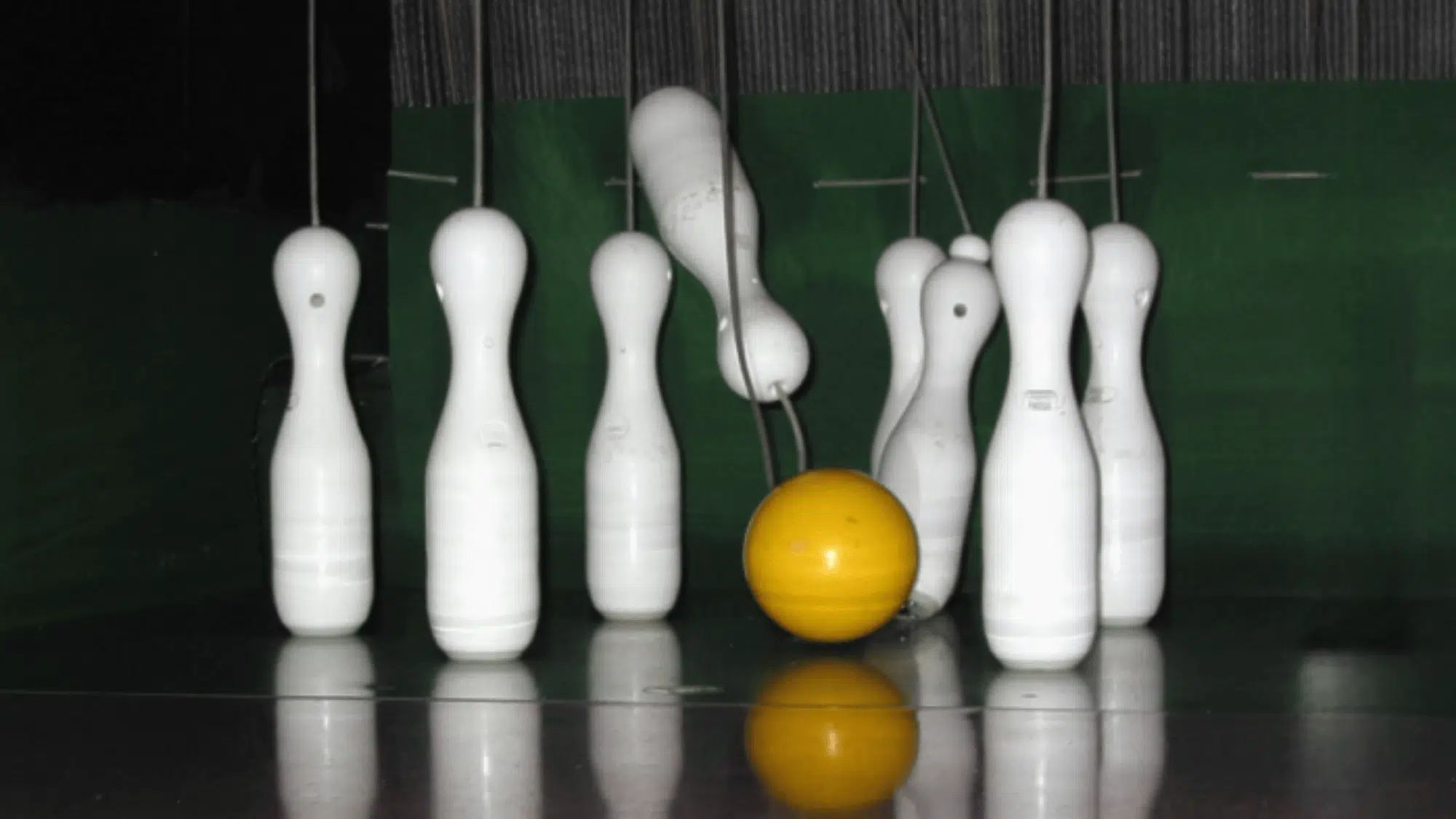
When European settlers came to America, they brought bowling with them. Dutch, German, and English immigrants all had their own versions of the game.
In New York, there’s a place called Bowling Green, one of the oldest public parks in the city. The name comes from the Dutch settlers who bowled there in the 1600s. Pretty cool that a park is named after our favorite sport, right?
American writer Washington Irving even mentioned bowling in his famous story “Rip Van Winkle” (1819). In the tale, Rip hears the sound of “ninepins” before his long sleep.
This shows that bowling was already part of American culture in the early 1800s.
Why Was Bowling Banned in 1841? The Gambling Problem
Here’s a wild turn in bowling history. In 1841, Connecticut passed a law banning “ninepin lanes.”
The reason? Gambling.
Bowling alleys had become hotspots for betting and shady activity. People were losing money, getting into fights, and causing trouble. The government decided to crack down by banning ninepins specifically.
But here’s where bowlers got creative. The law said “ninepins” were illegal; it didn’t say anything about tenpins. So clever, alley owners simply added another pin and kept the game going.
That’s one of the theories about how ten-pin bowling became the standard in America.
Talk about finding a loophole!
When Was Bowling Invented as the Game We Know Today?
This is where we need to make an important distinction:
| Type of Bowling | Time Period | What It Was |
|---|---|---|
| Ancient/Medieval Bowling | 3200 BC – 1800s | Various rolling games with different rules, pin counts, and equipment |
| Modern Ten-Pin Bowling | 1895 forward | Standardized rules, consistent equipment, and organized leagues |
So when people ask, “when was bowling invented,” the answer depends on what they mean. The concept is ancient. The modern standardized game came together in the late 1800s.
The Milestones that Built Modern Ten-Pin Bowling
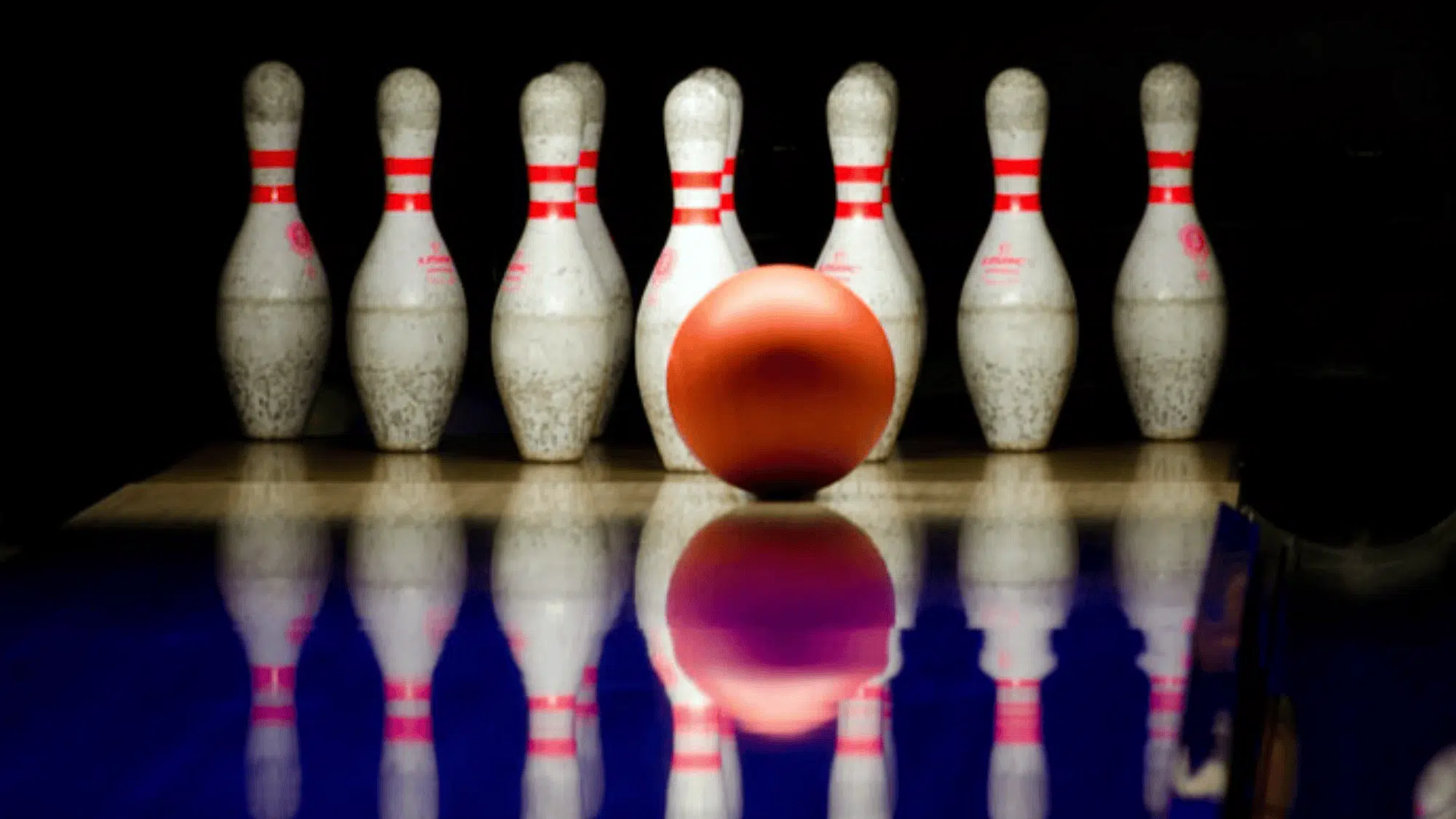
These key moments helped turn bowling from scattered local games into a unified sport, with shared rules, fair play, and leagues that welcomed more players.
1875: First Big Attempt to Organize Rules
The National Bowling Association was formed in 1875 to bring order to the chaos of bowling. Different cities and regions played by different rules, making competitions nearly impossible.
This early attempt didn’t wholly succeed, but it showed that bowlers wanted consistency.
1895: The American Bowling Congress (ABC) Sets Standards
This is the big one. On September 9, 1895, representatives from bowling clubs across America met in New York City and formed the American Bowling Congress (ABC).
What the ABC Accomplished:
- Standardized lane dimensions (60 feet long)
- Set official pin specifications (weight, height, shape)
- Created consistent ball regulations
- Established universal rules for scoring and gameplay
- Organized national tournaments
For the first time, someone in California could bowl using the same rules as someone in New York. This standardization made bowling a legitimate sport and helped it grow nationwide.
1916-1917: Women Join the Organized Bowling Movement
Women had been bowling for years, but they formed their own national organization around 1916-1917 (which would eventually become the Women’s International Bowling Congress, or WIBC).
This was a massive step for the sport. It recognized that bowling wasn’t just for men and helped build leagues and competitions for women across the country.
The Equipment that Changed Everything
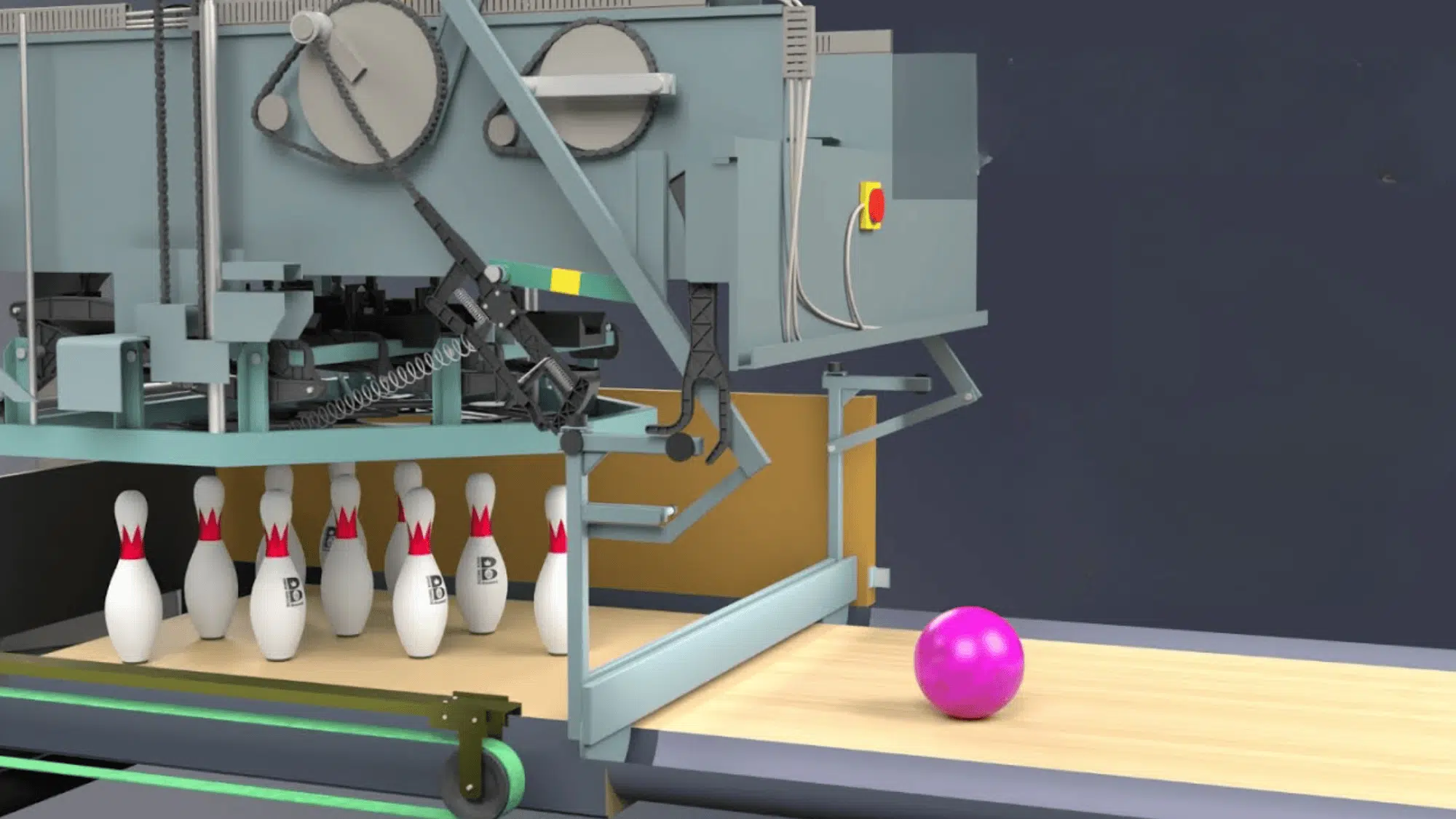
Bowling wouldn’t be what it is today without some major equipment upgrades.
The Bowling Ball Evolution
- Early days: Hardwood balls (like lignum vitae, an extremely dense wood)
- Early 1900s: Rubber balls (the “Evertrue” rubber ball became popular)
- 1914: Mineralite balls introduced (a hard rubber compound)
- 1970s-1980s: Urethane and reactive resin balls
- Today: Advanced multi-layer balls with different cores and coverstocks
Each improvement gave bowlers more control, more power, and the ability to score higher. The game became more strategic and exciting.
Automatic Pinsetters: The 1950s Game-Changer
Before the 1950s, bowling alleys employed “pinboys”, usually kids or young men who manually reset pins after every ball. It was slow, labor-intensive, and limited the number of games that could be played.
Then came automatic pinsetters in the 1950s. Everything changed.
Why Automation Mattered:
- Games moved faster
- Bowling alleys could handle more customers
- Operating costs went down
- League play became more practical
- The sport exploded in popularity
Suddenly, bowling alleys were everywhere. Families, friends, and coworkers formed leagues. Bowling became America’s favorite participatory sport.
TV and Pro Bowling: Mainstream Fame
In the 1950s and 1960s, bowling shows hit television. Professional bowlers became celebrities. People tuned in every week to watch tournaments.
This TV coverage made bowling even more popular. It inspired kids to learn the sport and adults to join leagues. Bowling was having its golden age.
Final Take
Bowling’s story shows how a simple idea can grow into something huge. Over time, different places added their own style, rules, and traditions, until the game finally became more organized and familiar.
Along the way, changes in equipment and new technology helped bowling become faster, easier to play, and more exciting for everyone.
Today, it’s more than just rolling a ball down a lane; it’s a fun mix of skill, strategy, and good competition, whether it’s a casual night out or a serious league match.
Hopefully, this cleared up the confusion and made the history feel easy to follow. Want more sports history made simple?
Check out the other guides and share this post with a fellow bowling fan!