

When I first heard people talk about basketball sizes, I honestly did not think it was a big deal. A ball is a ball, right?
But after spending more time around the game, I realized the size can change how you dribble, pass, and shoot.
If you have ever asked what is the official women’s basketball size, you are not alone. It is a common question for players, parents, and even new fans.
In this guide, I will explain everything in clear and simple terms.
You will find the official size number, weight, and circumference used in leagues like the WNBA and NCAA.
I will also share how it compares to a men’s basketball and which size works best for different age groups. By the end, you will know exactly what to buy and why it matters.
What Size is a Women’s Basketball?
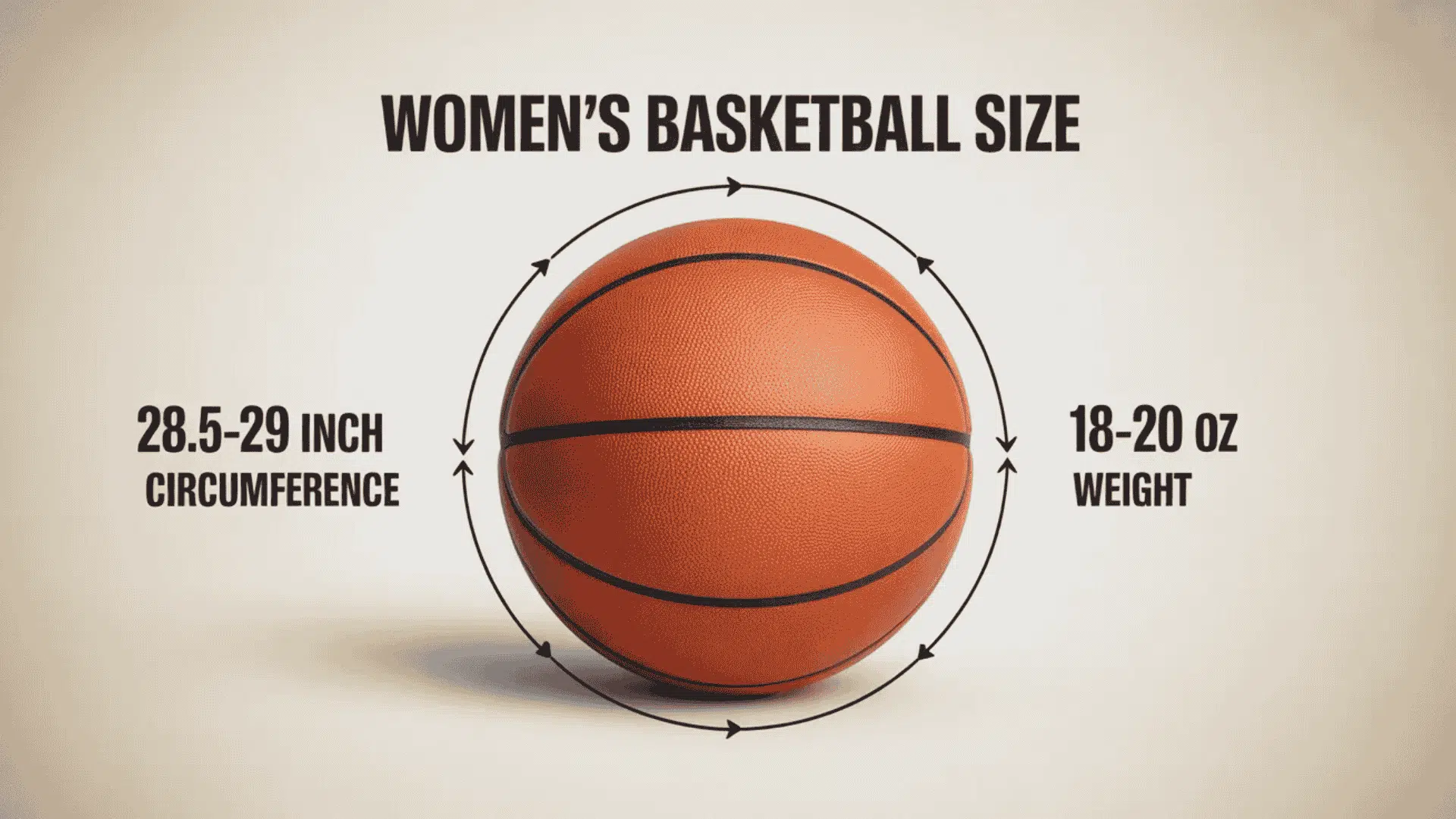
A women’s basketball is officially Size 6, which is the standard used in the WNBA, NCAA women’s games, and most high school leagues.
It has a 28.5-inch circumference and weighs about 20 ounces.
This size is slightly smaller and lighter than a men’s Size 7 basketball, which makes it easier to grip and control. Many youth leagues for girls ages 12 and up also use Size 6.
The smaller size helps with better ball handling and more accurate shooting, especially for players with smaller hands.
If you are buying a ball for practice or games, always check the label to make sure it says Size 6.
Using the correct size matters because it matches official game standards and helps players build the right skills from the start.
This makes it easier to move between levels without needing to adjust to a different ball size.
| League / Level | Official Ball Size |
| Women’s High School | Size 6 |
| NCAA Women’s Games | Size 6 |
| WNBA | Size 6 |
| International (FIBA) | Size 6 |
Official Measurements of a Women’s Basketball
Knowing the exact measurements of a women’s basketball helps you choose the right ball for games or practice. These standards are set to keep the play fair and consistent across leagues.
1. Circumference and Diameter Details
The size of a women’s basketball is defined by its circumference and diameter, ensuring consistency in how the ball feels during play.
These measurements are standardized across games and leagues to provide a uniform experience for players.
The official size includes a circumference of 28.5 inches and a diameter of about 9.1 inches.
This ensures that players can expect the same ball dimensions in every game, contributing to fair competition and a consistent feel when handling the ball during basketball activities.
2. Weight Standards
Women’s basketball has an official weight range of 18 to 20 ounces.
This weight helps keep the ball easy to control while still feeling solid during play. A lighter ball allows smoother passes and better shot control, especially during longer games.
Using the correct basketball weight also helps players stay consistent in practice and competition.
When the weight matches game standards, it becomes easier to build muscle memory and confidence on the court.
Why is Women’s Basketball Smaller?
The size difference is based on player comfort, control, and long-term game standards. It helps improve handling, shooting form, and overall performance.
1. Hand Size and Grip Control
Women’s basketball is smaller mainly because the average hand size is different. A slightly smaller ball makes it easier to grip, palm, and control during fast plays.
A good grip helps with dribbling under pressure and making quick passes.
When players can hold the ball more securely, they make fewer mistakes. The Size 6 ball supports better shooting form as well.
It allows smoother release and steadier control, which helps players stay consistent during games.
2. Shooting Accuracy and Form
A smaller basketball helps players maintain proper shooting form. When the ball fits the hand better, it is easier to guide and release smoothly.
This improves shooting accuracy from both short and long range.
A ball that feels too large can affect wrist movement and follow-through. The Size 6 ball supports natural motion without forcing players to adjust their technique.
Over time, this helps build strong habits that match official women’s league standards.
3. League and Rule Standards
The size difference also comes from official league rules. Organizations like the WNBA and NCAA set clear equipment standards for fair play.
They chose Size 6 after testing what works best for women’s competition. Keeping one standard size helps players move smoothly from high school to college and pro levels.
It creates consistency across teams and tournaments.
Because the rules stay the same, players can train with confidence using the correct ball size.
Women’s Basketball vs Men’s Basketball
Women’s and men’s basketballs are designed differently to match player needs and playing style. These differences help keep the game balanced and comfortable at all levels.
| Feature | Women’s Basketball | Men’s Basketball |
| Official size | Uses a Size 6 ball. | Uses a Size 7 ball. |
| Circumference | 28.5 inches, smaller and easier to handle. | 29.5 inches, larger in size. |
| Weight | 18–20 ounces, lighter feel. | 20–22 ounces, heavier feel. |
| Grip | Better grip for smaller hands. | Requires a stronger grip. |
| Shooting control | Allows smoother wrist movement. | Needs more hand strength. |
| Fatigue level | Less hand and wrist strain. | Can cause more strain over time. |
| League use | Used in women’s leagues worldwide. | Used in men’s leagues worldwide. |
| Pressure | 7.5 – 8.5 PSI | 7.5 – 8.5 PSI |
How Size Affects Gameplay?
The size of the basketball clearly affects how the game is played on the court. A smaller ball is easier to control, which helps with dribbling, passing, and quick movements during fast play.
Players can react faster in tight situations and keep better control when facing pressure from defenders.
The lighter weight also supports a smoother shooting form, allowing for a cleaner release and better follow-through. This makes it easier to stay accurate, especially during repeated shots.
Over longer games, the smaller size helps reduce hand and wrist fatigue, which is important for maintaining steady performance.
When players feel less strain, they can stay focused on timing, teamwork, and decision-making.
Overall, the right ball size supports consistency from the opening tip to the final whistle.
Who Should Use a Size 6 Basketball?
Women’s basketball is designed to match specific age groups and playing needs, making it suitable for both competitive play and skill development.
- Girls Ages 12 and Up: Most youth leagues for girls 12 and older use Size 6. It helps players adjust early to the ball they will use in high school and beyond.
- High School Girls’ Teams: Official high school girls’ games follow Size 6 rules. Using this size in practice keeps training consistent with game play.
- College Women’s Players: NCAA women’s basketball uses Size 6. College athletes train and compete with this ball to meet official standards.
- WNBA And Pro Players: Professional women’s leagues use Size 6. It ensures fair play and consistent performance at the highest level.
- Adult Women In Recreational Leagues: Many community and rec leagues follow the same standard, making Size 6 the right choice for adult women players.
Is Women’s Basketball Used Worldwide?
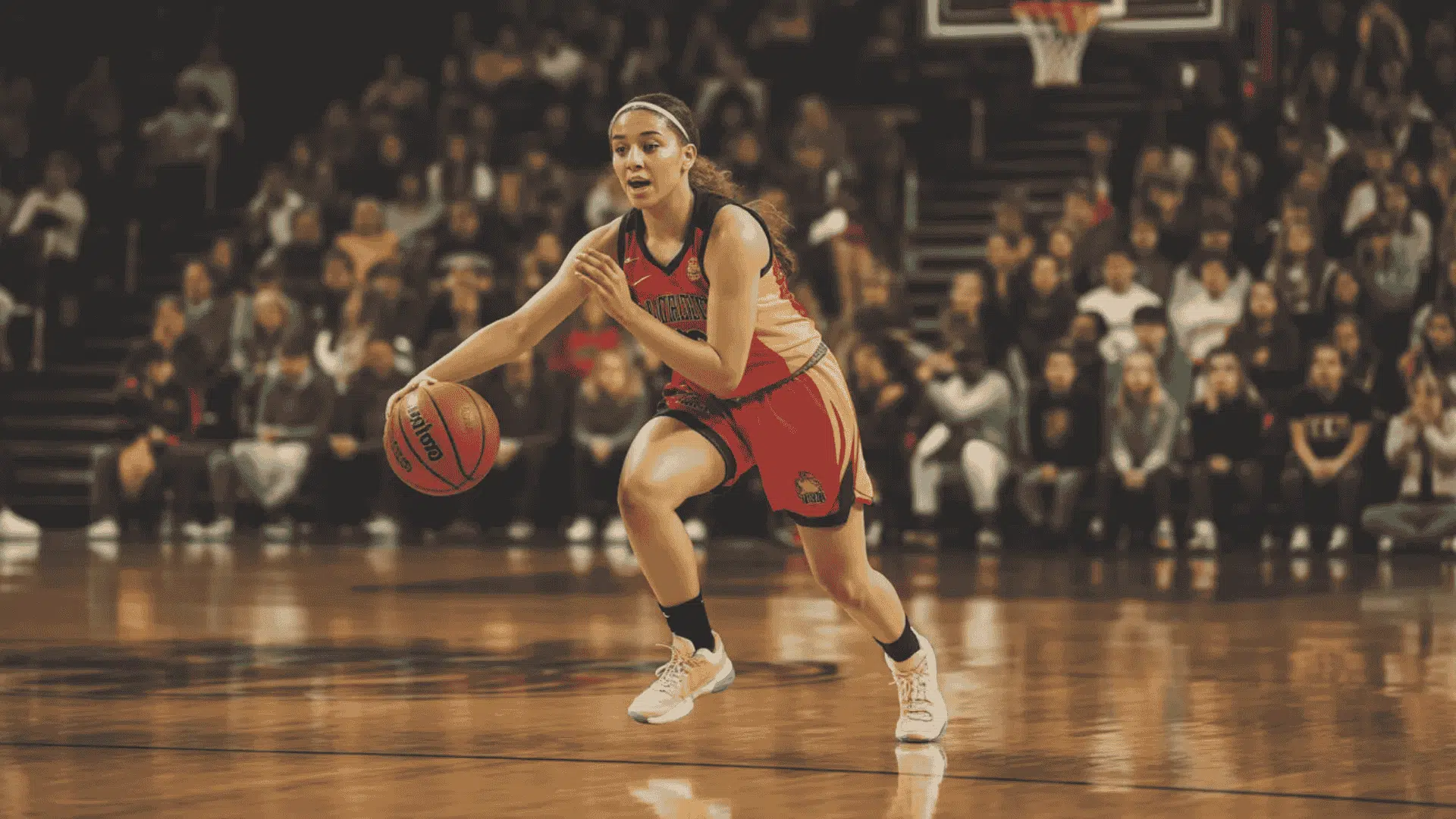
Yes, women’s basketball is used worldwide and follows a shared size standard in most countries. International organizations like FIBA set the official rules, and many national leagues follow these guidelines closely.
Because of this, players often use the same Size 6 basketball in school, college, professional, and international games.
Having a single standard size makes it easier for players to move between leagues without having to adjust to a different ball.
It also helps keep gameplay fair and consistent during global tournaments and international competitions.
Coaches and players can focus on skill and teamwork instead of adapting to new equipment.
While minor differences in materials, grip texture, or brand design may exist, the overall size and weight remain the same.
This consistency makes the women’s basketball familiar and reliable for players around the world, no matter where they compete.
Can Men Practice with Women’s Basketball?
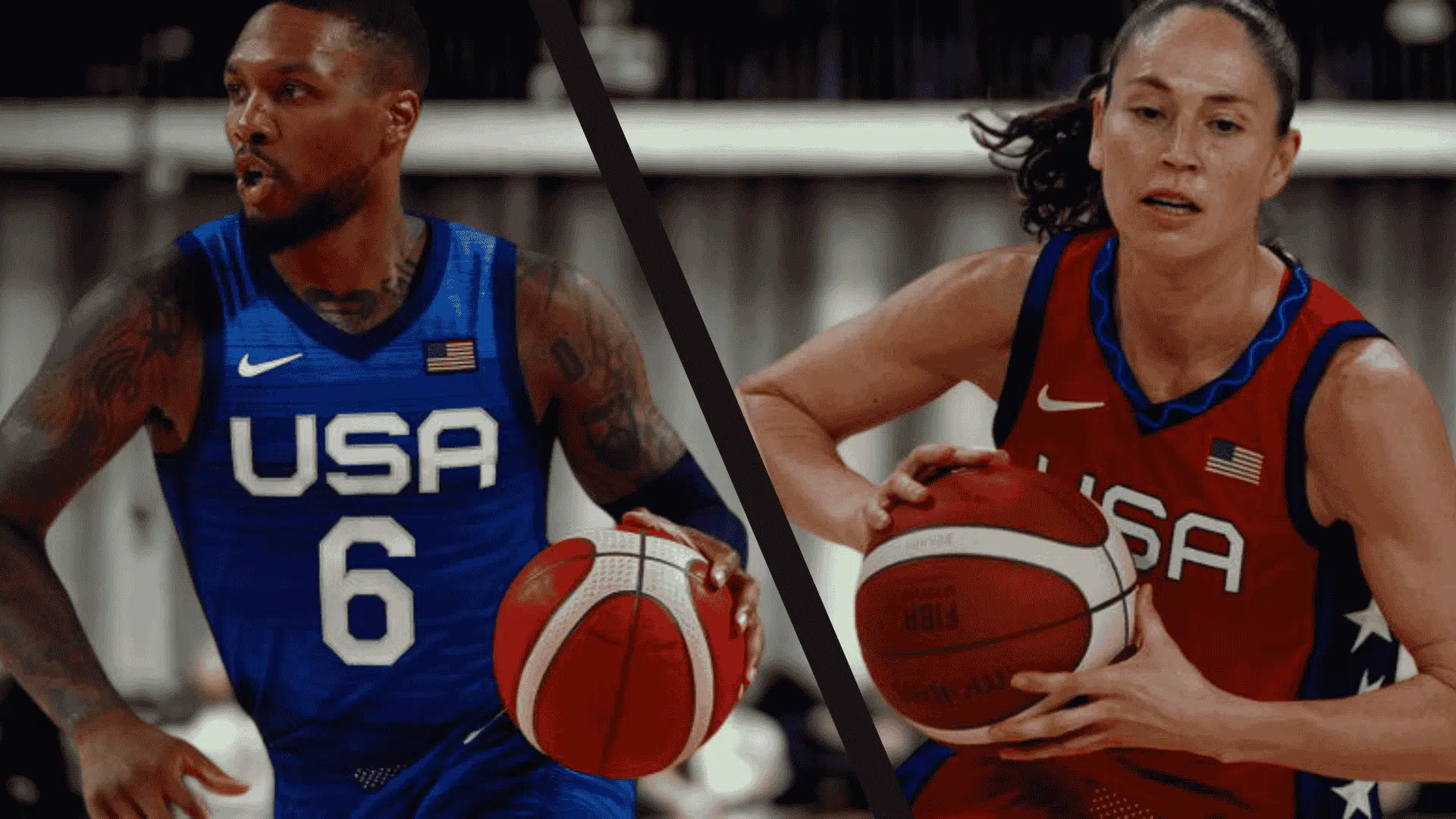
Yes, men can practice with women’s basketball teams or use a women’s basketball during training, and many players do this for specific skill-focused reasons.
A woman’s basketball is smaller and lighter, which helps improve control, speed, and handling.
Practicing with this size often makes hand placement and wrist movement more precise, especially during shooting drills.
Some coaches include women’s basketball in practice to help players focus on technique, touch, and form instead of strength alone.
It can also be useful during longer training sessions because it puts less strain on the hands and wrists.
While men still use a Size 7 ball in official games, training with a women’s basketball can be a smart way to sharpen skills, build control, and improve consistency on the court.
Conclusion
I believe the right basketball can make a real difference in how the game feels. A women’s basketball, known as Size 6, is designed to offer better comfort, steady control, and smoother shooting.
When the ball fits well in your hands, it becomes easier to pass, dribble, and stay confident during games.
From school courts to professional leagues around the world, this size remains the trusted standard. That consistency helps players train smarter and compete without having to adjust to new equipment.
If you are choosing a basketball for yourself or someone else, I suggest going with the official Size 6 when it fits the level of play.
Have you tried one before? Share your thoughts or questions below. I would love to hear from you.