
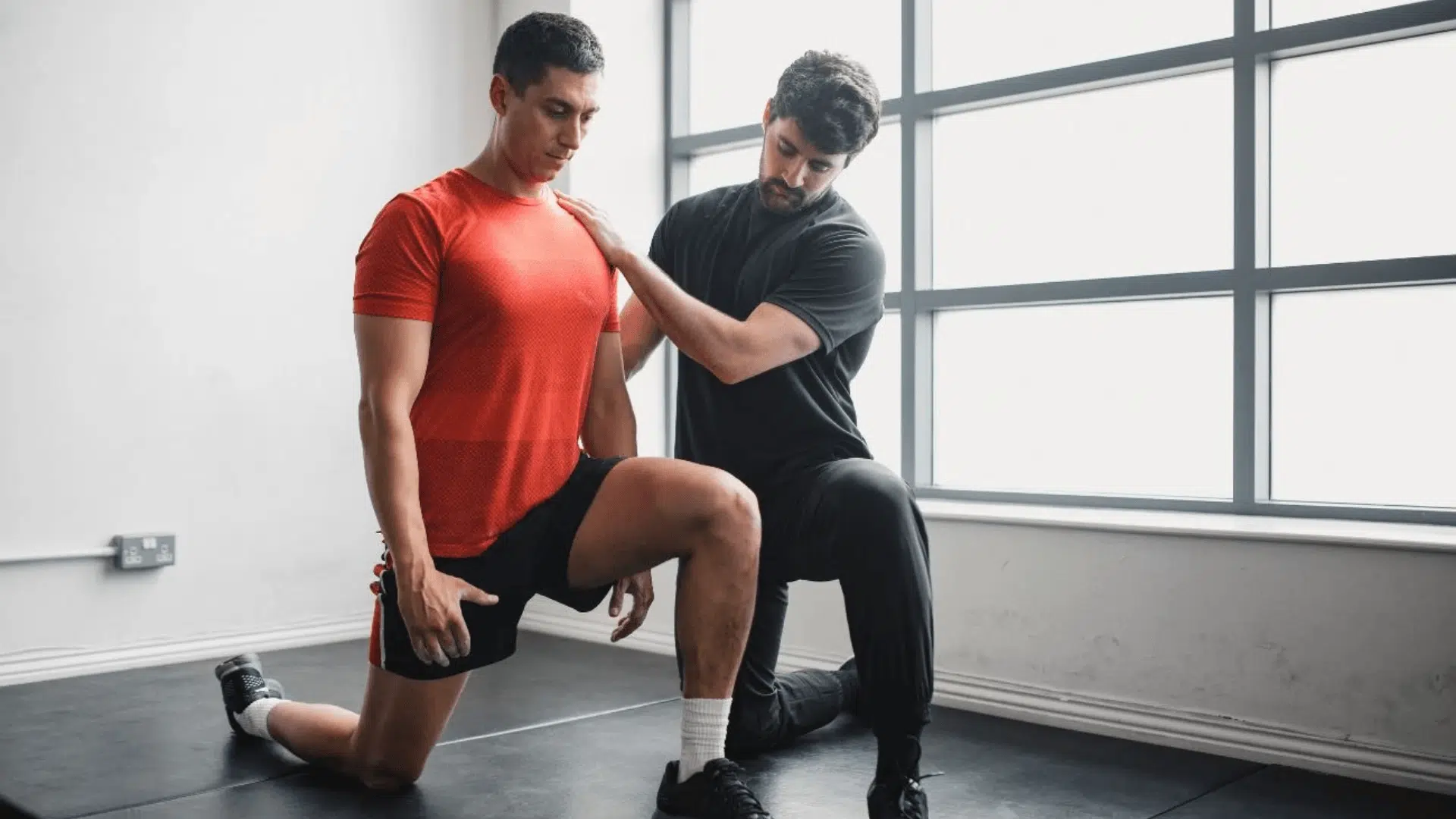
After an injury or surgery, movement can feel limited and frustrating. Physical therapy often includes different techniques to help the body heal safely.
One common method is passive range of motion. At first, the term may sound technical, but the idea behind it is simple and practical.
In this article, you’ll learn what passive range of motion in physical therapy means and why it plays an important role.
I will share how the technique works, who may need it, and how therapists use it to support healing without strain.
The difference between passive and active movement will also be made clear. If recovery feels slow or confusing, understanding this approach can help.
By the end, you will know what to expect and how this method supports safe, steady progress.
What Is Range of Motion?
Range of motion refers to the full movement potential of a joint in different directions. In simple terms, it describes how far a joint can bend, straighten, rotate, or extend during normal activity.
Each joint in the body, including the shoulder, knee, hip, and ankle, has a specific range that is considered healthy and functional.
Healthcare professionals measure it in degrees with a goniometer to check joint flexibility and function.
A healthy range of motion allows you to perform daily tasks such as walking, lifting, reaching, and turning without pain or restriction.
When a joint’s movement becomes limited due to injury, surgery, inflammation, or prolonged inactivity, it can affect overall mobility and quality of life.
Maintaining a proper range of motion is important for joint health, muscle balance, and long-term physical function.
Benefits of Passive Range of Motion
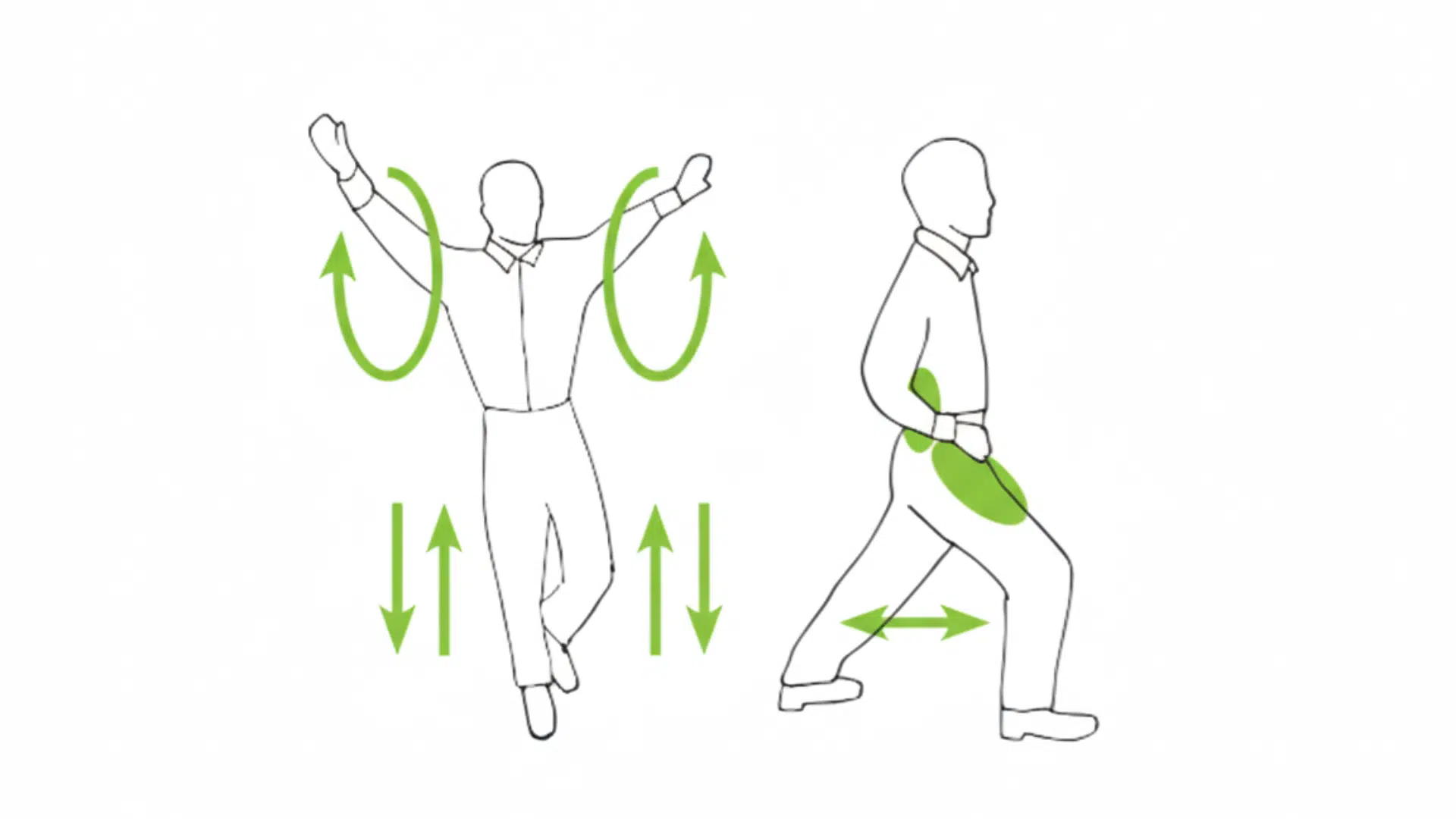
Passive range of motion provides several important physical and therapeutic benefits, especially for individuals who cannot move a joint independently due to injury, surgery, illness, or weakness.
1. Maintains Joint Flexibility and Preserves Functional Mobility
One of the most significant benefits of passive range of motion is maintaining flexibility within the joint. When joints remain still for extended periods, stiffness can develop quickly due to the tightening of surrounding tissues.
PROM helps move the joint through its natural range of motion, keeping connective tissues flexible.
Preserving mobility is essential to maintaining the ability to perform everyday activities such as walking, reaching, and bending as recovery progresses.
Regular passive movement reduces stiffness and improves movement during rehab.
2. Prevents Contractures and Long-Term Tissue Shortening
Contractures occur when muscles, tendons, or ligaments shorten due to prolonged immobility. This shortening can permanently limit joint movement if not addressed early.
Passive range of motion gently stretches these tissues regularly, helping maintain their length and elasticity.
By preventing tissue tightening, PROM reduces the likelihood of joint deformities and alignment problems.
This is particularly important for individuals who are bedridden, recovering from neurological conditions, or unable to actively move their limbs.
3. Improves Circulation and Supports Tissue Healing
Gentle joint movement encourages healthy blood flow to the affected area.
Improved circulation allows oxygen and nutrients to reach tissues more effectively, which supports the body’s natural healing process.
PROM may also help reduce swelling by promoting fluid movement within the tissues. Better circulation contributes to healthier skin, muscles, and connective tissues, especially in individuals who are less active.
Maintaining blood flow is a key factor in reducing complications related to prolonged immobility.
4. Reduces Joint Stiffness and Enhances Overall Comfort
Lack of movement often leads to joint stiffness, tightness, and discomfort. Passive range of motion helps ease this stiffness by maintaining joint lubrication and flexibility.
Slow and controlled movements reduce pressure within the joint capsule and improve comfort over time.
Individuals who spend extended periods in bed may benefit from PROM as it reduces the sensation of rigidity and supports more comfortable positioning.
Improved comfort can also enhance overall well-being during recovery.
5. Prepares the Joint for Active Rehabilitation and Recovery
Although PROM does not directly strengthen muscles, it provides an important foundation for future active exercises.
By maintaining flexibility and joint health, passive movement prepares the body for the transition to active range-of-motion and strengthening programs.
When muscle strength begins to return, the joint is better prepared to handle controlled activity.
PROM acts as an early-stage intervention that supports safe progression through a structured rehabilitation plan, reducing setbacks and improving long-term outcomes.
How Passive Range of Motion Works?
This method is often used in early recovery when movement is limited. It helps support healing while protecting weak or injured areas.
- Therapist-Guided Movement: A licensed physical therapist gently moves the patient’s joint through its available range without the patient using their own muscles.
- Controlled Speed and Direction: Movements are slow and steady to prevent strain and protect healing tissues.
- Joint Support and Positioning: The therapist supports the limb above and below the joint to maintain proper alignment during motion.
- Pain Monitoring: The therapist watches for signs of discomfort and adjusts movement to stay within a safe and pain-free range.
- Repetition for Flexibility: Each motion is repeated several times to help maintain joint mobility and improve circulation.
- Measurement and Tracking: Progress may be measured in degrees using tools like a goniometer to monitor changes in joint movement over time.
Techniques of Passive Range of Motion
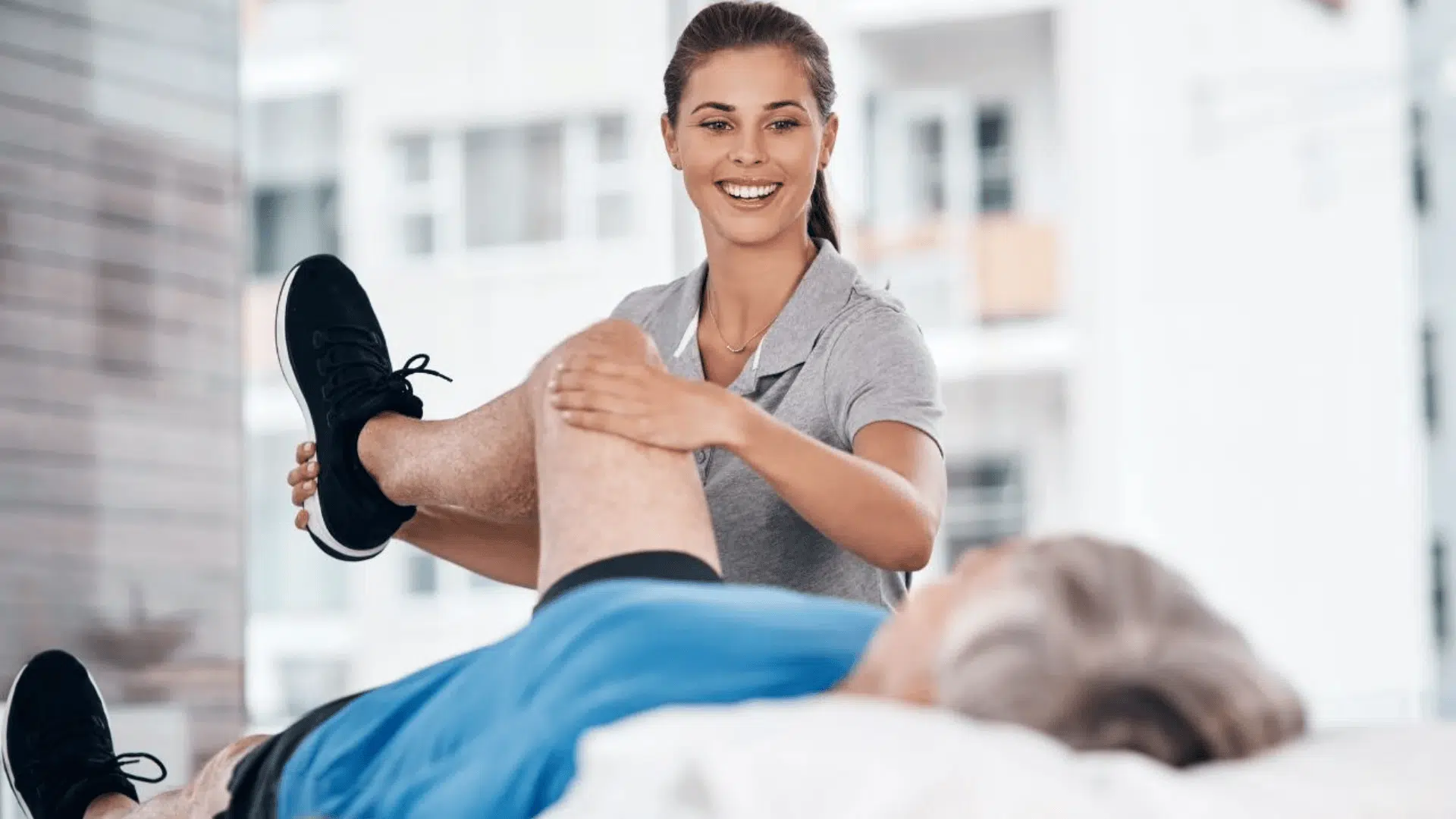
Passive range-of-motion techniques involve controlled, gentle joint movement performed by a therapist or trained caregiver. Proper technique ensures safety, protects healing tissues, and maintains joint flexibility during recovery.
1. Flexion and Extension Technique
Flexion and extension involve bending and straightening a joint through its normal range of motion.
For example, bending the elbow and then slowly straightening it back to its starting position.
The helper carefully supports the limb and moves it smoothly and steadily. This technique is commonly used for joints such as the knee, elbow, wrist, and fingers.
Movements should be kept within a pain-free range and repeated as advised by a healthcare professional.
2. Abduction and Adduction Technique
Abduction refers to moving a limb away from the center of the body, while adduction brings it back toward the body.
For instance, gently lifting the arm out to the side and then returning it to the resting position.
This technique is often used for shoulder and hip joints. Proper support above and below the joint is essential to prevent strain.
The motion should be slow and controlled to maintain safety and joint alignment.
3. Rotation Technique
Rotation involves turning a joint around its central axis. Examples include rotating the shoulder inward and outward, or gently turning the ankle in circles.
Rotational techniques help maintain full joint mobility and reduce stiffness in multiple movement directions.
The helper must guide the movement carefully and avoid forcing the joint beyond its natural limit. Rotational movements should be smooth and gradual to protect ligaments and soft tissues.
4. Gentle Stretching Technique
Gentle stretching is used to maintain tissue flexibility while passively moving the joint.
After guiding the joint to the end of its comfortable range, a brief hold may be applied without causing pain.
This technique helps reduce tightness and supports elasticity in surrounding muscles and connective tissues. The stretch should never feel sharp or intense.
Controlled breathing and relaxation can improve comfort during this technique.
Types of Range of Motion
Different forms of movement are used based on a patient’s strength and stage of recovery. Each type plays a specific role in improving joint function and mobility.
- Passive Range of Motion (PROM): A therapist or caregiver moves the joint while the patient stays relaxed and does not assist with the movement.
- Active Range of Motion (AROM): The patient moves the joint independently using their own muscle strength without outside help.
- Active-Assisted Range of Motion (AAROM): The patient begins the movement, and a therapist or device provides partial support to complete the motion.
- Resisted Range of Motion: The patient moves the joint against resistance, such as a band or manual pressure, to build strength and control.
How to Perform Passive Range of Motion Exercises?
Passive range-of-motion exercises should be performed with care and attention. The purpose is to gently move the joint without activating the person’s muscles.
1. Prepare the Environment and Position the Body
Start by choosing a quiet and safe space where the person can fully relax. Make sure the surface, such as a bed or therapy table, is firm and stable.
Position the body so the spine remains straight and supported.
Pillows or rolled towels can be used to support the head, arms, or legs if needed. Tight clothing or restrictive items should be removed to allow free movement.
A relaxed body makes it easier to move the joint smoothly and safely.
Proper positioning also reduces strain on other areas of the body during the exercise.
2. Support the Joint Above and Below
Proper hand placement is very important in passive range of motion. Always hold the limb with one hand placed above the joint and the other below it.
This provides stability and allows better control during movement.
Supporting the joint in this way prevents sudden pulling or twisting that could cause pain.
It also protects weak muscles and healing tissues from unnecessary stress. Never grip too tightly, but make sure the hold is firm enough to guide the movement steadily.
Good support helps keep the motion focused on the correct joint without affecting nearby areas.
3. Move Slowly Through the Natural Range
Guide the joint through its natural range of motion slowly and in a controlled manner. For example, gently bend and straighten the elbow or move the ankle up and down.
The movement should be smooth, without bouncing or jerking.
Moving too quickly can increase discomfort and may harm sensitive tissues.
A slow pace allows you to notice any resistance or tightness. If you feel the joint reaching its natural limit, pause briefly and then return it to the starting position.
Controlled movement improves flexibility while maintaining safety.
4. Stay Within a Comfortable and Pain-Free Limit
Passive range of motion should never cause sharp or severe pain. A mild stretching sensation may be normal, but strong discomfort is a warning sign.
Always stop if the person reports pain or if you feel unusual resistance in the joint.
Forcing movement can lead to inflammation or further injury.
It is important to respect the body’s natural limits, especially after surgery or trauma. Gradual progress is safer and more effective than pushing too hard.
Keeping the movement gentle helps protect the joint during recovery.
5. Repeat Consistently and Monitor Response
Each motion is usually repeated several times as instructed by a medical professional. Repetition helps maintain joint mobility and prevents stiffness from returning.
Do the exercises regularly to keep your results steady. After each session, check the joint carefully.
Look for swelling, redness, warmth, or increased pain.
These signs may indicate irritation or overuse. Monitoring the body’s response allows adjustments to be made if needed.
If any unusual symptoms appear, seek guidance from a healthcare professional before continuing the exercises.
Passive Range of Motion Safety Guidelines and Precautions
Proper technique and supervision help reduce the risk of strain or injury. Following basic precautions keeps the movement safe and effective.
- Warm-Up First: Begin with light circulation exercises or gentle heat to prepare the muscles and joints.
- Move Within a Pain-Free Range: Stop if sharp pain occurs and avoid forcing the joint past its comfort level.
- Use Proper Support: Support the limb above and below the joint to maintain correct alignment during movement.
- Maintain Slow, Controlled Motion: Perform each movement slowly to prevent sudden stress on healing tissues.
- Follow Professional Guidance: Only perform exercises recommended by a licensed physical therapist or healthcare provider.
- Watch for Swelling or Redness: Monitor the joint after sessions and report unusual symptoms to a medical professional.
Passive vs Active vs Active-Assisted Range of Motion
Range-of-motion exercises are grouped into three main types based on how the joint is moved. Understanding the differences helps choose the right method during recovery and rehabilitation.
| Feature | Passive Range of Motion (PROM) | Active Range of Motion (AROM) | Active-Assisted Range of Motion (AAROM) |
| Who Moves the Joint | Another person or device moves the joint | The person moves the joint independently | The person moves the joint with some help |
| Muscle Involvement | Muscles remain relaxed | Muscles actively contract | Muscles contract with assistance |
| Main Purpose | Maintain flexibility and prevent stiffness | Improve strength and joint control | Support gradual strength return |
| When It Is Used | Early recovery, paralysis, severe weakness | Later recovery stages or mild injury | Mid-stage recovery when partial strength returns |
| Risk Level | Low when done correctly | Moderate, depending on strength | Low to moderate |
| Role in Rehab Plan | First step in many recovery programs | Advanced stage of rehab | Transition stage between PROM and AROM |
Mistakes and Misconceptions About Passive Range of Motion
Passive range of motion may seem simple, but doing it incorrectly can reduce its benefits or even cause harm.
- Moving Too Quickly: Passive movements should always be slow and controlled. Fast or jerky motions can strain joints and irritate healing tissues.
- Forcing the Joint Beyond Its Limit: Pushing the joint past its natural range does not speed up recovery. It can cause pain, inflammation, and possible injury.
- Not Supporting the Joint Properly: Failing to hold the limb above and below the joint can lead to poor control. Proper support prevents uneven pressure and protects weak muscles.
- Ignoring Signs of Pain or Swelling: PROM should stay within a comfortable range. Continuing despite sharp pain, redness, or swelling can worsen the condition.
- Believing PROM Builds Strength: Passive movement helps maintain flexibility, but it does not strengthen muscles. Strength improves only when active exercises are added.
- Thinking PROM Alone Is Enough for Recovery: Passive exercises are usually just one step in a full rehabilitation plan. Most recovery programs also include active and strengthening movements later.
Conclusion
Passive range of motion can make a real difference during recovery, especially when the body is not ready for active movement.
It keeps joints flexible, improves blood flow, and protects healing tissues early on. When done safely, it prepares the body for stronger movement later.
If you or someone you support is in rehab, knowing when to use PROM can build confidence.
Always follow guidance from a qualified professional to keep movements safe and effective. Recovery takes time, but small, steady steps matter.
If you have experience with passive range of motion, share your thoughts or questions in the comments below.
Your story may help someone else feel more prepared and encouraged on their healing journey.
Frequently Asked Questions
How Often Should Passive Range of Motion Exercises Be Performed?
The frequency of passive range-of-motion exercises depends on the person’s condition and medical advice. They are often done once or twice daily, based on professional guidance for safety and results.
Can Passive Range of Motion Help Reduce Muscle Spasms?
Gentle passive movements may relax tight muscles and ease mild spasms by improving circulation and flexibility. Severe or ongoing spasms should be checked and treated by a medical professional.
How Is Progress Measured During Passive Range of Motion Therapy?
Progress is often measured by assessing joint flexibility and range of motion, sometimes using a goniometer. Improvements are monitored over time by healthcare professionals to ensure recovery is on track