
Ever watched an NFL game and heard the ref call “offside,” then saw everyone groan or cheer? That one small mistake can change an entire drive in seconds.
Offside can look confusing at first, especially when the play keeps going, and commentators yell “free play!” This guide breaks it down in a super simple way, using clear examples you can picture.
It explains the line of scrimmage, the neutral zone, and what “timing at the snap” really means.
We will also cover what happens after the flag, when the offense can decline the penalty, and how offside is different from false start, encroachment, and neutral zone infraction.
By the end, watching football will feel a lot easier.
What does Offside Mean in American Football?
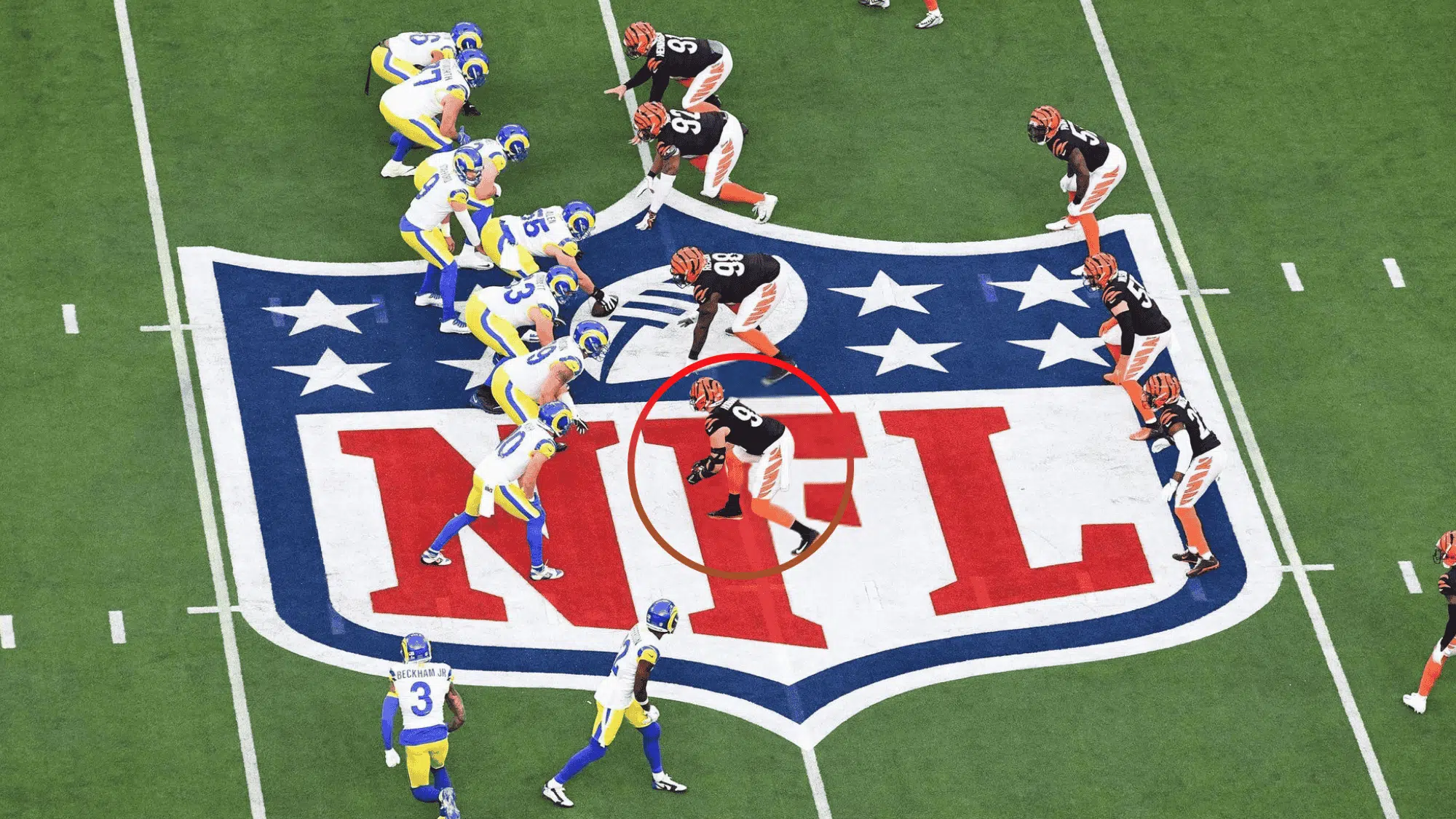
Think of the football field as having an invisible line running across it wherever the ball sits before each play. This is called the line of scrimmage.
Between the offense and defense, there’s a thin space (about the length of the football) called the neutral zone. Nobody’s supposed to be in that space when the ball is snapped.
The core rule is simple: When the center snaps the ball to start the play, defensive players need to be on their side of the neutral zone. If a defensive player is in or past that neutral zone when the snap happens, that’s offside.
Timing matters here; it’s all about where the player is at the exact moment of the snap, not where they move to afterward.
Why This Rule Exists
Football has this rule for two main reasons:
Fairness: If defenders could line up right next to the quarterback or in the backfield before the snap, they’d have an unfair advantage. The offense wouldn’t have time to execute its play.
Safety: When players get too close to the line before the snap, it increases the chance of dangerous, unexpected contact. The neutral zone creates a small buffer that keeps everyone safer.
How Referees Call Offside
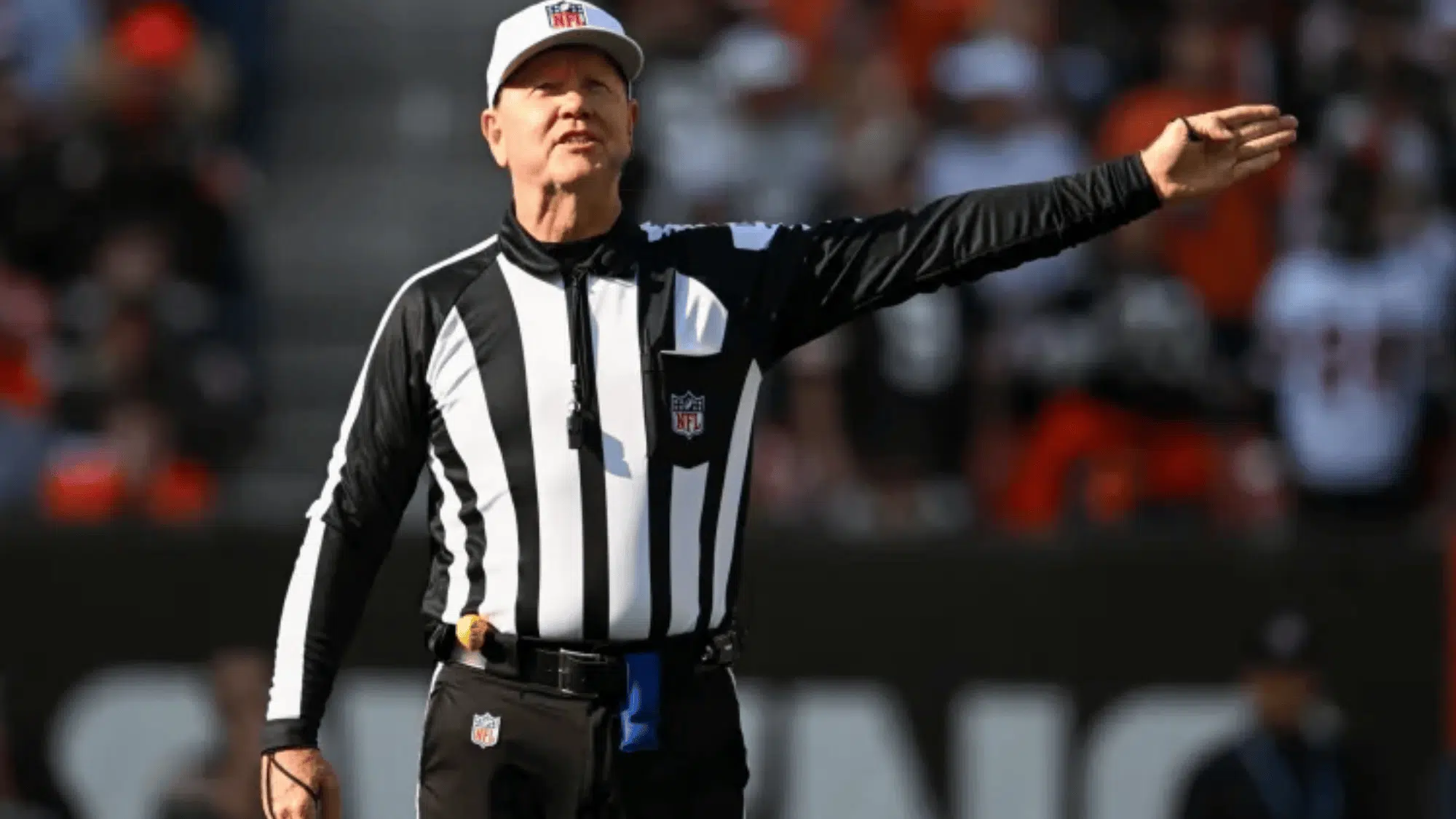
Here’s what’s super important to understand: referees judge offsides at the snap, not during or after the play. The official watches the ball and the defensive alignment at that precise moment.
If a defender crosses into the neutral zone after the snap but wasn’t there at the snap, that’s not offsides; it’s just playing football.
Common Real-Game Situations
You’ll typically see offsides called in these scenarios:
- Edge rusher leaning too far forward: A defensive end gets excited and leans forward, putting their hand or helmet into the neutral zone right as the ball is snapped
- Linebacker timing the snap: A linebacker tries to time the quarterback’s cadence perfectly but jumps a split second early and is over the line when the snap happens
- Defender in the gap: Any part of a defender’s body (hand, foot, helmet) is in the neutral zone at the snap
Offsides Penalty: What Happens Next?
When offside gets called, here’s the typical result:
| Penalty | Yards | Down Status |
|---|---|---|
| Offsides | 5 yards | Replay the down |
So if it’s 2nd and 10, and the defense commits offsides, it becomes 2nd and 5. The offense gets free yards and another chance at the same down. Pretty sweet deal for the offense, right?
Can the Offense Decline It?
Yes! Sometimes the offense will let the play continue even after an offside call. If the play results in a gain of more than 5 yards (such as a big completion or run), the offense can decline the penalty and keep the result of the play.
That’s why you’ll sometimes hear announcers shout “free play!”, the quarterback knows there’s a penalty flag and can take chances downfield without risk.
Offside vs False Start
This is where people get really confused. Let’s clear it up with a simple breakdown:
| Penalty | Who Commits It | When It Happens | What Happens |
|---|---|---|---|
| False Start | Offense | Before the snap | Dead ball immediately, 5-yard penalty |
| Offside | Defense | At the snap | Play often continues, 5-yard penalty |
False start: happens when an offensive player (usually a lineman) moves or flinches before the snap in a way that simulates the beginning of the play. The whistle blows immediately, the play is dead, and it’s a 5-yard penalty on the offense.
Offside: is when a defensive player is across the line of scrimmage or in the neutral zone when the ball is snapped. The play usually continues, and the penalty is enforced afterward.
Offside vs Encroachment vs Neutral Zone Infraction (NFL)
Wait, there are more similar penalties? Yes, but don’t worry, the differences are pretty straightforward.
| Penalty | What triggers it | What happens | Yardage |
|---|---|---|---|
| Offsides | Defender is across the line / in the neutral zone when the ball is snapped | Play often continues (unless it creates a clear “free play” situation or causes a stoppage) | 5 yards (defense) |
| Neutral Zone Infraction (NZI) | Defender enters the neutral zone early, causing an offensive player to react or threatening the snap timing. | Immediate whistle (dead-ball foul) | 5 yards (defense) |
| Encroachment | Defender crosses the line and contacts an offensive player before the snap or causes the snap by entering. | Immediate whistle (dead-ball foul) | 5 yards (defense) |
Offside in Soccer vs. Offside in American Football
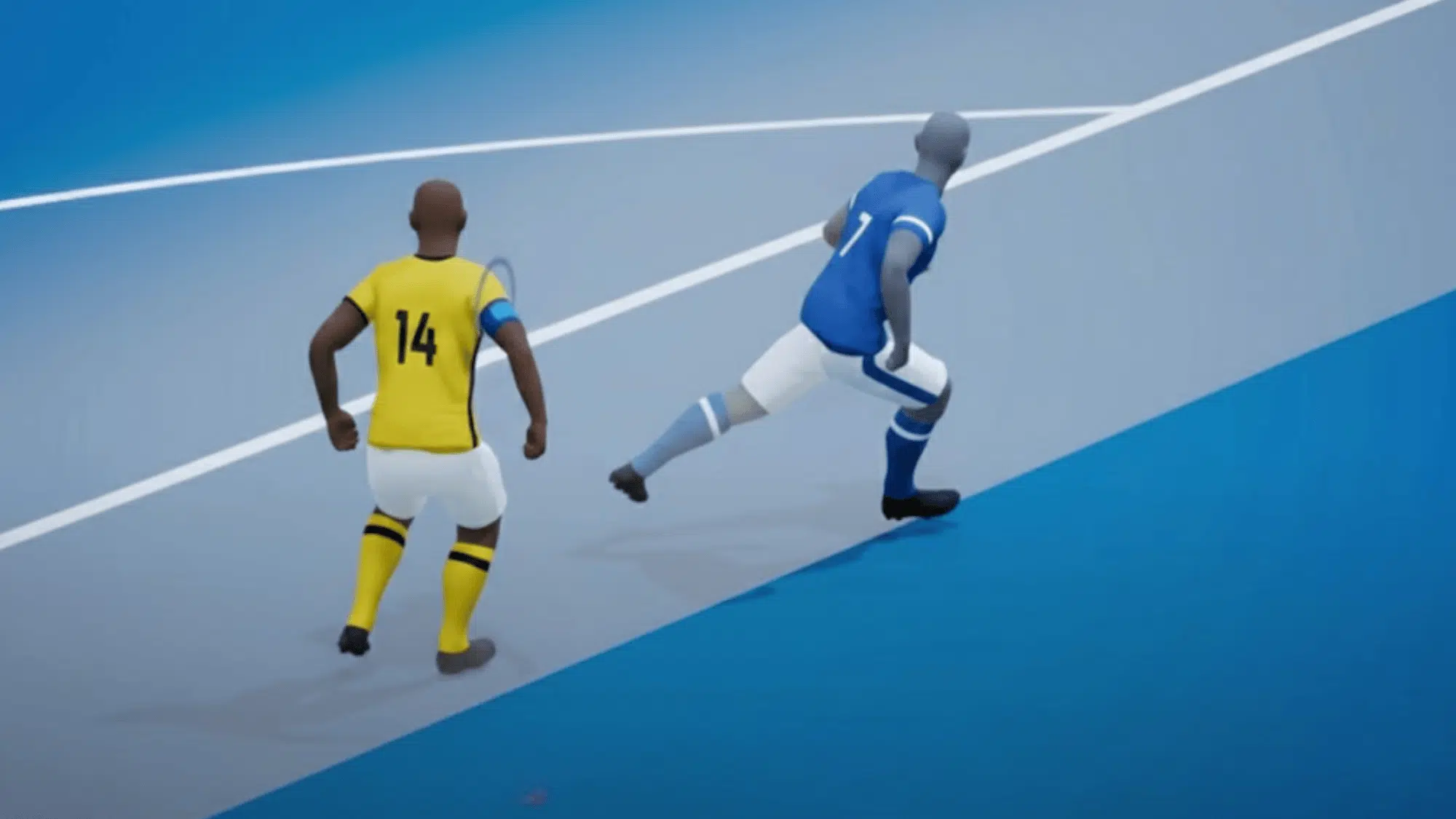
In soccer, offside is about the attacking position when your teammate passes you the ball.
You’re in an offside position if you’re closer to the opponent’s goal than both the ball and the second-to-last defender when the ball is played to you.
You’re only penalized if you get involved in active play from that position.
Key Soccer Exceptions
- No offside from a goal kick, corner kick, or throw-in
- Being in an offside position isn’t automatically a penalty; you have to be involved in the play
The Simple Difference
Here’s the bottom line:
- American Football Offside: About the line of scrimmage and snap timing, defenders can’t be over the line when the ball is snapped
- Soccer Offside: About attacking position and pass timing, attackers can’t be ahead of defenders when receiving a pass
Completely different sports, completely different rules. Just happens they have similar names.
Real Examples of Different Situations
Here are a few quick game-like moments that show how offsides, false starts, and neutral zone infractions look in real time, and why refs call them differently.
Example 1: Classic Defensive Offside
What Happens: It’s 3rd-and-7. The defensive end times the snap count perfectly, too perfectly. He’s leaning forward with his hand past the line of scrimmage right as the center snaps the ball.
The Call: Offsides on the defense. The offense gains 5 yards automatically. Now it’s 3rd-and-2 instead of 3rd-and-7. Much easier!
Example 2: Looks Like Offside But It’s a False Start
What Happens: The quarterback starts his cadence. An offensive tackle sees the defensive end begin to move and flinches, moving his hands before the snap.
The Call: False start on the offense, not offside. Even though the defender might have caused it, the offensive player moved first. The play is dead, and it’s a 5-yard penalty on the offense.
Example 3: Neutral Zone Infraction vs Offside
What Happens: The defensive tackle jumps across the line before the snap. The center sees this and flinches backward.
The Call: Neutral zone infraction on the defense (not offsides). Why? Because the defender crossed early AND caused an offensive reaction. The offense is protected from getting a false start in this situation.
Why do Announcers Say Free Play After an Offside?
You’ve probably heard this during games. When a defender lines up offside, and the offense notices the flag, the quarterback knows he can take risks.
If the pass gets intercepted or the play fails, the penalty will erase it. But if something good happens, the offense can keep that result and decline the penalty.
It’s basically a no-risk situation for the offense, hence, a “free play.” Smart quarterbacks will chuck the ball deep downfield when they spot that yellow flag on the ground.
Final Thoughts
Offsides is one of those calls that can change the whole feel of a drive. It can turn a tough 3rd down into an easy one, stop a significant defensive jump, or give the quarterback a chance to take a safe shot downfield.
Knowing the difference between a live “free play” and a dead-ball whistle also makes the game more fun to watch, because it explains why some plays keep going while others get stopped fast.
Even better, it helps make sense of the ref’s hand signals and the announcer’s quick reactions.
Want more simple football rule guides like this? Check out the other posts and share this one with a friend.