
With over 15 years in health and care, I often get asked a simple question: what is conditioning in sports, and why does it matter so much?
Coaches mention it. Athletes talk about it after games. Yet many people are unsure what it truly means. Some think conditioning is just extra running or harder practices.
In reality, the conditioning meaning in sports goes far beyond that.
It builds strength, improves endurance and speed, and reduces injury risk through planned training.
Good conditioning supports safe recovery and return to play. It also helps athletes stay sharp and in control late in the game.
In this article, I will share what conditioning really involves, key training principles, and provide practical guidance based on sports health and injury prevention research.
What Is Meant by Conditioning in Sports?
Conditioning in sports means training the body to perform better and last longer during games and practice. It focuses on building strength, speed, endurance, balance, and flexibility.
Athletes use conditioning to prepare their muscles, heart, and lungs for the physical demands of their sport.
It is not just about running laps or lifting heavy weights. Instead, it includes planned drills, strength work, cardio exercises, and recovery routines.
Good conditioning also helps lower the risk of injury by improving muscle control and joint support.
When athletes are well-conditioned, they can move with better control, react faster, and stay strong even in the final minutes of a game.
Coaches design conditioning programs based on the needs of each sport. The goal is simple: help athletes perform at their best while staying healthy and safe.
Key Principles of Effective Sports Conditioning
Different sports demand different physical qualities, and conditioning programs reflect that. Each type focuses on building a specific area of athletic performance.
1. Strength Conditioning
Strength conditioning focuses on increasing muscle power and force production.
It typically includes resistance training such as weightlifting, bodyweight exercises, and resistance band work.
This type of conditioning is essential for sports that require physical contact, jumping, or explosive movements. Stronger muscles also improve overall stability and posture.
Over time, structured strength training helps athletes produce more power while protecting joints from excessive strain during competition.
2. Endurance Conditioning
Endurance conditioning improves an athlete’s ability to sustain activity over longer periods. It strengthens the heart, lungs, and muscles so they can work efficiently without early fatigue.
Common methods include steady-state running, cycling, swimming, and interval workouts.
This type of conditioning is critical in sports like soccer, basketball, and tennis, where players must maintain energy throughout the game.
Better endurance also supports faster recovery between high-intensity plays.
3. Speed Conditioning
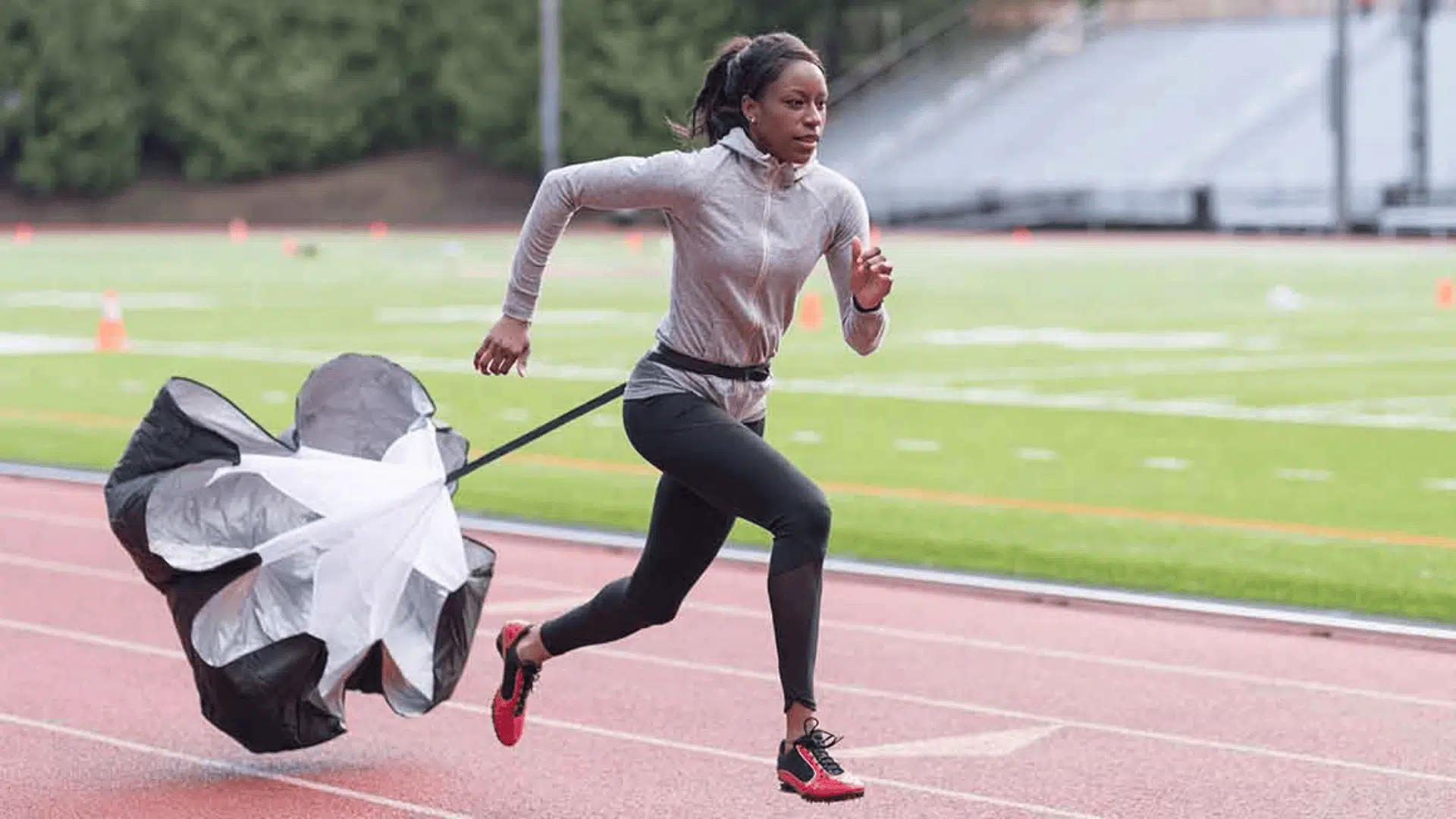
Speed conditioning trains athletes to move quickly over short distances. Sprint drills, resisted runs, and explosive starts are commonly used to improve acceleration and top speed.
In competitive settings, a small increase in speed can create a major advantage.
This type of conditioning enhances muscle coordination and reaction time.
With consistent practice, athletes develop quicker bursts of movement, helping them outpace opponents during critical moments.
4. Agility Conditioning
Agility conditioning focuses on the ability to change direction quickly while maintaining balance and control. Cone drills, ladder drills, and shuttle runs are common training tools.
This type of conditioning is especially important in sports that involve rapid transitions and tight spaces.
Improved agility helps athletes stay stable while cutting, pivoting, or reacting to opponents. It also reduces the risk of awkward movements that could lead to injury.
5. Cardiovascular Conditioning
Cardiovascular conditioning strengthens the heart and lungs, allowing the body to deliver oxygen more effectively.
Activities like running, rowing, and high-intensity interval training build this capacity. Strong cardiovascular fitness helps athletes maintain consistent performance and recover faster after intense efforts.
It supports overall stamina and endurance during games.
With better heart and lung efficiency, athletes can sustain high effort levels without performance dropping sharply.
Why Conditioning Is Different from Regular Exercise?
Conditioning is different from regular exercise because it is designed for a specific sport and performance goal.
Regular exercise focuses on general health, weight control, or staying active. It may include walking, basic gym workouts, or casual sports.
Conditioning, on the other hand, prepares the body for the exact demands of competition.
It trains the same muscles, movement patterns, and energy systems used during games. The intensity and structure are planned with clear goals in mind, such as improving sprint speed, jumping power, or stamina.
Conditioning also follows a schedule that balances hard work with recovery.
While regular exercise improves overall fitness, conditioning targets athletic performance.
The purpose is not just to stay fit, but to perform better, move efficiently, and handle the physical stress of competition safely.
Best Conditioning Exercises for Peak Performance
Effective conditioning exercises prepare the body for the speed, strength, and stamina required in competition. The best options improve multiple physical qualities while reflecting real game movements.
1. High-Intensity Interval Training
High-Intensity Interval Training, often called HIIT, combines short bursts of intense effort with brief recovery periods.
This method improves cardiovascular fitness, muscular endurance, and mental toughness in one session. Athletes might sprint for 30 seconds, rest briefly, and repeat for several rounds.
HIIT mirrors the stop-and-start nature of many sports, making it highly practical.
Over time, it increases stamina and helps the body recover faster between high-effort plays during competition.
2. Sprint and Acceleration Drills
Sprint and acceleration drills build explosive speed and quick reaction time.
These exercises focus on short, powerful runs that improve first-step quickness and overall pace.
Athletes often perform repeated sprints over set distances with controlled rest intervals. This type of conditioning strengthens leg muscles and trains the nervous system for faster movement.
Consistent sprint work helps athletes gain an edge in sports where quick bursts of speed can change the outcome of a play.
3. Plyometric Training
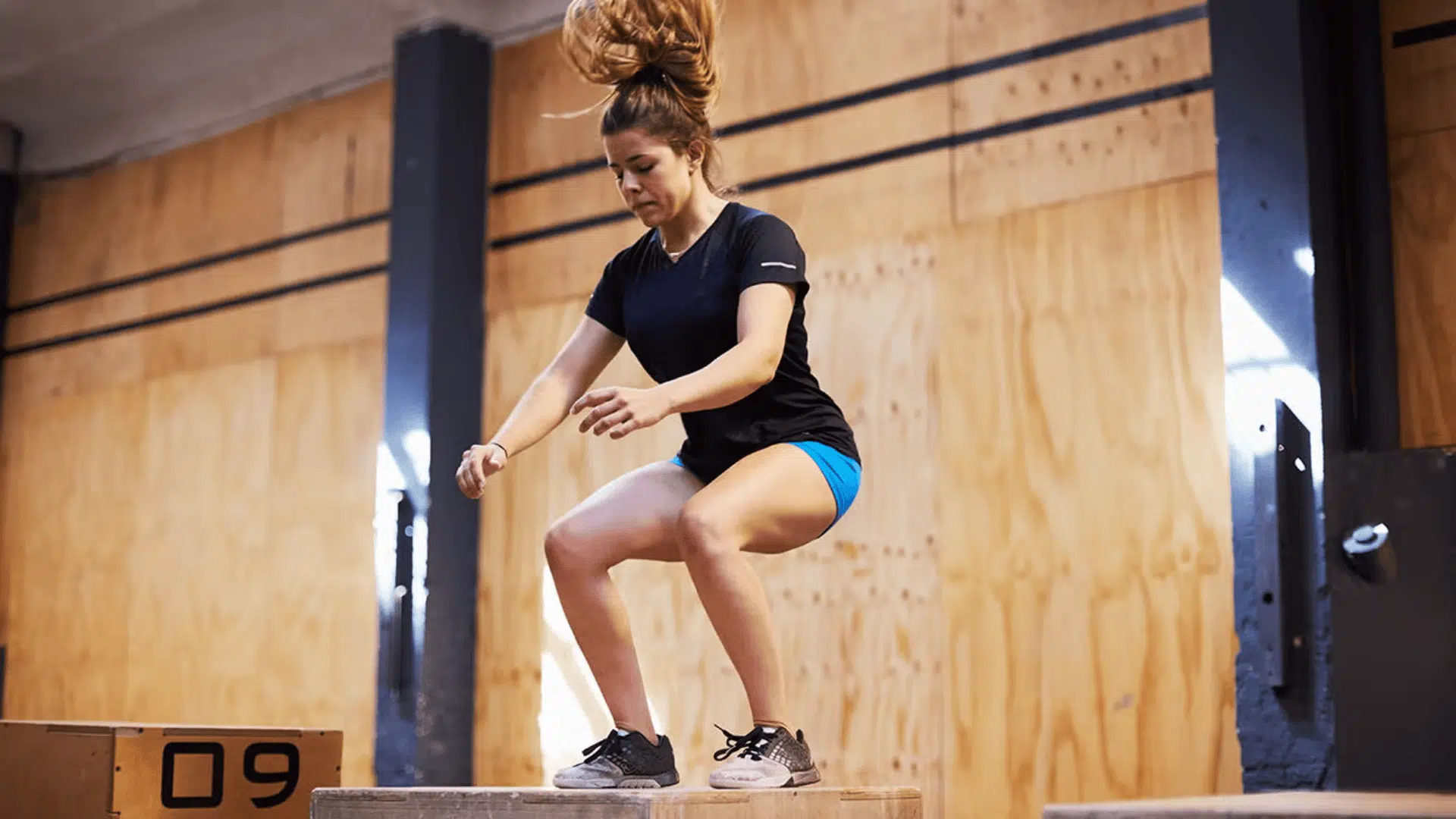
Plyometric training focuses on explosive movements such as box jumps, bounding, and jump squats. These exercises improve power by training muscles to generate force quickly.
Plyometrics enhance coordination and strengthen connective tissues, which support better movement efficiency.
Many sports rely on jumping, cutting, and rapid direction changes, making this training highly beneficial.
When performed with proper form and adequate recovery, plyometric exercises contribute to stronger, faster, and more responsive athletic performance.
4. Circuit Strength Training
Circuit strength training combines multiple exercises performed back-to-back with minimal rest. A typical circuit may include squats, push-ups, lunges, and core movements.
This format builds muscular strength while also challenging endurance. It keeps the heart rate elevated, making it effective for overall conditioning.
Circuit training allows athletes to target different muscle groups in one session, promoting balanced development.
Over time, it improves stamina, strength, and the ability to sustain effort during competition.
Conditioning for Beginners vs. Advanced Athletes
Training approaches vary based on experience level, physical readiness, and competitive goals. Understanding these differences helps athletes follow programs that match their current ability and long-term objectives.
| Category | Beginners | Advanced Athletes |
| Training Focus | Build a basic fitness foundation with general strength and endurance exercises. | Improve sport-specific performance with higher intensity and specialized drills. |
| Workout Intensity | Moderate intensity to allow the body to adapt safely. | High intensity with structured progression and performance targets. |
| Exercise Selection | Simple bodyweight movements, light resistance training, and steady cardio. | Complex lifts, explosive drills, interval training, and advanced conditioning circuits. |
| Training Frequency | 2–3 sessions per week with adequate rest between workouts. | 4–6 sessions per week, depending on season and recovery ability. |
| Recovery Needs | Longer recovery periods to prevent soreness and fatigue. | Planned recovery strategies including mobility work, active recovery, and monitoring workload. |
| Performance Tracking | Basic tracking, such as workout consistency and gradual strength gains. | Detailed tracking of metrics like speed, power output, heart rate, and recovery data. |
| Primary Goal | Develop overall fitness and safe movement patterns. | Maximize performance, efficiency, and competitive readiness. |
How Often Should Athletes Do Conditioning Workouts?
The right conditioning frequency depends on the sport, season, and training goals. Balancing intensity and recovery is key to steady progress and long-term performance.
1. Offseason Conditioning Frequency
During the offseason, athletes typically increase conditioning volume to build a strong physical base.
Most train three to five days per week, depending on experience and recovery ability. This period allows more intense strength and endurance sessions without the stress of weekly competition.
The goal is steady improvement in stamina, power, and overall fitness.
Proper rest days between hard sessions help muscles recover and adapt, reducing the risk of overuse injuries.
2. In-Season Conditioning Adjustments
In-season conditioning usually shifts from building fitness to maintaining it.
Athletes may reduce sessions to two or three times per week to avoid fatigue before games.
Workouts are often shorter and more focused on speed, mobility, and light strength training. Coaches prioritize performance and recovery, ensuring players stay fresh for competition.
The key is maintaining conditioning gains without interfering with match readiness or increasing injury risk.
3. Rest and Recovery Considerations
Rest is a key part of any conditioning plan. I once treated an athlete who kept adding extra workouts, thinking it would help.
Instead, his performance dropped, and his tight muscles turned into a strain. Muscles grow stronger during recovery, not just during training.
Athletes should take at least one or two full rest days each week, based on intensity.
Sleep, hydration, and proper nutrition also support recovery. Without rest, fatigue builds, and injury risk rises. A balanced plan supports steady progress.
Common Mistakes in Sports Conditioning Programs
Even well-planned training can fall short without the right structure and balance. Small errors in planning or execution can limit progress and increase risk.
- Lack of Clear Goals: Training without defined objectives leads to random workouts that don’t improve sport-specific performance or measurable progress.
- Overtraining Without Proper Recovery: Excessive training without rest causes fatigue, reduced performance, and higher injury risk due to poor muscle recovery.
- Ignoring Sport-Specific Demands: Generic routines may not match the movement patterns or energy systems required for actual competition.
- Poor Exercise Technique: Incorrect form lowers results and increases injury risk, making proper movement more important than heavier weights.
- Neglecting Warm-Up and Cool-Down: Skipping preparation and recovery phases limits performance and increases the likelihood of muscle strains.
- Inconsistent Training Schedule: Irregular workouts slow progress and prevent the body from adapting effectively over time.
Sport-Specific Conditioning Examples
Different sports demand different physical qualities. Conditioning must match the movement, pace, and energy needs of each game.
1. Soccer Conditioning
Soccer conditioning focuses on endurance, speed, and quick direction changes. Players run long distances during a match, but they also perform short sprints, sharp cuts, and sudden stops.
Training often includes interval running, agility drills, and lower-body strength work.
These exercises help players maintain energy for the full match while reacting quickly to plays.
Ball-based conditioning drills are also common to connect fitness with skill under pressure and real game movement patterns.
2. Basketball Conditioning
Basketball requires short bursts of speed, jumping power, and fast recovery between plays.
Conditioning programs often include sprint drills, plyometric jumps, and agility ladder work. Players also build core and leg strength to improve balance and stability during quick movements.
Since the game has constant transitions from offense to defense, interval training helps simulate that pace.
Well-designed conditioning allows players to stay explosive and controlled even in the final minutes.
3. Track and Field Conditioning
Track and field conditioning depends on the event. Sprinters focus on acceleration, explosive power, and reaction time through short sprints and resistance drills.
Distance runners train for aerobic endurance with steady runs and tempo workouts.
Field athletes, such as jumpers and throwers, build strength and power with lifting and plyometrics. Each program is structured to match event demands.
This targeted approach helps athletes perform efficiently and reduce injury risk.
4. American Football Conditioning
Football conditioning builds strength, power, and short-distance speed. Players perform explosive movements during plays, followed by brief rest periods.
Training often includes heavy strength exercises, sprint work, and position-specific drills.
Linemen focus more on power and stability, while skill players emphasize speed and agility. Interval conditioning mirrors the stop-and-start nature of the game.
This structure prepares athletes for high-impact contact and repeated bursts of effort.
5. Tennis Conditioning
Tennis conditioning improves agility, reaction time, and muscular endurance. Players move in quick lateral patterns and must react instantly to the ball.
Training often includes cone drills, short sprints, and core strengthening.
Endurance work helps athletes sustain performance during long matches. Upper-body strength and shoulder stability exercises are also important for powerful and safe strokes.
A balanced program supports quick footwork and consistent performance throughout multiple sets.
How to Build a Smart Conditioning Plan?
Building a smart conditioning plan starts with understanding the physical demands of your sport. I would suggest first identifying what matters most, such as strength, endurance, speed, or agility.
Many athletes try to train everything at once and end up making slow progress. Clear priorities make training more effective.
Set specific and measurable goals, like improving sprint time or increasing stamina over a set distance.
A balanced plan should include strength training, cardio work, mobility exercises, and planned recovery days.
Each part plays a role in overall performance. Progress gradually by increasing intensity or volume over time. Track your workouts so you can see what is improving.
Also, adjust training with the season, building fitness in the offseason, and maintaining it during competition for steady and lasting results.
To make this easier to follow, follow the breakdown below of how to structure your conditioning plan:
| Step | Action | Purpose |
| Identify Priorities | Decide if strength, speed, endurance, or agility matters most for your sport | Keeps training focused and prevents scattered effort |
| Set Measurable Goals | Create clear targets like faster sprint times or longer stamina | Makes progress easier to track and adjust |
| Build a Balanced Plan | Combine strength training, cardio, mobility, and recovery days | Supports full-body development and steady improvement |
| Progress Gradually | Increase intensity or volume step by step | Reduces injury risk and supports consistent gains |
| Track Workouts | Record exercises, sets, times, and results | Helps measure improvement and refine the plan |
| Adjust by Season | Build fitness in the offseason and maintain during competition | Maintains performance without overtraining |
What Reddit Users Say About Conditioning in Sports?
A discussion on Reddit explained conditioning in a clear and practical way. One user said conditioning means keeping your power and performance steady from start to finish in your sport.
For example, a soccer player should sprint just as fast in the last minute as in the first.
An MMA fighter should punch with the same force in the final round as at the start. The post also explained that conditioning trains the body’s energy systems.
The aerobic system supports long effort, while the anaerobic system gives short bursts of power but tires you faster.
Good conditioning develops both systems based on the sport’s needs.
Many users agreed that cardio and interval training are important tools, but true conditioning is sport-specific, not just general exercise.
Conclusion
Conditioning is one of those terms that gets tossed around constantly in sports, but now you know it’s much more than extra laps or tough drills at the end of practice.
It’s the physical base that supports every sprint, jump, tackle, and late-game push.
From covering games and speaking with coaches, I’ve seen how often the difference in close matchups comes down to preparation.
The better-conditioned team usually holds steady when it matters most.
If you’re training right now, take a moment to look at your own routine. Is it building the stamina, strength, and speed your sport truly demands? I’d love to hear your experience.
What has conditioning changed for you? Share your thoughts and training lessons in the comments below.