

If you watch baseball often, you’ve probably heard announcers mention a slider. It’s one of the most effective pitches in today’s game and a trusted weapon for many starters and relievers.
Yet many fans still wonder what makes this pitch so difficult to hit.
Time and again, you’ll see batters swing over the ball or make weak contact that barely leaves the infield.
The pitch often looks simple at first, but something changes before it reaches the plate. That small shift can be the difference between solid contact and a complete miss.
So what is a slider pitch, and why does it fool even experienced hitters?
In this guide, I’ll break down how it works, how pitchers throw it, and what makes it different from other common pitches in baseball today.
What Is a Slider Pitch?

A slider pitch is a type of breaking ball in baseball known for its sharp, late movement. It is thrown faster than a curveball but usually slower than a fastball.
When the ball leaves the pitcher’s hand, it looks very similar to a fastball. This makes it hard for the batter to tell what is coming.
Then, just before it reaches home plate, the ball suddenly moves to the side, often with a slight downward break.
Pitchers create this movement by using a firm grip and a specific wrist motion that produces sidespin. That spin causes the ball to travel on a path that shifts late, instead of staying straight.
Because of its speed and sharp lateral break, the slider is one of the most effective pitches in baseball.
Many pitchers use it as an out pitch to get swings and misses or weak contact from hitters.
Key Characteristics of a Slider Pitch
A slider stands out because of its sharp break and smart use in counts. Its mix of speed and movement makes it hard to track.
1. Sharp Lateral Movement
The most noticeable trait of a slider is its sharp side-to-side break. The ball travels on a straight path at first, then shifts quickly near the plate.
This late action makes it tough for hitters to square up the ball.
Unlike a curveball, which drops more vertically, the slider moves more across the strike zone.
That sideways motion often causes swings over the top or weak contact. The tighter the break, the harder it becomes to predict.
2. Late Break Timing
Another key feature is when the movement happens. A slider does not begin breaking early in its flight. Instead, it holds its line until the final stretch toward home plate.
That late shift gives hitters less time to react.
By the time the batter notices the change, the swing is already in motion.
This timing creates deception without needing extreme movement. The sudden break close to contact is what makes the pitch so effective.
3. Velocity Between Fastball and Curve
The slider’s speed also sets it apart from other breaking pitches. It travels faster than a curveball but slower than a four-seam fastball.
This middle speed range creates hesitation for hitters trying to time their swing.
Because it looks like a fastball early, batters often commit too soon.
The slight drop in speed disrupts rhythm and balance. When paired with a true fastball, the slider becomes even harder to recognize and adjust to.
4. Tight Spin Rate
A strong slider usually has tight, consistent spin. This spin gives the pitch its firm and compact break rather than a looping path.
Pitchers focus on clean rotation at release to keep the movement sharp.
Higher spin often leads to more defined action across the plate.
When the spin stays tight, the pitch maintains control and shape. If the spin becomes loose, the slider may hang and lose its sharp edge against hitters.
5. Deceptive Arm Action
A good slider mirrors fastball arm speed and delivery. Pitchers avoid slowing down or changing mechanics when throwing it.
This matching motion prevents hitters from picking up early clues.
If the arm action stays consistent, the pitch blends with other offerings in the arsenal.
That visual similarity forces batters to guess based on timing alone. The closer the delivery matches a fastball, the more effective the slider becomes in key game situations.
How a Slider Pitch Works?
A slider moves the way it does because of the pitcher’s grip, wrist action, and the spin placed on the ball. Each part of the motion plays a key role in creating its sharp, late break.
1. Grip and Hand Position
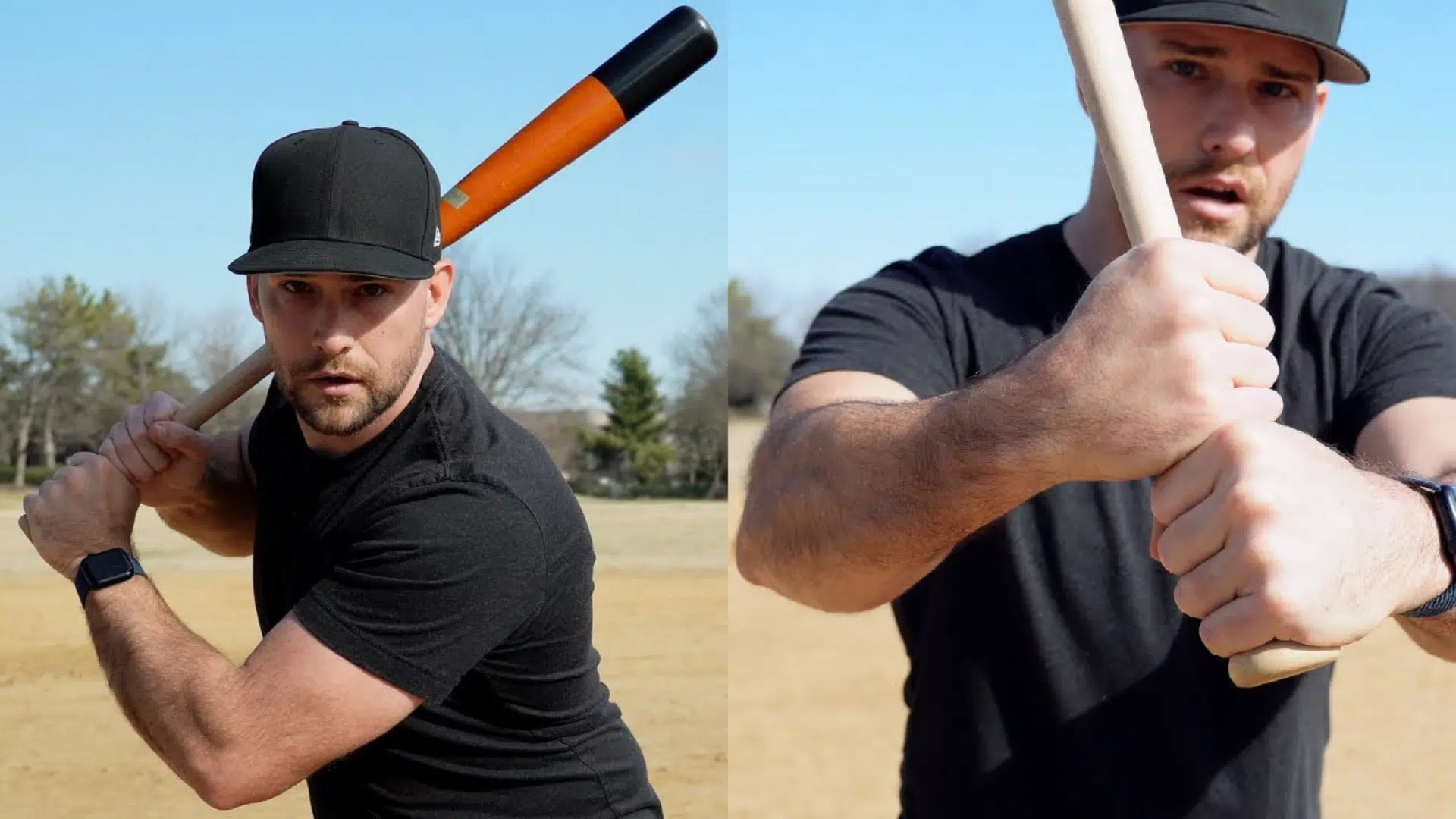
The grip is one of the most important parts of throwing a slider. A pitcher places the index and middle fingers close together along one seam of the baseball.
The thumb rests underneath for support, while the other fingers stay relaxed on the side. Unlike a fastball grip, the pressure is slightly off-center.
This small adjustment helps create the right spin.
The hand stays firm through release, and the wrist turns slightly at the end. That controlled motion allows the pitcher to keep the pitch tight, sharp, and hard to read out of the hand.
2. Spin and Late Movement

The slider’s sharp break comes from the type of spin placed on the ball. When the pitcher releases it, the wrist action creates sidespin instead of pure backspin.
This spin changes the ball’s path as it moves toward the plate. Early in its flight, it looks straight, much like a fastball.
Then, in the final moments, the spin takes effect, and the ball moves quickly to the side with a small drop. This late movement is what fools hitters.
They often start their swing expecting a fastball, only to miss as the ball shifts away.
Slider vs Other Pitches: Key Differences
Each pitch has its own speed and movement pattern. Understanding the differences helps explain why the slider is so effective.
| Pitch Type | Average Speed (MLB) | Main Movement | How It Looks to Hitters | Common Use |
| Slider | 80–90 mph | Sharp sideways break with slight drop | Looks like a fastball early, breaks late | Strikeouts and weak contact |
| Fastball | 90–100+ mph | Mostly straight with a slight rise effect | Direct and powerful | Setting up other pitches, early strikes |
| Curveball | 70–80 mph | Big downward drop | Noticeable arc from release | Changing timing and eye level |
| Cutter | 85–95 mph | Small, tight sideways movement | Similar to a fastball with slight cut | Jamming hitters |
| Slurve | 75–85 mph | Mix of slider and curve break | Bigger sweep than slider | Mixing speed and movement |
Why Pitchers Use a Slider?
Pitchers use a slider because it gives them a strong advantage against hitters.
The pitch comes out of the hand looking like a fastball, but it breaks sharply to the side just before it reaches the plate.
That late movement causes many hitters to swing over the ball or make weak contact.
Since it travels at a speed close to a fastball, it is hard for batters to adjust once they commit to their swing. The slider is also very effective when paired with a fastball.
When both pitches are thrown with the same arm speed and release point, they look almost identical at first.
This makes it difficult for hitters to recognize the difference in time.
Pitchers often rely on the slider in two-strike counts because it increases the chance of a swing and miss. For many players, it becomes their go-to pitch when they need an out.
How to Recognize a Slider?
You can spot a slider if you pay close attention to the ball’s speed and movement. It often looks straight at first, then shifts sharply just before reaching the plate.
- Late Side Movement: The ball travels straight at first, then shifts sharply to the pitcher’s glove side just before reaching the plate. This sudden break is tighter than a curveball and happens closer to the hitter.
- Fastball Arm Speed: The pitcher’s delivery looks almost identical to a fastball. There is no obvious slowdown in motion, which helps disguise the pitch until it starts to move.
- Slight Downward Tilt: Unlike a curveball’s big drop, the slider shows only a small downward action. Most of the movement runs sideways rather than straight down.
- Velocity Difference: The pitch comes in slightly slower than a fastball but faster than a curve. That in-between speed often disrupts timing.
- Tighter Spin: The rotation appears quick and compact, creating a firm break instead of a looping path.
Different Types of Sliders in Baseball
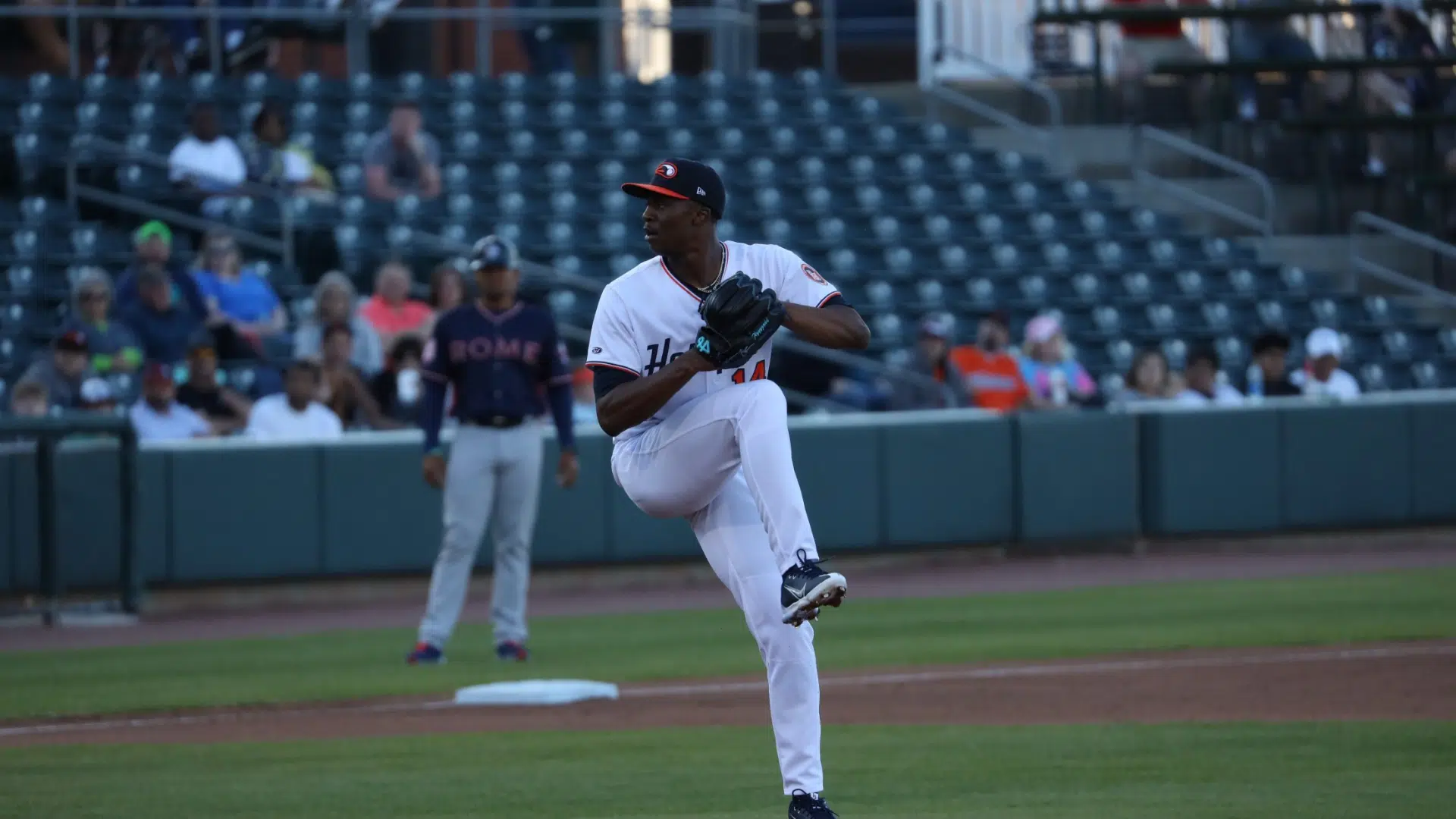
Not every slider moves the same way. Pitchers adjust their grip, finger pressure, and release to create different versions with unique movement patterns.
1. Sweeper
The sweeper is a wider and slower version of the traditional slider.
It has more horizontal movement and less downward drop, causing the ball to move across the plate with a big sweeping action.
This version is designed to create more side-to-side breaks rather than a sharp tilt. Pitchers often use it against same-handed hitters to pull the ball away from the bat path.
Because of its wider break, hitters may chase it outside the strike zone, leading to weak swings or strikeouts.
2. Slurve
The slurve combines elements of both a slider and a curveball.
It has more vertical drop than a standard slider but still keeps noticeable sideways movement.
The break is rounder and less tight, giving it a shape that falls between the two pitches. Pitchers use the slurve to change the hitter’s eye level while still adding lateral action.
It is usually thrown a bit slower than a sharp slider, making it effective for disrupting timing and balance.
3. Hard Slider
The hard slider is thrown with higher velocity, sometimes only a few miles per hour slower than a fastball.
It has tighter movement and less sweep compared to a sweeper.
Because of its speed, hitters often mistake it for a fastball until it breaks late near the plate. This version works well as a strikeout pitch, especially in two-strike counts.
Power pitchers rely on it to combine speed and sharp break without giving hitters much time to react.
Conclusion
A slider pitch is one of the most important weapons in modern baseball. It blends speed and sharp movement in a way that keeps hitters guessing.
Since it looks like a fastball at first, batters often commit to their swing before they realize the ball is about to break.
That late, sideways movement is what makes the slider so effective and so difficult to hit cleanly.
Throughout this guide, you learned what a slider pitch is, how pitchers grip and release it, and what gives it its sharp break.
It compares to other pitches, but stands out for its power and deception.
The next time you watch a baseball game, pay close attention to pitches that move sharply to the side at the last second.
Frequently Asked Questions
Who Invented the Slider Pitch?
The exact origin of the slider is debated, but many credit early 20th-century pitchers like George Blaeholder. Over time, players refined it into the sharp breaking pitch used today.
Is a Slider Hard on the Pitcher’s Arm?
A slider can put extra stress on the elbow because of the wrist motion and spin. Proper mechanics and pitch limits help reduce injury risk.
Can Left-Handed and Right-Handed Pitchers Throw Sliders?
Both left-handed and right-handed pitchers throw sliders. The ball breaks in the opposite direction depending on the pitcher’s throwing hand.