
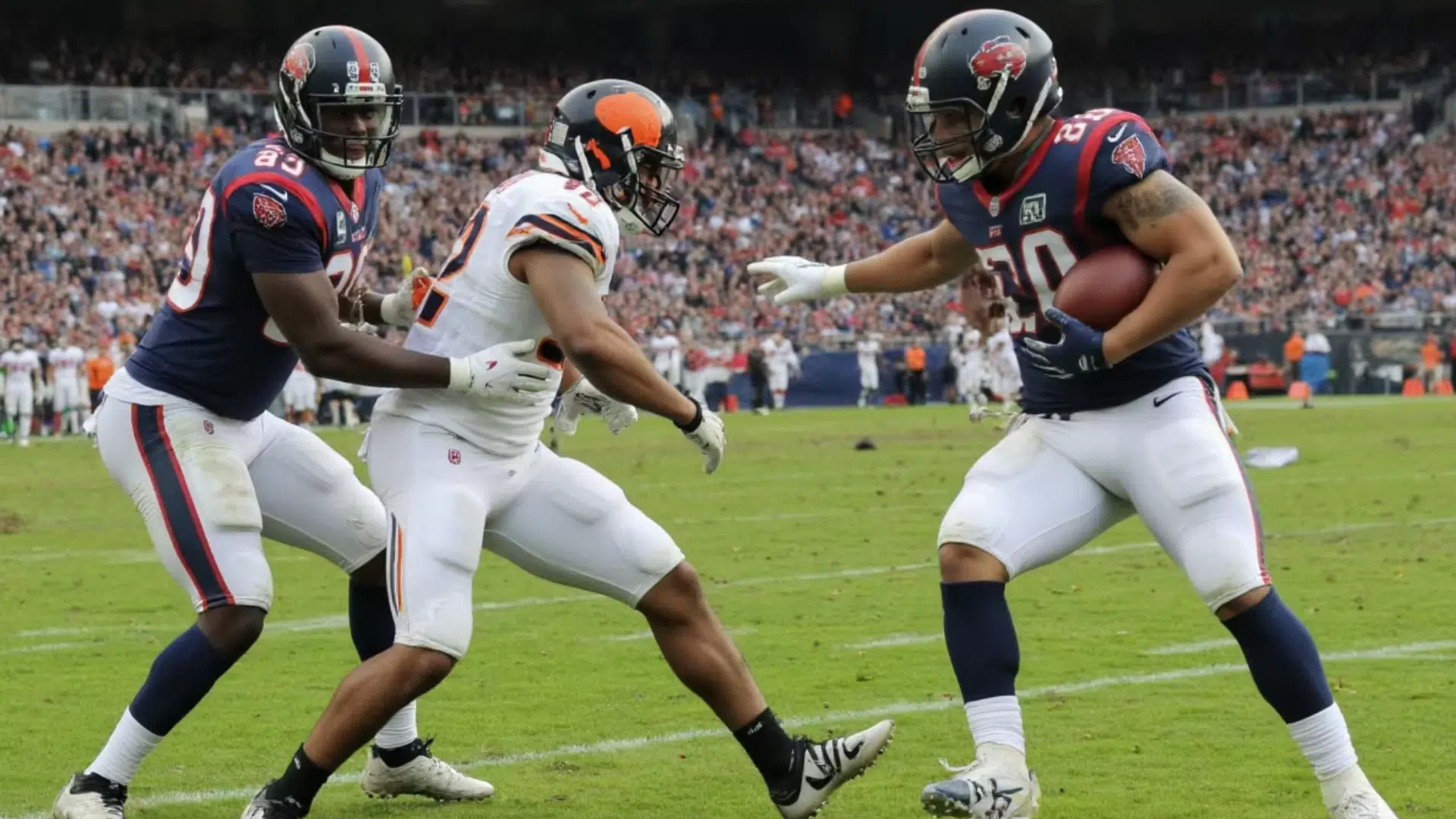
When you watch a football game, a lot is happening at once. Players move fast, the ball changes hands quickly, and positions are called out without much explanation.
If you are new, it is normal to wonder what some of those roles really mean, especially on defense.
In this guide, I shared what DB football is and why it matters. You will learn what a defensive back does, where they line up, and how they help stop big plays.
I have also explained the different types of DBs and how each one fits into the defense.
As a sports journalist, I have seen how much defensive roles like DB can shape a game. Over the years, I have learned that once you understand their role, the game makes much more sense.
By the end, you will feel more confident watching the game and knowing what to look for when defensive backs are on the field.
What Is a DB Football?
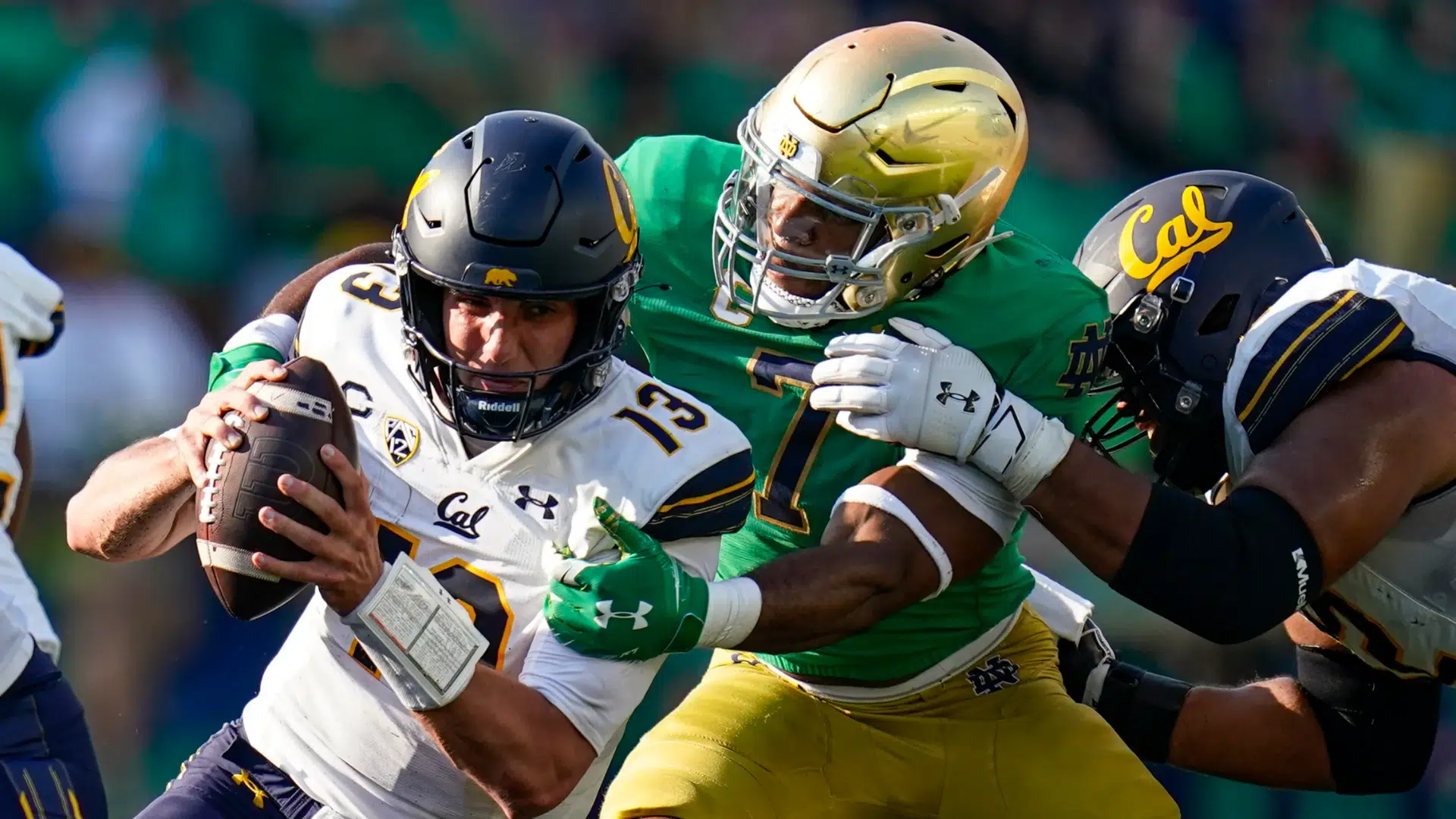
DBs mainly guard wide receivers and help stop passing plays. Their main job is to prevent completed passes and make tackles after catches.
Defensive backs need speed, quick thinking, and good awareness of the field.
They watch the quarterback, read routes, and react fast when the ball is thrown. There are two main types of DBs: cornerbacks and safeties.
Cornerbacks usually cover receivers one-on-one, while safeties play deeper and help where needed. DBs also try to force turnovers by intercepting passes or knocking the ball loose.
Without strong defensive backs, it becomes much easier for the offense to move the ball through the air.
Key Skills that Every Defensive Back Needs
Defensive backs rely on a mix of physical ability and mental awareness to do their job well. These core skills help them react fast, stay in position, and stop big plays.
1. Speed and Quick Reaction
Speed is one of the most important skills for a defensive back. DBs must keep up with fast receivers from the moment the play starts.
Quick reaction time helps them respond to sudden cuts, fake routes, or last-second throws.
A fast DB can recover after a small mistake and still make a play. Speed also matters when closing space to make a tackle or break up a pass.
Without speed, it becomes very hard to stay competitive against modern offenses.
2. Awareness and Field Vision
Defensive backs must always know what is happening around them. This includes tracking the receiver, watching the quarterback, and understanding where help is on the field.
Good awareness helps DBs read throws early and stay in position without falling for easy tricks.
From covering live games, I have seen how one quick read by a defensive back can change the entire drive, simply because they kept their eyes in the right place and stayed patient.
A DB with strong field vision stays calm, reads the play, and reacts with purpose instead of guessing or panicking during fast moments.
3. Strong Coverage Technique
Good coverage is about positioning, balance, and timing. Defensive backs must stay close enough to challenge a catch without committing too early.
Proper footwork helps them change direction fast and stay square with the receiver.
I once watched a local game where a cornerback wasn’t very fast, but his technique stood out. He stayed patient, kept his balance, and broke up two passes by reading the play well.
Strong hand placement disrupts routes and limits space. Smart movement reduces penalties and prevents easy separation.
4. Reliable Tackling Ability
Even the best coverage will not stop every catch. When a play breaks through, defensive backs must make clean, controlled tackles.
Good tackling prevents extra yards and stops small plays from becoming big ones.
DBs often tackle in open space, which requires good angles and body control. Poor tackling can lead to missed chances and long gains.
A reliable tackler gives the defense confidence and helps close out drives when the offense gets close.
Where Defensive Backs Line up on the Field?
Defensive backs line up in the back part of the defense, behind the linebackers and across from the offense’s receivers.
Cornerbacks usually line up near wide receivers, close to the line of scrimmage.
Their position lets them cover receivers right away and disrupt routes early. Safeties line up deeper on the field, often in the middle or slightly to the sides.
This deeper spot helps them protect against long passes and watch the full play develop.
Before the snap, DBs adjust their alignment based on the offensive formation.
They may move closer to the line or drop back depending on the play call. Proper alignment helps defensive backs stay in position, react faster, and prevent big plays from breaking loose.
Types of Defensive Backs
Defensive backs are not all the same. Each type has a specific role based on where they line up and how they defend passing plays.
1. Cornerbacks
Cornerbacks line up near wide receivers and focus mainly on pass defense. Their job is to stay with receivers, disrupt routes, and prevent catches.
They often play one-on-one, which makes speed and quick reactions very important.
Cornerbacks try to break up passes or create interceptions by staying between the receiver and the ball.
The best cornerbacks are trusted to cover top receivers and must stay alert on every snap, since one mistake can lead to a big play.
2. Safeties
Safeties line up deeper in the defense and help cover the entire field. They support cornerbacks by protecting against long passes and stepping in when a receiver gets past coverage.
Safeties also play a role in stopping the run and making open-field tackles.
Free safeties focus more on deep coverage and reading the quarterback, while strong safeties play closer to the line and help with physical plays.
Their positioning helps keep everything in front of the defense.
Famous Defensive Backs in Football History
Football has seen many great defensive backs over the years, and each era has produced players who changed how the position was played. These players stood out because of their skill, awareness, and impact on the game.
1. Ronnie Lott
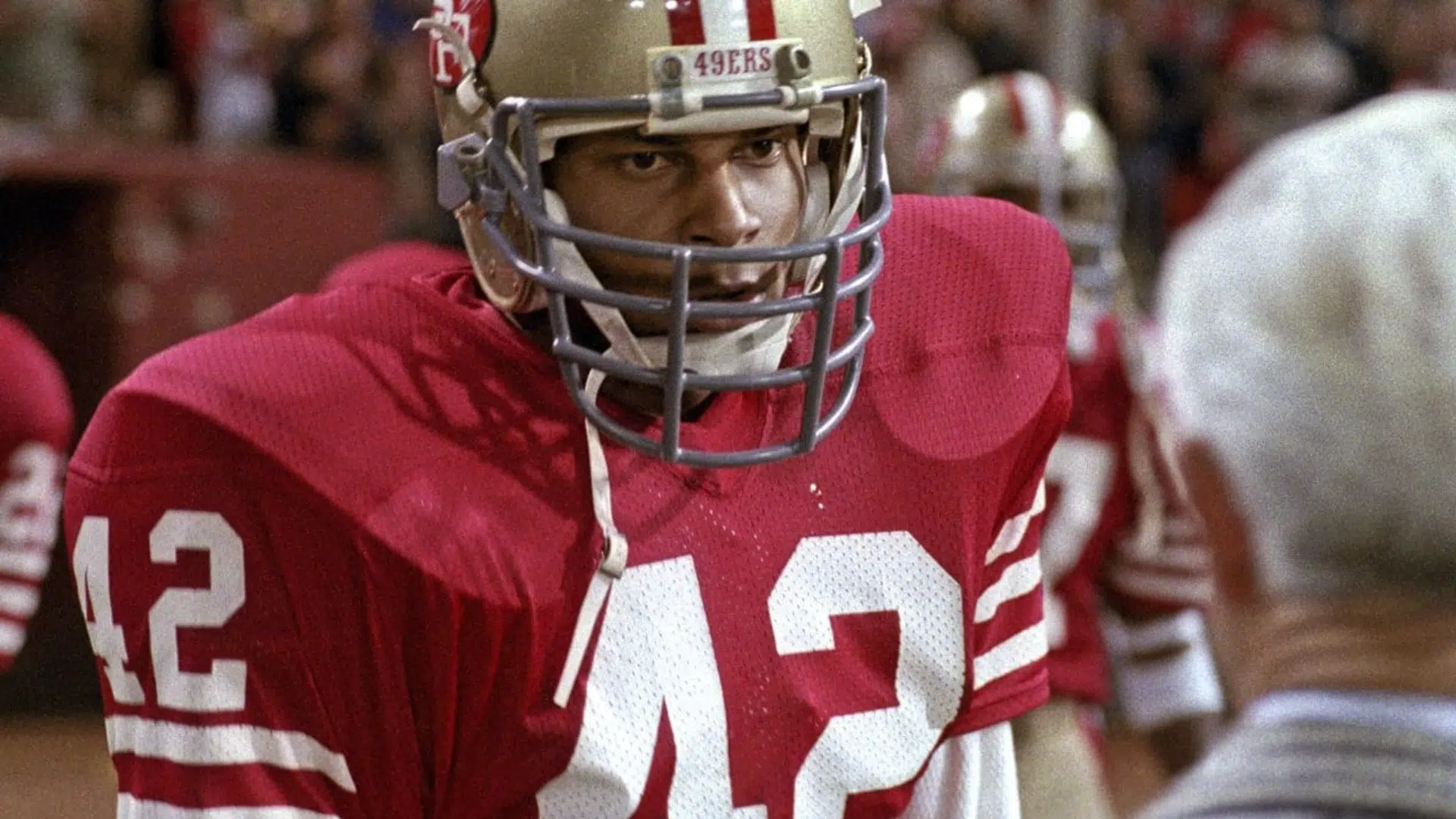
He spent most of his career with the San Francisco 49ers and also played for the Raiders, Jets, and Chiefs. Lott was known for his toughness, leadership, and ability to impact games in multiple ways.
He earned eight First-Team All-Pro honors, made ten Pro Bowl appearances, and won four Super Bowl titles with the 49ers.
Over his career, he recorded 1,146 tackles, 63 interceptions, and 16 forced fumbles.
His consistent performance and physical style set a high standard for defensive backs. Lott was inducted into the Pro Football Hall of Fame in 2000.
- Position versatility: Played both cornerback and safety at an elite level.
- Awards and recognition: Selected to the NFL 75th Anniversary All-Time Team.
2. Deion Sanders
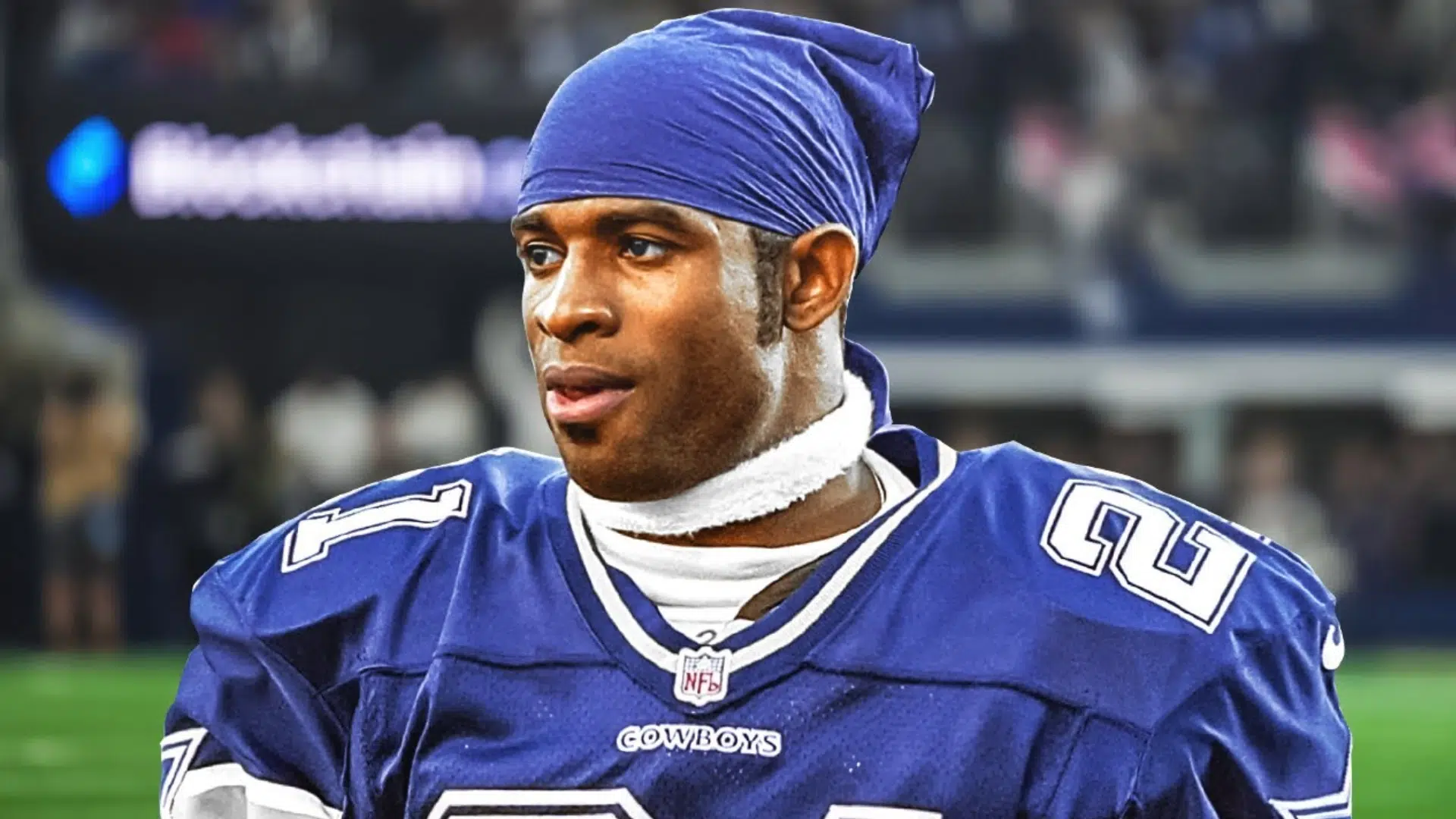
He played in the NFL from 1989 to 2005 with teams including the Falcons, 49ers, Cowboys, and others. Sanders was known for his speed, confidence, and ability to shut down top receivers.
He earned eight All-Pro selections and helped his teams win two Super Bowl titles.
Over his career, he recorded 53 interceptions and was also a dangerous returner. His impact on both defense and special teams made him one of the most recognizable players of his era.
Sanders was inducted into the Pro Football Hall of Fame in 2011.
- Position versatility: Played cornerback, contributed as a return specialist, and took snaps at wide receiver.
- Awards and recognition: Named NFL Defensive Player of the Year in 1994.
3. Rod Woodson
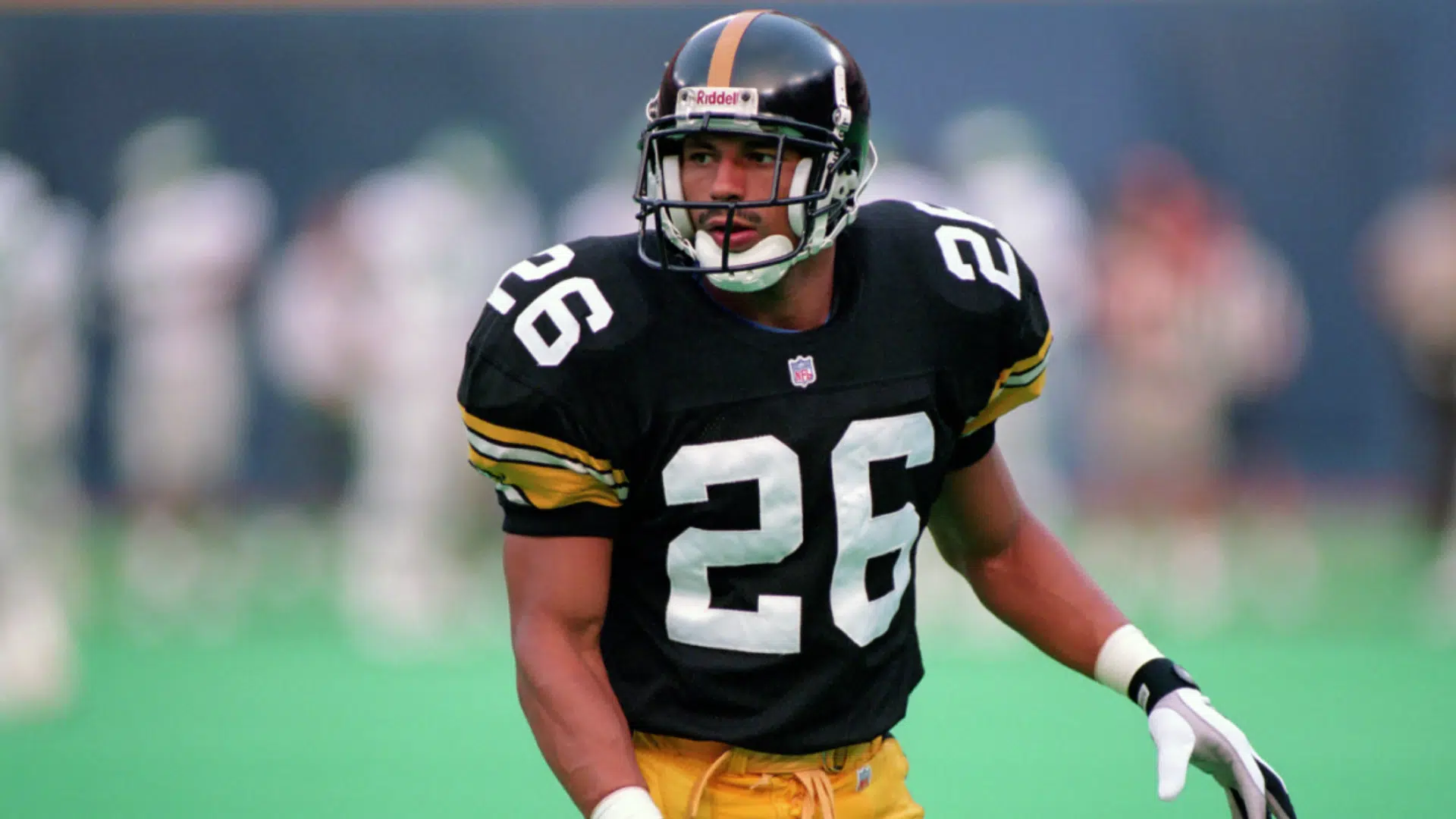
Rod Woodson played most of his career with the Pittsburgh Steelers and later joined the 49ers, Ravens, and Raiders.
He was known for his speed, strength, and ability to play both cornerback and safety at a high level.
A cousin of mine who follows the Steelers still says Woodson was the defender he trusted most in big moments. Woodson earned six First-Team All-Pro honors and eleven Pro Bowl selections.
He won a Super Bowl with the Ravens and entered the Hall of Fame in 2009.
- Position versatility: Played both cornerback and safety at a Pro Bowl level.
- Awards and recognition: Named NFL Defensive Player of the Year in 1993.
4. Mel Blount
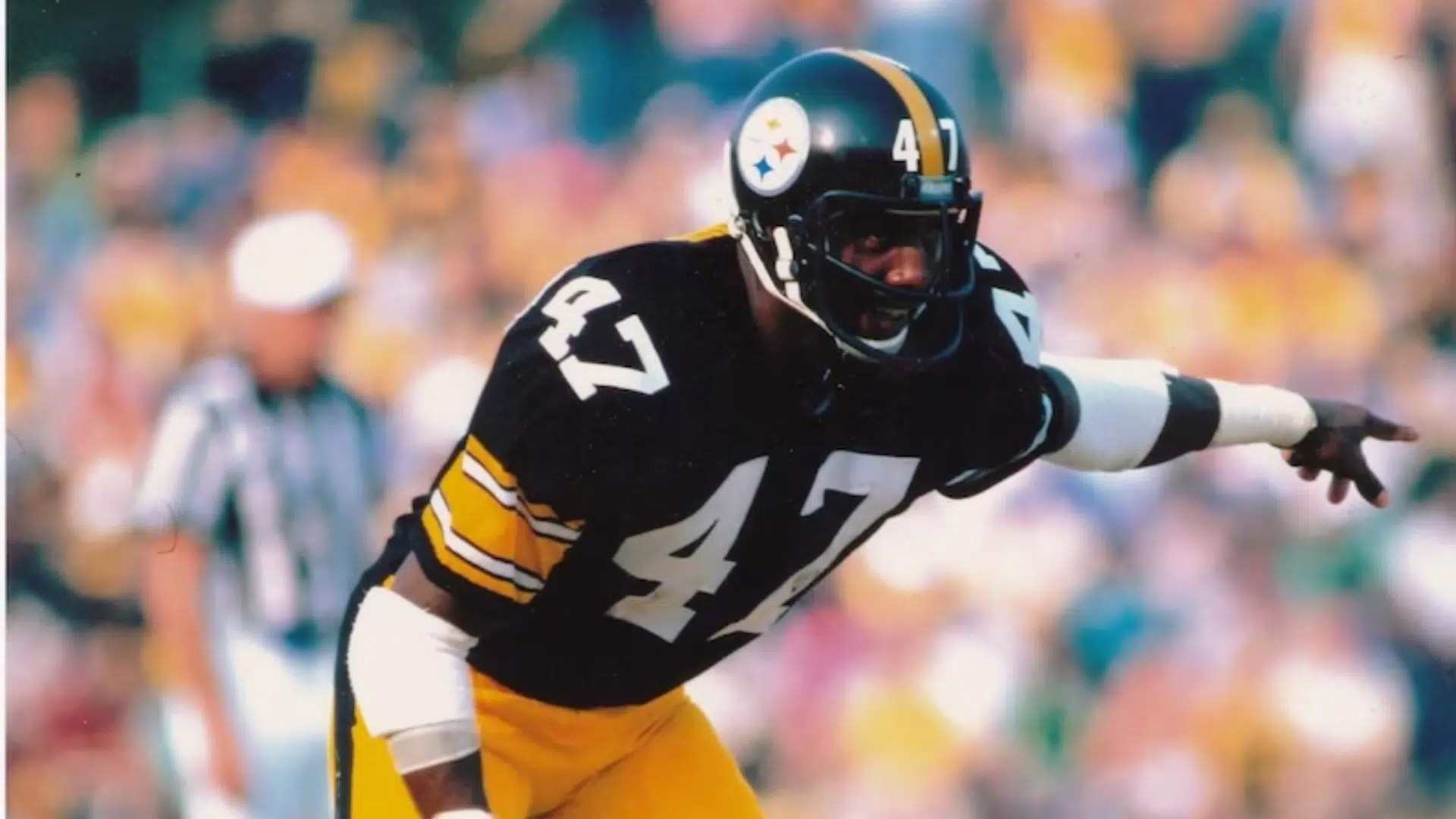
He spent his entire NFL career with the Pittsburgh Steelers from 1970 to 1983.
Blount was known for his physical and aggressive style of coverage, which made him one of the most dominant cornerbacks of his era.
He earned four First-Team All-Pro honors, was selected to five Pro Bowls, and helped the Steelers win four Super Bowl titles. His style of play was so influential that it led to changes in pass coverage rules.
Blount was inducted into the Pro Football Hall of Fame in 1989.
- Position versatility: Played cornerback and dominated in physical press coverage schemes.
- Awards and recognition: Named NFL Defensive Player of the Year in 1975.
5. Ed Reed
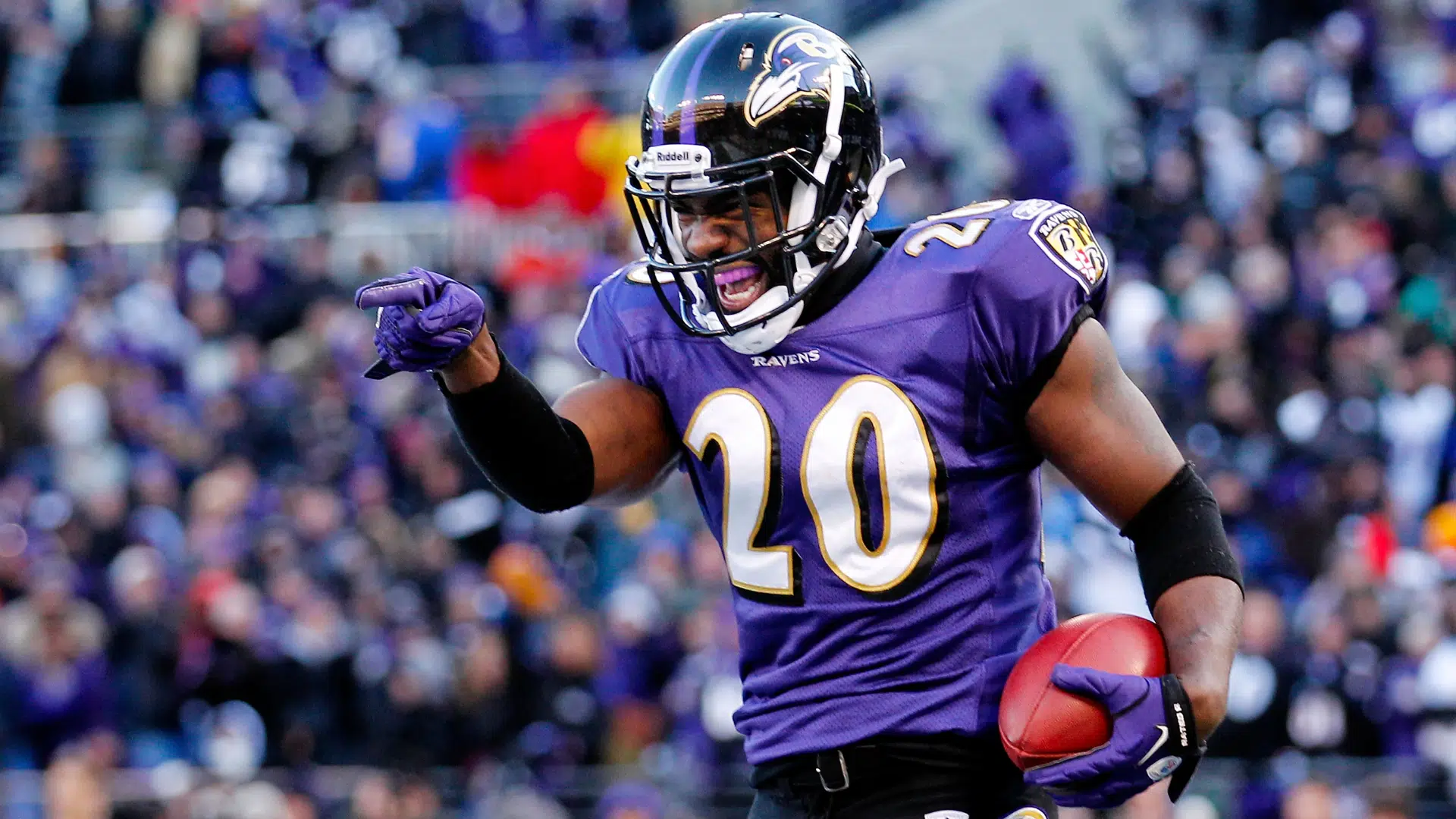
Ed Reed played most of his NFL career with the Baltimore Ravens and later had short stints with the Texans and Jets.
He was known for his ability to read quarterbacks and anticipate plays before they developed. Reed earned five First-Team All-Pro selections and was chosen for nine Pro Bowls during his career.
He played a key role in the Ravens’ Super Bowl XLVII win through his leadership and playmaking.
Reed retired with 64 interceptions and 13 defensive touchdowns, showing his impact on both defense and scoring. He entered the Pro Football Hall of Fame in 2019.
- Position versatility: Played free safety but lined up across the secondary in multiple roles.
- Awards and recognition: Named NFL Defensive Player of the Year in 2004.
Common Challenges Defensive Backs Face
Playing in the secondary demands focus, discipline, and strong decision-making on every snap. Small mistakes can quickly turn into big gains for the offense.
- Covering Elite Receivers: Defensive backs often match up against the fastest and most skilled players on the field. Staying close in coverage without grabbing or losing balance takes sharp technique and confidence.
- Avoiding Pass Interference Penalties: DBs must defend aggressively while keeping their hands and body positioning under control. Poor timing or panic can result in costly penalties and automatic first downs.
- Reading Play-Action: Offenses use fake handoffs to confuse defenders. A DB who reacts too quickly to the run may leave a receiver open behind the coverage.
- Handling Speed Mismatches: Some receivers have rare speed or size advantages. Defensive backs must adjust their positioning and cushion to prevent getting beaten deep.
- Open-Field Tackling: When receivers make catches in space, DBs are often the last line of defense. Taking proper angles and wrapping up cleanly is critical to prevent extra yards.
- Communication Breakdowns: Secondary players must stay in sync before and after the snap. Miscommunication can leave receivers uncovered and create easy scoring chances.
Conclusion
Understanding the defensive back position makes watching football a lot more enjoyable. Once you know where DBs line up and what they are responsible for, the game starts to slow down and make sense.
You can spot tight coverage, notice smart positioning, and understand why one small mistake can lead to a big play.
Defensive backs may not always get the spotlight, but they play a huge role in how a game turns out.
Now that you have a better grasp of the position, take a moment to think about the games you have watched. Have you seen a defensive back make a play that stood out to you?
Or is there a DB whose style you enjoy watching? Share your thoughts and experiences in the comments below.