
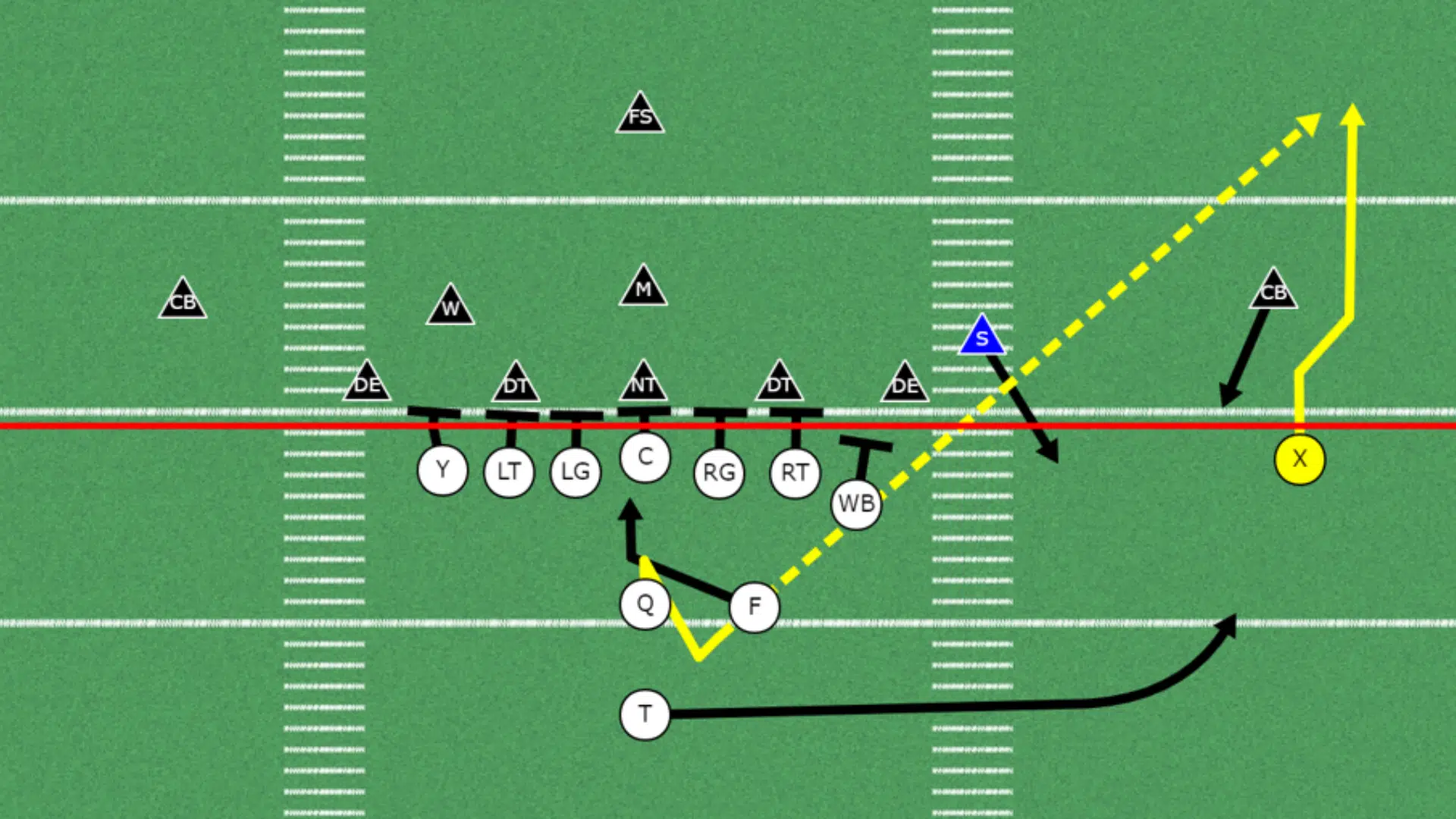
Football terms can feel confusing at first, especially when you hear something like RPO during a game.
The action moves fast, and announcers often use short terms without much detail.
That can leave you guessing. I have covered rule changes, play styles, and game trends for years, and I know how quickly new terms catch on.
If you are trying to understand what RPO really means, you are in the right place.
In this guide, I share what the RPO means in football. You will learn how the play works, why teams use it, and how it affects a quarterback’s decision after the snap.
By the end, you will understand the strategy without needing a coaching background.
What Does RPO Mean in Football?
RPO stands for Run-Pass Option. It is an offensive play in football that gives the quarterback the choice to either hand the ball to the running back or throw a quick pass.
The decision is made in real time, usually after observing how a specific defender reacts at the snap.
In an RPO play, both the run and pass options are built into the same design. The offensive line blocks as if it were a running play, while receivers run short routes.
The quarterback watches a key defender. If that defender moves toward the run, the quarterback throws the ball.
If the defender stays back to defend the pass, the quarterback hands it off.
This ability to choose between a run and a pass makes RPO different from many traditional plays. Instead of calling a fixed run or pass, the offense reacts to the defense.
That flexibility is one reason RPO has become a major part of modern football.
How does an RPO work in Football?
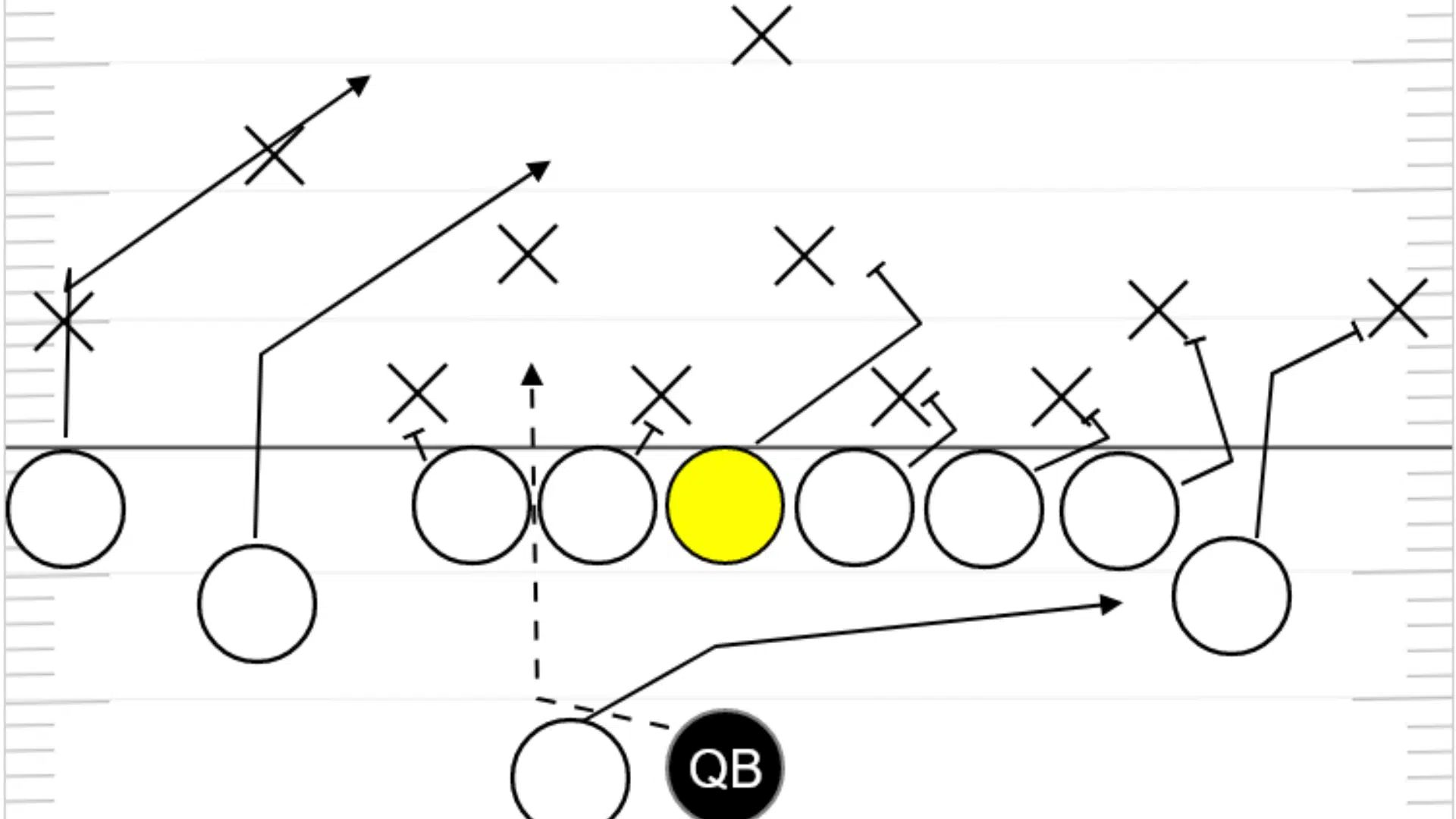
An RPO combines a run play and a quick pass into one design. The quarterback reads a defender after the snap and makes a quick decision based on the defender’s reaction.
1. Pre-Snap Setup
Before the snap, the offense lines up in a formation that supports both a run and a pass. The quarterback studies the defensive alignment closely.
He checks the number of defenders near the line of scrimmage and looks at how linebackers and safeties are positioned.
If the defense crowds the box, the passing option may become more attractive.
If the defense spreads out, the run may have more space. This pre-snap read does not fully determine the play, but it prepares the quarterback for what to expect at the snap.
2. The Snap and Blocking Action
When the ball is snapped, the offensive line fires off as if it were a standard run play. Their blocking helps sell the run and forces defenders to react quickly.
The running back moves toward the quarterback for a possible handoff, following the designed run path.
At the same time, receivers run quick routes such as slants, hitches, or bubble screens. These routes are usually short and timed to happen immediately.
The goal is to put one defender in conflict, making him choose between stopping the run and covering the pass.
3. The Quarterback’s Read and Decision
Right after the snap, the quarterback keeps his eyes on one key defender, often a linebacker or safety placed near the middle of the field.
If the defender moves toward the running back, the quarterback pulls the ball and throws to the open receiver.
If the defender stays back in coverage or widens toward the receiver, the quarterback hands the ball off.
The decision must be made in a split second. This quick reaction is what makes the RPO so effective, as it forces the defense to be on the right page on every snap.
RPO vs Read Option vs Zone Read: Key Differences
RPO, read option, and zone read can look alike before the snap, but they are not the same. The biggest difference is the passing option.
RPO gives the quarterback the choice to hand the ball off or throw a quick pass after the snap.
He reads a defender and makes a fast decision based on that movement. In a read option, the quarterback decides between handing the ball to the running back or keeping it to run himself.
There is no built-in quick pass in a true read option play. Zone read is a specific type of read option.
It uses zone blocking and focuses on reading one edge defender. Zone read and read option are run-focused, while RPO includes a real pass threat.
That added passing choice changes how defenses react and makes RPO more flexible.
Check out the table below to understand the key differences between these plays, so you can quickly see how each one works and compare them.
| Feature | RPO (Run Pass Option) | Read Option | Zone Read |
| Main Choice | Run or quick pass | Hand off or QB run | Hand off or QB run |
| Passing Option | Yes, built-in quick pass | No | No |
| Quarterback Read | Reads a defender for run or pass | Reads a defender for a keep or handoff | Reads edge defender in zone scheme |
| Blocking Style | Run blocking with a quick pass route | Standard run blocking | Zone blocking scheme |
| Play Focus | Balanced run and pass threat | Run-focused | Run-focused with the zone concept |
| Defensive Impact | Forces defense to cover pass and run | Stresses the edge defender | Targets one defender in a zone setup |
When to Use RPO?
Coaches call this play to stress the defense and force quick reactions. It works best when the offense wants balance without changing personnel.
- Against aggressive linebackers: If linebackers rush toward the run, the quarterback can pull the ball and throw a quick pass behind them.
- In short-yardage situations: On 2nd-and-short or 3rd-and-short, RPO keeps both run and pass open, making it harder for the defense to guess.
- Strong pass rush: Quick RPO throws get the ball out fast and reduce pressure on the quarterback.
- When defenses stack the box: If extra defenders crowd the line, the passing option attacks open space outside.
- To keep the offense unpredictable: RPO allows the same formation to produce different outcomes, which keeps defenders off balance.
Why RPO Is Popular in Modern Football?
RPO has become a major part of modern football because it puts constant pressure on the defense. Instead of committing to only a run or a pass, the offense can react to what the defense shows after the snap.
This flexibility forces defenders to make quick decisions, and a single misstep can create space for a big gain.
By combining two threats into one play, RPO makes it harder for defenses to predict what is coming.
Another reason for its popularity is how well it fits today’s spread offenses. Many teams use mobile quarterbacks and fast receivers, which makes the RPO even more effective.
The quick decision and short passing routes also reduce risk because the ball comes out quickly.
Because of these advantages, RPO concepts have moved from college football into the NFL and continue to shape modern offensive strategy.
Common Misconceptions About RPO
Many fans misunderstand how RPO works because it looks similar to other option plays. Below are some common myths and the correct explanation.
- RPO is Just Another Name for Read Option: RPO is not the same as a read option. A read option only gives the quarterback a run decision, while an RPO includes a real passing choice built into the play.
- RPO is a Formation: RPO is not a formation. It is a play concept that can be used from different formations, such as shotgun or spread sets.
- The Quarterback Decides Before the Snap: The final decision in an RPO happens after the snap. The quarterback reads a defender in real time and reacts within seconds.
- RPO is the same as Play Action: a designed pass that fakes a run. In an RPO, the quarterback truly has the option to hand the ball off or throw.
- RPO Only Works in College Football: While it became popular in college, many NFL teams now use RPO plays. It has also become part of modern professional offenses.
Conclusion
RPO has become one of the most important concepts in modern football. Combining a run and a quick pass into the same play gives the offense flexibility after the snap.
Instead of choosing early, the quarterback reads a defender and picks the best option in real time.
That split-second decision is what makes the play so effective. Understanding what RPO stands for in football also makes it easier to see how today’s offenses operate.
The RPO stands apart from the read option and zone read because it includes a true passing threat.
While the other plays focus only on running decisions, the RPO forces defenses to defend both the run and the pass at the same time.
As football evolves, RPO remains a key part of college and NFL offenses.
Frequently Asked Questions
Can an RPO Result in a Penalty?
Yes, RPO plays can lead to penalties if offensive linemen move too far downfield before the pass is thrown. This is called an illegal man-downfield penalty and often occurs when timing is off.
Does the Quarterback Always Make the Final Decision in an RPO?
In most cases, yes. The quarterback reads a specific defender after the snap and decides whether to hand off or throw. The decision is based on defensive movement, not a fixed call.
Are RPO Plays Risky for the Offense?
RPO plays can carry risk if the quarterback misreads the defender or hesitates. A late decision can lead to incomplete passes, turnovers, or tackles for loss.
Do All Teams Run the Same Type of RPO?
No, teams design RPO plays differently based on their quarterback’s skills and offensive system. Some focus on quick slants, while others use screen passes or outside runs.
How Long Has RPO Been Used in Football?
RPO concepts became widely known in college football in the early 2010s. Over time, NFL teams adapted and added their own variations to fit professional offenses.