
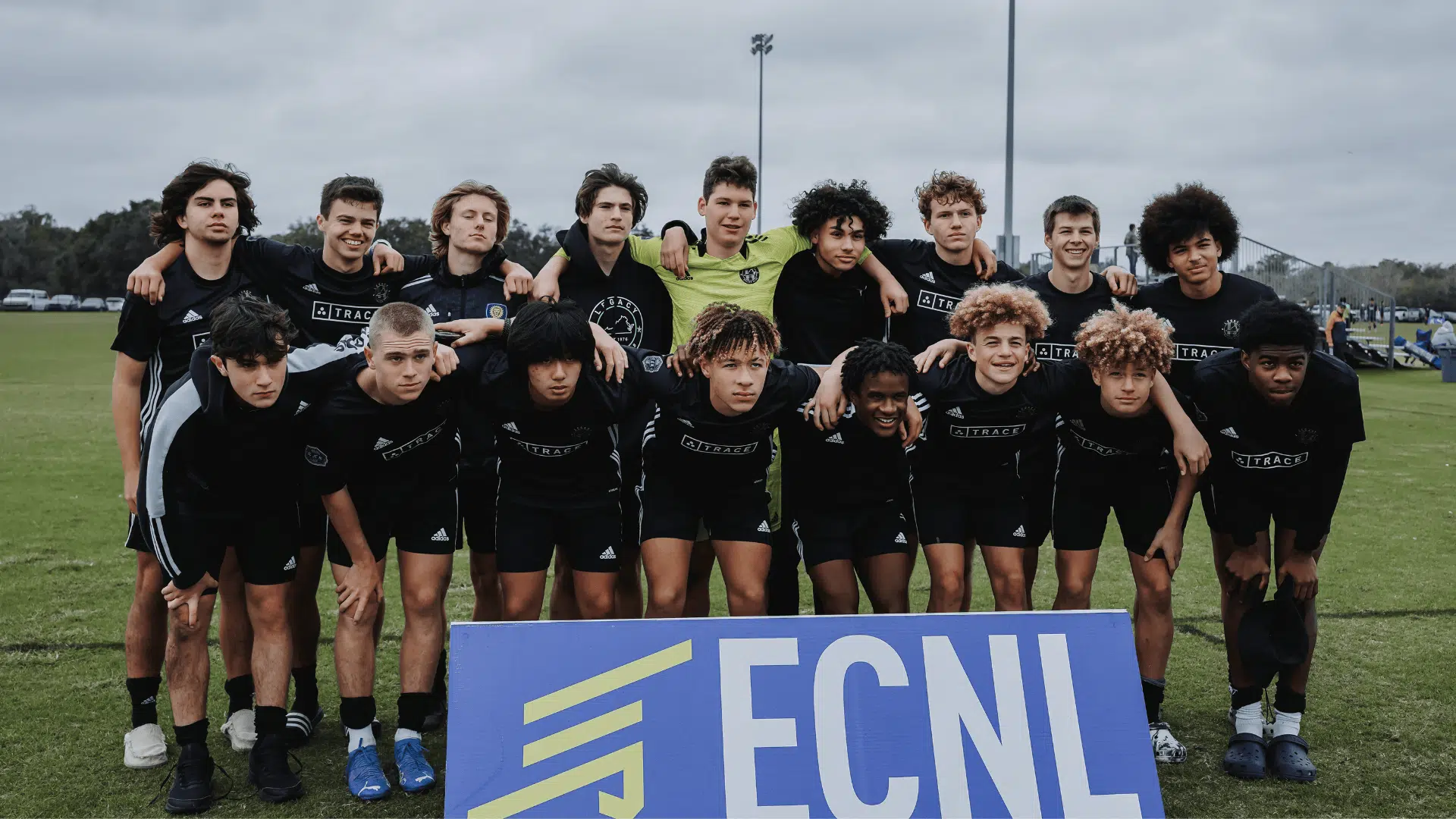
I remember the first time I heard the term ECNL at a soccer game. I saw it on banners and team jackets, and I had no idea what it meant.
If you are in the same spot, you are not alone.
Many parents and young athletes hear this term but do not fully understand it. So what does ECNL stand for in sports, and why does it matter?
In this article, you will learn what ECNL means, how it started, and why it is important in youth soccer.
I will also explain how it affects players, teams, and college chances. By the end, you will have a clear answer and feel more confident when you hear the term ECNL again.
What Does ECNL Stand for?
ECNL stands for Elite Clubs National League. It is a national youth soccer platform created to raise the level of competition and improve player development across the United States.
The league brings top clubs together under one clear structure.
This setup allows teams to compete at a high level through regional conferences and national events during the season. The goal of ECNL is not only to win games.
Its main focus is long-term player growth, strong coaching, and steady competition.
The league sets high standards for clubs, which helps players train and compete in a serious environment.
ECNL also gives athletes better chances to be seen by college coaches. Organized events and trusted clubs help players grow and move ahead in their soccer careers.
Brief History of ECNL
The Elite Clubs National League was founded in 2009 as a girls-only youth soccer league in the United States.
It was created by a group of leading clubs that wanted a higher standard of competition and better organization at the national level.
At the time, many felt the existing system lacked consistency in scheduling, scouting exposure, and overall structure.
ECNL aimed to change that by building a more unified platform. Over time, the league expanded beyond its original focus.
In 2017, ECNL launched a boys division, bringing the same competitive model to male players.
Since then, the league has continued to grow, adding conferences and national events while maintaining its emphasis on structured competition and player development.
ECNL Structure and Competition Format
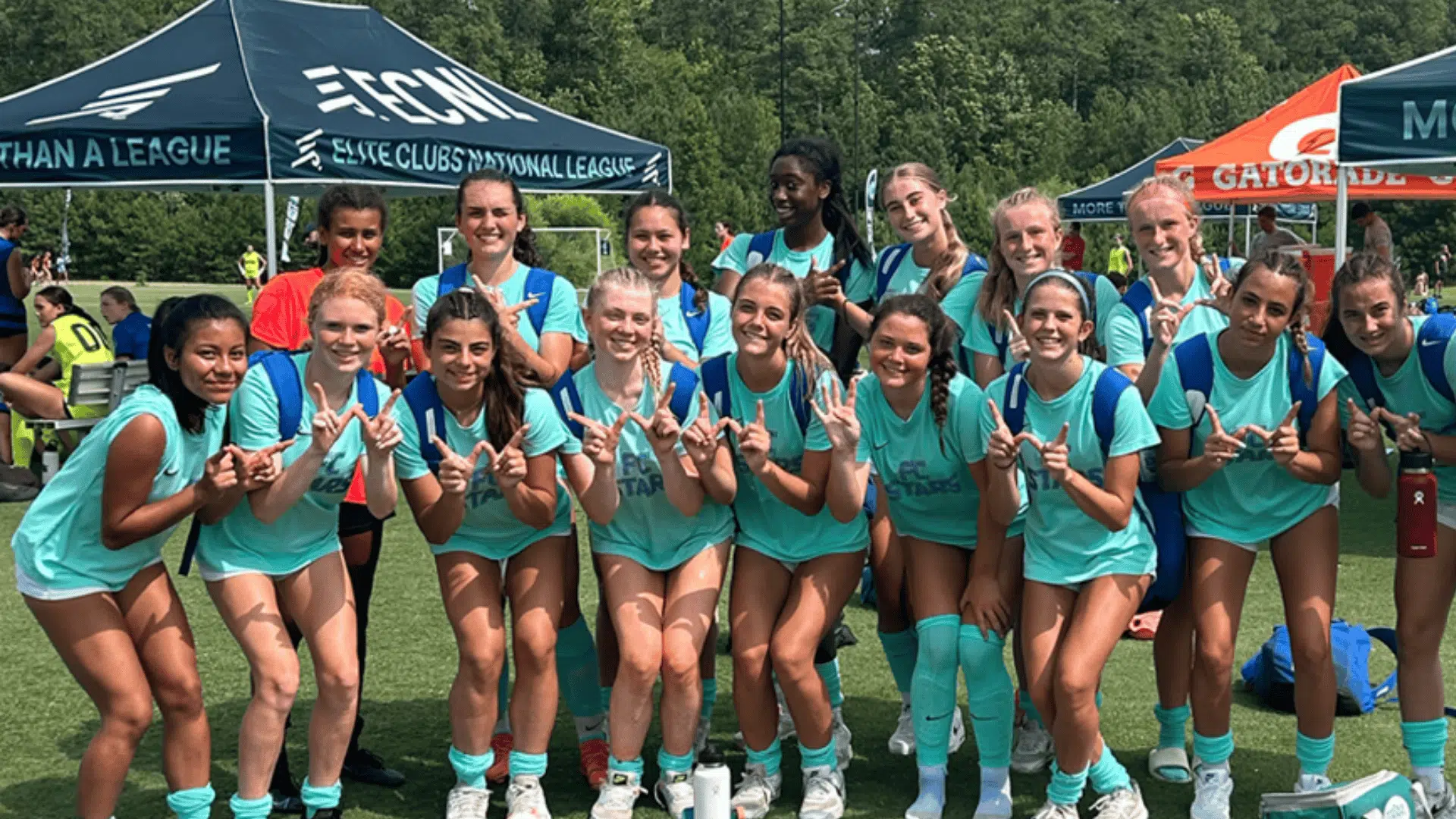
ECNL follows a clear system that helps clubs compete at a high level across the country. Its format focuses on strong regional play and national events.
1. Regional Conference System
ECNL is divided into regional conferences across the United States. Each conference includes top clubs from nearby states.
Teams mainly compete within their conference during the regular season.
This setup reduces long travel while still keeping competition strong. Clubs earn points based on their match results.
The conference system allows players to face other high-level teams often. It also creates consistent scheduling and balanced matchups throughout the season for steady player growth.
2. National Events and Showcases
In addition to conference games, ECNL hosts national events during the season. These events bring together top teams from different regions.
Players compete in front of college coaches who attend to scout talent. National showcases are a key part of the league’s structure.
They give athletes exposure beyond their local area.
These events also raise the level of competition since teams face opponents they would not normally play during regular conference matches.
3. Postseason and National Finals
At the end of the regular season, top teams qualify for postseason play.
This includes playoff rounds and national finals. Teams must perform well in their conferences to earn a spot.
The postseason creates higher stakes and stronger matchups. National finals determine the overall champions in each age group.
This format rewards consistency and performance throughout the year. It also gives players experience in pressure situations similar to high-level tournaments.
ECNL Boys vs ECNL Girls: What’s the Difference?
Both leagues operate under the same national ECNL organization, but were launched at different times.
While the structure is similar, their competitive landscape and development pathways can vary.
| Feature | ECNL Girls | ECNL Boys |
| Launch Year | Founded in 2009 | Launched nationally in 2017 |
| Original Focus | Created to raise standards in girls’ youth soccer | Expanded to provide elite competition for boys |
| Competition Level | One of the top girls’ leagues in the U.S. | Competes alongside MLS NEXT and other top leagues |
| College Exposure | Strong showcase presence with college coaches | High exposure, especially for college recruiting |
| League Structure | Conference-based with national playoffs | Similar conference and playoff structure |
| Pathway Options | College soccer and national team pathways | College, academy, and pro development pathways |
How Does ECNL Work?
ECNL operates through a structured, club-centered system designed for competitive youth soccer. Its format combines regional league play with national events under unified standards.
1. Club-Based League
ECNL functions as a club-based league, meaning players cannot register directly with the organization.
Instead, athletes must try out for a member club that has earned ECNL status.
Once selected, they compete as part of that club’s ECNL team within their age group. This structure ensures consistent coaching oversight and league compliance.
It also keeps competition organized, since clubs manage rosters, training sessions, and match preparation under ECNL policies.
2. Application and Acceptance Process for Clubs
Clubs must go through a formal review process before joining ECNL. The league evaluates factors such as coaching qualifications, facilities, leadership, and long-term development plans.
Acceptance is selective to maintain quality and competitive balance.
Approved clubs agree to follow league scheduling, reporting, and operational standards.
This controlled entry system helps ensure that member organizations meet national expectations. It also protects the overall level of play across all conferences and age divisions.
3. League Matches and National Events
Throughout the season, ECNL teams compete in scheduled conference matches within their region.
These games count toward standings that determine qualification for postseason play.
In addition to regular league matches, teams attend national showcase events. These events bring together clubs from different regions and often attract college coaches.
Combining conference competition with national gatherings provides a consistent match experience while increasing visibility for players.
4. Player Commitment Level
Participation in ECNL requires a significant time commitment from players and families.
Teams typically train several times per week and travel for league matches and national events. The schedule is more demanding than many local programs.
Players are expected to maintain attendance, preparation, and competitive focus throughout the season.
Because of this structure, ECNL often attracts athletes aiming for college soccer or advanced development pathways within the sport.
Who Can Join ECNL Teams: Eligibility and Tryouts
To join an ECNL team, a player must be part of a club that is officially accepted into the league. ECNL is club-based, which means players cannot sign up directly with the league.
Instead, they attend tryouts hosted by ECNL member clubs. Most clubs hold tryouts once a year before the new season starts.
Coaches look at skill, decision making, effort, and attitude on and off the field.
Players must also meet the correct birth year age group. Commitment matters too.
ECNL teams train several times a week and travel for league games and national events. Families should understand the time and cost involved.
Some players may be invited after being scouted, but most earn their spot through open tryouts.
How ECNL Impacts College Recruiting?
ECNL plays a significant role in college recruiting by placing players in competitive, highly visible environments.
The league’s structure creates regular opportunities for athletes to be evaluated by college programs.
1. Showcase Events and Coach Attendance
One major recruiting advantage of ECNL is its national showcase events. These events bring together top teams from different regions, creating strong competition.
College coaches frequently attend to evaluate multiple players in one setting.
Matches are scheduled and organized to maximize visibility. Because ECNL maintains national standards, recruiters trust the level of play.
This consistent exposure increases opportunities for athletes seeking to continue their careers at the college level.
2. Competitive Environment and Exposure
Beyond showcases, ECNL’s regular season competition also supports recruiting. Players compete against strong opponents throughout the year, helping them develop under pressure.
Consistent high-level matches allow coaches to assess performance across different situations.
Clubs also assist with player profiles, communication, and recruiting guidance.
While participation does not guarantee scholarships, the league provides structured exposure and competition that many college programs value during the evaluation process.
ECNL vs Other Youth Soccer Leagues
Youth soccer in the United States includes several national platforms with different goals and structures. Understanding how ECNL compares can help families choose the right competitive environment.
| Feature | ECNL | MLS NEXT | Girls Academy (GA) | USYS National League |
| Founded | 2009 (Girls), 2017 (Boys) | 2020 | 2020 | 2007 |
| Gender Divisions | Boys & Girls | Boys only | Girls only | Boys & Girls |
| League Model | Club-based national league | MLS academy-focused league | Club-based girls league | Tiered national competition |
| Competition Level | Elite national platform | Top boys development pathway | High-level girls competition | Competitive national play |
| College Exposure | Strong showcase system | Strong exposure, some pro focus | Strong college exposure | Good exposure through events |
| Pro Pathway | Limited direct pro pathway | Direct MLS academy pathway | Primarily a college pathway | Primarily a college pathway |
| Structure | Regional conferences + playoffs | Regional divisions + national events | Regional conferences + playoffs | Regional play + national stages |
Is ECNL Worth It for Young Players?
This path offers serious training and steady competition. Families should weigh the benefits and the demands before deciding.
- High-Level Competition: Players face strong teams every week. This pushes them to improve faster and adjust to tougher game situations.
- College Exposure: ECNL events attract many college coaches. Players get real chances to be seen and recruited.
- Strong Coaching Standards: Clubs must meet league standards. This often means licensed coaches and structured training plans.
- Time Commitment: Teams train several days a week and travel often. Players must balance school, rest, and soccer.
- Financial Cost: Fees can be higher than those of local leagues. Travel, uniforms, and event costs add up over time.
- Player Development Focus: The league supports long-term growth, not just winning games. This helps serious players prepare for the next level.
Conclusion
At the end of the day, ECNL is more than four letters on a jersey. Now that you know what ECNL stands for and how the league actually works, you’re in a better spot to decide if it makes sense for your player.
For some families, the competition level and college exposure are exactly what they’re looking for.
For others, the time and travel commitment may not line up with their goals. And that’s okay.
From covering youth systems and player pathways over the years, I’ve learned there’s no one-size-fits-all answer. It really comes down to fit.
If your family has experience with ECNL, good, challenging, or somewhere in between, I’d like to hear about it.
Drop your thoughts in the comments below. Your perspective might help someone else make a more informed decision.