
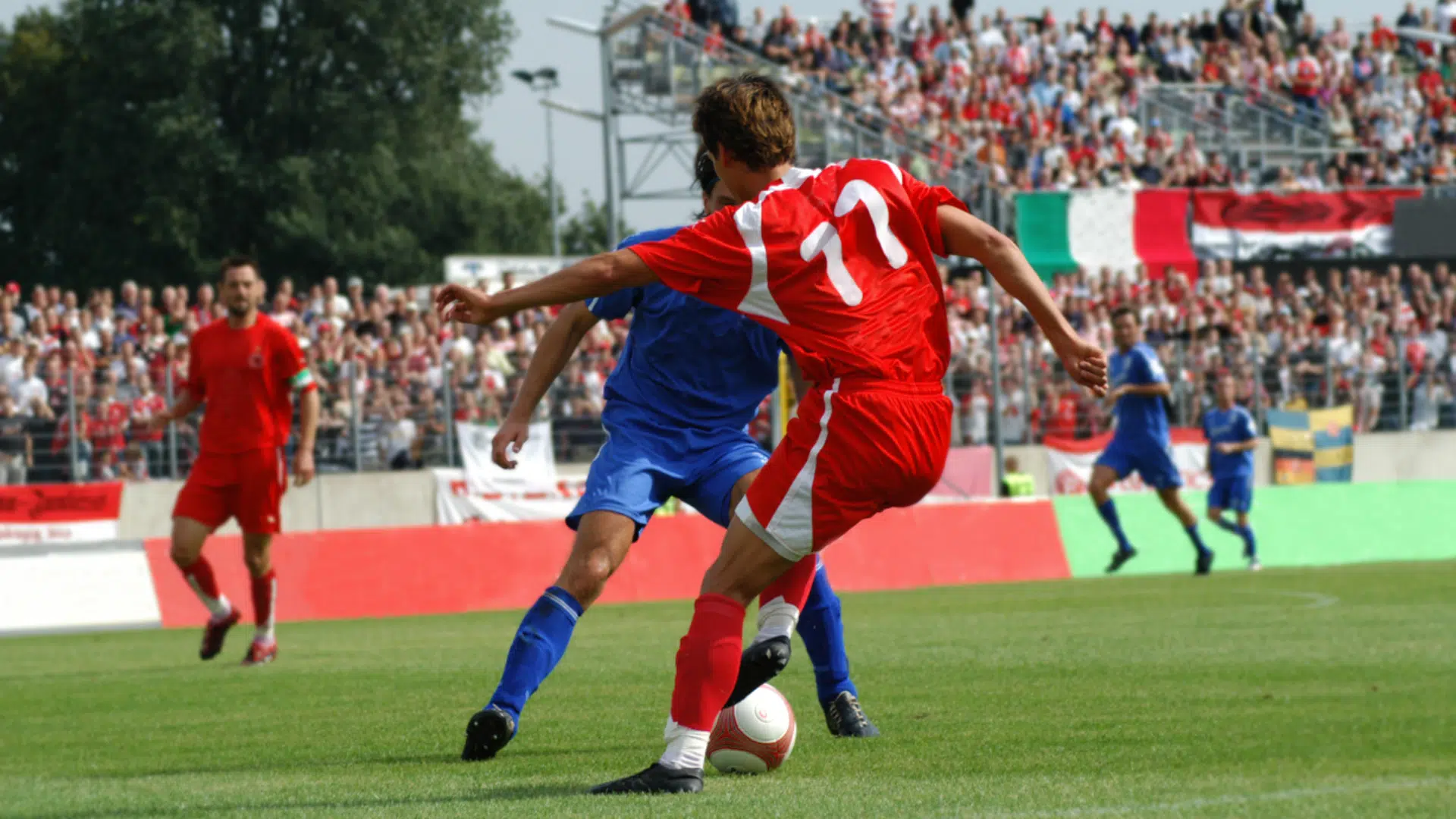
When I first started watching soccer, I kept hearing commentators mention CDM, and I had no idea what they meant.
I knew it was a position, but I did not understand its real purpose on the field. If you have asked yourself the same question, you are in the right place.
In this article, I will share what CDM means in soccer and why this role is so important to a team’s success.
You will learn what a central defensive midfielder does, where they play, and the key skills they need.
I will also break down how this position supports both defense and attack. By the end, you will clearly understand the role and be able to spot a strong CDM during any match you watch.
What Does CDM Mean in Soccer?
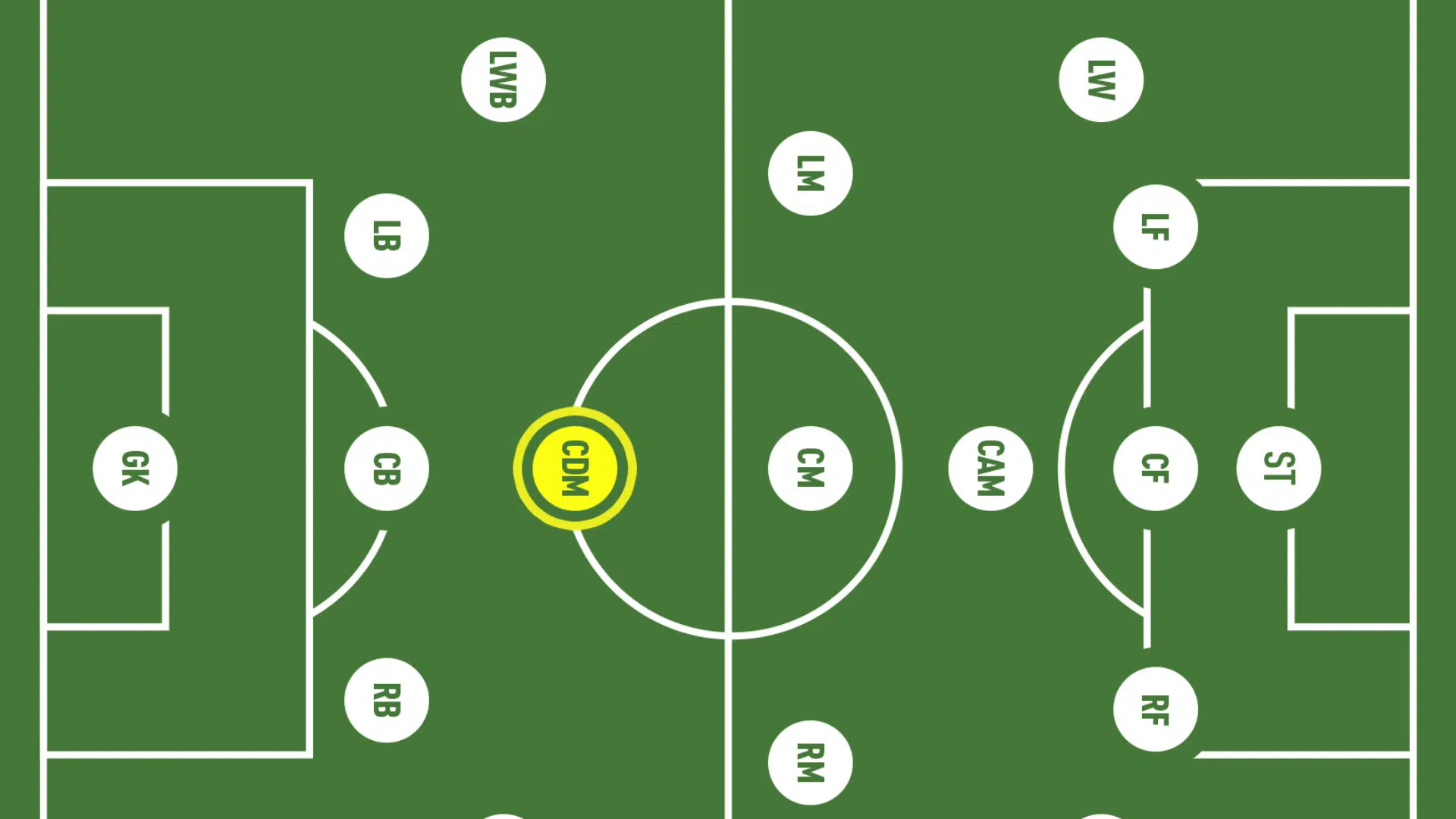
CDM stands for Central Defensive Midfielder, a key role in the center of the field. This player lines up just in front of the defenders and helps protect the back line from pressure.
While strikers focus on scoring and defenders focus on blocking shots, the CDM works in between them to keep the team balanced.
They help control the middle of the field and make it harder for the other team to build attacks there.
A Central Defensive Midfielder acts as a shield and a link at the same time. They break up plays by tackling, intercepting passes, and reading the game early.
Once they win the ball, they quickly look for safe, smart passes to start a counterattack or maintain possession.
Strong positioning, good awareness, and calm decision-making are key traits for this role.
Even without scoring goals, a CDM often has a huge impact on how steady and organized the team looks during the match.
Tactical Roles of a CDM in Different Formations
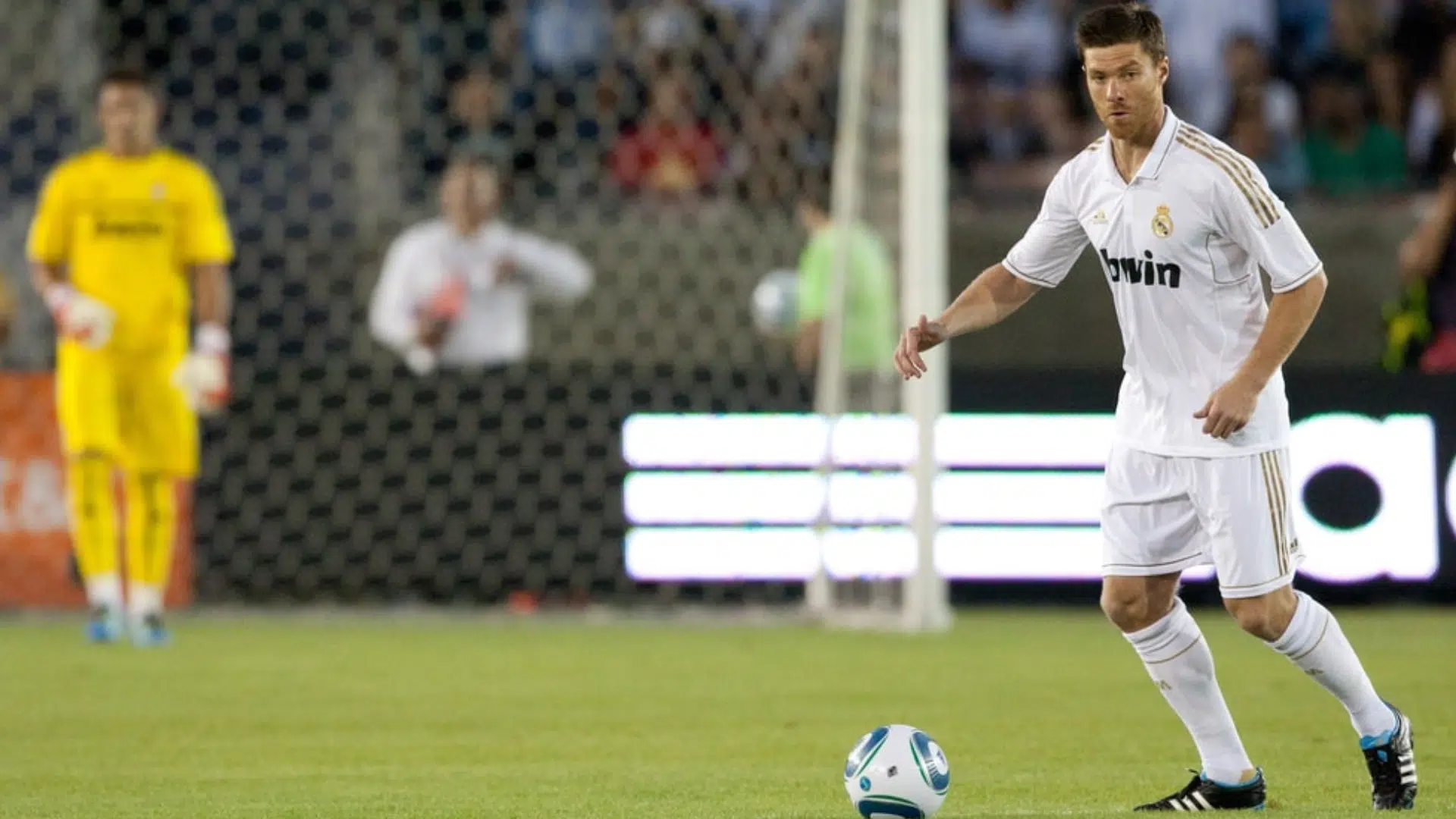
A CDM’s role can shift depending on the team’s setup. Their positioning and responsibilities adjust based on tactical needs.
- 4-3-3 (Single Pivot): The CDM plays alone in front of the defense. They protect the back line, control tempo, and connect defense with midfield.
- 4-2-3-1 (Double Pivot): Two deeper midfielders share duties. One may focus on defense while the other helps more in build-up play.
- 4-1-4-1: The CDM sits behind four midfielders and acts as the main shield. They break up attacks and recycle possession quickly.
- 3-5-2: The CDM supports three center backs and covers central space. They help balance the team when wing-backs push forward.
Key Responsibilities of a CDM in the Field
A CDM has clear duties that keep the team stable and organized. These responsibilities focus on defense, control, and smart ball movement.
1. Shield the Back Line
One of the main jobs of a CDM is to protect the defenders. They stay in front of the center backs and block passing lanes into dangerous areas.
When opponents attack, the CDM steps in to break up plays before they reach the penalty box.
This role requires smart positioning and strong awareness. A good CDM reads the game early and reacts quickly.
By staying disciplined and holding their ground, they reduce pressure on defenders and help the team stay organized under attack.
2. Break up Opposition Attacks
A CDM must stop attacks before they become real threats. They do this by making clean tackles, intercepting passes, and pressuring opponents on the ball.
Timing is very important because poor challenges can lead to fouls in dangerous areas.
Strong CDMs stay calm and choose the right moment to step in. They also track runners from midfield and prevent quick counterattacks.
By disrupting rhythm and winning back possession, they shift momentum in their team’s favor and help control the flow of the game.
3. Distribute the Ball Effectively
After winning the ball, a CDM must pass it wisely. Simple and accurate passes keep the team moving forward. Sometimes they play short passes to nearby midfielders, and other times they switch play to wide areas.
Good distribution helps the team stay balanced and avoid losing possession.
A CDM does not always need flashy passes.
Instead, they focus on smart decisions and steady control. By choosing the right option under pressure, they help build attacks and maintain structure in midfield.
4. Maintain Team Shape and Balance
A CDM keeps the team balanced during both attack and defense. When fullbacks push forward, the CDM often drops deeper to cover open space.
They adjust their position based on where the ball moves.
This flexibility keeps the midfield connected and prevents gaps between lines. Strong communication also plays a role, as the CDM guides teammates and organizes pressing movements.
By staying aware of space and positioning, they ensure the team remains compact, disciplined, and ready to respond quickly.
Key Traits of a Great Central Defensive Midfielder
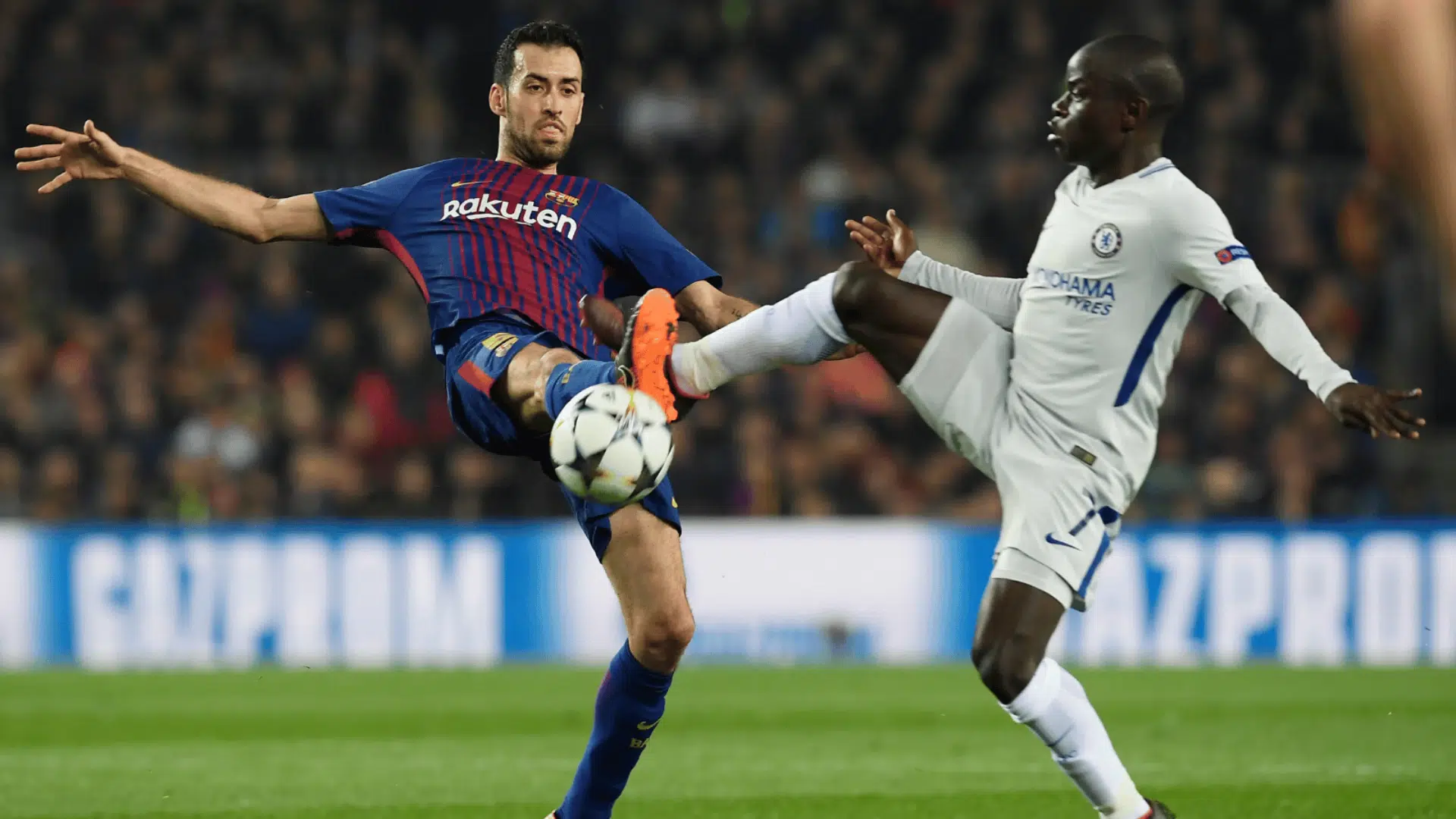
A strong CDM needs the right mix of defensive skill and smart thinking. These traits help them control the midfield and keep the team balanced.
- Strong Positioning: A CDM must stay in the right place at the right time. Good positioning helps block passing lanes and protect the space in front of the defenders.
- Game Awareness: Reading the game early allows a CDM to react quickly. They must understand where the ball is going and adjust before danger builds.
- Tackling Ability: Clean and well-timed tackles are essential. A good CDM wins the ball without giving away unnecessary fouls.
- Interception Skills: Cutting off passes in midfield stops attacks before they reach the defensive line.
- Passing Accuracy: After winning the ball, a CDM needs sharp passing skills to keep possession and start attacks.
- Composure Under Pressure: Staying calm when pressed by opponents helps avoid mistakes and maintain control.
- Communication Skills: Clear communication keeps the defense organized and ensures teammates stay aware of threats.
Modern vs Traditional CDM
The CDM role has evolved as the game has become faster and more tactical. Today’s CDM often does more with the ball the a traditional defensive midfielder.
| Aspect | Traditional CDM | Modern CDM |
| Main Focus | Focused mostly on defending and breaking up attacks. | Balances defense with strong involvement in build-up play. |
| Playing Style | Physical, tough tackler, stays deep in front of defenders. | More technical, comfortable on the ball, and moves across midfield. |
| Passing Role | Simple, short passes to nearby teammates. | Wide passing range, including long switches and forward passes. |
| Positioning | Rarely moves far from the defensive zone. | May step higher up the field to support attacks. |
| Game Impact | Acts mainly as a defensive shield. | Controls tempo and often starts attacking moves. |
| Example Type | “Destroyer” style midfielder. | Deep-lying playmaker or box-to-box hybrid. |
Types of Central Defensive Midfielders
Not every CDM plays the same way on the field. Some focus more on defense, while others help control play and build attacks.
- The Destroyer: A physical midfielder who focuses on winning the ball back. They make strong tackles, press opponents, and stay deep to protect the defense.
- The Deep-Lying Playmaker: A calm and technical CDM who controls tempo from deep areas. They use smart positioning and accurate passing to start attacks.
- The Anchor Man: A disciplined player who holds a position in front of the defense. They block passing lanes and maintain team shape.
- The Hybrid or Box-to-Box CDM: A dynamic midfielder who supports both defense and attack. They win the ball and move forward to help build plays.
Famous Examples of CDMs
Sergio Busquets is known for his smart positioning and calm control on the ball. He reads the game early and keeps play simple, which helps his team stay organized.
N’Golo Kanté stands out for his energy and ability to win the ball back quickly.
His speed and work rate allow him to cover large areas of the field and consistently break up attacks.
Rodri represents the modern CDM, combining strong defensive skills with excellent passing range. He controls the tempo and helps build attacks from deep areas.
Casemiro is known for his physical strength and tough tackling, making him reliable in big matches.
Claude Makélélé is often seen as the classic defensive midfielder, focusing mainly on protecting the defense and stopping opposition plays before they become dangerous.
Tips to Improve as a CDM
Becoming a strong CDM takes practice, awareness, and discipline. These tips can help you develop the skills needed to control the midfield.
- Improve Positioning: Stay aware of the space between defenders and midfielders. Always check your surroundings so you can cut passing lanes and react early to danger.
- Work on Tackling Timing: Do not rush into challenges. Stay patient, watch the ball, and step in at the right moment to win clean possession.
- Build Passing Accuracy: Practice short and long passes under pressure. Quick, simple distribution keeps your team calm and in control.
- Strengthen Communication: Talk to defenders and midfielders during the game. Clear instructions help maintain shape and prevent confusion.
- Increase Stamina and Fitness: A CDM covers large areas of the pitch. Strong endurance helps you track runners and stay sharp until the final whistle.
Conclusion
The CDM position is one of the most important roles in soccer, even if it does not always get the most attention.
A Central Defensive Midfielder protects the defense, breaks up attacks, and keeps the team balanced in the middle of the field.
They make it harder for opponents to attack through the center and create chances. Without a strong CDM, even skilled players can lose shape.
A great CDM combines strong positioning, smart tackling, sharp awareness, and accurate passing.
They must stay calm under pressure and make quick decisions that help the team keep control.
They may not score often, but they shape every part of the game. When a CDM plays well, the team looks stable, confident, and well-connected from defense to attack.
Frequently Asked Questions
Can a CDM Score Goals in Soccer?
Yes, a CDM can score goals, but it is not their main job. They usually stay deeper on the field, but they can score from long shots, set pieces, or late runs into the penalty area.
Is a CDM the Same as a Defensive Midfielder?
CDM is a specific type of defensive midfielder who plays in the center of the field. While all CDMs are defensive midfielders, not all defensive midfielders play strictly in the central role.
What Formation Uses a CDM Most Often?
Formations like 4-2-3-1, 4-3-3, and 4-1-4-1 often include a CDM. In these setups, the CDM helps protect the defense and maintain balance in midfield.
Can a CDM Become a Team Captain?
Yes, many CDMs become captains because they see the whole field clearly. Their role requires communication, leadership, and strong decision-making during matches.