

Ever wonder what makes an athletic body type different from other body types? If you’re naturally muscular, lean and quick, or built for power, understanding your body can help you train smarter and dress better.
This guide breaks down everything you need to know about athletic builds. You’ll learn about the three main athletic body types and what makes each one unique.
We’ll cover which sports match different builds, plus innovative training and nutrition tips for your specific frame.
Then, we’ll go into fashion advice, showing you exactly what styles work best for athletic bodies, whether you’re a woman or a man.
By the end, you’ll know how to make the most of your natural strengths.
What Is an Athletic Body Type?
People with athletic bodies usually share a few characteristics:
- Broad or well-defined shoulders
- Firm, visible muscles even without flexing
- Lower-to-moderate body fat percentage
- Natural strength and power in physical activities
- Quick response to training (muscles grow faster than in some other body types)
How Athletic Bodies Fit Into the “Somatotype” System
You might have heard of three main body types: ectomorph, mesomorph, and endomorph. Athletic builds typically lean mesomorph, but here’s what’s important to know:
Most people are a blend. You’re not locked into one category. Plus, your lifestyle and training can shift how you look over months and years.
A runner who starts lifting weights will develop differently from someone who only does yoga.
The 3 Athletic Body Types
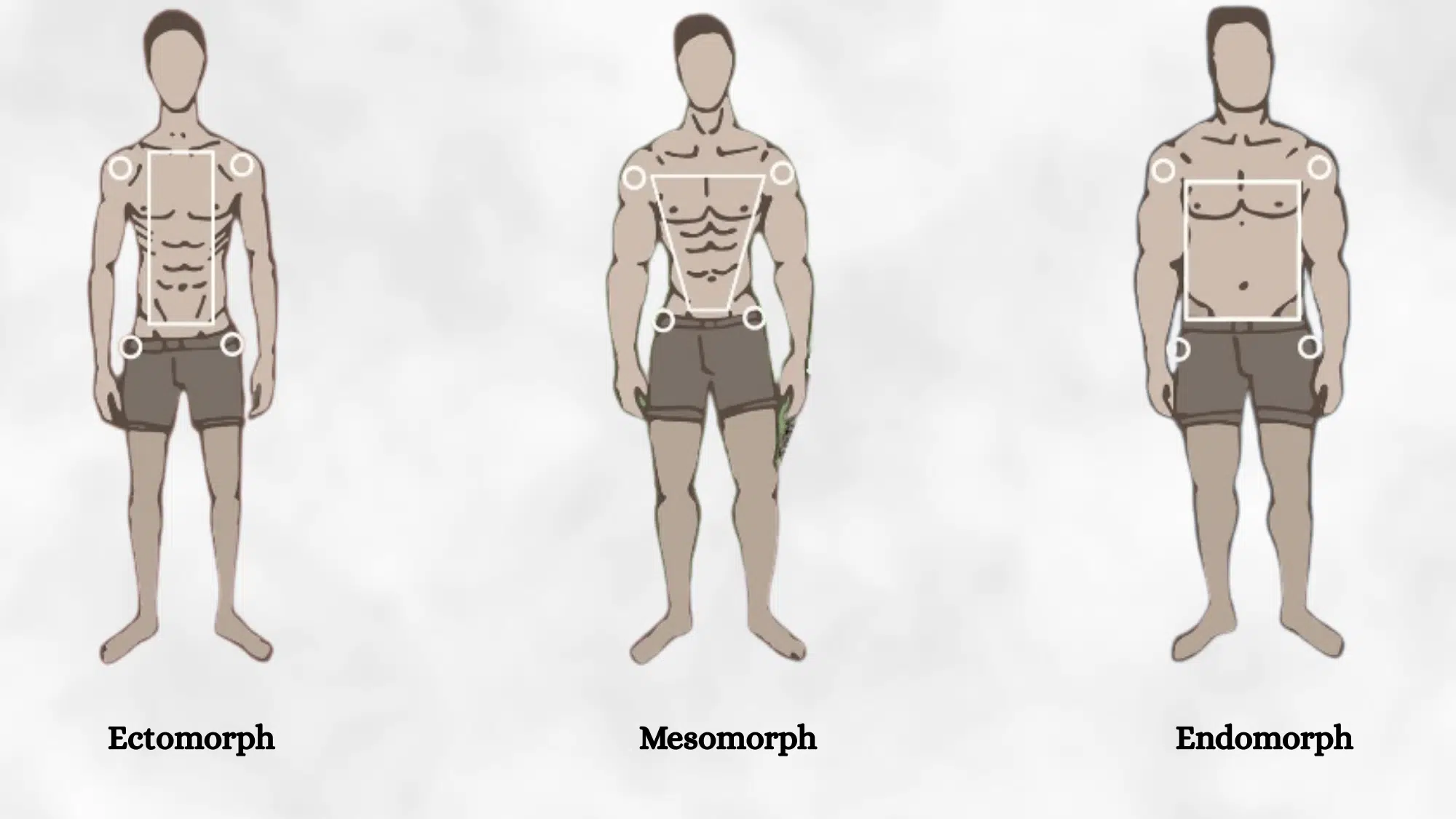
1. Ectomorph-Leaning Athletes (Long + Lean)
What They’re Good At: Endurance sports love these frames. Lighter bodies mean less weight to carry over long distances, which helps in marathons, distance cycling, and swimming.
The Challenge: Building muscle and gaining weight takes serious effort and consistency.
Training focus:
- Stick to compound lifts (squats, deadlifts, bench press)
- Use progressive overload (gradually lift heavier)
- Skip the extra cardio if muscle gain is your goal
- Get enough rest between workouts
Nutrition Approach: Eat consistently throughout the day. Focus on protein, complex carbs (brown rice, oats, sweet potatoes), and don’t be afraid of healthy fats.
2. Mesomorph-Leaning Athletes (The Natural Athlete)
What They’re Good At: Power, speed, and building muscle come naturally. These are the people who see results fast when they start training.
The Challenge: It’s easy to overtrain because early progress feels effortless. Injuries can sneak up when you push too hard without proper recovery.
Training Focus:
- Balance strength work with conditioning
- Include athletic movements (sprints, jumps, throws)
- Don’t skip mobility and stretching
- Plan rest weeks to avoid burnout
Nutrition Approach: Keep macros balanced. Avoid extreme bulking or cutting phases unless you have a specific athletic goal.
3. Endomorph-Leaning Athletes (Stocky + Strong)
What They’re Good At: Raw strength and power. Contact sports, powerlifting, and activities that need solid mass are perfect matches. Muscle builds easily.
The Challenge: Staying lean requires more attention to diet. Recovery can take longer after intense training.
Training Focus:
- Use full-body workout programs
- Add HIIT (high-intensity interval training) alongside lifting
- Keep workouts varied to avoid plateaus
- Prioritize conditioning to support overall fitness
Nutrition Approach: Protein should lead your plate. Time your carbs around workouts. Consistency beats perfection here.
Body Type for Sport Selection
Let’s break down which sports tend to favor specific builds:
| Sport | Typical Advantage | Why It Helps |
|---|---|---|
| Swimming | Longer limbs, broad shoulders | More propulsion per stroke, better reach |
| Rowing | Long limbs, strong torso | More leverage on the oar, sustained power output |
| Gymnastics | Shorter, compact build | Easier rotation, better strength-to-weight ratio |
| Basketball | Taller frame, long reach | Shooting, blocking, and rebounding advantages |
Position Matters More Than You Think
Even within one sport, different positions favor different builds. Think about basketball: point guards are often quicker and lighter, while centers are taller and heavier.
In football, wide receivers look nothing like offensive linemen. In soccer, strikers and goalies have completely different body compositions.
The lesson: Don’t rule yourself out of a sport based on body type alone. Find the position or role that matches your strengths.
How to Dress an Athletic Body Shape (Women)
First, identify which subtype you are:
| Shape | Description | Key Feature |
|---|---|---|
| Inverted Triangle | Shoulders noticeably broader than hips | Top-heavy appearance |
| Rectangle | Shoulders, waist, and hips of similar width | Straight up and down |
| Athletic Hourglass | Defined waist with strong shoulders and hips | Balanced but muscular |
1. Best Tops for Athletic Frames

V-necks and scoop necks help stretch the neckline and make broad shoulders look softer. Wrap tops and peplum shapes bring focus to the waist so your frame feels more curved.
Pick fabrics with gentle drape because stiff, boxy knits can add width. Raglan or dropped shoulders also reduce the “straight across” shoulder line. Avoid harsh high necks.
- Wrap blouse + high-rise straight jeans
- Scoop-neck rib tee + peplum cardigan
2. Best Bottoms to Add Balance
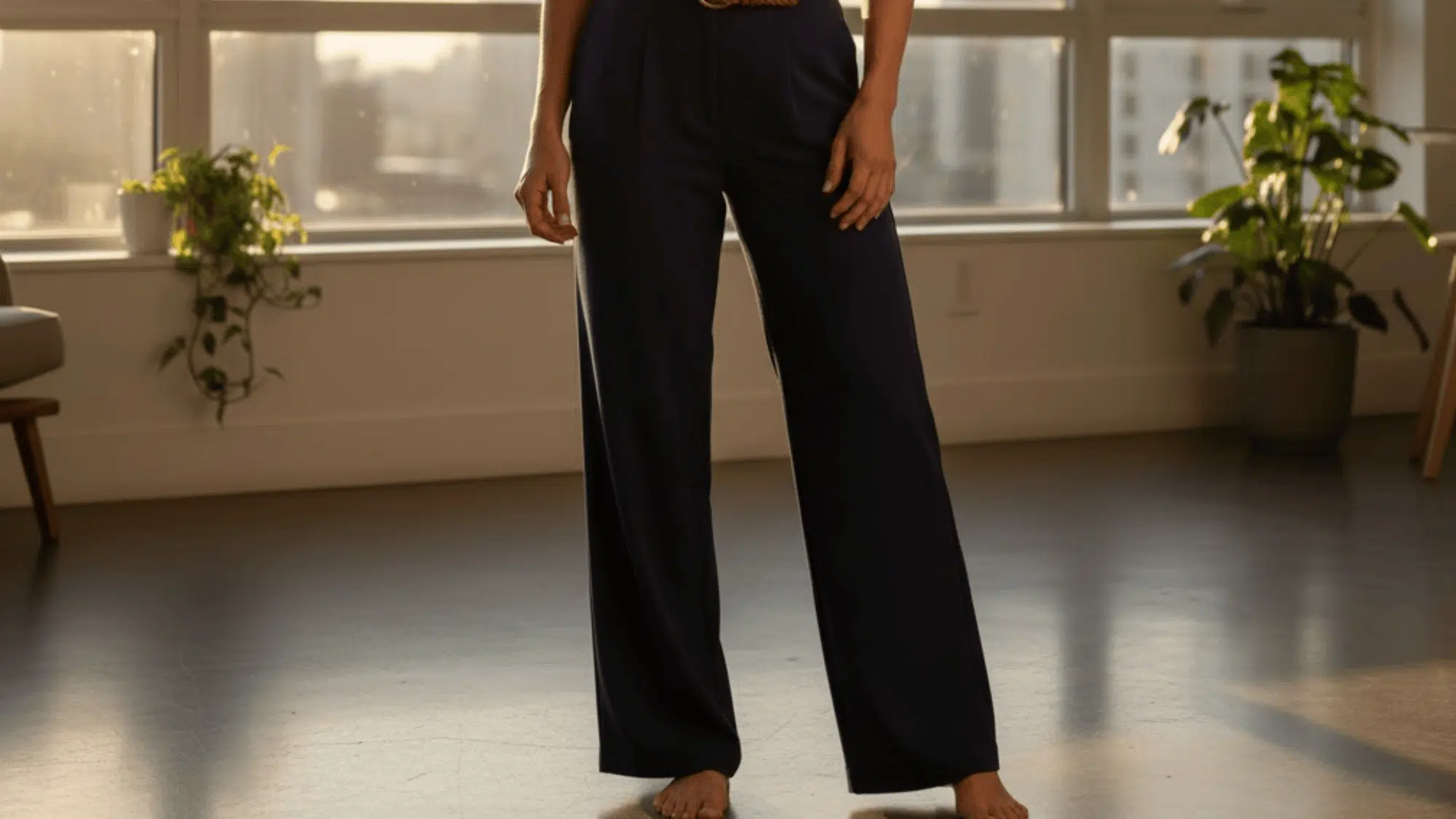
With an athletic frame, bottoms can help “build” a curve through the hips and improve top-to-bottom balance. High-waisted fits define the waist and help shape the midsection.
A-line skirts, pleats, and wide-leg pants add volume where you want it. Lighter colors, prints, or textures on the bottom pull attention downward nicely.
- High-waist wide-leg trousers + fitted tank
- Pleated A-line midi skirt + simple V-neck top
3. Dresses that Flatter Athletic Bodies

Dresses look amazing on athletic shapes when they create a clear waist and add movement through the skirt. Wrap dresses and belted shirt dresses give instant definition without clinging.
Fit-and-flare styles add volume at the hips for balance. Bias-cut midis skim smoothly, giving soft lines that follow your body rather than fight it.
- Wrap midi dress + block-heel sandals
- Fit-and-flare dress + cropped denim jacket
4. Jacket + Outerwear Rules
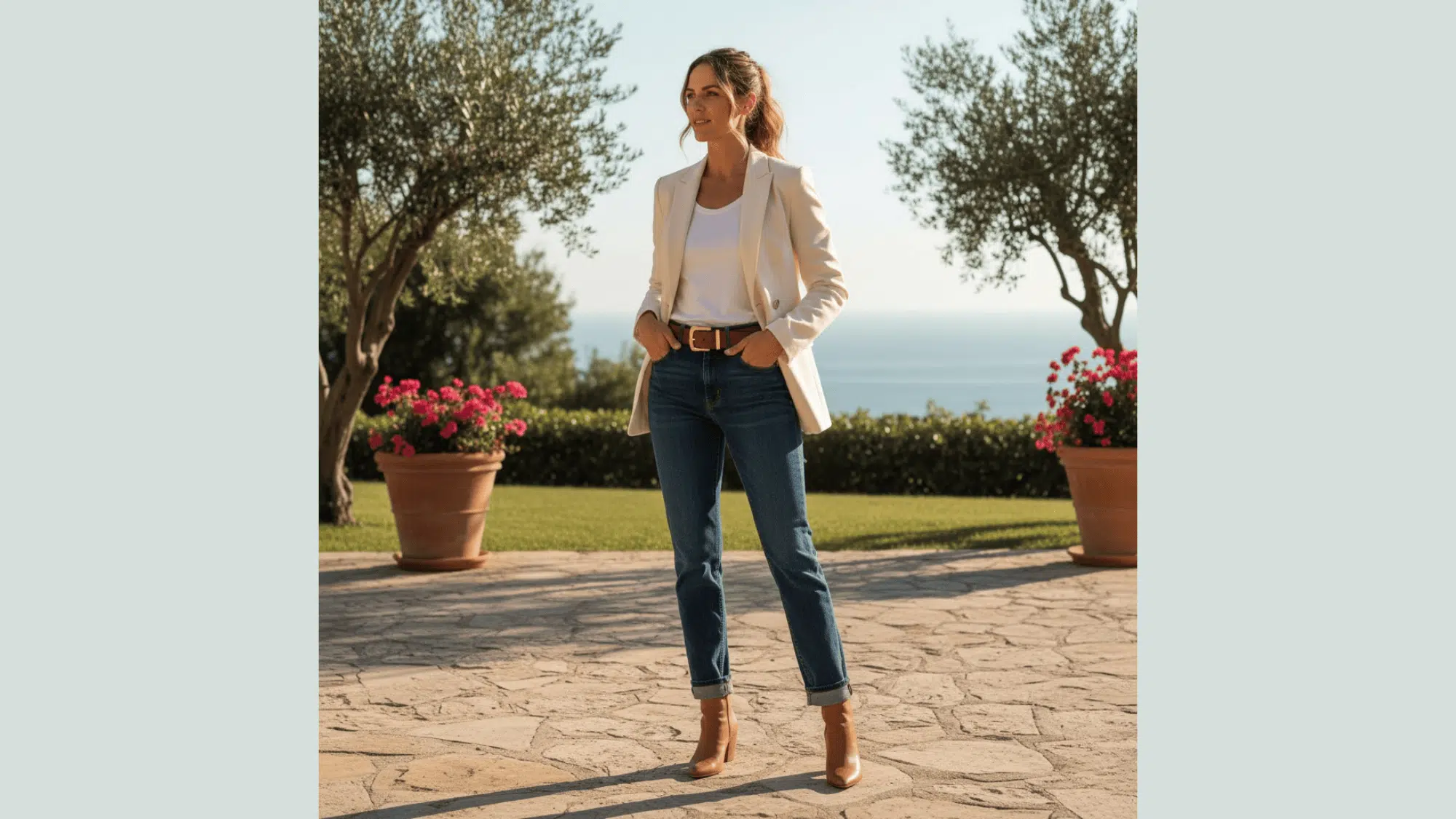
Outerwear should shape your torso without turning your look into a rectangle. Single-breasted jackets usually sit cleaner than double-breasted styles, which can add width.
Choose blazers that feel structured but not stiff, and use belts to mark the waist. Hip-length cuts often balance proportions better than cropped jackets, which can visually shorten the torso.
- Single-breasted blazer + belt + straight jeans
- Hip-length trench coat + wrap dress
How to Dress an Athletic Body Type (Men)
Athletic builds already have a strong V-taper, so the key is keeping clothes close to the body without pulling or looking painted on.
1. Tees, Shirts, and Knits
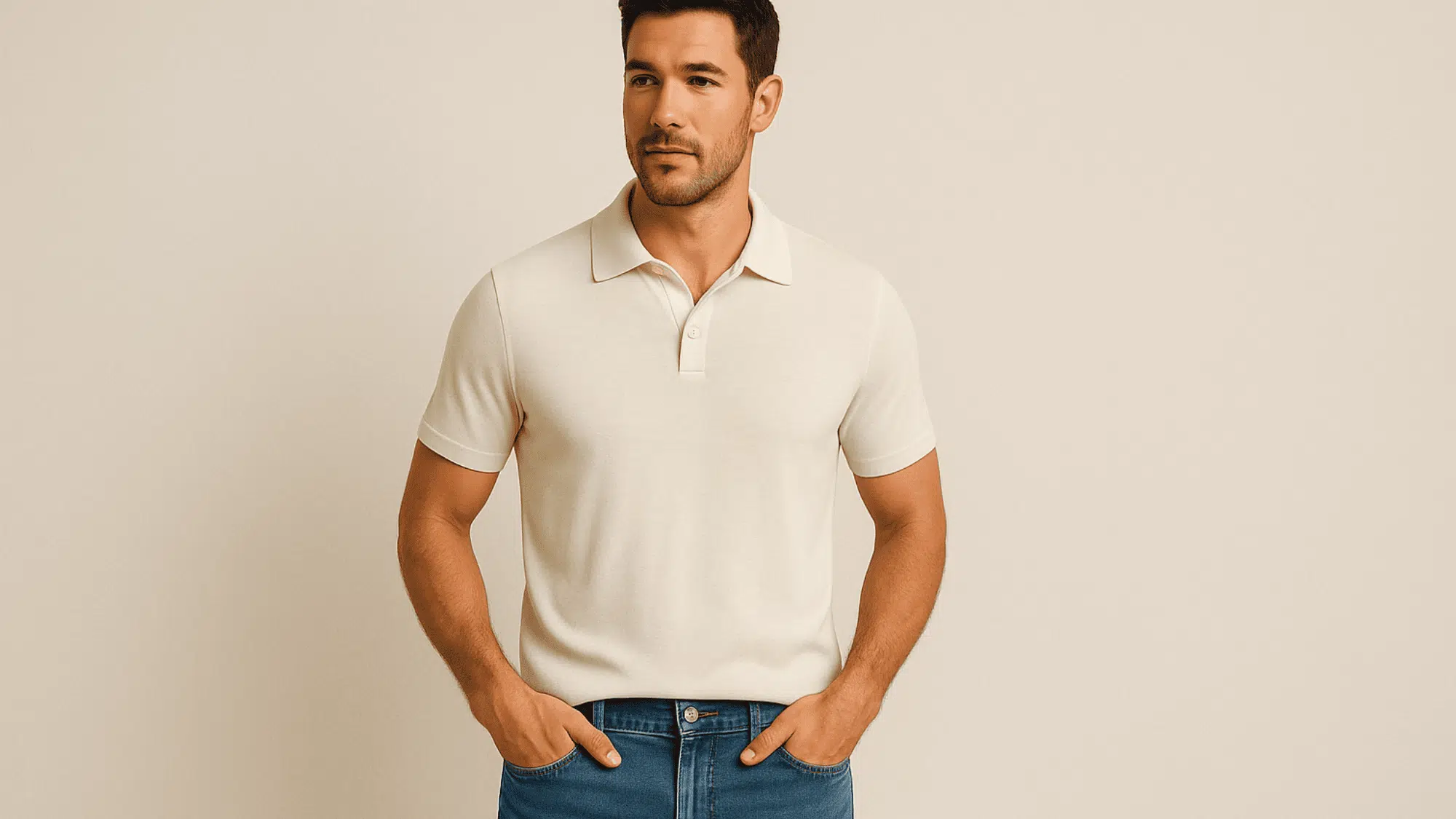
Go for athletic or slim fits that outline your shoulders and chest while leaving comfort in the arms. V-necks and Henleys create vertical space, making the torso look longer and cleaner.
Open-collar shirts also flatter the neck more than tight crew necks. Skip overly loose tees that hide shape or ultra-tight tops that look strained.
- V-neck tee + tapered chinos
- Lightweight knit polo + slim-straight jeans
2. Pants and Denim
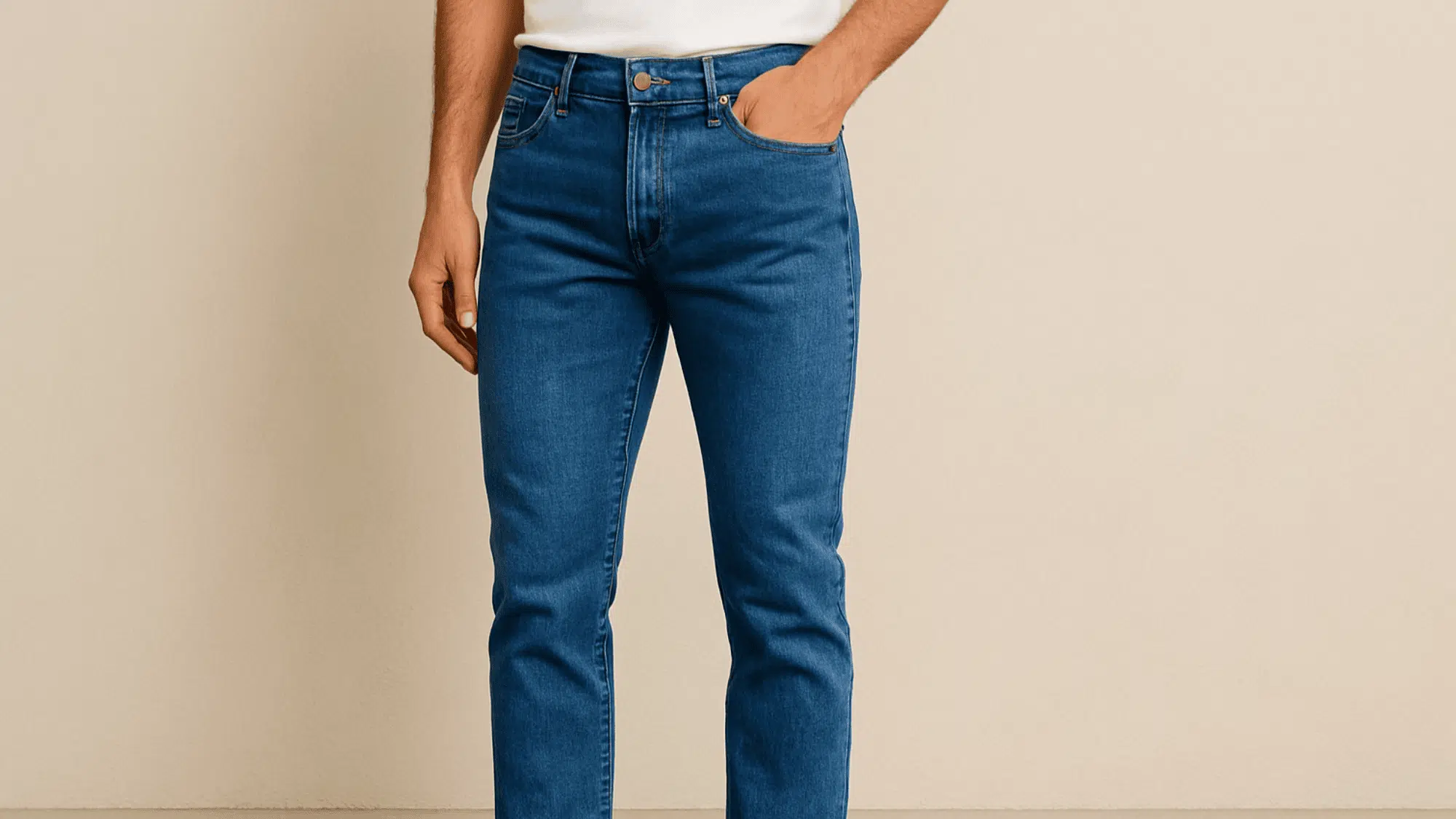
For athletic legs, pants should follow your shape but still move easily through the thighs and glutes. Tapered fits create a sharp line from hip to ankle without clinging.
Mid-rise often sits best on athletic hips. If skinny jeans fight your thighs, switch to slim-straight or straight fits for a modern look with breathing room.
- Slim-straight jeans + fitted crew tee
- Tapered chinos + button-down shirt
3. Layering for Proportion

Layering adds depth to an athletic frame when it’s light and structured, not bulky. Overshirts, bombers, and clean jackets add dimension while keeping your V-shape visible.
The trick is a fitted base layer with a slightly roomier top layer, so the waist still looks neat. Avoid heavy, stiff fabrics.
- Overshirt + fitted tee + tapered jeans
- Light bomber + Henley + chinos
Final Thoughts
Your athletic body type isn’t something to work around; it’s your most significant advantage.
Now you know how to train in ways that match your natural build, eat for your goals, and dress to show off your hard-earned physique. Remember, no body type is better than another.
Each one comes with its own superpowers when you learn how to use them right.
The real secret? Consistency beats perfection every time. If you’re adding muscle, improving performance, or just feeling more confident in your clothes, small wise choices add up fast. Your body already has what it takes.
Ready to level up? Start applying one tip from this guide today and watch how quickly things change.