
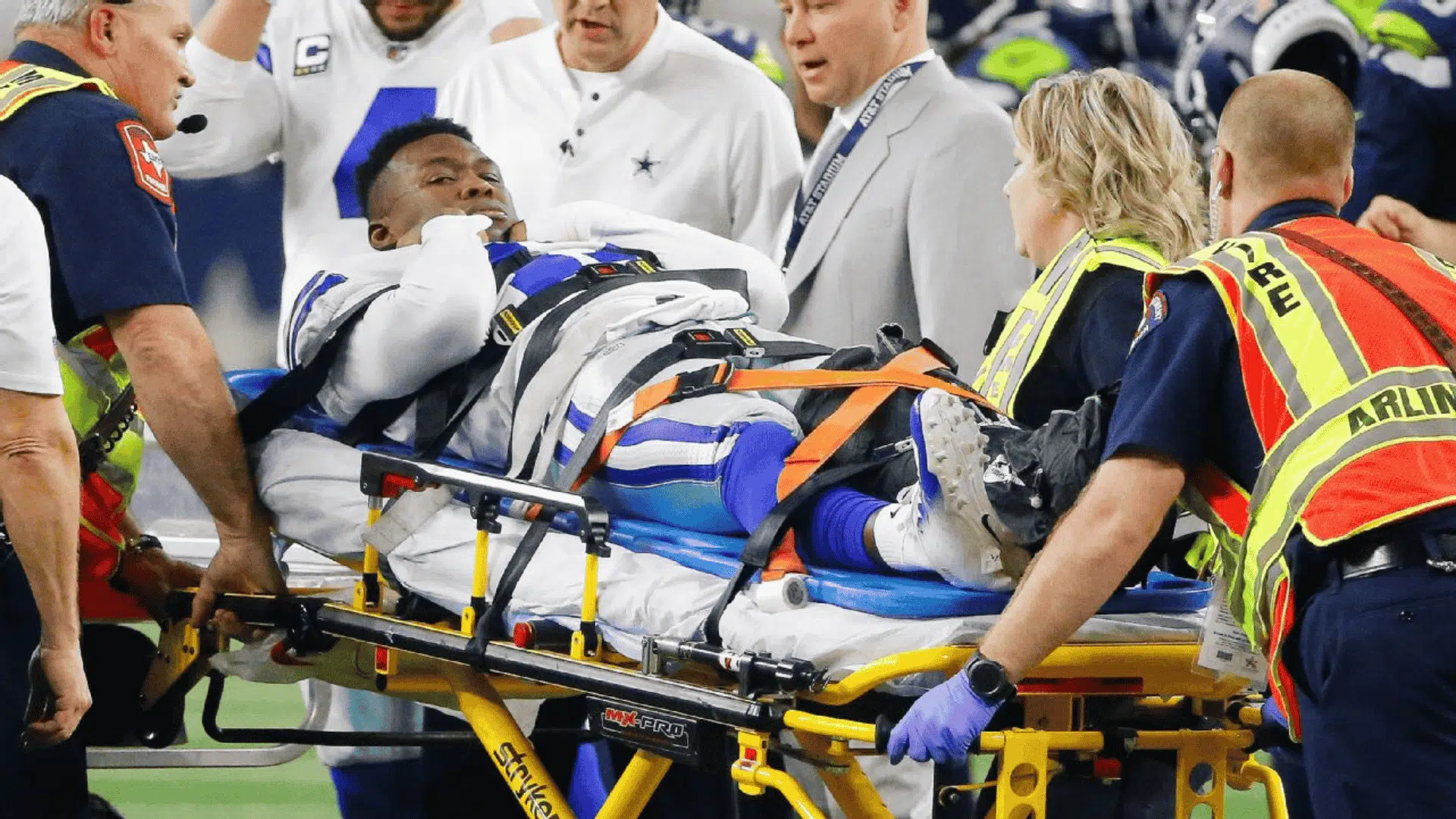
I have watched football for years, and I still remember the first time I saw a player carried off the field.
The game is fast and exciting, but it can also turn serious in seconds. If you love football as I do, you know how tough it is to see someone get badly hurt.
Football can bring scary injuries that stop play and shock everyone, showing how risky the sport is.
Some hits look painful right away, while others slowly change a player’s life forever. In this blog, I will share some of the worst football injuries ever seen, mainly in the NFL.
I will cover shocking on-field moments, career-ending injuries, and injuries that fans still talk about many years later.
You will also learn why these injuries happened, which ones were the hardest to recover from, and how the NFL reacted to keep players safer.
Worst Football Injuries in History
Football injuries can range from mild to very serious. Some heal with rest, while others can change a player’s life and require long recovery, careful medical care, and strong safety rules to protect players.
1. Jamal Lewis: Ankle Injury
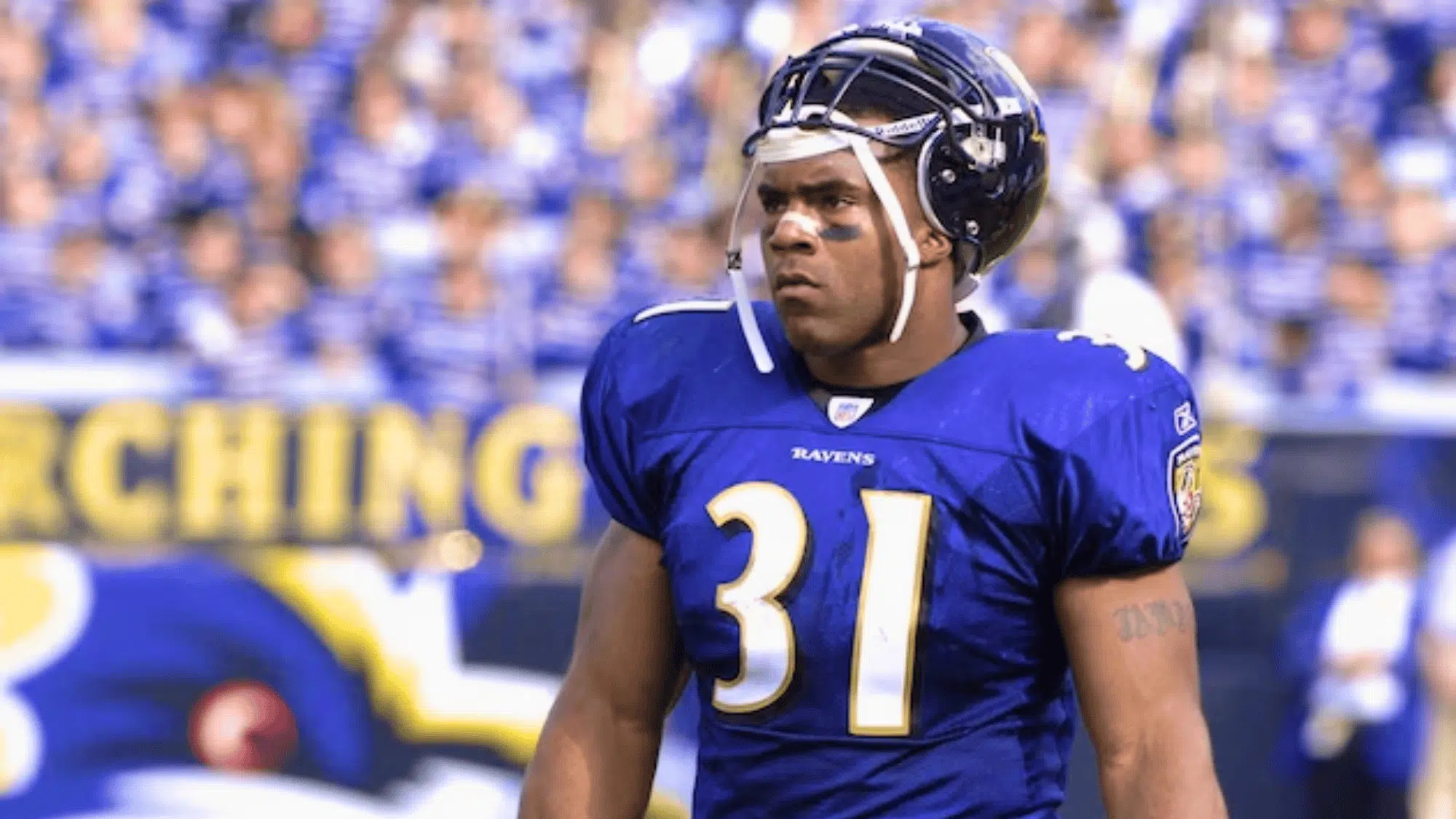
In the 2004 season, Jamal Lewis suffered a serious ankle injury during practice after taking a bad step.
Even though no one hit him, the injury was severe enough to keep him out for the entire season and is often listed among the worst football injuries caused by non-contact moments.
This showed that injuries can happen even without a hit and pushed the NFL to review practice safety.
After this, teams became more careful with drills and training methods to reduce the risk of player injuries during practice.
- Exact medical diagnosis: Severe ankle sprain with ligament damage
- Recovery timeline: Missed the entire 2004 NFL season
- Career impact: Returned the next year but never matched his earlier peak performance
- Long-term health outcome: Managed ankle issues but avoided permanent disability
- Psychological impact: Frustration after losing a full season to a non-contact injury
2. Tony Romo: Collarbone Injury
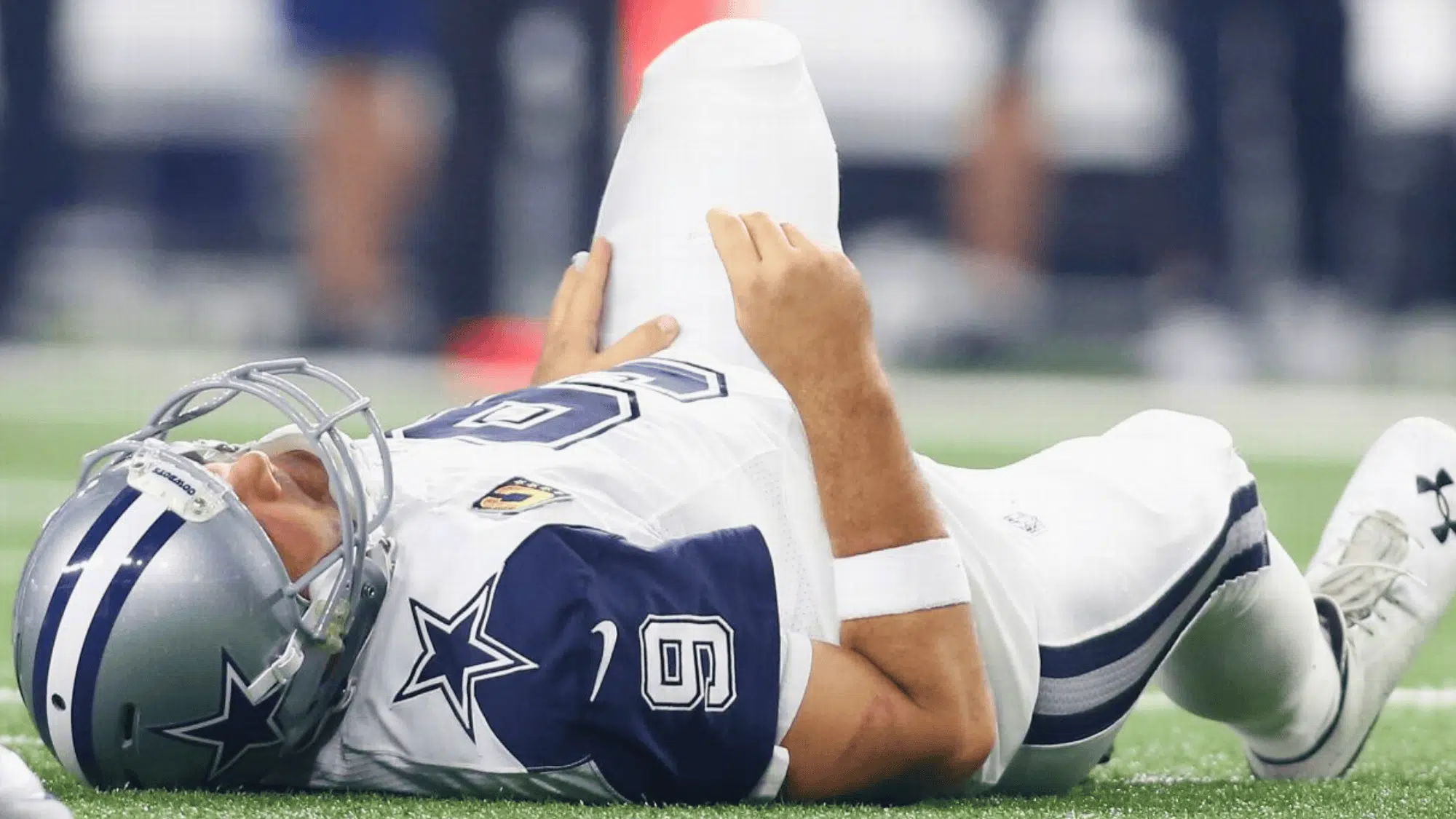
During the 2015 season, I covered the moment Tony Romo broke his collarbone after a hard sack.
I saw how that single play changed the Cowboys’ season. A collarbone break causes sharp pain and makes it difficult to throw or lift the arm.
For a quarterback, that means weeks off the field. Romo missed multiple games and dealt with more injuries later.
From my experience tracking rule changes, this case pushed the NFL to strengthen protections for quarterbacks and limit late hits.
- Exact medical diagnosis: Fractured left clavicle (collarbone), later re-fractured
- Recovery timeline: Missed 12 games during the 2015 season
- Career impact: Lost starting position and retired shortly after
- Long-term health outcome: No serious lasting physical limitations reported
- Psychological impact: Pressure from repeated injuries and job uncertainty
3. Rob Gronkowski: Arm and Back Injuries
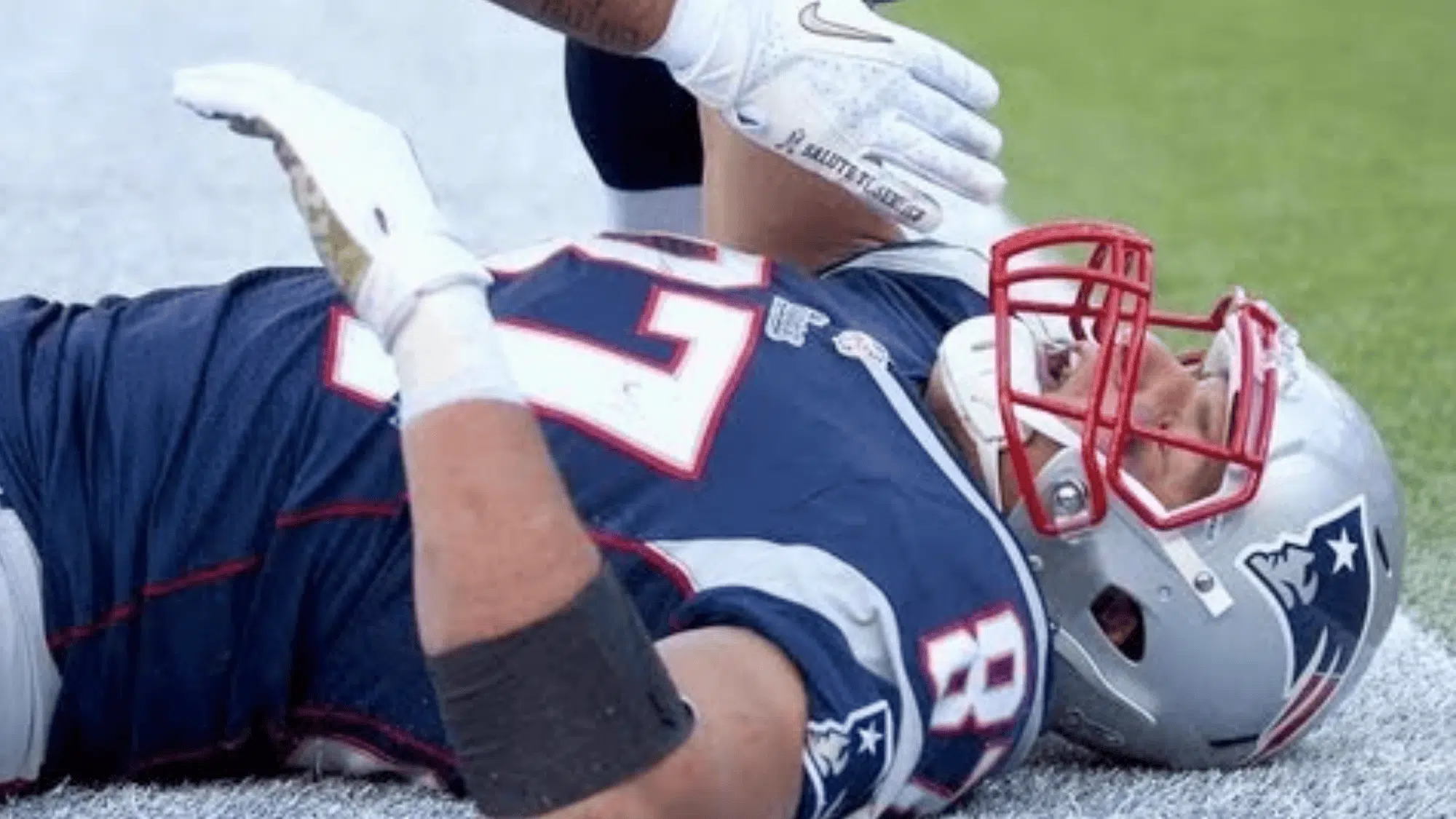
Rob Gronkowski faced major injuries during his career, starting with a forearm fracture in 2012 that required surgery.
I remember watching the updates that season and realizing how quickly one injury can change a team’s momentum. He re-broke the same arm later that year, which kept him out longer and forced him to miss key games.
In 2013, he underwent back surgery for a herniated disc. The pain and recovery were serious.
Even though he returned to play at a high level, the repeated injuries took a toll and shortened the prime years of his career.
- Exact medical diagnosis: Forearm fracture and herniated disc
- Recovery timeline: Multiple surgeries and missed games over several seasons
- Career impact: Missed regular-season games and briefly retired in 2019
- Long-term health outcome: Ongoing back management throughout career
- Psychological impact: Mental strain from repeated physical setbacks
4. Carson Palmer: Knee Injury
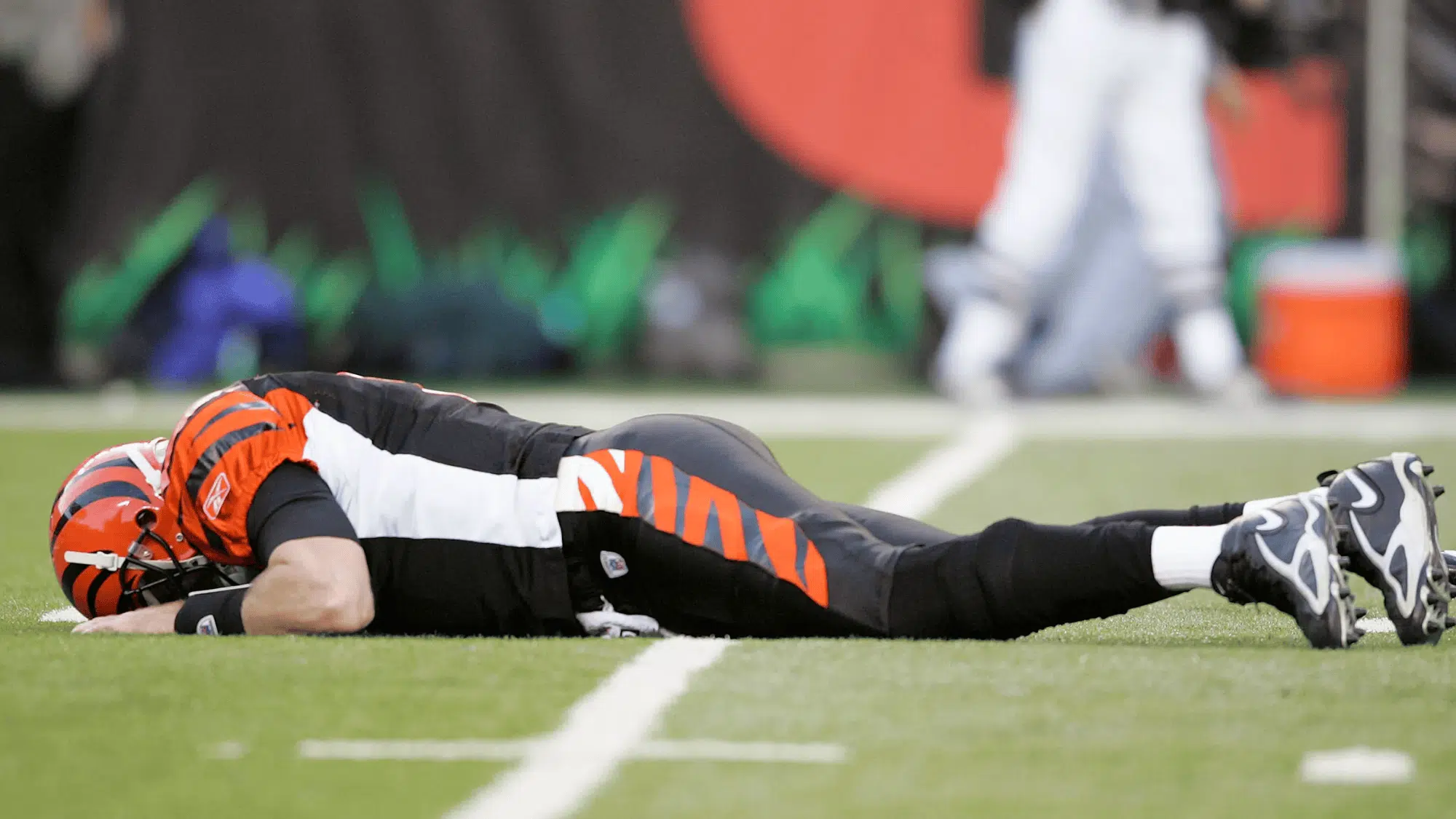
Carson Palmer suffered a serious knee injury during a 2006 playoff game after taking a low hit.
The damage was severe and placed the injury among the worst football injuries seen in high-pressure games, with recovery taking a long time.
Knee injuries are difficult to heal because the knee controls running, turning, and balance.
This moment showed how dangerous low hits can be. After this incident, the NFL created rules to prevent low hits on quarterbacks to better protect their legs and careers.
- Exact medical diagnosis: Torn ACL and MCL ligaments
- Recovery timeline: Missed the remainder of the season with months of rehab
- Career impact: Returned, but mobility declined slightly
- Long-term health outcome: Required continued knee care
- Psychological impact: Slow return of confidence after a major ligament tear
5. Teddy Bridgewater: Knee Injury
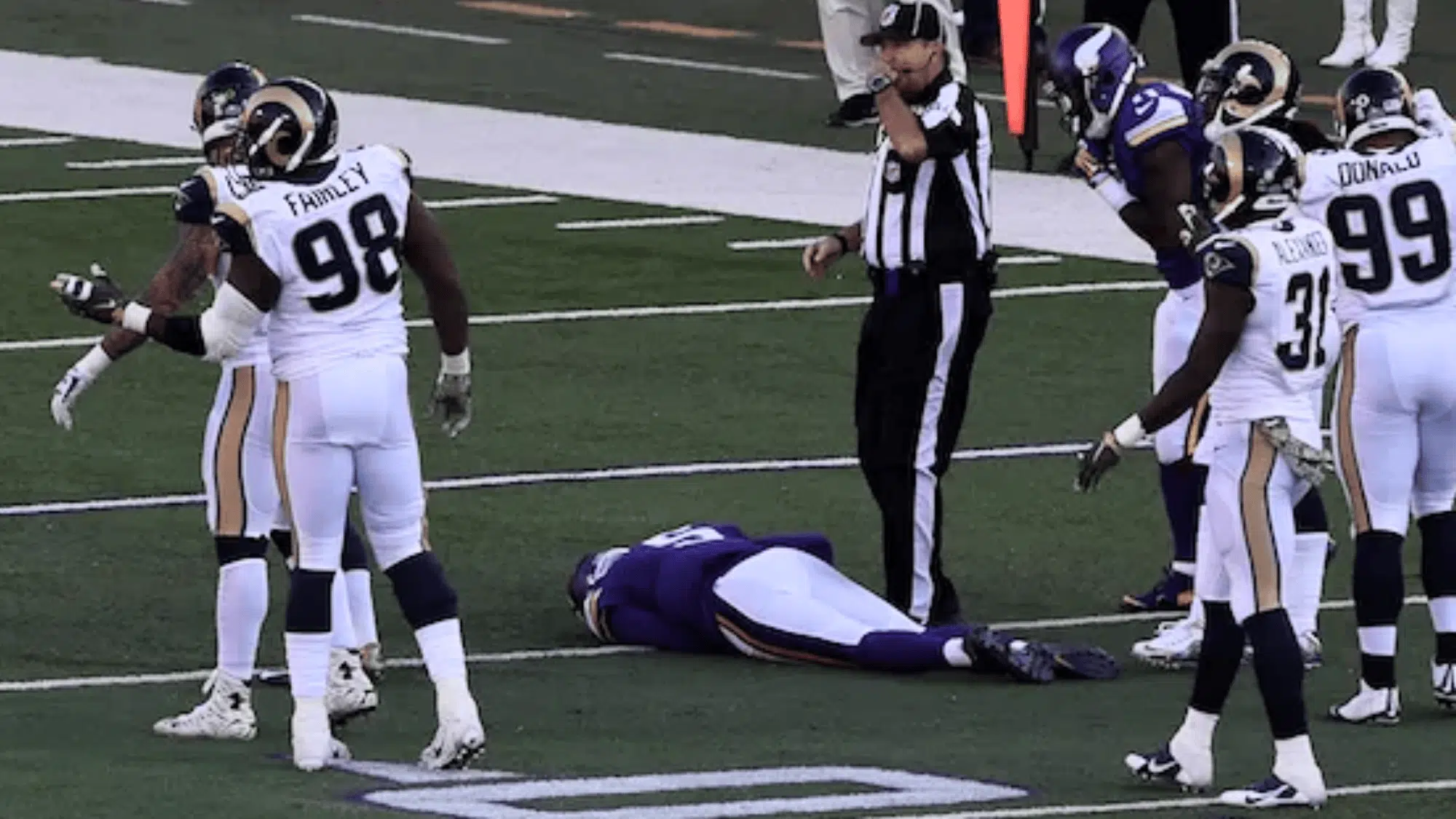
Teddy Bridgewater suffered a serious knee injury during a practice session on August 30, 2016.
The injury happened without contact and included a torn ACL, a joint dislocation, and damage to other parts of the knee.
Due to how severe the damage was, recovery took many years and required intense medical care and hard work.
This injury showed how fragile the knee joint can be, even during practice. After this, the NFL took a closer look at practice routines and medical checks to help lower the risk of non-contact injuries.
- Exact medical diagnosis: Torn ACL, dislocated knee, and structural ligament damage
- Recovery timeline: Missed nearly two full seasons
- Career impact: Lost starting role and later played as a backup
- Long-term health outcome: Returned to play but with reduced mobility
- Psychological impact: Fear of re-injury during long rehab
6. Alex Smith: Broken Leg
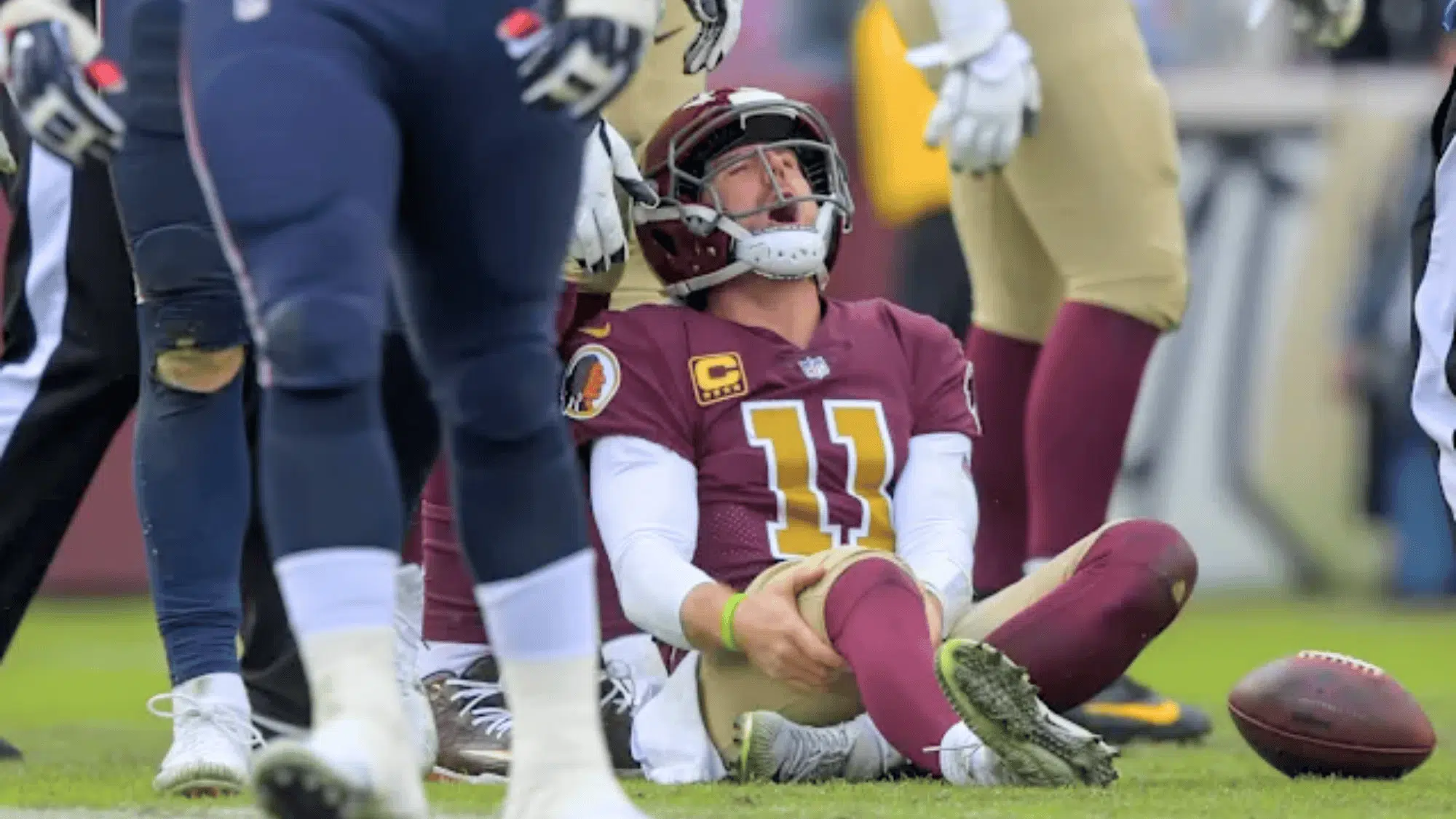
On November 18, 2018, Alex Smith suffered a compound fracture of his tibia and fibula during a game. The break was severe and required emergency surgery.
Soon after, he developed a dangerous infection that led to more procedures.
A former player later said seeing the injury live reminded him how fast a normal play can turn serious.
Smith went through 17 surgeries and missed the 2019 and 2020 seasons. He later made a brief return, but the injury changed his career.
- Exact medical diagnosis: Compound fracture of tibia and fibula
- Recovery timeline: Missed two full seasons and underwent 17 surgeries
- Career impact: Made a comeback but retired soon after
- Long-term health outcome: Permanent muscle damage and mobility limits
- Psychological impact: Mental battle during life-threatening recovery
7. Marcus Lattimore: Knee Injury
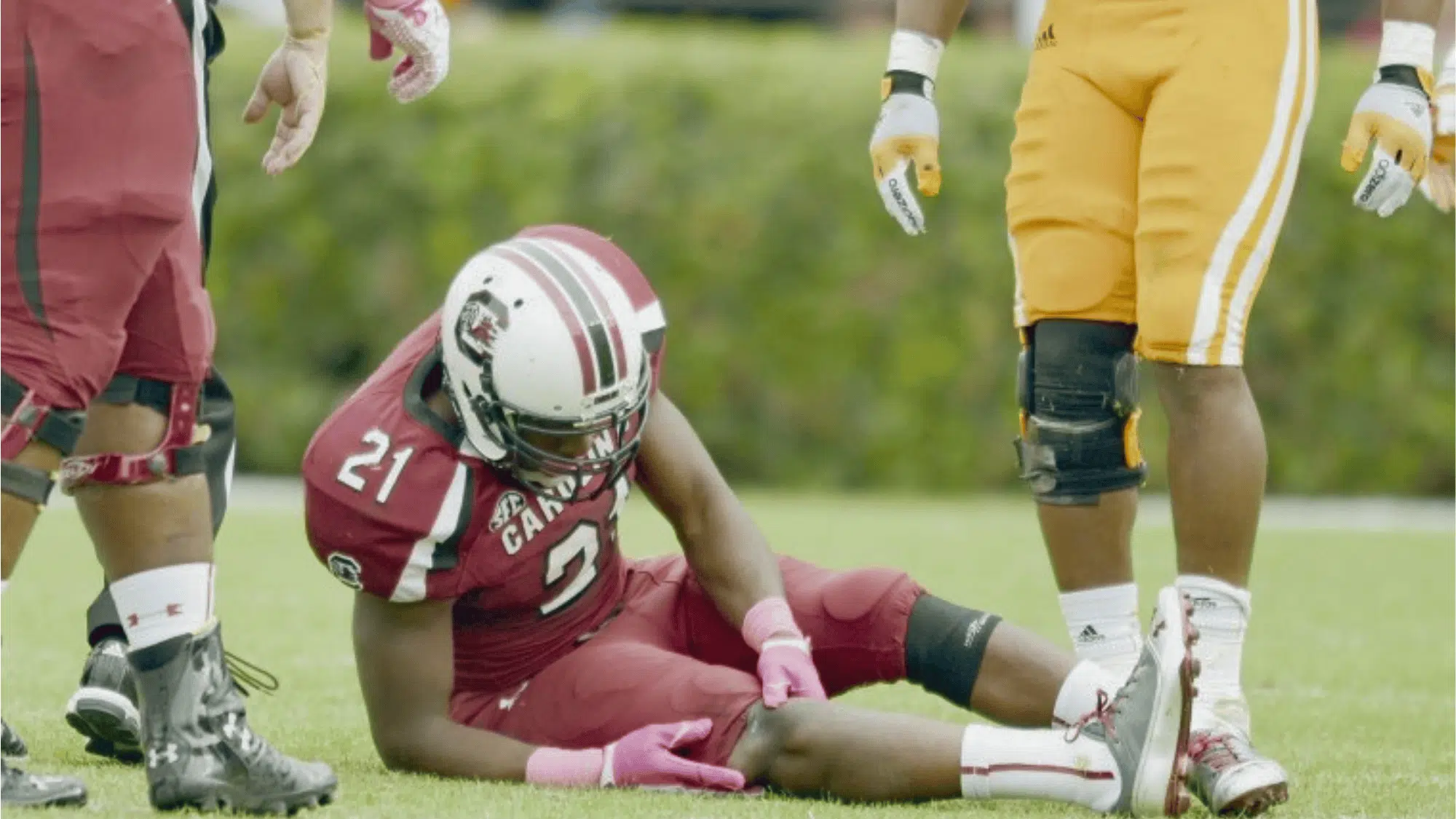
During the 2011 season, Marcus Lattimore suffered a devastating knee injury that changed his future and is often counted among the worst football injuries involving young players.
The damage was so severe that surgery could not fully repair it, and his NFL career never truly took off.
The injury showed how dangerous football can be, especially for players entering the league early.
It led teams to check medical histories more closely and focus on player health and long-term safety. This injury still serves as a warning throughout professional football.
The video above by Student Gamecock Television shows how Marcus Lattimore suffered his knee injury.
- Exact medical diagnosis: Torn ACL, MCL, and PCL with knee dislocation
- Recovery timeline: Missed entire rookie season
- Career impact: Retired before playing an NFL game
- Long-term health outcome: Could not return to elite-level competition
- Psychological impact: Emotional setback after a promising start
8. RG III: Knee Injury
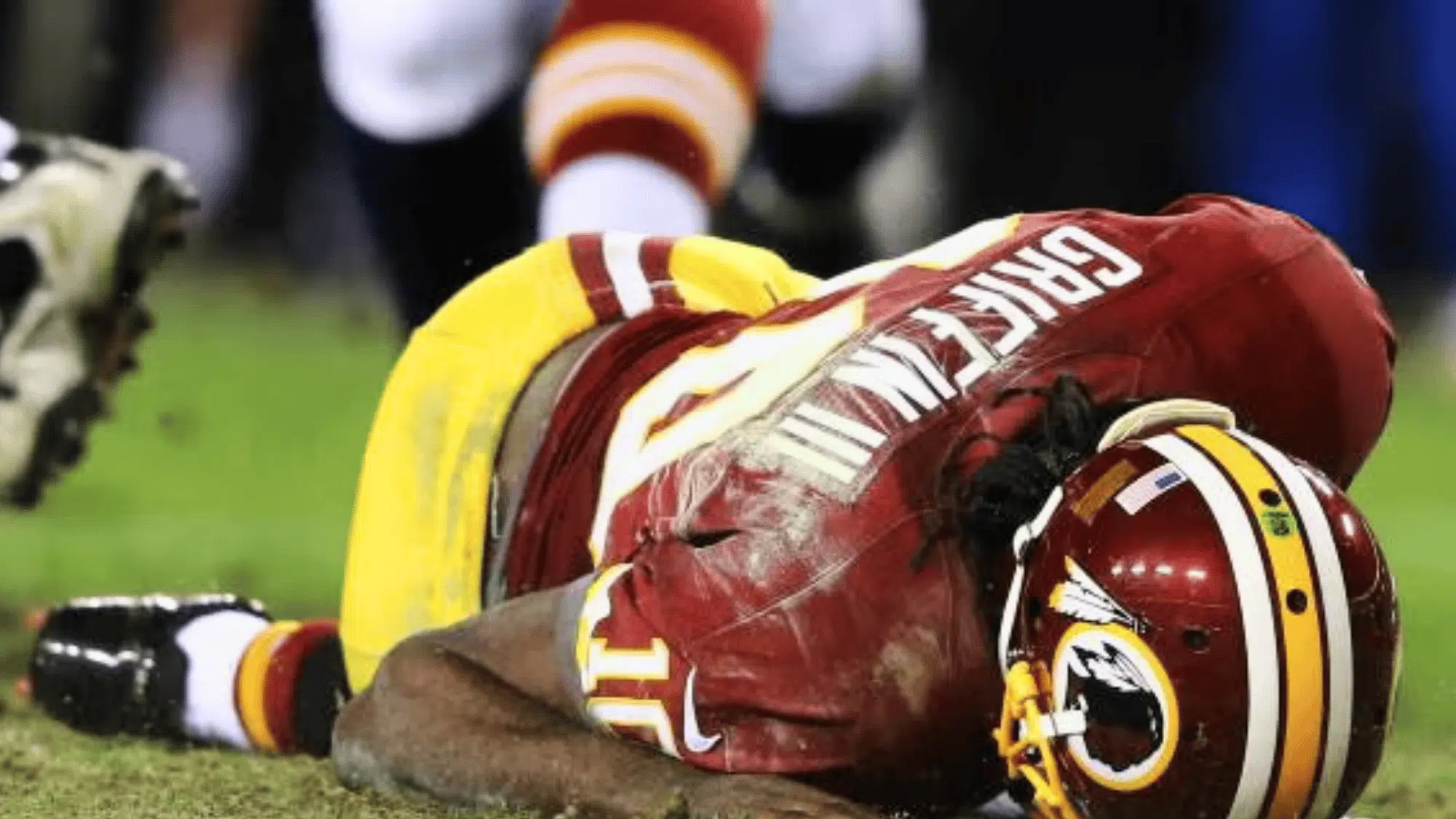
In the 2013 NFC wild-card playoff game against the Seattle Seahawks, RG III played even though his knee was already injured.
During the game, the injury became worse and caused serious damage.
His recovery took a long time, and he was never able to return to his best form. This situation showed the danger of rushing injured players back onto the field.
After this, the NFL placed greater emphasis on giving players enough time to heal before returning to play.
- Exact medical diagnosis: Torn ACL and LCL ligaments
- Recovery timeline: Missed offseason and part of next season
- Career impact: Performance declined after injury
- Long-term health outcome: Ongoing knee instability
- Psychological impact: Confidence was affected after the rushed return
9. Dak Prescott: Ankle Dislocation
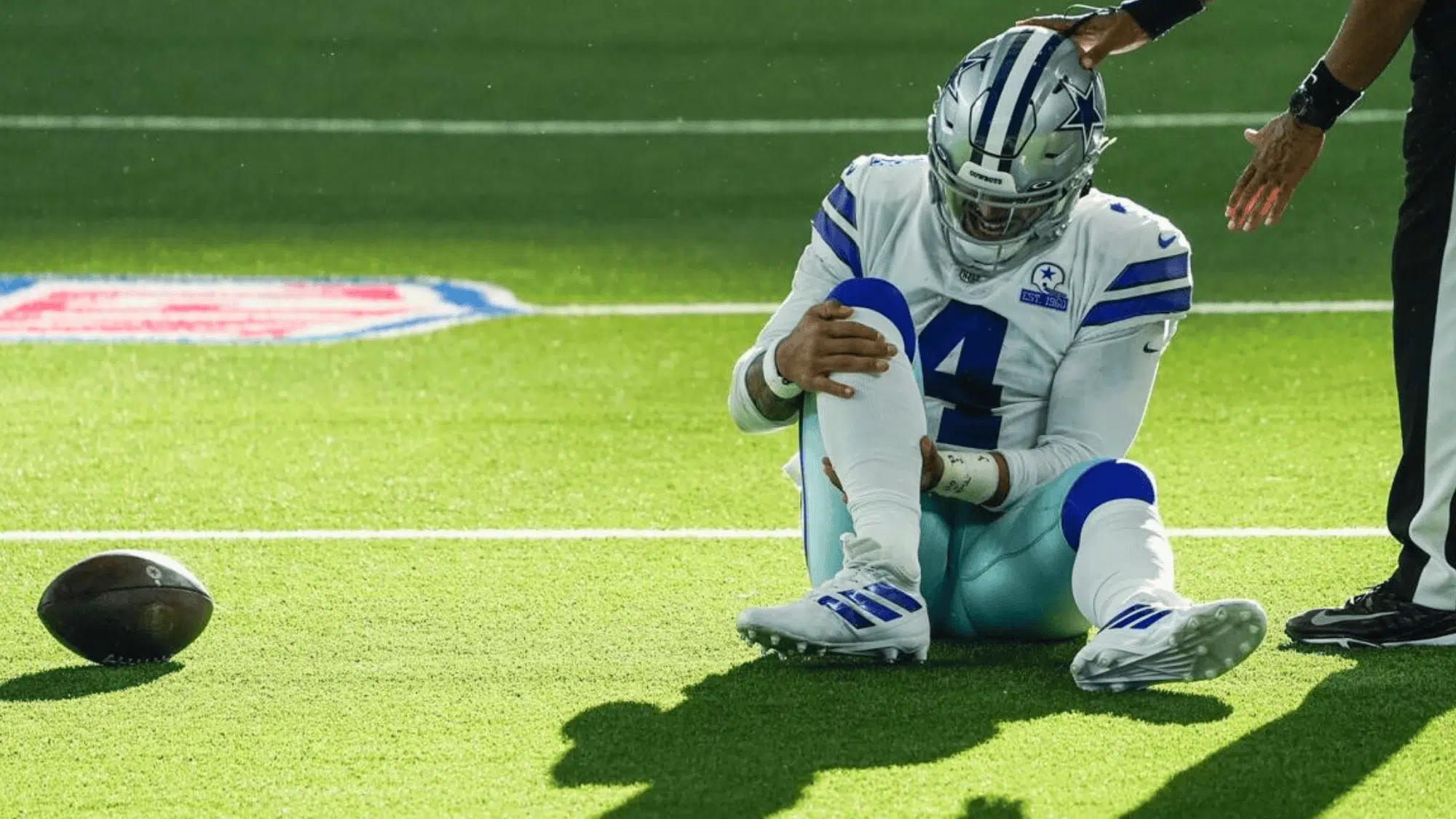
In 2020, Dak Prescott suffered a serious ankle injury during a game after being tackled. His foot twisted painfully, causing his ankle to break and shift out of place.
The injury was severe and required surgery to repair.
Recovery took a long time and required patience and hard work. Even though the injury was serious, he stayed focused on healing.
His return the next season showed how much effort and determination it takes to come back from a major injury.
- Exact medical diagnosis: Compound fracture and dislocated ankle
- Recovery timeline: Missed the remainder of the 2020 season
- Career impact: Returned as the starting quarterback the next year
- Long-term health outcome: Strong recovery with continued monitoring
- Psychological impact: Stayed mentally focused during rehab
10. Joe Theismann: Broken Leg
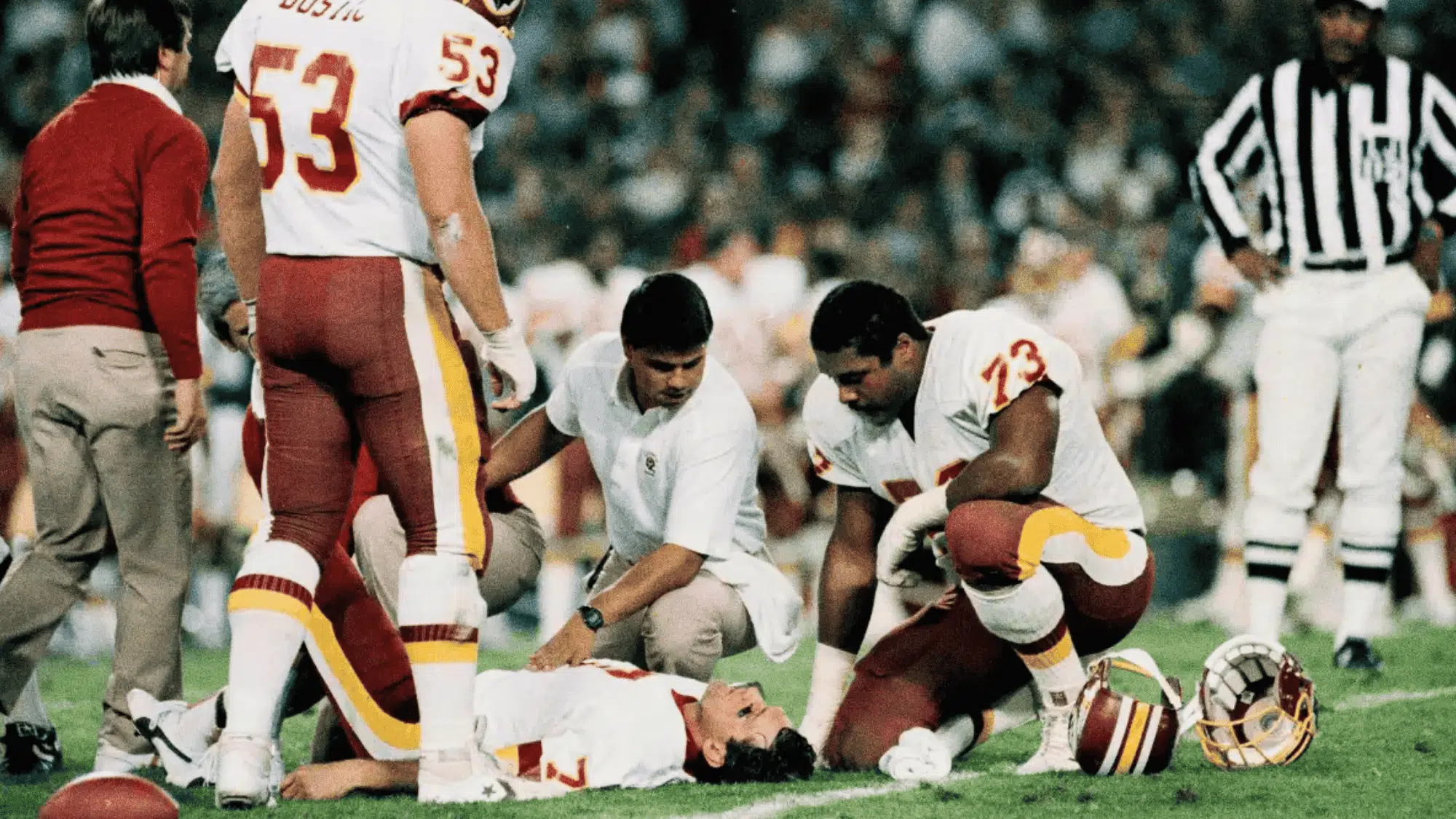
On November 18, 1985, Joe Theismann suffered one of the worst football injuries ever seen during a game watched by millions.
His leg snapped during a hard sack, and the injury ended his career immediately.
He was trapped and unable to protect himself, making the moment even more shocking. This injury changed how the NFL handled on-field emergencies.
It led to faster medical response plans and reinforced the need for trained medical teams to be ready at all times during games.
- Exact medical diagnosis: Compound fracture of tibia and fibula
- Recovery timeline: Career ended immediately
- Career impact: Retired from professional football
- Long-term health outcome: Permanent leg damage
- Psychological impact: Sudden end to career required major life adjustment
11. Earl Campbell: Long-Term Damage
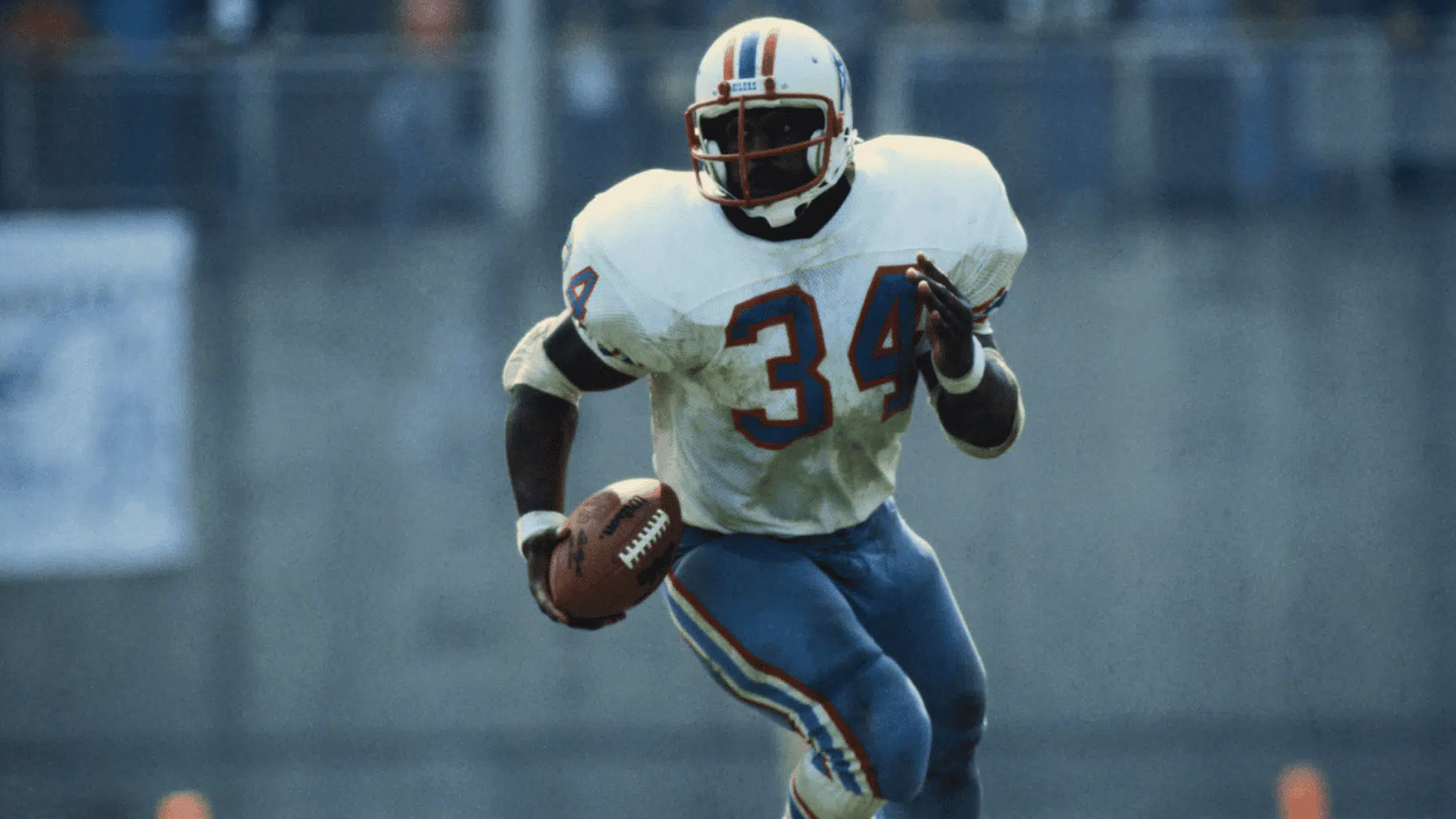
Earl Campbell took many hard hits during his NFL career from 1978 to 1985.
I remember watching old game clips and noticing how often he carried defenders on his back, taking hit after hit without slowing down.
He did not suffer one single career-ending injury, but the damage from constant contact slowly built up over time.
This kind of long-term trauma is hard to recover from and can affect players later in life. His story helped the NFL see the risks of repeated hits.
As a result, the league began to focus more on long-term health, safety rules, and better player care.
- Exact medical diagnosis: Chronic joint degeneration and repeated head and body trauma
- Recovery timeline: Damage built up over his eight-year NFL career
- Career impact: Retired early due to physical decline and constant pain
- Long-term health outcome: Severe mobility issues and need for walking assistance later in life
- Psychological impact: Emotional strain from lasting pain after retirement
12. Bo Jackson: Hip Injury
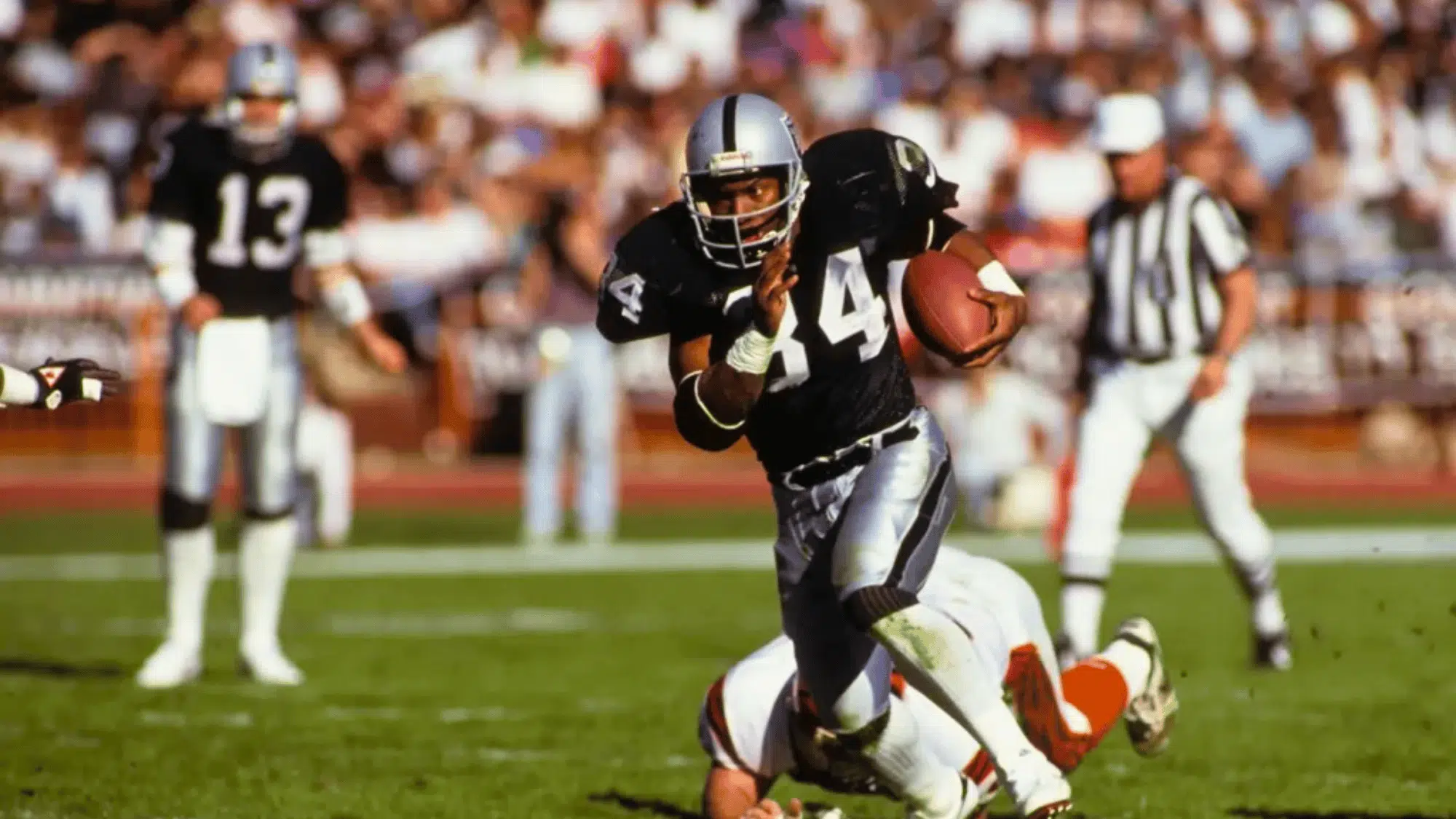
On January 13, 1991, Bo Jackson suffered a serious hip injury during an NFL playoff game against the Cincinnati Bengals.
The injury happened during a tackle when his hip popped out of place.
Hip injuries are very difficult to heal and can limit movement for life. This injury ended his football career and changed how teams view injury risk.
It also raised awareness about the long-term effects of serious injuries, especially for athletes who play more than one sport.
- Exact medical diagnosis: Hip dislocation leading to avascular necrosis
- Recovery timeline: Missed the remainder of the 1990 season; never returned to the NFL
- Career impact: Football career ended permanently at age 28
- Long-term health outcome: Required hip replacement surgery
- Psychological impact: The sudden end to a dual-sport career was mentally challenging
13. Kevin Everett: Spinal Injury
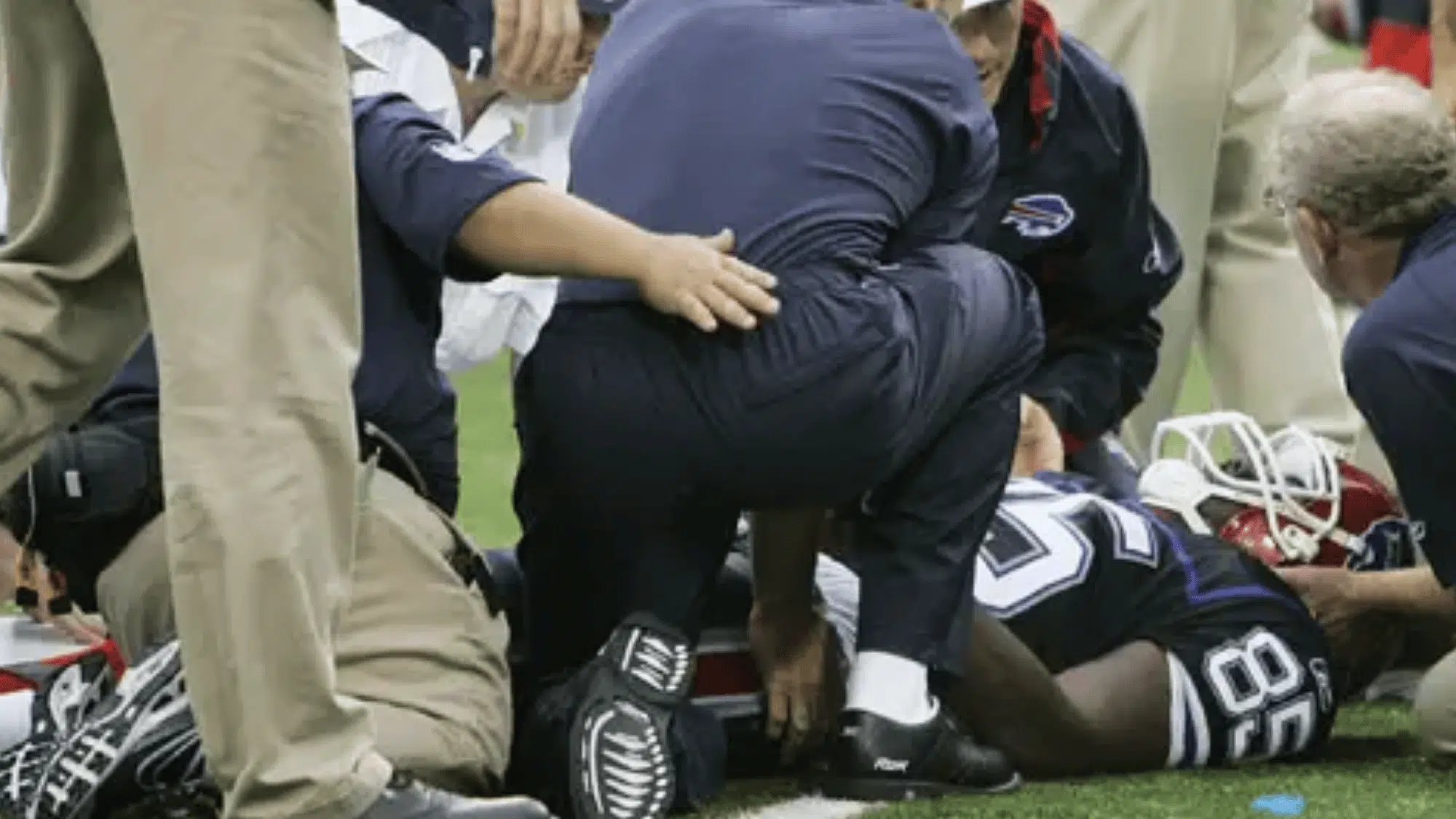
On September 9, 2007, Kevin Everett suffered one of the worst football injuries when a spinal injury occurred during a kickoff play.
The hit damaged his neck, and doctors had to act fast to save his life.
Recovery was slow and required long-term medical care, showing how serious spinal injuries can be.
After this incident, the NFL improved its emergency medical plans and ensured that trained medical teams were always ready on the sidelines to respond quickly to life-threatening injuries.
- Exact medical diagnosis: Cervical spine fracture and spinal cord injury
- Recovery timeline: Months of intensive rehabilitation
- Career impact: Career ended immediately
- Long-term health outcome: Regained partial movement after initial paralysis
- Psychological impact: Faced major mental and emotional recovery during rehab
14. Darryl Stingley: Spinal Injury
As a sports journalist who has studied past injuries and rule changes, I often revisit moments that reshaped the game.
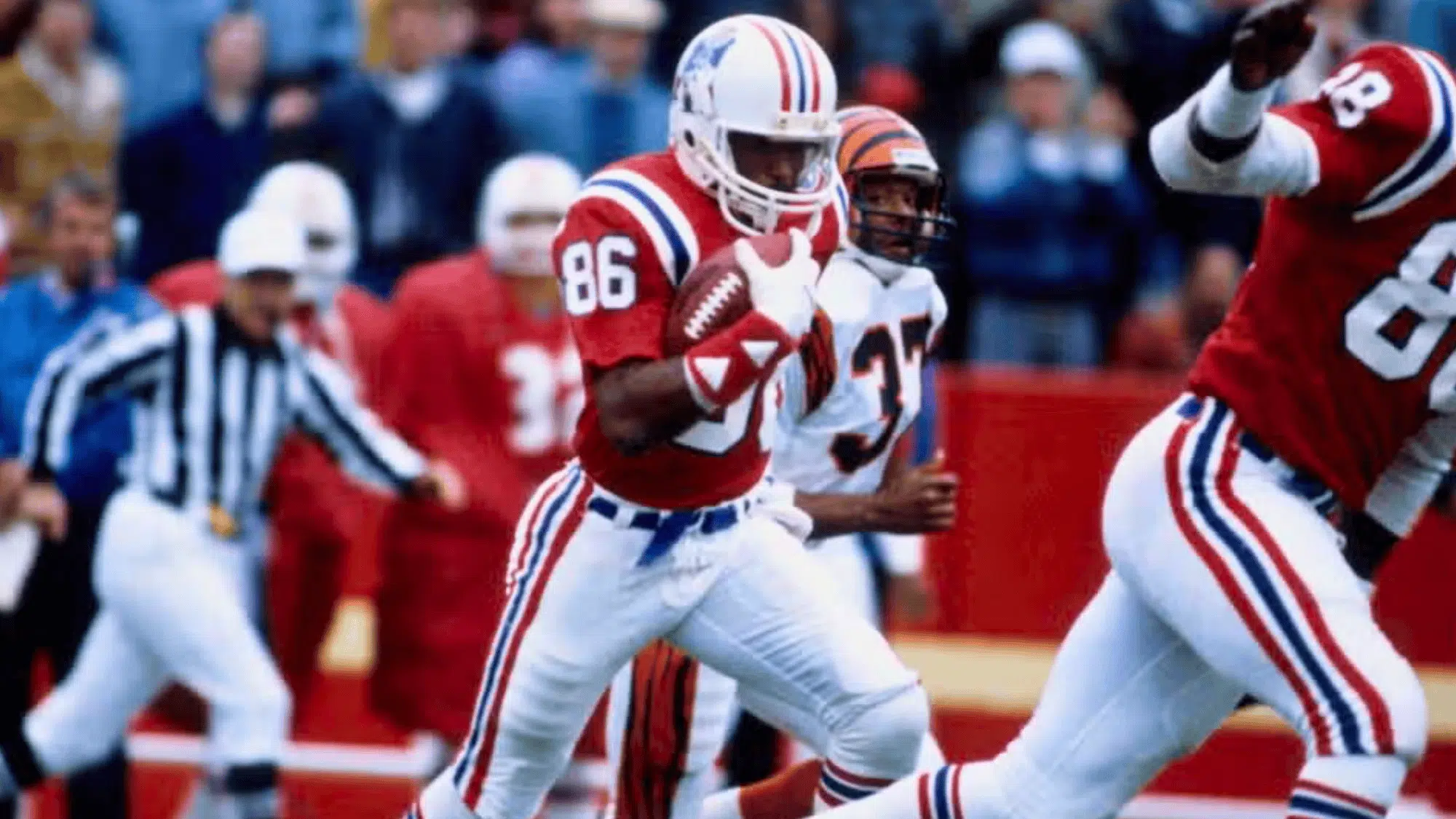
On August 12, 1978, Darryl Stingley was paralyzed after a very hard hit that damaged his spine and changed his life forever.
There was no recovery from that injury.
Based on league history, I see this as a major turning point. It pushed the NFL to remove dangerous hits and raised awareness about spinal injuries and player safety.
- Exact medical diagnosis: Fractured cervical vertebrae causing spinal cord damage
- Recovery timeline: Permanent paralysis with lifelong medical care
- Career impact: Career ended instantly
- Long-term health outcome: Paralyzed from the chest down for life
- Psychological impact: Lifelong adjustment to paralysis and major life changes
15. Damar Hamlin: Cardiac Arrest
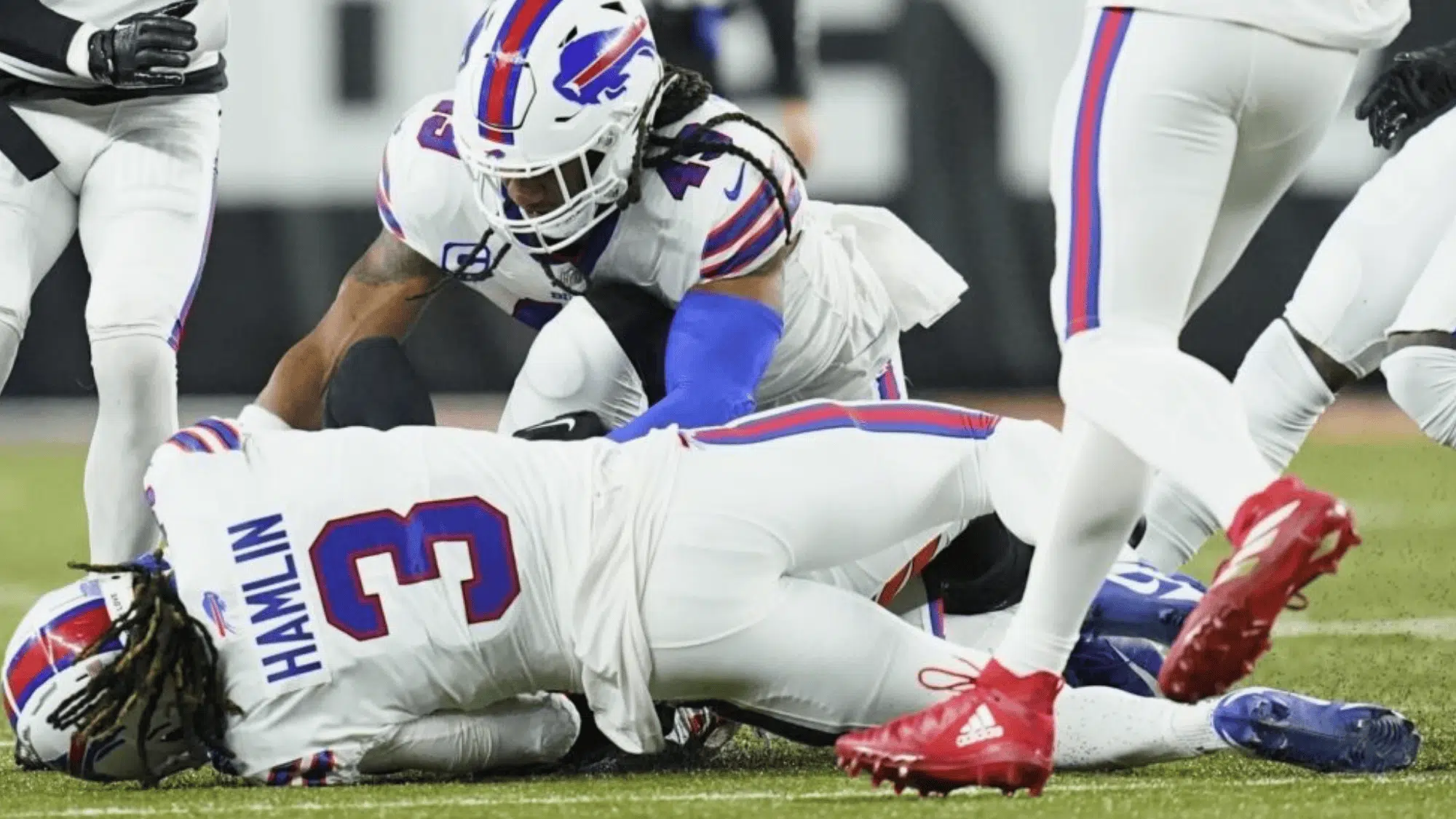
On January 2, 2023, Damar Hamlin collapsed on the field after a hit caused his heart to stop, marking one of the worst football injuries ever witnessed live.
The moment shocked fans around the world and brought the game to a halt.
Quick action by medical staff helped save his life and showed how quickly emergencies can occur in sports.
After this event, the NFL reviewed heart-safety plans and ensured teams had better medical equipment and training to respond quickly in similar situations.
The video above by Highlight Temple shows the moment Damar Hamlin collapsed on the field and the immediate medical response that followed.
- Exact medical diagnosis: Commotio cordis leading to cardiac arrest
- Recovery timeline: Hospitalized for over a week; gradually monitored return to activity
- Career impact: Missed the remainder of the season; later cleared to resume football activities
- Long-term health outcome: Ongoing heart monitoring, but strong recovery reported
- Psychological impact: Emotional recovery after a near-death experience
16. Ryan Shazier: Spinal Injury
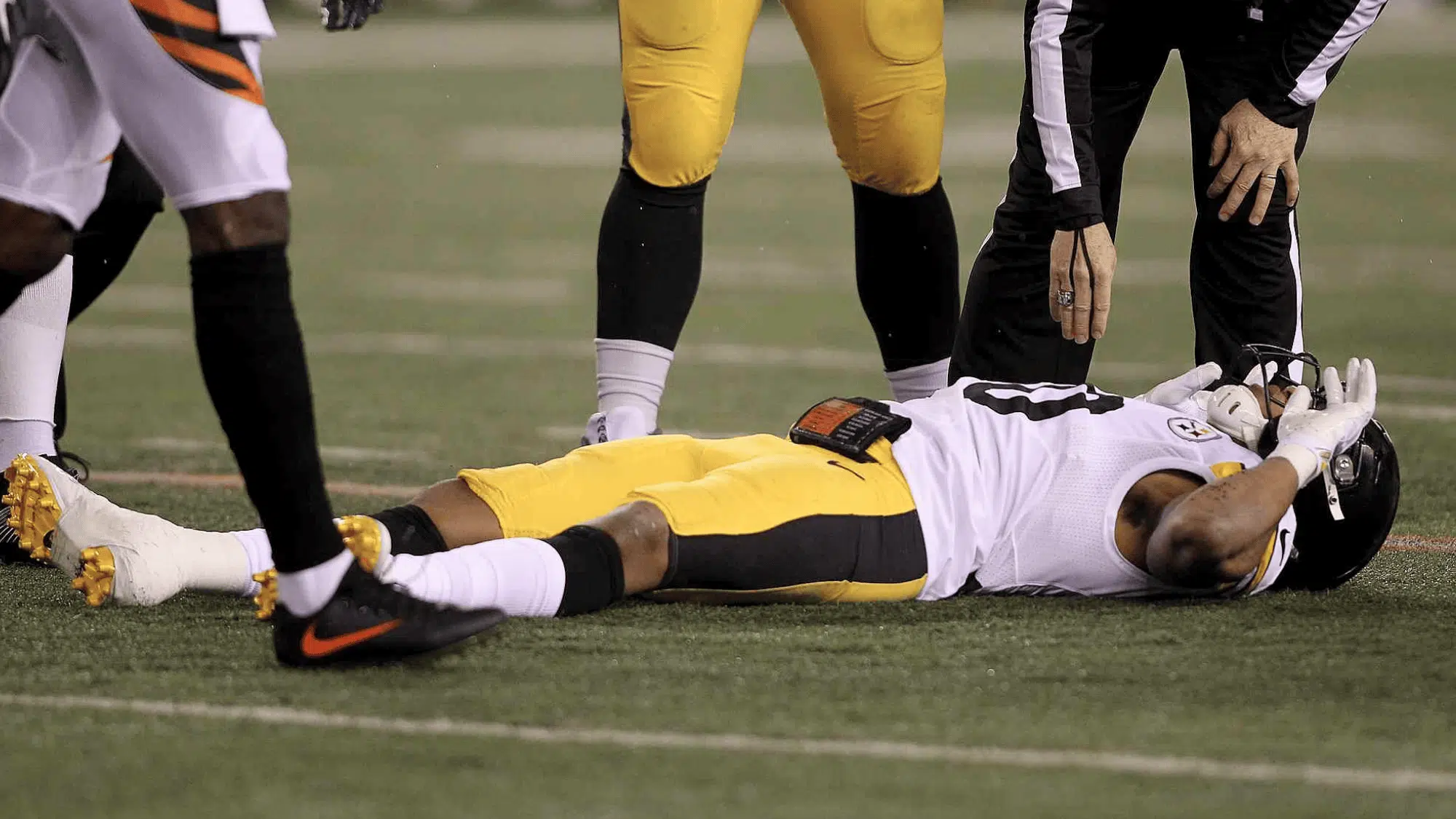
On December 4, 2017, Ryan Shazier suffered a serious spinal injury during a game. The injury affected his whole body and changed his life, not just his football career.
Recovery took many years and required intense medical care and hard work.
This injury shocked fans and players across the league.
It sparked important discussions about football safety and helped push for stricter rules and better protective measures, making long-term player safety a top priority for the NFL.
- Exact medical diagnosis: Spinal contusion with spinal cord damage
- Recovery timeline: Years of rehabilitation and physical therapy
- Career impact: Career ended due to the inability to safely return
- Long-term health outcome: Regained the ability to walk with assistance after paralysis
- Psychological impact: Mental resilience required to rebuild life after injury
Common Causes Behind Severe NFL Injuries
Severe NFL injuries happen when players move fast and collide with great force, leading to some of the worst football injuries. A single wrong step or hard hit can cause serious damage.
- High-Speed Collisions: Players often collide at full speed, which puts extreme force on the body and increases the risk of broken bones and joint damage.
- Improper Tackling Technique: Lowering the head or hitting too low can cause neck, spine, or knee injuries.
- Sudden Twists and Awkward Landings: Quick turns, slips, or bad foot placement can cause serious knee or ankle injuries, even without contact.
- Player Fatigue: Tired muscles react more slowly and offer less protection, making injuries more likely late in games.
- Repeated Contact Over Time: Constant hits wear down the body and raise the chance of long-term damage.
- Practice-Related Strain: Hard drills and frequent repetitions can stress joints and muscles outside of games.
Common Types of Football Injuries Players Often Face
Common NFL injuries include ankle, knee, leg, arm, back, and collarbone injuries. These often happen from hard hits, fast movement, or sudden falls during games and practices.
1. Ankle Injuries
Ankle injuries are common in football because players run fast and change direction quickly.
When the ankle twists the wrong way, ligaments can stretch or tear.
This causes pain, swelling, and trouble walking. Some ankle injuries heal with rest and support, while serious ones may need surgery.
Recovery can take weeks or months. Ankles are important for balance and speed, so even after healing, players may feel stiffness or weakness that affects how they move on the field.
2. Collarbone Injuries
Collarbone injuries usually happen when a player falls hard on the shoulder or takes a strong hit, and they can be part of the worst football injuries because they limit arm movement.
The clavicle connects the arm to the body, so damage makes lifting or throwing painful.
Swelling and bruising often appear right away. Most injuries heal with rest and a sling, but severe breaks may need surgery.
Healing takes time, and players must avoid contact until the bone becomes strong again.
3. Arm and Back Injuries
Arm and back injuries often develop from repeated hits during games and practices. Arm injuries can cause pain when lifting, throwing, or grabbing.
Back injuries affect muscles and nerves, leading to stiffness or soreness.
These injuries can be hard to heal because the back supports most body movement.
Rest and therapy help, but pain can return if recovery is rushed. Long-term arm and back injuries can affect both football performance and daily activities.
4. Knee Injuries
Knee injuries are very serious in football because the knees are used for running, jumping, and turning. A sudden hit or twist can tear ligaments inside the knee.
This causes swelling, pain, and instability. Many knee injuries need surgery and long-term physical therapy.
Recovery can take months, and even then, the knee may not feel the same. Without a strong knee, players risk more injuries and struggle to move safely on the field.
5. Leg Injuries
Leg injuries include broken bones caused by hard tackles or awkward falls. A broken leg brings severe pain and makes standing or walking impossible.
These injuries often need surgery, casts, or braces. Healing takes a long time, followed by therapy to rebuild strength.
Legs are vital for football because they control speed and power. Even after recovery, players may feel stiffness or fear of another injury during contact.
6. Spinal Injuries
Spinal injuries affect the neck or back and are the most dangerous football injuries. The spine protects nerves that control movement and feeling.
A strong hit can damage these nerves, causing numbness or trouble moving. Doctors must act fast to prevent further harm.
Some spinal injuries heal, but others cause long-term problems. These injuries are serious because they can change a person’s life, not just their football career.
7. Hip Injuries
Hip injuries happen when the hip joint is damaged during a hit or fall. The hip connects the upper body to the legs, so an injury makes walking and running painful.
Swelling and stiffness limit movement. Some hip injuries heal with rest and therapy, while others need surgery.
Recovery is slow because the hip supports body weight. A weak hip affects balance, strength, and everyday movement on and off the field.
8. Heart-related Injuries
Heart-related injuries are rare but very serious in football. A strong hit to the chest can disturb the heart’s rhythm and cause sudden collapse or breathing problems.
I remember watching a game stop completely after a player went down, and it showed me how quickly things can change.
Quick medical help is needed to save lives, and players are tested carefully before returning.
These injuries show that safety comes first, and medical teams must act fast. They are some of the most serious in the NFL and can lead to long recovery or career changes.
How the NFL Responded to the Worst Football Injuries?
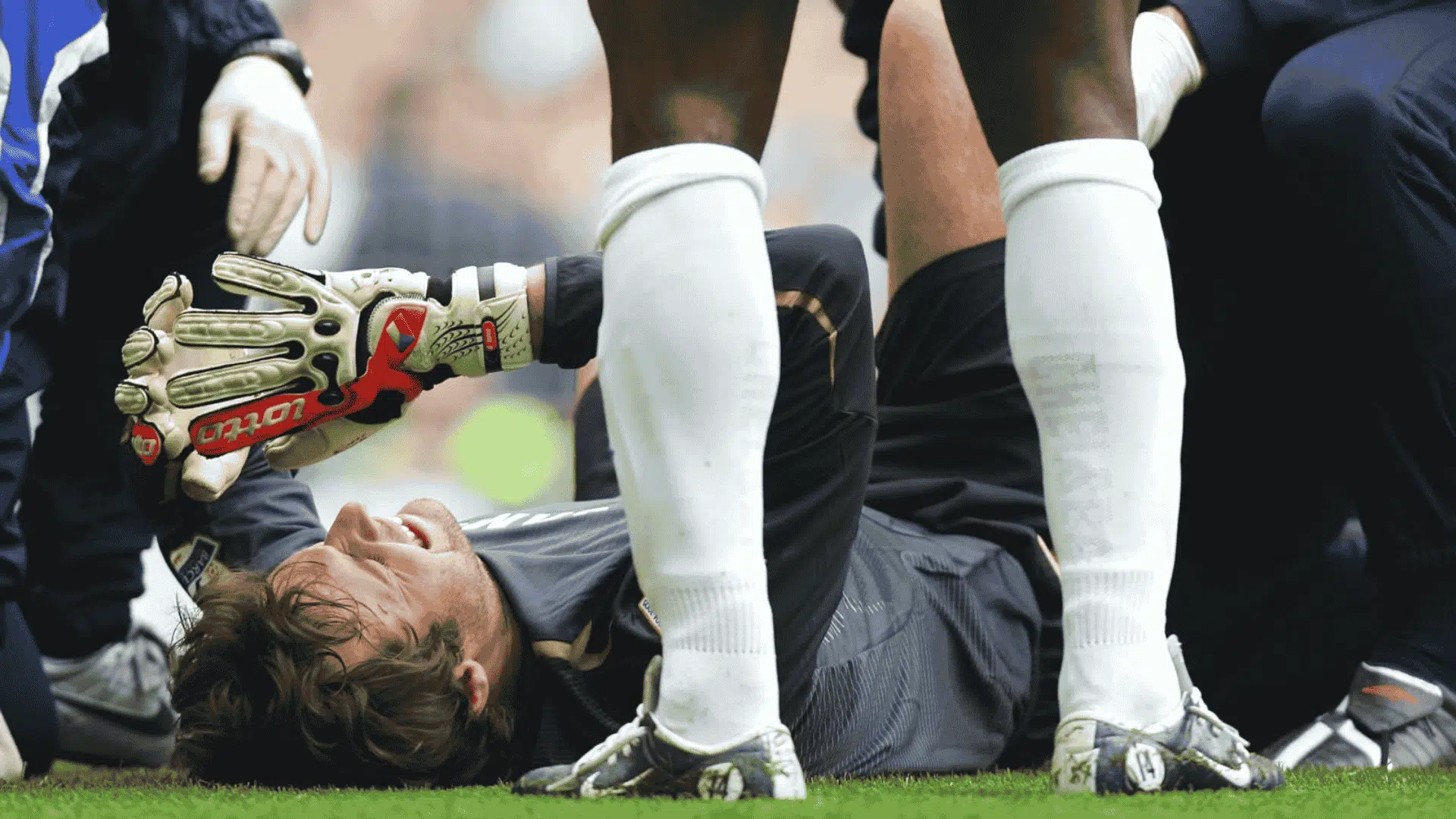
The NFL has made many changes to keep players safe after seeing serious injuries. First, the league made rules to better protect quarterbacks, such as prohibiting low hits to the legs.
Following major head and spine cases, it updated tackling rules and added stronger concussion checks.
The league also improved sideline medical care with trained trauma teams and faster response plans.
After heart-related emergencies, teams increased access to defibrillators and emergency drills. These updates were not quick fixes. They came after real lessons.
The goal became simple: reduce risk, improve treatment, and protect long-term health.
While football is still physical, the NFL now puts more focus on safety rules, medical training, and recovery plans than ever before.
NFL Safety Changes: Before vs After
League policies and medical standards did not stay the same. Over the years, updates focused on clearer rules and stronger medical systems.
| Area | Before | After |
| Quarterback Protection | Limited rules on low hits | Stricter rules against low hits and late contact |
| Concussion Protocol | Basic head injury checks | Formal concussion protocol with independent doctors |
| Tackling Rules | Fewer limits on high or helmet hits | Penalties for helmet-to-helmet and unsafe tackles |
| Sideline Medical Care | Standard team doctors only | Specialized trauma teams and faster response plans |
| Emergency Equipment | Basic medical kits | Defibrillators and advanced emergency tools on site |
| Return-to-Play Policy | Quicker returns after injury | Step-by-step medical clearance process |
Conclusion
Football is exciting but risky, and major injuries have pushed the NFL to improve player safety.
The NFL continues to improve safety rules and medical care to make the game safer. Some of the worst football injuries changed how the game is played.
Safer tackling, better health care, and stronger medical support are key steps the league has taken.
Players’ safety is a priority, but injuries can still happen due to the fast, physical nature of the sport.
Fans should understand these injuries to appreciate the risks players take on the field. Football is still exciting, but it’s important to support efforts to keep players safer.
Did these football injury stories surprise you? Share your thoughts in the comments below.