
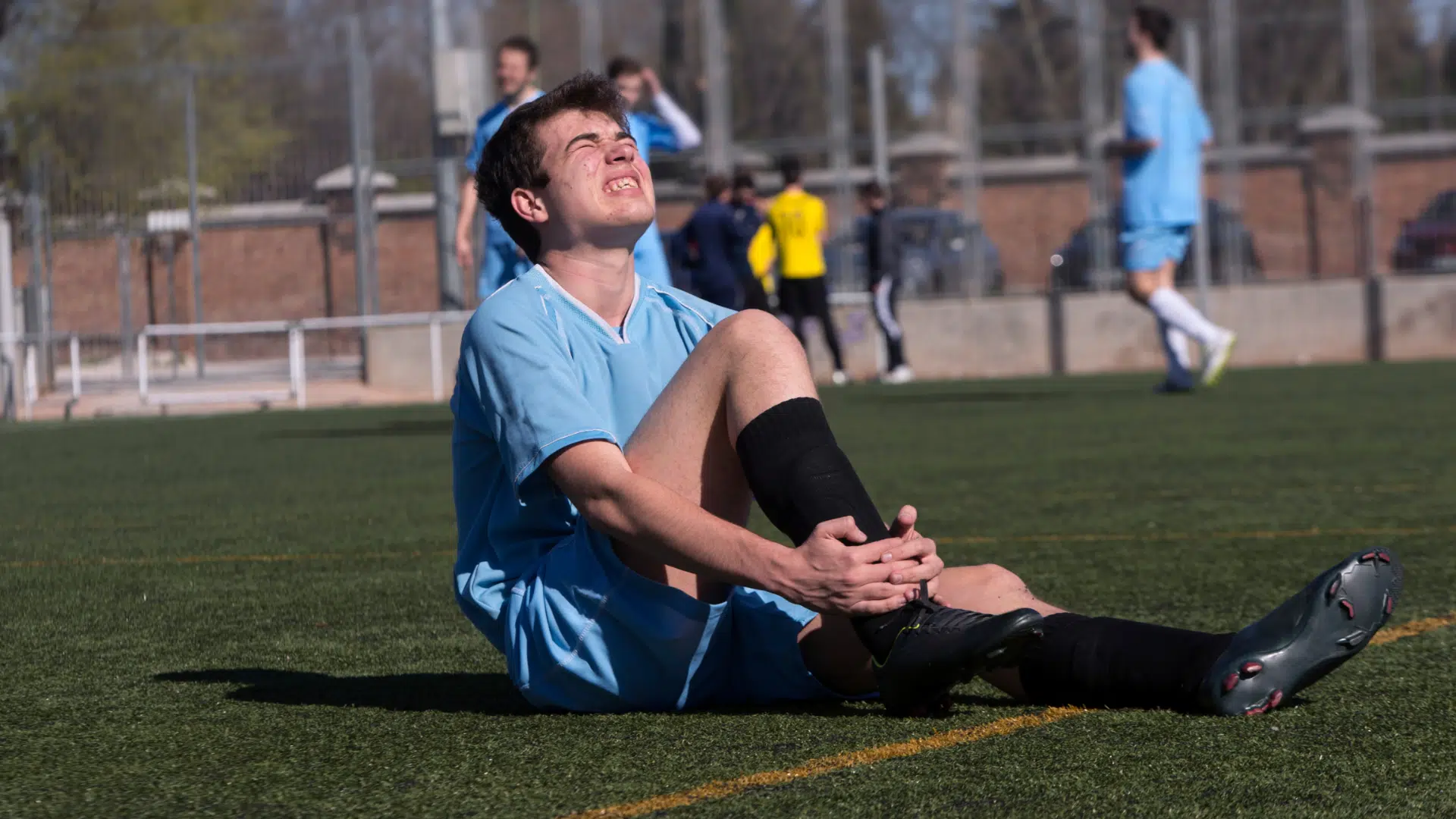
I have treated active people for more than 15 years, and I have seen how a small ache can quickly turn into a serious problem.
In this article, I share some of the most common sports injuries in simple words so they are easy to understand.
Many people think pain after a game or workout is normal. Sometimes it is. But certain signs should never be ignored.
You will learn what these injuries are, why they happen, and how to spot early warning signs before they get worse. I also share simple steps you can take to lower your risk and stay safe while playing.
This guide will help you better understand common sports injuries and know when it is time to take action or seek help.
Why Sports Injuries Are so Common?
Sports injuries are common because many people push their bodies without enough prep or care. Poor warm-up and stretching are a big reason, as cold muscles tear more easily.
Many players also use the wrong gear or worn-out shoes, which raises the risk of slips and falls.
Playing too often without rest puts stress on muscles and joints, leading to strain over time. Beginners may use the wrong form, while experienced players may push through pain instead of stopping.
Lack of proper training also matters, since the body needs time to build strength and balance.
Hard surfaces, uneven fields, and bad weather add to the risk.
Some injuries happen simply because sports involve quick moves, contact, and sudden changes in direction, which the body cannot always handle safely.
Most Common Injuries that Can Occur from Sports

Sports put sudden stress on muscles and joints. I once treated a runner who ignored mild knee pain, and it turned serious. Knowing common injuries helps you act early and prevent worse damage.
1. Sprain
A sprain happens when a ligament stretches too far or tears after a sudden twist or awkward movement.
It often affects the ankle, wrist, or knee because these joints handle quick direction changes and impact.
The joint may feel unstable and painful during movement. Without proper care, a sprain can weaken the joint and increase the risk of future injury.
Early attention and controlled movement support better healing and prevent long-term joint weakness.
- Early Warning Signs: Joint instability, difficulty putting weight on the joint, mild warmth around the area
- Immediate First Aid: Rest the joint, apply ice for short intervals, use light compression, keep the limb raised
- Average Healing Time: Mild 1–2 weeks, moderate 3–6 weeks, severe 8–12 weeks or longer
- When to See a Doctor: Severe pain, visible deformity, numbness, inability to move the joint, or no improvement after several days
2. Strain
A strain affects a muscle or tendon when it stretches too far or tears during sudden effort.
It often happens in the hamstrings, lower back, or shoulders during lifting, sprinting, or forceful movements. The muscle may feel tight, sore, or weak during activity.
Overusing a muscle without proper warm-up can increase the risk.
If not managed well, a strain can limit movement and reduce strength, making daily tasks and sports performance harder over time.
- Early Warning Signs: Muscle spasms, mild swelling, discomfort when pressing the area
- Immediate First Aid: Stop activity, rest the muscle, apply ice in short sessions, use gentle support if needed
- Average Healing Time: Mild 1–3 weeks, moderate 4–8 weeks, severe several months
- When to See a Doctor: Severe weakness, deep bruising, sudden sharp pain, difficulty using the muscle, or symptoms not improving
3. Knee Injuries
Knee injuries are common because the knee supports body weight and absorbs shock during running and jumping.
Sudden stops, pivots, or direct impact can damage ligaments or cartilage inside the joint. The knee may feel unstable or uncomfortable during bending.
Athletes in sports like soccer and basketball face a higher risk due to repeated twisting motions.
Proper strength training and controlled movement help protect the knee and reduce stress on this important joint.
- Early Warning Signs: Popping sound at injury, stiffness after activity, locking or catching sensation
- Immediate First Aid: Rest the leg, apply ice, use light compression, keep the knee elevated
- Average Healing Time: Minor injury 2–4 weeks, moderate 6–12 weeks, severe may require several months
- When to See a Doctor: Inability to bear weight, major swelling within hours, knee gives out, persistent pain despite rest
4. Ankle Injuries
Ankle injuries are common in sports that involve running, jumping, or sudden direction changes.
I remember rolling my own ankle during a morning run after stepping on an uneven patch of road.
At first, it felt like a small twist, but by evening, it was swollen and hard to walk on. A quick misstep or uneven surface can strain the ankle joint.
The ankle carries body weight and absorbs shock, so even a small injury can affect balance. Wearing proper shoes and building strength can help reduce the risk.
- Early Warning Signs: Stiffness in the ankle, mild warmth, feeling of instability while standing
- Immediate First Aid: Stop activity, rest the ankle, apply ice in short intervals, use light support if needed
- Average Healing Time: Mild 1–3 weeks, moderate 4–6 weeks, severe 8–12 weeks or longer
- When to See a Doctor: Severe swelling, inability to walk, visible deformity, pain that does not improve
5. Shin Splints
Shin splints cause discomfort along the front or inner edge of the lower leg. They often develop in runners or athletes who increase training too quickly.
Hard surfaces and poor footwear can place extra stress on the lower legs.
Repeated impact without enough recovery time irritates the tissues around the shin bone. Gradual training progress and proper shoes can help reduce strain and support safer performance.
- Early Warning Signs: Tenderness along the shin, mild swelling, discomfort during or after exercise
- Immediate First Aid: Reduce activity, apply ice, wear supportive shoes, allow rest days
- Average Healing Time: Mild 2–3 weeks, moderate 4–6 weeks, severe several months
- When to See a Doctor: Pain that worsens with rest, sharp localized pain, swelling that increases
6. Tennis Elbow
Tennis elbow develops from repeated arm and wrist movements that strain the tendons near the elbow.
It is common in racquet sports, but it can also affect workers who grip tools often. Repetitive motion places stress on the outer elbow, leading to discomfort during lifting or gripping tasks.
Without proper rest and technique correction, symptoms can last for months and interfere with daily activities.
- Early Warning Signs: Weak grip strength, discomfort when shaking hands, mild stiffness in the elbow
- Immediate First Aid: Rest the arm, apply ice, avoid heavy gripping, consider a support strap
- Average Healing Time: Mild 3–6 weeks, moderate 6–12 weeks, severe several months
- When to See a Doctor: Ongoing pain despite rest, difficulty holding objects, worsening weakness
7. Shoulder Injuries
Shoulder injuries are common in sports that require throwing, lifting, or repeated overhead movement.
The shoulder joint moves in many directions, which makes it flexible but less stable.
Activities like baseball, swimming, and weightlifting place repeated stress on the muscles and tendons around the joint.
Over time, this strain can lead to irritation or damage. Strength training and proper technique help protect the shoulder and reduce the risk of long-term problems.
- Early Warning Signs: Clicking sound during movement, stiffness after activity, mild weakness when lifting the arm
- Immediate First Aid: Rest the shoulder, apply ice, avoid overhead movement, use light support if needed
- Average Healing Time: Mild 2–4 weeks, moderate 6–12 weeks, severe several months
- When to See a Doctor: Persistent pain, limited range of motion, swelling that increases, weakness that affects daily tasks
8. Fractures
Fractures occur when a bone cracks or breaks due to a strong impact or repeated stress. Contact sports, falls, and high-speed activities increase the risk.
Stress fractures can develop slowly from overuse, while sudden fractures often result from direct blows.
A broken bone affects stability and movement and requires proper medical care for healing. Protective gear and safe playing techniques help lower the chance of serious bone injury.
- Early Warning Signs: Sharp pain at one spot, swelling around the area, difficulty using the limb
- Immediate First Aid: Stop movement, keep the area still, apply a cold pack, seek medical care
- Average Healing Time: Minor fracture, 6–8 weeks, 8–12 weeks; severe may take several months
- When to See a Doctor: Visible deformity, severe pain, numbness, or inability to move the area
9. Concussions
A concussion is a head injury caused by a strong blow or sudden movement that shakes the brain.
It is common in contact sports and activities with a risk of falling. Even a mild hit can affect thinking, balance, and memory.
Players may continue playing without realizing the seriousness of the injury.
Immediate rest and proper evaluation are important to prevent long-term brain problems.
- Early Warning Signs: Dizziness, confusion, blurred vision, headache
- Immediate First Aid: Stop play immediately, rest in a quiet place, avoid screen use, monitor symptoms
- Average Healing Time: Mild 1–2 weeks, moderate several weeks, severe may take months
- When to See a Doctor: Repeated vomiting, worsening headache, loss of consciousness, trouble speaking or walking
10. Groin Pull
A groin pull happens when the inner thigh muscles stretch too far or tear during sudden movement.
Sports that involve quick turns, sprinting, or rapid stops increase the risk. Soccer and hockey players often experience this injury due to repeated direction changes.
Tight muscles and skipping warm-up exercises can add extra strain.
A groin pull can limit leg movement and make walking, running, or kicking uncomfortable without proper recovery.
- Early Warning Signs: Sharp pain in the inner thigh, a tight feeling during movement, tenderness when touching the area
- Immediate First Aid: Stop activity, rest the leg, apply ice, use light compression
- Average Healing Time: Mild 2–3 weeks, moderate 4–8 weeks, severe several months
- When to See a Doctor: Severe pain, large swelling, difficulty walking, symptoms not improving with rest
11. Achilles Tendon Injury
An Achilles tendon injury affects the strong tendon at the back of the ankle that connects the calf muscle to the heel.
My brother once felt a sharp pull near his heel after playing back-to-back basketball games without rest. He ignored the stiffness at first, but within days, he struggled to walk without pain.
It often develops from repeated jumping or running without enough recovery time.
Sudden bursts of speed stress the tendon and can lead to small tears. Calf stretching and proper rest help reduce strain.
- Early Warning Signs: Pain near the heel, stiffness after resting, mild swelling at the back of the ankle
- Immediate First Aid: Rest the ankle, apply ice, avoid running or jumping, keep the foot elevated
- Average Healing Time: Mild 2–6 weeks, moderate 6–12 weeks, severe or rupture several months
- When to See a Doctor: Sudden sharp pain, popping sound, inability to push off the foot, visible swelling, or weakness
A Brief Overview of Sports Injuries by Body Part
Sports injuries often affect specific areas that handle the most stress during movement. Some body parts are more at risk because of impact, overuse, or sudden direction changes.
| Body Part | Common Injury Type | Brief Explanation |
| Ankle | Sprain | Happens when ligaments stretch or tear due to sudden twists or poor footing |
| Knee | ACL tear | Caused by quick direction changes or hard landings |
| Shoulder | Dislocation | Occurs when the joint is forced out of position |
| Wrist | Strain | Results from overuse or improper falls |
| Elbow | Tendon injury | Often linked to repeated throwing or gripping |
| Hamstring | Muscle pull | Happens during sprinting or sudden stops |
| Lower Back | Muscle strain | Caused by poor posture or heavy lifting |
| Shin | Shin splints | Develop from repeated impact while running |
| Head | Concussion | Caused by direct impact or sudden movement |
How to Recognize Sports Injuries Early?
Noticing a sports injury early can help stop it from getting worse and reduce pain. Paying attention to small signs during and after activity can speed up recovery and prevent serious injury.
1. Pain that Doesn’t Go Away
Pain that lasts for several days or keeps getting worse is often a sign of injury.
Normal soreness should slowly fade with rest, but injury pain usually stays the same or increases.
Ignoring ongoing pain can lead to bigger problems over time. If pain affects your sleep, daily movement, or sports activity, it should not be brushed off.
Paying attention early can help prevent long-term damage and make recovery faster and easier.
2. Swelling or Bruising
Swelling or bruising around a muscle or joint often means something inside is injured.
This can happen even without a big fall or a hard hit. I remember noticing light swelling around my wrist after a simple workout. I thought it was normal soreness, but the bruising appeared the next day.
Swelling shows that the body is reacting to damage. Bruising may appear hours or even days later.
If swelling or bruising does not go down with rest, it may be a sign of a deeper injury that needs proper care.
3. Reduced Strength or Movement
If a body part feels weak or hard to move, it may be injured. You might notice trouble lifting, bending, or using the area like normal.
Reduced movement can make simple daily tasks harder and affect sports performance. This often means the muscle, joint, or tendon is not working properly.
Ignoring weakness or stiffness can make the injury worse and slow down healing over time.
4. Pain During Normal Activities
Pain during normal activities like walking, lifting, or bending is a warning sign. Simple movements should not cause pain.
If everyday tasks start to hurt, it often means the body is injured or under too much stress. This type of pain should not be ignored, especially if it keeps returning.
Rest and early attention can help stop the problem from turning into a serious injury.
How to Prevent Common Sports Injuries?
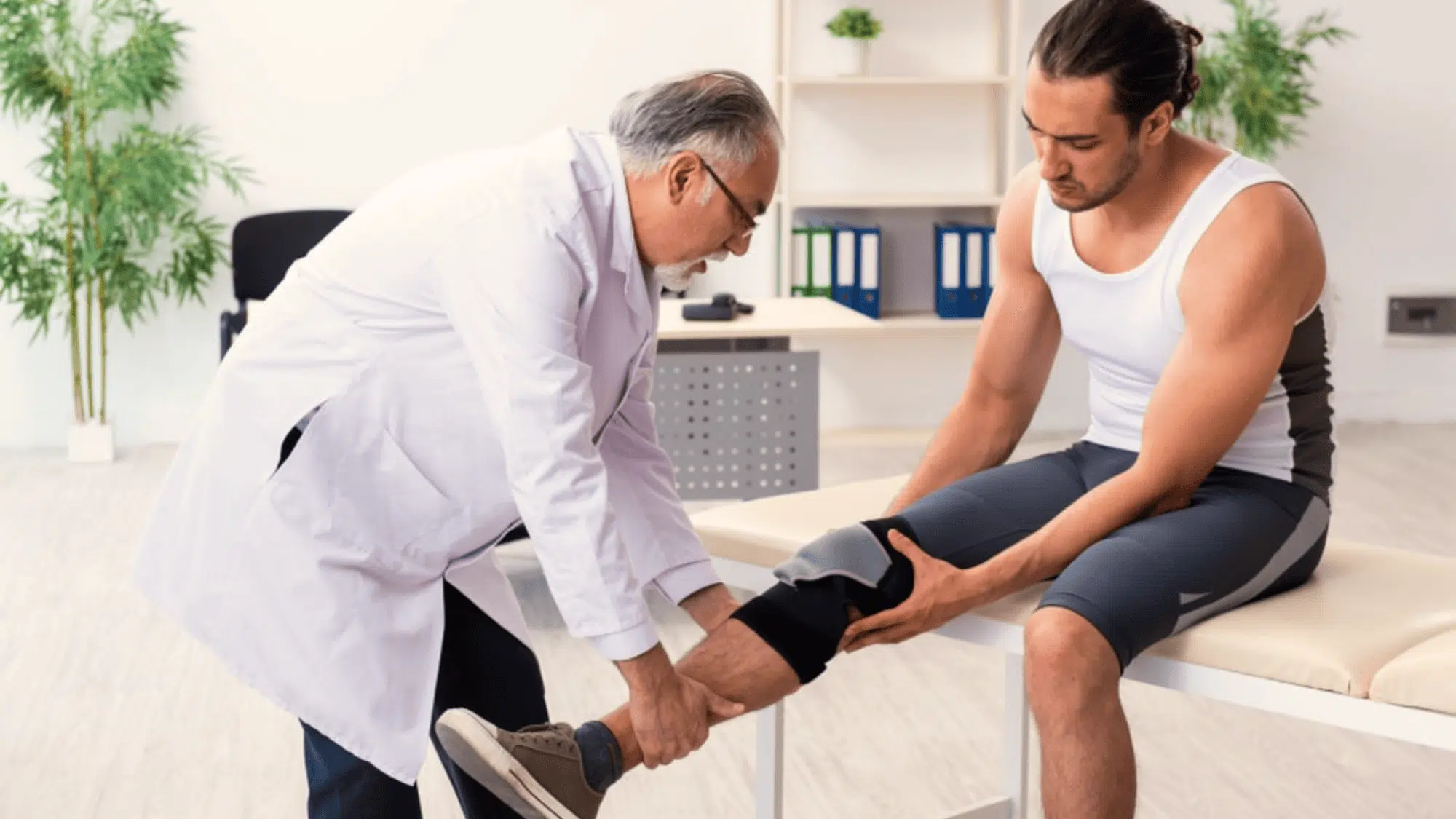
Taking small steps before and after playing can greatly lower injury risk. Simple habits help protect muscles, joints, and overall movement.
- Proper Warm-Up Before Playing: Warming up helps your muscles loosen and get ready to move. It lowers the chance of pulling or straining a muscle.
- Cooling Down After Activity: Cooling down helps your body relax after exercise. It reduces muscle tightness and soreness.
- Wearing Proper Sports Gear: Wearing the right shoes and safety gear protects your body. It also helps support joints during movement.
- Maintaining Good Technique: Using the correct form keeps stress off muscles and joints. Poor form can lead to injury over time.
- Taking Rest Days Seriously: Rest days allow your body to heal and recover. Skipping rest can cause pain and overuse injuries.
Conclusion
Sports injuries are common, but they should not stop you from enjoying sports or staying active.
Knowing the common injuries, early warning signs, and simple prevention steps can help you make smarter choices while playing.
Small actions like warming up, resting when needed, and using the right gear can make a big difference over time.
Listening to your body is just as important as training hard. Pain is not something to push through or ignore. When you take injuries seriously, recovery becomes easier and safer.
Staying active should support your health, not harm it. Everyone’s experience with sports injuries is different, and real stories help others learn.
If you’ve had a sports injury or found a helpful tip that helped you recover, share your experience in the comments below.