
College basketball coaches are some of the highest-paid figures in all of sports, and you might be surprised just how much they’re earning in 2026.
From championship-winning legends to rising stars turning programs around, these coaches command massive salaries thanks to March Madness revenue, lucrative media deals, and their ability to recruit top talent.
In this guide, you’ll find who tops the list of the highest-paid college basketball coaches right now, including both men’s and women’s programs.
I’ll break down how their contracts work, what makes up those eye-popping paychecks, and why schools are willing to invest millions in the right coach.
How College Basketball Coach Salaries Work
When you hear that a college basketball coach makes $8 million a year, that number usually isn’t just one simple paycheck.
Coach salaries are actually made up of several different parts that all add up to create those headline-grabbing totals.
Base Salary vs Bonuses vs Retention Pay
Think of a coach’s total compensation like a three-layer cake. Each layer adds something different to the final package:
| Salary Component | What It Means | Example |
|---|---|---|
| Base Salary | Guaranteed money paid no matter what | $4 million per year |
| Performance Bonuses | Extra pay for hitting specific goals | $500K for NCAA Tournament appearance |
| Retention Pay | Loyalty bonuses for staying at the school | $1 million every three years |
Performance bonuses can really add up throughout a successful season:
- Win the conference championship? That could be $100,000 to $250,000
- Make the NCAA Tournament? Another $200,000 to $500,000
- Reach the Final Four? Potentially $500,000 or more
- Win a national title? Some coaches earn $1 million+ for cutting down the nets
Retention pay is basically a “please don’t leave us” payment that rewards loyalty. Schools use these bonuses to make it financially painful for coaches to jump to rival programs.
Rolling and Lifetime-Style Contracts
You’ve probably heard about coaches signing 10-year deals or even “lifetime” contracts. These aren’t always what they sound like.
Rolling contracts automatically extend themselves to keep the coach secure:
- A coach signs a six-year rolling deal in 2025
- After the 2026 season, it automatically extends to end in 2032
- The coach always has multiple years guaranteed, which helps recruit players
- It shows recruits: “This coach will be here for your entire college career.”
Lifetime contracts sound permanent, but they’re really just long-term agreements. They’re more about showing commitment and stability than actually lasting someone’s entire career.
Schools can still buy them out or renegotiate if things go south.
Why Salaries Fluctuate Year to Year
Coach salaries can change quite a bit from one year to the next, even without signing a new contract. Here’s why:
Built-in raises: Most contracts include automatic salary increases. A coach might start at $8 million but get scheduled bumps to $8.5 million the next year, then $9 million after that.
Performance varies: A coach who reaches the Elite Eight one year might only make the Sweet 16 the next, which means different bonus payments. One championship run can temporarily spike a coach’s earnings by millions.
Contract extensions happen constantly: When a coach succeeds, schools often tear up old deals for bigger ones to keep them from leaving. If a mid-major coach reaches the Final Four, a contract renegotiation is likely.
Understanding these pieces helps explain why the numbers you see in salary rankings aren’t always straightforward, and why coaching college basketball has become such a lucrative profession.
Highest Paid College Basketball Coaches
Here’s the complete ranking of college basketball’s biggest earners, from championship winners to program builders who’ve earned every dollar of their massive contracts.
Listed salaries are based on data from, USA Today, ESPN and NBC Sports.
1. Bill Self – Kansas Jayhawks
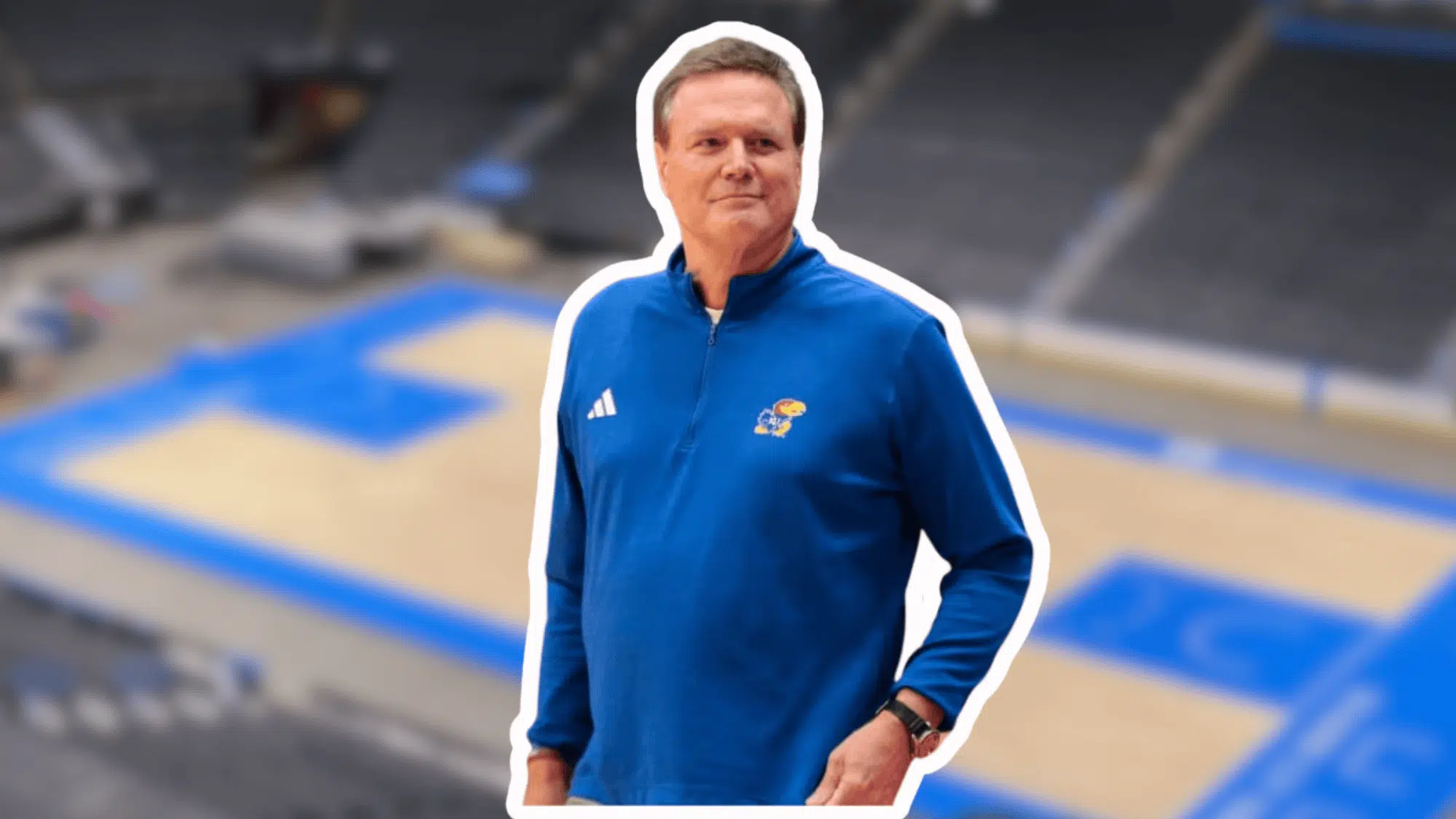
Makes about: $8.8 Million every year
| Contract Years | Buyout Clause |
|---|---|
| 2023–lifetime (rolling 5-year) | Not publicly specified; high due to lifetime terms |
I’ve watched Self build Kansas into a money-printing machine. The lifetime contract they gave him after the 2022 championship? That’s how you lock down elite talent.
He consistently delivers Final Four runs and NBA-ready players, making every dollar worth it.
From a business perspective, Kansas understands that consistency at the top is worth more than chasing flashy replacements.
2. John Calipari – Arkansas Razorbacks
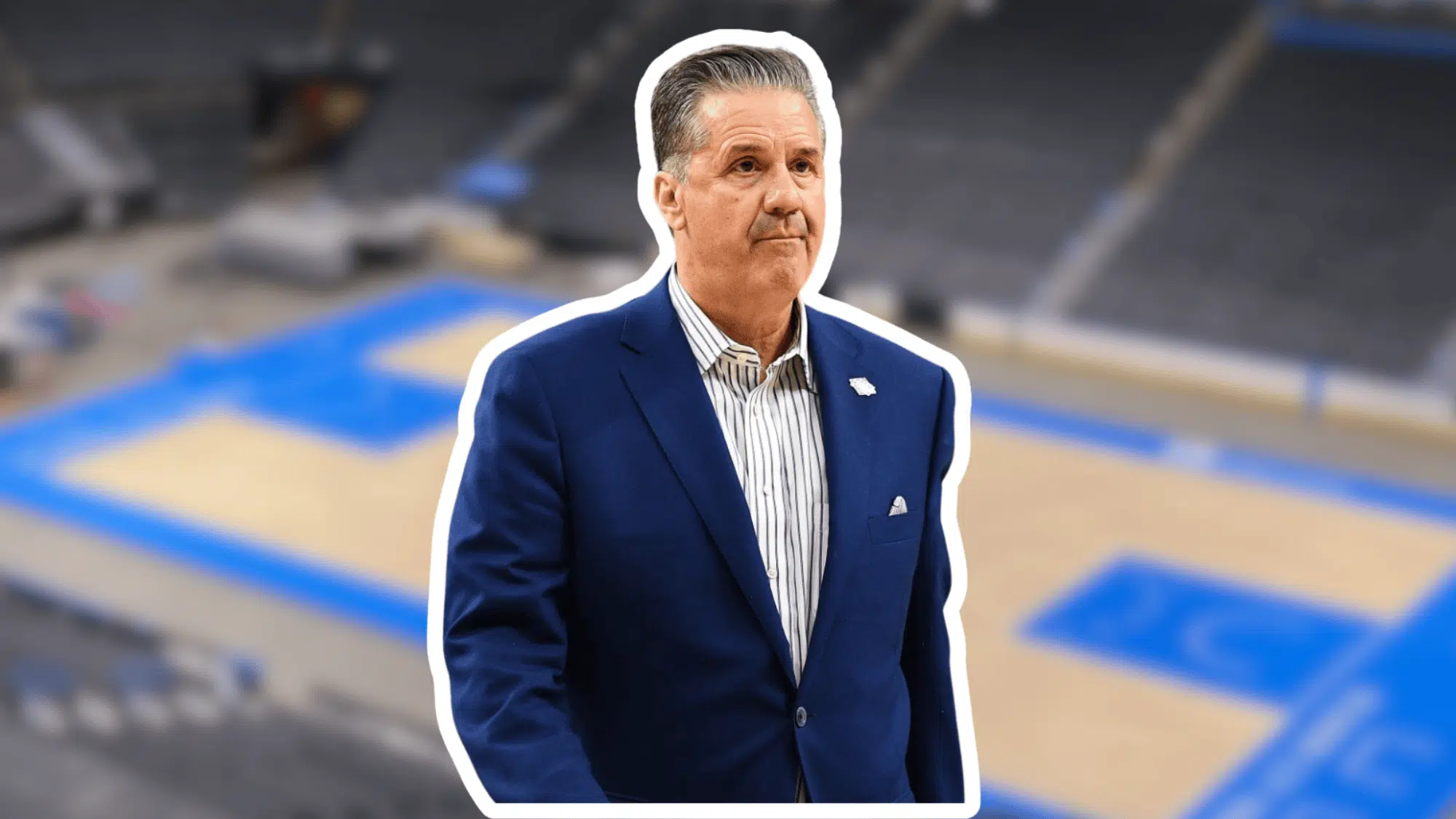
Makes about: $8 Million every year
| Contract Years | Buyout Clause |
|---|---|
| 2024–2029 (to 2031 possible) | $6M if leaving for another job; repay $1M bonus if within 1 year |
Calipari’s move to Arkansas in 2024 was a masterclass in personal branding. He built his reputation as the ultimate one-and-done recruiter at Kentucky, and Arkansas paid premium dollars to import that system.
I see this as Arkansas making a calculated bet; they’re not just hiring a coach, they’re buying instant credibility and recruiting pipelines that take decades to build organically.
3. Dan Hurley – UConn Huskies
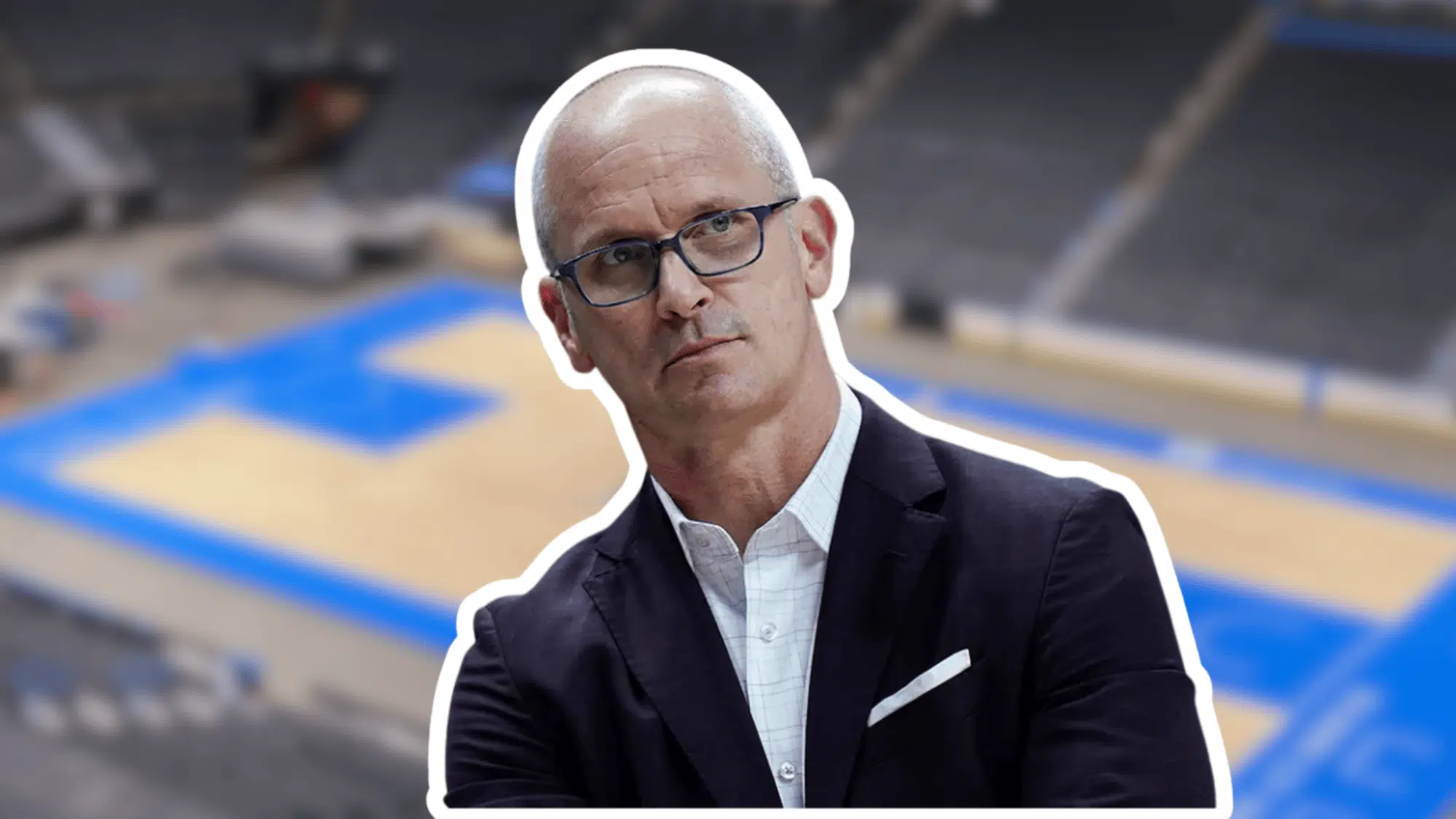
Makes about: $7.7 Million every year
| Contract Years | Buyout Clause |
|---|---|
| 2025–2031 | $10M+ early; drops post-2028 |
Turning down $70 million from the Lakers? That’s leverage. Hurley used that NBA offer to negotiate a massive raise while staying in his championship-winning system.
Two back-to-back titles give you that kind of power. I would argue UConn got a bargain considering he’s currently one of the best coaches in the sport and could probably ask for even more.
4. Tom Izzo – Michigan State Spartans
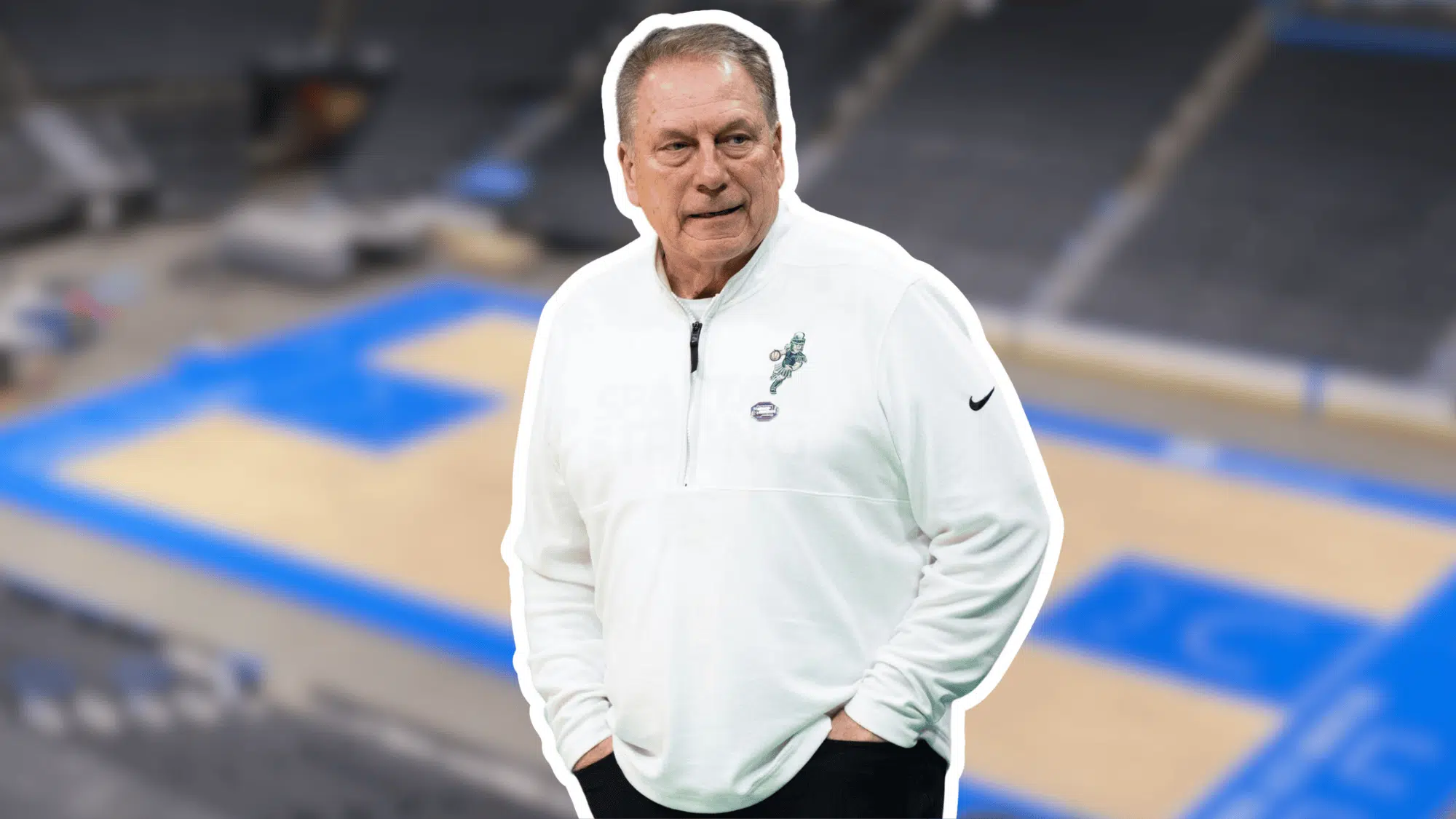
Makes about: $6.2 Million every year
| Contract Years | Buyout Clause |
|---|---|
| 2024–2029 | $5M+ initial; performance-tied |
Izzo represents old-school value in coaching contracts. Thirty years of loyalty, eight Final Fours, and consistent March Madness appearances create institutional knowledge you can’t replicate.
Michigan State essentially has a competitive moat built around its recruiting network and culture.
From an ROI standpoint, his stability likely saves the school millions in recruiting infrastructure and brand equity maintenance costs.
5. Mick Cronin – UCLA Bruins
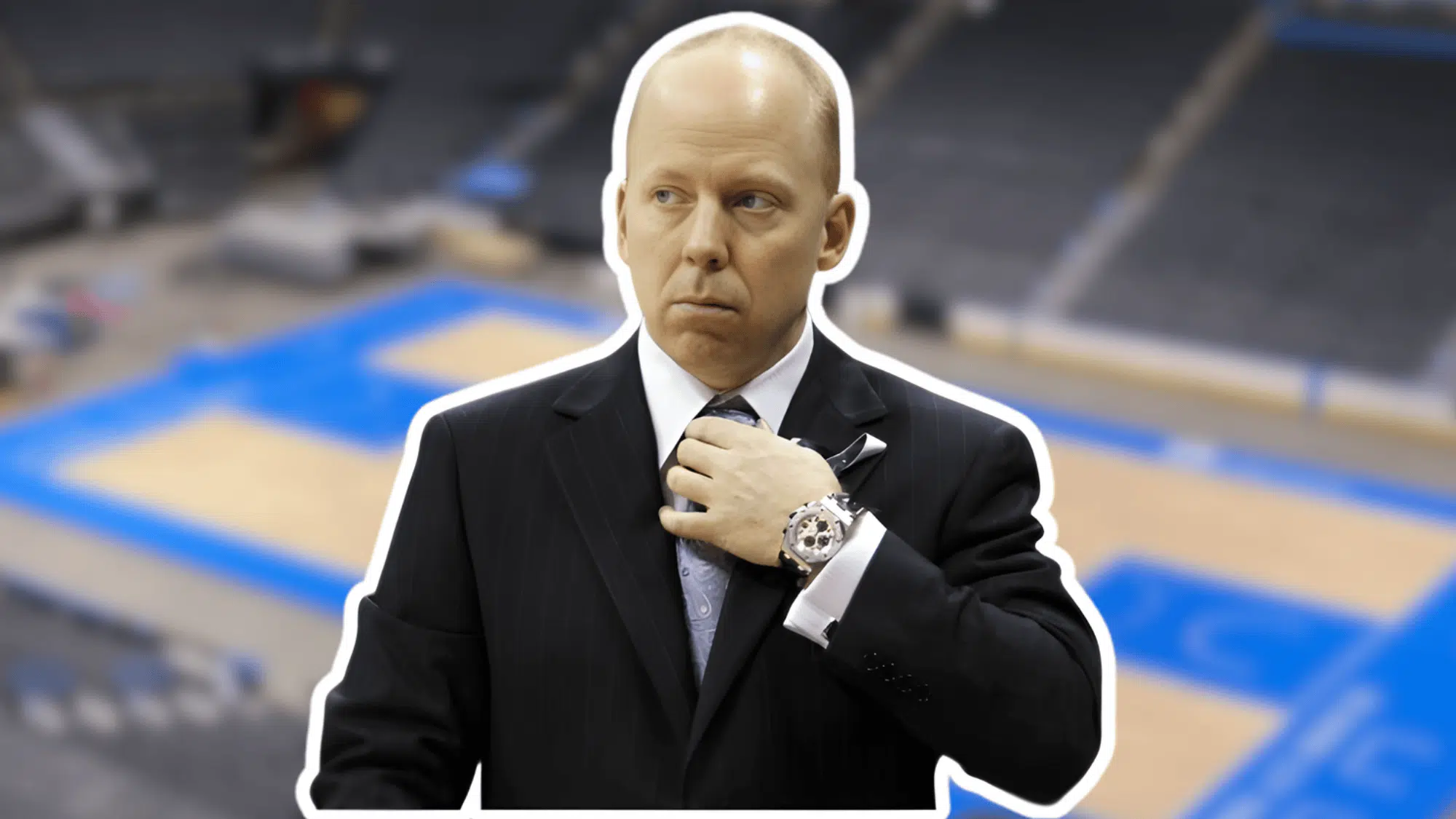
Makes about: $6.1 Million every year
| Contract Years | Buyout Clause |
|---|---|
| 2022–2028 | $6M early termination |
Cronin had to command serious money in the LA market, where you’re competing with entertainment industry salaries and lifestyle costs.
He’s restored UCLA’s winning culture through defensive fundamentals, which isn’t sexy but wins games.
I see his contract as reflecting the market more than pure performance; you pay a premium for proven coaches willing to deal with LA’s unique pressures and expectations.
6. Bruce Pearl – Auburn Tigers
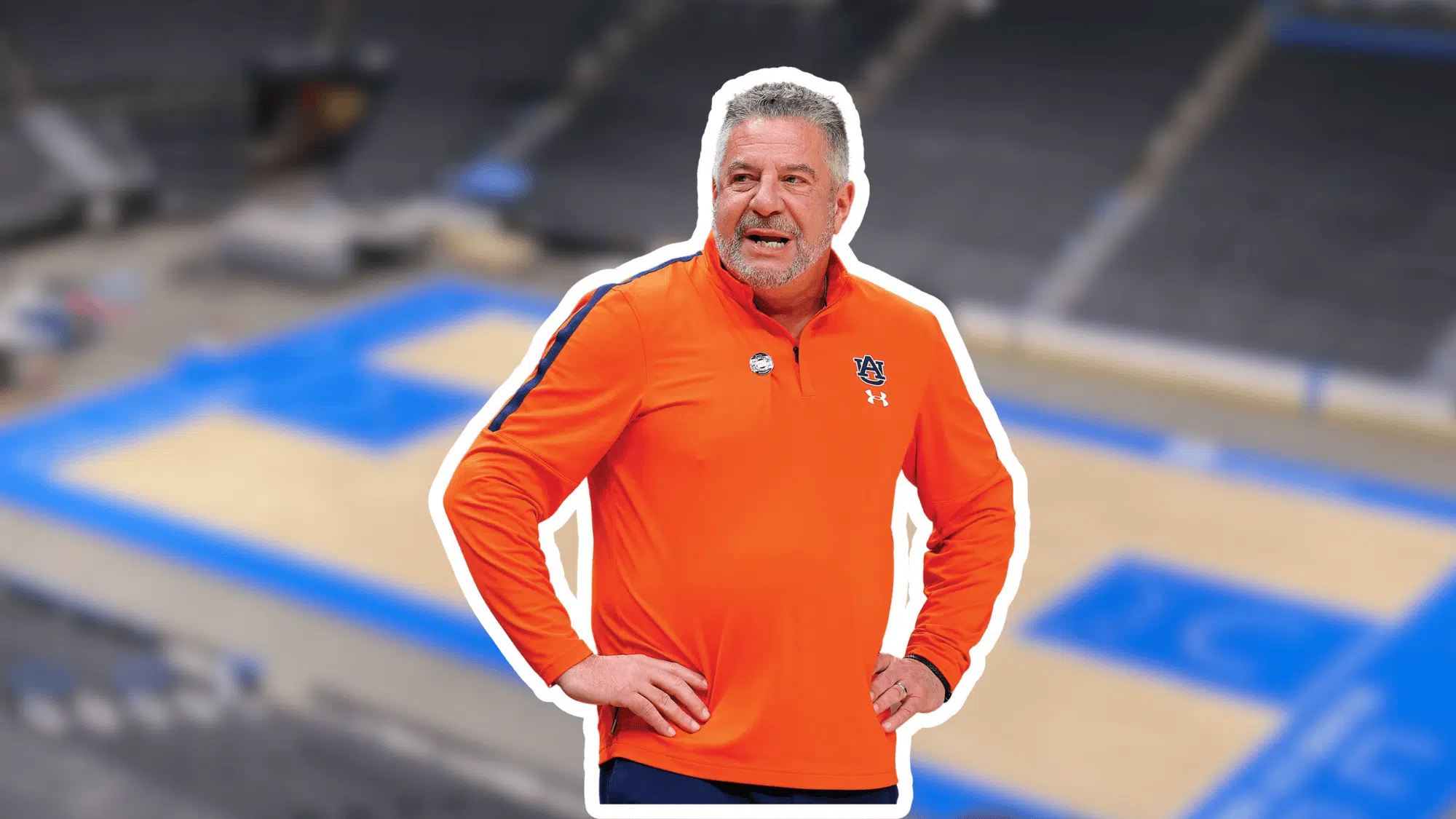
Salary: ~$5.9 million per year
| Contract Years | Buyout Clause |
|---|---|
| 2024–2031 | $10M first 3 years |
Pearl’s ability to build basketball excitement in SEC football territory is worth its weight in gold. I’ve seen him change Auburn into appointment viewing with high-energy systems and charismatic recruiting.
Multiple Final Four runs prove he’s not just entertainment; he delivers results. The contract reflects Auburn’s need to compete financially with football-first schools that are suddenly investing heavily in basketball programs.
7. Rick Barnes – Tennessee Volunteers
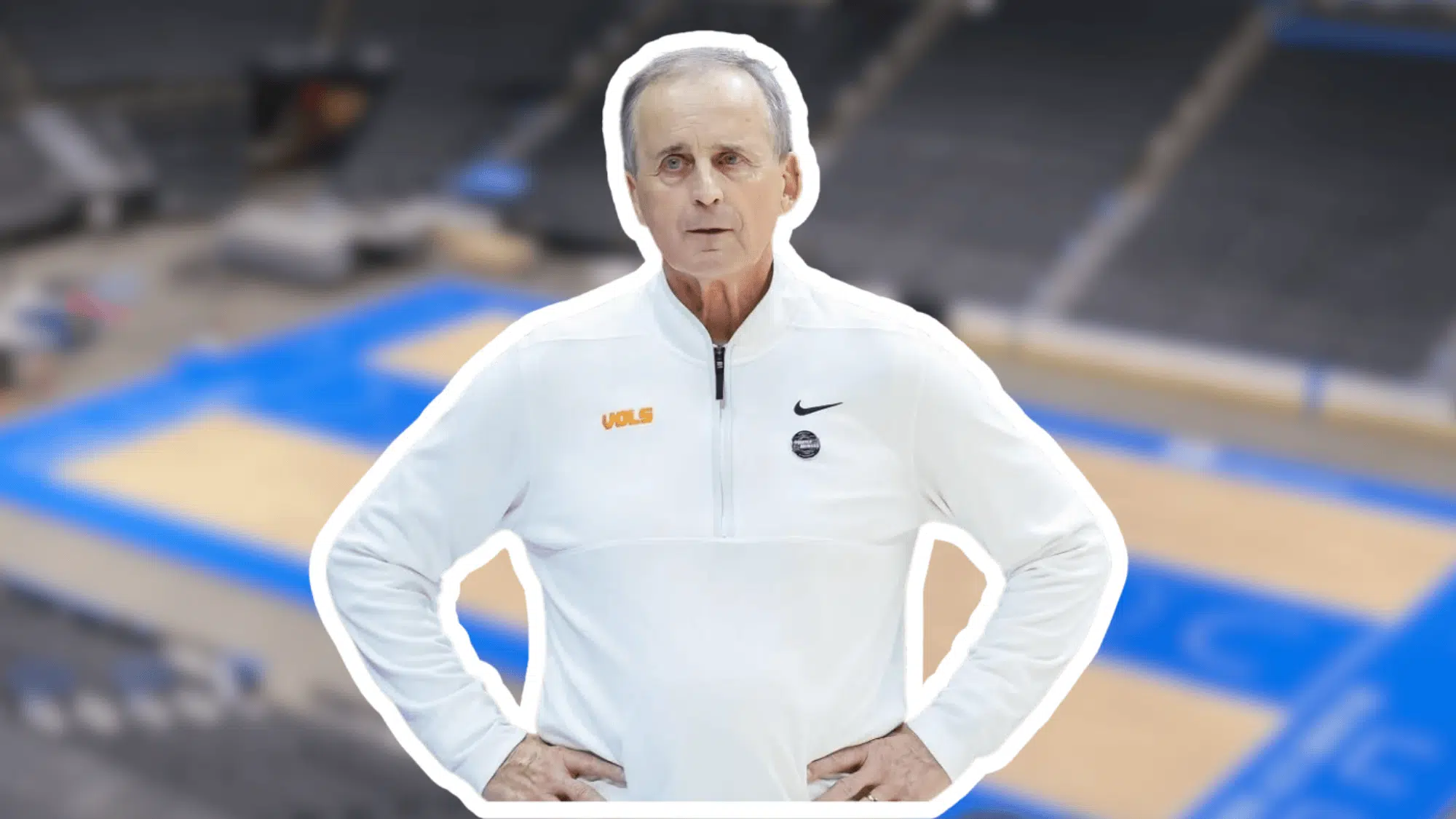
Makes about: $5.8 Million every year
| Contract Years | Buyout Clause |
|---|---|
| 2025–2031 | $5M with bonuses |
Barnes has consistently developed NBA talent while dominating the SEC, which creates a self-sustaining recruiting advantage.
I appreciate how Tennessee structured his deal with performance bonuses; it’s smart incentive alignment. His loyalty to the program, after multiple successful years, gives Tennessee incredible stability.
In today’s coaching carousel, keeping proven winners is often cheaper than constantly rebuilding with expensive new hires.
8. Scott Drew – Baylor Bears
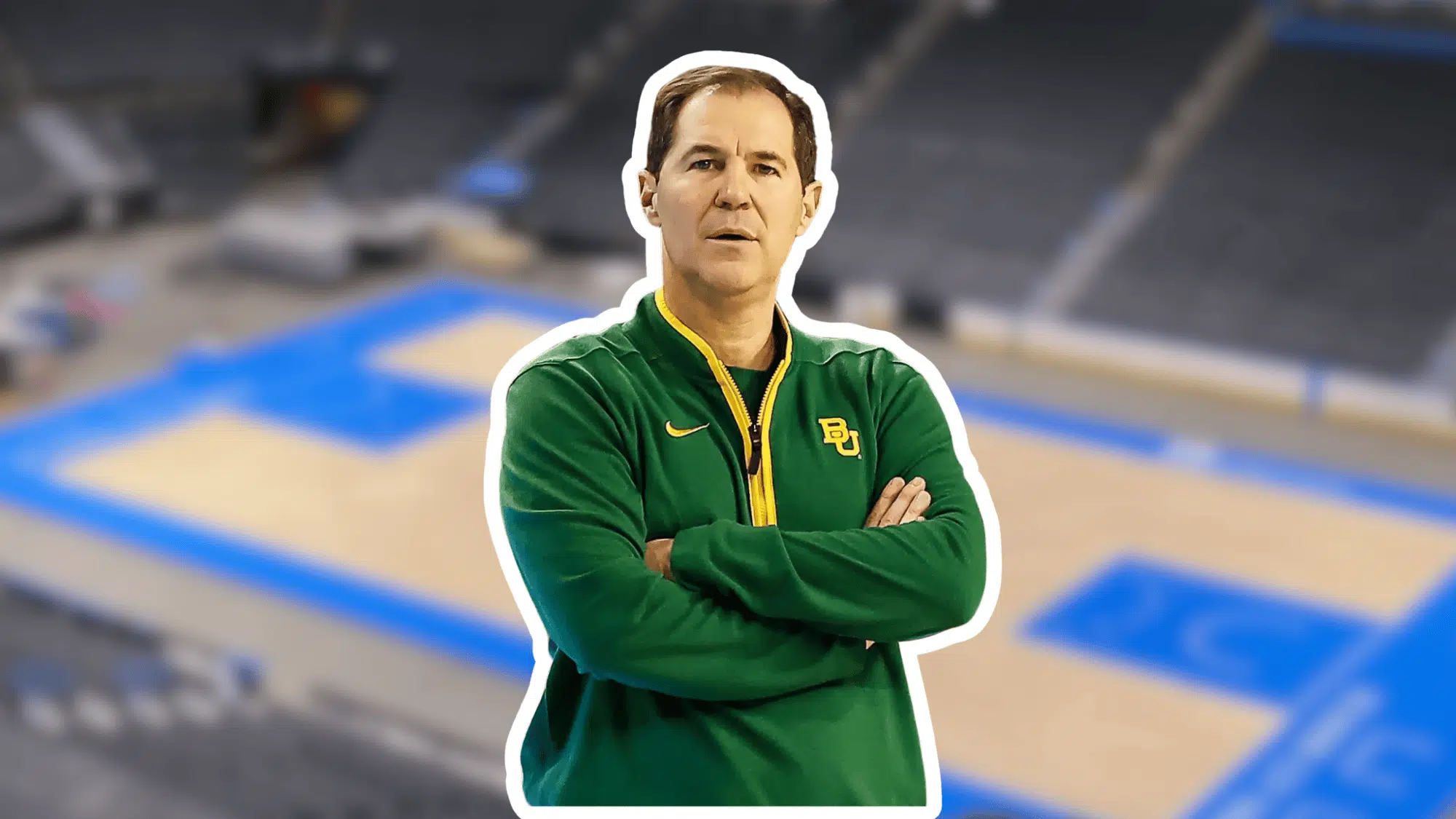
Makes about: $5.4 million every year
| Contract Years | Buyout Clause |
|---|---|
| 2021–2028 | $4M+ loyalty bonuses |
Drew’s 2021 championship came after nearly two decades of patient program-building following literal NCAA sanctions. That’s the kind of organizational turnaround that makes for a business school case study.
Baylor’s investment reflects their understanding that championship-level coaches don’t grow on trees.
9. Chris Beard – Ole Miss Rebels
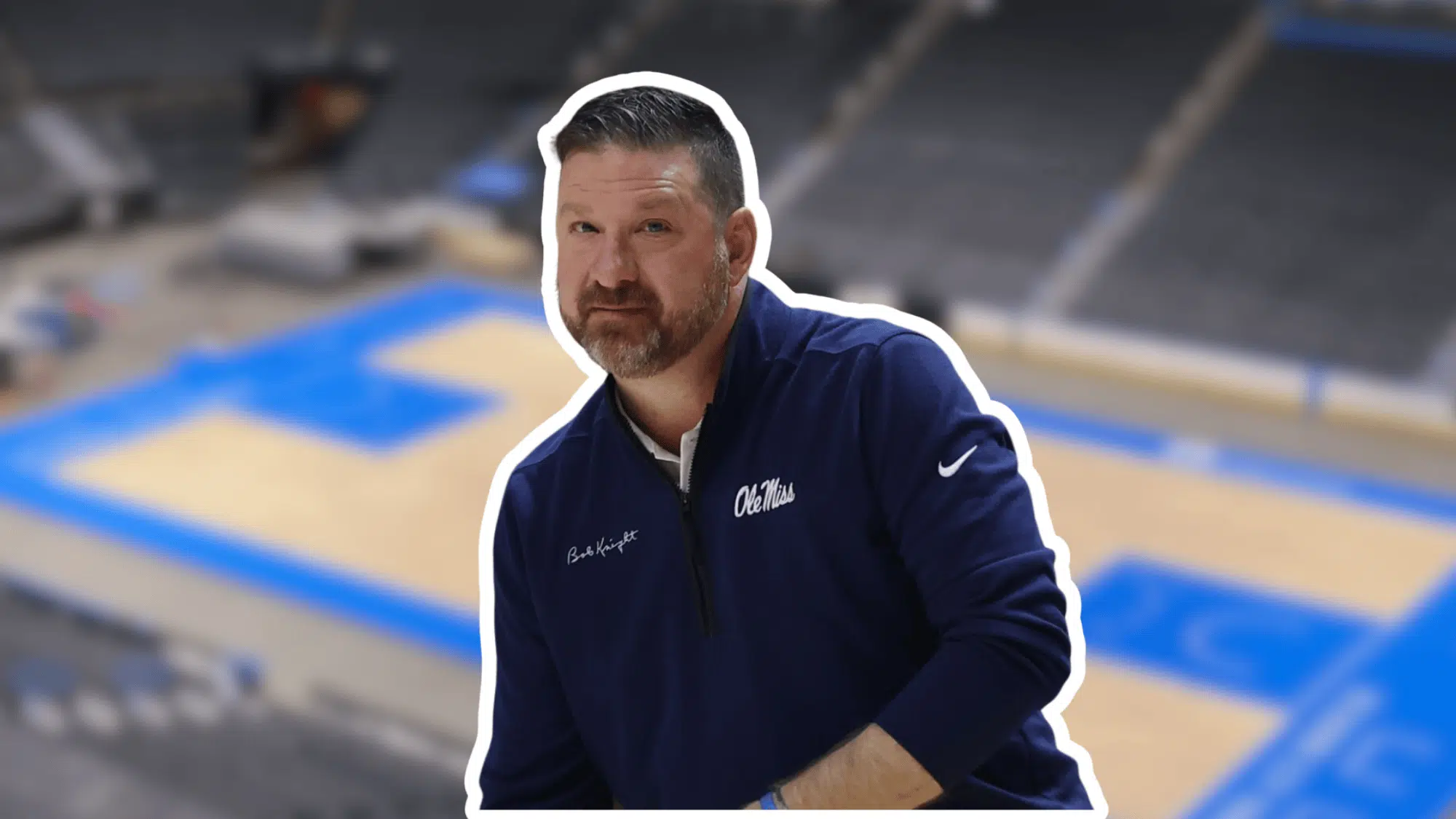
Makes about: $5 Million every year
| Contract Years | Buyout Clause |
|---|---|
| 2024–2030 | $5M flat |
Ole Miss is making a high-risk, high-reward bet here. Beard’s defensive systems and quick turnaround ability are proven commodities – he took Texas Tech to the championship game.
The $5 million price tag shows Ole Miss’s serious ambitions to compete in the loaded SEC. I would call this an aggressive market play to shortcut the usual program-building timeline by hiring proven expertise.
10. Tommy Lloyd – Arizona Wildcats
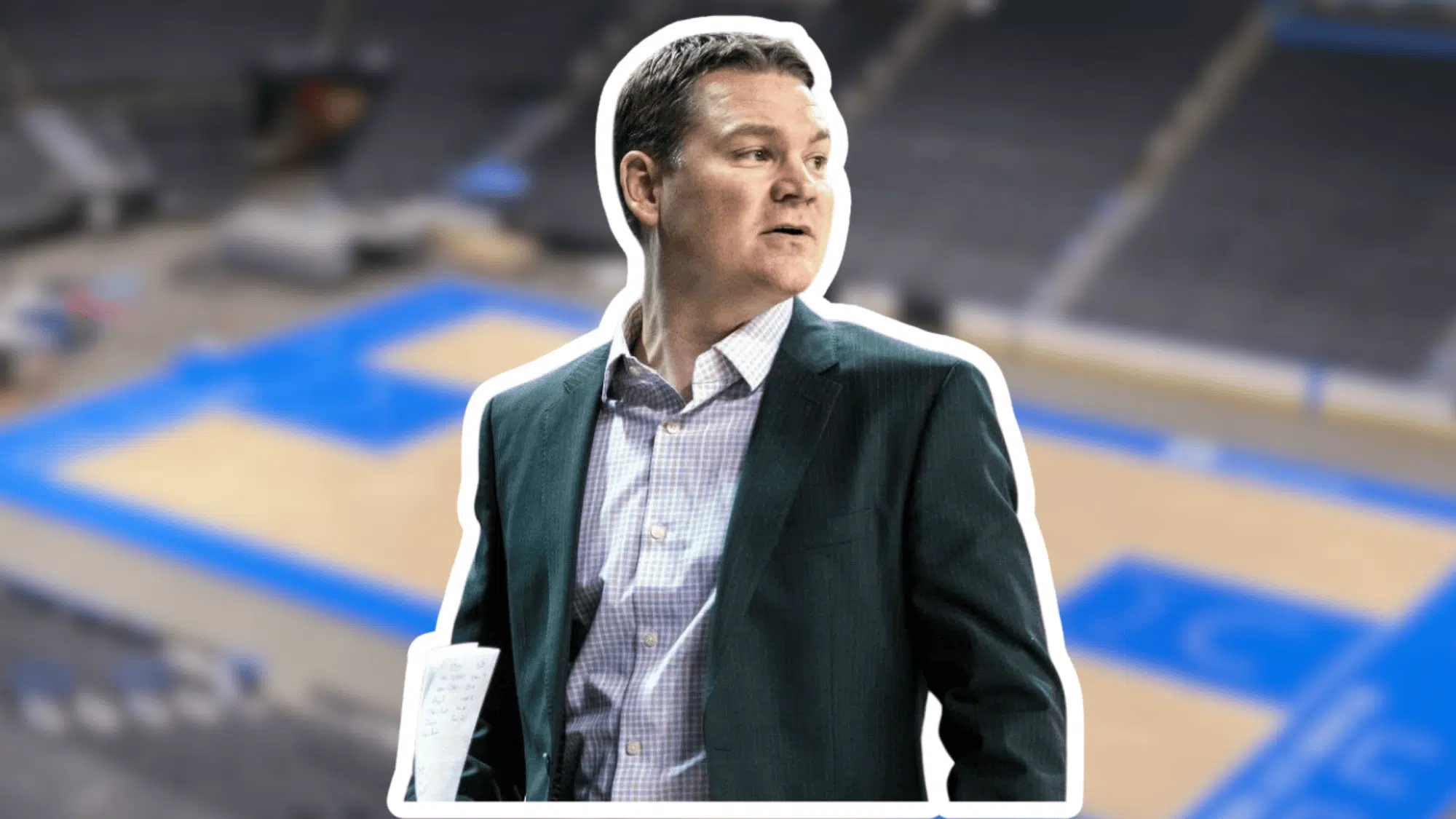
Makes about: $5.2 million every year
| Contract Years | Buyout Clause |
|---|---|
| 2025–2030 | $3M decreasing |
Lloyd’s immediate success after leaving Gonzaga proved he wasn’t just riding Mark Few’s coattails. Conference championships right out of the gate justified Arizona’s investment and subsequent raises.
I think his offensive creativity gives Arizona a distinct competitive advantage in recruiting. The raises also function as retention insurance, keeping him costs less than replacing him with another proven winner.
11. Nate Oats – Alabama Crimson Tide
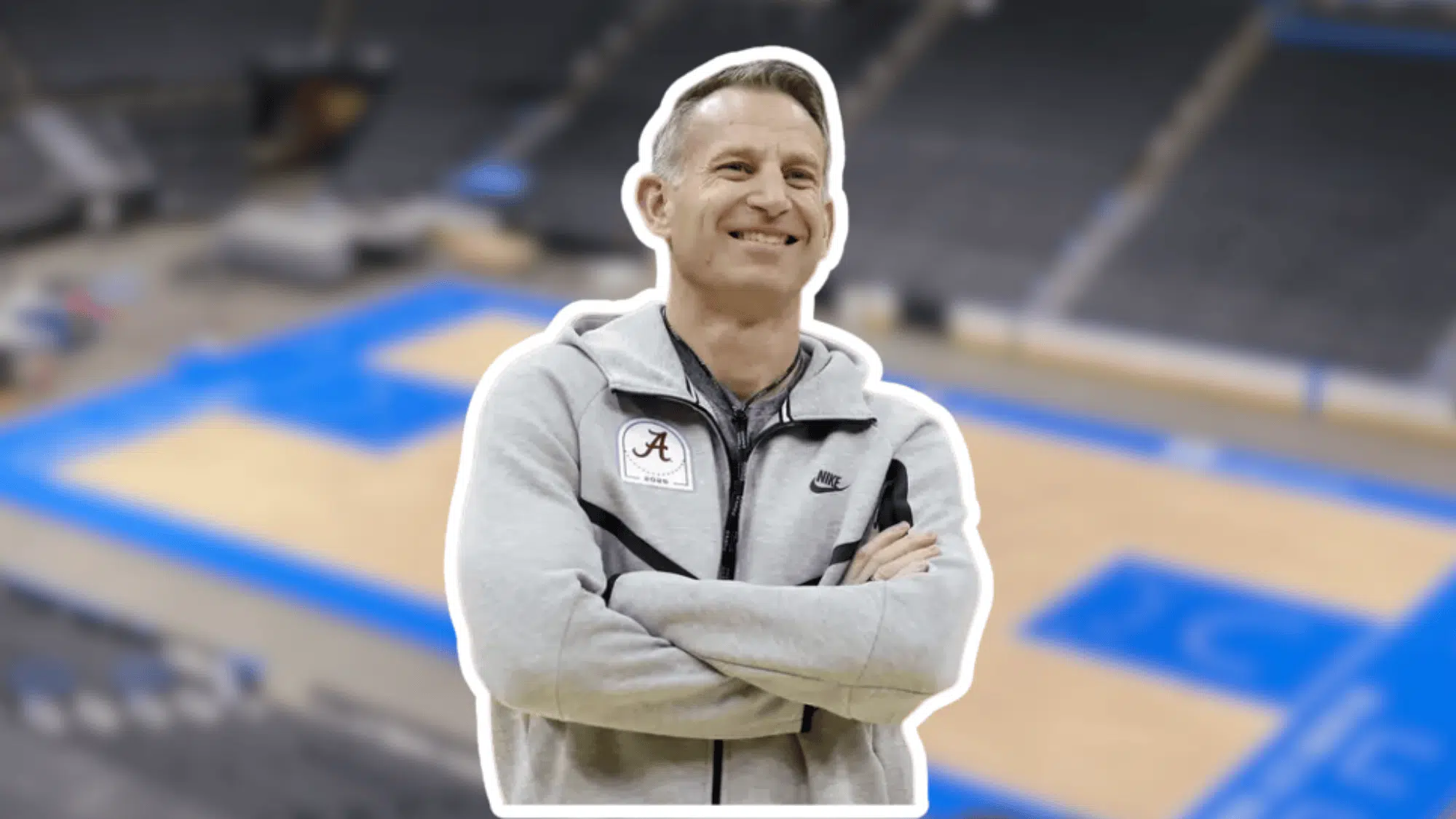
Makes about: $5 Million every year
| Contract Years | Buyout Clause |
|---|---|
| 2024–2030 | $8M early; incentives |
Oats basically turned Alabama hoops into a scoring play, and honestly, it’s been fun to watch. Alabama’s finally throwing real money at basketball after spending decades obsessed with football.
The guy’s won SEC titles and made deep runs, so yeah, he’s worth it. Plus, those raises? They’re basically saying, “Please don’t leave us” money to keep bigger programs from poaching him.
12. Mark Pope – Kentucky Wildcats
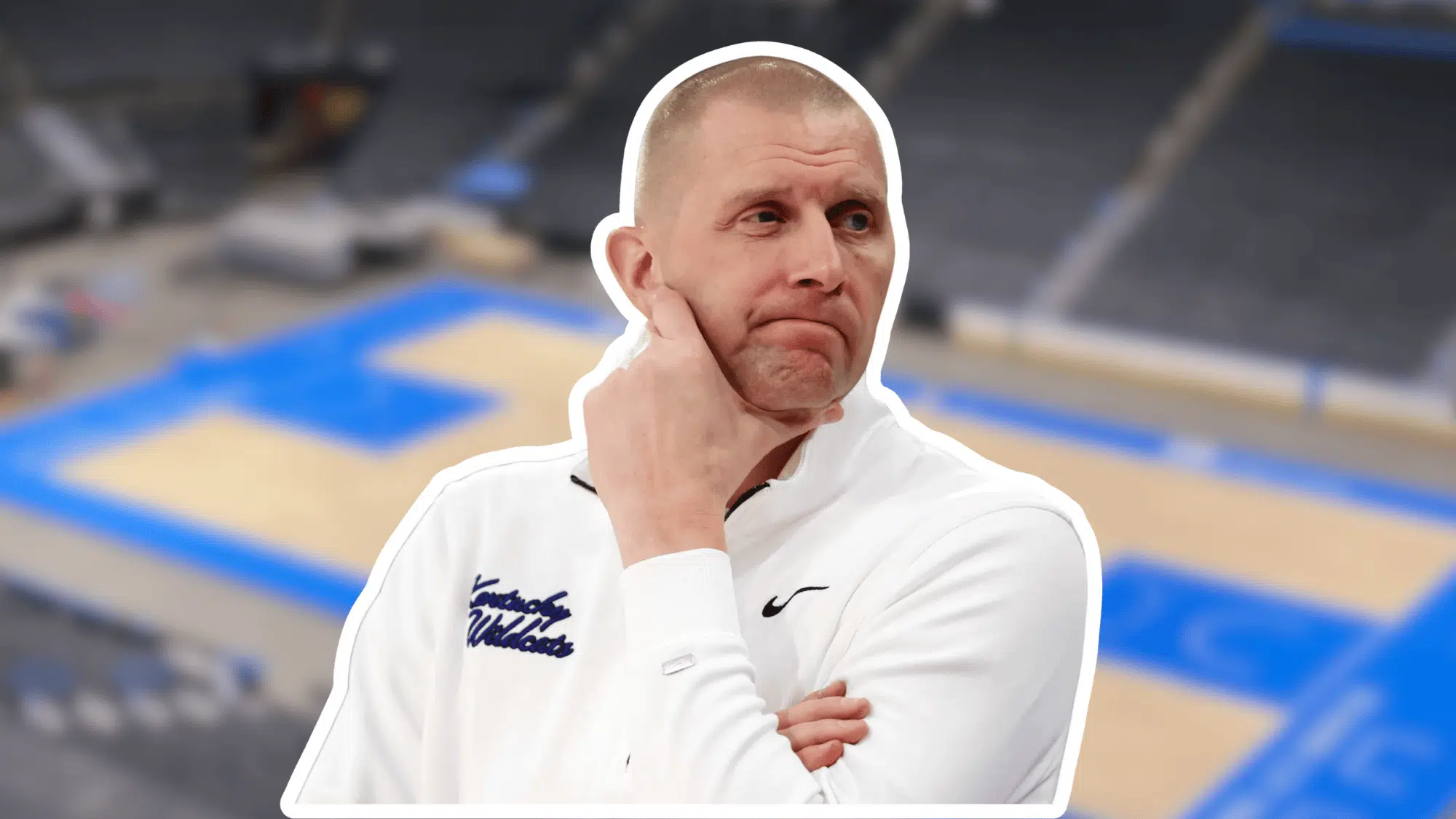
Makes about: $5 million every year
| Contract Years | Buyout Clause |
|---|---|
| 2024–2029 | $4M+ recruiting clauses |
Kentucky bringing back one of their own guys is smart – cultural fit matters way more than people think. Pope proved he can build winning programs at smaller schools, and now Kentucky’s betting $5 million he can do it at scale.
It’s not just about the money, though, they’re paying for someone who actually gets what it means to coach at Kentucky.
13. Sean Miller – Texas Longhorns
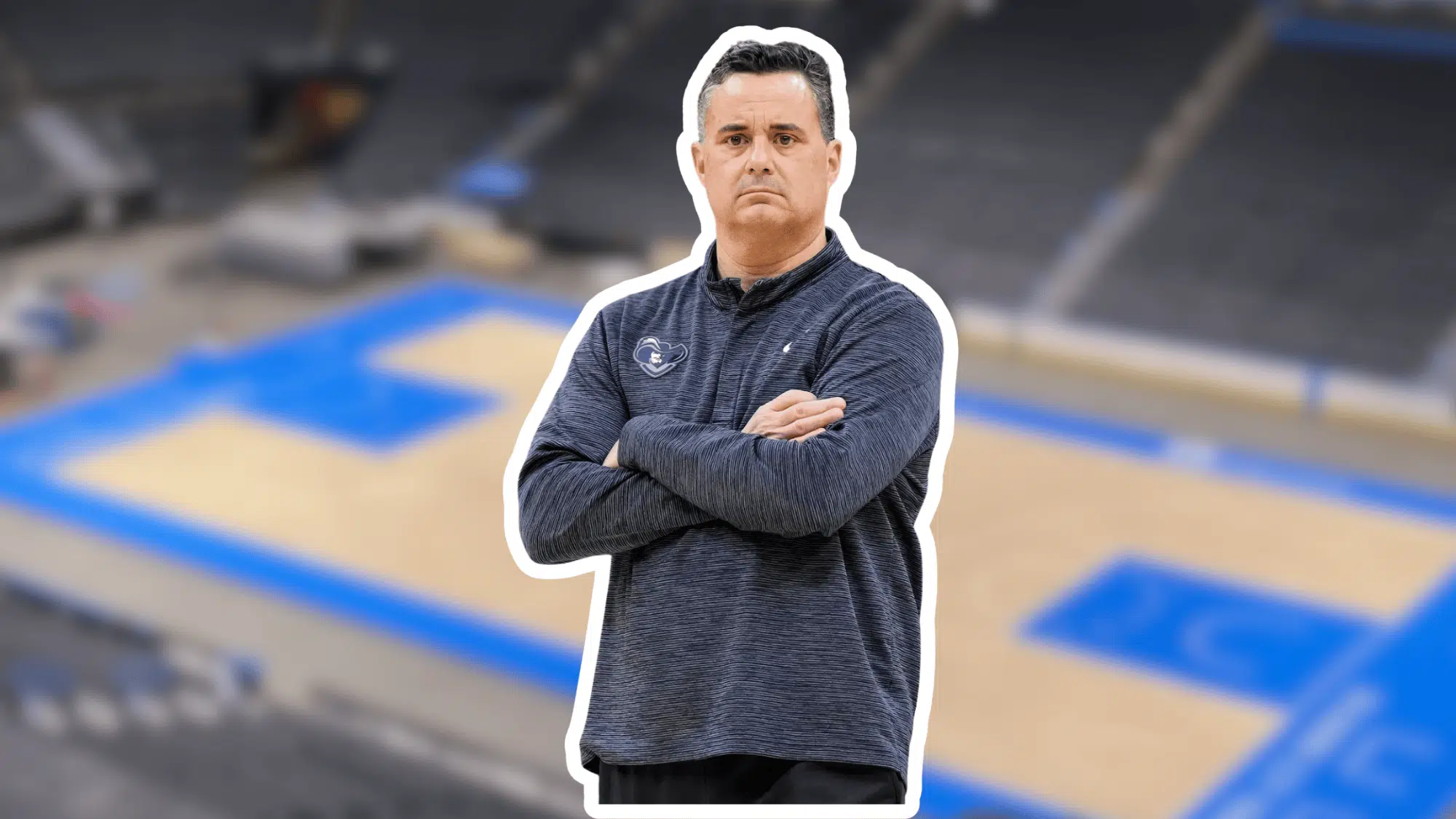
Salary: ~$4.8 million per year
| Contract Years | Buyout Clause |
|---|---|
| 2024–2029 | $5M initial |
Miller’s basically a plug-and-play solution for Texas. He’s got the recruiting connections, the tournament experience, the whole package.
Texas didn’t want to wait to develop an unproven guy, so they paid up for someone who’s already done it.
He previously led multiple teams to deep March Madness runs and is respected for building tough, competitive rosters.
Smart move in a brutal conference where you can’t afford to rebuild slowly. You’re buying years of infrastructure in one hire.
14. Matt Painter – Purdue Boilermakers
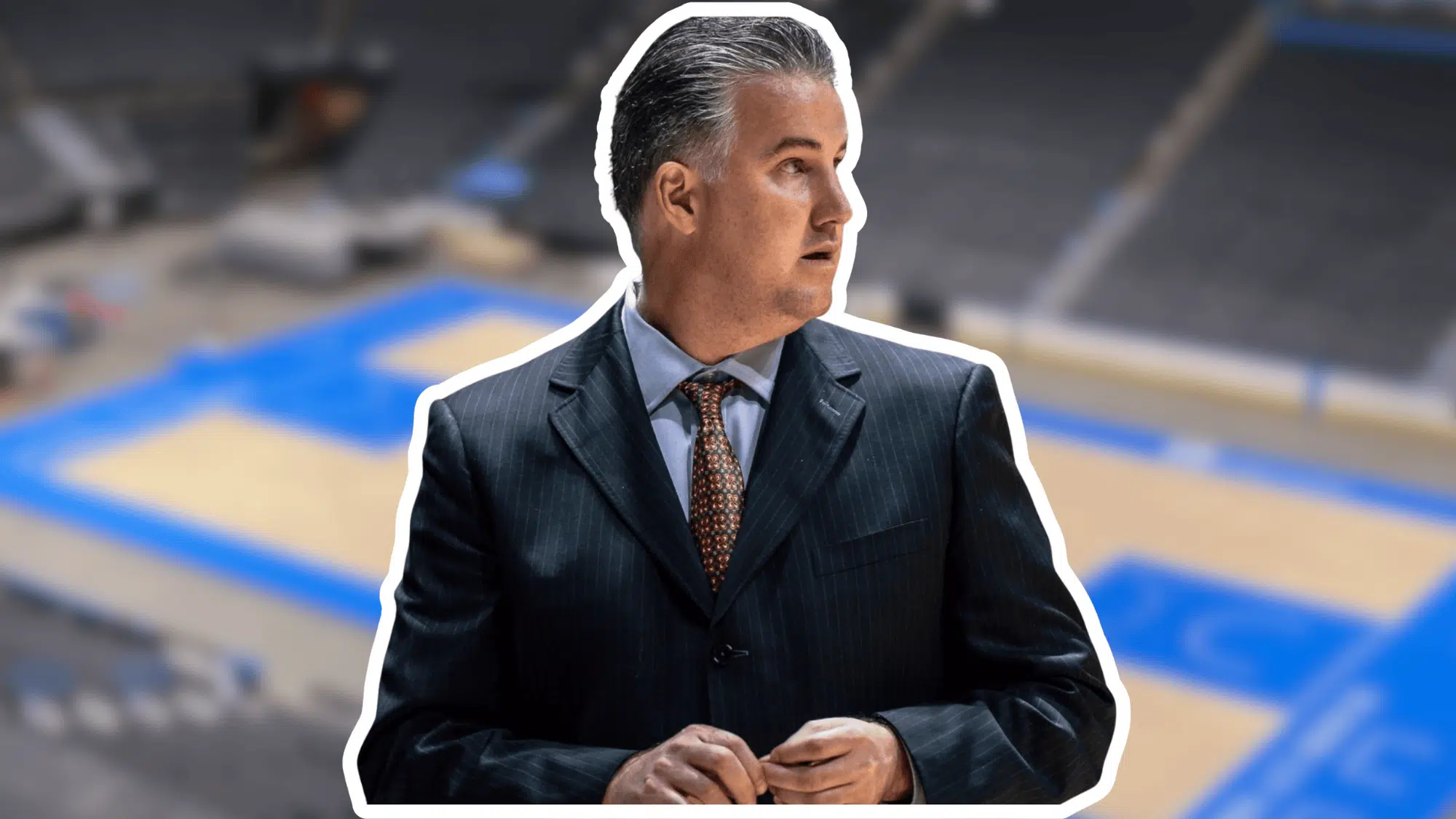
Makes about: $4.8 Million every year
| Contract Years | Buyout Clause |
|---|---|
| 2025–2032 | $4.5M Big Ten perks |
Twenty years at one school? That’s basically unheard of anymore. Painter’s found his lane developing big men into NBA guys, and Purdue’s smart enough not to mess with success.
His salary’s competitive but not crazy; they know loyalty is worth something.
Consistent Big Ten titles and tournament runs give the athletic department exactly what it wants: predictable results it can budget around.
15. Brad Underwood – Illinois Fighting Illini
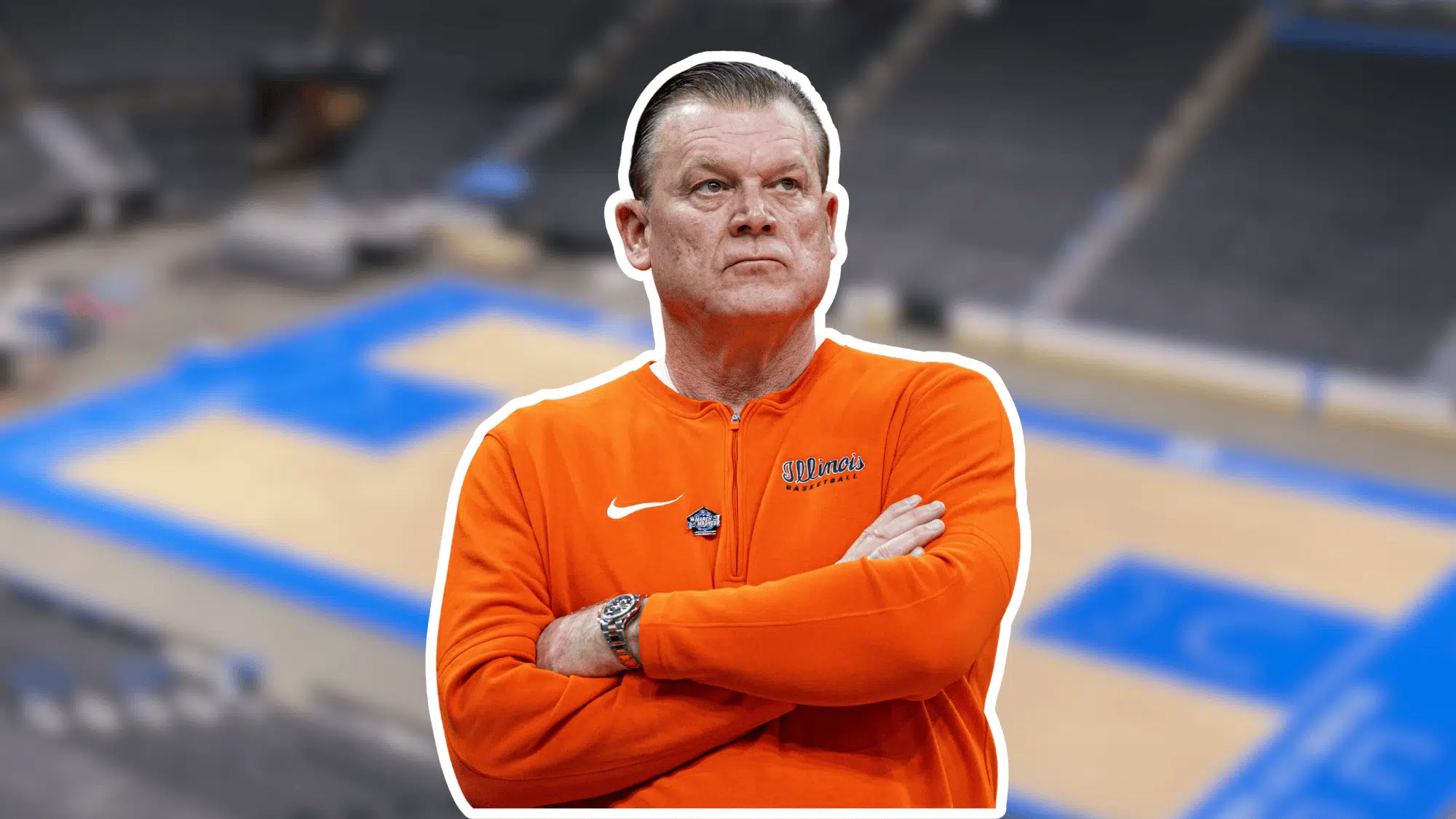
Salary: ~$4.8 million per year
| Contract Years | Buyout Clause |
|---|---|
| 2025–2031 | $4.8M |
Underwood took Illinois from irrelevant back to nationally ranked, and that kind of turnaround earns you serious money.
His defensive system works, his guys get drafted, and he can recruit talent to central Illinois, which isn’t easy.
Once you’ve successfully rebuilt a program, you gotta pay to keep that guy. Letting him walk would be throwing away all that momentum you just paid to build.
16. Fred Hoiberg – Nebraska Cornhuskers
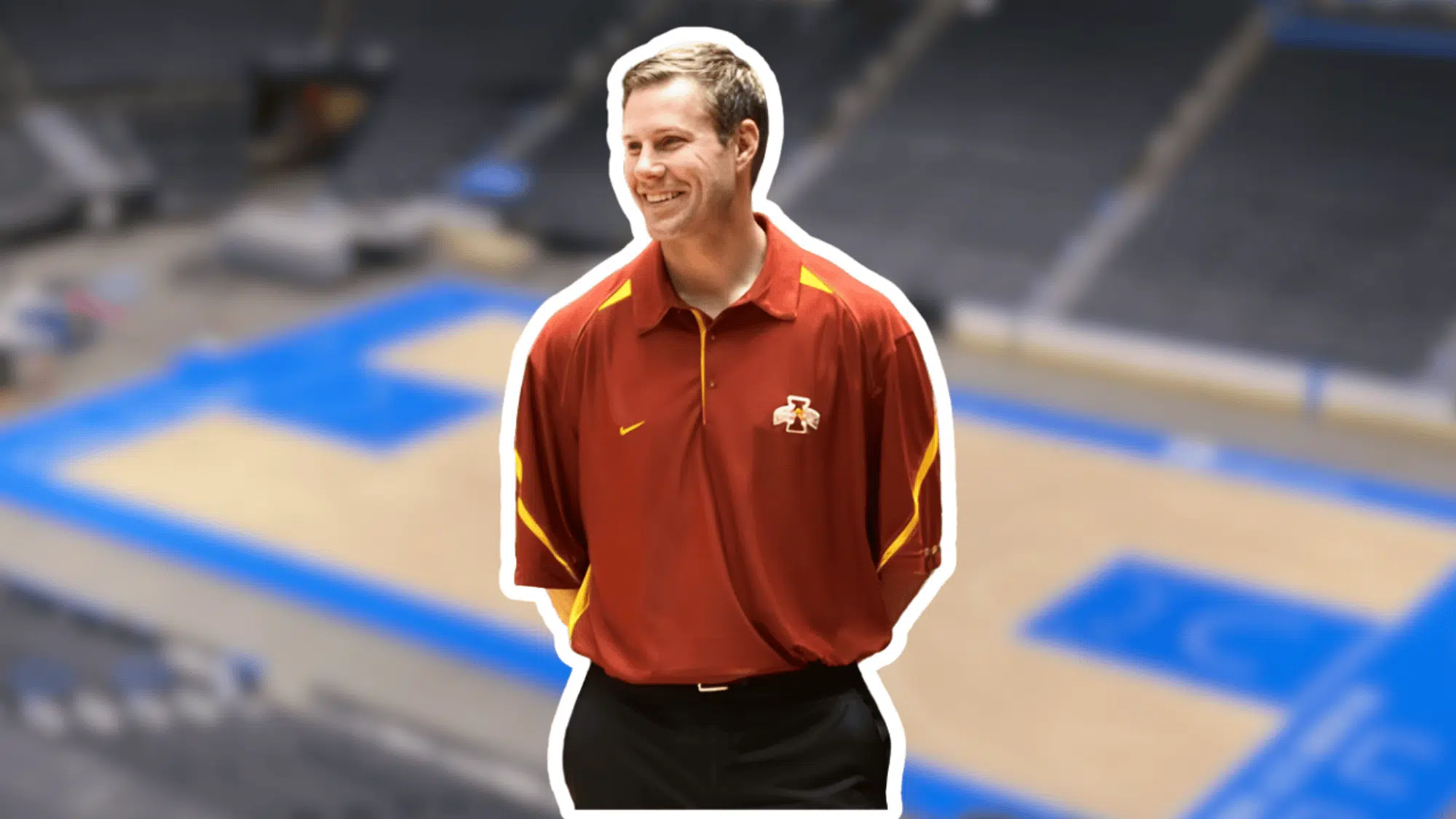
Salary: ~$4.7 million per year
| Contract Years | Buyout Clause |
|---|---|
| 2024–2031 | $4.7M tiered |
Hoiberg’s got the unenviable task of making people care about basketball at a football school. The former NBA coach brings professional experience and offensive creativity, which is cool, but Nebraska’s still waiting for consistent results.
That $4.7 million is basically a bet that his system eventually clicks. They’re hoping his modern approach can finally make the Cornhuskers relevant in basketball; it’s a long-term play.
17. Kelvin Sampson – Houston Cougars
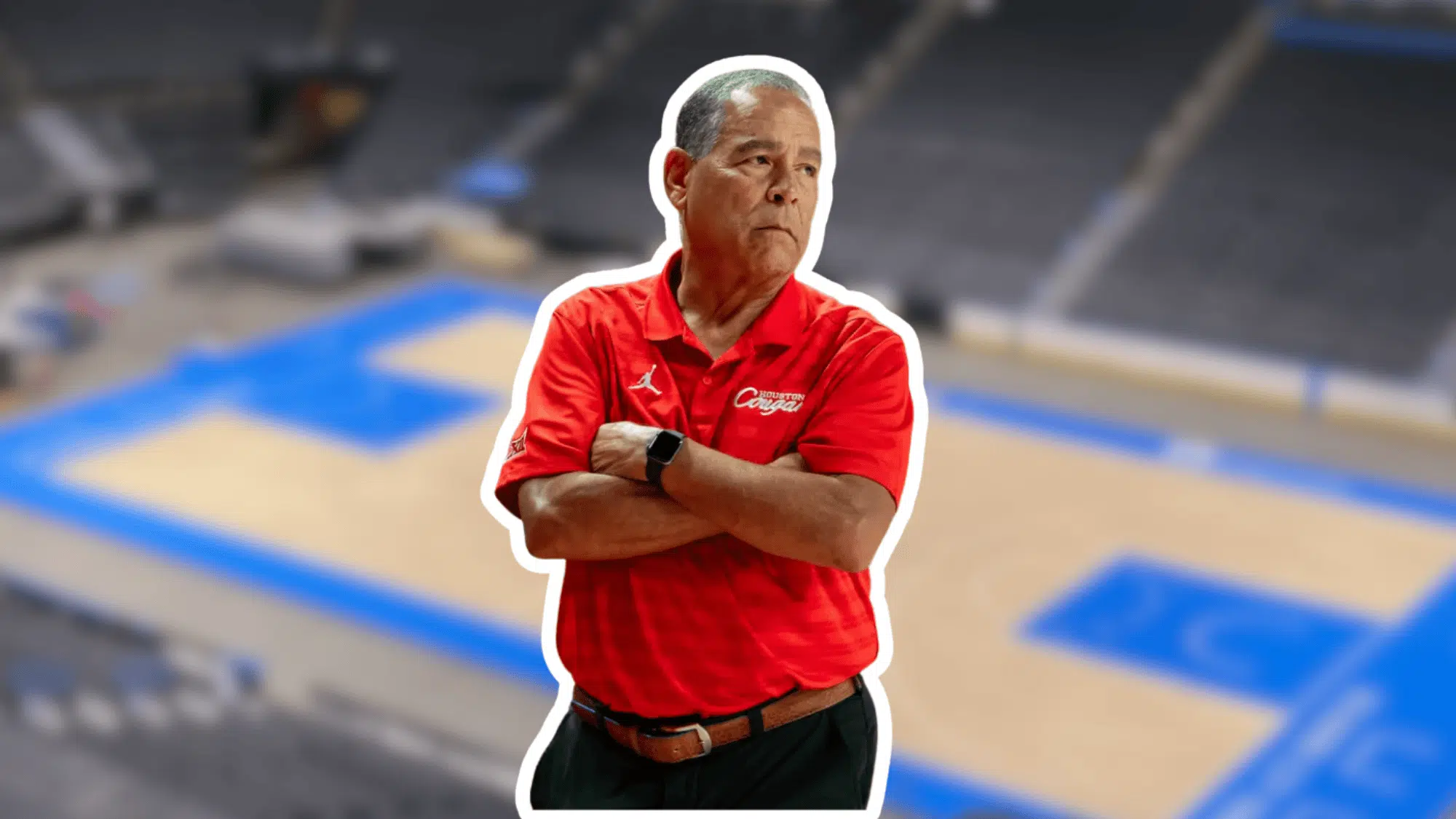
Makes about: $4.6 Million every year
| Contract Years | Buyout Clause |
|---|---|
| 2025–2031 | $4M+ Final Four protection |
Sampson turned Houston into an absolute defensive monster with multiple Final Four runs. When he showed up, the program needed serious CPR, now they’re competing for titles every year.
That change is exactly what his contract reflects. Houston’s investment shows how far they’ve come in just over a decade. The guy develops NBA talent and wins big games, that’s the formula.
18. Buzz Williams – Texas A&M Aggies
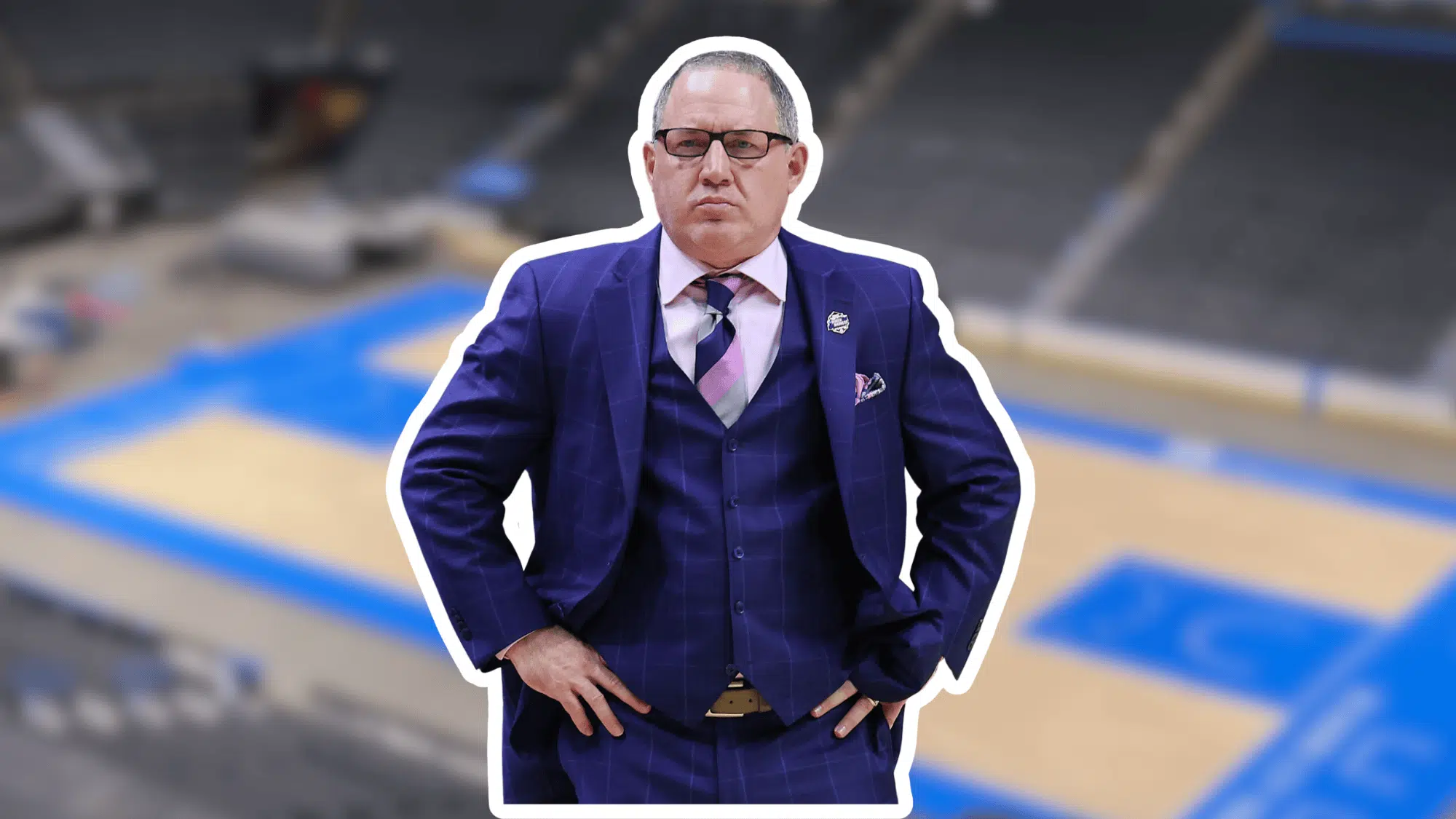
Salary: ~$4.6 million per year
| Contract Years | Buyout Clause |
|---|---|
| 2024–2030 | $4.6M early |
Williams brings that intense, in-your-face coaching style that makes Texas A&M tougher than its talent suggests. His defensive focus helps the Aggies punch above their weight in a loaded SEC.
The guy’s proven he can win at multiple stops, which matters when you’re writing checks. Texas A&M is paying for his energy and track record; they need someone who can maximize every ounce of talent.
19. Mike Woodson – Indiana Hoosiers
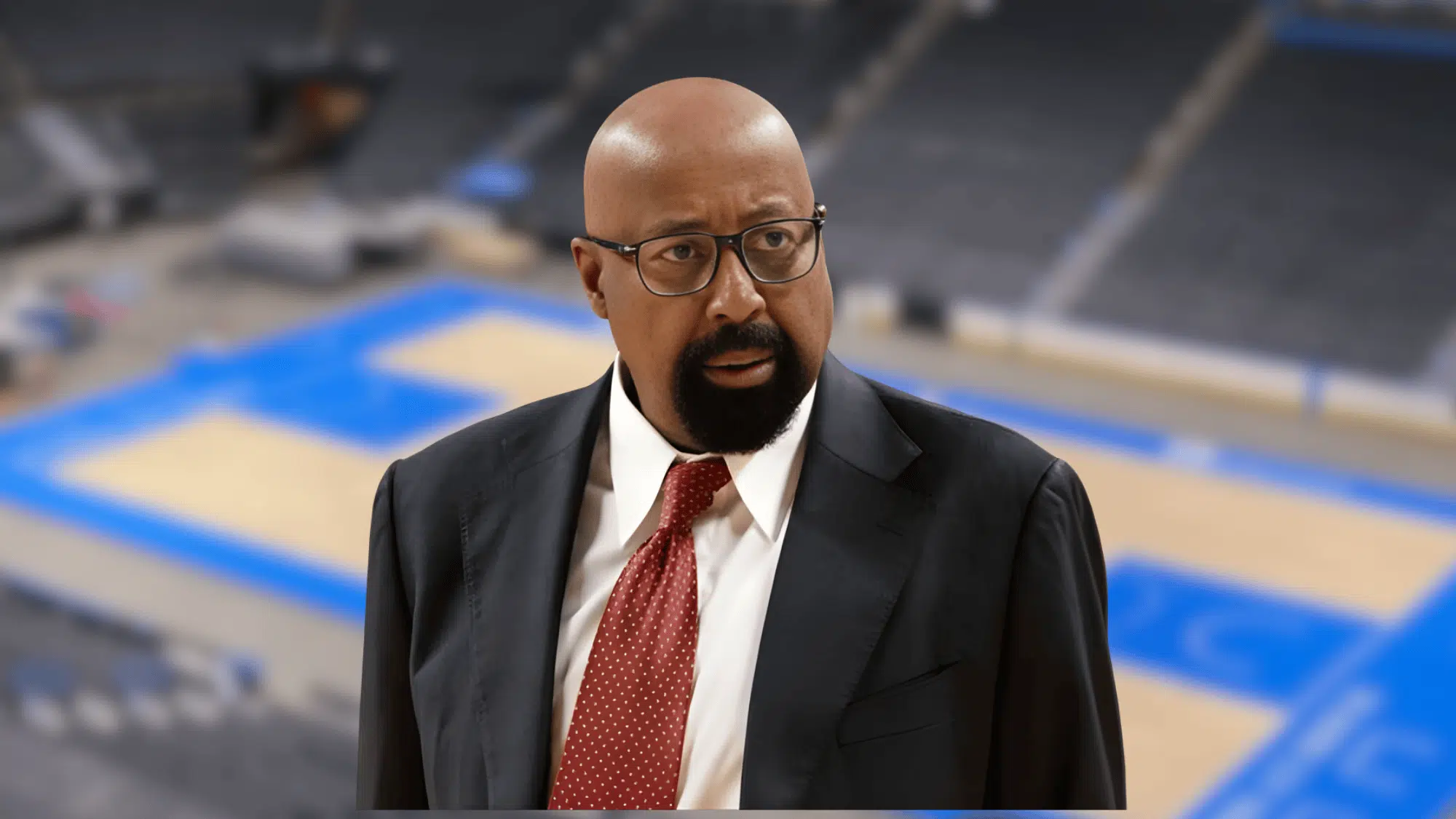
Salary: ~$4.2 Million per year
| Contract Years | Buyout Clause |
|---|---|
| 2023–2028 | $4M decreasing |
Indiana bringing back a former player with NBA coaching experience was supposed to restore the glory days. Woodson’s got the professional credentials and the emotional connection to IU’s history.
The $4.2 million reflects Indiana’s desperation to regain relevance after years of disappointment. It’s part nostalgia, part pragmatism; they’re betting his NBA background and program knowledge can revive the brand.
20. Chris Jans – Mississippi State Bulldogs
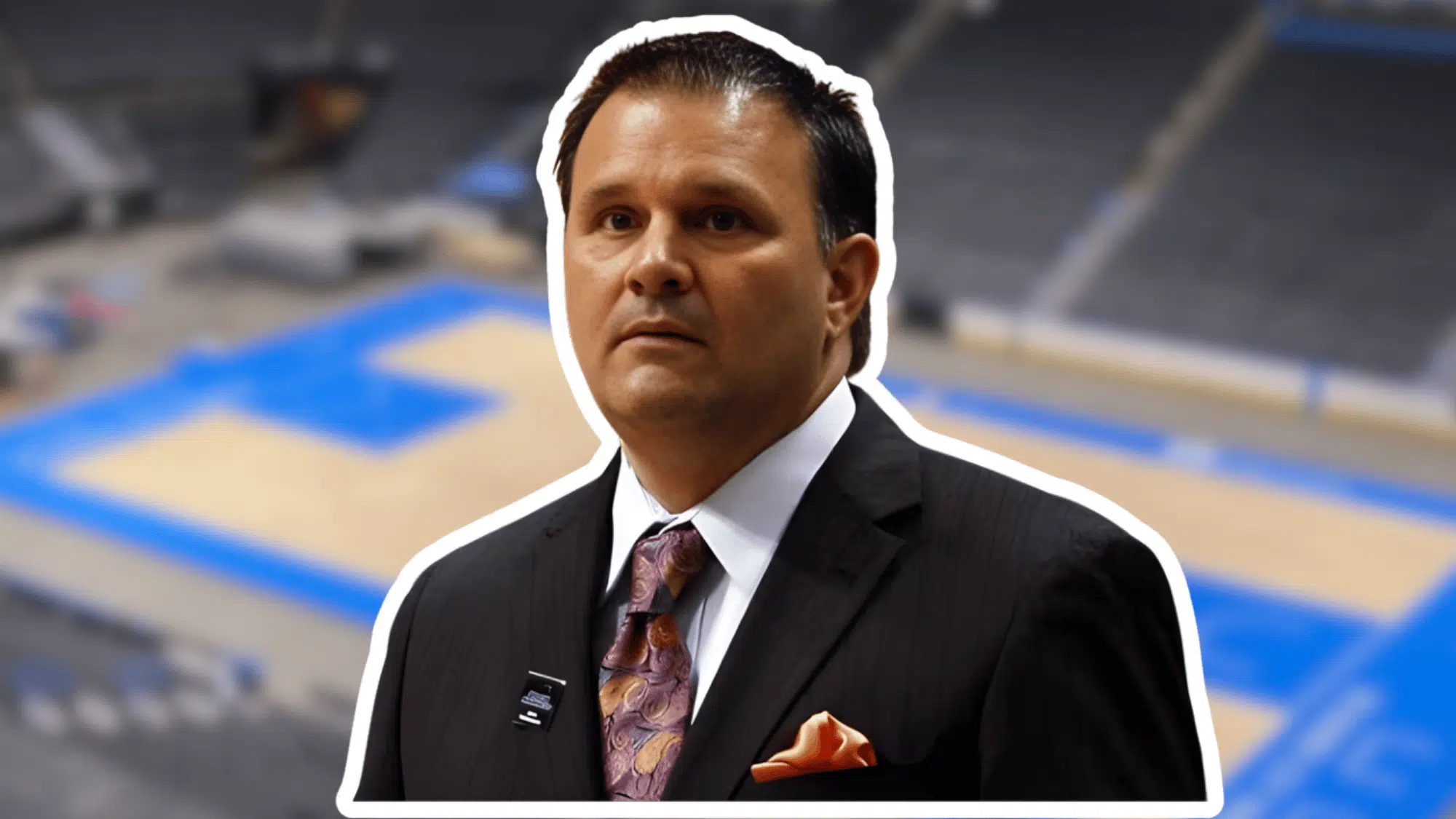
Salary: ~$4.2 million per year
| Contract Years | Buyout Clause |
|---|---|
| 2023–2028 | $4.2M flat |
Jans has Mississippi State competing way above what you’d expect in the SEC. His blue-collar, defensive approach gets maximum effort from guys who aren’t always five-star recruits.
He built his reputation by winning at New Mexico State before getting the power conference shot.
Mississippi State’s paying him solid money to keep punching above their weight in a conference full of bigger brands and budgets.
21. Eric Musselman – USC Trojans
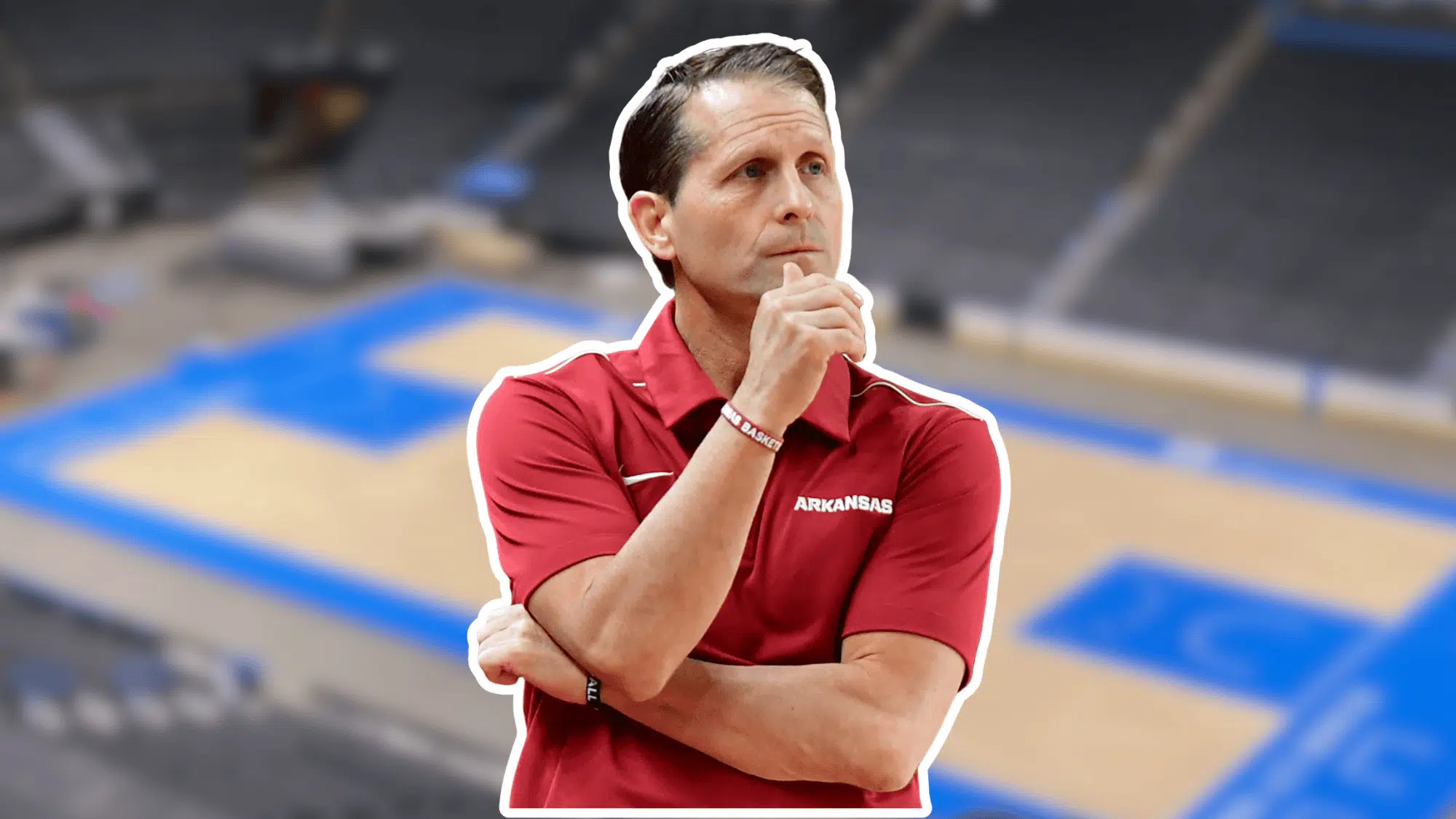
Salary: ~$4.2 million per year
| Contract Years | Buyout Clause |
|---|---|
| 2024–2029 | $4M+ portal incentives |
Musselman jumped from Arkansas to USC and brought his intensity with him. The guy’s made multiple Elite Eights and knows how to maximize talent through tough coaching.
His NBA background and transfer portal wizardry make him valuable anywhere he goes. USC’s paying him to bring championship basketball to LA and compete with the Big Ten’s heavyweights; it’s all about building relevance fast.
22. Jamie Dixon – TCU Horned Frogs
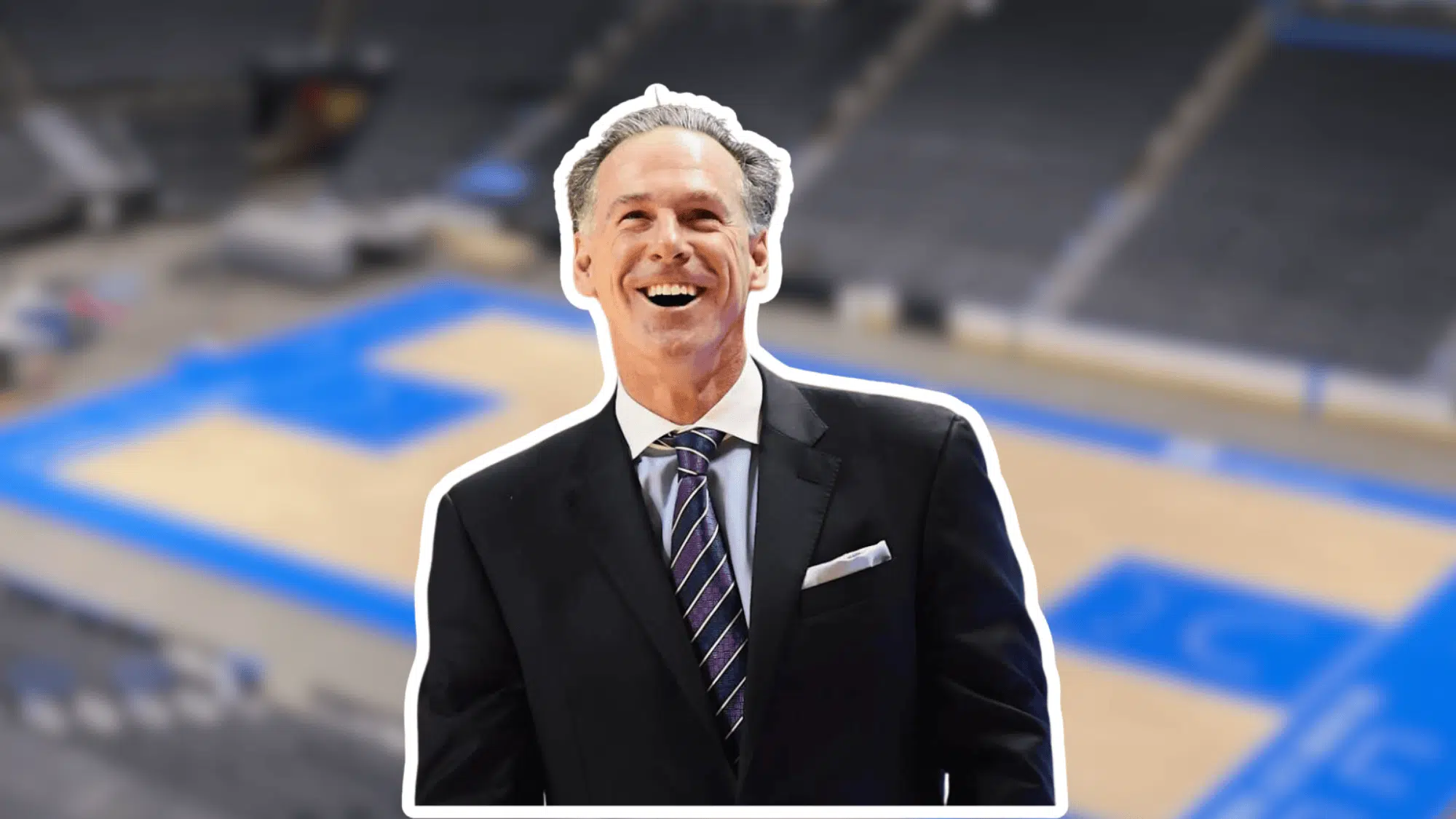
Salary: ~$4.1 million per year
| Contract Years | Buyout Clause |
|---|---|
| 2024–2030 | $4M tiered |
Dixon’s made TCU legitimately competitive in the brutal Big 12 after years of success at Pitt. Getting a football school to care about basketball in that conference is no joke.
He’s led them to deep tournament runs and proved TCU can hang with traditional powers. The $4.1 million reflects the cost of retaining experienced coaches who have proven they can win at multiple programs.
23. Dennis Gates – Missouri Tigers
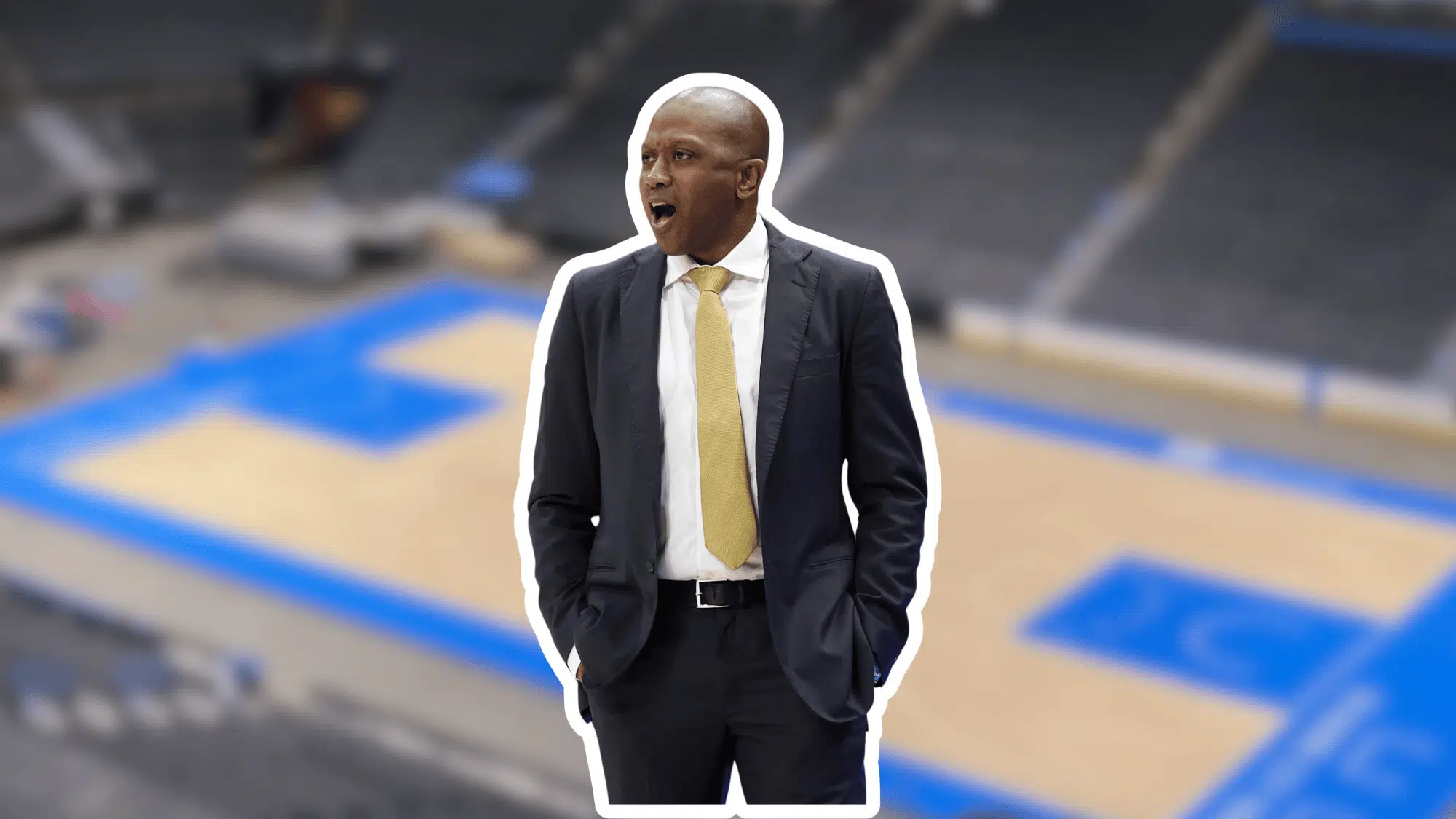
Salary: ~$4.1 million per year
| Contract Years | Buyout Clause |
|---|---|
| 2025–2030 | $3.5M |
Gates showed up from Cleveland State with instant energy and completely changed Mizzou’s vibe. His up-tempo style and recruiting buzz have made the Tigers fun again in a tough SEC.
Missouri’s betting big that his coaching chops and personality can bring championship basketball back after years of mediocrity.
It’s a gamble on potential, but his Cleveland State turnaround suggests he knows what he’s doing.
24. Dana Altman – Oregon Ducks
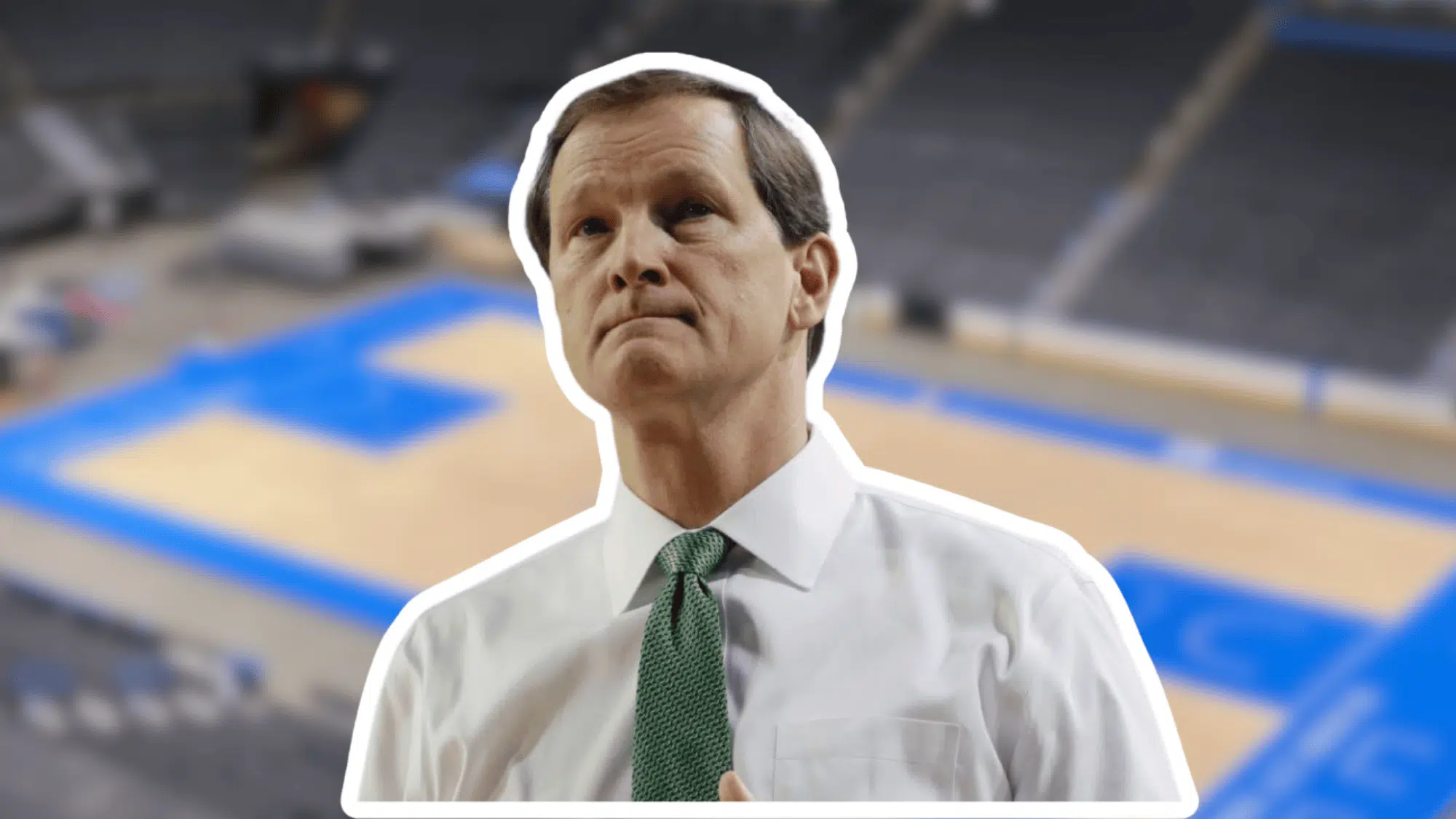
Salary: 4 Million per year
| Contract Years | Buyout Clause |
|---|---|
| 2023–2028 | $3M+ longevity bonus |
Altman’s been Oregon’s guy since 2010 and consistently churns out tournament teams. Multiple Final Four runs and conference titles show he knows how to recruit and develop talent.
His steady success over more than a decade earned him a strong contract that reflects long-term value. In an era where coaches bounce around constantly, Altman’s stability is actually worth a premium to Oregon.
25. Grant McCasland – Texas Tech Red Raiders
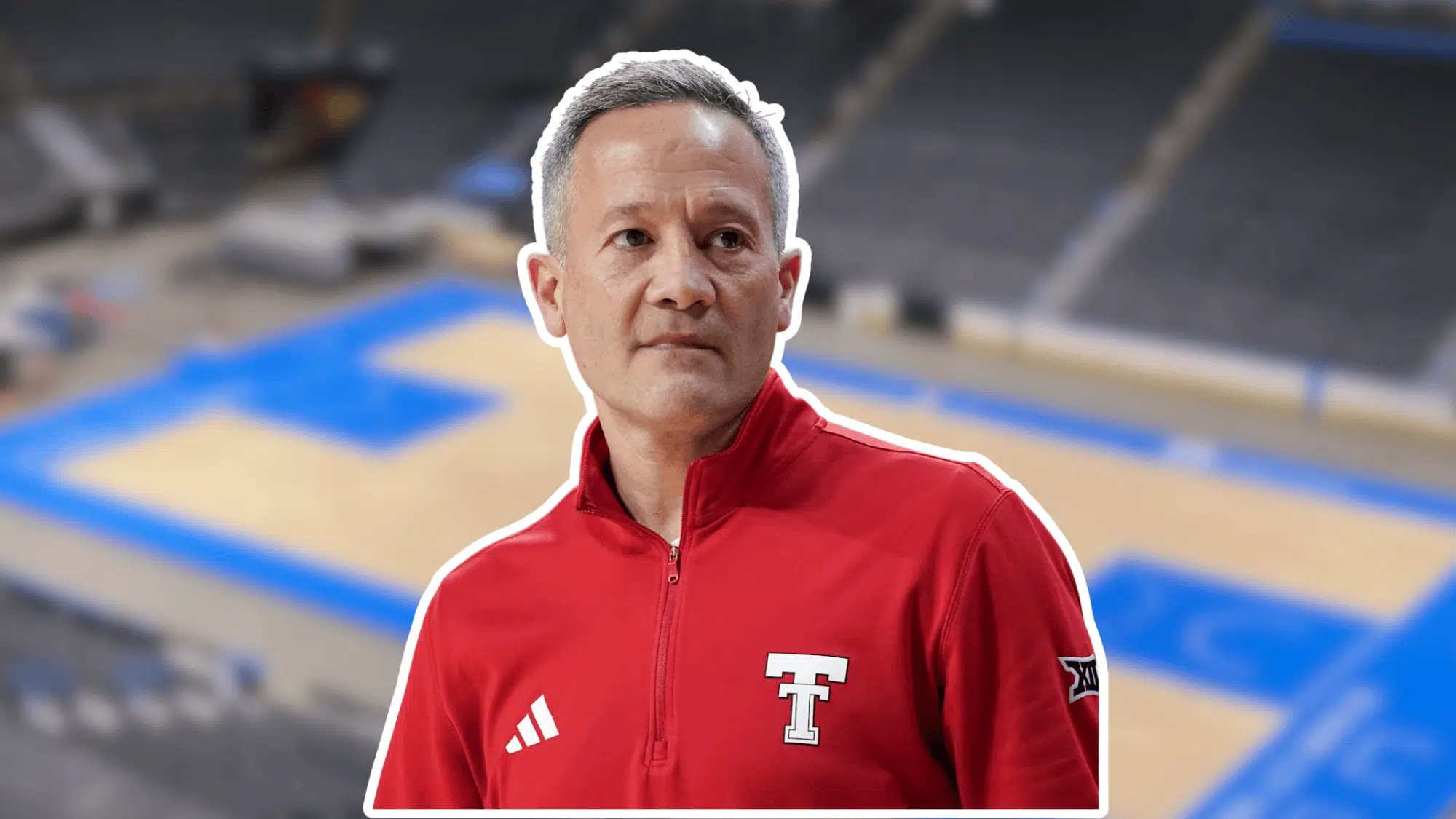
Makes about: $3.9 Million every year
| Contract Years | Buyout Clause |
|---|---|
| 2024–2030 | $3.5M early |
McCasland came from North Texas and immediately had Texas Tech competing with Big 12 heavyweights. His defensive identity fits perfectly with what Tech basketball has always been about.
Even though he’s relatively new, his early success earned him solid money. Texas Tech sees the potential, and they’re paying to keep him before bigger programs come calling, a smart retention strategy.
26. Jerome Tang – Kansas State Wildcats
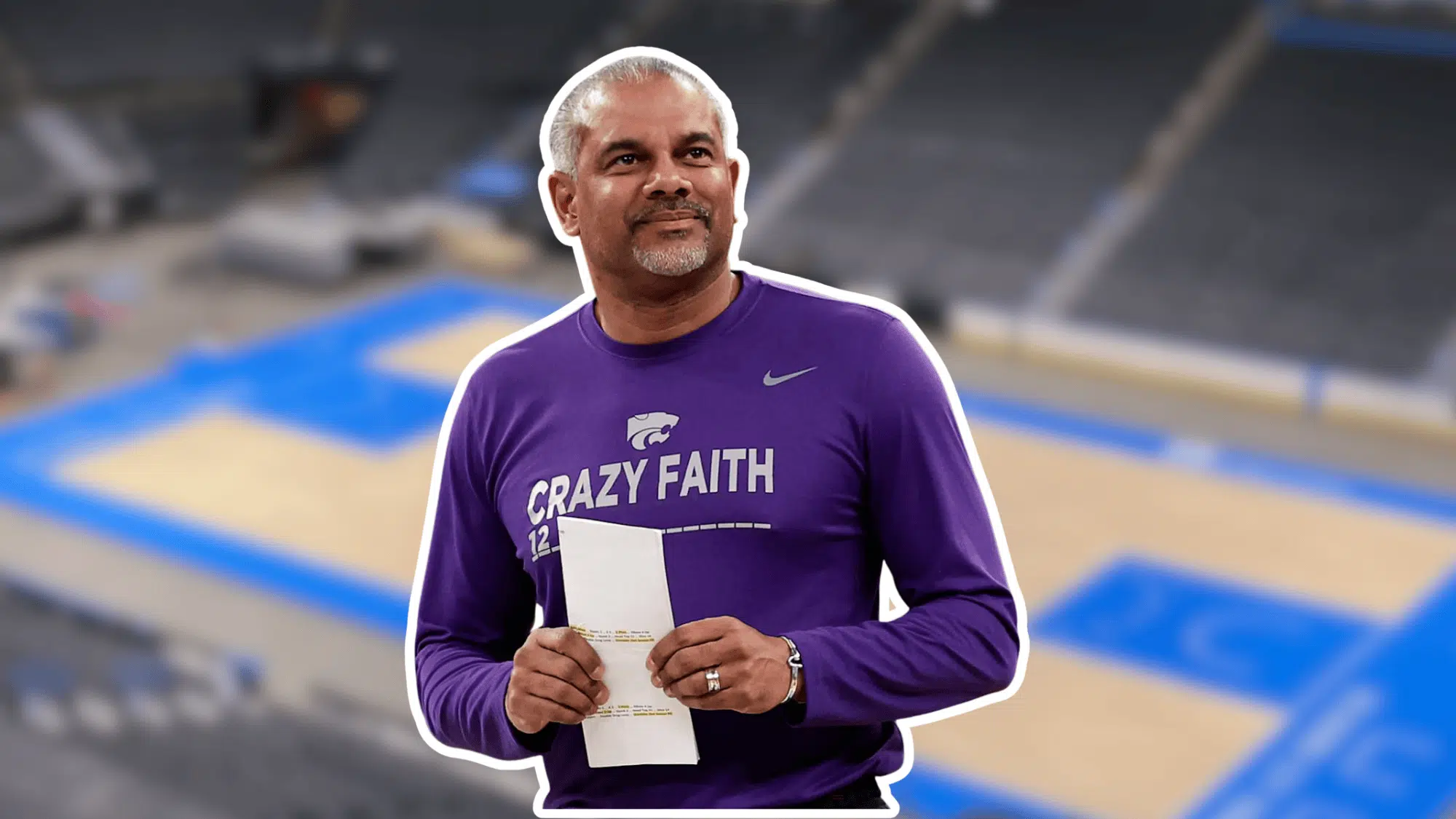
Salary: ~$3.7 million per year
| Contract Years | Buyout Clause |
|---|---|
| 2024–2029 | $3M decreasing |
Tang left Baylor and immediately turned Kansas State into a feel-good story with an Elite Eight run in year one. His energy and connection with players are great; you can see it on the sidelines.
That first-year success got him a quick extension because K-State knows lightning in a bottle when they see it. They’re paying to lock him down before he becomes the hot name everyone’s chasing.
27. Dusty May – Michigan Wolverines
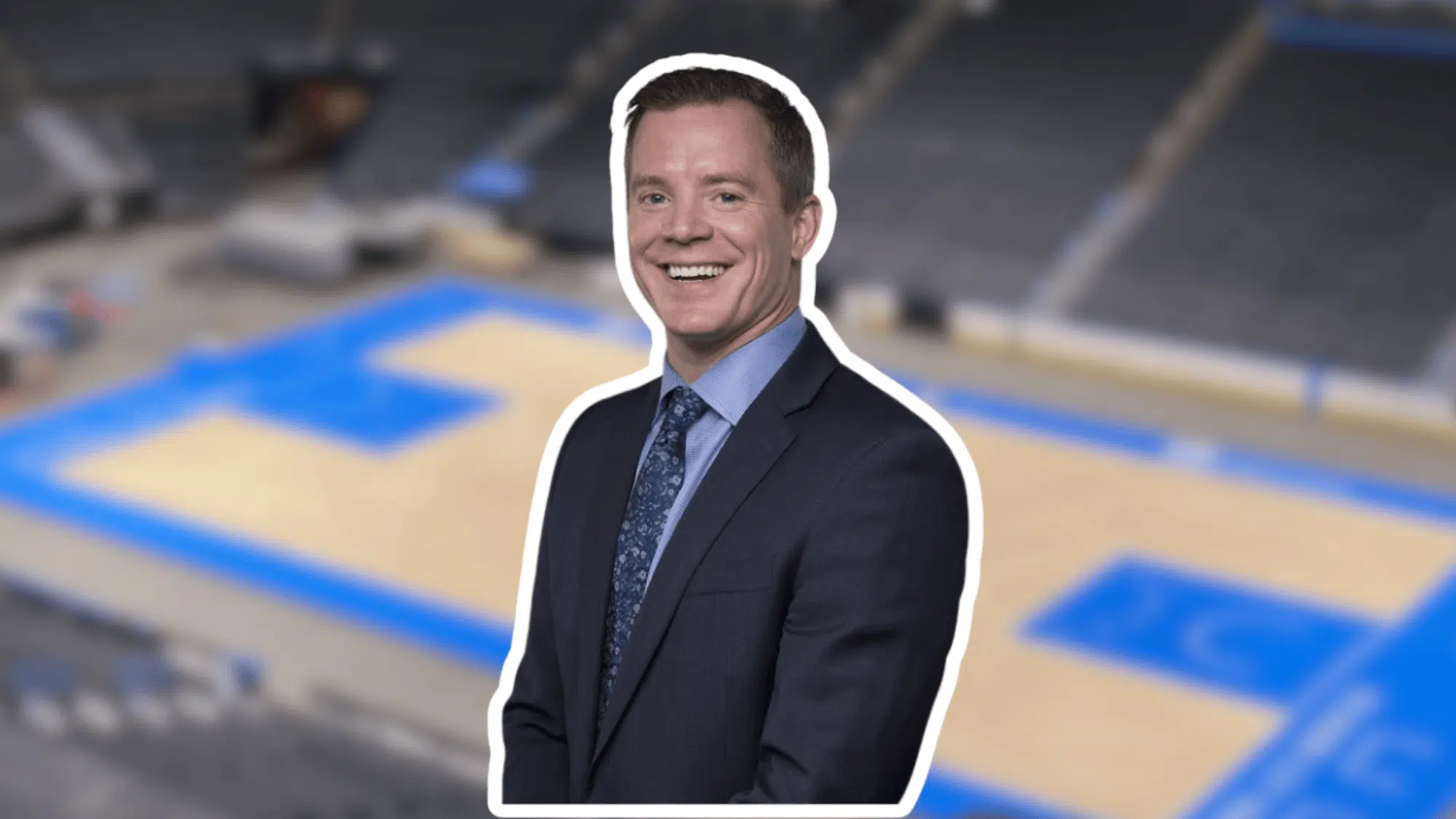
Salary: ~$3.6 million per year
| Contract Years | Buyout Clause |
|---|---|
| 2024–2029 | $3M+ Final Four clause |
May taking Florida Atlantic to the Final Four in 2023 put him on everyone’s radar, and Michigan pounced. His offensive creativity and quick program-building ability are exactly what the Wolverines needed.
Changing a mid-major into a national story proved he’s got serious coaching chops. Michigan’s paying him handsomely to work that same magic in Ann Arbor and get them back to Big Ten contention.
28. Todd Golden – Florida Gators
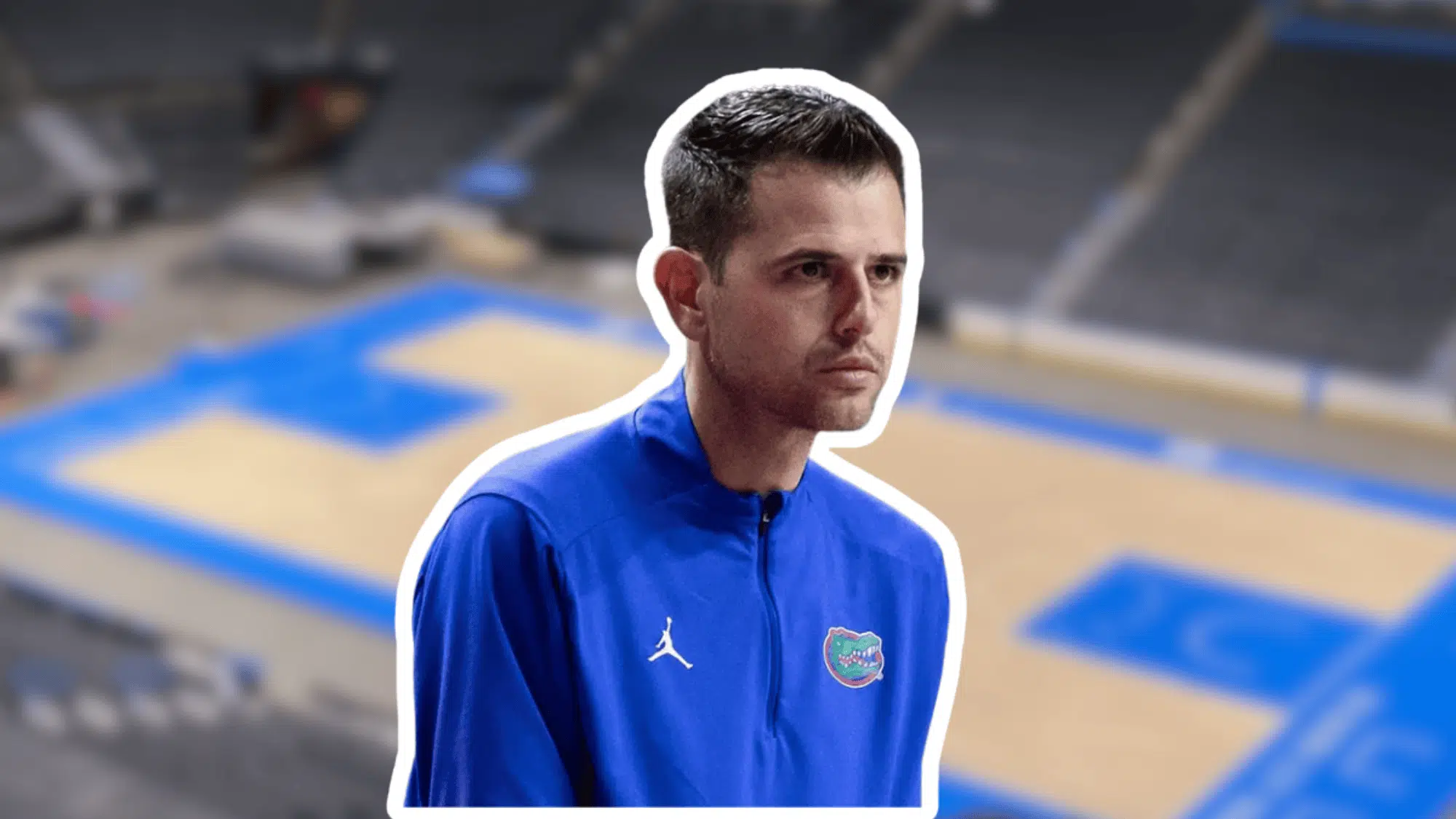
Makes about: $3.6 Million every year
| Contract Years | Buyout Clause |
|---|---|
| 2024–2029 | $3M tiered |
Golden’s a young rising star who jumped from San Francisco to Florida with a modern offensive system. The SEC’s watching closely because he’s got serious potential as one of the conference’s next-generation coaches.
Florida gave him a big contract early to show they’re all-in on competing for championships. His youth makes this a long-term investment; they’re banking on his upside paying off over the next decade.
29. Shaka Smart – Marquette Golden Eagles
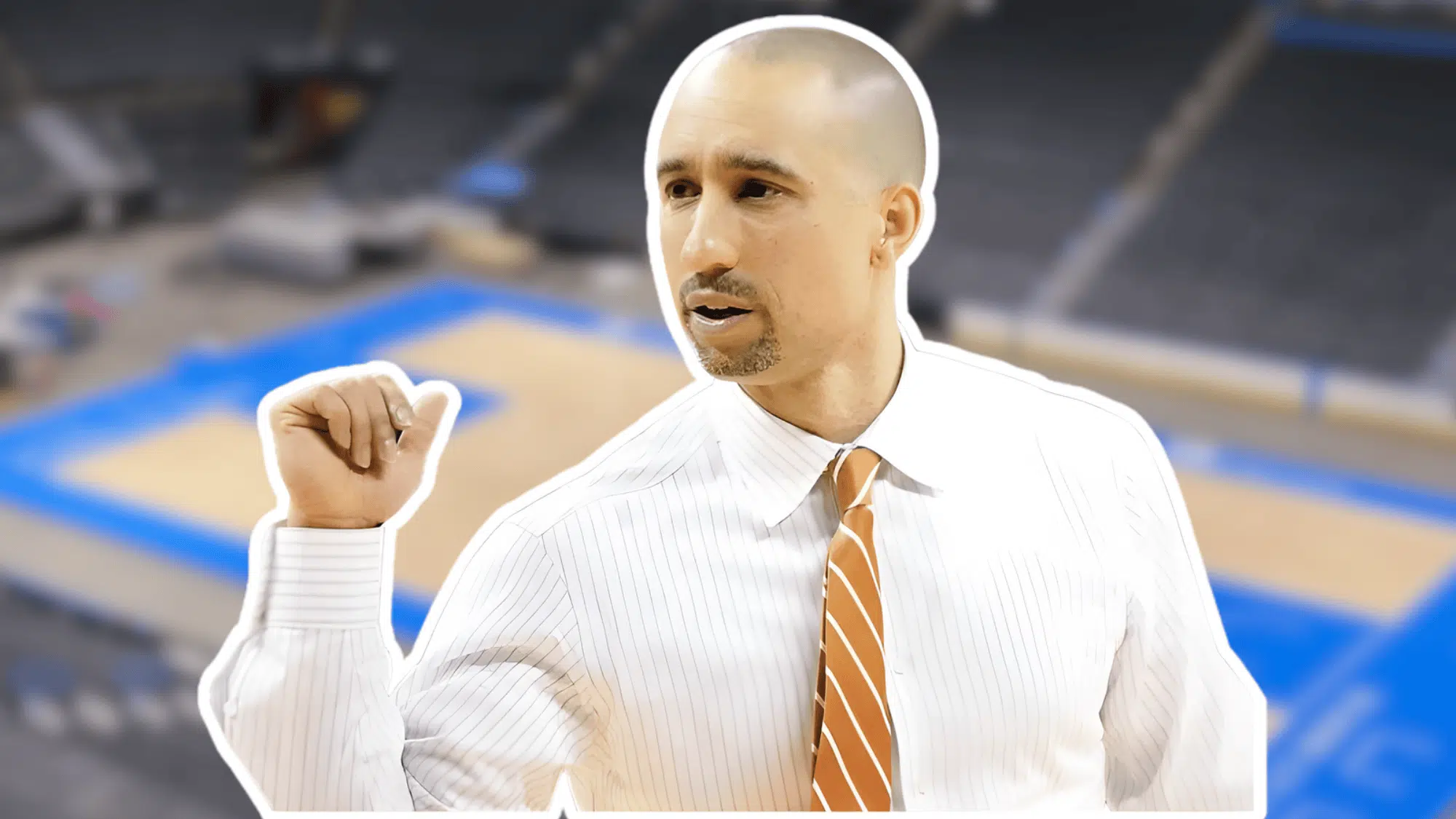
Salary: ~$3 Million per year
Smart basically revived his career at Marquette after things didn’t work out at Texas. His up-tempo system and player development have made the Golden Eagles a Big East power again.
He’s proved he can recruit and win in a tough conference, which earned him extensions.
Marquette’s getting great value here, Smart’s rebuilding his reputation while delivering tournament appearances and conference success.
30. Leonard Hamilton – Florida State Seminoles
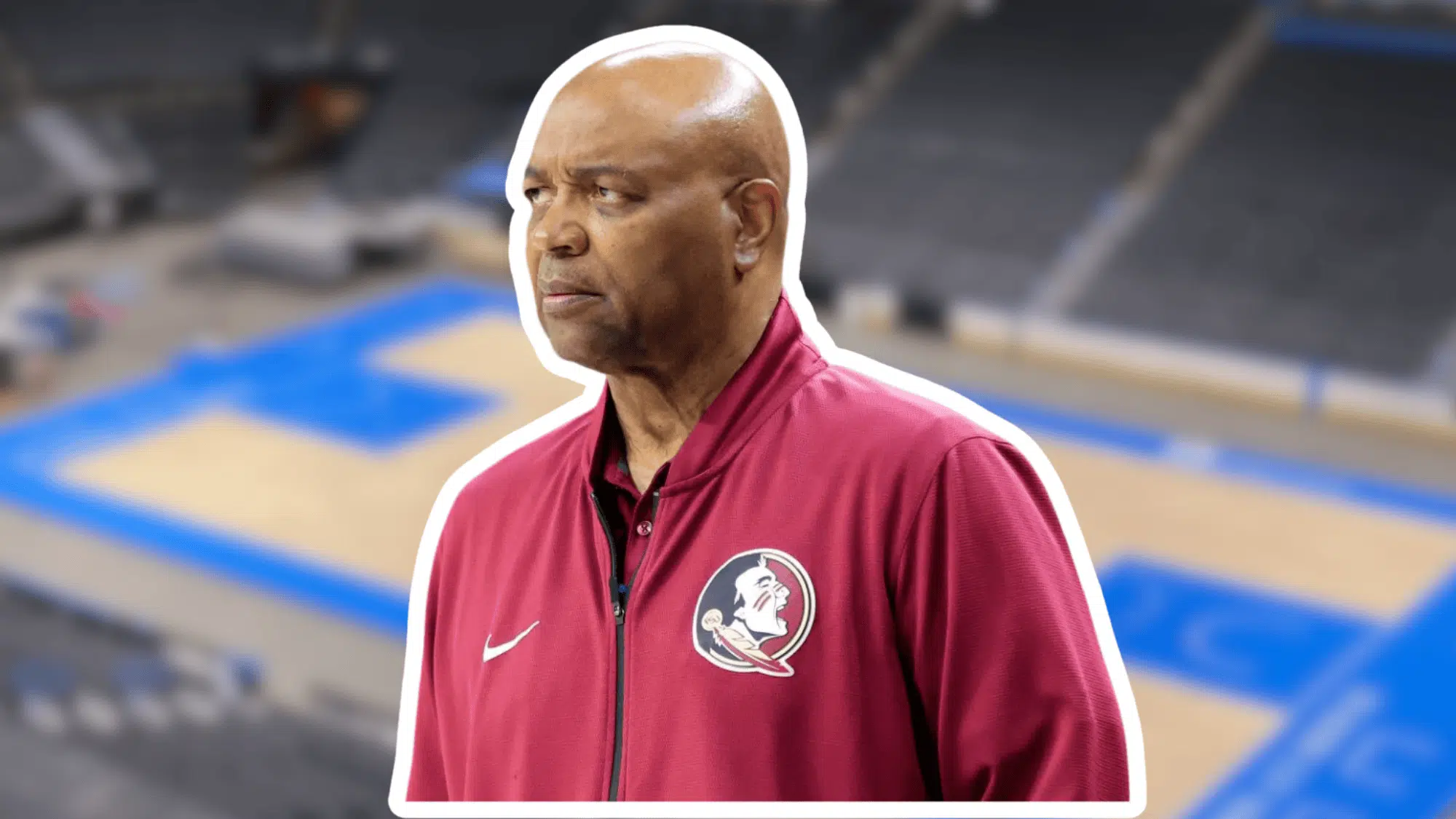
Salary: ~$2.25 million per year
| Contract Years | Buyout Clause |
|---|---|
| 2025–ongoing (year-to-year) | Minimal (age 75+) |
Hamilton’s been at FSU since 2002, which is wild longevity in today’s game. His focus on length and athleticism has made Florida State a consistent ACC contender at a football-dominated school.
At over 75, he’s still coaching and earning competitive money for his results. The respect he’s built over two decades is invaluable, FSU’s got institutional stability most programs would kill for.
Highest Paid Women’s Basketball Coach
From championships to brand power, this record-setting contract proves why the top-paid coach earns every dollar: she doesn’t just win games, she upgrades the whole program.
31. Dawn Staley – South Carolina Gamecocks
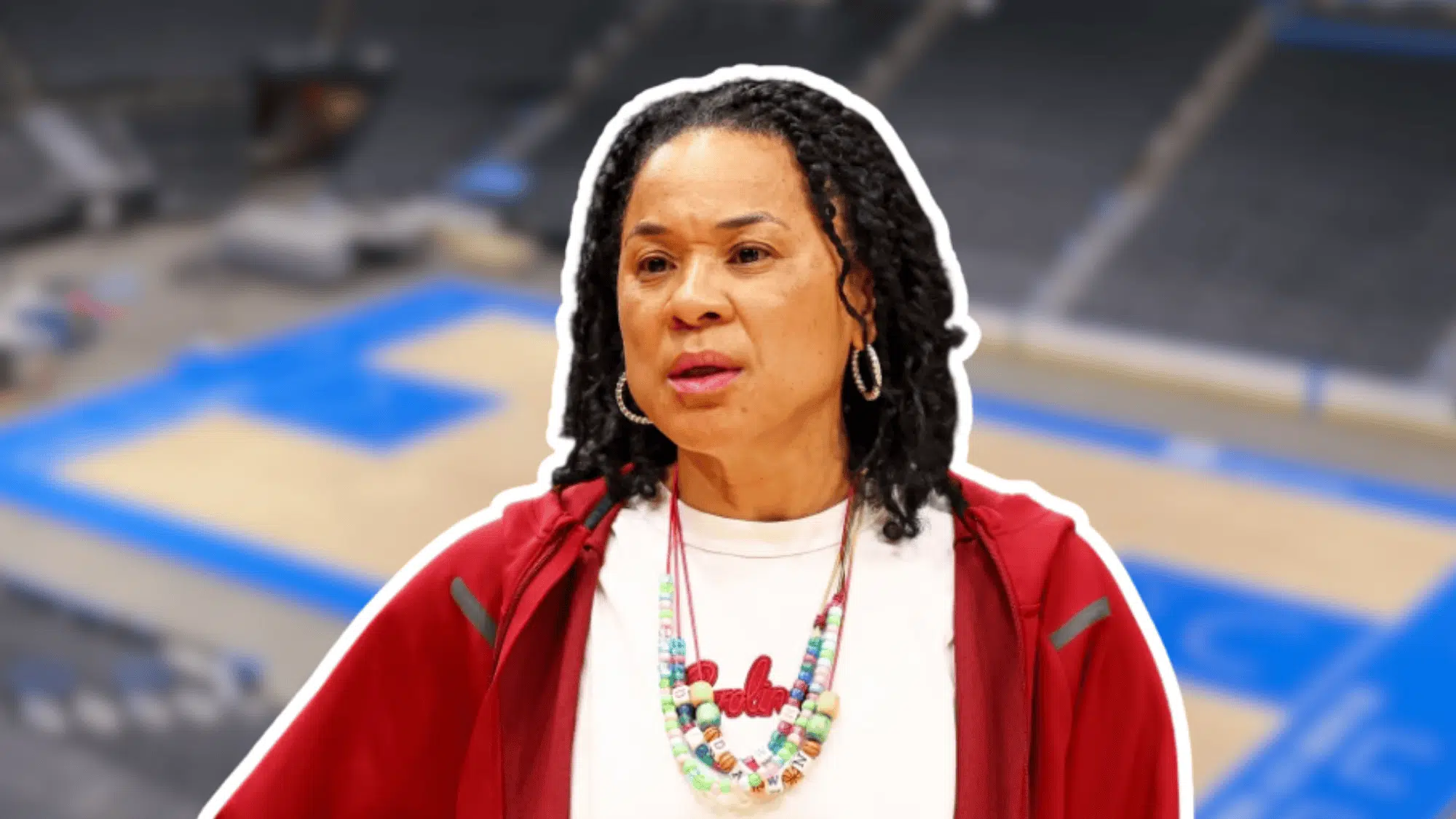
Salary: ~$4 million per year
| Contract Years | Buyout Clause |
|---|---|
| 2023–2028 | $4M early years (tied to titles) |
I’ve watched Staley become the highest-paid women’s coach, and honestly, she’s earned every dollar with multiple national championships.
She’s built South Carolina into women’s basketball royalty through elite recruiting and Hall of Fame-level coaching.
What I find interesting from a business perspective is how her $4 million contract reflects not just championship success but her massive impact on growing the women’s game overall.
South Carolina knows they’ve got someone irreplaceable; she’s basically built their entire basketball brand from scratch.
The ROI here goes beyond wins; she’s created a revenue-generating machine that’s elevated the university’s entire athletic profile nationally.
Average Salary of a Division I College Basketball Coach
While the top coaches earn millions, most Division I basketball coaches make far less than the names you see on television every March. The gap between elite programs and smaller schools is massive.
Power Five vs Mid-Major Pay Ranges
The conference a coach works in makes a massive difference in their paycheck. Power conferences like the SEC, Big Ten, and Big 12 have much bigger budgets than the minor leagues.
| Conference Level | Average Salary Range | Example Schools |
|---|---|---|
| Power Conferences | $2.5 million – $4 million | Kansas, Duke, Kentucky |
| Top Mid-Majors | $500,000 – $1.5 million | Gonzaga, VCU, San Diego State |
| Lower Mid-Majors | $200,000 – $500,000 | Most WAC, MAAC schools |
| Low-Major Programs | $100,000 – $250,000 | Smaller conferences |
Power conference coaches benefit from massive TV deals and March Madness payouts. Mid-major coaches can earn solid salaries at programs with strong traditions, but lower-tier Division I programs often struggle to compete financially.
How Elite Salaries Compare to the National Average
The difference between elite coaches and average Division I coaches is staggering:
- National average for all D-I coaches: Approximately $1 million per year
- Top 10 coaches: $4 million to $10 million per year
- Bottom 100 coaches: Under $300,000 per year
Bill Self’s $8.8 million salary is roughly 10 times higher than what the average Division I coach earns. Here’s the reality:
- Only about 30-40 coaches earn over $3 million annually
- Roughly 100 coaches make between $1 million and $3 million
- The remaining 250+ Division I coaches earn under $1 million
Why such a huge gap? Revenue drives everything. Power conference schools generate tens of millions from basketball, while smaller programs might lose money.
One magical tournament run can change everything for mid-major coaches, often doubling their salaries or leading to bigger job offers.
Wrapping Up
Coach salaries in college basketball can look shocking at first, but the numbers make more sense when wins, tournament runs, and program value are part of the picture.
The top names on this list are not only paid for coaching games, but they’re also paid for recruiting, building a culture, and keeping a team in the national spotlight year after year.
Still, these totals can change fast with new contracts, extensions, and bonus payouts, so that rankings may shift from one season to the next.
If a favorite coach wasn’t as high as expected, it could simply mean a new deal is still coming.