
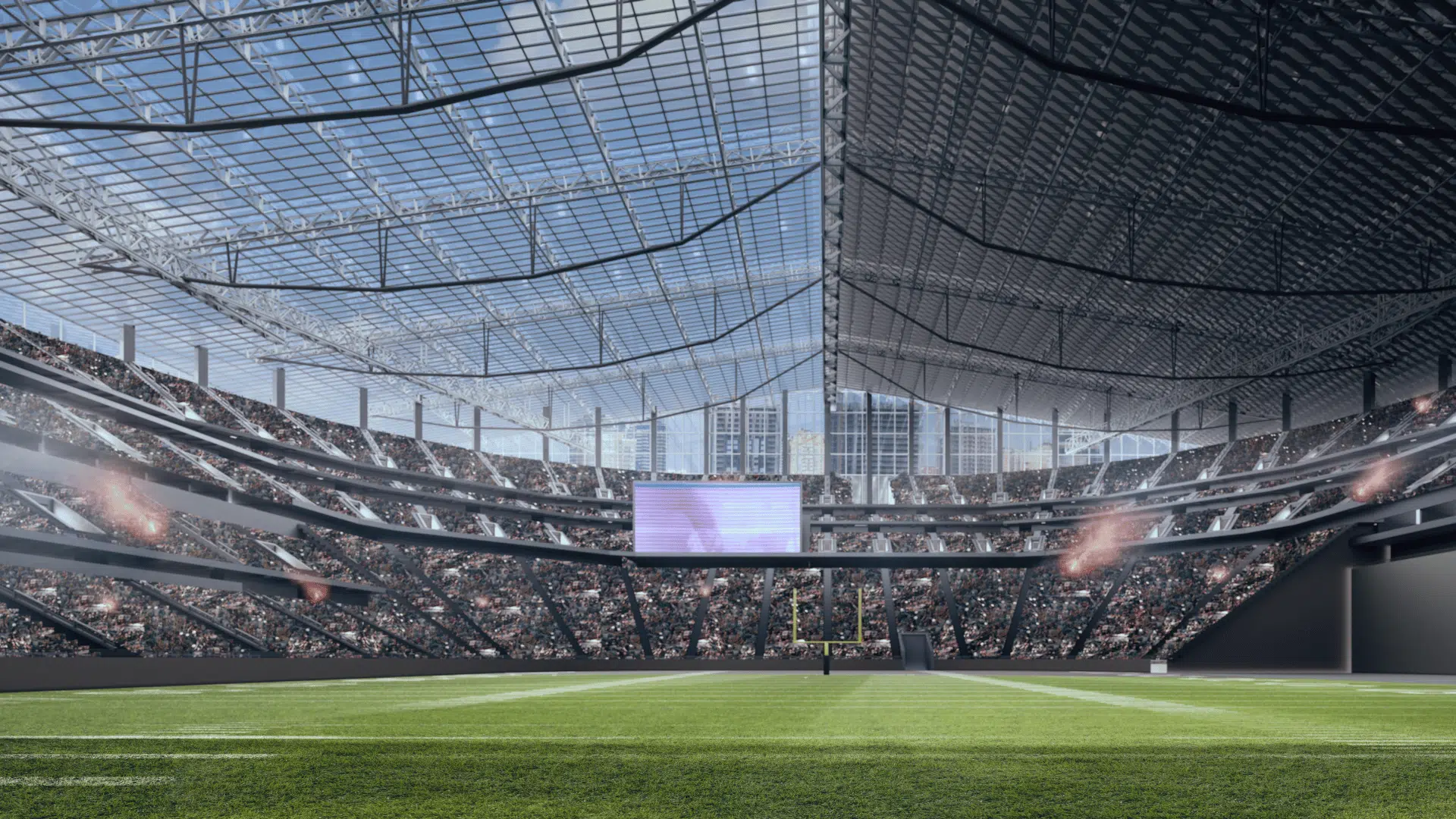
The idea of 200,000 people packed into one place to watch a game sounds almost impossible. Yet the question comes up often enough that it deserves a straight answer.
Some stadiums came surprisingly close to that number, and the stories behind them are just as remarkable as the figures themselves.
What makes these numbers hard to grasp is that the fields within them are not even the largest in sport; comparing soccer and football field sizes shows the playing surface is almost a footnote to the size of the surrounding stands.
This blog explains the 200,000-seat stadium myth, lists the world’s largest stadiums, covers the Maracanã story, and explains why modern venues are smaller with record crowds.
Has a 200,000-seat stadium ever existed?
The short answer is no, not officially. No verified stadium has ever been built with a confirmed seated capacity of 200,000.
The confusion mostly comes from a few famous venues where reported attendance figures from the early and mid-1900s were never properly documented.
Back then, counting crowds meant rough estimates rather than ticket scans or turnstile data.
The distinction between capacity and actual attendance also blurs over time, turning a one-time record crowd into a permanent stadium statistic. No structure in recorded history has been purpose-built to seat 200,000 people.
The Biggest Stadiums Ever Built
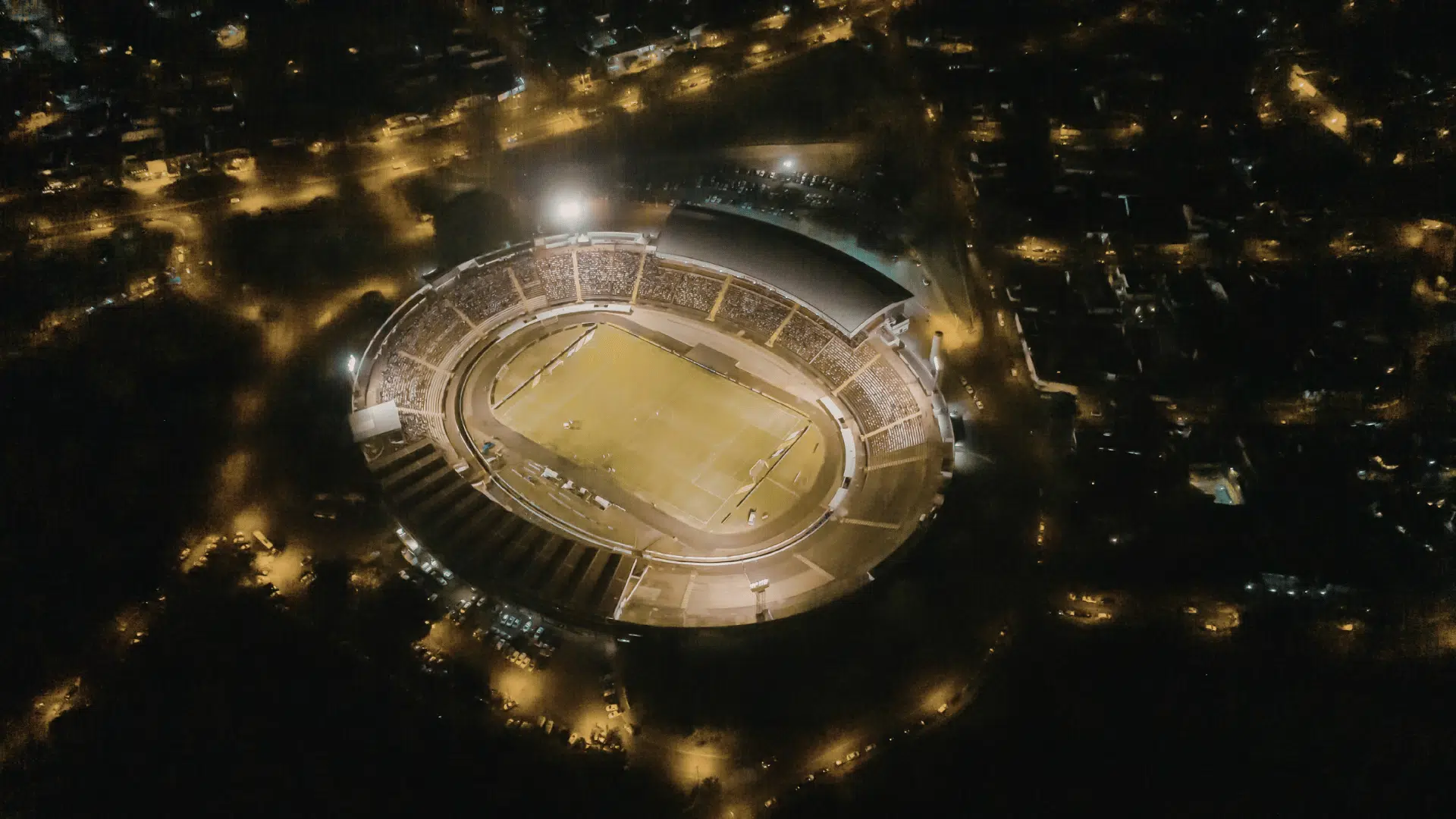
1. Narendra Modi Stadium: India
With an official capacity of 132,000, Narendra Modi Stadium in Ahmedabad is currently the largest operating stadium in the world. It hosts cricket and was renovated and renamed in 2020.
The scale of the venue is hard to picture — the upper tiers stretch so far back that screens are essential for fans in the highest rows.
2. Rungrado 1st of May Stadium: North Korea
Rungrado Stadium in Pyongyang carries an official capacity of 114,000, though some estimates place it higher.
Built in 1989, it is primarily used for the Mass Games, large-scale, choreographed performances, as well as occasional football matches.
Independent verification of crowd figures has always been difficult, given the country’s restricted access.
3. Michigan Stadium: US
Known as The Big House, Michigan Stadium holds 107,601 fans for college football. It is the largest stadium in the United States and consistently sells out on game days.
The atmosphere during a full house is regularly described as one of the most intense in American sports.
4. Wembley Stadium: UK
The current Wembley, which seats 90,000, is one of the most recognizable venues in world sport.
The original Wembley, demolished in 2003, once recorded an attendance of around 127,000 for the 1923 FA Cup final, a figure that was never fully verified but has become part of stadium folklore.
5. Estadio Azteca: Mexico
Azteca holds 87,523 fans and has hosted two FIFA World Cup finals, 1970 and 1986, making it the only stadium to host two finals.
It sits at an altitude in Mexico City, which adds a physical challenge for visiting teams on top of the crowd noise.
| Stadium | Country | Sport | Capacity | Built |
|---|---|---|---|---|
| Narendra Modi Stadium | India | Cricket | 132,000 | 1983 (renovated 2020) |
| Rungrado 1st of May | North Korea | Football/Events | 114,000 | 1989 |
| Michigan Stadium | USA | American Football | 107,601 | 1927 |
| Wembley Stadium | UK | Football | 90,000 | 2007 |
| Estadio Azteca | Mexico | FootbaMaracanã | 87,523 | 1966 |
The Maracana Myth: Was It Really 200,000?
The Maracanã in Rio de Janeiro is the stadium most often associated with the 200,000 figure. The 1950 FIFA World Cup final between Brazil and Uruguay drew an official attendance of 199,854, a figure repeated so often it feels like fact.
The truth is more complicated. That figure came from ticket sales and gate estimates, not a verified headcount.
Many historians believe the actual number in the ground was closer to 170,000, which was still the largest crowd ever recorded at the Maracanã.
The Maracana today looks nothing like that version; it was rebuilt for the 2014 World Cup and now holds around 78,000 in a fully seated configuration.
The myth of 200,000 stuck because the original number was never seriously challenged until decades later.
Why Stadiums Don’t Get this Big Anymore
The Hillsborough disaster in 1989, where 97 Liverpool fans were killed in a crush, changed stadium design permanently.
The Taylor Report that followed recommended all-seater stadiums across English football, and that thinking spread globally.
Seated stadiums hold fewer people than standing ones, which immediately cuts theoretical capacities across the board. Beyond safety, the economics shifted too.
Smaller stadiums with better sightlines, premium seating, and modern facilities generate more revenue per fan than vast concrete bowls packed with standing spectators.
Building and maintaining a 100,000-seat venue is also enormously expensive, and most clubs and cities cannot justify it.
Record Attendances That Still Stand
A handful of crowd records from the pre-safety era have never been beaten. The 1950 World Cup final at the Maracanã remains the largest verified football crowd in history. The 1936 Berlin Olympics drew over 100,000 to track and field events.
In the US, college football regularly produces some of the largest single-game attendances in world sport, with Michigan Stadium and Beaver Stadium in Pennsylvania regularly filling past 107,000.
Surprisingly, the sport with the largest stadium in history is not the same answer you get when you ask which sport plays on the biggest field; the two records belong to completely different games.
Wrapping Up
A true 200,000-seat stadium has never officially existed. The number comes from a mix of old estimates, crowd confusion, and stories passed down over time.
Stadiums like the old Maracanã and the original Wembley came very close, but even those numbers were not fully verified.
Today, stadium design focuses more on safety, comfort, and better viewing rather than just packing in as many people as possible.
All-seater layouts, stricter rules, and higher costs mean lower capacities, but the experience is much better for fans.
Did the Maracana myth surprise you? Share this with someone who swears they know their stadium history, and let us know what you think in the comments below