
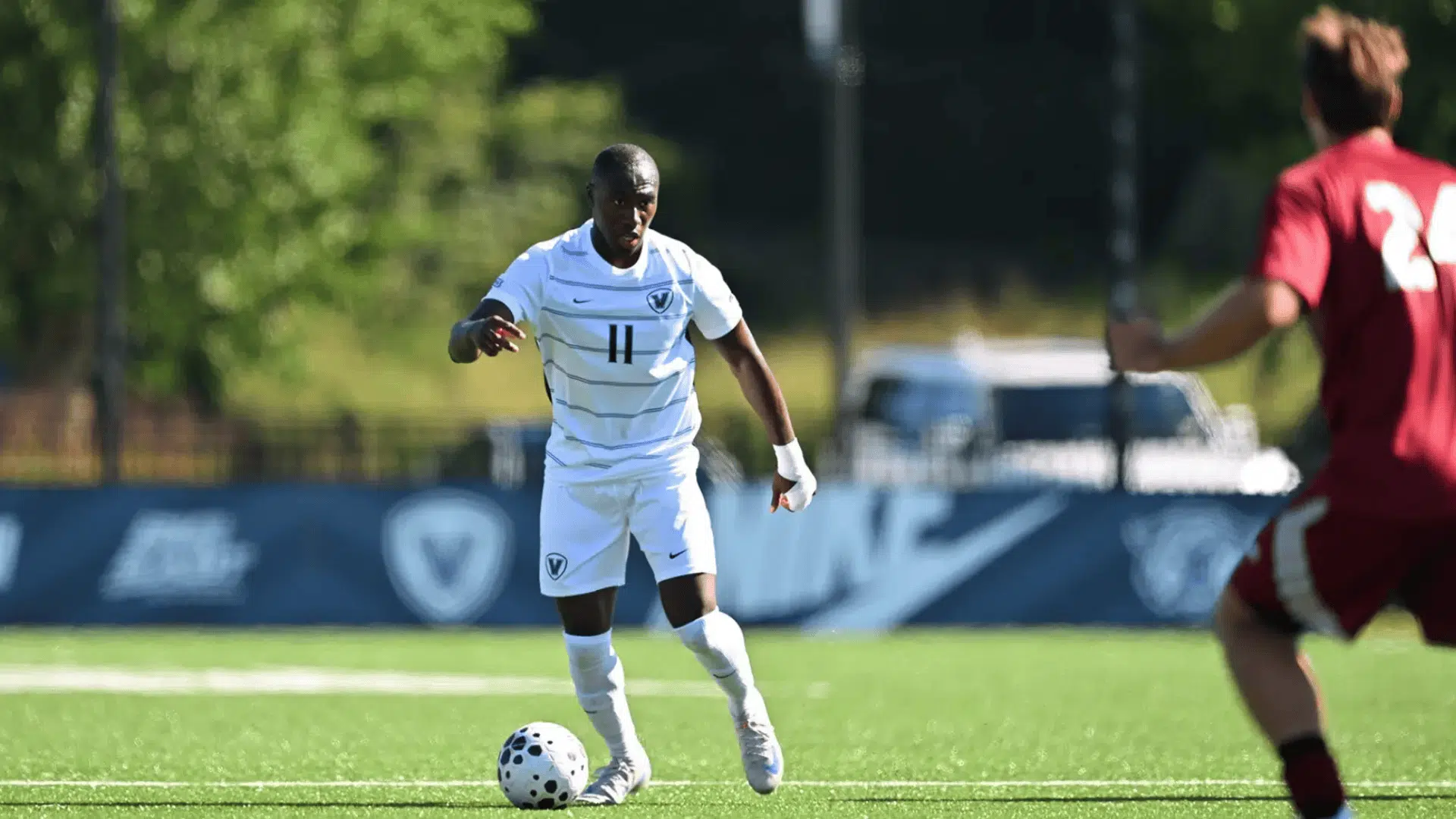
I still remember my first soccer shot flying nowhere near the goal. If that sounds familiar, you’re not alone.
Over the years covering soccer, one thing has stood out to me: the difference between a weak shot and a clean strike often comes down to a few simple details.
I’ve seen top players adjust their bodies and balance until shooting feels natural.
Many players struggle because no one clearly breaks down the basics.
From body position and foot placement to balance and follow-through, small changes can quickly improve accuracy and power.
In this guide, I’ll share what I’ve learned from observing the game closely and speaking with coaches and players.
You’ll also see the common mistakes that throw shots off target and why solid technique matters every time you step up to strike the ball.
What You Need Before You Shoot?
Before you shoot, set yourself up the right way. First, make sure you have space and time to strike the ball without rushing.
Take a quick look at the goal and notice the keeper’s position. This helps you choose where to aim.
Next, focus on ball control. The ball should be slightly in front of you, not stuck under your feet. Keep your body balanced and your head steady.
A good balance gives you more control over the shot. Also, know your target area before you swing your leg.
Don’t just hit and hope. Pick a corner or a clear gap. Finally, stay calm.
A rushed mind leads to poor contact. When you prepare with purpose, your shot becomes cleaner, stronger, and more accurate.
How to Shoot a Soccer Ball?
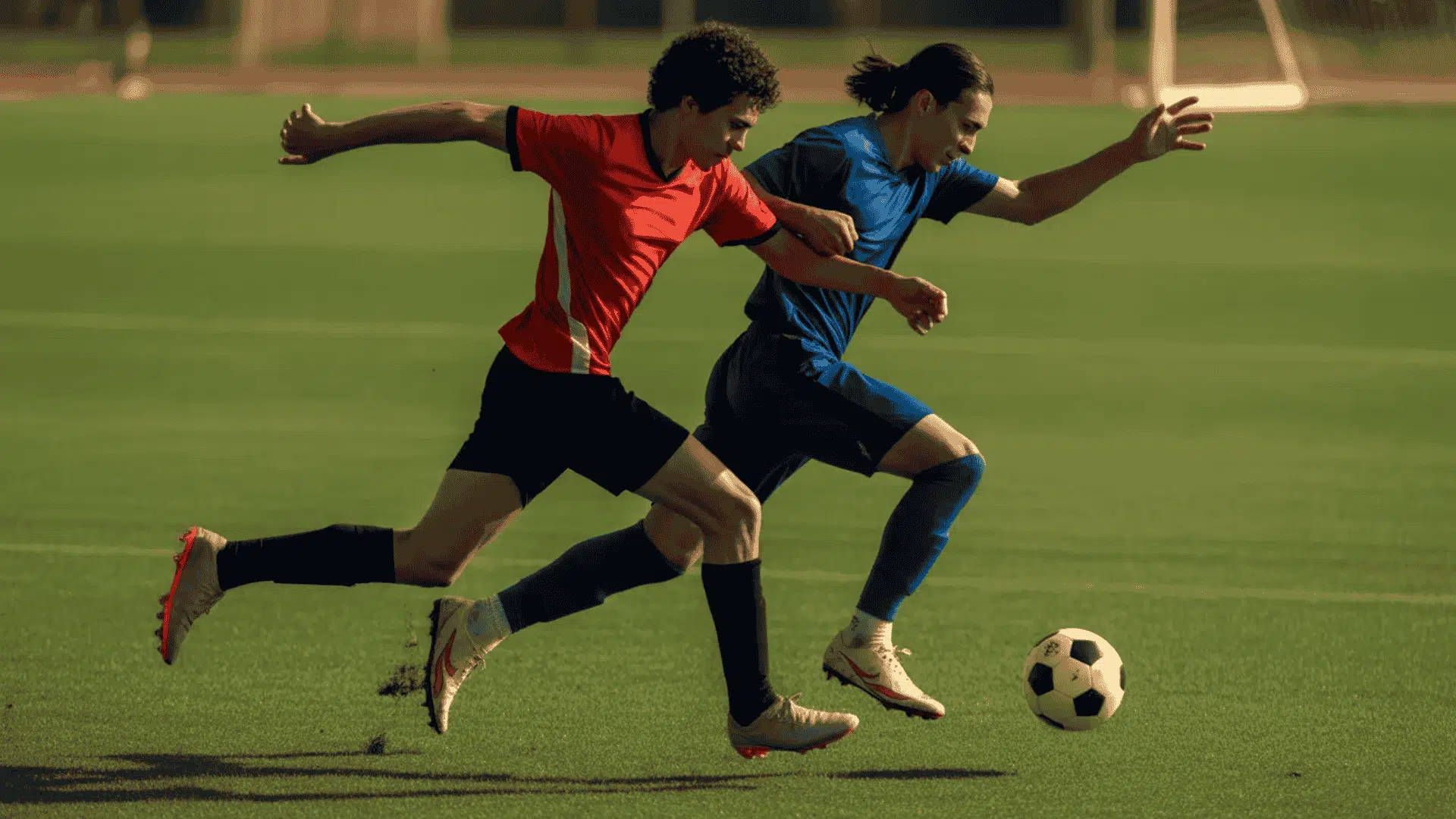
Shooting is one of the most important skills in soccer and often comes up in games. A solid approach makes it easier to stay calm and make better decisions near the goal.
1. Approach
Take a few steady steps toward the ball to build momentum. A controlled run-up is essential to maintaining balance and power. Don’t rush; just focus on consistency with each step.
As you get closer to the ball, prepare to plant your supporting foot firmly next to it.
A smooth approach will help you keep your shot steady and avoid mishits. The more controlled your approach, the more effective and accurate your shot will be.
Practice finding the right distance and timing with each approach to improve your overall shooting technique.
2. Plant Foot
Place your supporting foot beside the ball, not too close or too far.
Position it slightly ahead of the ball for better stability. Point your foot toward your target to guide the direction of your shot.
This positioning ensures that you don’t lose control and that your shot is more accurate. Make sure your foot is firm to help keep the shot on course and avoid any unnecessary movement.
The proper placement of your plant foot sets the foundation for a more powerful and precise strike.
3. Contact Point
Strike the ball with the top of your foot, specifically the laces. Lock your ankle before making contact to ensure power and control.
A loose foot will cause the ball to go off target or lack the desired force. Focus on hitting the middle or slightly top half of the ball for optimal accuracy and power.
This will help give your shot the right amount of lift and stability in the air.
Make sure to follow through with your shot to maintain consistency and keep the ball on target. Properly striking the ball ensures you control both height and direction effectively.
4. Body Position
Lean slightly forward as you shoot to stop the ball from flying over the goal. This body position keeps the shot low and helps you stay in control.
A youth coach I once spoke with told me he corrects this mistake more than any other.
He said most missed shots happen because players lean back at the last second.
Once they stay over the ball, their accuracy improves fast. Good form keeps your shot low and accurate, while balance adds power.
A steady stance prevents weak shots, and your posture affects every strike.
5. Follow Through
Let your shooting leg swing fully toward the target after contact. A clean follow-through not only adds power but also helps maintain the shot’s direction.
The more you follow through, the more control you have over where the ball goes.
Your body momentum should align with the target to ensure precision and force. Your body momentum should align with the target to ensure precision and force.
Proper follow-through ensures your shot has the right balance of power and accuracy, making it more likely to score.
Why Proper Soccer Shooting Technique Matters?
Using the right technique makes a big difference in how your shots turn out. I’ve seen this with my friends during weekend games.
When their form improved, the ball started going where they aimed instead of flying off target.
Good technique improves control, helping you place shots rather than just hitting the ball hard. Proper form also helps you stay balanced.
This reduces slips, weak contact, and rushed shots during games.
Over time, consistent technique builds confidence because you know what your body is doing.
You start trusting your movement instead of guessing. Another reason technique matters is safety. Poor form can strain your foot, ankle, or knee. Clean movement lowers that risk.
When you focus on your technique, each shot feels smoother and more consistent in practice and matches.
Tips to Improve Soccer Shot Accuracy and Power
Small changes in your shooting form can make a clear difference. Focusing on control and awareness helps shots feel steadier and more reliable.
- Observe the Goalkeeper’s Position: Before shooting, notice where the goalkeeper is standing. Aiming closer to the corners makes the shot harder to save.
- Foot Placement on the Ball: Your plant foot should be beside the ball, not behind it. Proper placement helps control direction and prevents shots from going too high.
- Keep Your Head Down and Eyes on the Ball: Keep your eyes on the ball until you make contact. Looking up too early often causes weak or off-target shots.
- Contact the Middle to Top Half of the Ball: Strike the ball with a firm foot and locked ankle. Clean contact improves both power and accuracy.
- Don’t forget to Follow Through: Let your leg continue toward the target after contact. A strong follow-through helps guide the ball and adds force.
Soccer Shooting Practice Drills
Practicing with drills is key to improving your soccer shooting. They help you develop skills in a focused and repeatable way, making each shot more effective during games
Drill 01: Speed Finishing Drill
Set up several soccer balls near the penalty spot with a cone about six feet behind them.
Run up to a ball, take a shot, then sprint back to the cone and repeat with the next ball. To increase difficulty, use both legs to shoot.
This drill improves speed, balance, and shooting from different angles, simulating real-game scenarios where you need to act quickly and decisively.
Goal: This drill helps develop balance, speed, and the ability to shoot from any angle.
Drill 02: Accuracy Drill
Place two cones near each goalpost and set your soccer balls at the 18-yard line. Aim for the four corners of the goal, using the cones as guides to help with accuracy.
This drill helps you focus on hitting the most difficult spots to reach, making it harder for the goalkeeper to save your shots.
Consistent practice improves shot placement and increases your chances of scoring.
Goal: Focuses on hitting the corners of the goal where it’s hardest for the goalkeeper to reach.
Drill 03: Dribble to Shoot Drill
Place two cones about 10 feet apart, then dribble between them to simulate a defender. Once past the second cone, take a shot at the goal.
This drill simulates in-game situations where you need to dribble around defenders before shooting.
By practicing quick transitions from dribbling to shooting, you’ll develop better control, timing, and decision-making skills.
Adding movement and pressure helps you become more confident in real-game scenarios.
Goal: Mimics game scenarios where you dribble toward the goal before shooting.
Common Soccer Shooting Mistakes to Avoid
Small mistakes can ruin simple chances. I once saw a player miss an open goal in training due to a poor setup. Fixing small errors early keeps shots controlled and on target.
- Looking Up Too Early: Taking your eyes off the ball before contact often leads to poor strikes. Stay focused on the ball until after you shoot.
- Poor Plant Foot Placement: Placing your supporting foot too far from the ball or pointing it the wrong way can throw off accuracy. It should sit beside the ball and face your target.
- Not Locking the Ankle: A loose ankle reduces power and control. Locking it keeps your foot firm at impact.
- Leaning Back While Shooting: Leaning back usually sends the ball high. A slight forward lean helps keep shots low and steady.
- Rushing the Shot: Shooting too quickly causes balance issues. Taking a moment to set up improves consistency.
Conclusion
Shooting a soccer ball the right way takes time, patience, and practice.
You won’t fix everything in one session, and that’s okay. What matters is paying attention to the small details each time you shoot.
When your form feels steady, and your movements stay controlled, confidence follows.
Over time, shots start to feel more natural instead of forced. Keep practicing these basics during training and games.
Focus on clean contact, balance, and staying calm under pressure. Progress may feel slow at first, but small improvements add up faster than you think.
Soccer rewards consistency more than power. What part of shooting do you struggle with the most, or what tip has helped you improve?
Share your experience in the comments below and join the conversation.
Frequently Asked Questions
How to Increase the Power of Soccer Shots?
Focus on striking the ball with your laces and keeping your ankle locked. Use your whole body to generate more power.
Is It Better to Shoot with the Dominant or the Non-Dominant Foot?
It’s best to use your dominant foot, but practicing with both feet makes you a more versatile player.
How to Improve Shot Accuracy Under Pressure?
Stay calm and focus on the basics, such as proper foot placement and aiming at specific target areas.
Should Shoots Be Taken with a Straight Leg or a Bent Leg?
A slight bend in your knee improves control and generates more power.
How Often Should Shooting Be Practiced to See Improvement?
Practice shooting a few times a week, focusing on technique for steady improvement.