
Picking the right soccer ball size may seem simple, but it makes a big difference in how the game feels.
A ball that is too big or too small can affect control, confidence, and even safety. That’s why age matters when choosing the right one.
In this guide on how to choose the right soccer ball size by age, I’ll explain which size fits each age group and why it works best.
You’ll learn the standard ball sizes, how they match player development, and what to check before buying.
I’ll also share a few quick tips to make your decision easier. By the end, you’ll have clear answers and know exactly which soccer ball size to pick.
This simple guide will help you choose the right fit and keep the game fun and comfortable for every player.
What Happens If You Use the Wrong Size?
Using the wrong soccer ball size can make the game harder than it needs to be. A ball that is too big feels heavy and harder to control.
Younger players may struggle to pass, shoot, and dribble with proper form.
This can slow down skill growth and hurt confidence. A ball that is too small can also cause problems.
It moves faster and feels lighter, which can affect timing and balance. Players may adjust their kicks in ways that build poor habits over time.
The right ball size helps players learn correct technique and stay safe. A ball that matches the player’s age supports better control, smoother passing, and safer play.
Choosing the correct size keeps the game fun and helps players improve step by step.
Official Soccer Ball Size by Age

Choosing the right soccer ball size by age helps players learn and enjoy the game. It makes the ball easier to control and helps young players build confidence safely.
Size 1 Soccer Ball
Size 1 is the smallest soccer ball you can buy. It is best for toddlers and very young kids who are just starting to play.
This ball is for fun and practice, not real games. Kids use it at home or for simple drills.
It helps improve foot movement, balance, and coordination in a safe way. Parents also use it to introduce soccer without putting stress on small feet.
Because it is so small and light, kids can move it easily without feeling overwhelmed.
It also helps build comfort with the ball early on. Some older players even use Size 1 for footwork drills to improve close control.
Size 2 Soccer Ball
A Size 2 soccer ball is a good option for kids ages 3 to 5. It is a little bigger than Size 1 but still light and easy to control.
This size helps young kids practice basic skills like kicking, stopping the ball, and rolling it on the ground.
It works well for backyard play and early training sessions. The lighter weight helps kids enjoy learning without feeling tired or frustrated.
Size 2 also gives kids a better sense of direction and control as they grow.
It bridges the gap between fun play and more structured practice. Many beginner programs use this size to build early confidence.
Size 3 Soccer Ball
Size 3 is the right soccer ball for kids ages 5 to 8. Many youth teams use this size for both practice and games.
It is easy to control and helps kids learn key skills like dribbling, passing, and shooting.
The size fits their strength and foot size well. Using the correct ball helps kids feel more confident and improves their skills as they play more often with teammates.
This ball also helps players understand spacing and teamwork during small-sided games.
Because it matches their age and ability, kids can focus on learning instead of struggling with the weight of the ball.
Size 4 Soccer Ball
Size 4 works best for players ages 9 to 12. It is bigger and heavier than Size 3 but still easier to handle than a full-size ball.
Most youth leagues use this size to help players improve strength and ball control.
It prepares kids for faster play and stronger kicks. This size also helps players adjust to longer passes and more advanced game situations before moving up.
At this stage, players begin to build more power in their shots.
Size 4 supports that growth while still keeping control manageable. It acts as a stepping stone before moving to the full-size ball.
Size 5 Soccer Ball
Size 5 is the standard soccer ball used by players ages13 and up. It is used in high school, college, and professional matches.
This ball is made for players with stronger legs and better control.
It supports powerful shots, long passes, and faster play. Using Size 5 helps teens and adults play at a competitive level and match official game rules and conditions.
Since this is the official match size, players must adjust to its weight and speed.
Training with Size 5 prepares athletes for real game situations and higher levels of competition.
Soccer Ball Size Chart
I have studied youth soccer rules and ball size guides used in real leagues. This chart follows those standard rules to help kids play safely and learn the right way.
| Age Group | Soccer Ball Size | Ball Use | Why This Size Works |
| Under 3 | Size 1 | Skill practice | Very small and light, helps with foot movement and balance |
| 3–5 years | Size 2 | Training and early play | Easy to kick and control for young kids |
| 5–8 years | Size 3 | Youth games and practice | Perfect for learning passing and shooting |
| 9–12 years | Size 4 | Youth league matches | Helps build strength before moving to full size |
| 13+ years | Size 5 | Official matches | Standard size used in competitive soccer |
Why Does Choosing the Right Soccer Ball Size Matter?
The right ball supports steady skill growth and safe play. It also helps players feel more comfortable during practice and games.
- Better Ball Control: A ball that matches a player’s age and strength is easier to dribble, pass, and shoot. It allows proper foot contact and improves touch during practice.
- Faster Skill Development: Using the correct size helps players learn basic techniques the right way. It builds strong habits early and makes training more effective.
- Improved Confidence: When the ball feels manageable, players perform with more control. This boosts confidence and encourages them to stay active in the game.
- Lower Risk of Injury: A ball that is too heavy can strain young legs and feet. The right size reduces stress and supports safer movement.
- Smoother Game Experience: Proper sizing keeps the play balanced and fair. It prepares players for official match conditions as they move up levels.
Other Factors to Consider when Choosing a Soccer Ball
Age matters when choosing a soccer ball, but other factors also affect comfort and play. The right ball helps players learn faster and enjoy the game more.
1. Player Skill Level
A player’s skill level is important when choosing a soccer ball. Beginners usually do better with a ball that feels light and soft.
This makes it easier to kick, pass, and control without getting frustrated. A lighter ball also helps build confidence while learning basic skills.
More experienced players may prefer a ball that feels firmer and moves faster when kicked.
This helps them practice better control, stronger shots, and more accurate passes during training and games.
2. Training vs Match Use
Some soccer balls are made for practice, while others are made for matches.
Training balls are built to be strong and last longer because they are used often. They work well for daily practice and rough surfaces.
Match balls are usually smoother and made with better materials.
They are used mostly during games because they feel better when kicked and help with accuracy and control.
3. Playing Surface
Soccer balls are designed for different playing surfaces such as natural grass, artificial turf, and indoor courts.
Each surface affects how the ball rolls, bounces, and reacts during play.
Using the correct ball helps maintain steady movement and better control. It also prevents early wear and tear caused by rough or hard surfaces.
When you match the ball to the field type, you improve performance and extend the life of the ball at the same time.
Common Soccer Ball Size Mistakes to Avoid
Small sizing mistakes can affect how well a player learns and performs. Knowing what to avoid helps you make a smarter choice.
- Buying a full-size ball too early: Many parents buy a size 5 ball because pros use it. For young kids, it is often too big and heavy, making it harder to kick and control.
- Choosing based only on price: Choosing the cheapest soccer ball can cause problems. It may feel too hard, lose air fast, or wear out quickly. Spending a bit more often means better quality and longer use.
- Ignoring league or coach guidelines: Most youth leagues and coaches follow clear rules for soccer ball sizes by age. Using the wrong size can cause problems. Check league rules or ask the coach before buying.
Tips for Parents Buying Soccer Balls
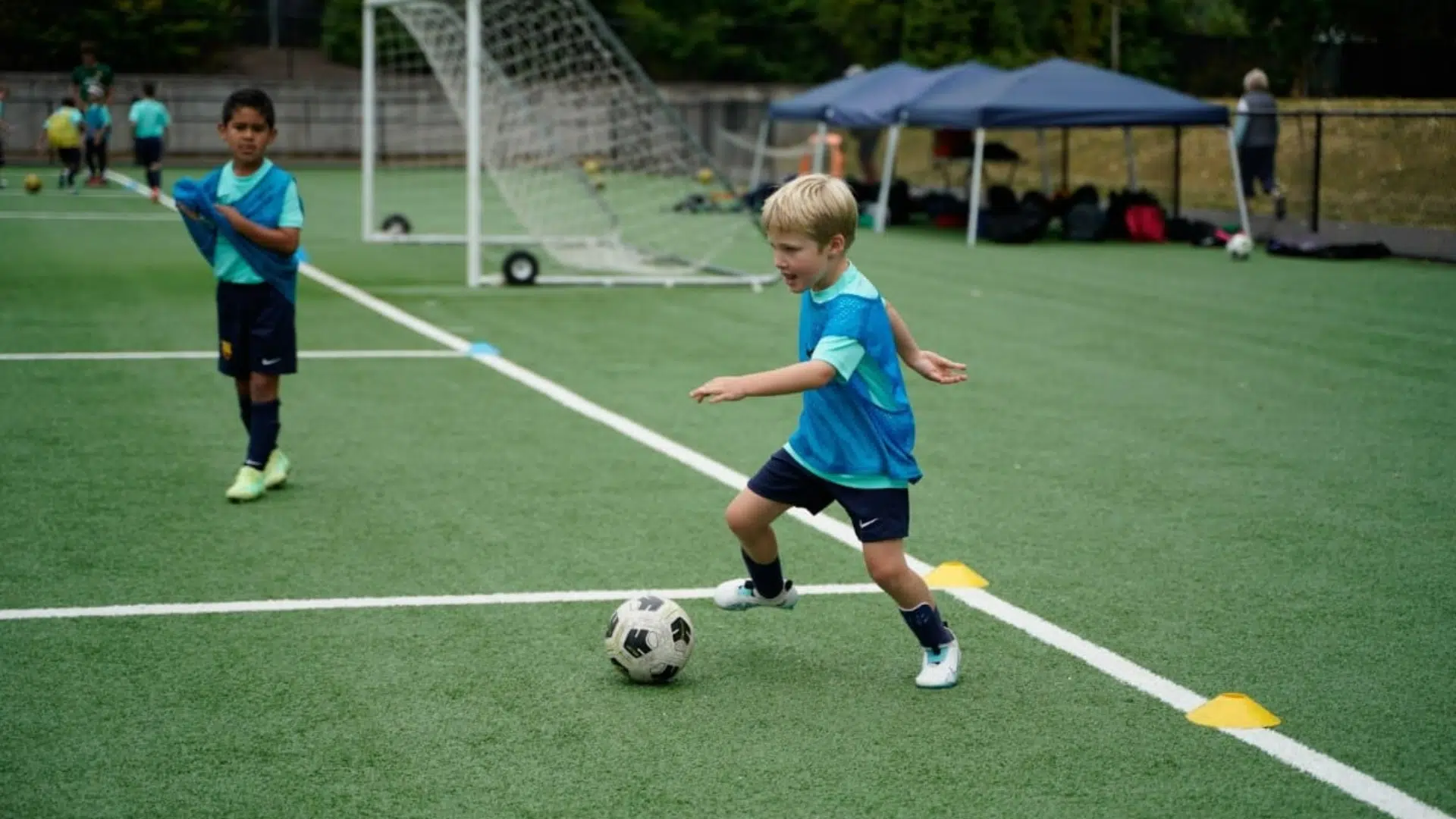
Choosing the right soccer ball helps kids enjoy the game, learn basic skills, and build confidence. A few simple tips can help parents pick the right ball without confusion.
- Pick the Right Size: Soccer balls come in different sizes based on age. Size 3 works for young kids, size 4 for ages 8–12, and size 5 for teens and adults.
- Check the Material: Synthetic leather balls last longer and feel better on the feet. Avoid very hard plastic covers for regular play.
- Look at the Stitching: Machine-stitched balls cost less and are fine for practice. Hand-stitched balls last longer and handle rough play better.
- Test the Weight: The ball should not feel too heavy for your child. A lighter ball helps younger kids control and kick it easily.
- Think About Where It Will Be Used: For backyard play, a basic training ball is fine. For matches or club practice, choose a higher-quality match ball.
- Check Air Retention: A good ball holds air well and does not need constant pumping. Read reviews or test it before buying.
Conclusion
Choosing the right soccer ball size by age is important for learning and enjoying the game. When the ball matches a player’s age, it feels easier to kick, pass, and control.
This helps players feel more comfortable while playing. The right ball size also makes soccer more fun.
Kids can learn skills faster and feel more confident during practice and games.
Using the correct size helps them enjoy playing without feeling frustrated. Before buying a soccer ball, always check league or coach rules. Many leagues ask players to use a specific ball size.
Following these rules helps avoid problems and makes sure the ball is right for games and practice.
Not sure which size to buy? Use this age-based guide to make the right choice without guesswork.
Frequently Asked Questions
Can Kids Use a Size 5 Soccer Ball?
Most kids should not use a size 5 ball until age 13 or older. A size 5 ball is bigger and heavier, and can be hard for young players to control.
Is the Soccer Ball Size the Same for Boys and Girls?
Yes, the soccer ball size is the same for boys and girls. Ball size is based on age, not gender.
Does Ball Size Change for Indoor Soccer?
The ball size usually stays the same for indoor soccer. Some indoor balls may feel softer, but the size follows the same age rules.