
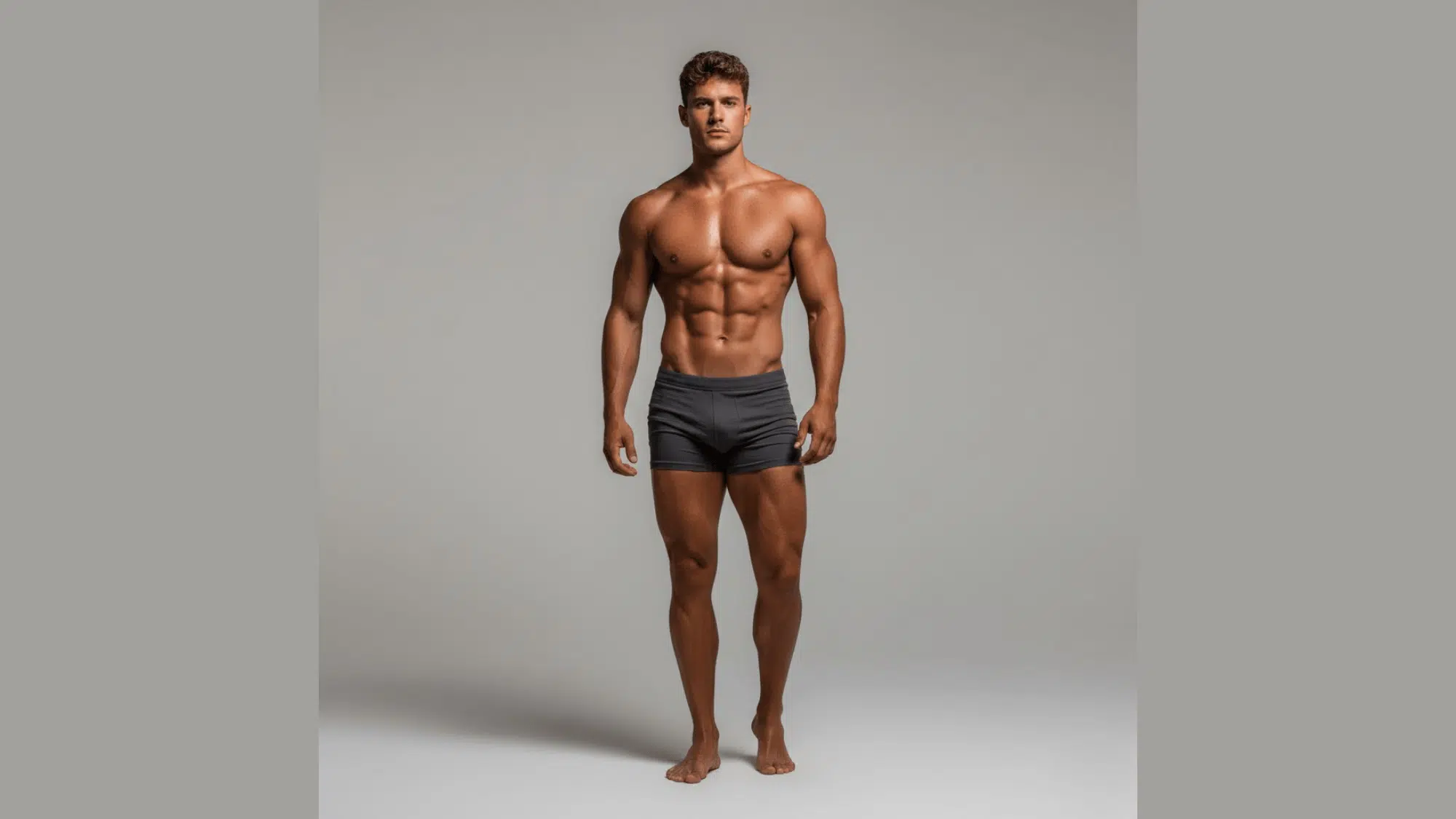
A lean athletic physique is more than just looking fit in the mirror. It means having low body fat, clear muscle lines, and the strength and stamina to run, jump, and move with ease in daily life or sports.
This guide walks through what a lean athletic body really is, how it feels, and how it’s different from a bulky bodybuilding look.
You’ll see how to shift your training from pure muscle size to real performance, with strength work, conditioning, and mobility.
There will also be simple tips on nutrition, sample macros, and a full day of eating.
Finally, the blog covers timelines, common mistakes, and how to adjust the plan if you’re a former bodybuilder, skinny fat, or already lean.
What is a Lean Athletic Physique?
A lean athletic physique means you have low body fat with visible muscle definition, plus the ability to move fast, jump high, and perform well in sports or physical activities.
Think of athletes like soccer players, gymnasts, or track stars, they look strong but not bulky, and they can actually use their strength.
Key features of a lean athletic body:
- Body fat around 12-15% for men, 18-22% for women
- Muscles are defined, but not overly big
- Great mobility and flexibility
- Explosive power and speed
- Good endurance for longer activities
This physique works best for people who want to look good AND perform well, not just pose in front of a mirror.
Making the Switch: From Bodybuilding to Athletic Training
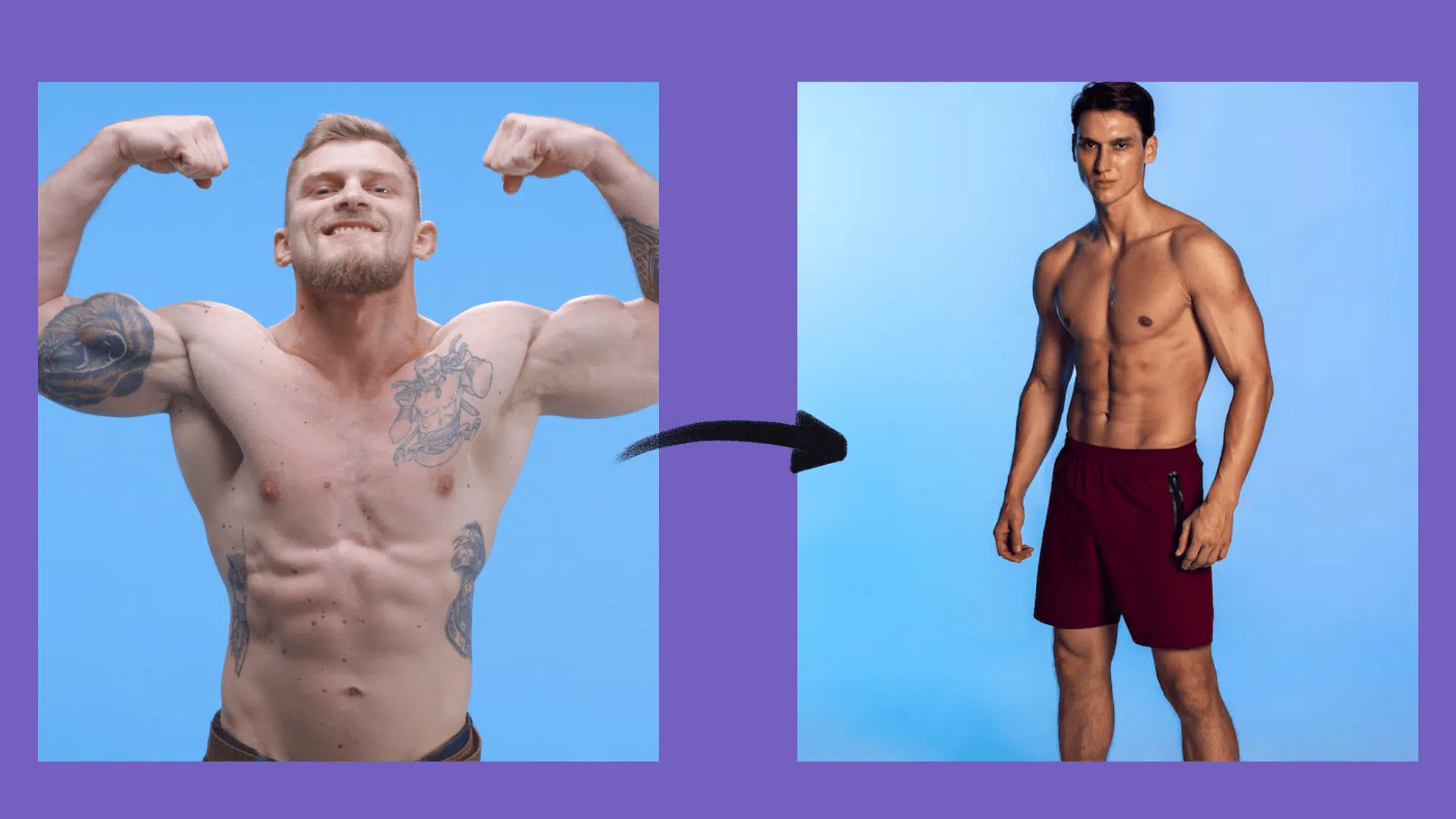
Many folks come from bodybuilding backgrounds and feel stuck. Maybe you’ve built muscle but feel slow, puffy, or just not as athletic as you’d like. The good news? You can change this with some smart adjustments.
Why Bodybuilders Often Feel Bulky
Bodybuilding focuses on making muscles bigger through high-volume training (lots of sets and reps). This approach works great for size, but it can leave you feeling heavy and less mobile.
Plus, eating in a significant surplus to build muscle often adds extra fat along the way.
What Needs to Change Right Away
- Cut back on the endless sets of isolation exercises
- Focus more on compound movements like squats, deadlifts, and pull-ups
- Add conditioning work (sprints, circuits, HIIT)
- Include mobility training every week
Nutrition changes:
| Bulking Habit | Lean Athletic Adjustment |
|---|---|
| Always in a calorie surplus | Move to maintenance or a slight calorie deficit |
| High protein and very high total calories | Keep protein high, but reduce overall food intake |
| Treating every meal like a “mass-gain” meal | Eat for performance, leanness, and recovery, not size at all costs |
Common Mistakes to Dodge
People transitioning to an athletic physique often mess up in these ways:
- Thinking more sets always equals better results
- Avoiding cardio because they’re afraid of losing muscle
- Ignoring mobility work completely
- Not adjusting their eating habits from their bulking days
The Science Behind Looking Lean and Athletic
Your body has different types of muscle fibers. Slow-twitch fibers help with endurance, while fast-twitch fibers create explosive power.
Athletic training develops both types in balance, unlike bodybuilding, which mainly targets slow-twitch fibers with higher reps.
When you train athletically, your muscles learn to fire quickly and efficiently. This creates a denser, more compact look rather than the puffy appearance from pure hypertrophy training.
Plus, staying leaner means your muscle definition shows through clearly.
Athletic training also improves something called neuromuscular efficiency – basically, your brain and muscles communicate better.
This makes you stronger without necessarily being bigger, which is perfect for the lean athletic look.
Your Athletic Build Training Blueprint
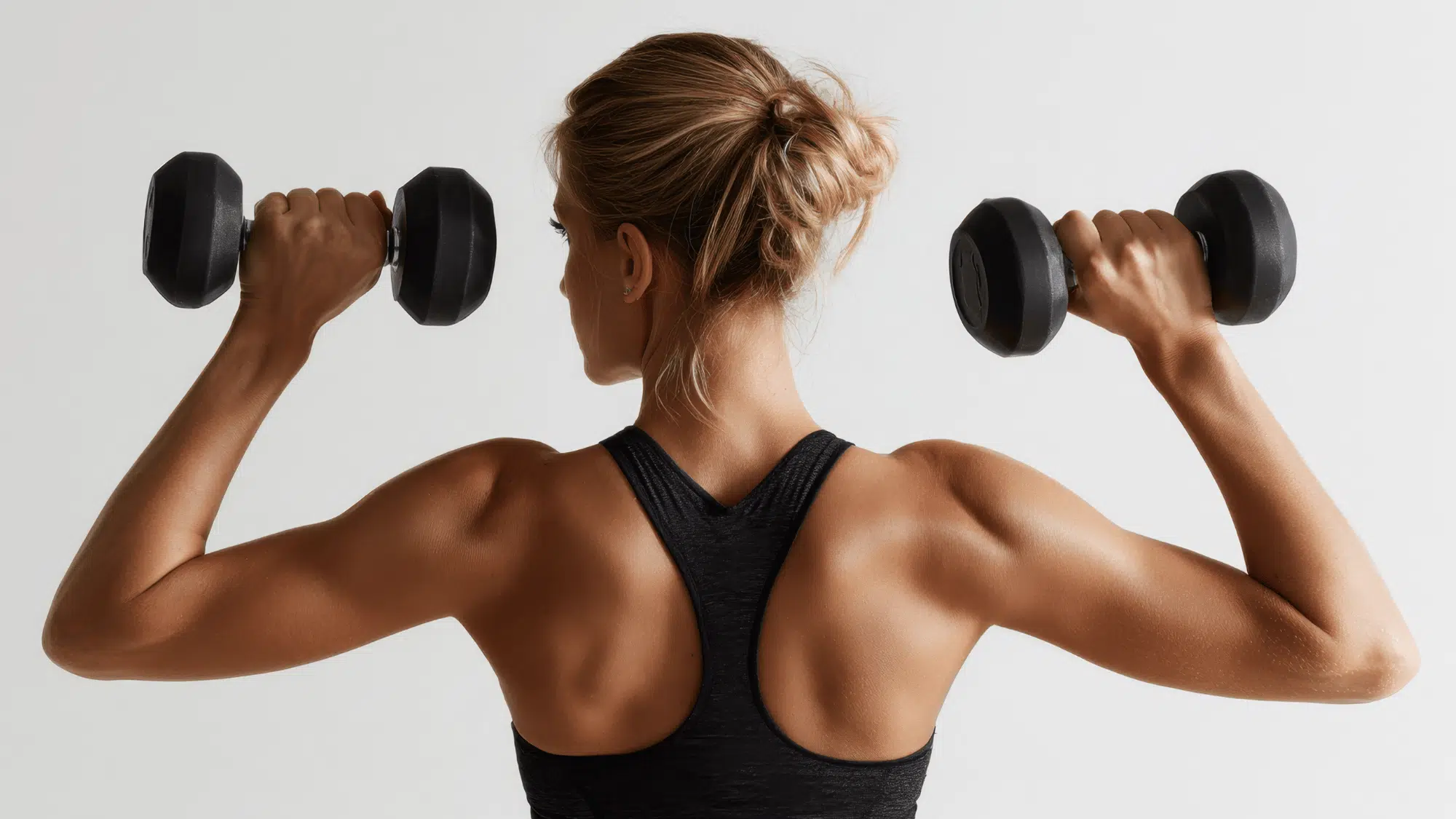
Building a lean athletic physique requires three main types of training working together. Let’s break down each one.
1. Strength Training
Strength training forms the base of your athletic physique. But forget about spending two hours doing 20 sets for biceps. Athletic strength training looks different.
The Four Essential Lifts:
| Exercise | Why It Matters | Sets x Reps |
|---|---|---|
| Deadlift | Total body power, posterior chain | 4 x 6-8 |
| Squat | Leg strength, jumping ability | 4 x 6-8 |
| Overhead Press | Shoulder strength, core stability | 3 x 8-10 |
| Pull-ups | Back width, functional pulling power | 3 x 6-10 |
Beyond the basics, add functional training tools like kettlebells, barbell complexes, and single-leg exercises. These build strength that transfers to real movement.
Weekly structure:
- Train 3-4 days per week
- Use 6-10 reps per set
- Focus on explosive, powerful movements
- Rest 2-3 minutes between heavy sets
2. Conditioning and Athletic Performance
Here’s where the magic happens. Conditioning work strips away fat while building the cardiovascular fitness that makes you truly athletic.
HIIT and Sprint Work:
Short, intense bursts of activity torch calories and build explosive power. Try these:
- 10 x 100-meter sprints with 60-90 seconds rest
- 20 seconds max effort bike, 40 seconds easy (repeat 10 times)
- Hill sprints: 6-8 rounds up a steep hill
- Kettlebell swings: 30 seconds on, 30 seconds off for 10 minutes
Zone 2 Cardio:
Don’t forget about steady-state cardio at a comfortable pace. This improves your aerobic base and helps with recovery. Think 30-45 minute jogs, bike rides, or rowing sessions where you could still hold a conversation.
3. Mobility and Movement Quality
This is the secret ingredient most people skip. Mobility work doesn’t just prevent injuries; it actually makes you look more athletic by improving your posture and movement patterns.
Spend 15-20 minutes, 3-4 times per week on:
- Dynamic stretching before workouts
- Yoga or Pilates sessions
- Foam rolling tight areas
- Hip and shoulder mobility drills
Better mobility means you’ll perform exercises with better form, leading to better muscle development in the right places.
Athletic Build Nutrition: The Real Game Changer
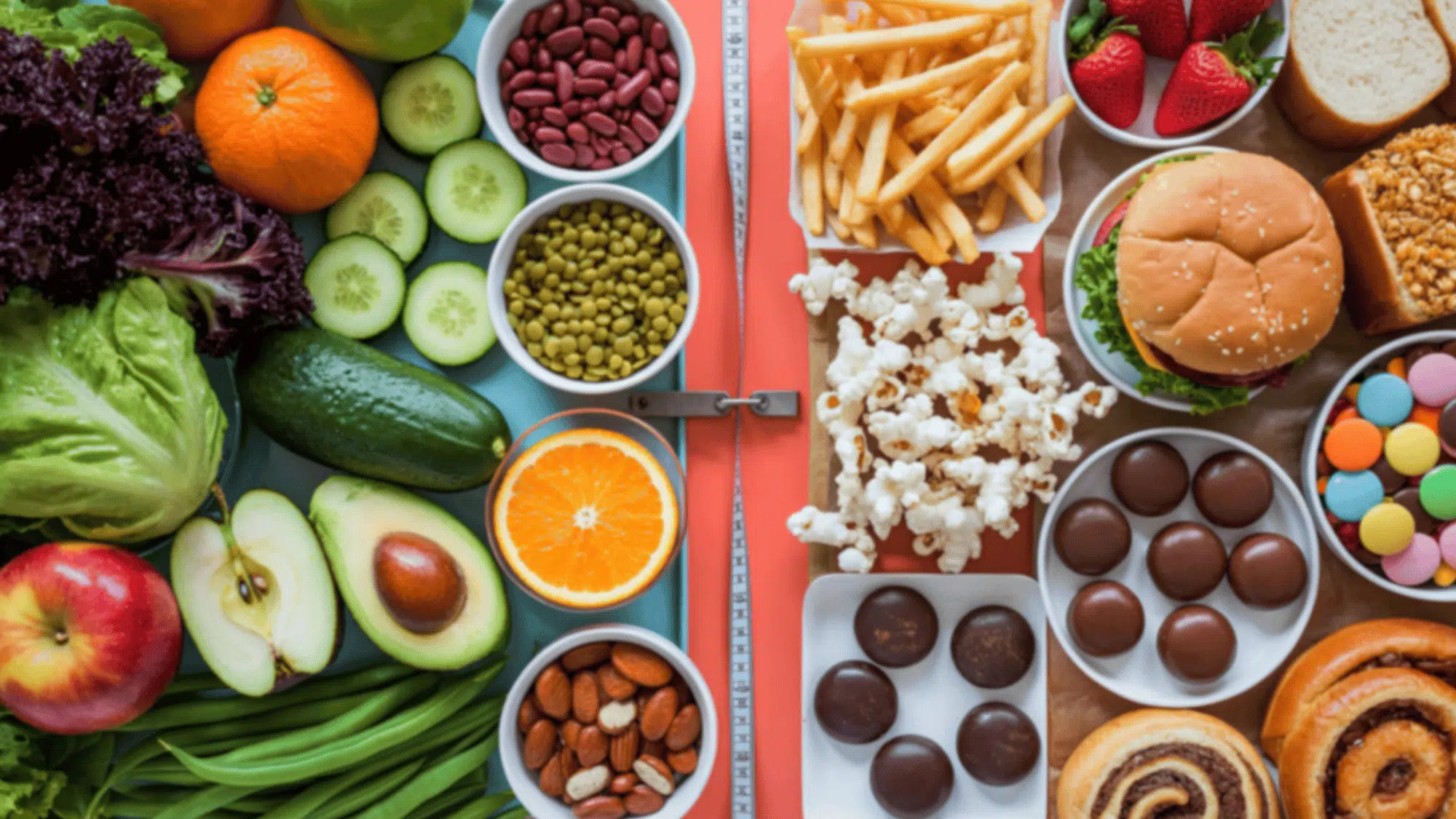
You’ve probably heard this before, but nutrition really does make up about 80% of how you look. You can’t out-train a bad diet, especially when chasing a lean physique.
Getting Your Macros Right
Protein requirements:
Aim for 0.75-1 gram of protein per pound of body weight. So if you weigh 180 pounds, eat 135-180 grams of protein daily. Protein preserves muscle while you lose fat and keeps you feeling full.
The simple plate method:
- Fill 40% of your plate with lean protein (chicken, fish, lean beef, eggs)
- Fill 40% with fibrous vegetables (broccoli, spinach, peppers, cauliflower)
- Fill 20% with starchy carbs (rice, potatoes, oats)
- Add a small amount of healthy fats (olive oil, avocado, nuts)
Timing your carbs:
Eat most of your carbs around your workouts. This gives you energy to train hard and helps with recovery. On rest days, you can reduce carbs slightly and increase healthy fats.
Calorie Strategy
For most people transitioning to a lean athletic physique, eating at maintenance calories or a small deficit (200-300 calories below maintenance) works best.
How to find your starting point:
- Track your food for a week without changing anything
- Calculate your average daily calories
- Drop 200-300 calories from that number
- Adjust after 2-3 weeks based on progress
Don’t crash diet. Slow and steady fat loss (0.5-1 pound per week) preserves muscle and keeps your energy high for training.
Timeline: How Long does this Take?
Let’s be honest about expectations. Building a lean athletic physique doesn’t happen overnight, but you’ll see changes faster than you think.
Realistic timeline:
| Timeframe | What You’ll Notice |
|---|---|
| 2-4 weeks | Better energy, clothes fit differently, initial fat loss |
| 8-12 weeks | Visible muscle definition, improved performance |
| 4-6 months | Clear athletic look, significant strength gains |
| 6-12 months | Complete transformation, peak condition |
Your starting point matters:
- Former bodybuilders: 8-16 weeks to see major changes, since you already have muscle
- Beginners: 4-6 months to build a solid foundation
- Skinny fat individuals: 6-12 months, combining muscle gain with fat loss
Focus on performance markers, not just the scale. Can you sprint faster? Do more pull-ups? Jump higher? These matter more than weight.
Tailoring the Approach to Your Starting Point
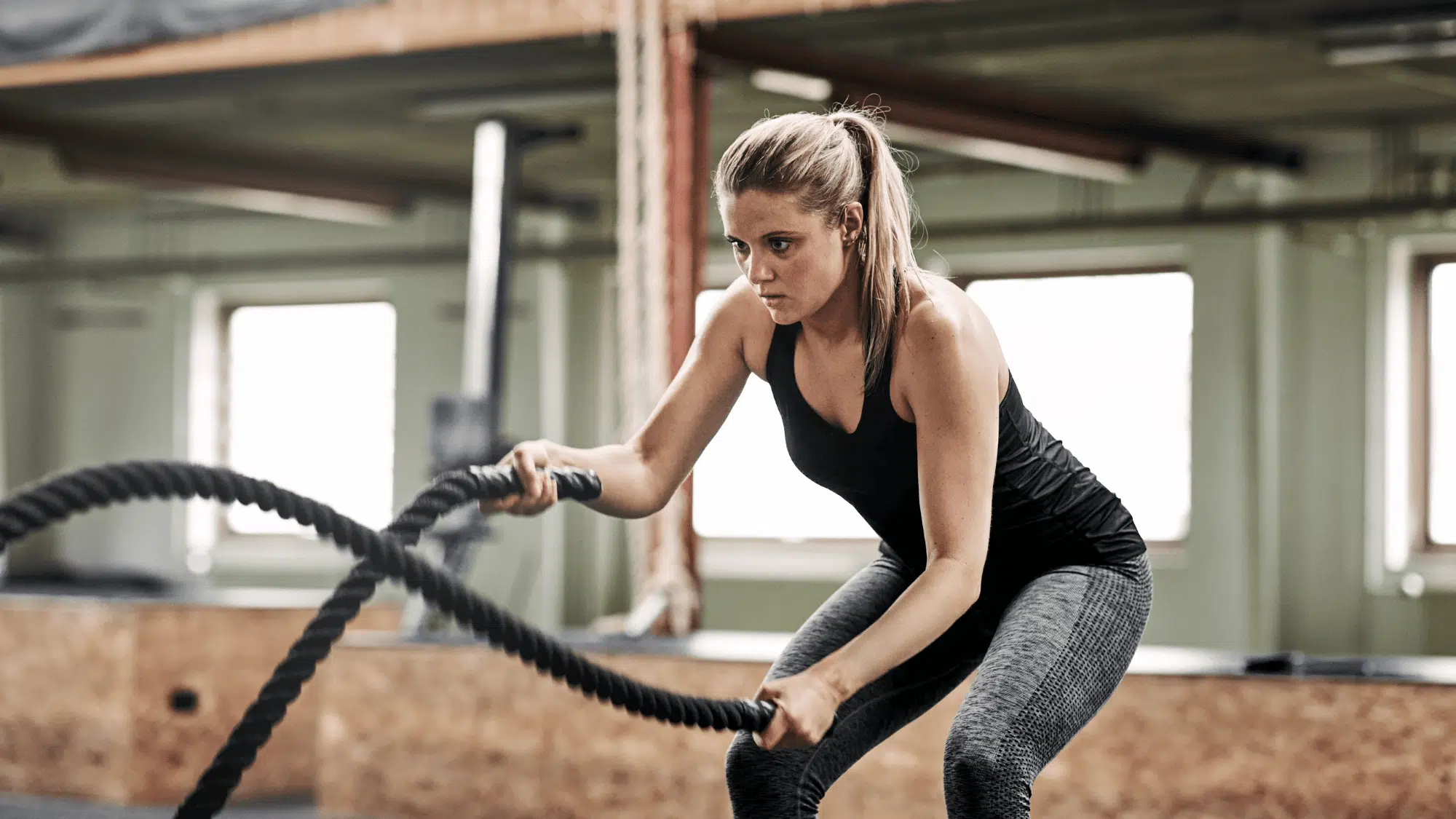
If You’re Coming From Bodybuilding
Your main challenge is changing your mindset from “more volume” to “better quality.” Cut your weekly sets by 30-40%, add conditioning work, and dial in your nutrition. You’ll feel lighter and more athletic within weeks.
If You’re Skinny Fat
This means you’re not very muscular but carry excess body fat. Your strategy: eat in a small deficit (200-300 calories below maintenance), focus hard on strength training, and walk 8,000-10,000 steps daily. Build muscle while slowly losing fat.
If You’re Already Lean But Not Muscular
Lucky you – cutting fat isn’t your main concern. Focus on progressive overload in strength training, eat at maintenance or a slight surplus, and don’t overdo cardio. You need to build the muscle base first.
What to Avoid
Certain mistakes will stall your progress or even move you backward. Watch out for these:
- Over-Bulking Cycles: Don’t try to gain 30 pounds and “cut later.” This just makes getting lean harder and takes longer.
- Excessive Heavy Lifting without Function: Lifting heavy is great, but if you can’t move well or do basic athletic movements, something’s off balance.
- Spot Reduction Myths: You can’t do 1,000 crunches to lose belly fat. Fat comes off your whole body based on genetics. Focus on overall fat loss through diet and training.
- Ignoring Mobility: Tight hips, stiff shoulders, and poor posture make you look less athletic even with muscle. Stretch regularly.
- Overtraining: More isn’t always better. Your body needs rest to recover and adapt. Train hard, then rest hard.
Sample Daily Meal Plan
Here’s what a typical day of eating might look like:
Breakfast (7:00 AM):
- 1 cup Greek yogurt
- 1 scoop protein powder mixed in
- ½ cup berries
- Small handful of almonds
- Black coffee or green tea
Lunch (12:30 PM):
- 6 oz grilled chicken breast
- Large salad with mixed vegetables
- ½ cup quinoa or brown rice
- Olive oil and vinegar dressing
Pre-Workout Snack (3:30 PM):
- Apple with 1 tablespoon almond butter
- Or a banana
Post-Workout (6:00 PM):
- Protein shake with 1 scoop protein and 1 banana
Dinner (7:30 PM):
- 6 oz salmon or lean beef
- Roasted vegetables (broccoli, peppers, zucchini)
- Small sweet potato
- Side salad with avocado
Evening Snack (if hungry):
- ½ cup cottage cheese or 2 hard-boiled eggs
Hydration: Drink at least 8-10 glasses of water throughout the day. More on training days.
At the End
A lean athletic physique is not about being the biggest person in the gym. It is about feeling light, strong, and ready for anything, whether that means running faster, jumping higher, or simply moving without pain.
With the right mix of strength training, conditioning, mobility, and smart nutrition, the body can look sharp and perform even better.
Progress may feel slow at times, but every workout, every good meal, and every night of solid sleep adds up. Stay patient, stay consistent, and trust the process.
Ready to start building a lean, athletic body that both looks good and performs well? Take the first step today and commit to one change from this guide