

The WNBA is growing fast, and people everywhere are finally paying attention to the numbers behind the league.
Fans want to know how much money the WNBA makes, why players are paid the way they are, and what the future of the league really looks like.
This blog breaks everything down in simple, clear terms. It covers the WNBA’s yearly revenue, where the money comes from, why the league still isn’t turning a profit, and why players receive such a small share of the earnings.
It also takes a closer look at salaries, the new media deal, and what all this means for the league’s future. By the end, the whole financial picture will make a lot more sense.
What’s the WNBA’s Yearly Revenue?
Let’s cut right to the chase. The WNBA is expected to bring in around $300 million in 2025. That’s a pretty big jump from the $226 million they made in 2024.
But here’s where things get interesting (and a bit complicated). Even though the league is growing fast, it’s still losing money—about $40 million last year. And the players? They’re only getting 9.3% of the revenue, while NBA players get a solid 50%.
This massive gap is why there’s so much debate right now about how the WNBA makes money and how players should get paid. Let’s break it all down in simple terms.
Where Does the WNBA’s Money Come From?
The WNBA doesn’t just rely on one big pot of money. Revenue comes from several different sources, and understanding these helps explain the whole financial picture.
1. The Massive Media Rights Deal
This is the biggest money-maker for the league. Recently, the WNBA signed an incredible 11-year, $2.2 billion agreement with major companies like ESPN, Amazon Prime Video, and NBCUniversal.
That’s going to bring in over $140 million every year in new revenue.
Want some perspective? The NBA’s media deal is worth $76 billion. The difference shows just how different the two leagues are in terms of market size.
2. Ticket Sales Are Growing
Ticket sales are quickly becoming a stronger revenue stream as more people attend WNBA games each season. The rise of standout stars like Caitlin Clark, combined with a growing fan culture, is helping fill arenas nationwide.
The most recent WNBA All-Star Game brought in more than 16,000 fans, the highest attendance in the event’s history. As demand increases, ticket revenue naturally rises, giving the league a significant financial boost.
3. Sponsorships and Corporate Partners
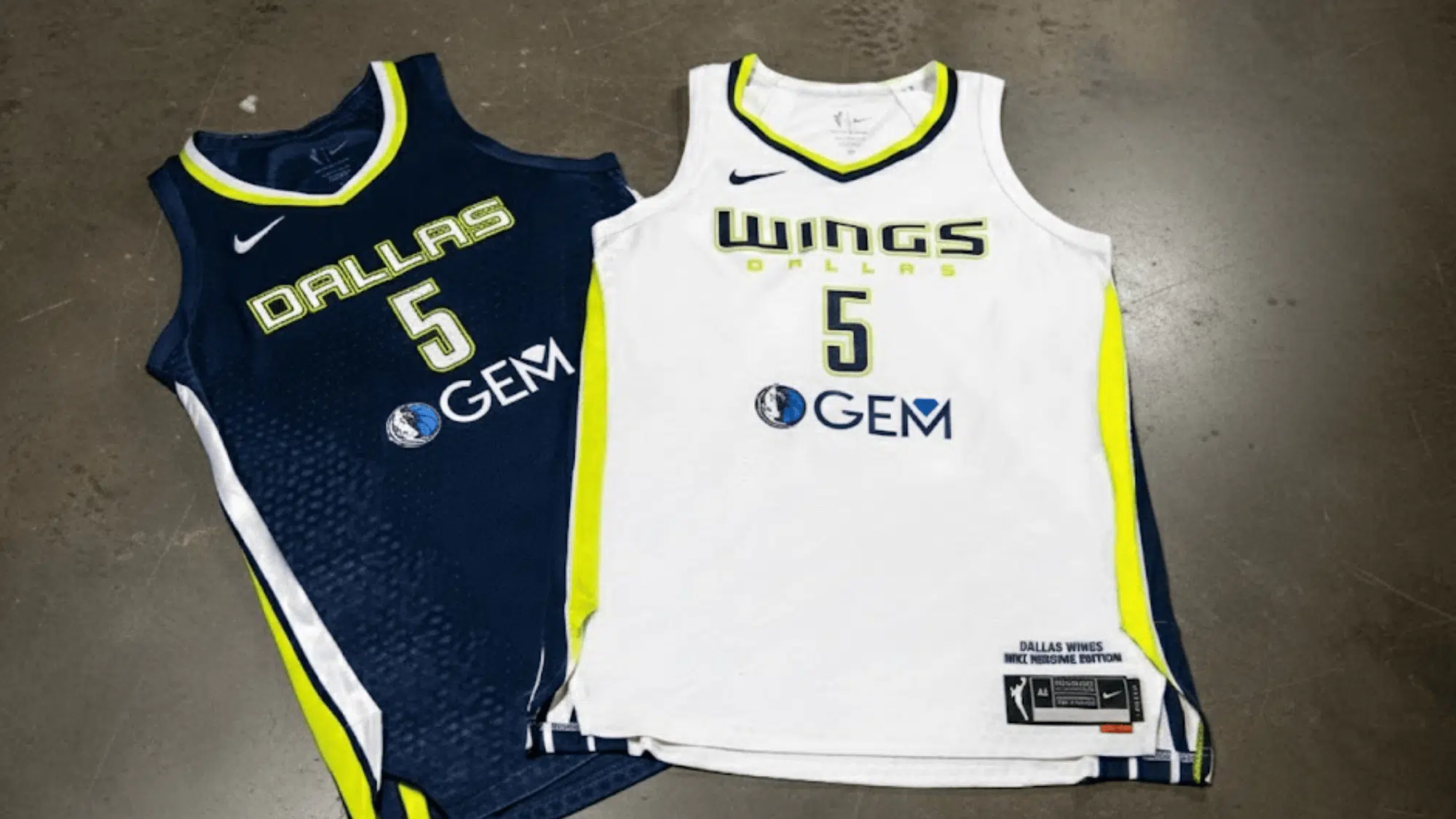
Major brands are investing in the WNBA more than ever before, and their financial support plays a crucial role in the league’s growth.
Sponsorship revenue comes from jersey patches, arena signage, team partnerships, and large-scale league-wide corporate deals.
These partnerships not only add millions to the league’s income but also raise the WNBA’s national visibility. The more brands get involved, the stronger the financial foundation becomes for long-term success.
4. Merchandise Sales

WNBA merchandise has exploded in popularity, especially with high-profile rookies and viral moments driving new interest. Sales of jerseys, apparel, and team gear all contribute to the league’s yearly revenue.
Social media buzz, player visibility, and fan engagement have significantly boosted the merchandise market.
Every jersey sold, every T-shirt purchased, and every piece of fan gear adds another boost to the league’s bottom line.
5. Expansion Team Fees
As the WNBA expands, franchise fees have become an increasingly important part of league revenue. When new teams join the league, the ownership groups pay large upfront fees for their franchise rights.
These payments can be substantial and help fund league growth, improve operations, and support existing teams.
Expansion fees also signal long-term confidence in the league’s future and contribute meaningfully to its annual revenue.
Is the WNBA Actually Profitable?
Here’s the tough truth: No, the WNBA isn’t making a profit yet.
Despite all this growth and excitement, reports from MarketWatch and other sources show the league lost about $40 million in 2024. So what’s going on?
Why Isn’t the League Profitable?
Even though revenue is climbing, expenses are high. Think about everything it takes to run a professional sports league:
- Production costs for broadcasting games
- Travel expenses for 12 teams playing coast to coast
- Marketing campaigns to grow the audience
- Arena costs and operations
- Long-term development and league infrastructure
The national audience is still growing, which means the money coming in doesn’t quite cover all these costs yet. Historically, the NBA (which owns 42% of the WNBA) has helped cover these losses.
Could Things Change?
Absolutely. That huge new media deal could flip the script entirely. Since 2019, the league’s revenue has basically doubled every few years.
If this trend continues and costs stay under control, WNBA profit could become a reality within the next few years.
The 9.3% Problem: Why Players Get So Little
This is where things get really frustrating for WNBA players. Let’s compare:
| League | Player Revenue Share |
|---|---|
| NBA | 49-51% |
| WNBA | 9.3% |
That’s a massive difference. But why?
How the Current System Works

Back in 2020, the WNBA and players agreed to a revenue-sharing deal in their Collective Bargaining Agreement (CBA). On paper, it looked like players could get 9-10% of league revenue. Sounds reasonable, right?
Wrong. Here’s the catch: players only get that money after the league hits certain revenue targets. And these targets were based on pre-pandemic numbers that don’t reflect the league’s actual growth rate.
The result? Over many seasons, there have been zero revenue-sharing payouts to players, even though the league was bringing in more money than ever.
What Players are Fighting For
WNBA players and their union aren’t asking for handouts. They’re asking for fairness. Specifically, they want:
- A direct percentage of revenue in the salary cap (not bonuses paid out later)
- More transparency about league finances
- Guaranteed upfront distribution similar to how NBA players get paid
- A revenue-share model that actually reflects current growth
It’s hard to argue with their point. When the league’s revenue grows by 20% but player salaries increase by only 3%, something doesn’t add up.
What the League Says
WNBA leadership points to those historical losses. They argue that giving players 50% of revenue, as the NBA does, could actually threaten the league’s operations. After all, you can’t pay out money you don’t have.
It’s a tough position, but players counter that transparency would help everyone understand the real numbers.
WNBA Salaries: The Current Numbers
Let’s talk actual dollars. What do WNBA players make right now?
| Category | Details | Amount (USD) |
|---|---|---|
| Minimum Salary | Players with 0–2 years of experience | $66,079 |
| Minimum Salary | Players with 3+ years of experience | $78,831 |
| Maximum Salary | Top players (2025 max salary) | $249,244 |
| Average Salary | Commonly cited average | $140,000 |
| Average Salary (Low) | Other estimates depend on the calculation | $102,000–$119,000 |
The Growing Gap Problem
Here’s where math gets depressing for players. The salary cap only increases by about 3% per year. Meanwhile, league revenue might grow 20% or more in the same year.
That means the gap between what the league makes and what players earn keeps widening, not narrowing.
What About Extra Earnings?
Some top players can earn more through something called LMAs (League Marketing Agreements). These are special deals that give certain players additional income for marketing appearances and promotions.
But these only go to a small group of star players, not everyone on the roster.
Why the NBA-WNBA Gap Exists
It’s easy to say “pay them equally,” but the financial reality is more complex. Let’s look at the big picture:
| Category | NBA | WNBA |
|---|---|---|
| Total Revenue | $11+ billion | $300 million |
| Revenue Per Team | ~$367 million | ~$25 million |
| Media Deal Value | $76 billion | $2.2 billion |
| Player Share | 50% | 9.3% |
| Average Salary | $10.8 million | $140,000 |
Market Size Matters
The NBA has a massive global fanbase built over decades. The WNBA is still growing its reach. More viewers mean more TV money, more ticket sales, and more sponsorship dollars.
The Cost of Revenue Issue
Here’s something interesting: the WNBA has historically allocated about 30% of its revenue just to “cost of revenue.”
That means things like production expenses, broadcast costs, and marketing eat up nearly a third of the money before anyone else gets paid.
This old model actually punishes growth. As the league brings in more money, those costs grow too, leaving less available for players.
What’s Next for WNBA Revenue?
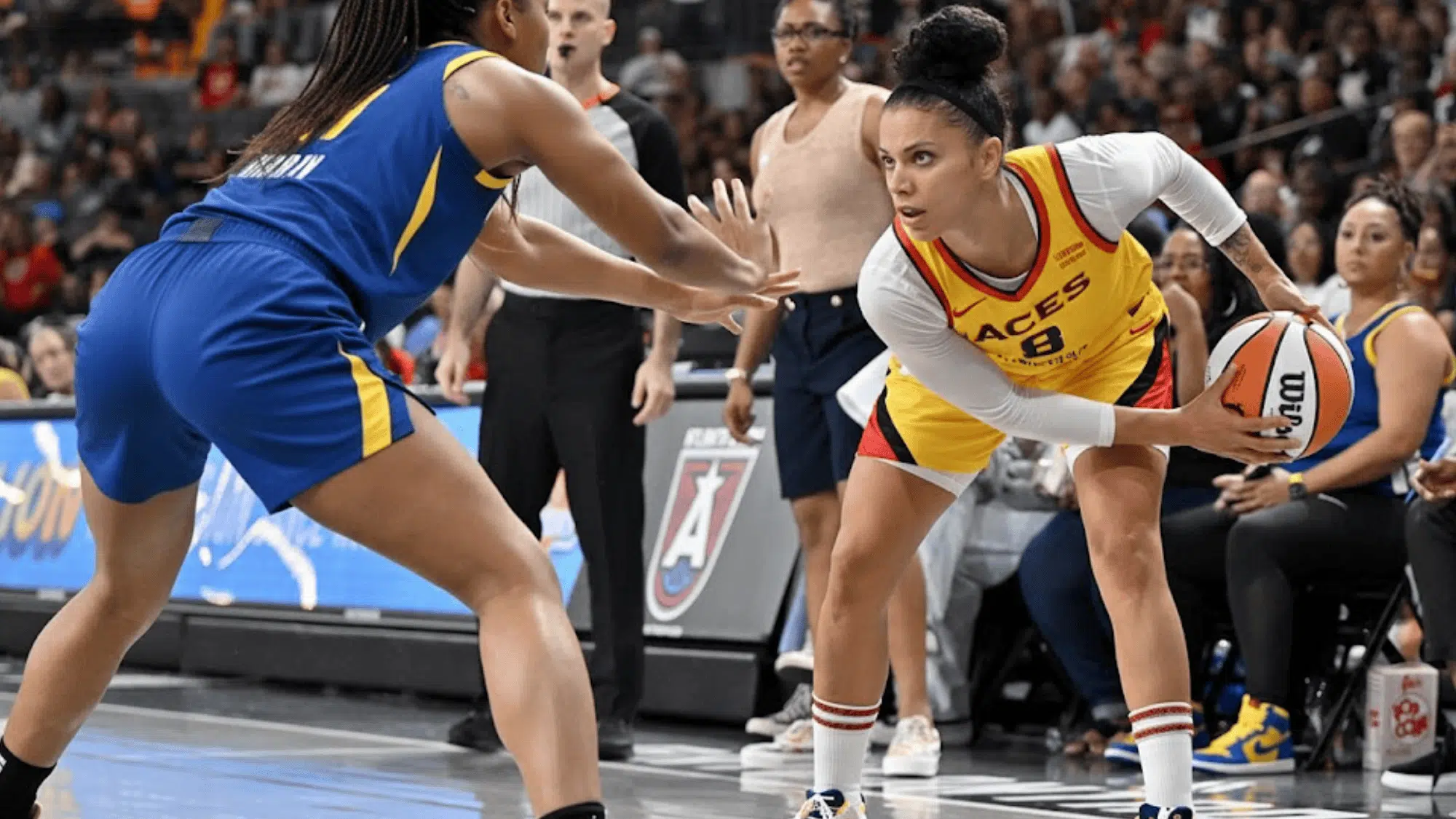
The future actually looks pretty bright. Here’s why optimism makes sense:
1. The Media Deal Effect
That $2.2 billion media agreement isn’t just about money; it’s about visibility. More games on major networks means more fans, which means more of everything: tickets, merchandise, sponsorships.
This deal alone could push the WNBA into profitability for the first time ever.
2. Superstar Power
Players like Caitlin Clark and Angel Reese aren’t just talented—they’re cultural phenomena. Their viral moments drive merchandise sales and bring new fans who’ve never watched women’s basketball before.
Prime-time game placements and better broadcast quality make these stars even more visible.
3. Looking Ahead to 2030
Financial analysts expect the WNBA could bring in $500-700 million by 2030. If costs can stay reasonable as revenue grows, profitability isn’t just possible, it’s likely.
The big question is whether this growth will translate to better pay for players, or if the same old revenue-sharing problems will continue.
The Bottom Line
The WNBA is changing fast, and its financial story is finally starting to take shape. Revenue is rising, new stars are boosting interest, and major media deals are opening doors the league never had before.
Even though it isn’t profitable yet, the progress is real, and the next few years could be the WNBA’s biggest turning point.
The big question now is whether this growth will lead to better pay and fairer revenue sharing for players. As the league continues to gain fans and attention, the push for change will only grow stronger.
Want more easy breakdowns like this? Stick around for more sports and money guides made simple.