
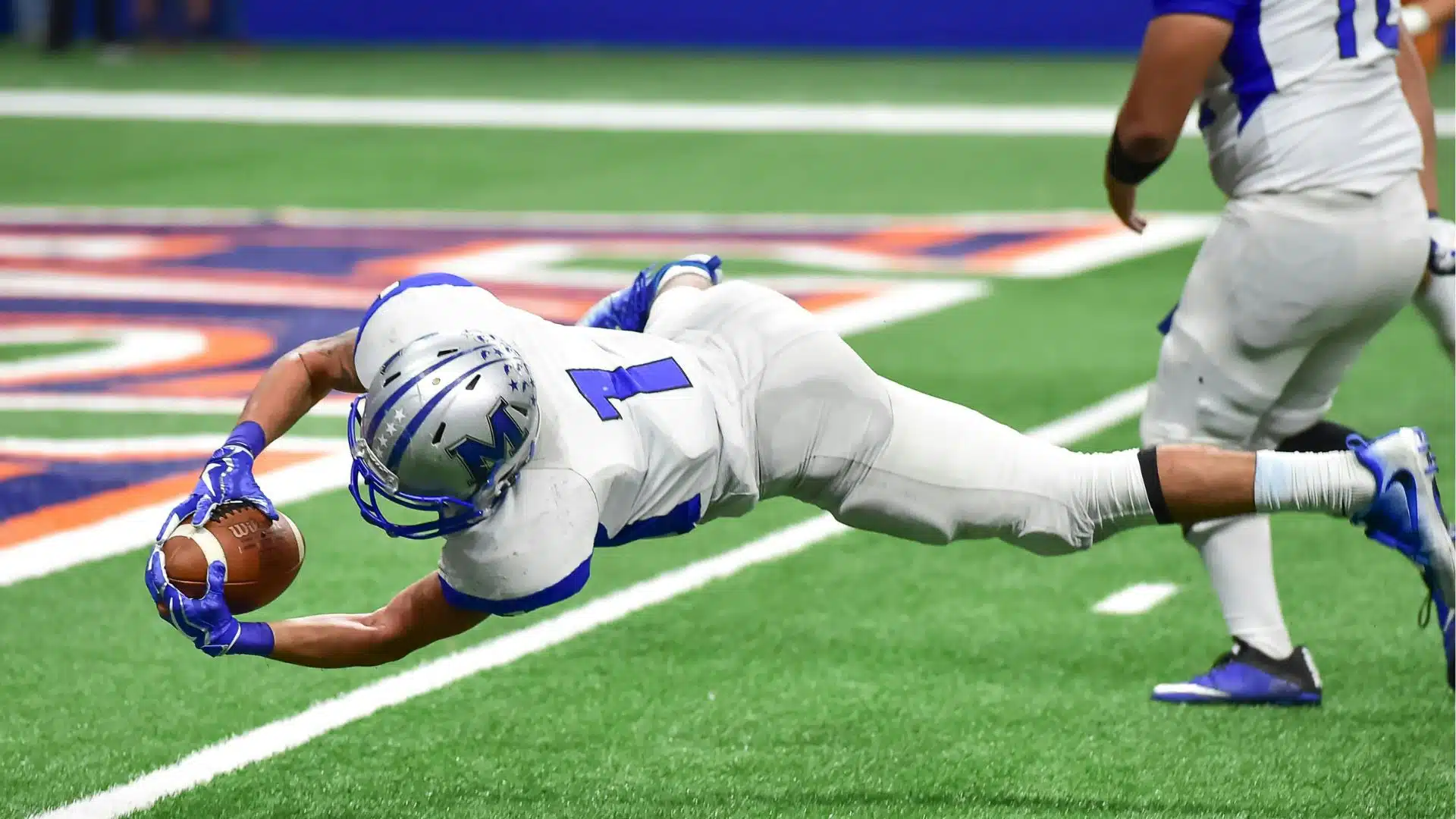
I cover sports the way fans live it in real time, when one confusing moment can turn into a big question fast.
Over the years, I’ve learned that the best reporting doesn’t just tell you what happened; it clears up what people are still unsure about, with accuracy and solid sourcing as the baseline.
One of the most common questions I hear from new and casual viewers is simple: how many quarters are there in college football?
With broadcasters constantly saying “first half,” “second half,” and “halftime,” it’s easy to assume the game is split into long halves like some other sports. But the structure is straightforward.
College football is played in four quarters, each lasting 15 minutes, for a total of 60 minutes of regulation play. It also follows the same quarter-based format as the NFL.
Once you know that, the game’s flow is much easier to follow.
Why is the Football Game Played in Quarters?
I’ve covered enough Saturdays in packed stadiums to know this is one of the most common questions fans ask once they start paying closer attention:
Why is the football game played in quarters? Here’s exactly how many quarters are in college football, how long they last, and what that means for the overall length of the game.
A standard college football game is played in four quarters, and each quarter lasts 15 minutes, making the total official playing time 60 minutes.
This quarter-based format is consistent across NCAA college football games, including major Division I matchups and most other levels of college football.
Even though the game clock runs for just one hour, the real-time length of a college football game often stretches to three hours or more because of stoppages such as timeouts, incomplete passes, replay reviews, and halftime, something you really notice when you’re tracking drives and updates in real time.
Using four quarters (instead of only two halves) also gives teams regular chances to adjust strategy, manage the clock, and reset momentum as the game unfolds.
How Many Quarters in College Football?
Here’s exactly how many quarters in college football, how long they last, and what that means for the overall length of the game.
- A standard college football game is played in four quarters.
- Each quarter lasts 15 minutes, making the total official playing time 60 minutes.
- This quarter-based format is consistent across NCAA college football games, from major Division I matchups to most college levels.
- Although the game clock runs for only an hour, the actual duration of a college football game usually extends to around three hours or more due to stoppages such as timeouts, incomplete passes, and halftime breaks.
- Using four quarters (rather than just two halves) gives teams regular opportunities to adjust strategy, manage the clock, and reset momentum during the game.
How Long is a College Football Game?
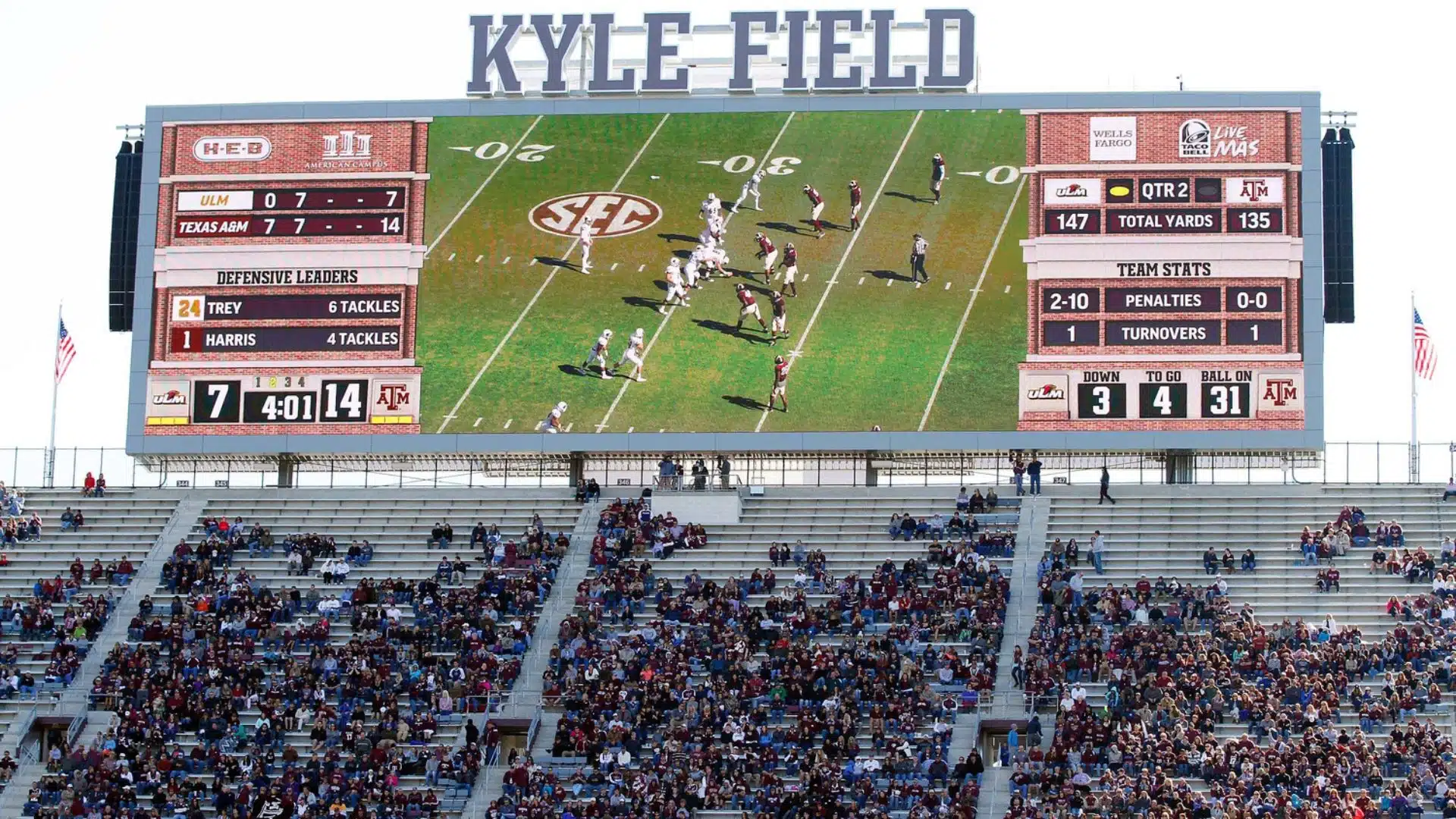
Understanding the structure of a college football game is easier when you look at it as a series of clear time steps. Each game follows the same basic format from kickoff to the final whistle.
1. First Quarter (0-15 Minutes)
The game kicks off with energy, nerves, and a lot of “feeling things out.” After the opening kickoff, both teams start settling in and testing what works: quick passes, early runs, and a few safe plays to build rhythm.
This quarter is often about field position, avoiding mistakes, and getting comfortable on both sides of the ball. Coaches may use this time to read the opponent’s defense, check matchups, and set the tone physically.
Early points matter, but momentum and confidence matter too.
2. Second Quarter (15-30 Minutes)
The second quarter is where teams usually start opening up the playbook. Offenses may take more chances, defenses adjust to what they’ve seen, and the pace often picks up.
This is still in the first half, so clock awareness is important, especially near the end of the quarter. Teams try to score before halftime or stop the other side from doing it.
By the time the second quarter ends, you’ll often have a clearer idea of which team is controlling the game.
3. Halftime Break
Halftime comes right after the second quarter and usually lasts around 20 minutes. It’s the longest pause in the game, giving players time to rest, hydrate, and recover.
Coaches review what went wrong, what’s working, and what needs to change. You’ll often see teams come out looking sharper or completely different after halftime because of halftime adjustments.
For fans, halftime can include band performances, quick highlights, and analysis. Most importantly, the game clock isn’t running during this break.
4. Third Quarter (30-45 Minutes)
The third quarter starts the second half, and it often feels like a “new game.” Teams return with fresh plans based on what happened earlier, and the opening drive after halftime can be a big momentum swing.
Coaches may change blocking schemes, shift defensive coverages, or lean on a hot player from the first half.
This quarter matters because it sets up the finish teams either build a lead, fight back, or keep the game close. Strong third-quarter play can completely change the outcome.
5. Fourth Quarter (45-60 Minutes)
The fourth quarter is the final stretch of regulation, and it’s where games are often won or lost. If the score is close, expect tighter defense, big play calls, and heavy clock management.
Teams protecting a lead may run more to drain time, while trailing teams push the pace and take risks. This quarter is also when the pressure is highest; missed tackles, penalties, or turnovers can decide everything quickly.
If the game stays tied after this quarter ends, overtime rules kick in.
Total Game Time
Even though regulation is 60 minutes, college football games usually last much longer in real time.
That’s because the clock stops for incomplete passes, timeouts, penalties, out-of-bounds plays, replay reviews, and halftime. TV breaks also add time.
So while the official structure is four 15-minute quarters, the full experience typically runs around three hours or more. Still, every game follows this same quarter-based format from start to finish.
To make the full game length easier to understand, here’s a quick breakdown of the game.
| Game Segment | Duration (Approx.) | What Happens During This Time |
|---|---|---|
| First Quarter | 15 minutes | Opening kickoff, early plays, teams settle in |
| Second Quarter | 15 minutes | Momentum builds, clock management before halftime |
| Halftime | 20 minutes | Teams rest, coaches adjust strategies |
| Third Quarter | 15 minutes | Second half begins, new game plans take shape |
| Fourth Quarter | 15 minutes | Final regulation play, close games decided |
| Clock Stoppages & Breaks | Varies | Timeouts, reviews, commercials, penalties |
What Happens If the Game Is Tied After Four Quarters?
If a college football game is tied at the end of regulation, meaning after all four quarters have been played, the game moves into overtime to decide a winner.
Unlike regulation play, overtime is not an extra quarter and does not add time to the game clock. Instead, it follows a separate format designed to give both teams a fair chance to score.
In college football overtime, each team gets at least one possession, usually starting from the opponent’s 25-yard line.
Teams take turns trying to score, and if one team outscores the other in overtime, the game ends. If the score remains tied, additional overtime rounds are played until a winner is determined.
The key thing to remember is that overtime is completely separate from the four regulation quarters. The standard game still consists of four 15-minute quarters, and overtime only comes into play when a tie needs to be broken.
Wrapping It Up
At the end of the day, college football games are played in four quarters, each lasting 15 minutes for a total of 60 minutes of regulation play, just like in the NFL.
While the game clock runs for only an hour, real college football games usually take much longer due to halftime, stoppages, and strategic breaks.
Understanding this basic structure helps new and casual fans follow the game with confidence.
Instead of thinking of the contest as two big halves, it’s more accurate to view it as four meaningful segments of play where teams reset, regroup, and plan their next moves.
Stick around to learn more about college football basics and share your thoughts or questions in the comments below!
Frequently Asked Questions
Can a College Football Game End in a Tie?
No. College football games cannot end in a tie. If the score is tied after four quarters, the game goes to overtime.
Is College Football the Same as the NFL for Quarters?
Yes. Both college football and the NFL use four 15-minute quarters. Some timing rules differ, but the quarter format is the same.
Is Overtime Considered a Fifth Quarter?
No. Overtime is not an extra quarter. It is a separate, untimed period used only to determine a winner.