

Ever wondered why an American football team on TV shows just 22 players on the field, but people keep talking about 53-man rosters and practice squads? It can get confusing fast.
This guide walks through how football teams are really built at every level. It breaks down the NFL 53-man roster, game day actives, and practice squad, then looks at college and high school team sizes.
There’s also a quick comparison table, so numbers are easy to see side by side. Finally, it covers why teams need so many players in the first place and even touches on other leagues like the CFL and arena football.
By the end, the whole structure will feel much clearer.
Understanding NFL Team Structure
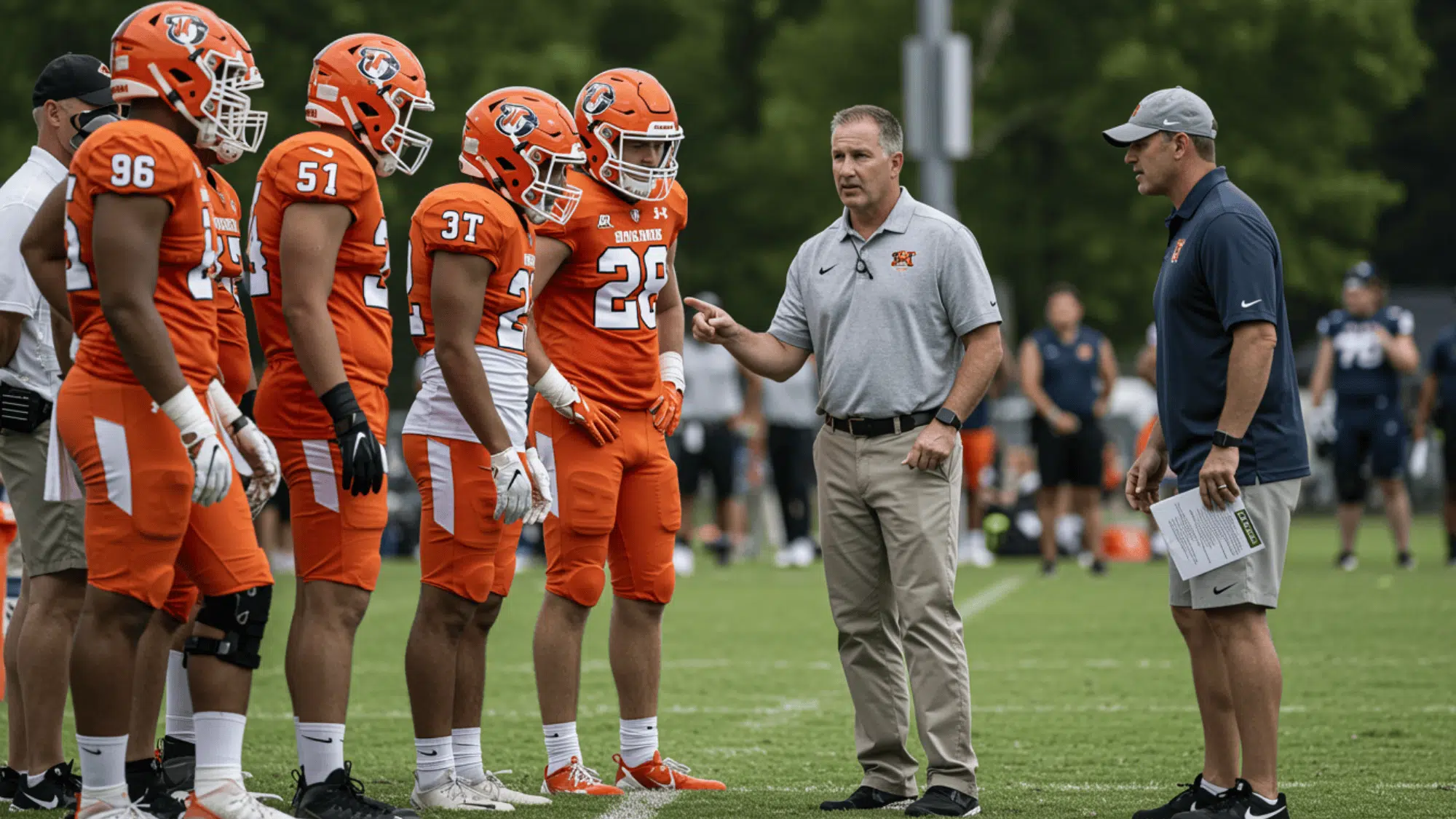
Let’s start with professional football since that’s what most people think about when they hear “American football team.”
The Active Roster
The NFL has strict rules about team sizes. Every team can have exactly 53 players on their active roster. Think of this as the main team; these are the players who are officially part of the squad and can be activated for games.
Why so many? Well, football is a tough sport! Players get injured all the time, and different plays need different specialists. Teams need backup players at every position to stay competitive throughout the season.
These 53 spots are divided across three main areas:
- Offense – The players who try to score points
- Defense – The players who try to stop the other team from scoring
- Special Teams – Kickers, punters, and players who handle kickoffs and field goals
Game Day Reality
Here’s where things get tricky. Even though teams have 53 players on the active roster, only 48 players can dress and be available for each game. That means 5 players have to sit out as “healthy scratches.”
Coaches decide which players to activate based on the game plan, matchups, and who’s performing well in practice.
There’s one small exception: teams can dress a 49th player if he’s an extra offensive lineman. This rule helps teams have enough big guys to protect the quarterback!
The Practice Squad: 16-17 Extra Players
Beyond the 53-man roster, NFL teams also have a practice squad with 16 to 17 players. These athletes practice with the team but aren’t on the active roster. They’re like the team’s reserve force.
Here’s what makes the practice squad special:
- Teams can have 16 standard practice squad players
- One additional spot is reserved for the International Pathway Program (bringing talented players from other countries)
- Most practice squad players are rookies or second-year players still developing their skills
- Teams can “elevate” up to two practice squad players for game day without adding them to the active roster
The practice squad gives young players a chance to learn, improve, and hopefully earn a spot on the main roster. Many NFL stars started on practice squads before becoming household names!
Other Important Lists
NFL teams also manage players on special lists that don’t count toward the 53-man limit:
- Injured Reserve (IR) – Players recovering from serious injuries
- Physically Unable to Perform (PUP) List – Players who can’t practice due to injuries from the previous season
- Non-Football Injury (NFI) List – Players injured outside of football activities
These lists help teams keep players under contract while they recover, without taking up valuable roster spots.
There are Only 11 Players on the Field
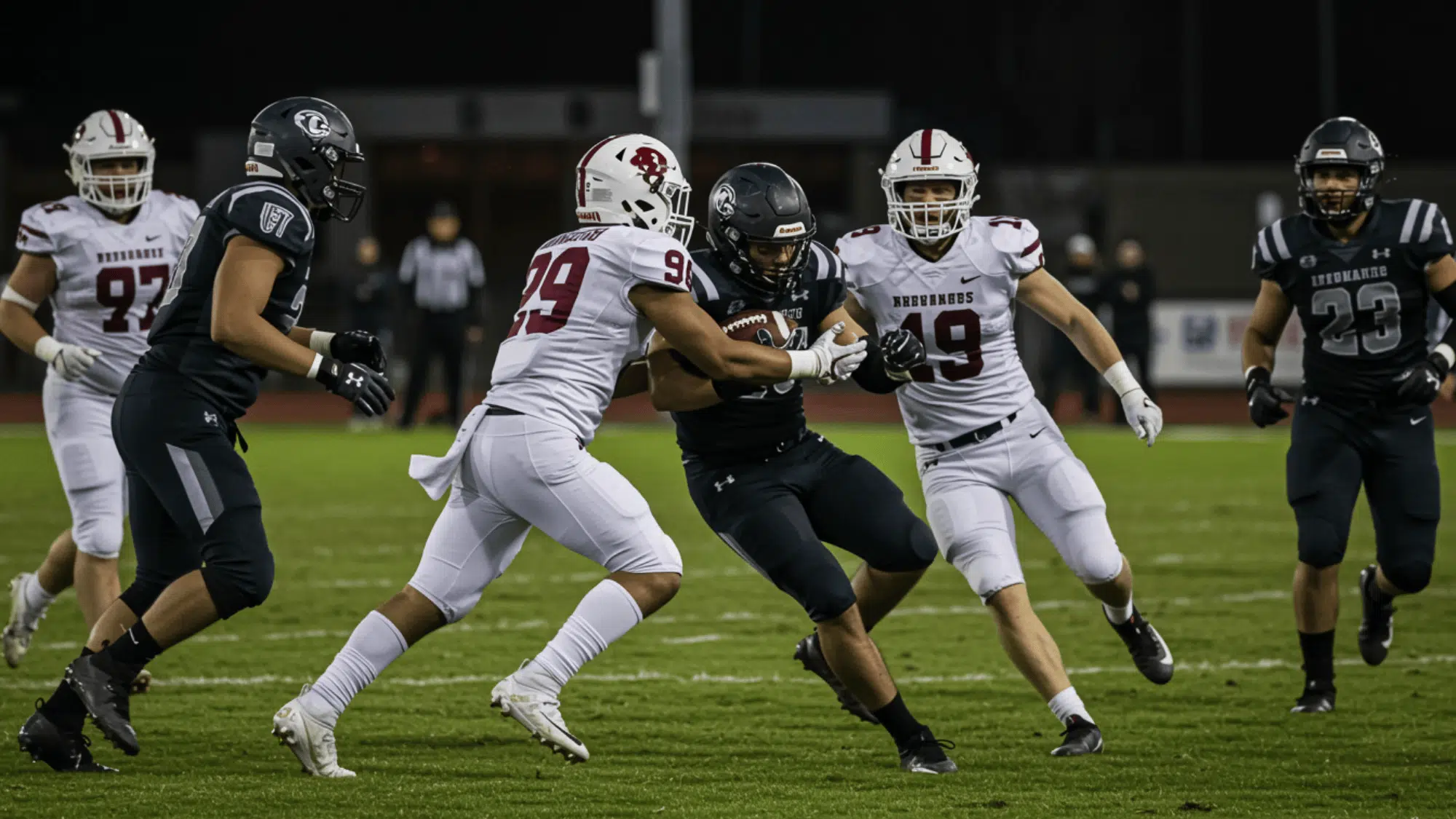
Now for the part that confuses everyone: even though NFL teams have 53 players on the roster, only 11 players from each team are on the field at one time. That means 22 total players are playing at any moment (11 vs. 11).
So what are the other 42 players doing? They’re on the sidelines, ready to rotate in! Here’s why teams need so many extras:
Three Separate Units:
Football teams actually have three different groups of players:
- Offensive Unit – Comes on the field when the team has the ball
- Defensive Unit – Takes the field when the other team has the ball
- Special Teams Unit – Handles kickoffs, punts, and field goals
Very few players play on all three units. Most specialize in just one or two. That’s why teams need so many players!
Depth and Substitutions:
- Players get tired and need breaks
- Injuries happen during games (football is rough!)
- Different situations call for different specialists
- Backup players need to be ready at every position
Think of it like a basketball team that only has 5 players on the court but carries 12-15 players on the roster. Football just needs even more depth because of how physical the game is.
Breaking Down the 53 Roster Spots by Position
Curious how teams divide up their 53 roster spots? Here’s a typical breakdown (though each team does things slightly differently):
Offense (About 24-25 Players)
| Position | Number of Players | What They Do |
|---|---|---|
| Quarterbacks (QB) | 2-3 | Throw the ball and lead the offense |
| Running Backs (RB) | 3-4 | Carry the ball and catch passes |
| Wide Receivers (WR) | 5-6 | Catch passes from the quarterback |
| Tight Ends (TE) | 2-3 | Block and catch passes |
| Offensive Linemen (OL) | 8-10 | Protect the quarterback and create running lanes |
Defense (About 24-25 Players)
| Position | Number of Players | What They Do |
|---|---|---|
| Defensive Linemen (DL) | 5-7 | Rush the quarterback and stop runs |
| Linebackers (LB) | 5-7 | Stop runs and cover receivers |
| Defensive Backs (DB) | 9-11 | Cover receivers and prevent passes |
Special Teams (About 3-4 Players)
- Kicker (K) – 1 player who kicks field goals and extra points
- Punter (P) – 1 player who punts on fourth down
- Long Snapper (LS) – 1 player who snaps for kicks and punts
- Sometimes teams carry a kickoff specialist, too
Many players serve double duty on special teams. For example, wide receivers and defensive backs often play on punt and kickoff coverage teams.
College Football: A Whole Different Ball Game
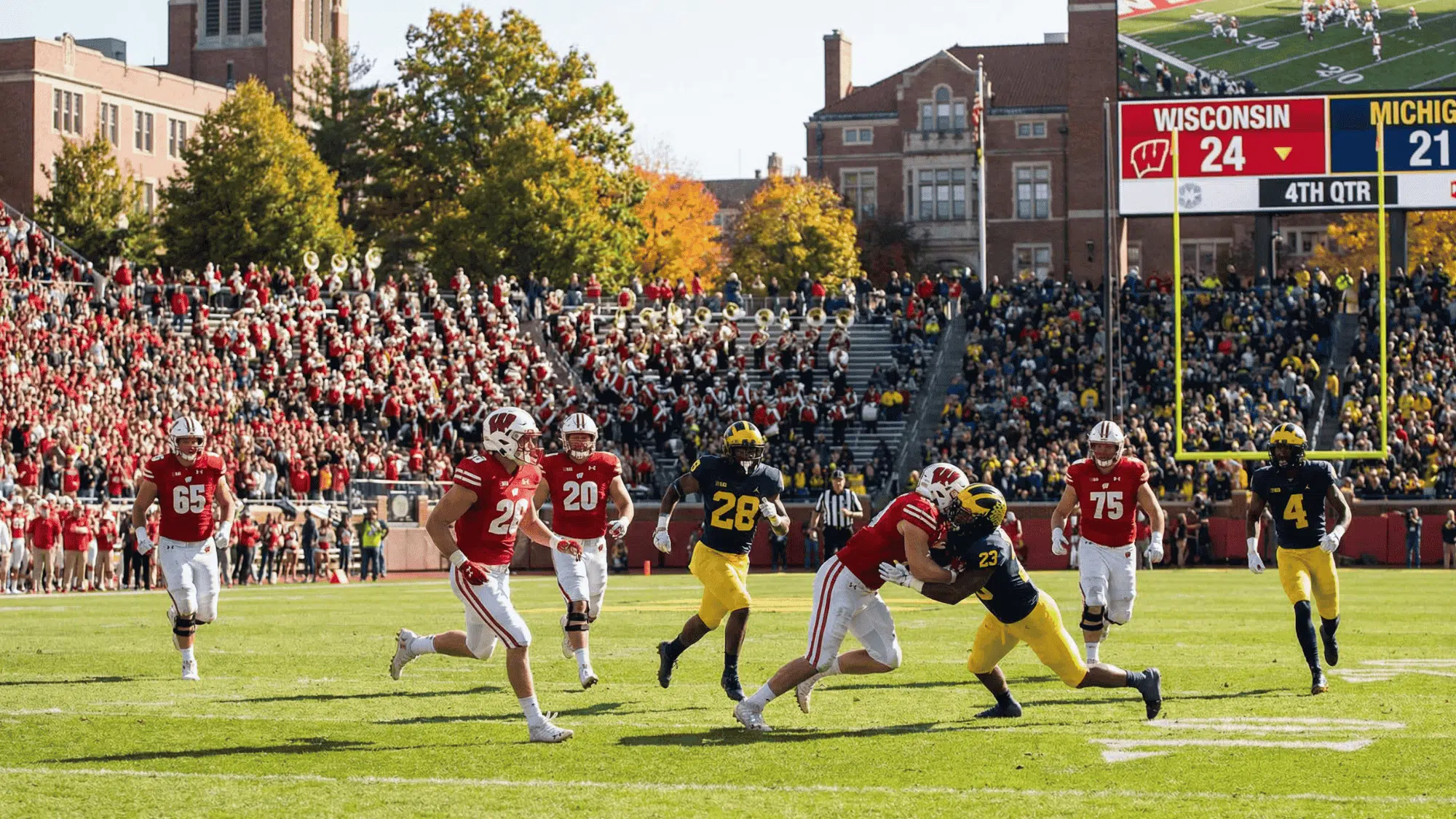
College football teams are MUCH bigger than NFL teams. Here’s the deal:
NCAA Division I teams can have 100+ players on their roster! There’s no hard limit like in the NFL. However, there are scholarship restrictions:
- Teams can give out up to 85 full scholarships
- Beyond those 85 scholarship players, teams can have walk-ons (players who join the team without scholarships)
- Big college programs often have 120+ total players when you include walk-ons
Why so Many Players? A Few Reasons:
- College players are still developing and need more practice reps
- Smaller players might only contribute on special teams
- Coaches want to build depth for the future
- Walk-ons provide practice competition and might eventually earn scholarships
Just like the NFL, only 11 players from each team are on the field at once during games. But college teams have way more players rotating through and developing their skills.
High School Football Team Sizes
High school football varies dramatically depending on the school’s size and location. There’s no national roster limit, so teams can be all over the map:
Small schools: 20-30 players total
- Some small schools struggle to field complete teams
- Players often play both offense and defense (called “going both ways”)
Medium schools: 40-50 players
- Enough players for specialized positions
- Still some overlap between offense and defense
Large schools: 60-80+ players
- Can have freshman, junior varsity, and varsity teams
- Lots of depth and specialization
- Similar to college in terms of roster size
Many high school players will never see the field during games but stay on the team for the experience, fitness, and team camaraderie.
NFL vs. College vs. High School
Let’s put it all together in one easy-to-read table:
| Level | Total Players | Players on the Field | Game Day Active | Practice Squad |
|---|---|---|---|---|
| NFL | 53 + 16-17 practice squad | 11 per team | 48 can dress | 16-17 |
| College | 100+ (85 scholarships) | 11 per team | All available | N/A |
| High School | 20-80+ (varies widely) | 11 per team | All available | N/A |
No matter the level, the on-field number stays the same: 11 players per team, making 22 total players in action at once.
Why Do Football Teams Need So Many Players?
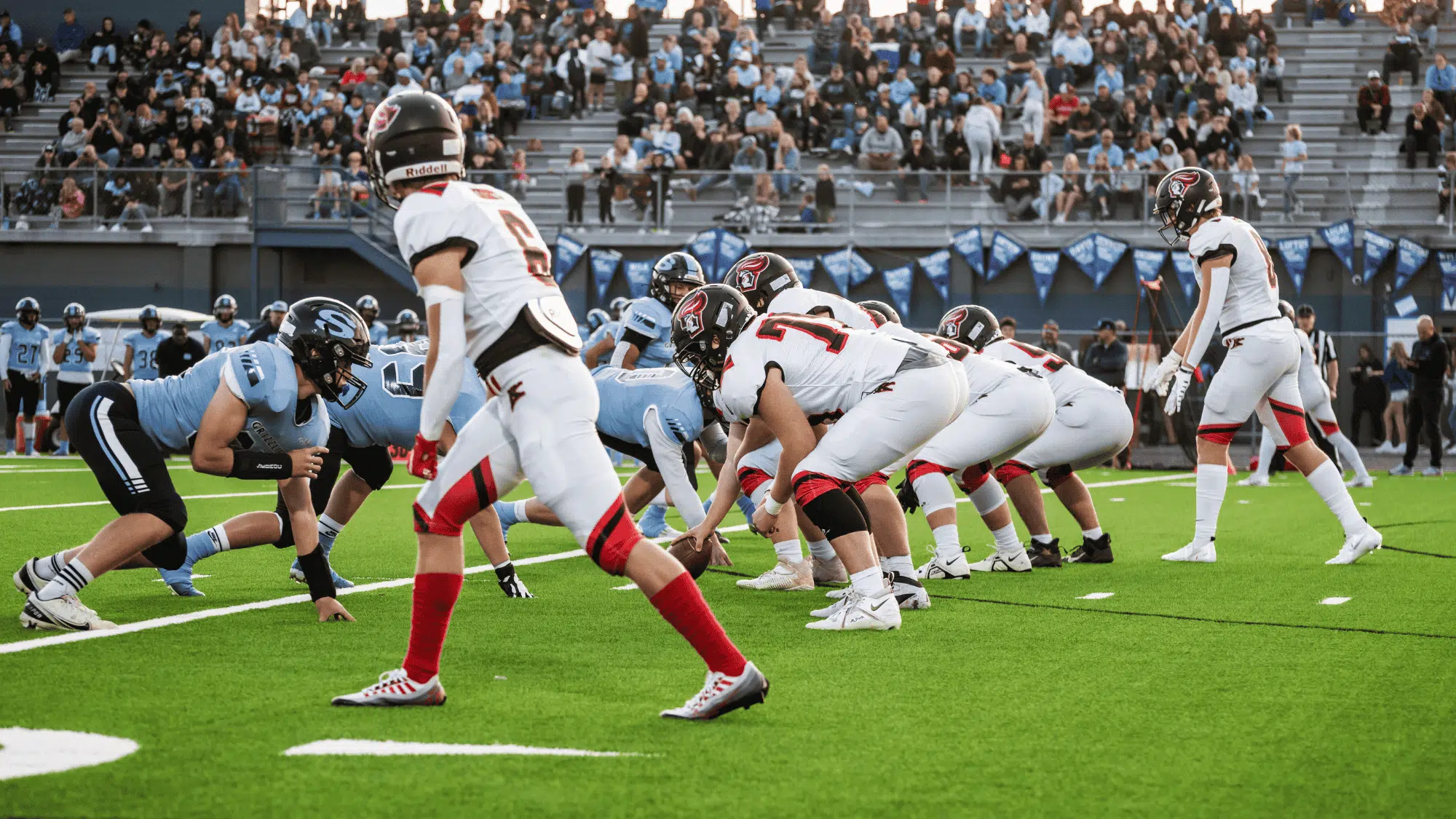
Great question! Here are the main reasons:
- Injury Prevention and Safety: Football is incredibly physical. Players collide at high speeds on every play. Having depth means injured players can rest and heal without rushing back too soon.
- Specialized Roles: Modern football is super complex. Teams need specific types of players for particular situations, big guys for short-yardage plays, fast guys for passing plays, and everything in between.
- Three Units in One Team: Remember those three units (offense, defense, special teams)? That’s basically like having three mini-teams within one roster. Very few players excel at all three.
- Development Pipeline: Especially in college and the NFL practice squad, extra roster spots give young players time to learn and improve. Not everyone is ready to contribute immediately.
- Fatigue Management: Football plays are short but intense. Players need frequent breaks to perform at their best. More players means fresher athletes on the field.
What About Other Football Leagues?
Not all football follows NFL rules! Here are some interesting variations:
| League | Players on the Field | Field & Rules | Roster Size |
|---|---|---|---|
| Canadian Football League (CFL) | 12 | Larger field and different rules | 46-player active roster |
| Arena Football | 8 | Indoor game on a smaller field | 20–25 players |
These leagues prove that football can work with different numbers, but the principle stays the same – you need depth and specialists to compete!
Wrapping It Up
Football team sizes can seem huge at first, but now the numbers start to make sense.
The NFL needs 53 players plus a practice squad, college teams carry even more, and high school teams can be big or small depending on the school.
All those extra players help with injuries, fatigue, and special roles on offense, defense, and special teams.
Next time a game is on, notice how often players rotate in and out, you’ll see the roster at work in real time. If this guide helped, feel free to share it with another football fan or someone just learning the sport.
Want to go deeper into positions or rules? Check out the other guides or send a question!