
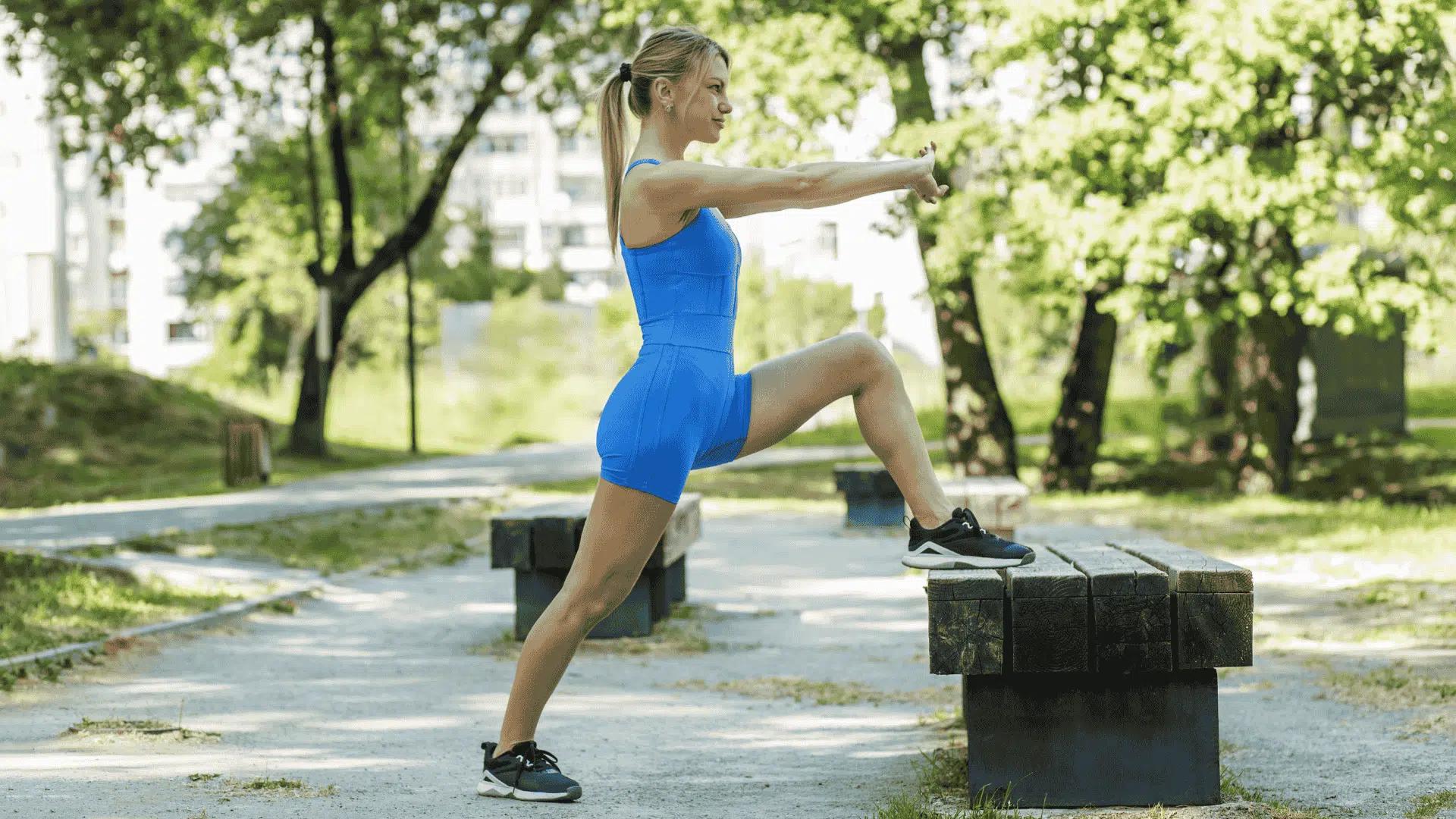
I have worked in health and care for more than 15 years, and many people ask me if step-ups truly make a difference.
People often look for Step Up results and real-life experiences because they want clear, honest insight before adding this exercise to their routine.
Step-ups may look simple, but they strengthen your legs, improve balance, and support joint health when done correctly.
At the same time, poor technique can place extra stress on the knees or hips. In this guide, you will learn what results are realistic, how long progress may take, and what factors influence success.
I will also explain key safety tips, common mistakes, and signs that it may be time to seek professional care.
What Are Step Ups?
Step-ups are a simple lower-body exercise where you step onto a raised surface, like a box or bench, and then step back down.
You place one foot on the platform, press through your heel, and lift your body up until both feet meet on top.
Then you step down and repeat on the same side or switch legs. This move mainly works your legs and glutes, but it also helps your balance and core control.
You can do step-ups with just your body weight or hold dumbbells to make them harder.
The height of the step changes the level of effort. Step-ups copy everyday actions like climbing stairs, which makes them useful for daily strength.
They are easy to learn, fit most fitness levels, and work well in home or gym workouts.
How to Do Step-Ups Properly?
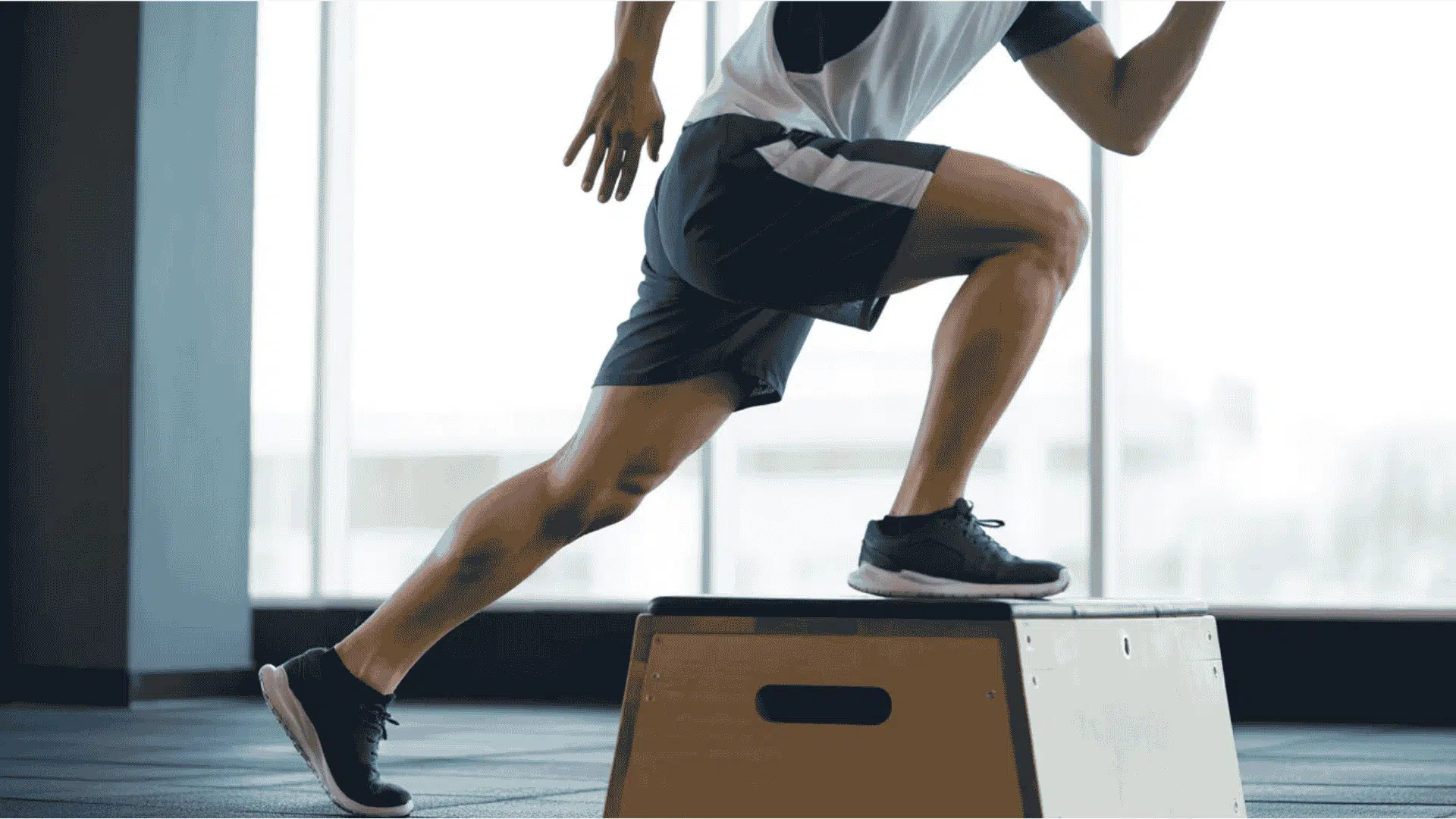
Good form helps you get better results and lowers your risk of injury. Follow these clear steps to perform step-ups the right way.
1. Choose the Right Step Height
Pick a box or bench that keeps your knee at about hip level or slightly lower when your foot is placed on top. If the step is too high, your form may suffer.
If it is too low, the exercise may feel too easy.
Beginners should start with a lower surface to build strength and balance.
As you improve, you can increase the height slowly. The goal is to feel steady and in control during every rep without leaning forward too much.
2. Place Your Foot and Brace Your Core
Stand tall in front of the step with your feet hip-width apart. Place your whole foot firmly on the platform, not just your toes.
Keep your chest up and your shoulders relaxed. Tighten your core muscles to support your lower back before you move. This helps you stay stable and prevents strain.
Your standing leg should stay straight but not locked.
A good setup makes the movement smoother and helps you avoid common form mistakes that reduce the exercise’s benefits.
3. Drive Through Your Heel
Push through the heel of the foot on the step to lift your body upward. Avoid pushing off too much with the back leg on the floor.
The front leg should do most of the work.
Straighten your hip and knee as you rise until you are fully standing on the platform.
Keep your knee aligned with your toes and avoid letting it cave inward. Move in a steady, controlled way rather than rushing through the motion.
4. Step Down with Control
Lower yourself back to the ground slowly by bending the front knee and hip. Step down gently, landing softly on the ball of your foot before placing your heel down.
Do not drop quickly or let gravity pull you down. Controlled lowering builds strength and protects your joints.
Once both feet are back on the floor, reset your posture. Complete all reps on one side before switching legs, or alternate sides for balanced training.
What Do Reddit Users Say About Step Ups?
Many people say they do not feel much during bench step-ups, and I understand that concern. In a Reddit discussion, several users asked what this exercise is actually supposed to target.
From what I have seen and practiced, the issue is often speed and control. Step-ups are meant to target your glutes, legs, and core.
If you rush the movement, the muscles do not stay under tension long enough to work hard.
Other users pointed out that slowing down the descent makes a big difference.
And I agree with that advice. When you lower yourself slowly and avoid pushing off the bottom leg, you force the front leg to do the work.
Adding more weight can also help, but only if you keep proper form and full control.
What Muscles Do Step Ups Work?
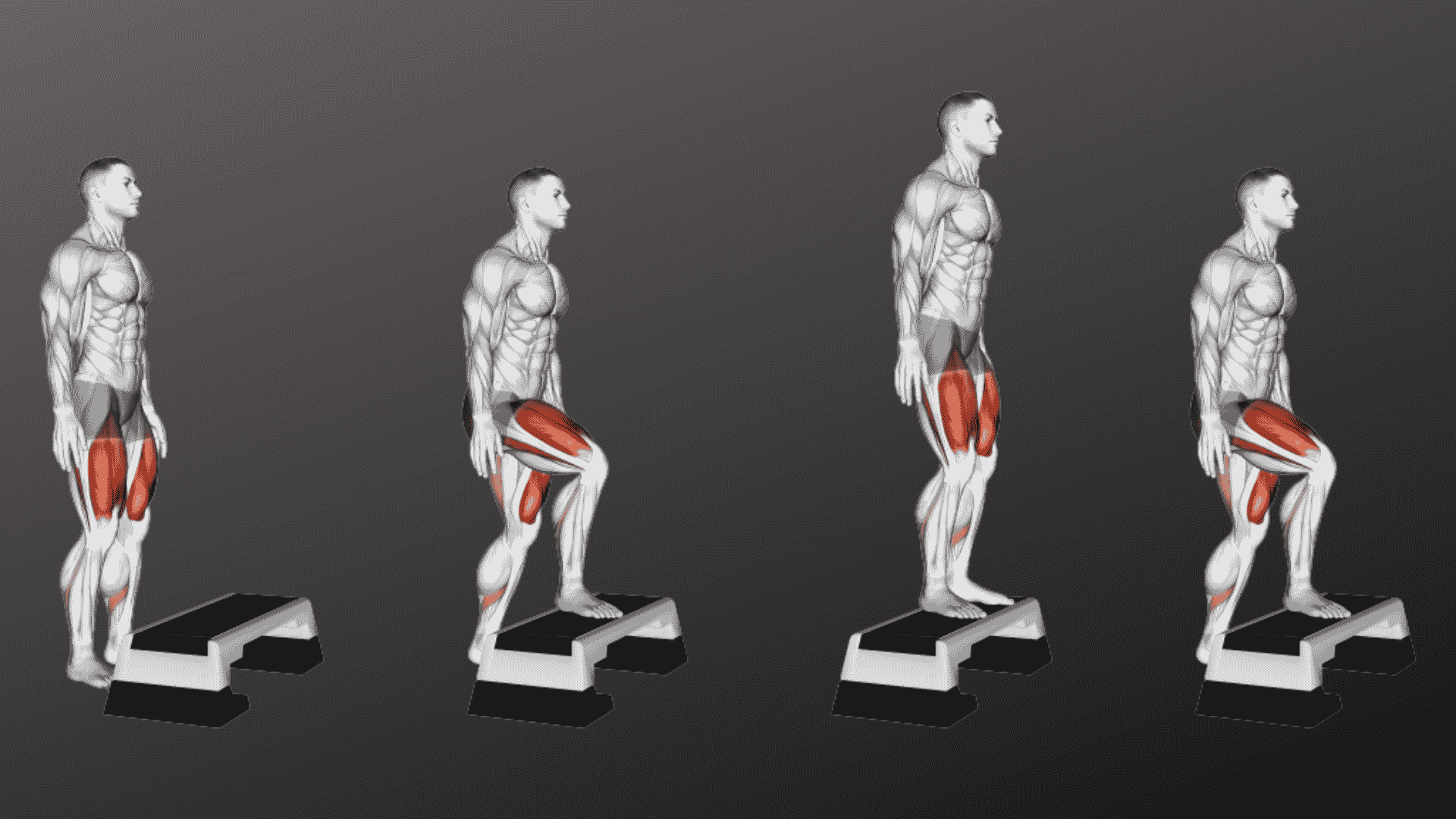
Understanding the muscles involved helps you train with better focus. When you perform step-ups, several key muscle groups work together.
1. Quadriceps
The quadriceps are the large muscles on the front of your thighs. They work hard when you straighten your knee to lift your body onto the step.
Each time you push up, your quads help extend your leg and support your body weight.
A higher step increases how much they have to work. Strong quads improve daily movements like walking, climbing stairs, and standing up from a chair.
Step-ups help build steady strength without placing too much stress on your knees.
2. Glutes
Your glutes, or butt muscles, play a key role during step-ups. They help extend your hip as you rise onto the platform.
When you press through your heel, your glutes activate more strongly. This helps build strength and shape in the back of your hips.
Strong glutes also support your lower back and improve posture.
If you lean slightly forward at the hips while keeping your back straight, you can increase glute involvement during the movement.
3. Hamstrings
The hamstrings run along the back of your thighs. They assist your glutes in extending your hip as you step up.
While they are not the main driver, they help control the movement, especially when you step down. During the lowering phase, your hamstrings work to stabilize your leg and protect your knee joint.
Strong hamstrings help with running, jumping, and bending. Step-ups train them in a controlled way, which supports balanced leg strength.
4. Calves and Core
Your calves help stabilize your ankle and support you as you lift and lower your body. They work more when the step is higher or when you move slowly.
At the same time, your core muscles tighten to keep your torso upright and steady.
A strong core prevents you from leaning too far forward or to the side. Step-ups may look simple, but they require steady muscle control from your lower legs and midsection.
Sample Step up Workout Plan
Use this simple structure to guide your weekly training. Adjust the height and weight based on your strength and control.
| Level | Exercise Type | Sets | Reps (Per Leg) | Rest Time | Notes |
| Beginner | Bodyweight Step Ups | 2–3 | 8–10 | 45 sec | Focus on balance and slow control. Keep the step low. |
| Beginner | Slow Tempo Step Ups | 2 | 6–8 | 60 sec | Take 3 seconds up and 3 seconds down. |
| Intermediate | Dumbbell Step Ups | 3 | 8–12 | 60 sec | Hold light to moderate weights. Maintain steady form. |
| Intermediate | High Knee Step Ups | 3 | 10 | 45–60 sec | Lift the opposite knee at the top for added balance work. |
| Advanced | Weighted Step Ups | 3–4 | 8–10 | 60–90 sec | Use heavier dumbbells or a barbell. Keep full control. |
| Advanced | Slow Eccentric Step Ups | 3 | 6–8 | 90 sec | Lower slowly for 4 seconds to increase muscle control. |
Benefits of Step-Up Exercise
Now that you understand the muscles involved, it helps to look at what this movement can do for your overall fitness. I often recommend step-ups because they are simple but effective when done with control.
- Builds Lower Body Strength: Step-ups target the glutes, quads, and hamstrings, helping you develop stronger and more stable legs over time.
- Improves Balance and Coordination: Since you work one leg at a time, your body must stay steady, which improves balance and control.
- Supports Joint Stability: When performed with proper form, step-ups strengthen the muscles around the knees and hips, which can reduce strain.
- Mimics Daily Movement: The motion is similar to climbing stairs, making it useful for everyday function and mobility.
- Helps Fix Muscle Imbalances: Because you train one leg at a time, step-ups can reveal and improve strength differences between sides. I often use them to help build more balanced lower-body strength.
- Easy to Adjust for Any Level: Adjust the platform height or add weights to make step-ups easier or harder, so they work for both beginners and advanced lifters.
- Low Equipment Needed: Step-ups do not require machines or complex setups. A stable box or stair is enough, which makes this exercise practical for home and gym workouts.
Pros and Cons of Step-Ups
Before you decide to include step-ups in your workout plan, it’s important to look at both the strengths and the limitations of this exercise so you can make an informed choice.
| Pros | Cons |
| Builds strong glutes and thighs | Can strain knees if form is poor |
| Improves balance and coordination | Requires a stable platform |
| Trains one leg at a time to fix imbalances | May feel repetitive for some people |
| Easy to adjust with height or weights | Not ideal for severe knee injuries |
| Mimics real-life movements like stair climbing | Poor control can reduce effectiveness |
Common Step-Up Mistakes
Many people rush through step-ups or use poor form without noticing. These small mistakes reduce muscle work, limit strength gains, and can put extra strain on your knees and joints over time.
- Pushing Off the Back Leg: If you rely on the leg on the ground to jump upward, the front leg does less work. This reduces muscle activation and limits strength gains.
- Letting the Knee Cave In: When your knee moves inward instead of staying in line with your toes, it can increase joint stress and increase your risk of injury.
- Using a Box That Is Too High: A platform that is too tall can force poor posture and strain your hips or lower back.
- Rushing the Movement: Moving too fast removes control. Slow and steady reps build better strength and stability.
- Leaning Too Far Forward: Bending too much at the waist shifts stress to your lower back instead of your legs. Keep your chest upright.
- Placing Only Toes on the Box: If your heel hangs off, you lose stability. Place your whole foot flat on the platform.
How Many Step Ups Should You Do?
The number of step-ups you should do depends on your fitness level and your goal. I always suggest starting with a volume that allows you to keep proper form from the first rep to the last.
Doing more reps with poor control does not improve results and may increase the risk of injury.
If you are a beginner, start with 2 to 3 sets of 8 to 10 reps per leg. This helps build strength without overloading your joints.
For strength training, you can add weight and perform 3 to 4 sets of 8 to 12 reps. If your goal is endurance, aim for 12 to 15 controlled reps per leg with lighter resistance.
Rest between sets, and stop if your form breaks down or you feel sharp pain.
Are Step Ups Safe for Knee Pain?
Step-ups can be safe for knee pain, but it depends on the cause of the pain and your form. When done with control, they strengthen the muscles around the knee, which can improve joint support.
Strong quads and glutes help reduce stress on the knee joint. Start with a low step and move slowly.
Keep your knee in line with your toes and avoid letting it cave inward. Do not push off hard from the back leg. If you feel sharp pain, swelling, or instability, stop the exercise.
Pain during or after the movement is a sign to reassess your form or step height.
In some cases, step-ups are helpful in rehab programs, but severe injuries or recent surgery may require professional guidance first
Conclusion
Step-ups may look simple, but when you use the right form and stay consistent, they can make a real difference. They build strong legs, improve balance, and support joint health without the need for complex equipment.
The key is control, steady progress, and listening to your body.
Small changes, like slowing down your reps or adjusting the step height, can completely change how effective the exercise feels.
If you are adding step-ups to your routine, focus on quality over speed. Pay attention to how your knees and hips feel, and adjust as needed.
Over time, you will likely notice better strength and stability in daily movements.
Now I would love to hear from you. Have step-ups helped you see results? Share your experience or questions in the comments below.