
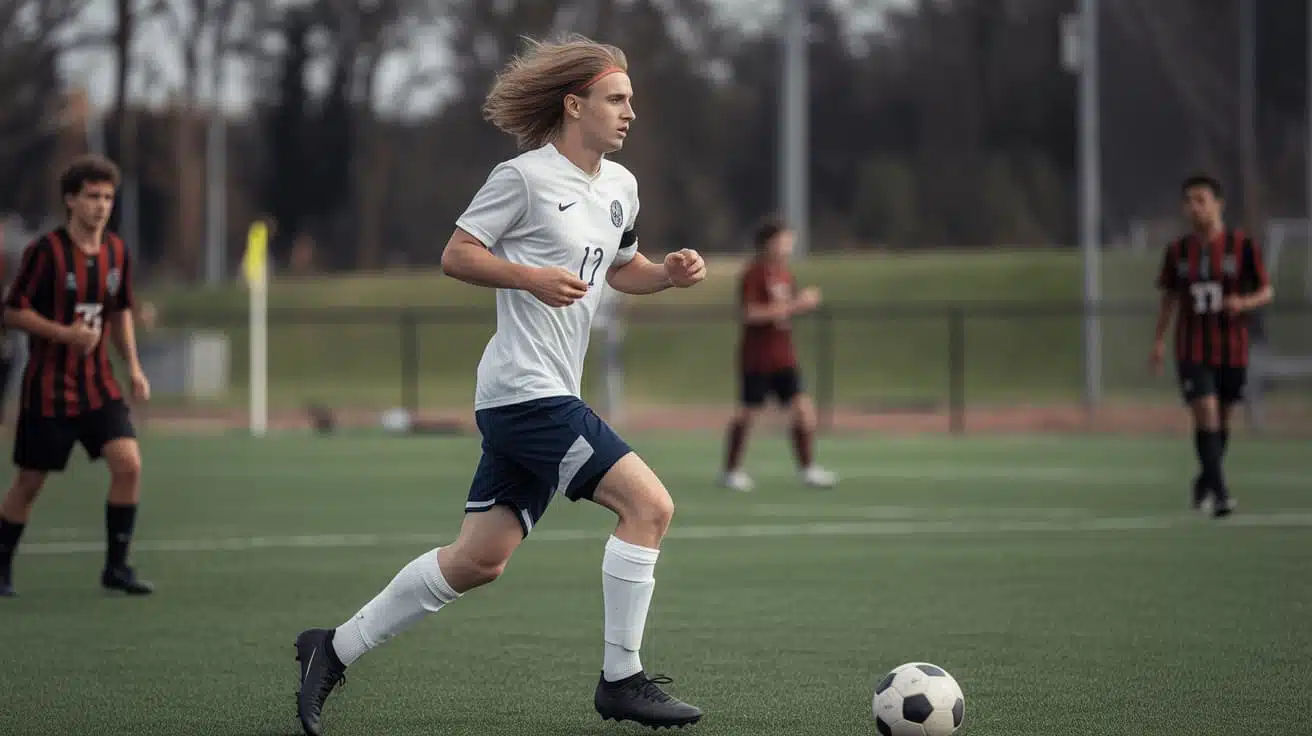
Over the years, I’ve watched players at every level try to improve their game, from youth leagues to competitive clubs.
The biggest difference between average players and strong ones often comes down to practice habits.
I’ve seen how the right routine can sharpen footwork, control, and decision-making.
If you want to grow as a player, you need drills that challenge you in simple and repeatable ways. In this guide, I’ll share exercises that build control, speed, passing, and shooting.
You’ll learn what each drill works on and how to use it in your own training sessions.
My goal is to give you clear, practical steps you can apply right away, so your time on the field leads to real progress.
How to Improve Soccer Skills?

When it comes to playing smart soccer, remember that it all starts with the basics. Although tricks and even tactics may look impressive, it all comes down to the simple things.
1. Practice Ball Control Daily
Ball control is at the center of soccer. Without it, players find it hard to pass, shoot, or move with confidence.
Good control helps you keep the ball and stay calm when defenders press you. It gives you time to think and make better choices.
When the ball feels steady at your feet, your passes improve, your shots feel cleaner, and your movement becomes more natural. Strong control makes your overall game steady and dependable.
Simple drills for ball controlling:
- Dribbling in tight spaces
- Toe taps and inside–outside touches
- Controlling the ball using different parts of the foot
2. Improve Your First Touch
A good first touch shapes everything you do next on the field.
It lets you control the ball fast, lift your head, and choose the right move under pressure.
When your touch is clean, the game feels slower and more manageable. A weak first touch can stop your momentum and give defenders an easy chance to take the ball.
With a strong first touch, you gain extra time and space, which matters in quick, high-pressure matches.
Drills to improve first touch:
- Wall pass and receive
- Cushioning the ball with the inside foot
- Receiving aerial balls with the foot and thigh
3. Improve Passing Accuracy
Passing accuracy is key to keeping possession and building attacks. Accurate passes help your team stay connected and avoid careless turnovers.
Once, a midfielder told me that simple, accurate passes win more games than flashy moves.
He said the goal is to make the next player’s job easier. Learning to pass with the right weight and direction makes your play steady and clear for teammates.
Strong passing also builds confidence in tight spaces and under pressure.
Easy drills to improve passing:
- Short passing with a partner
- Wall passing with both feet
- Long passing practice
4. Train Dribbling in Tight Spaces
Dribbling in tight spaces helps you stay calm and think clearly when defenders press in.
In real matches, space is often limited, and you must react fast. This skill allows you to keep control instead of rushing a pass or losing the ball.
When you learn to keep the ball close to your feet, your balance and coordination improve.
You move with more control at different speeds and feel more confident in crowded areas of the field.
Simple drills for tight-space dribbling:
- Cone dribbling with quick turns
- 1v1 shadow dribbling drills
- Figure-eight dribbling patterns
5. Shoot with Purpose
Shooting with purpose means aiming with control and good technique, not just kicking the ball as hard as you can. A well-placed shot often beats pure power.
Accuracy helps you place the ball where the goalkeeper cannot reach it.
When you focus on body position, balance, and timing, your shots become steadier. You make smarter choices in front of the goal and increase your chances of scoring in real match situations.
Effective strategies for shooting practice:
- Target shooting at goal corners
- One-touch shooting drills
- Shooting on the move
6. Build Speed and Endurance
Soccer is a fast game, and fitness helps your skills show up when it matters most.
Speed enables you to win loose balls, agility helps you change direction quickly, and endurance enables you to keep performing late in the match.
Even great technical players struggle if they get tired too early.
Train like an athlete, and you’ll feel sharper on the ball, recover faster after sprints, and stay confident in 1v1 moments.
Drills for fitness:
- Sprint intervals (10–30 meters)
- Ladder or cone agility patterns
- Shuttle runs and tempo runs
7. Strengthen Your Weak Foot
Using both feet makes you harder to defend and gives you more options in tight situations. When you trust your weak foot, you can pass, shoot, and dribble without needing extra touches to switch sides.
This improves your speed of play and keeps defenders guessing.
Start slow and focus on clean technique, then gradually increase pace and pressure. Small improvements every week add up quickly.
Simple drills for a weak foot:
- Wall passing only with the weak foot
- Weak-foot dribbling through cones
- Short-range shooting with a weak foot
8. Improve Soccer IQ and Decision-Making
Smart players do more than run hard; they read the game. Soccer IQ helps you know where to stand, when to pass, and how to react before the ball even reaches you.
I once spoke with a youth coach who told me he trains players to think two steps ahead, not just chase the ball.
I have also seen top pros constantly scan the field before receiving a pass. The goal is to play faster in your mind, not only with your feet.
Better decisions cut down mistakes and open more chances for your team.
Ways to build soccer IQ:
- Watch full matches and follow one player
- Scan the field before receiving the ball
- Play small-sided games for quick choices
9. Improve Your Defensive Skills
Good defending is more than tackling; it’s positioning, timing, and staying patient.
Strong defenders guide attackers into less dangerous areas, win the ball cleanly, and protect space behind them.
If you rush in, skilled attackers will beat you easily. Focus on staying balanced, keeping the right distance, and using your body shape to control the opponent’s options.
Better defending also helps your team keep possession more often.
Drills for defending:
- 1v1 jockeying and containment
- Defensive shuffle and recovery runs
- Interception drills with passing lanes
10. Practice Under Pressure
Skills may look sharp in training, but real pressure tests them in games. To truly improve, you need practice that feels realistic, with less time, less space, and quick decisions. That is when habits form.
Training under pressure teaches you to stay calm, shield the ball, and pass cleanly when defenders close in.
The more you recreate game moments in practice, the more confident and steady you become during actual matches.
Simple pressure-based drills:
- Small-sided games (3v3, 4v4)
- One- and two-touch passing rounds
- Timed dribbling and finishing drills
11. Create a Weekly Training Routine
Consistency beats random practice. A weekly routine helps you train the right skills in the right balance, so you improve faster without burning out.
Mix technical work (touch, passing, dribbling) with finishing, fitness, and game-like practice.
Keep sessions short but focused, and track what you worked on so you can measure progress. A good plan builds discipline and turns practice into real results.
Weekly routine idea:
- 3 days of technical drills (touch, passing, dribbling)
- 2 days shooting + small-sided games
- 1 day fitness + recovery work
Types of Soccer Drills and Their Benefits
These drills help players build strong habits through focused practice. Each targets a key area of performance to improve play in real matches.
| Type of Soccer Drill | What It Focuses On | Key Benefits |
| Dribbling Drills | Ball control while moving | Improves close control, balance, and confidence under pressure |
| Passing Drills | Short and long passes | Builds accuracy, timing, and team coordination |
| Shooting Drills | Finishing and shot power | Helps players score more consistently and with better placement |
| First Touch Drills | Receiving the ball cleanly | Improves control, reduces mistakes, and speeds up play |
| Defensive Drills | Tackling and positioning | Strengthens awareness, timing, and one-on-one defending |
| Fitness & Conditioning Drills | Speed, stamina, and agility | Boosts endurance, quickness, and overall match fitness |
| Possession Drills | Keeping the ball as a team | Enhances decision-making and composure under pressure |
| Set-Piece Drills | Corners, free kicks, throw-ins | Improves organization and scoring chances in dead-ball situations |
| Small-Sided Games | Game-like practice in tight spaces | Develops quick thinking, technique, and teamwork |
Nutrition and Recovery for Soccer Players
Soccer demands energy, focus, and strong muscles, so what you eat and how you recover matter.
Players should focus on balanced meals with carbs, protein, and healthy fats to support training and matches. Carbs give quick energy, protein helps repair muscles, and fats support overall health.
Drinking enough water before, during, and after practice keeps your body working well and prevents fatigue.
After training, eat within 30–60 minutes to help muscles recover faster. Sleep is just as important as food. Aim for 7–9 hours of sleep each night to allow your body to rebuild and recharge.
Light stretching or easy movement the next day can also reduce soreness.
I once spoke with a fitness coach who told me that many young players skip recovery work, then wonder why they feel heavy during matches.
Short walks and good recovery keep you consistent and injury-free all season.
Common Mistakes that Slow Down Skill Development
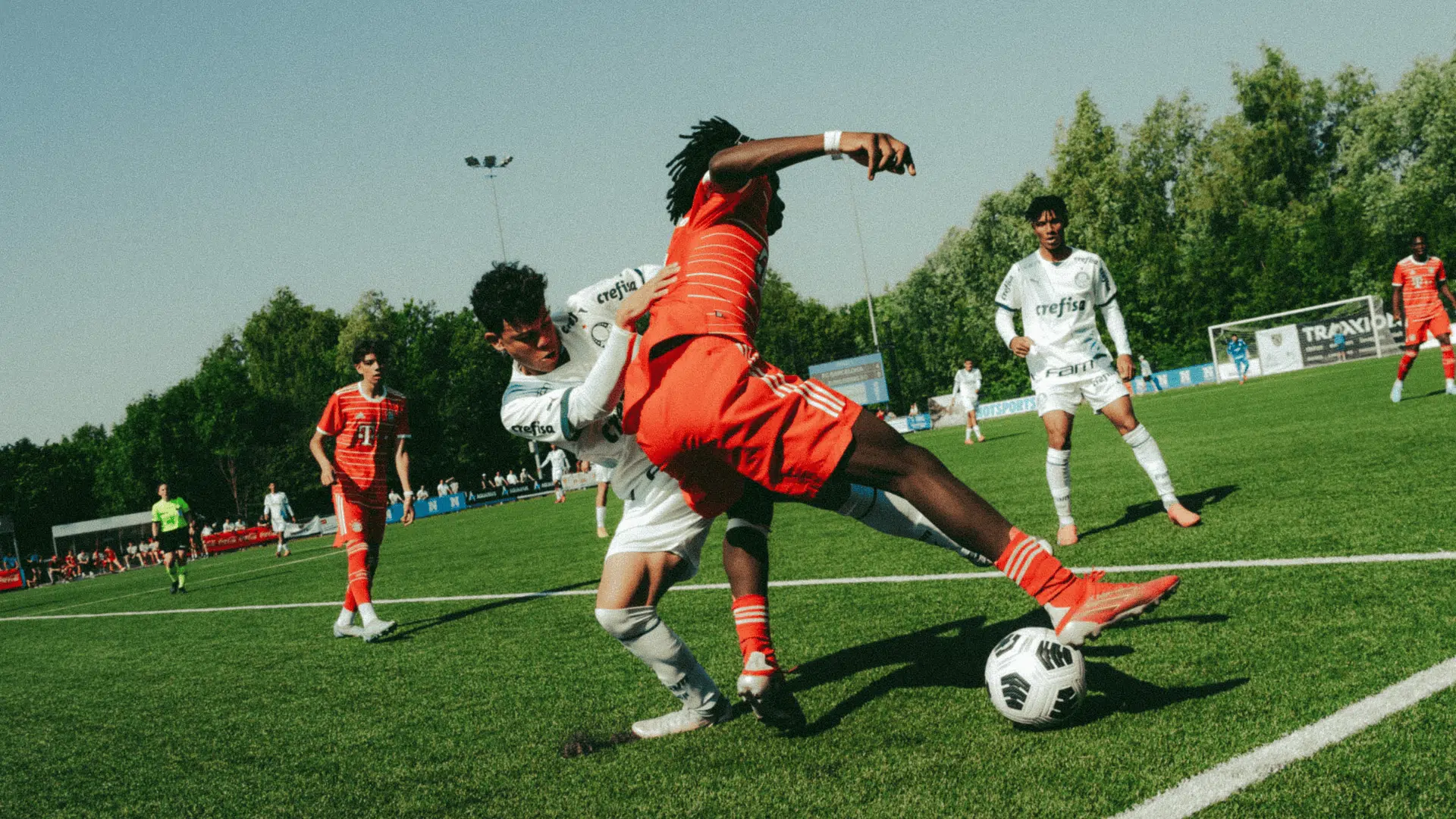
Small habits during training can affect how fast you improve. Fixing these issues can help you see better results on the field.
- Skipping the Basics: Many players focus on tricks instead of ball control, passing, and first touch. Strong fundamentals build long-term progress.
- Training Without a Plan: Random drills waste time. A simple weekly structure keeps practice balanced and focused.
- Ignoring the Weak Foot: Only using your strong foot limits options in games. Training both feet improves speed and confidence.
- Avoiding Game Pressure: Practicing without defenders feels easy, but real matches are different. Add pressure to make drills realistic.
- Overtraining Without Rest: Too much practice without recovery leads to fatigue and poor performance. Rest helps skills settle in.
- Lack of Focus During Drills: Going through motions without intent reduces improvement. Train with purpose and clear goals.
Conclusion
Improving your soccer skills isn’t about doing one perfect drill once. It’s about stacking small wins, one better touch, one smarter pass, one extra sprint, until your game starts to feel easier and faster.
Some days you’ll feel sharp, and other days the ball will bounce off your shin like it’s mad at you.
That’s normal. What matters is showing up, staying patient, and keeping your practice simple and focused.
Pick 2–3 strategies from this list, train them for two weeks, and you’ll notice real progress in matches. And don’t forget to enjoy the process, soccer is supposed to be fun.
I’d love to hear from you. Which strategy worked best for you, and what are you focusing on next? Share your thoughts in the comments below.