
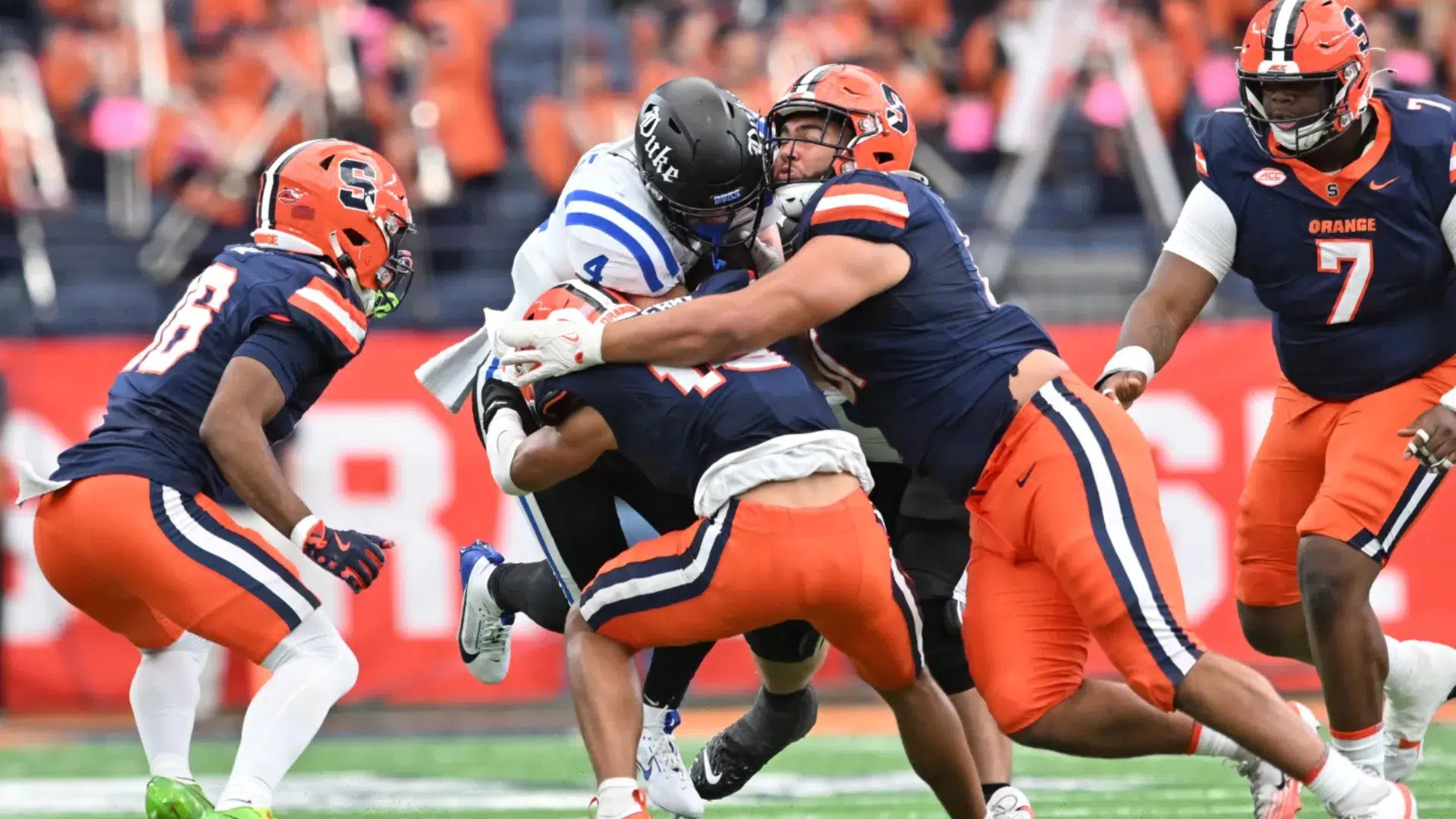
Football is not just about speed and strength. It is also about smart planning, especially on defense.
As someone who covers tactics and breaking sports stories, I have seen how small adjustments can completely change a game.
Coaches spend hours studying the offense and adjusting their defensive lineup based on the situation.
One common adjustment is the dime package in football. It plays a big role in today’s strategy.
If you have ever watched a game and heard an announcer say a team is “going to the dime,” you might have paused for a second. What does that really mean, and why does it matter?
In this guide, you’ll learn what the dime package in football is, how it is set up, and why teams use it in key moments.
By the end, you will understand when coaches use the dime package and how it stops the pass.
What Is a Dime Package in Football?
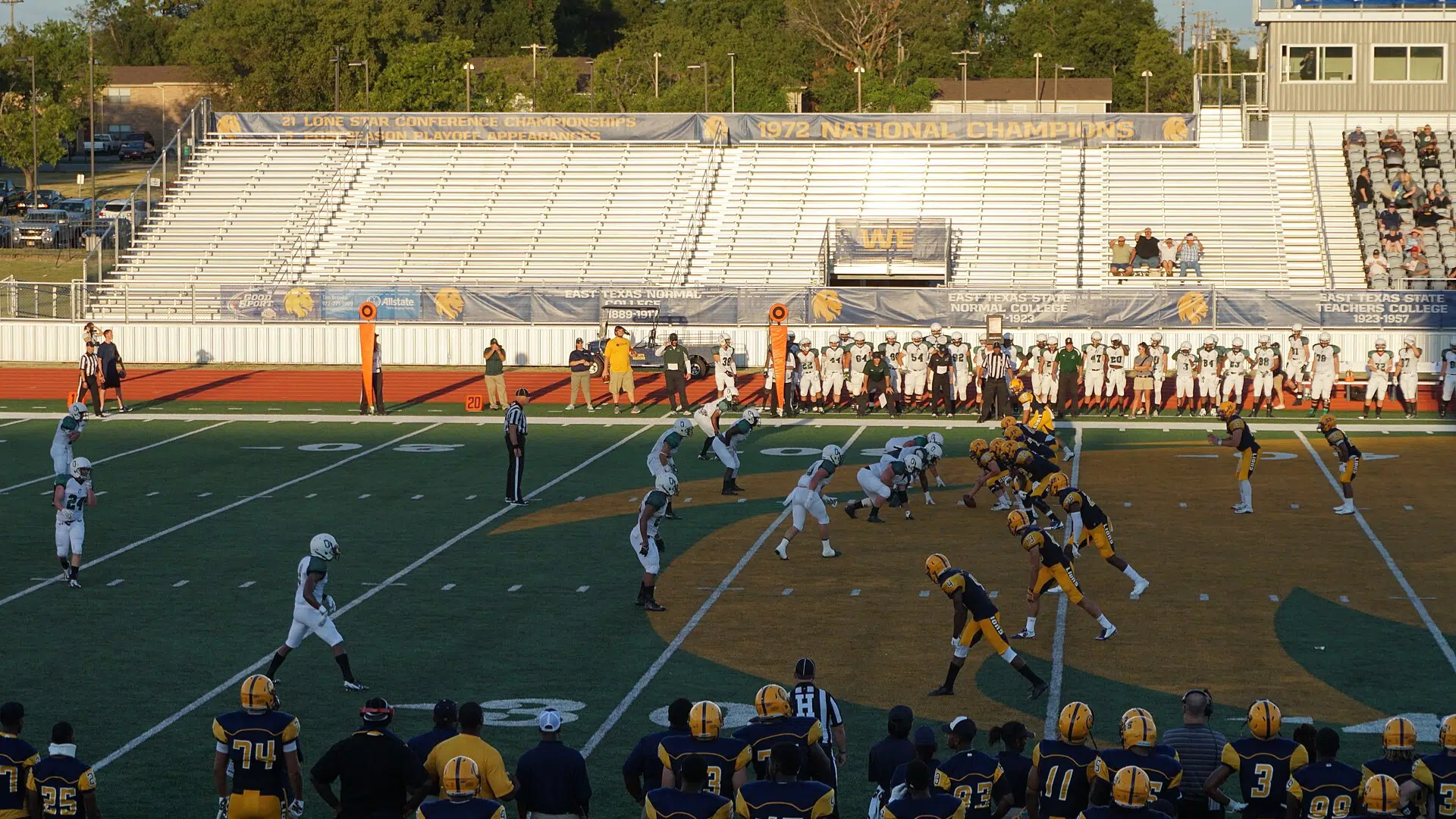
The dime package in football is a defensive formation that uses six defensive backs instead of the usual four.
The name “dime” follows the same money theme as the nickel defense.
Since a nickel equals five cents and adds one extra defensive back, a dime equals ten cents and adds two extra defensive backs compared to a base defense.
In a standard 4-3 defense, a team has four defensive linemen, three linebackers, and four defensive backs.
When a defense switches to a dime package, it usually removes one or two linebackers and replaces them with extra defensive backs.
This creates a setup with six defensive backs on the field, which helps defend against passing plays.
Teams mostly use the dime defense in clear passing situations, such as third-and-long. The extra defensive back gives better coverage against multiple wide receivers and helps limit deep passes.
Key Skills Needed for a Dimeback
The dimeback plays in high-pressure passing situations. He must react fast, read plays quickly, and handle space in coverage.
- Speed and Quickness: A dimeback must move fast to stay with slot receivers and react to sudden route changes. Quick feet help him adjust to man coverage and close gaps in zone defense.
- Strong Coverage Skills: He needs solid man-to-man and zone coverage ability. This includes reading the quarterback’s eyes and understanding route combinations before the ball is thrown.
- Tackling Ability: Even though he focuses on pass defense, he must tackle well in open space. Missed tackles can turn short catches into big gains.
- Football IQ: A dimeback must understand formations, motion, and offensive tendencies. Quick recognition helps him anticipate plays and position himself correctly.
- Blitz Timing: In some schemes, he rushes the quarterback. Proper timing and awareness allow him to create pressure without leaving coverage gaps.
- Communication Skills: With six defensive backs on the field, clear communication is critical. He must quickly adjust coverage calls and avoid confusion in the secondary.
Dime Package vs Nickel Defense: Key Differences
Both formations are built to stop the pass, but they are not used in the same way. The difference comes down to personnel, balance, and game situation.
1. Number of Defensive Backs
The most obvious difference between the nickel and dime defense is the number of defensive backs on the field.
The nickel defense uses five defensive backs, while the dime defense uses six. That one extra player changes how the defense covers receivers.
In nickel, a team adds one extra defensive back. In dime, they add two compared to a base setup.
This makes the dime package more focused on pass coverage and better suited for spread formations.
2. Run Support and Physical Strength
The nickel defense offers more balance between stopping the run and defending the pass.
Because it keeps more linebackers on the field, it provides stronger support inside the box. The dime defense removes another linebacker, which reduces size and physical strength near the line of scrimmage.
This makes the dime more vulnerable to power runs and short-yardage plays.
Offenses may try to exploit this lighter front if they anticipate a passing-focused defensive call.
3. Best Game Situations
Coaches choose the nickel defense in medium situations, such as second-and-long or third-and-medium, where both run and pass are possible.
It gives flexibility without fully committing to pass coverage.
The dime defense is mostly used in clear passing downs like third-and-long or during two-minute drills.
In these moments, the offense is likely to throw the ball. The extra defensive back improves coverage depth and helps defend against multiple wide receiver sets.
4. Coverage Flexibility
Both packages allow defenses to run man or zone coverage, but the dime defense provides more options in the secondary.
With six defensive backs, teams can disguise coverages and switch assignments more easily.
The nickel still offers flexibility, yet it does not provide the same level of depth in coverage.
The dime setup is especially useful against four- or five-receiver formations, where extra speed and coverage range are more valuable than physical run defense.
Dime Package vs Nickel Defense: Key Differences at a Glance
Both the dime and nickel defenses are used to stop the pass. The main difference is the number of defensive backs on the field and when each is used.
| Feature | Nickel Defense | Dime Defense |
| Defensive Backs | 5 defensive backs | 6 defensive backs |
| Extra Player Added | One extra defensive back (nickelback) | Two extra defensive backs (nickelback and dimeback) |
| Best Used Against | Three wide receiver sets | Four or more wide receiver sets |
| Run Defense Strength | Stronger than a dime | Weaker due to fewer linebackers |
| Common Situations | 2nd and medium, 3rd and medium | 3rd and long, obvious passing downs |
| Coverage Focus | Balanced pass and run defense |
Heavy focus on pass |
Formation and Player Roles of the Dime Defense
The dime package changes the number of defensive backs on the field. Each player has a clear job based on coverage and pressure needs.
1. Defensive Line Role
The defensive line must pressure the quarterback quickly and consistently.
Since the dime package focuses on pass coverage, the linemen play a major role in disrupting the play before routes fully develop.
They often rush with four players, aiming to collapse the pocket and force quick decisions.
At the same time, they must stay disciplined against draw plays and screen passes, which offenses use to attack lighter defensive fronts.
2. Linebacker Responsibility
With one or two linebackers removed from the field, the remaining linebacker carries more responsibility.
He must read the offense quickly and react to both the run and short passing routes.
This player often covers running backs coming out of the backfield or drops into zone coverage in the middle of the field.
He also acts as the main run defender, which can be challenging against strong rushing teams.
3. Dimeback Role
The dimeback is the extra defensive back in the dime package and plays a key role in pass coverage. He is usually quick, agile, and strong in one-on-one situations.
Coaches trust him to handle fast slot receivers and athletic tight ends.
He often lines up inside and focuses on short and medium routes across the middle.
In some defensive calls, he may also blitz the quarterback, adding surprise pressure while the other defensive backs stay in coverage.
4. Typical Alignment
Common dime alignments include 4-1-6 and 3-2-6 formations. These numbers show how many defensive linemen, linebackers, and defensive backs are on the field.
The setup changes based on the team’s defensive plan. Coaches choose the alignment depending on the offense they face.
On clear passing downs like third-and-long, they adjust the front and coverage to defend against deep throws and quick routes.
Strengths and Weaknesses of the Dime Defense
The dime defense adds coverage strength but reduces size in the box. Its success depends on the situation and how the offense responds.
| Category | Strengths | Weaknesses |
| Coverage | Covers four or five receivers more effectively | Can still be beaten by precise timing routes |
| Speed on Field | Adds quick defensive backs for faster reaction | Smaller defenders may struggle against bigger tight ends |
| Defensive Flexibility | Allows creative blitz and coverage combinations | Complex schemes can lead to communication errors |
| Run Defense | Can contain outside runs with speed | Vulnerable to inside runs and power plays |
| Situational Value | Very effective on third and long | Risky if offense calls an unexpected run |
| Physical Presence | Focuses on agility and coverage | Less strength in short-yardage situations |
Dime Package Variations and Defensive Alternatives
The dime package is not the only option against pass-heavy offenses. The quarter package uses seven defensive backs
Coaches often mix in other formations based on the situation, opponent, and down-and-distance. Two common options are the quarter package and the big nickel defense.
Teams usually call it in extreme passing situations, such as the final play of a half or game, when the offense must throw deep.
With so many defensive backs, the focus shifts almost entirely to preventing long passes and protecting the sidelines.
This setup creates a light front and weak run defense, so teams use it only when a pass is likely.
The big nickel defense offers a more balanced alternative. Instead of adding a smaller cornerback, teams often bring in an extra safety who has more size and strength.
This allows the defense to improve pass coverage while still holding up better against the run.
Conclusion
The dime package in football shows how smart strategy can shape the outcome of a game. It is not just about adding another defensive back.
It is about reading the situation, predicting the offense, and making the right call at the right time.
When used well, the dime defense can shut down passing lanes, pressure the quarterback, and force key mistakes. But it also comes with risks, especially against the run.
That balance is what makes it so interesting. Now that you understand how it works, you will start spotting it during big third-and-long moments.
Have you noticed your favorite team using the dime package in a key situation?
Share your thoughts or game examples in the comments below. I would love to hear your take.