

When people start following boxing, the first challenge is not the punches. It is the language. The sport moves fast, and so do the words used to describe it.
For many beginners, terms can sound technical and hard to follow at first.
In this article, I will share the core terms you will hear during training sessions and live fights.
You will learn the main punch types, ring positions, scoring rules, and common phrases used by commentators and coaches.
By learning these terms, you will be able to follow matches with more confidence and understand fighter updates, results, and post-fight interviews with ease.
A strong grasp of the basics gives you better focus and clearer context.
Basic Boxing Punches and Boxing Terms

Basic boxing punches are the main tools a fighter uses inside the ring. They help control the distance, score points, and create chances to win.
1. Jab
The jab is the most important punch in boxing. It is thrown with the lead hand and travels straight toward the opponent. While it may not always cause heavy damage, it controls the fight.
Boxers use the jab to measure distance, keep opponents away, and set up stronger punches.
A good jab can stop attacks and score points again and again.
Many fighters win by landing clean jabs, since it is quick to throw and easy to recover from while staying balanced and safe.
Even beginners are taught to master the jab first because it builds rhythm, timing, and control inside the ring.
2. Cross
The cross is a powerful straight punch thrown with the rear hand. It usually follows a jab and carries much more force because the boxer rotates the hips and shoulders as they throw it.
The cross is often aimed at the head, but can also be thrown at the body.
When landed clean, it can stun or knock down an opponent. Timing is key with this punch, as throwing it without setup can leave a boxer open to counters.
Many knockouts happen from well-placed crosses that come after a sharp jab.
3. Hook
The hook is a short punch thrown in a curved motion, usually aimed at the side of the head or the body.
It is most effective at close range, where straight punches have less space to work. A hook relies on quick rotation of the hips and shoulders rather than arm strength alone.
Fighters often throw hooks during exchanges or after slipping an opponent’s punch.
Body hooks are especially useful because they slow opponents down over time. A clean hook can change the momentum of a fight quickly.
Boxing Terms Related to Stances and Styles
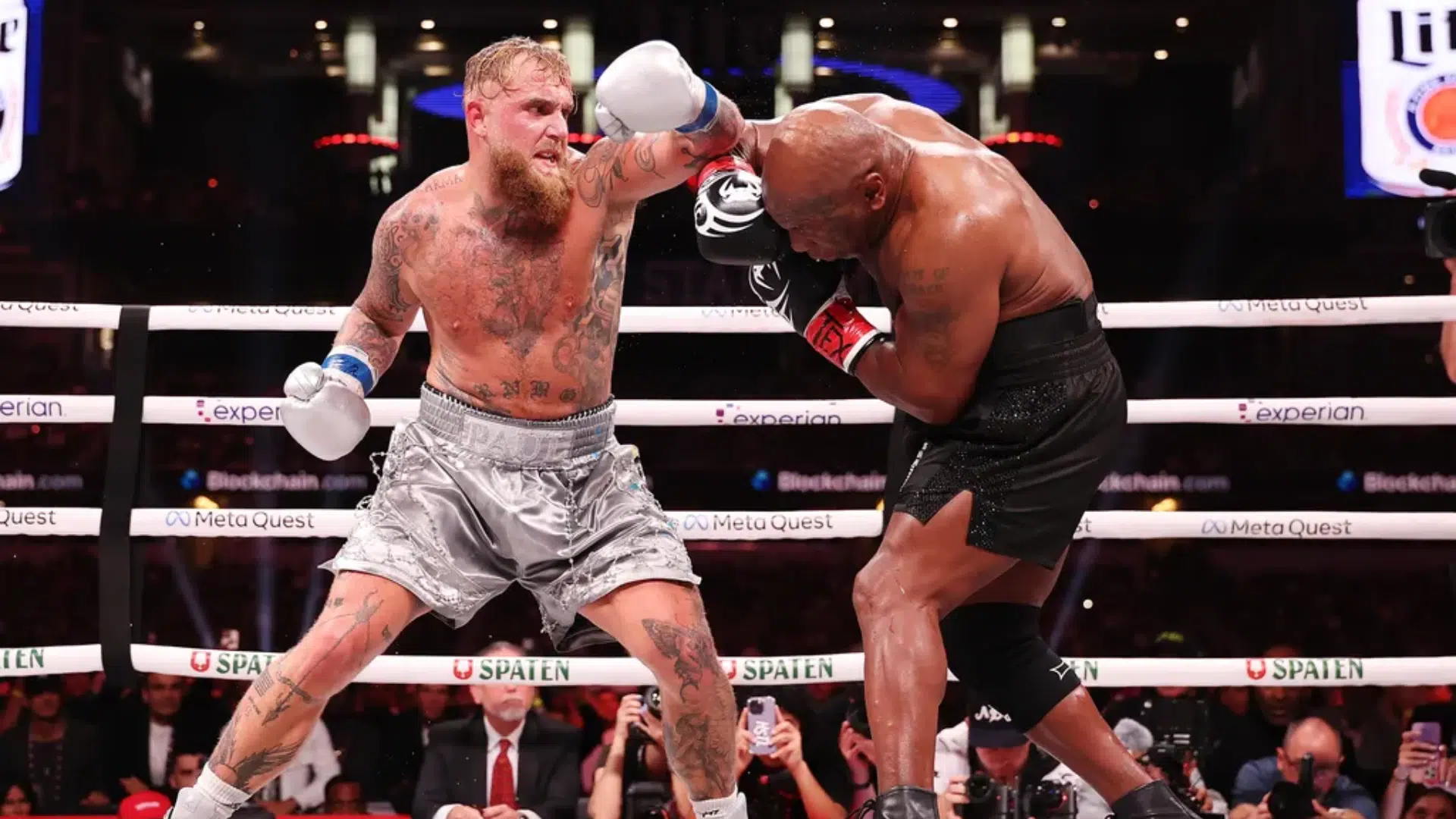
Boxing stances and styles control how a fighter stands, moves, and throws punches. They affect balance, defense, and attack choices in every moment of a fight.
4. Orthodox Stance
The orthodox stance is the most common in boxing. The left foot stays forward for jabs, while the right hand remains back as the power hand.
This stance offers a strong balance and makes it easier to throw straight punches.
Most right-handed fighters use the orthodox stance because it feels natural.
It also allows smooth movement and strong defensive positioning. Fighters in this stance often rely on solid footwork and consistent jabs to control the pace of the fight.
5. Southpaw Stance
The southpaw stance is used mainly by left-handed boxers. In this stance, the right foot and right hand are forward, while the left hand is the power hand.
Southpaws can be difficult to face because many fighters are not used to the angles they create.
Punches can come from unexpected directions, disrupting timing and defense.
Southpaw fighters often have success using straight left punches and right hooks. Facing a southpaw usually requires adjustments in footwork and guard positioning.
6. Counter Puncher
A counterpuncher is a boxer who waits for the opponent to attack before striking back. Instead of leading exchanges, this fighter focuses on defense, timing, and accuracy.
When the opponent makes a mistake, the counterpuncher responds with clean shots.
This style requires patience and sharp reflexes. Counter punchers often slip punches, then respond with fast counters.
They throw fewer punches, but land cleaner shots. This style works best against aggressive fighters.
Defensive Boxing Terms
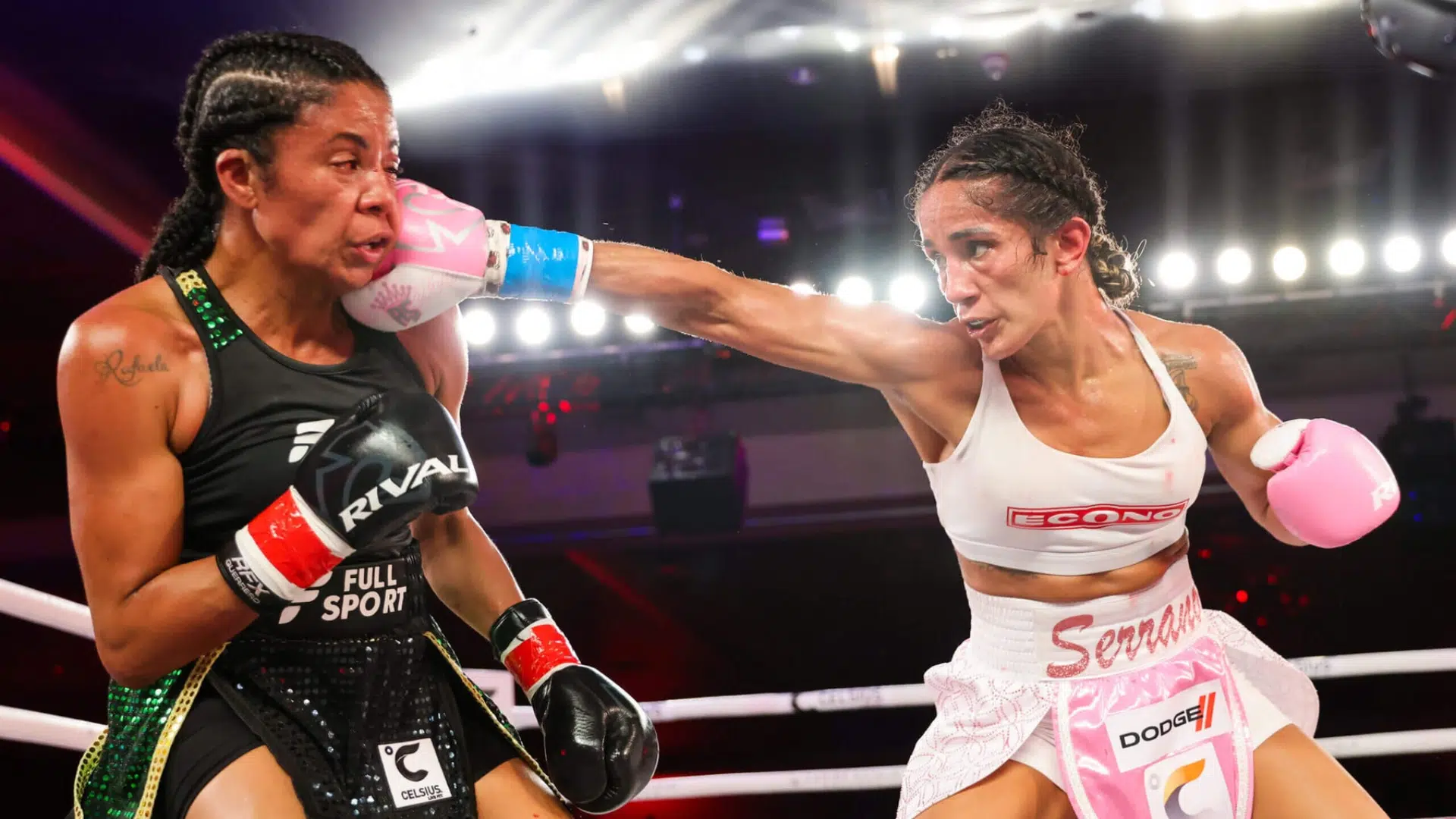
Defensive boxing terms explain how fighters protect themselves inside the ring. A strong defense keeps a boxer safe while creating opportunities to counter and score.
7. Guard
The guard refers to how a boxer holds their hands and arms to protect the head and body. A high guard keeps the gloves near the face, blocking punches to the head.
A lower guard allows more movement but requires better timing.
The right guard depends on the boxer’s style and comfort. A strong guard reduces damage and prevents clean shots.
It also helps a boxer stay calm under pressure. Many fights are won by fighters who defend well and avoid unnecessary damage.
8. Slip
A slip is a small movement of the head to avoid a punch. Instead of blocking, the boxer moves slightly to the side, allowing the punch to miss.
Slipping saves energy and puts the boxer in a position to counter. It requires good timing and awareness.
Slips are often used against jabs and straight punches. When executed correctly, a slip makes the opponent miss and leaves them open for a clean return punch.
This move is common among skilled defensive fighters.
9. Clinch
A clinch happens when fighters hold onto each other, usually at close range.
Boxers use clinching to slow the pace, avoid damage, or recover energy. While holding too long is not allowed, short clinches are common.
The referee will usually step in and separate the fighters.
Clinching is often used when a fighter is hurt or under heavy pressure. It is a strategic move, not just a defensive one.
Boxing Terms Related to Scoring and Knockdowns
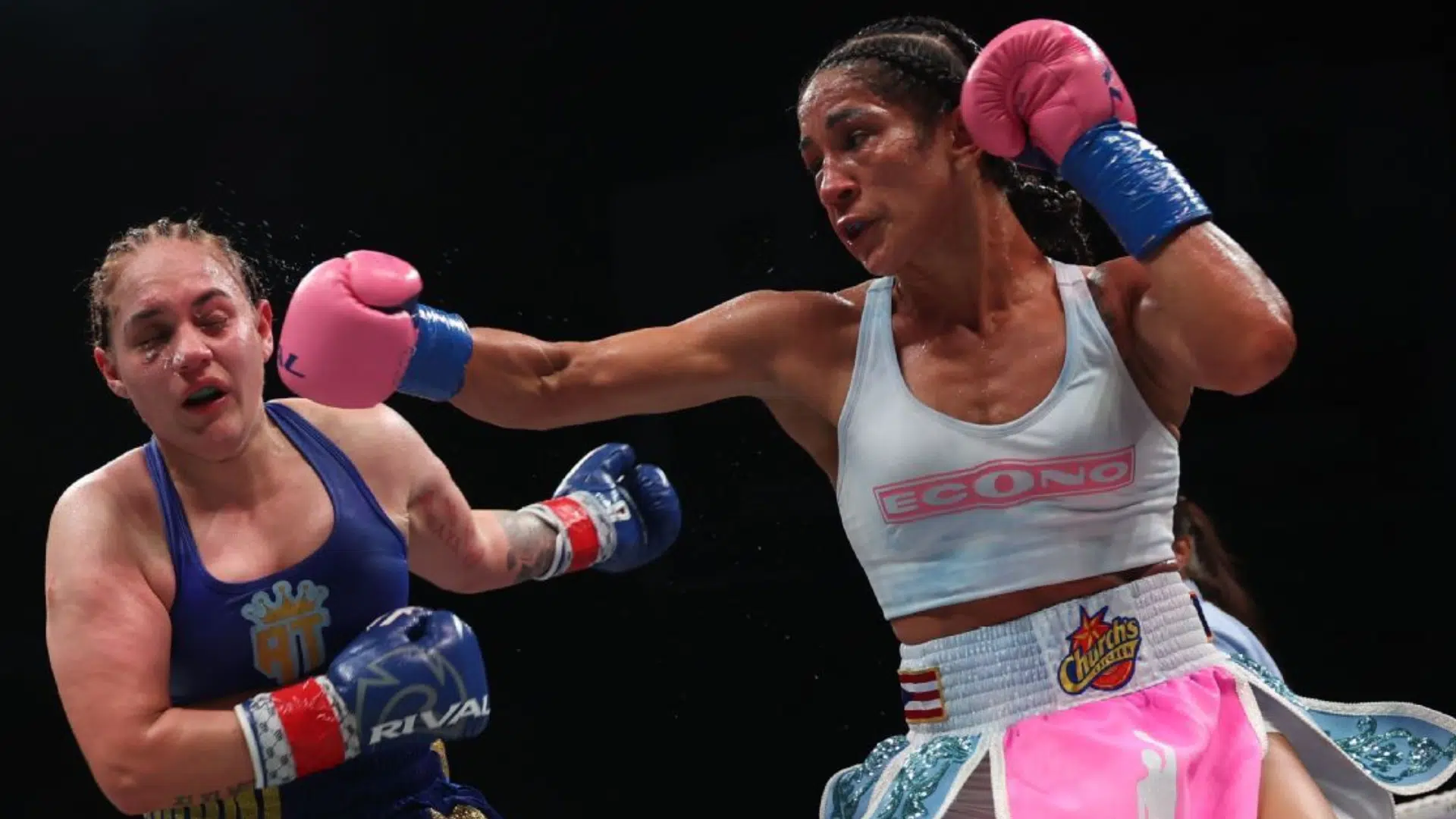
Scoring in boxing helps judges decide who wins each round based on clean punches, defense, and control of the ring. Knockdowns also play a big role, as they often give the fighter a strong edge in that round.
10. Points System
Most professional boxing matches use the 10-point must system. The winner of a round receives 10 points, while the other fighter usually gets 9 or fewer.
Judges look at clean punches, control, defense, and aggression.
A knockdown often results in a wider point gap.
After all rounds are finished, judges add up the scores to decide the winner. This system rewards consistency and clean work, not just power.
11. Knockdown
A knockdown happens when a fighter is forced to touch the canvas due to a punch.
The referee begins a count, and the fighter must stand up before the count reaches ten.
A knockdown does not always end the fight, but it strongly affects scoring. Multiple knockdowns can lead to a stoppage.
Fighters often try to protect themselves after being knocked down to avoid further damage.
12. KO and TKO
A knockout happens when a fighter is knocked down and cannot stand up before the referee completes the count of ten.
Once the count reaches ten and the fighter is still unable to continue, the match ends immediately. A knockout usually results from a powerful punch that leaves the opponent unable to recover in time.
A technical knockout happens when the referee stops the fight to protect a fighter from serious harm.
Training and Ring Boxing Terms
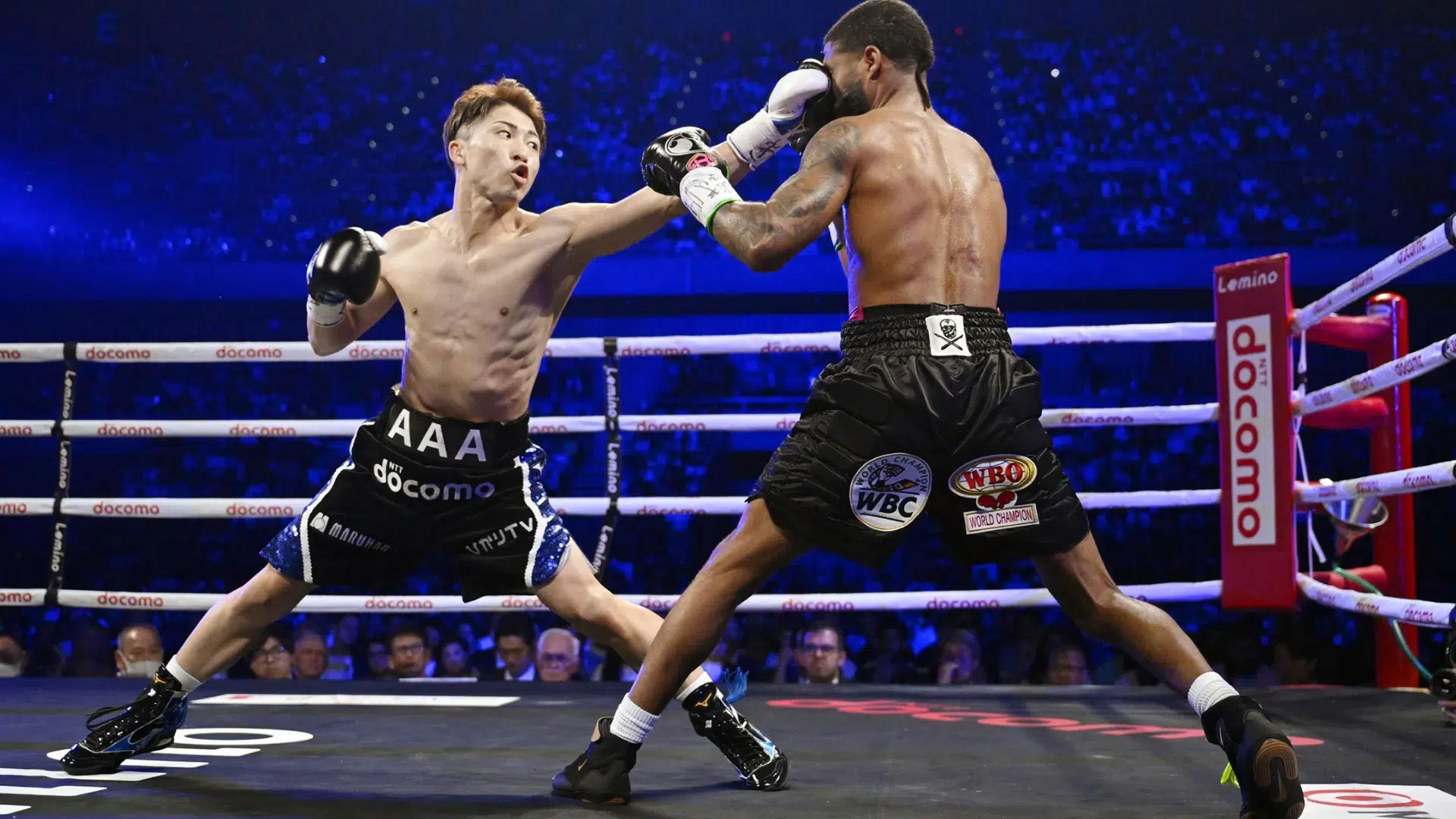
Training and ring terms describe what happens before and during a boxing match. They help explain how boxers prepare, compete, and follow rules inside the ring.
13. Sparring
Sparring is a controlled practice between two boxers. It helps them test footwork, defense, timing, and combinations safely.
Protective gear, such as head and mouth guards, is often used to reduce risk. The goal is improvement, not victory.
Sparring helps simulate real fight pressure, movement, and ring awareness. Coaches observe closely, give feedback, and adjust training plans based on performance.
Regular sparring builds confidence, sharpens reactions, and prepares fighters mentally and physically for actual competition.
14. Rounds and Bell
A round is a fixed period of fighting, usually lasting three minutes in professional boxing. A one-minute rest period follows each round.
The bell signals both the start and end, and punching must stop immediately when it rings.
Between rounds, fighters return to their corners for rest, water, and instructions from trainers. Proper breathing and energy control during each round are important.
Smart fighters pace themselves, since managing stamina often decides the match.
15. Referee
The referee is the official inside the ring responsible for enforcing rules and ensuring fighter safety.
They monitor legal punches, stop illegal actions, and separate fighters when necessary. The referee also counts knockdowns and determines if a boxer can safely continue.
A referee may stop a fight if one fighter cannot defend properly or is taking excessive punishment.
Clear judgment and quick decisions are essential. The referee plays a major role in keeping every match fair, controlled, and safe for both competitors.
Types of Boxing Matches
Boxing matches can vary based on rules, level, and purpose. The table below explains the main types of boxing contests.
| Match Type | Description | Typical Rounds |
| Amateur Boxing | Focuses on skill, scoring points, and safety; often seen in the Olympics | 3 Rounds |
| Professional Boxing | Full-contact competition with longer rounds and higher stakes | 4–12 Rounds |
| Exhibition Match | Non-official bout, often for entertainment or charity | Varies |
| Title Fight | A championship match where a belt is on the line | 12 Rounds |
| Undercard Fight | Matches that take place before the main event | 4–10 Rounds |
Basic Boxing Rules Every Beginner Should Know
Understanding the rules helps you follow fights with confidence. These basics explain how matches stay fair, structured, and safe.
- Legal Punches: Only punches thrown with the knuckle part of a closed glove are allowed. Strikes must land above the waist and on the front or sides of the body.
- No Hitting After the Bell: When the bell rings to end a round, all action must stop immediately. Any punch thrown after the bell can lead to warnings or penalties.
- Knockdown Count: If a fighter is knocked down, the referee gives a ten-count. The boxer must stand up and show they can continue before the count ends.
- Fouls: Actions like headbutts, low blows, holding and hitting, or hitting behind the head are not allowed. Repeated fouls can result in point deductions or disqualification.
- Round Structure: Professional fights usually have three-minute rounds with one-minute breaks. Fighters return to their corners between rounds for advice and recovery.
- Referee Authority: The referee controls the action inside the ring. They can issue warnings, deduct points, or stop the fight if a boxer cannot defend properly.
- Judging Criteria: Judges score rounds based on clean punches, defense, ring control, and effective aggression. The boxer who performs better in a round typically earns ten points.
Conclusion
Now that you understand these key boxing terms, the sport should feel much clearer and easier to follow.
When you watch a fight or step into a gym, you will recognize the punches, stances, and scoring rules being used. That knowledge builds real confidence.
Instead of feeling confused, you can focus on improving your skills and enjoying the action inside the ring.
Boxing becomes more exciting when you know what is happening and why it matters. Keep practicing the basics, pay attention during training, and continue learning new terms as you grow.
If you are just starting out or already training, I would love to hear about your experience.
Share your thoughts, questions, or favorite boxing moments in the comments below.