
Football debates never get old, especially when the topic is quarterbacks. Fans compare stats, rings, talent, and leadership, and everyone has a different opinion.
As a sports journalist who follows athletes’ careers and key moments closely, I like explaining these topics using clear facts and verified information.
In this guide, I share some of the best quarterbacks of all time, looking at players from different eras of football.
You will learn about their wins, records, performance, and overall impact on the game, showing why certain players stand above the rest.
Each ranking highlights what made these quarterbacks special without adding hype or rumor.
If you are a longtime fan or just starting to follow football, this list gives you clear comparisons, quick context, and a simple way to see how the greatest quarterbacks stack up.
What Defines the Best QB of All Time?
Great quarterbacks are judged on more than just numbers. Several factors help explain why some players stand above the rest across different eras.
- Career achievements: Super Bowl wins, playoff success, and long-term consistency play a big role in how a quarterback is remembered.
- Individual performance: Passing yards, touchdowns, completion rate, and efficiency show how well a QB performed game after game.
- Longevity: Playing at a high level for many seasons proves durability, discipline, and the ability to adapt over time.
- Leadership on the field: Strong quarterbacks guide their teams, stay calm under pressure, and lead during key moments.
- Impact on the game: Some QBs change how the position is played or influence future generations.
- Performance in big games: How a quarterback plays in playoffs and championship moments often defines their legacy.
Top Contenders for Best QB of All Time
These players are frequently discussed when fans and analysts compare careers across different eras. Their names come up because of results, influence, and consistency at the highest level.
1. Tom Brady
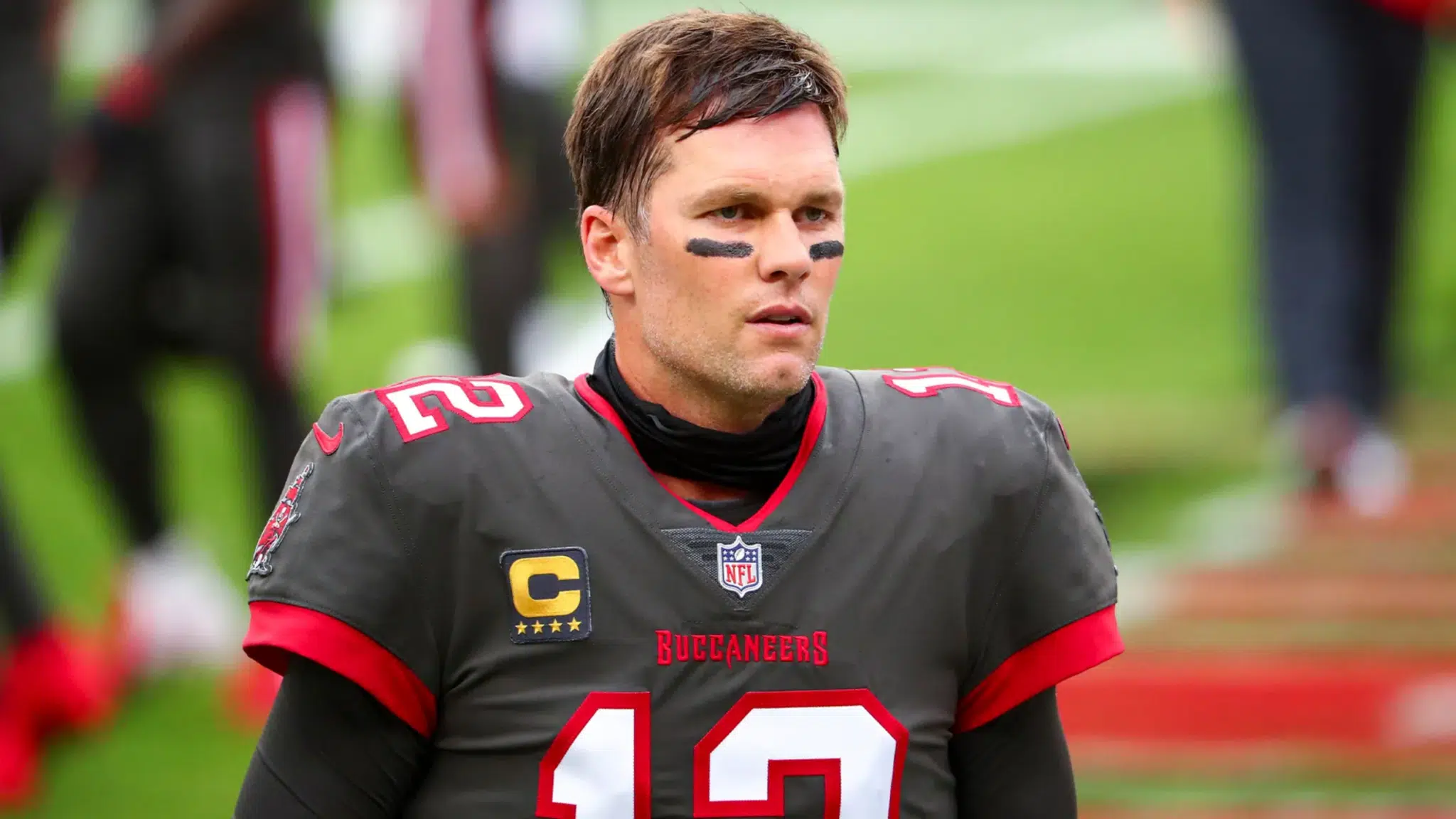
Tom Brady is often viewed as the leading name in the debate over the best QB. His career lasted more than 20 seasons, which is uncommon for an NFL quarterback.
He found success in different offensive systems and proved his value with two teams.
I remember watching one of his playoff games late in his career and being surprised by how calm he stayed under pressure.
Even in tough moments, he made smart decisions and stayed in control. Winning titles with different teams showed his leadership and long-term success.
Key achievements:
- 7 Super Bowl championships
- 10 Super Bowl appearances
- Over 89,000 passing yards
- Multiple league MVP awards
2. Peyton Manning
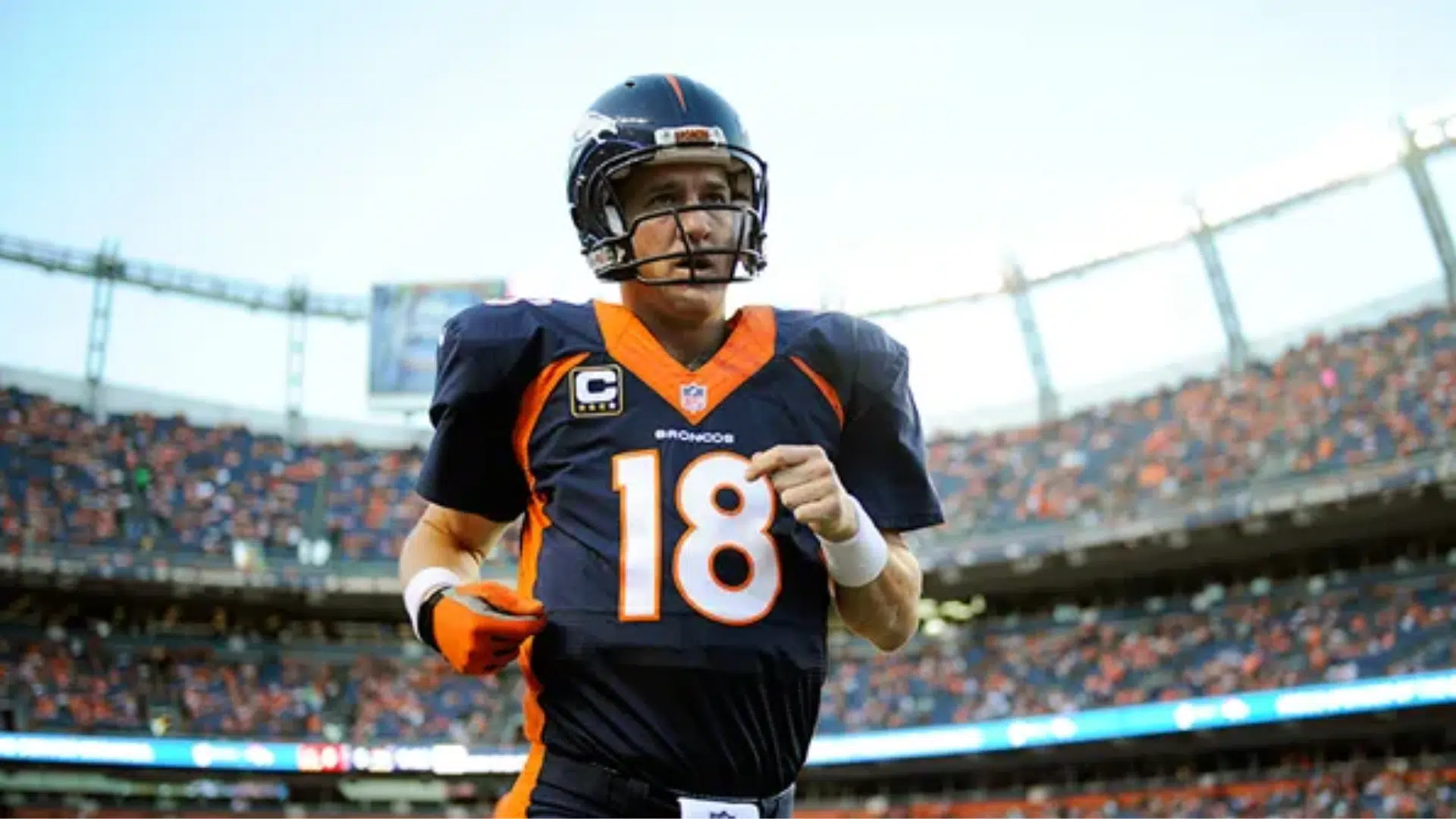
Peyton Manning is often viewed as one of the smartest quarterbacks in NFL history. He played at an elite level for nearly two decades and showed full control of the offense.
Manning led different teams and adapted to new systems during his career.
His strong preparation and ability to read defenses before the snap helped change how quarterbacks manage and direct the game.
Key achievements:
- 5 NFL MVP awards
- 2 Super Bowl championships
- Over 71,000 career passing yards
- Numerous single-season passing records
3. Joe Montana
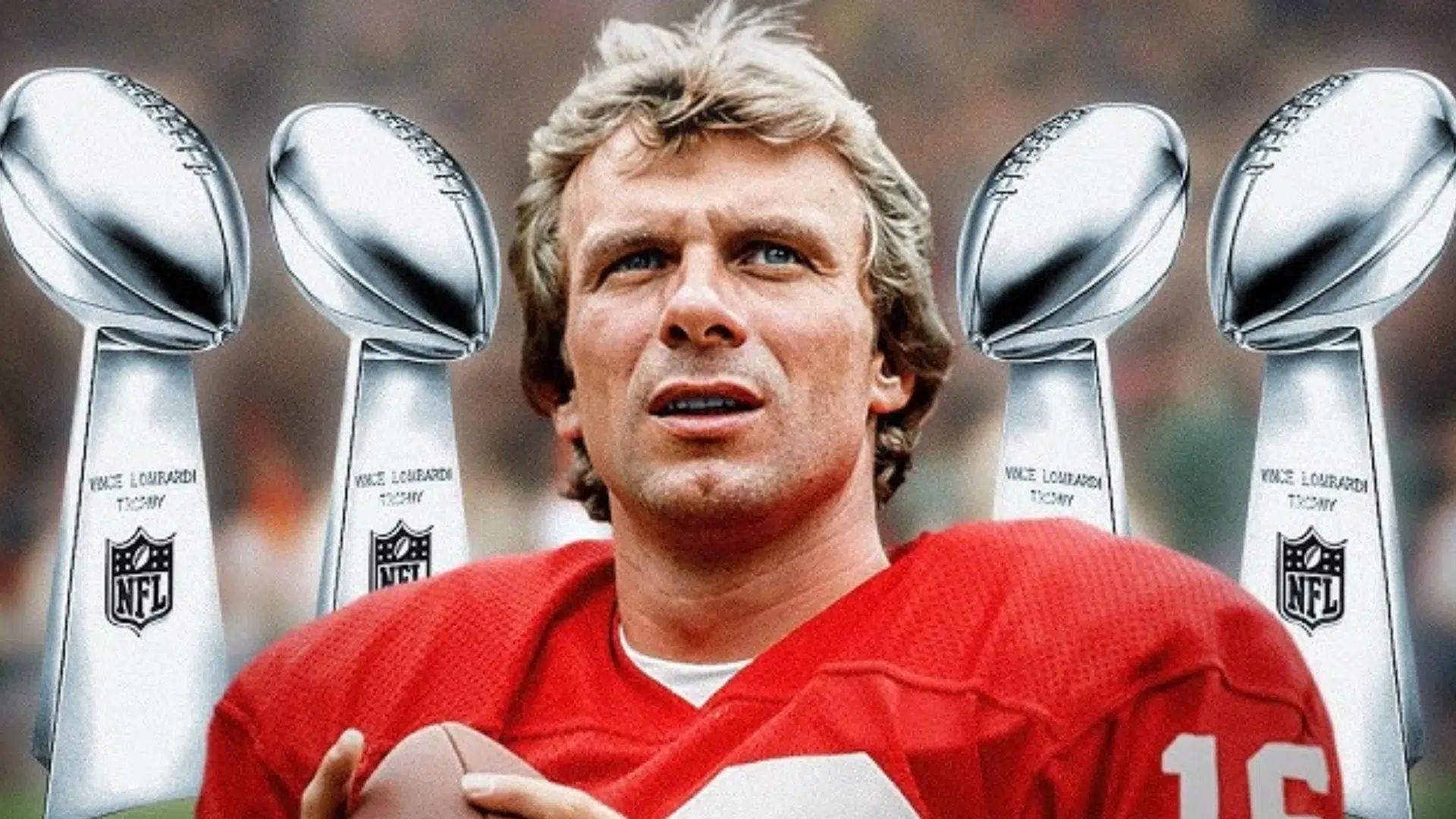
Joe Montana became the face of championship football during the 1980s. He played in an era with tougher defenses and rules that favored quarterbacks less than today.
Even so, he stayed calm and delivered in the biggest moments.
Montana’s leadership helped build one of the most successful dynasties in NFL history and set a lasting standard for winning under pressure.
Key achievements:
- 4 Super Bowl championships
- 4 Super Bowl MVP awards
- Perfect Super Bowl record (4–0)
- Zero interceptions in Super Bowl games
4. Aaron Rodgers
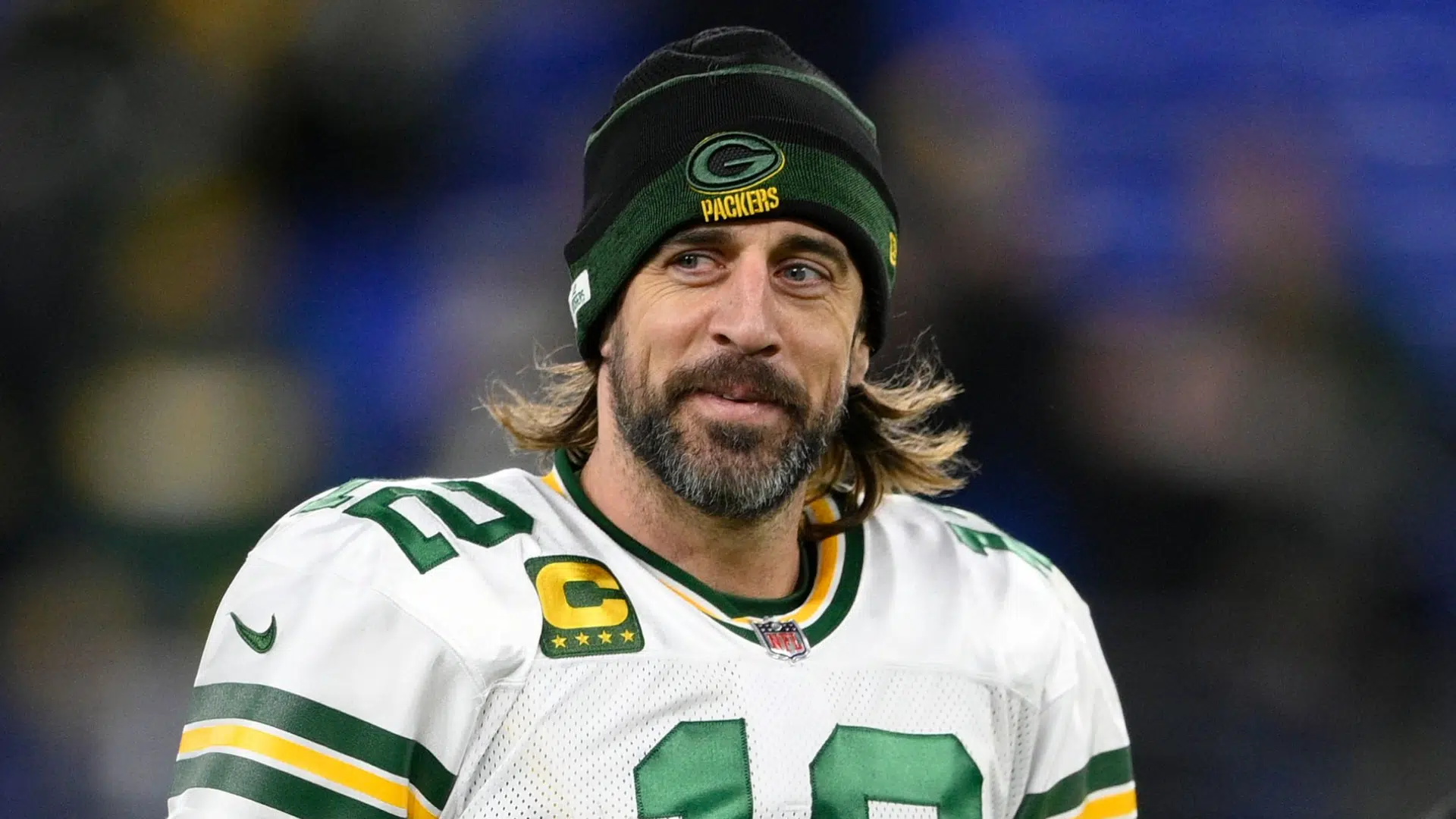
Aaron Rodgers is widely praised for his talent and efficiency as a quarterback. He combines strong arm power, sharp accuracy, and smart mobility to create plays that few others can match.
I once read that a former teammate said Rodgers could spot defensive gaps before the snap and adjust calmly, which made the offense feel prepared and confident.
Rodgers consistently performs at a high level while limiting turnovers, which sets him apart from many of his peers.
His steady play and ability to protect the football define much of his success.
Key achievements:
- Multiple NFL MVP awards
- 1 Super Bowl championship
- One of the lowest interception rates in NFL history
- Over 59,000 career passing yards
5. Drew Brees
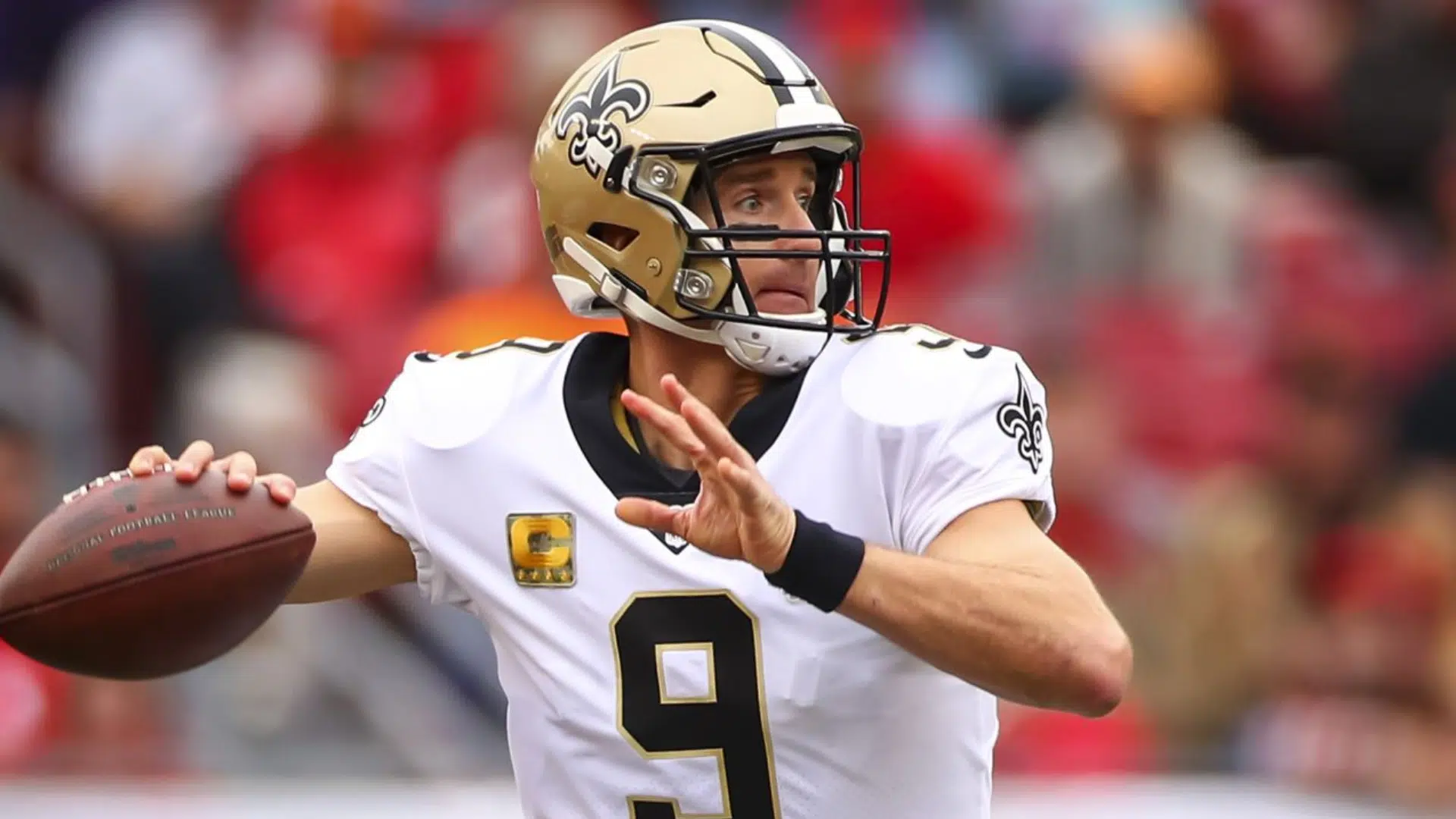
Drew Brees is remembered as one of the most accurate and consistent passers in NFL history.
He thrived in high-volume passing offenses and stayed productive for many years. Brees led one of the league’s most efficient units and showed strong timing and decision-making.
Over his career, he set multiple passing records and proved that precision and steady play can lead to lasting success.
Key achievements:
- 1 Super Bowl championship
- Over 80,000 career passing yards
- Multiple NFL passing records
- Consistently high completion percentages
6. Brett Favre
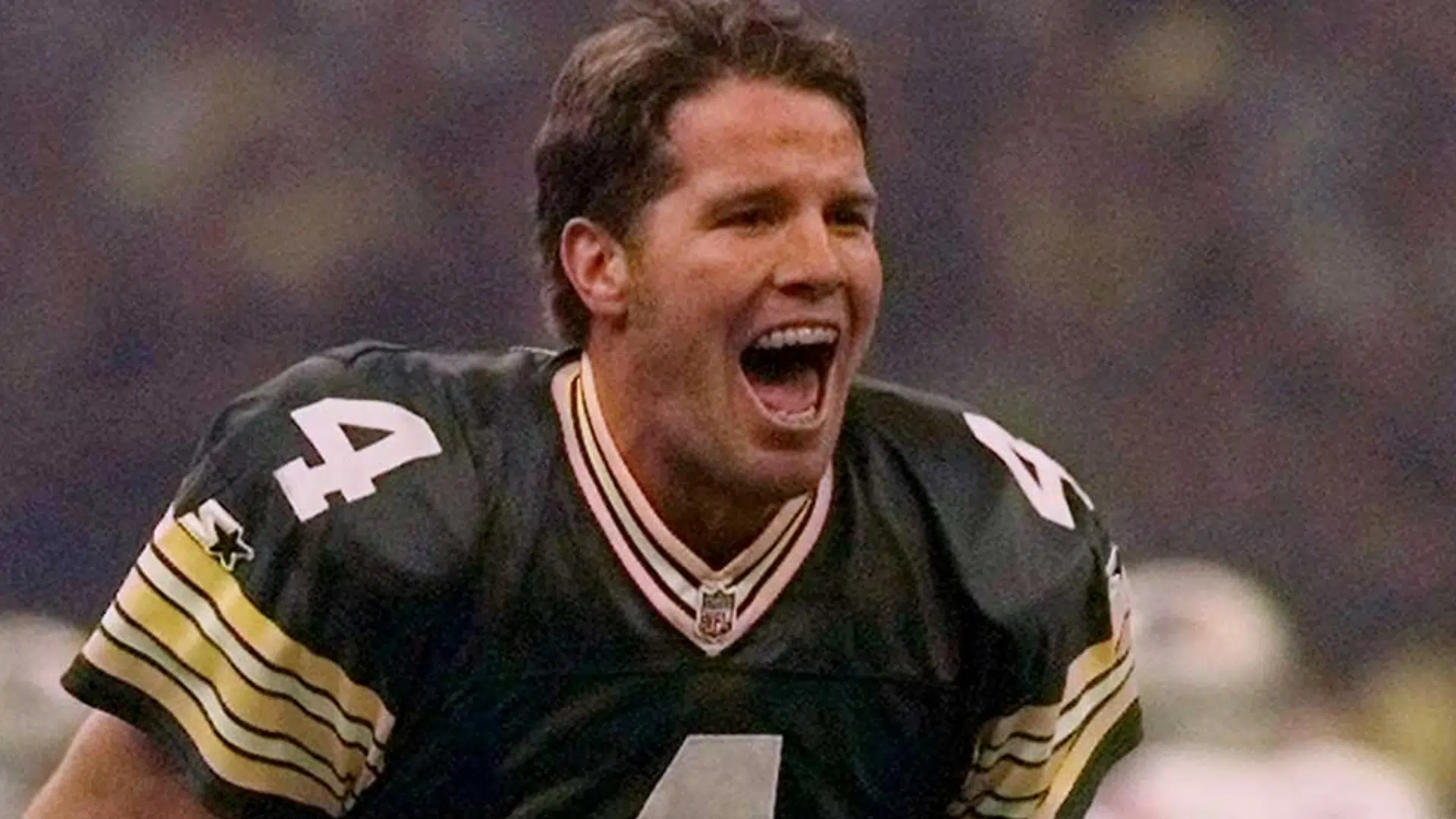
Brett Favre was known for his toughness, durability, and fearless style of play.
He often played through injuries and started an impressive number of consecutive games, showing rare resilience. Favre had a powerful arm and took bold risks that energized his teams.
His aggressive approach and competitive mindset helped shape quarterback play and influenced an entire generation of NFL passers.
Key achievements:
- 1 Super Bowl championship
- 3 NFL MVP awards
- One of the strongest arms in NFL history
- Longest consecutive starts streak by a quarterback.
7. Dan Marino

Dan Marino changed the passing game during the 1980s with his bold style and strong arm.
I once read a football analyst explain how defenders struggled with Marino’s quick release because the ball was gone before they could react.
That detail helped me understand how advanced his game was for that era.
He produced record-breaking numbers at a time when passing was tougher, and defenses were more physical. His confidence in the pocket and aggressive approach helped shape modern passing offenses.
Key achievements:
- Over 61,000 career passing yards
- Multiple passing records during his era
- One of the fastest releases in NFL history
- Dominant statistical production in a defensive era
8. John Elway
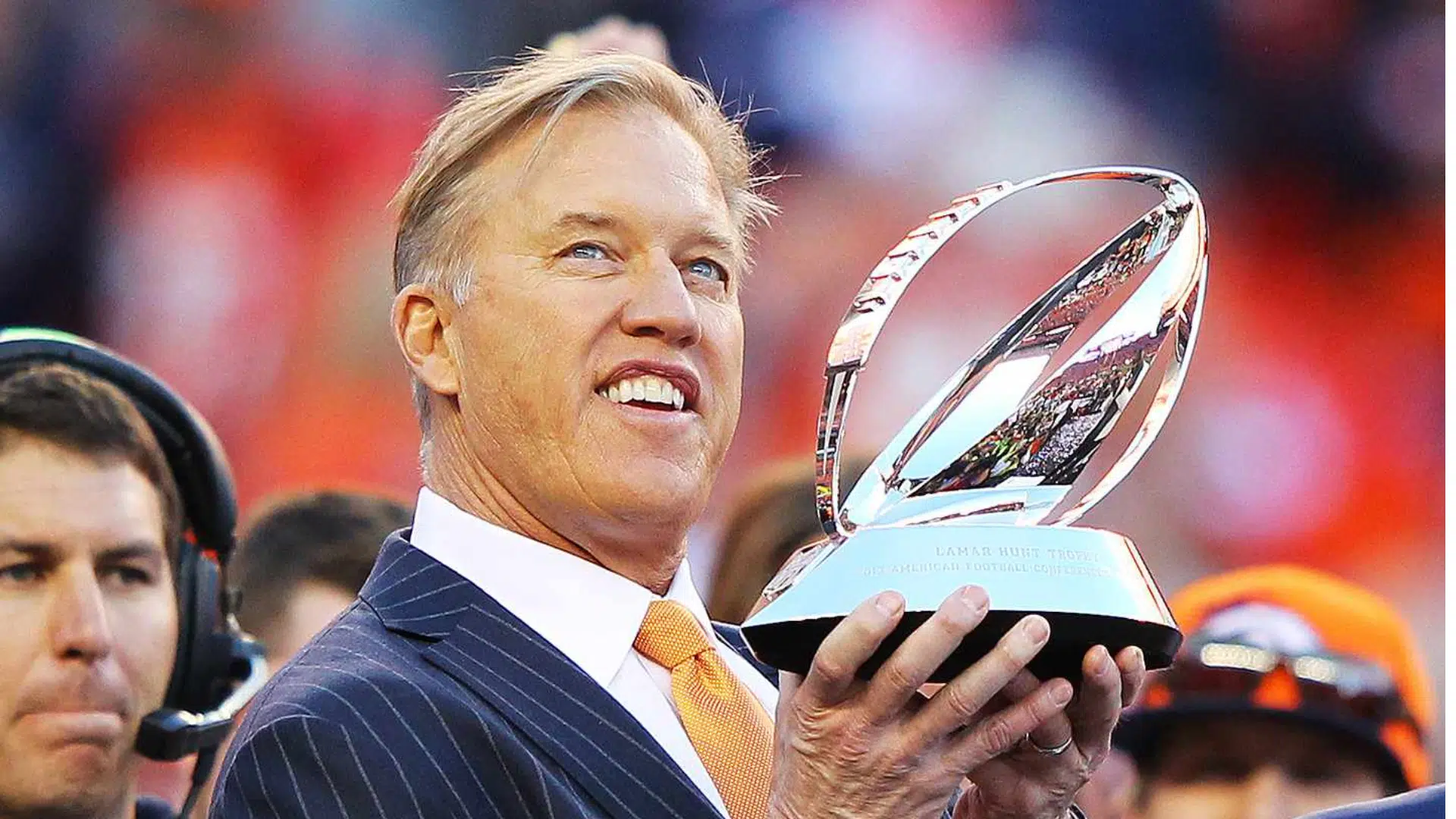
John Elway was known for his elite arm strength and strong competitive leadership.
Early in his career, he often carried teams that lacked strong offensive support and kept them in tough games. As his career progressed, he led championship runs that completed his legacy.
Elway proved he could win at the highest level and earned respect as one of football’s toughest competitors.
Key achievements:
- 2 Super Bowl championships
- Multiple Super Bowl appearances
- Elite arm talent and athletic ability
- Strong leadership in playoff runs
9. Johnny Unitas
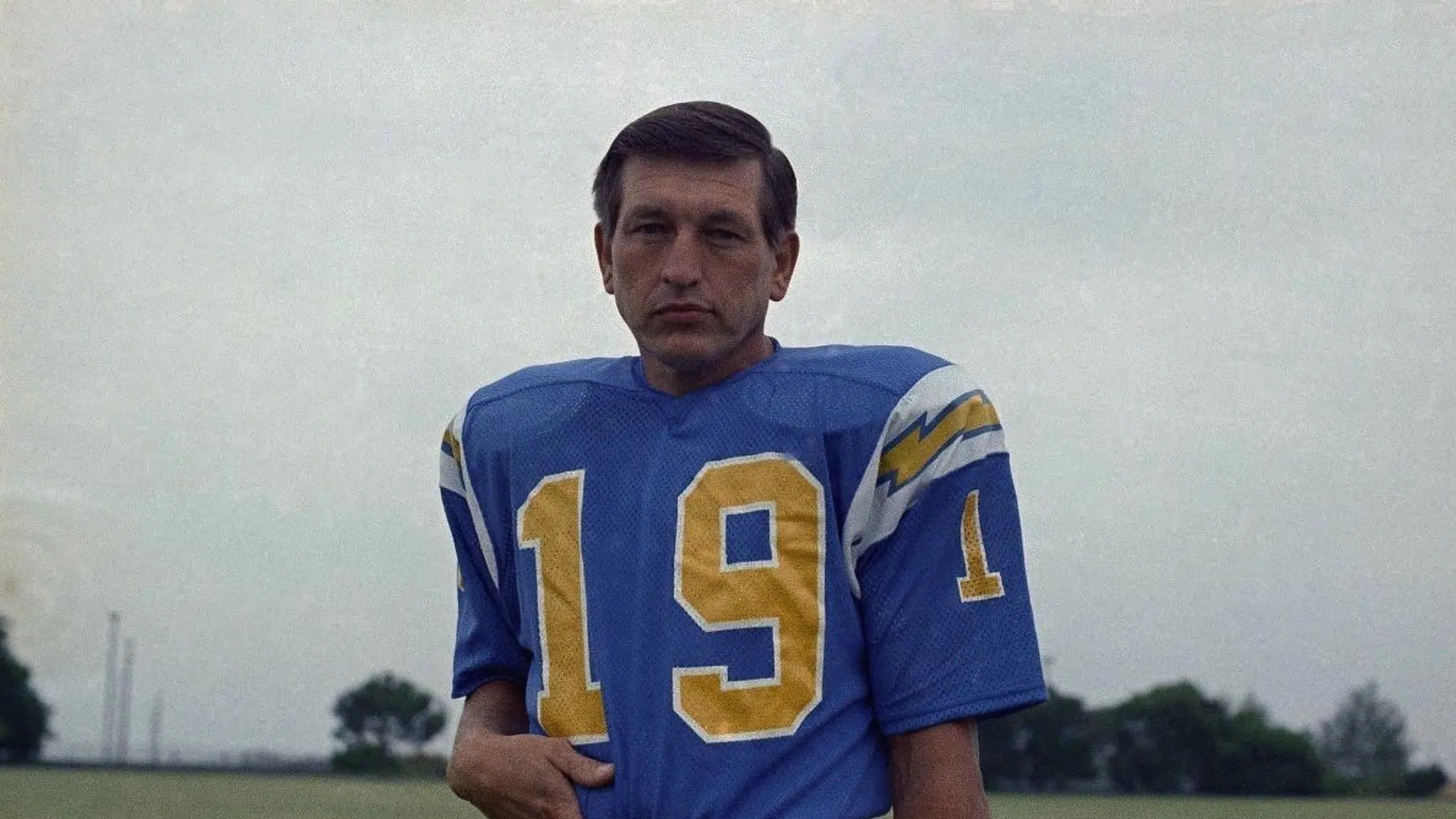
Johnny Unitas helped shape the modern quarterback position and set early standards for passing and leadership. He played in a physical era and often pushed through pain to stay on the field.
Unitas controlled games with confidence, smart decisions, and steady leadership.
His style and approach influenced generations of quarterbacks, and his impact remains a strong part of NFL history.
Key Achievements:
- 3 NFL championships
- 1 Super Bowl championship
- Multiple MVP awards
- Era-defining passing stats
10. Steve Young
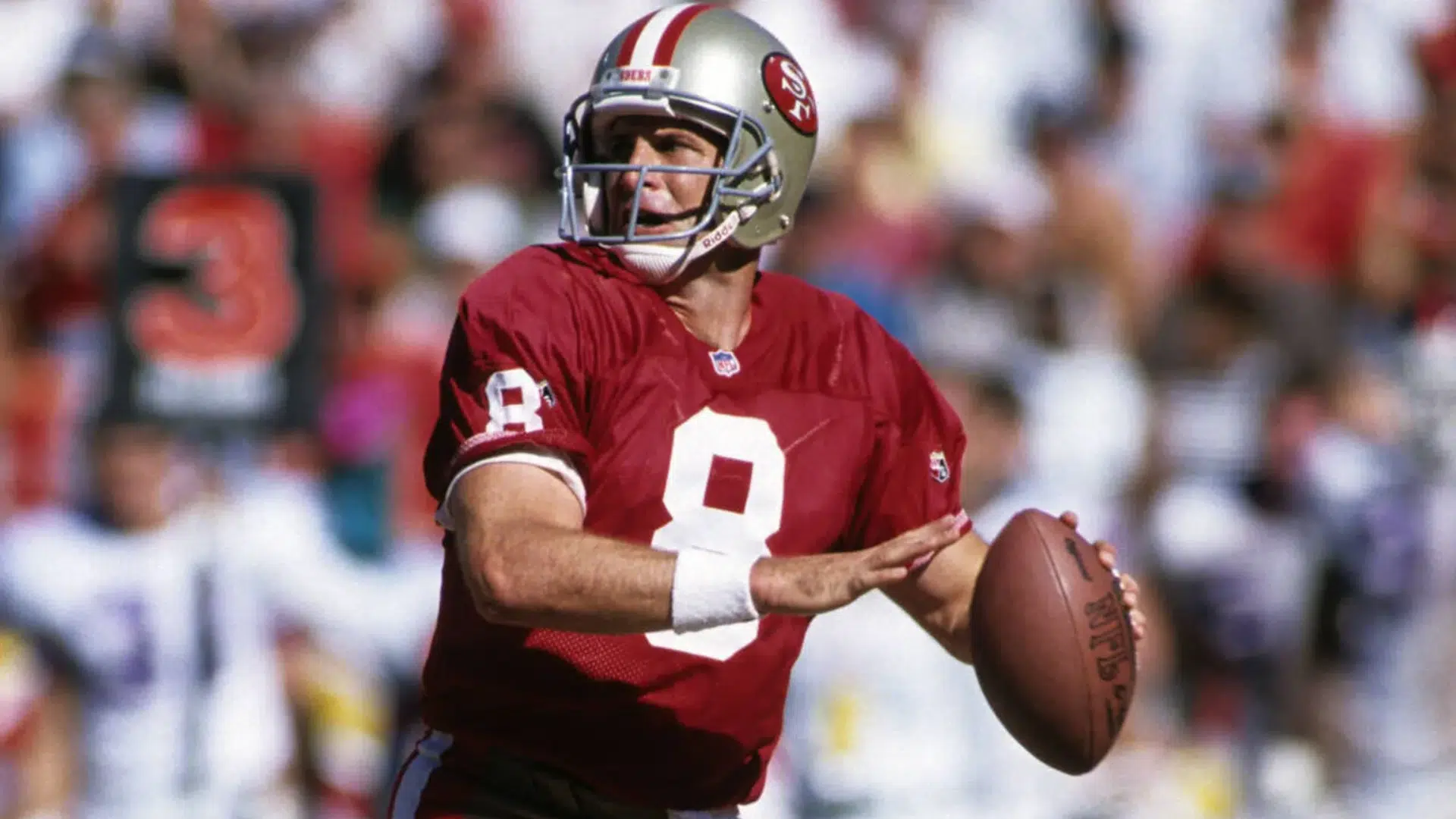
Steve Young blended accuracy, intelligence, and mobility into a complete quarterback skill set. He thrived in systems that demanded precise timing and quick decision-making.
Young showed that mobile quarterbacks could also be elite passers, not just runners.
His strong efficiency, smart reads, and balanced style of play helped set new benchmarks and influenced how future quarterbacks developed their game.
Key Achievements:
- 3 Super Bowl championships
- 2 NFL MVP awards
- Elite passer rating
- Dual-threat success
11. Terry Bradshaw
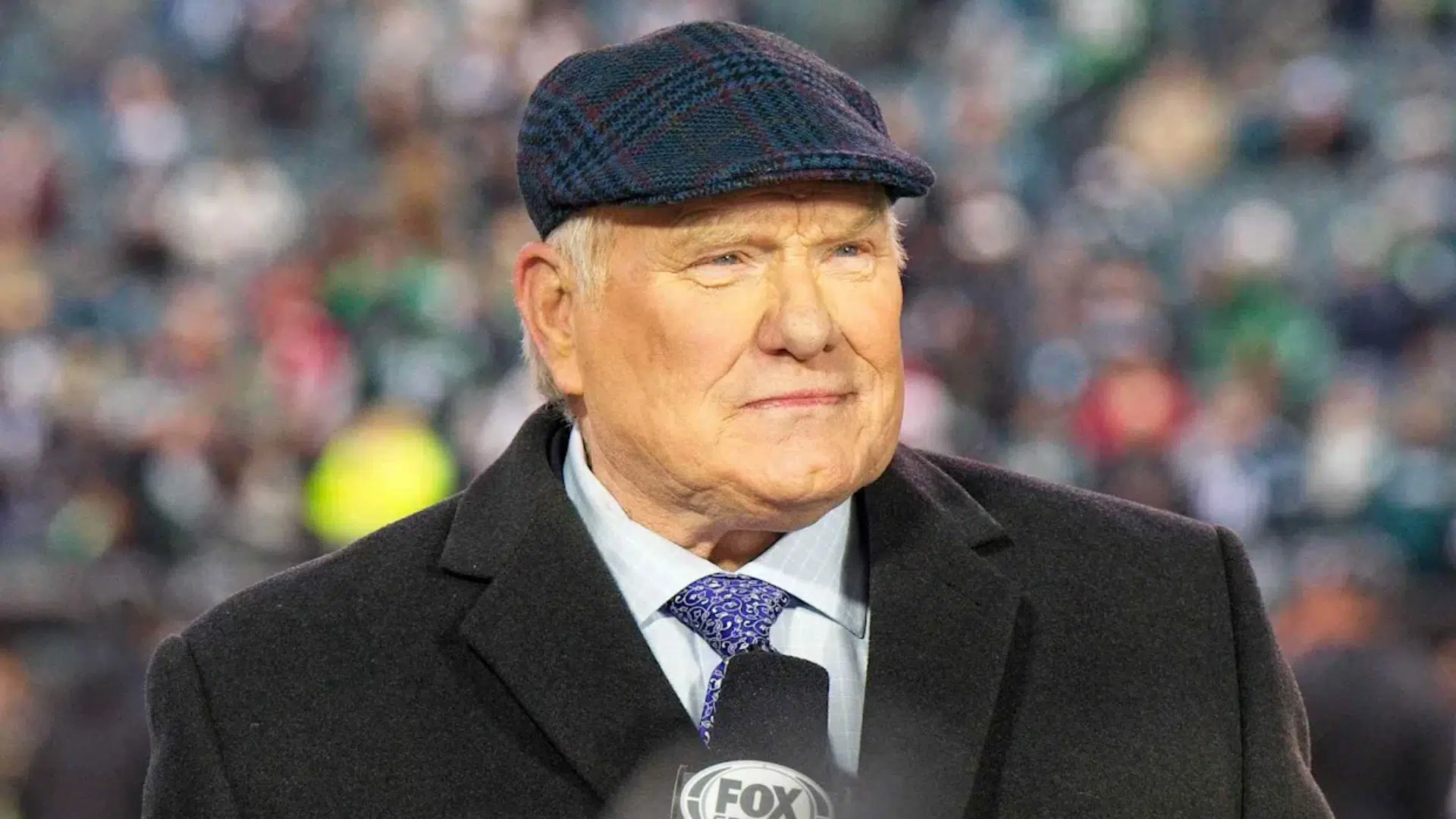
Terry Bradshaw led one of the NFL’s greatest dynasties during a dominant stretch of football.
Over time, he improved as a passer and gained confidence in key moments. Bradshaw delivered strong performances when it mattered most, especially in the playoffs.
His legacy is closely tied to postseason success and championships, which played a major role in shaping his place in NFL history.
Key Achievements:
- 4 Super Bowl championships
- 2 Super Bowl MVP awards
- Strong playoff performances
- Dynasty leadership
12. Roger Staubach
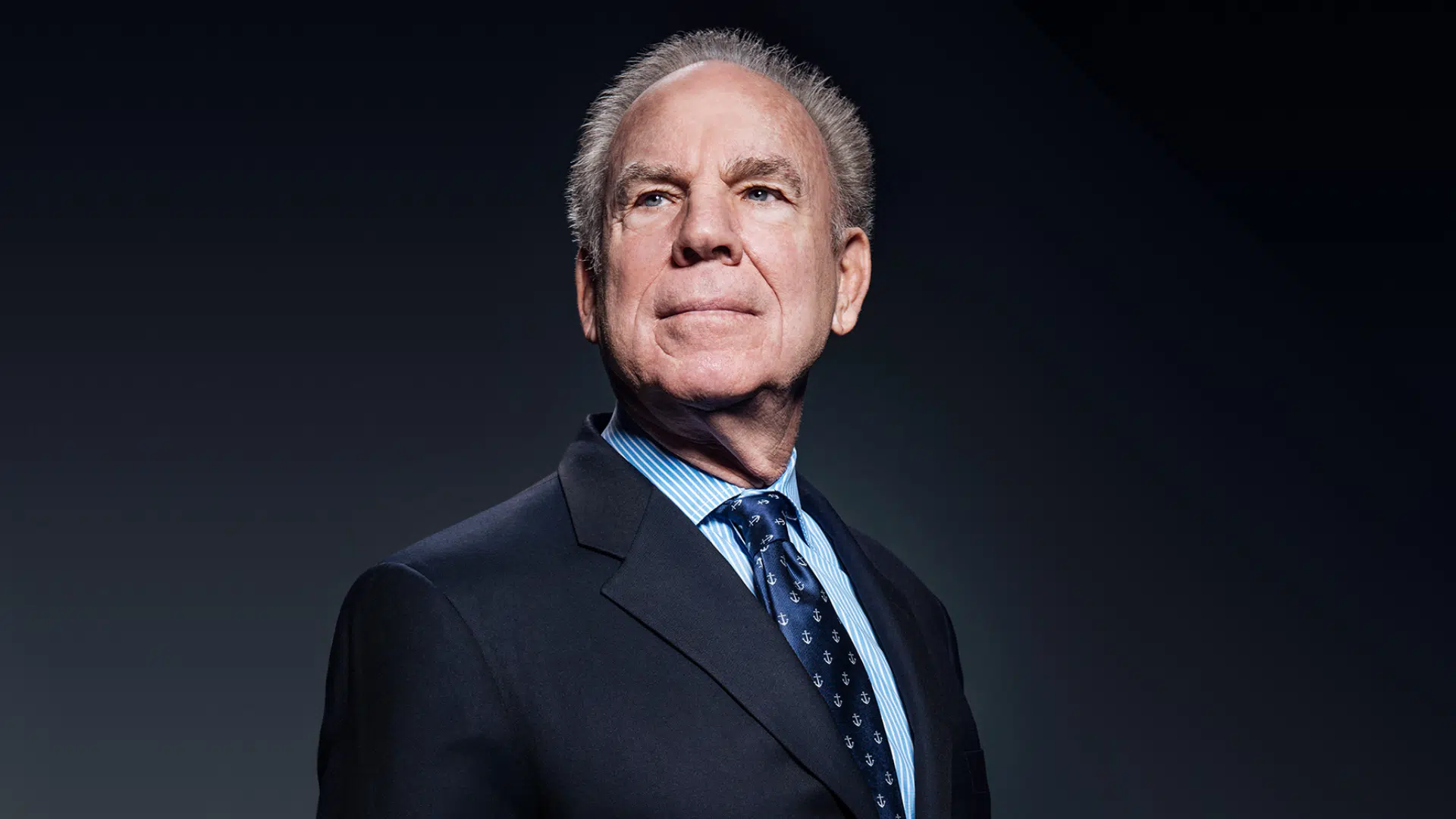
Roger Staubach was known for discipline, intelligence, and calm leadership. He brought a unique blend of athleticism and decision-making to the quarterback position.
Staubach consistently guided his teams to strong regular seasons and playoff appearances.
His ability to read defenses and manage games set him apart. Staubach earned his reputation as one of the most clutch quarterbacks ever.
Key Achievements:
- 2 Super Bowl championships
- Multiple Super Bowl appearances
- High career win percentage
- Clutch comeback wins
13. Fran Tarkenton
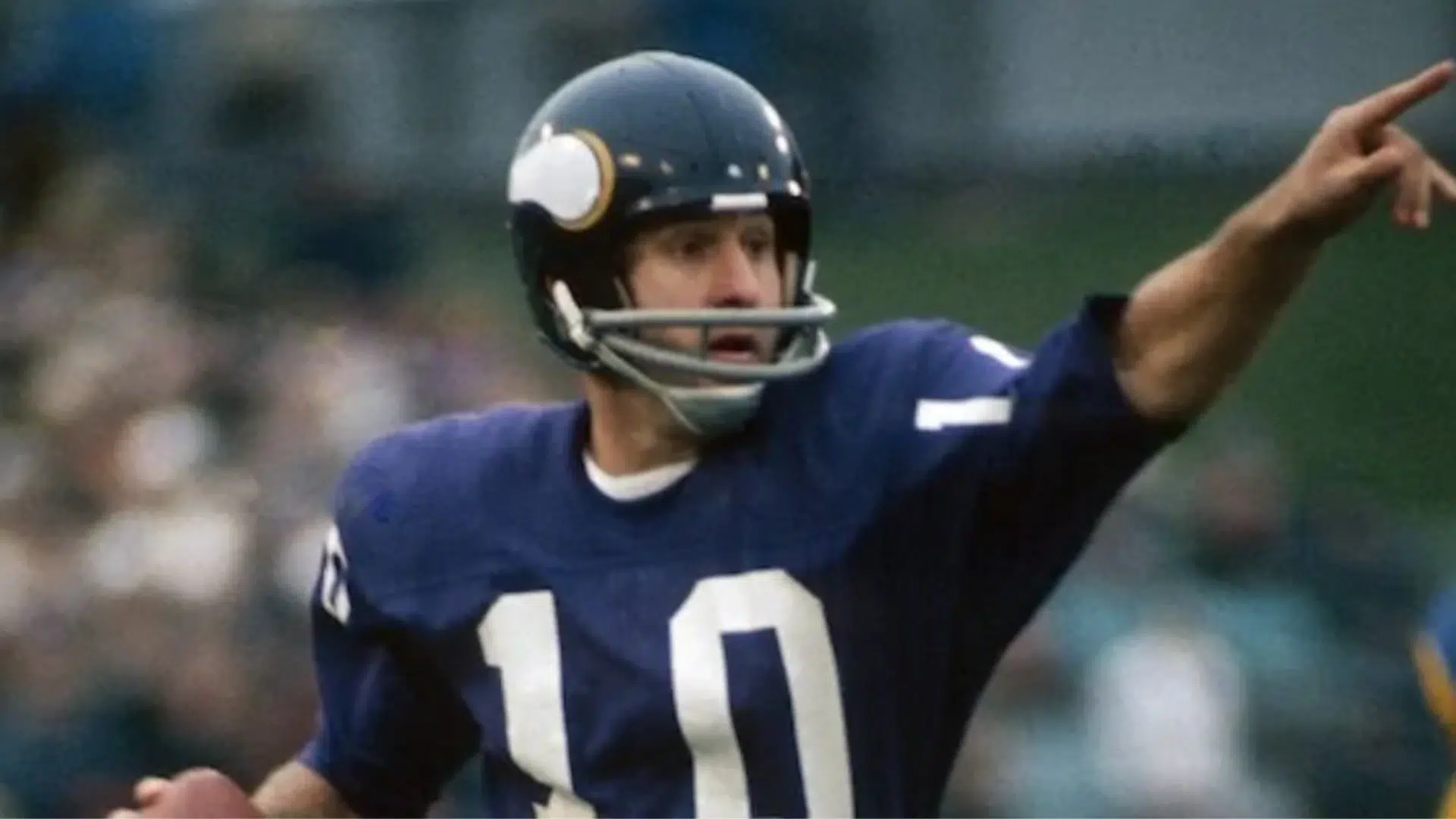
Fran Tarkenton was well ahead of his era as a mobile quarterback. He constantly extended plays by scrambling and improvising when protection broke down.
This skill kept him productive despite uneven line play. Tarkenton’s creativity made him hard to defend.
Over a long career, Tarkenton accumulated massive passing totals.
When he retired, he held nearly every major passing record. His style helped lay the foundation for modern mobile quarterbacks. Tarkenton proved that mobility could coexist with elite passing production.
Key Achievements:
- Over 47,000 passing yards
- Multiple MVP-level seasons
- Record holder at retirement
- Early dual-threat pioneer
14. Kurt Warner
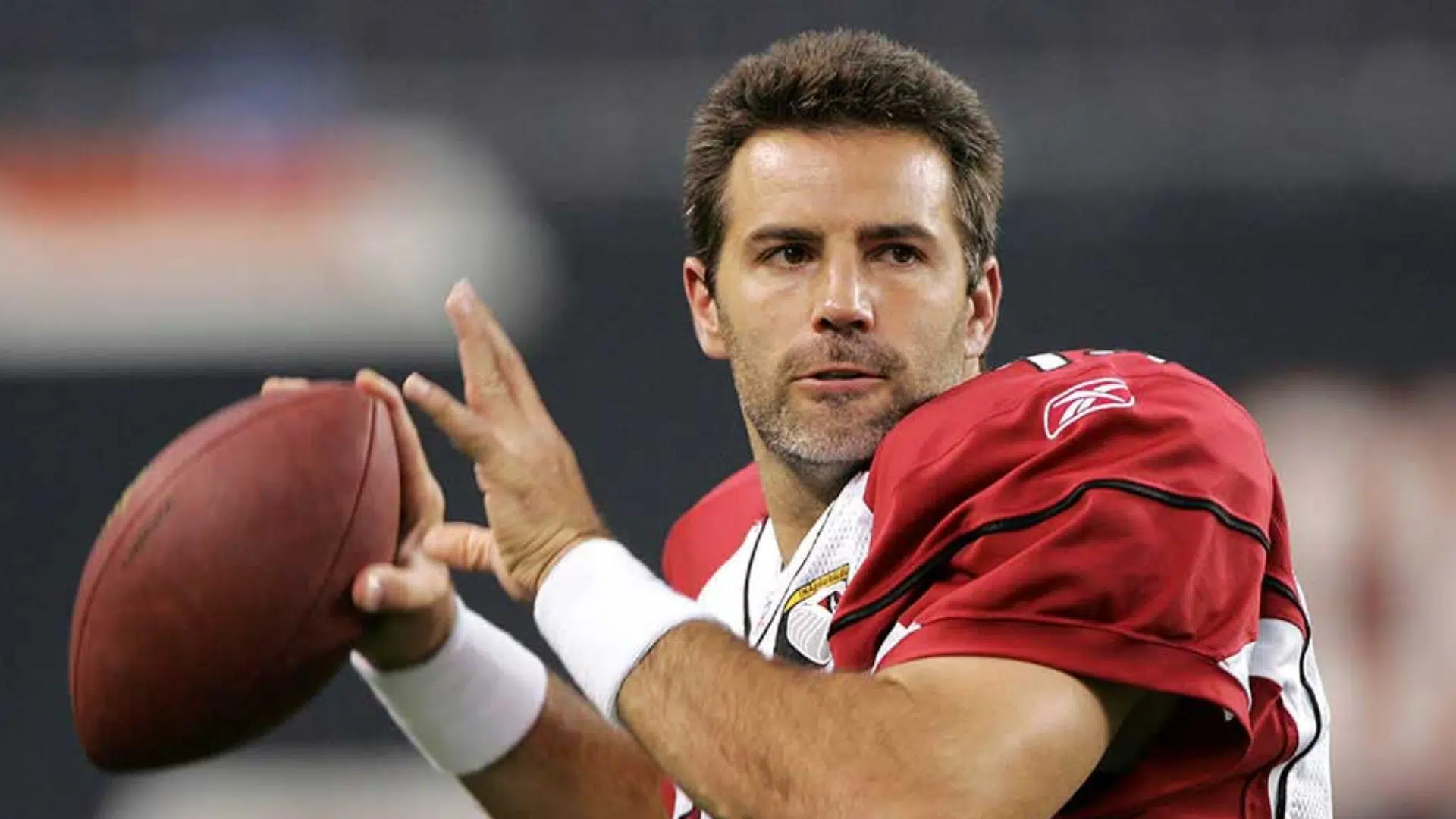
Kurt Warner’s career path is one of the most unusual in NFL history. He rose from obscurity to become the leader of one of the most explosive offenses ever.
Warner thrived in timing-based systems that emphasized accuracy and quick decisions. His peak seasons featured elite efficiency.
In the postseason, Warner enhanced his play even further. He delivered some of the best playoff performances of his era. His calm presence and preparation showed in high-pressure games.
Key Achievements:
- 1 Super Bowl championship
- 2 NFL MVP awards
- Multiple Super Bowl appearances
- Elite postseason stats
15. Ben Roethlisberger
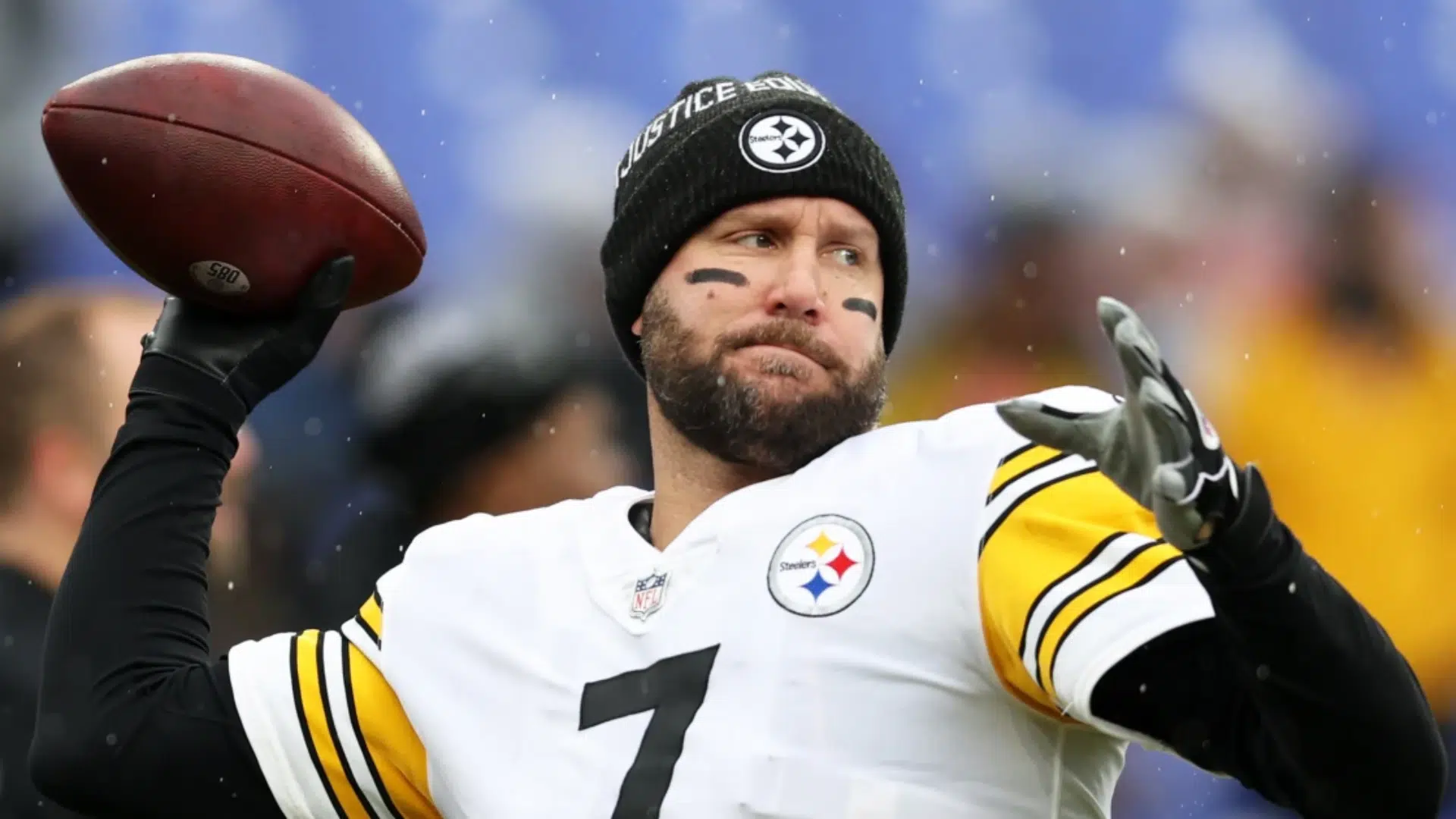
Ben Roethlisberger built his reputation on physical strength and toughness. He consistently extended plays by absorbing contact and staying upright.
He made throws most quarterbacks would not try. His style forced defenses to work harder every snap.
Over a long career, Roethlisberger delivered strong production and postseason success. He adapted his game as he aged, relying more on experience and timing.
His durability and leadership kept his team competitive year after year. Consistency defined his career
Key Achievements:
- 2 Super Bowl championships
- Over 64,000 passing yards
- Long-term franchise QB
- Strong playoff record
16. Patrick Mahomes
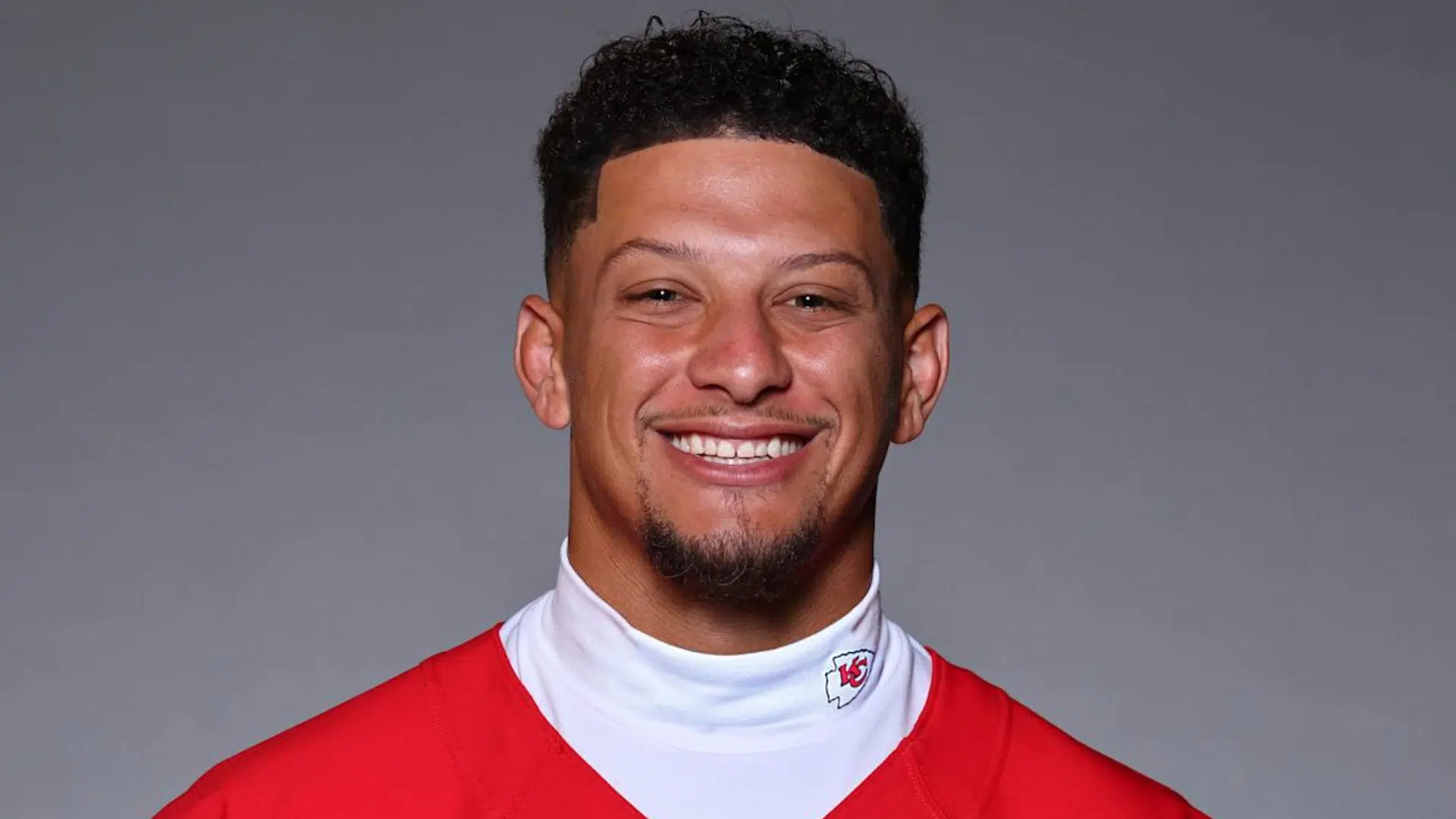
Patrick Mahomes changed expectations for quarterback play early in his career. His arm strength allows him to make throws from almost any angle or platform.
A defender once said Mahomes is tough to face because no one can read his throws, which shows why defenses struggle.
He plays his best when things break down and turns messy moments into big gains.
He has proven himself in postseason games, often performing at a high level in championship moments and showing how the quarterback role has evolved.
Key Achievements:
- Multiple Super Bowl championships
- Multiple NFL MVP awards
- Elite postseason success
- Game-changing play style
17. Russell Wilson
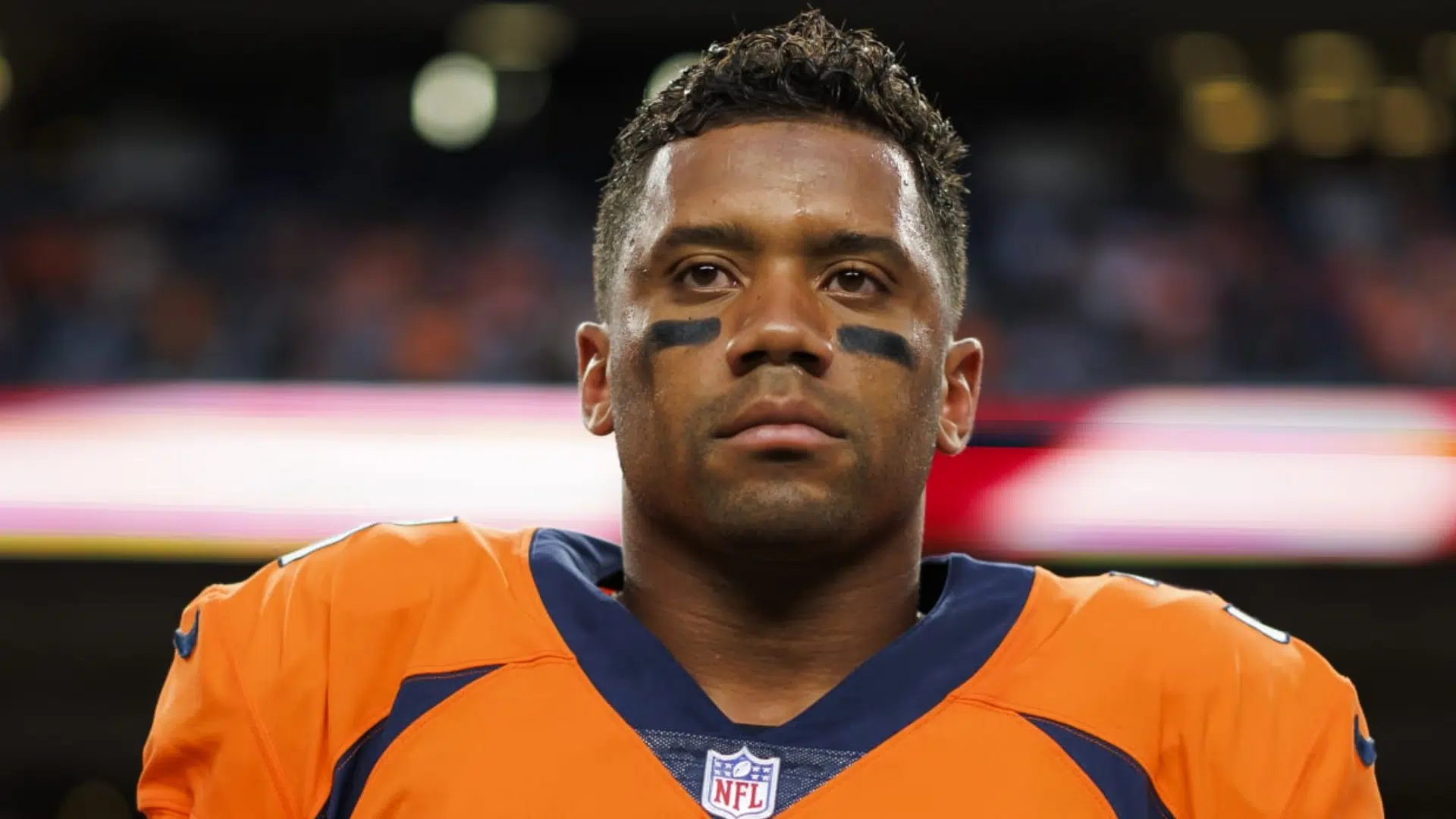
Russell Wilson built success through efficiency and smart decision-making. He rarely turned the ball over and made the most of limited opportunities.
Wilson escaped pressure with his mobility and kept his focus downfield. His deep-ball accuracy was a key strength.
Late-game situations often brought out Wilson’s best performances. He delivered multiple game-winning drives throughout his prime. His consistency helped stabilize his teams for many seasons.
Wilson’s career reflects steady excellence rather than short bursts.
Key Achievements:
- 1 Super Bowl championship
- Multiple Pro Bowl selections
- Strong passer rating seasons
- Late-game success
18. Matthew Stafford
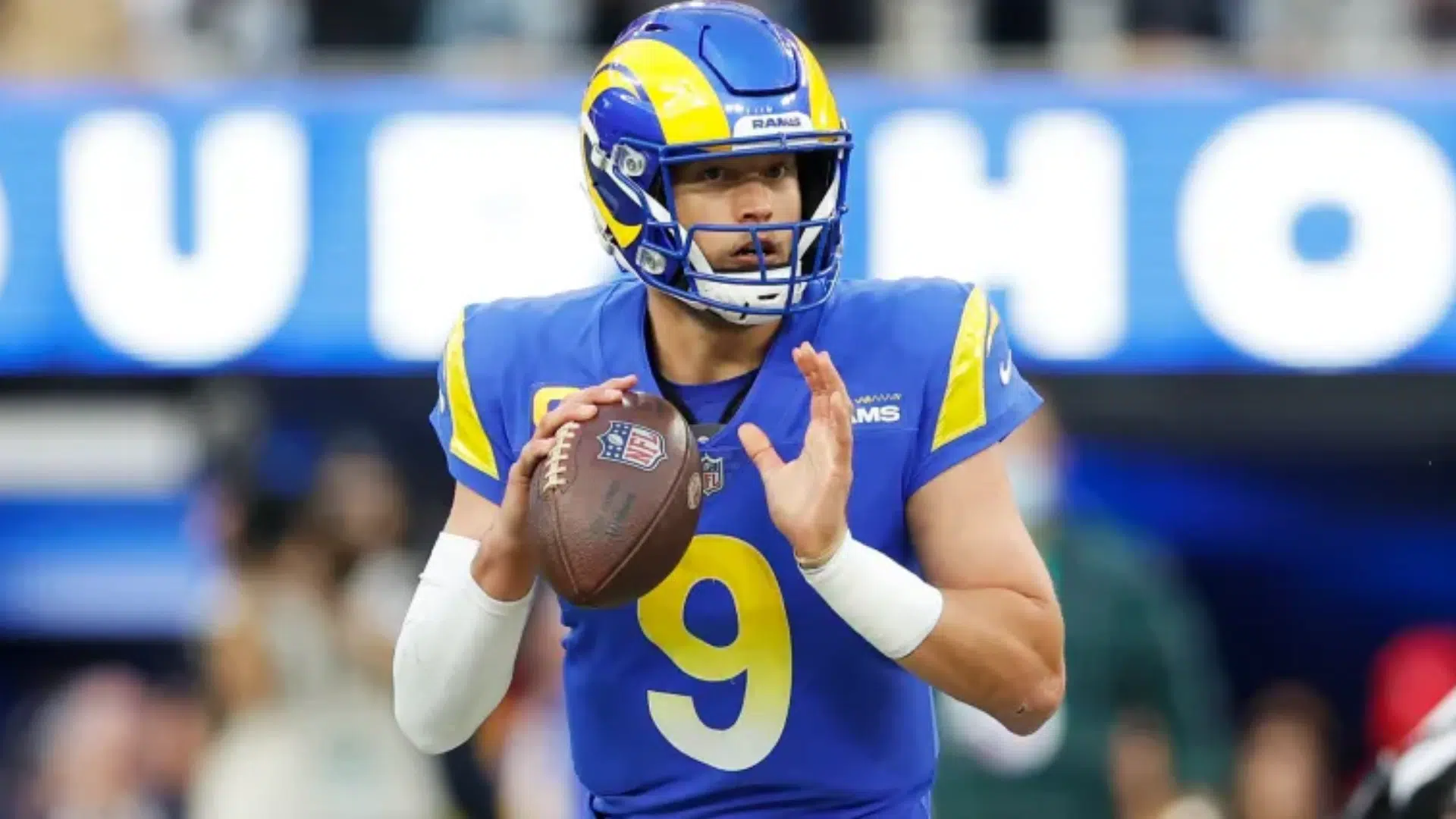
Matthew Stafford entered the league with elite arm strength and confidence. He handled heavy passing workloads early in his career.
Even on struggling teams, Stafford consistently produced strong yardage totals.
His toughness allowed him to play through injuries. Later in his career, Stafford proved he could win at the highest level. He demonstrated patience and improved decision-making.
His playoff success showed growth beyond raw talent. Stafford’s career reflects long-term development and resilience.
Key Achievements:
- 1 Super Bowl championship
- Over 56,000 passing yards
- High-volume passing seasons
- Strong playoff run
19. Jim Kelly
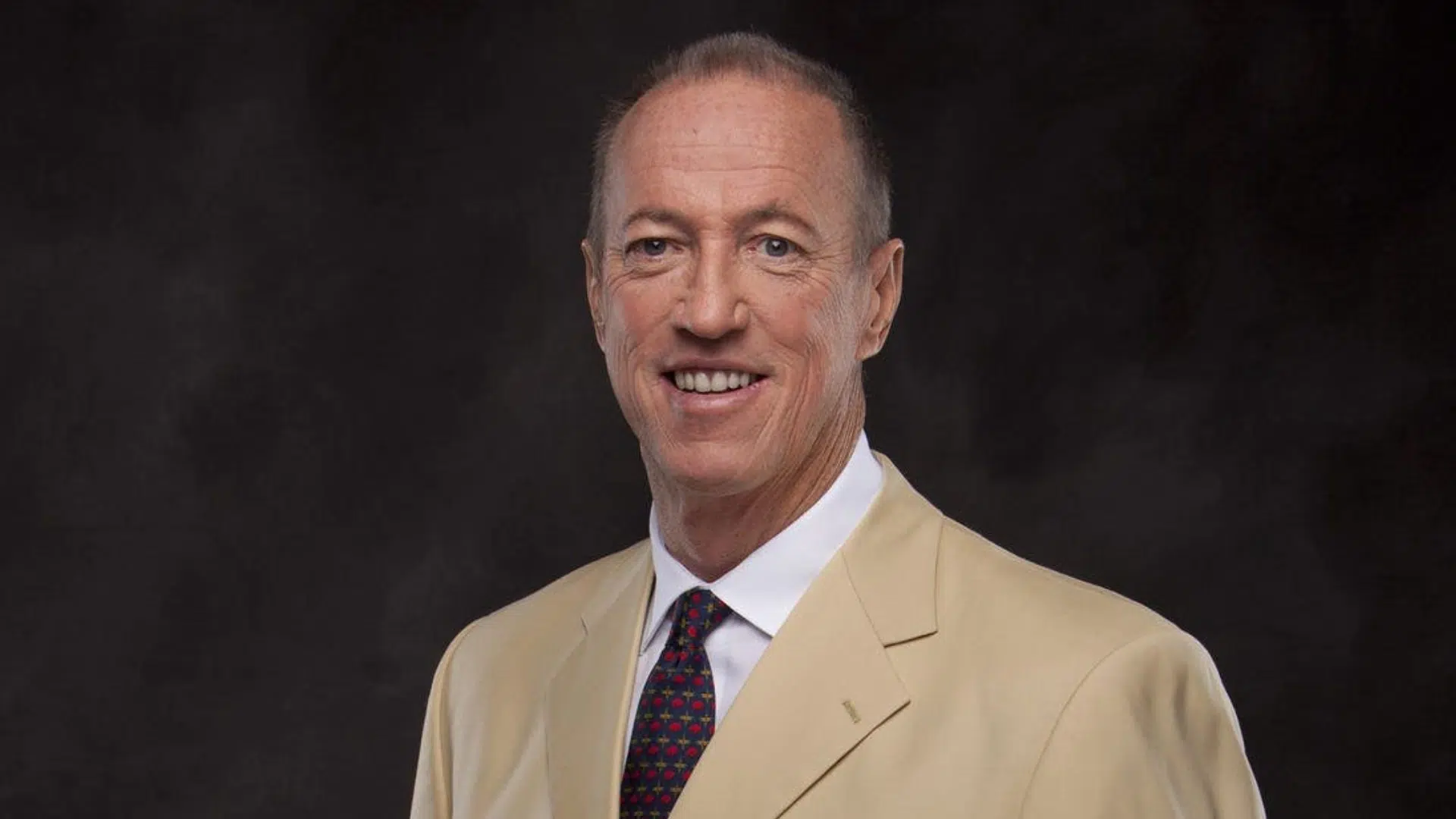
Jim Kelly was the leader of one of the most consistent offenses of his era. He thrived in a fast-paced system that stressed defenses.
Kelly’s toughness and command helped his teams reach the Super Bowl repeatedly.
He was dependable year after year. Kelly’s influence went beyond statistics. He directed offensive tempo and execution with precision.
His leadership kept teams competitive across multiple seasons. Sustained success defined his career.
Key Achievements:
- 4 Super Bowl appearances
- Hall of Fame career
- Offensive leadership
- Long-term consistency
20. Eli Manning
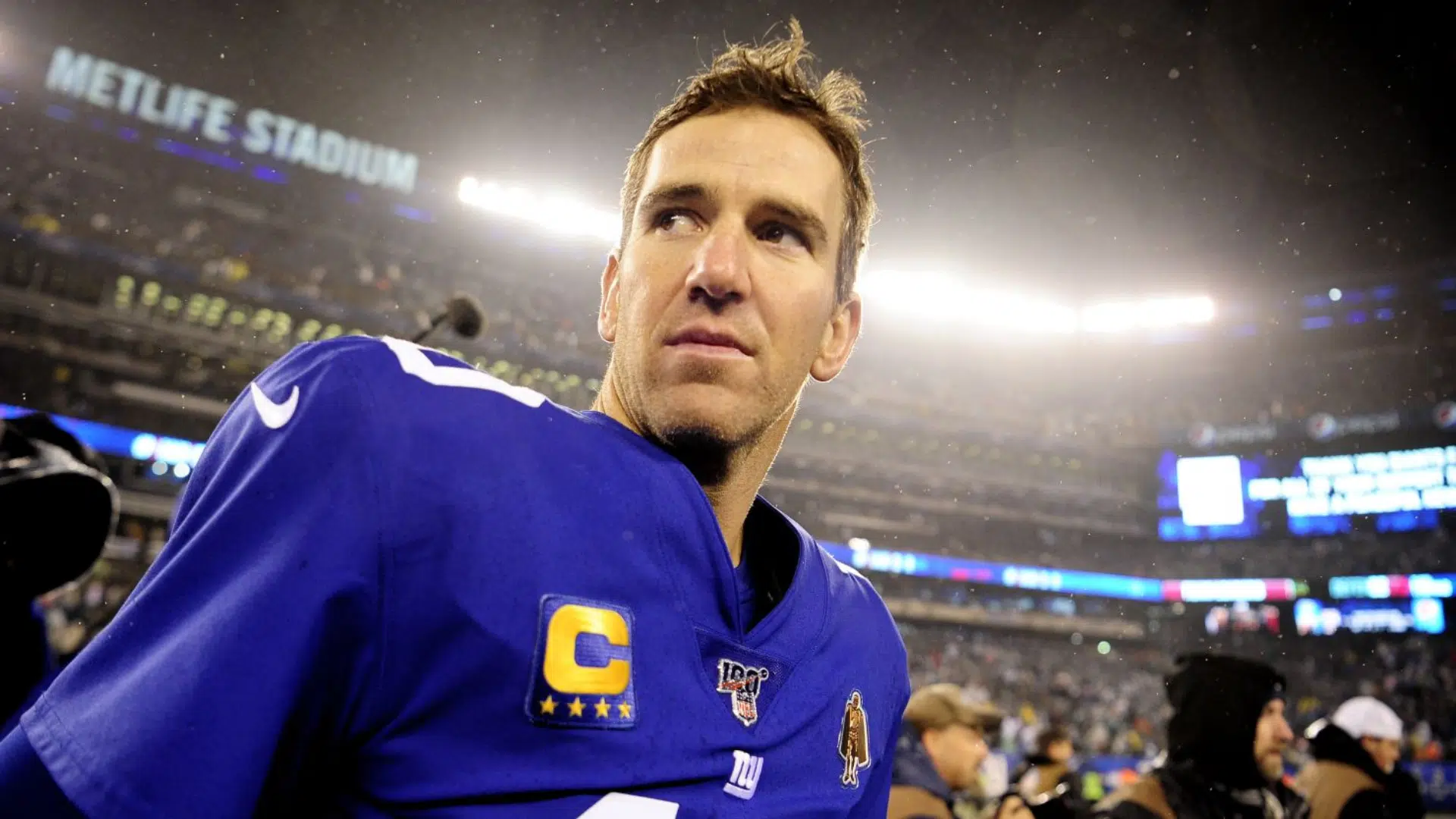
Eli Manning was known for composure rather than flashy play. His regular-season performance was often steady and controlled.
Manning avoided panic and maintained focus in pressure moments. This approach suited postseason football.
In the playoffs, Manning delivered some of the most memorable performances ever.
He defeated heavily favored opponents through precision and calm execution. His ability to rise in big moments shaped his legacy. Few quarterbacks matched his postseason poise.
Key Achievements:
- 2 Super Bowl championships
- 2 Super Bowl MVP awards
- Long-term franchise QB
- Iconic playoff wins
21. Philip Rivers
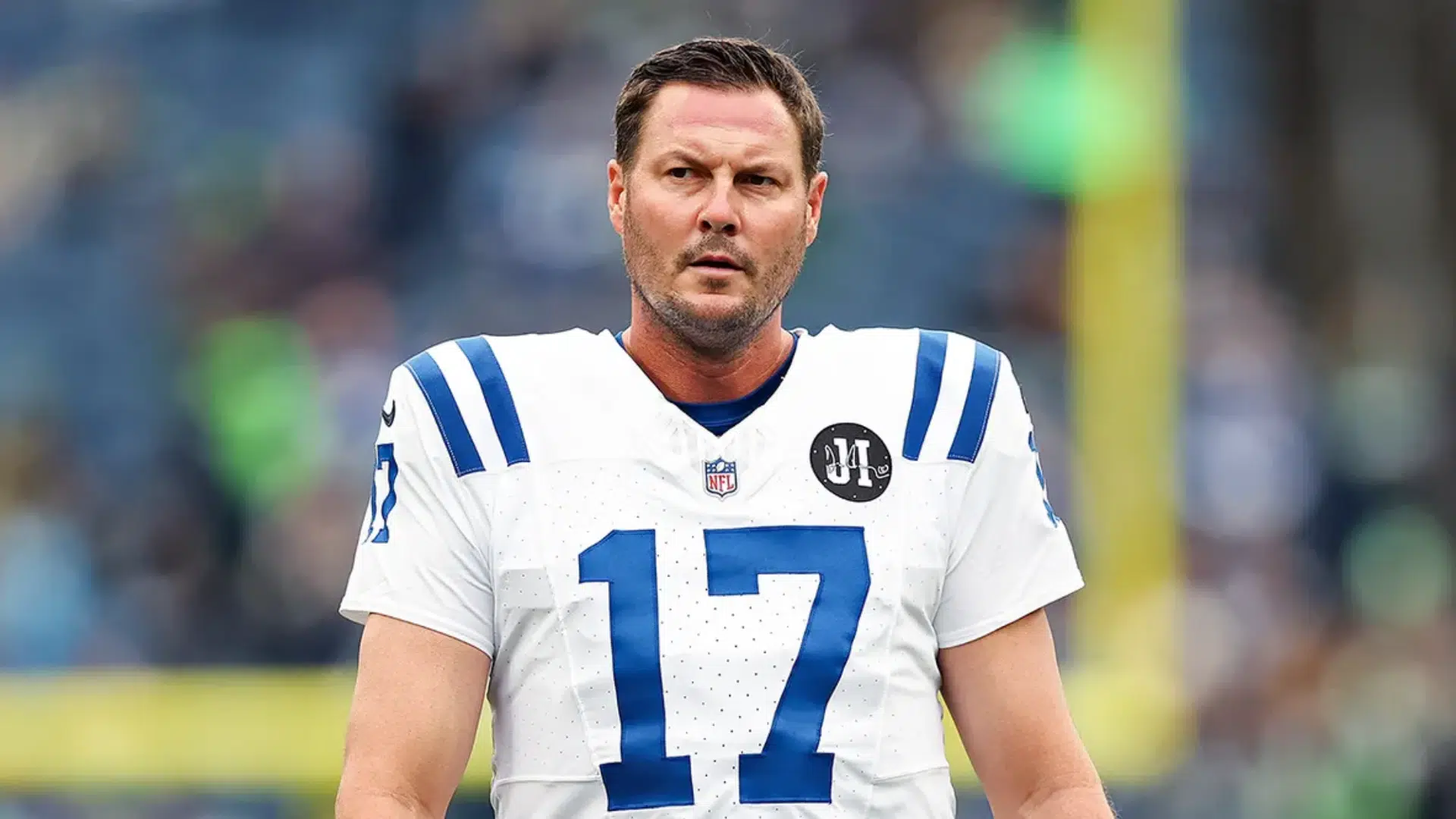
Philip Rivers was one of the most durable quarterbacks of his era. He played through injuries and rarely missed starts. Rivers combined accuracy with strong leadership.
His release and mechanics were unconventional but effective.
Over many seasons, Rivers produced elite passing numbers. He consistently ranked among league leaders in yards and touchdowns.
His competitiveness drove his teams. Longevity and productivity defined his career.
Key Achievements:
- Over 63,000 passing yards
- Multiple Pro Bowl selections
- Long career durability
- High-volume production
22. Warren Moon
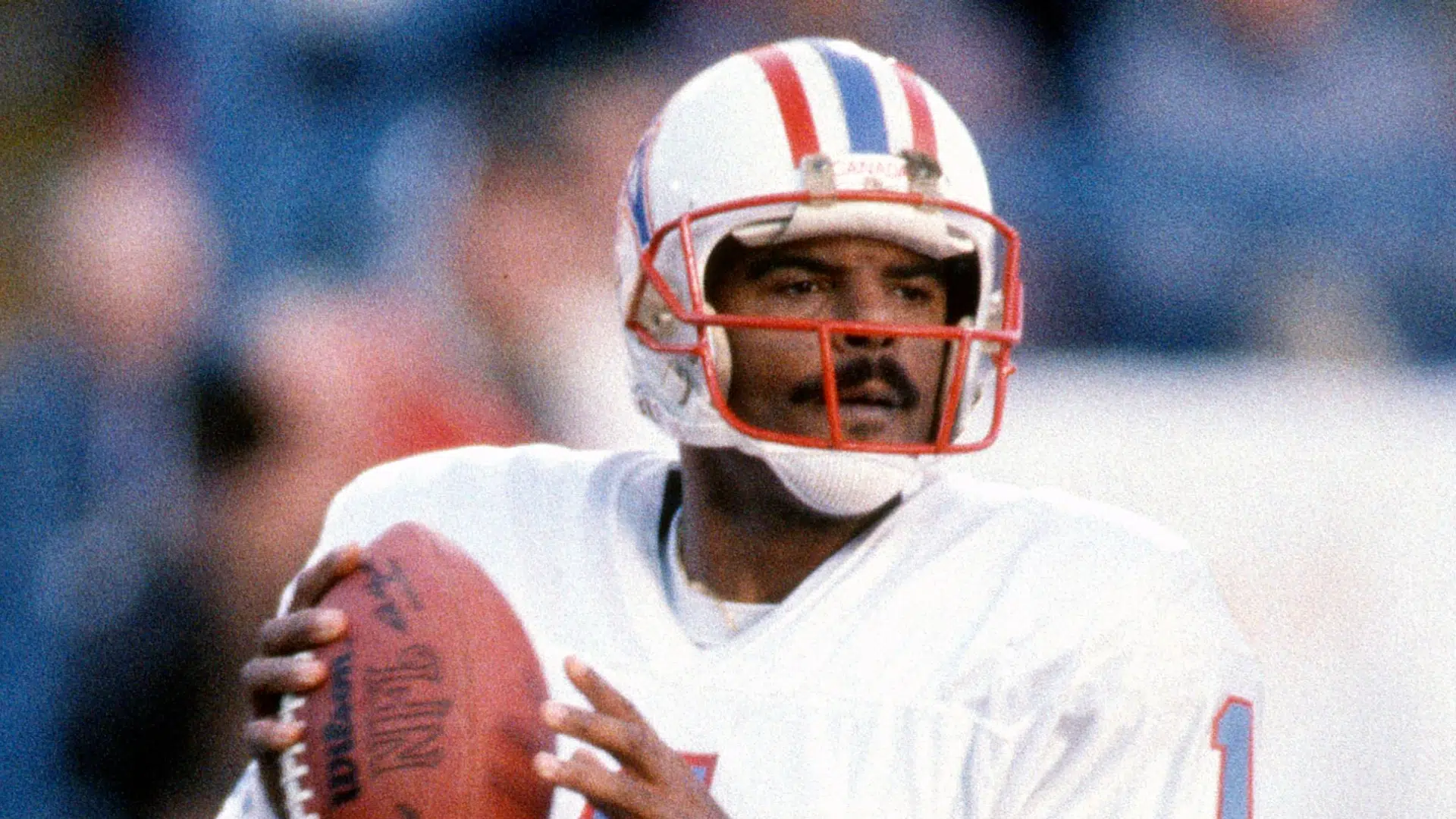
Warren Moon proved himself at every level of professional football. He displayed accuracy, anticipation, and leadership throughout his career.
Moon adapted well as offenses evolved. His consistency stood out across many seasons.
Moon’s success helped reshape opportunities for future quarterbacks.
He remained productive well into his later years. His professionalism and preparation were widely respected. His influence extended beyond the stat sheet.
Key Achievements:
- Over 49,000 NFL passing yards
- Hall of Fame career
- Long-term consistency
- Historic influence
23. Joe Namath
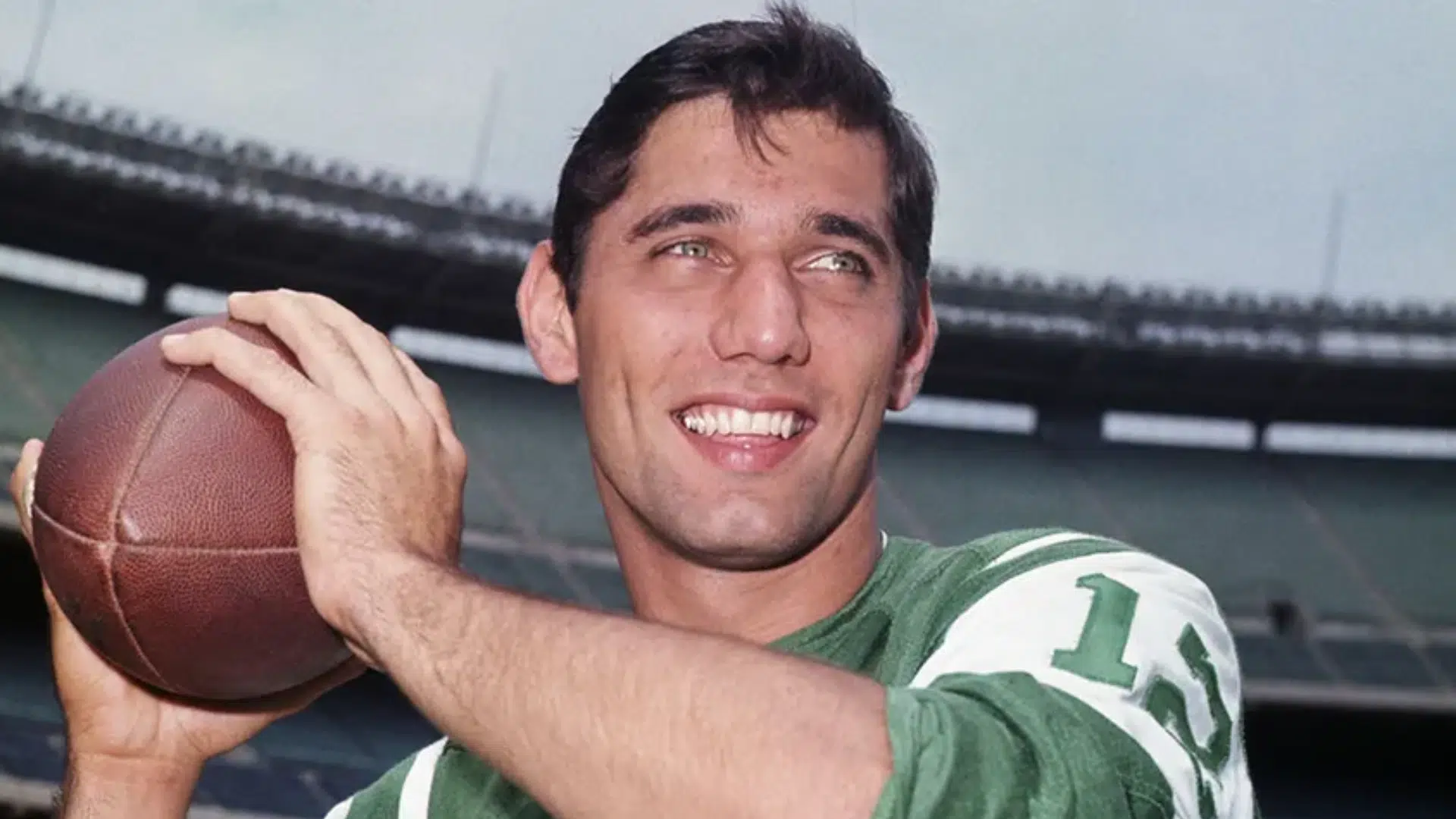
Joe Namath was a defining figure in professional football history.
He played with confidence and charisma rarely seen at the time. His willingness to throw aggressively changed offensive thinking. Namath brought attention and credibility to his league.
His Super Bowl performance cemented his legacy.
Namath’s impact went beyond numbers and wins. He influenced how quarterbacks were viewed culturally. His presence helped grow the sport.
Key Achievements:
- 1 Super Bowl championship
- Famous Super Bowl guarantee
- Passing milestones
- Cultural influence
24. Lamar Jackson
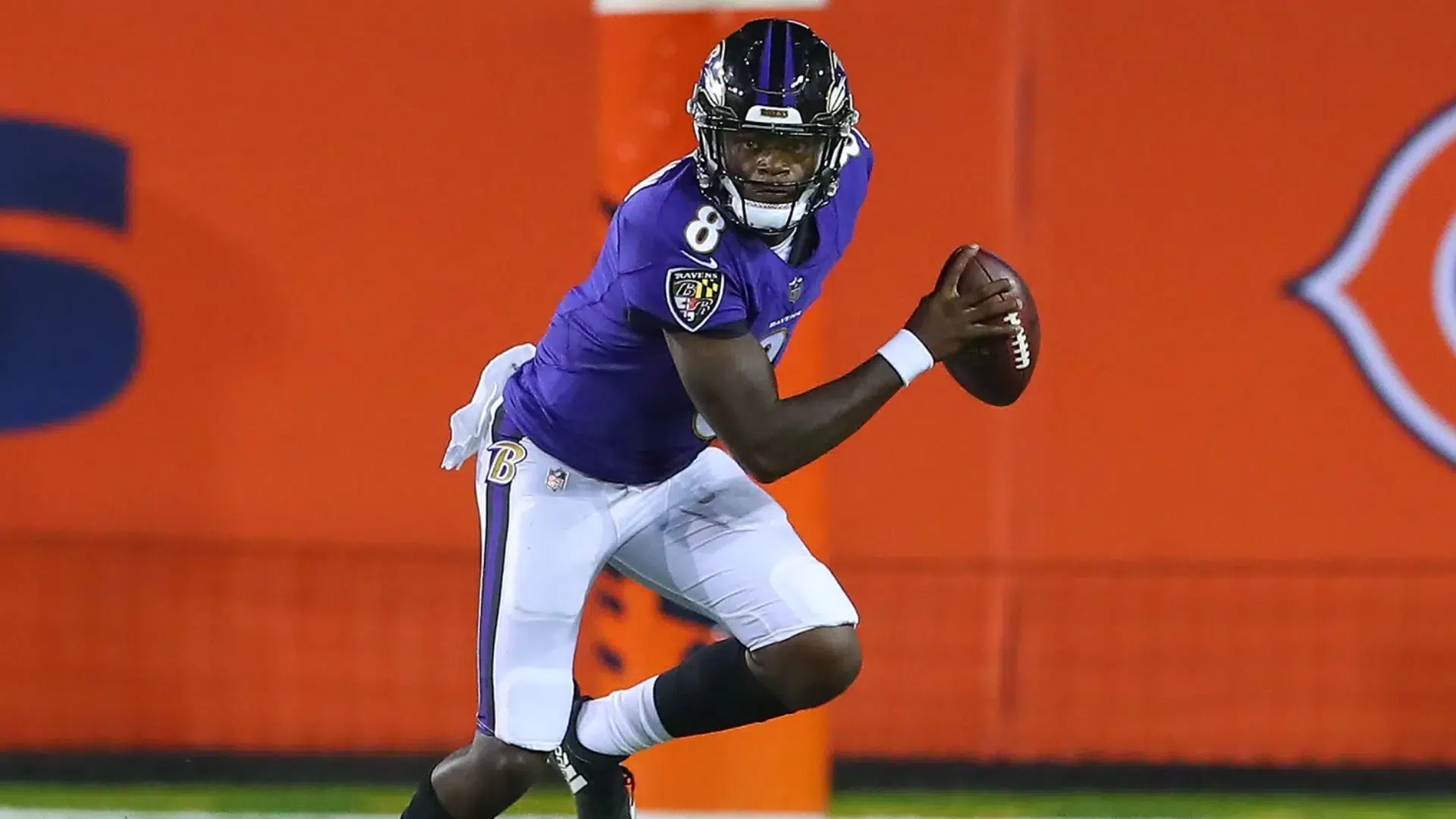
Lamar Jackson redefined offensive structure with his rushing ability. Defenses had to adjust their alignment and strategy to contain him.
I once saw a coach say that preparing for Jackson felt like planning for two players because of his speed and passing ability. That showed how much pressure he puts on defenses.
His vision and quick moves create constant mismatches, and he has improved as a passer each season.
His MVP year showed his full impact and influence on modern offense.
Key Achievements:
- NFL MVP award
- Record-breaking rushing stats
- Dual-threat dominance
- Offensive innovation.
25. Dak Prescott
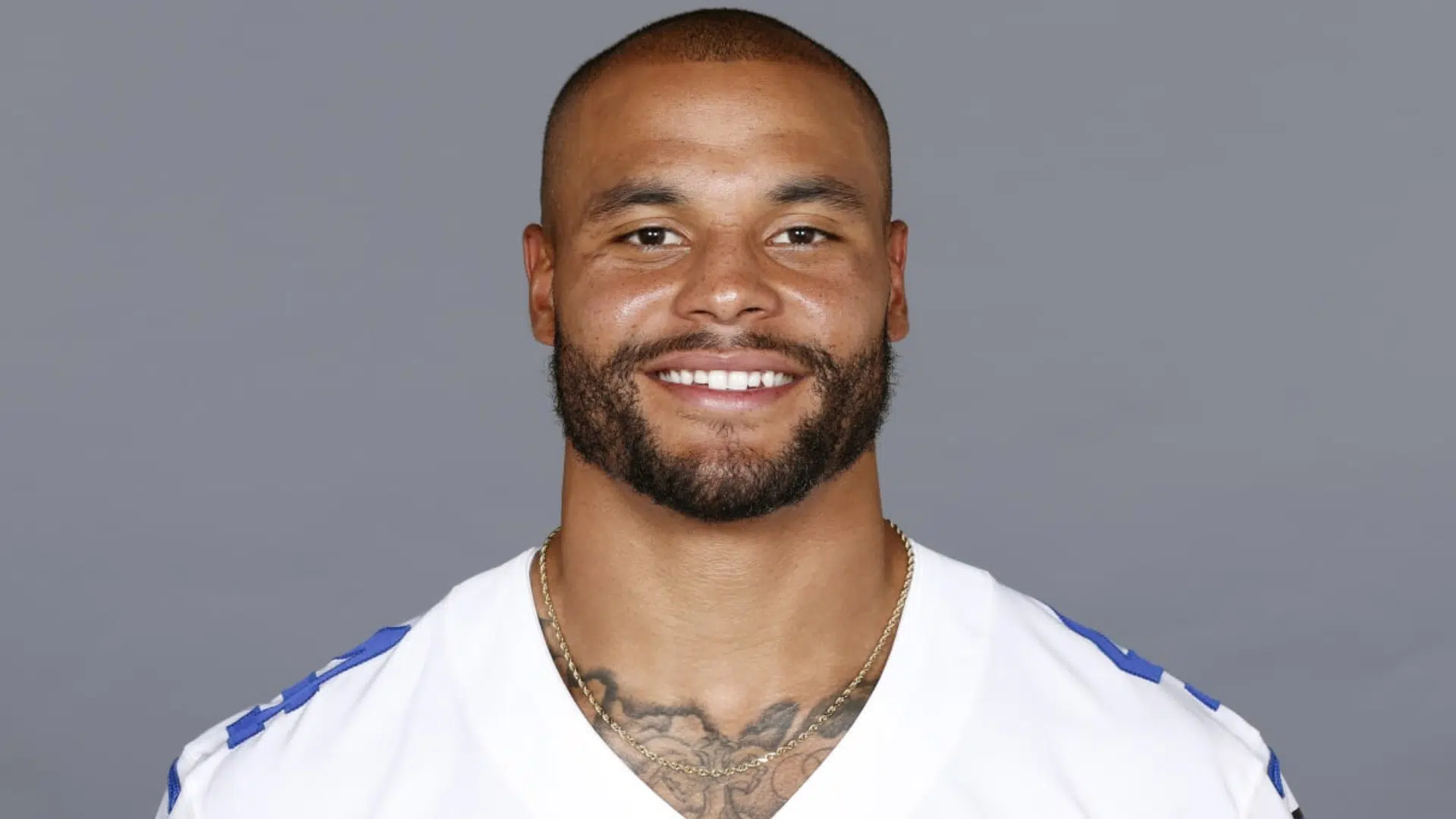
Dak Prescott became a franchise quarterback through preparation and leadership. He operated best in structured systems that emphasized timing.
Prescott consistently made sound decisions. His leadership stabilized his teams.
Over time, Prescott improved accuracy and command. He adapted to different offensive styles. His consistency kept his teams competitive. Reliability defines his career.
Key Achievements:
- Multiple Pro Bowl selections
- High completion seasons
- Team leadership
- Consistent starter
26. Cam Newton
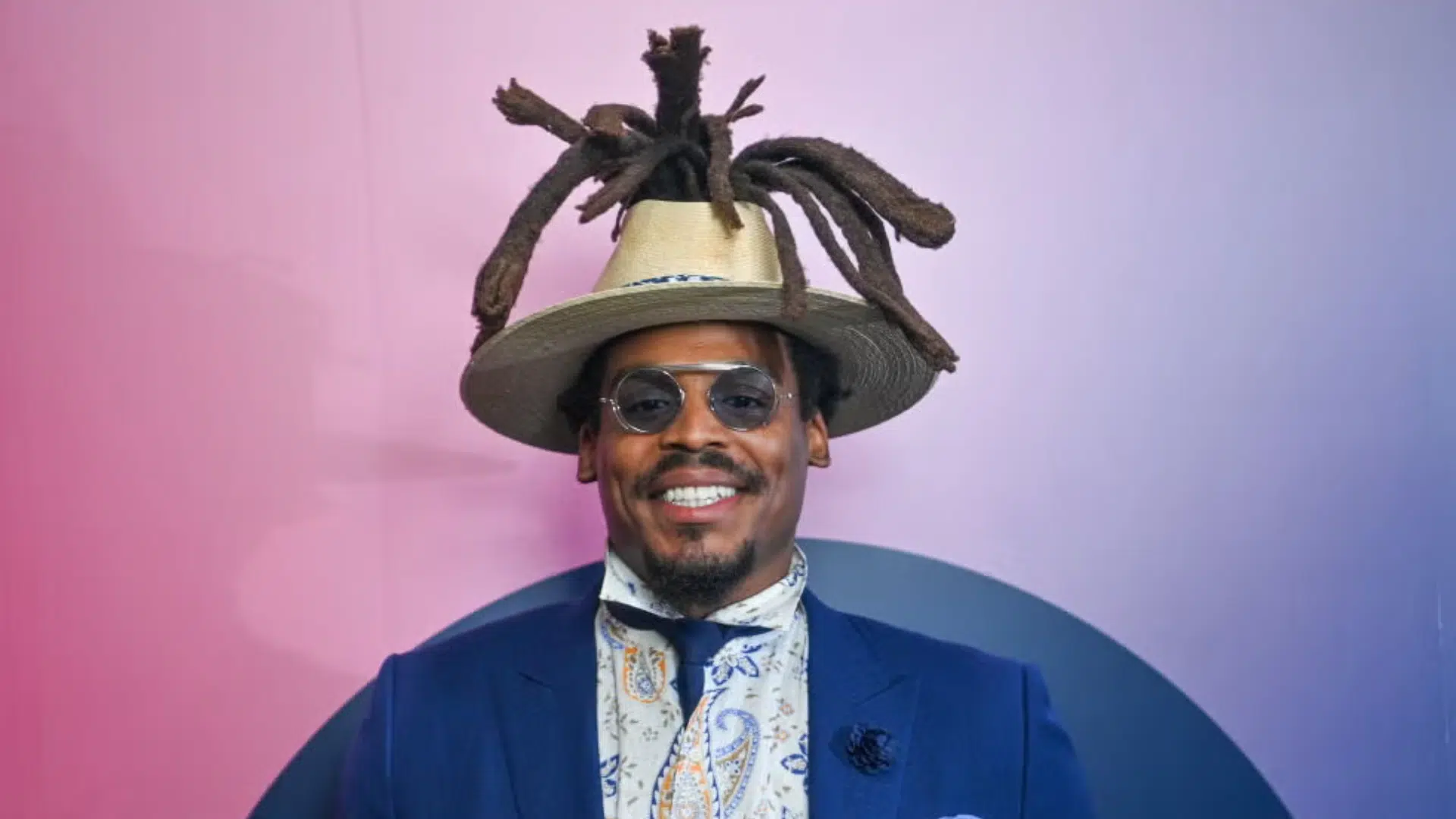
Cam Newton brought rare physical traits to the quarterback position.
His size and power made him difficult to defend. Newton stressed both the defense and the offense, as both a passer and a runner. His athleticism dominated games.
At his peak, Newton controlled entire offenses. His MVP season showcased his full skill set.
Injuries later affected his career trajectory. His influence on dual-threat quarterbacks remains strong.
Key Achievements:
- NFL MVP award
- Super Bowl appearance
- Rushing TD records
- Dual-threat success
27. Sonny Jurgensen
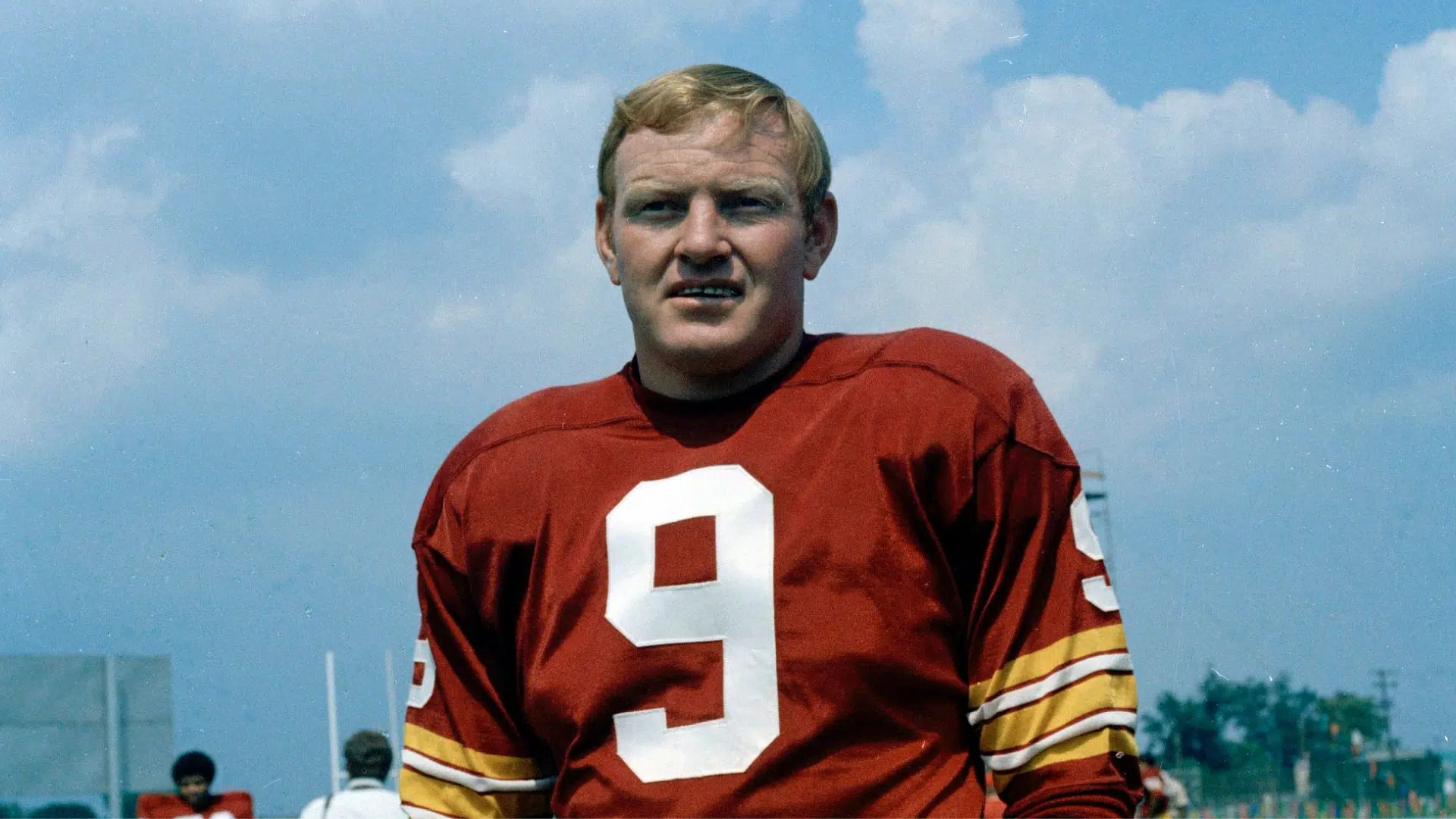
Sonny Jurgensen possessed elite arm talent and accuracy. He produced high efficiency numbers despite limited team success.
His mechanics and release were advanced for his era. Jurgensen consistently led passing categories.
His individual talent stood out among his peers.
Jurgensen proved that great quarterbacks could excel without strong rosters. His career is respected for skill and precision. Efficiency defined his play.
Key Achievements:
- Multiple passing titles
- Hall of Fame career
- High efficiency stats
- Elite arm talent
28. Ken Stabler
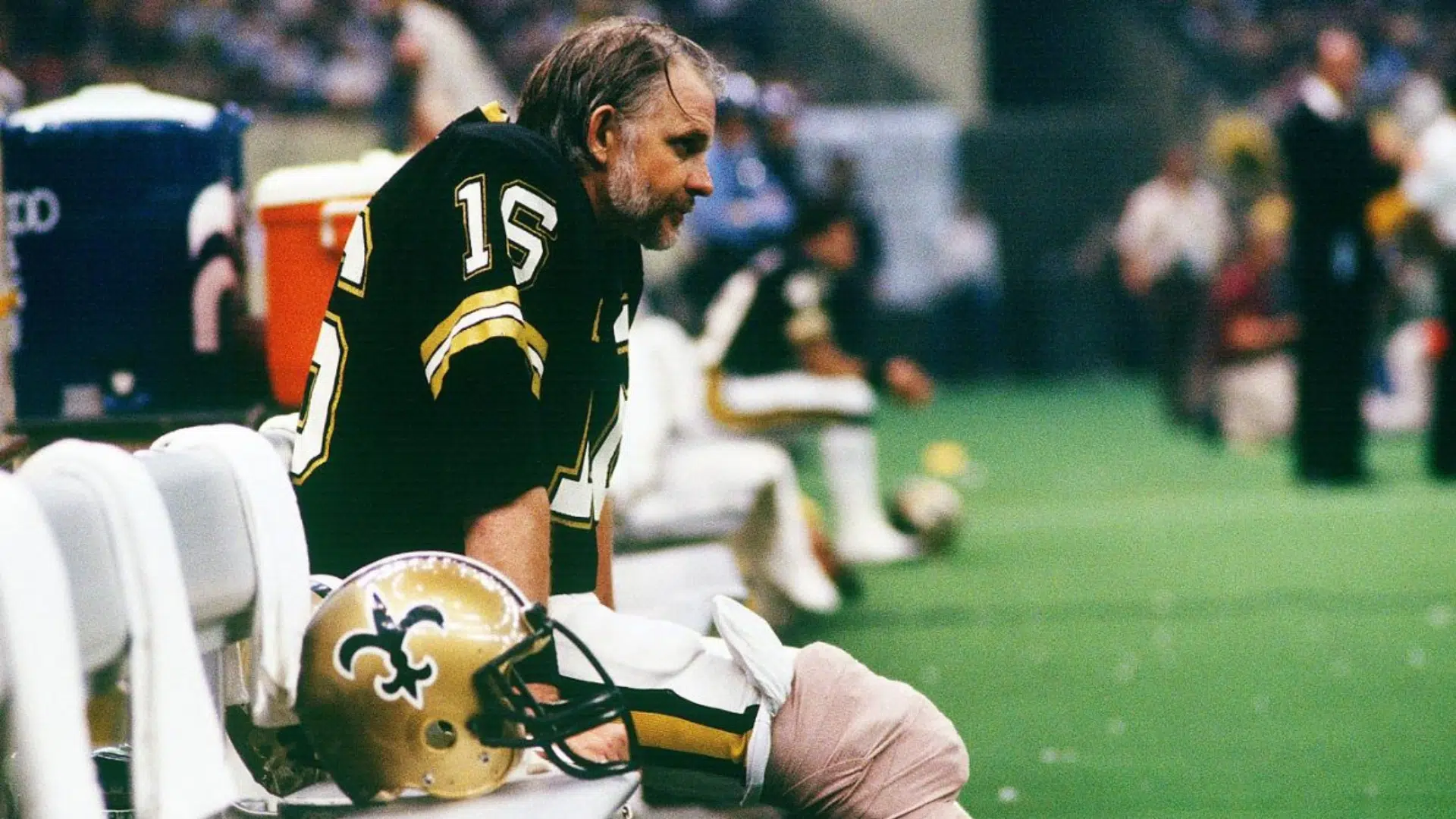
Ken Stabler was known for calm confidence in tight games. He excelled at reading defenses late.
Stabler delivered critical throws in high-pressure moments. His leadership was steady.
His postseason success reflected his composure. Stabler avoided mistakes when games tightened. Teammates trusted him completely.
His career is remembered for clutch execution.
Key Achievements:
- 1 Super Bowl championship
- NFL MVP award
- Strong playoff performances
- Leadership presence
29. Bob Griese
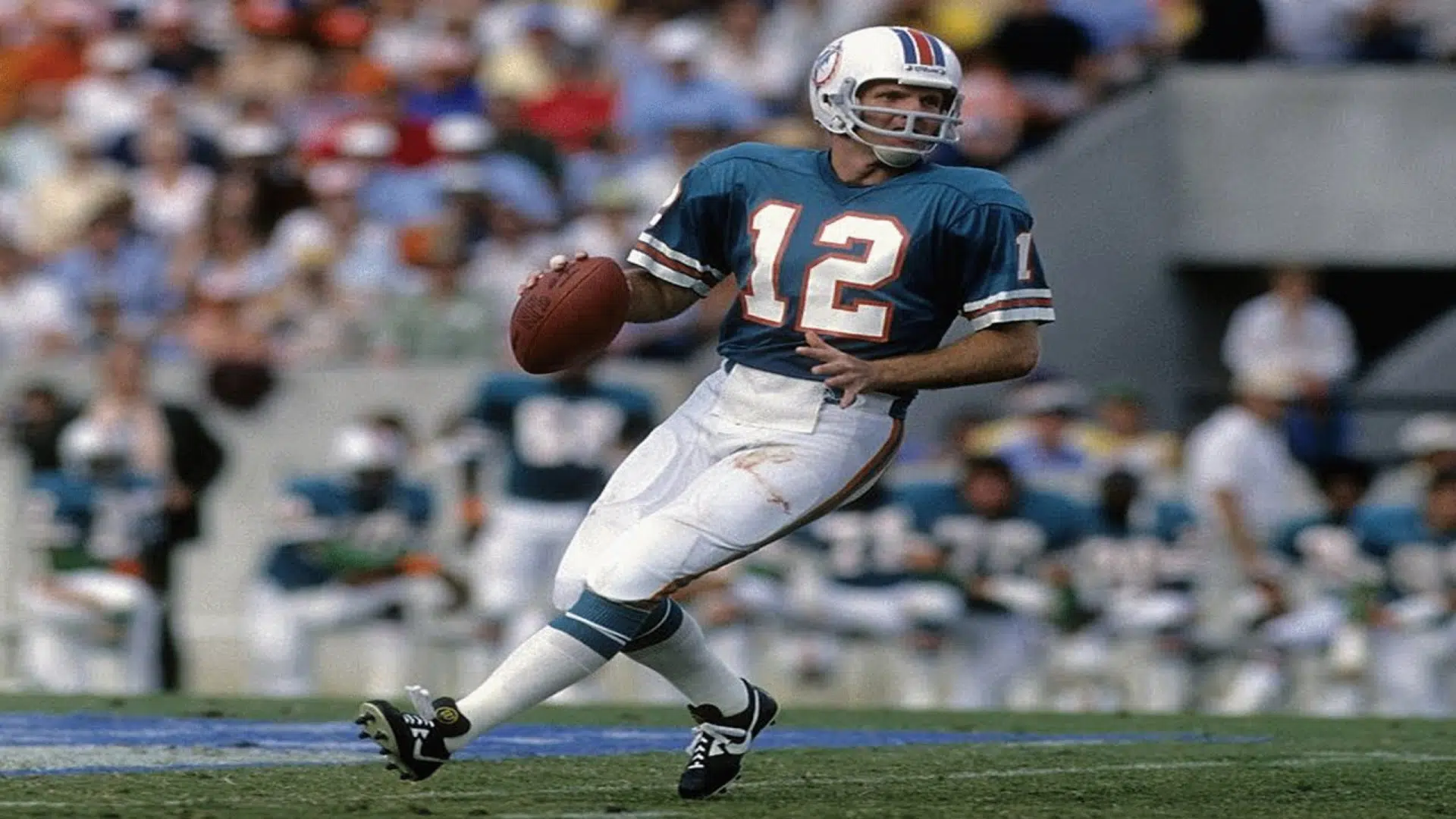
Bob Griese played within disciplined team systems and focused on efficiency and ball control. He avoided risky throws and managed games with patience.
I once saw a game recap showing how he calmly led long, controlled drives instead of chasing big plays.
That steady approach stood out. His style fit championship football, and his teams won through smart decisions and strong defense.
Winning with efficiency defined his career.
Key Achievements:
- 2 Super Bowl championships
- Hall of Fame career
- Strong win percentage
- Efficient play style
30. Y.A. Tittle
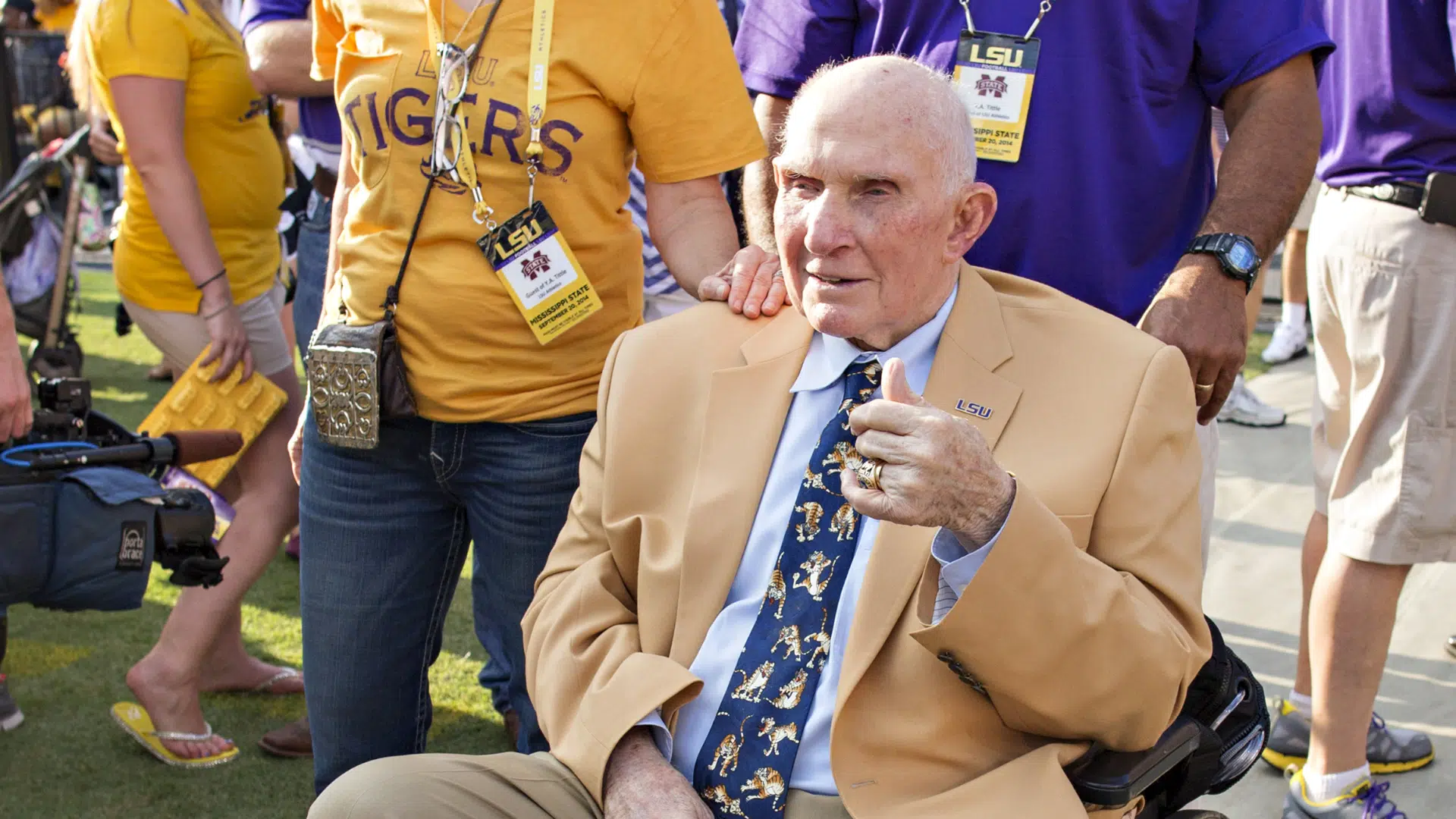
Y.A. Tittle thrived in an era dominated by physical defenses. He demonstrated toughness and leadership throughout his career.
Title adapted to evolving passing rules. His intelligence set him apart.
He led offenses with confidence and command.
Tittle’s production stood out despite era limitations. His influence shaped early quarterback play. Respect followed his career.
Key Achievements:
- NFL MVP award
- Era-defining records
- Hall of Fame career
- Veteran leadership
31. Jared Goff
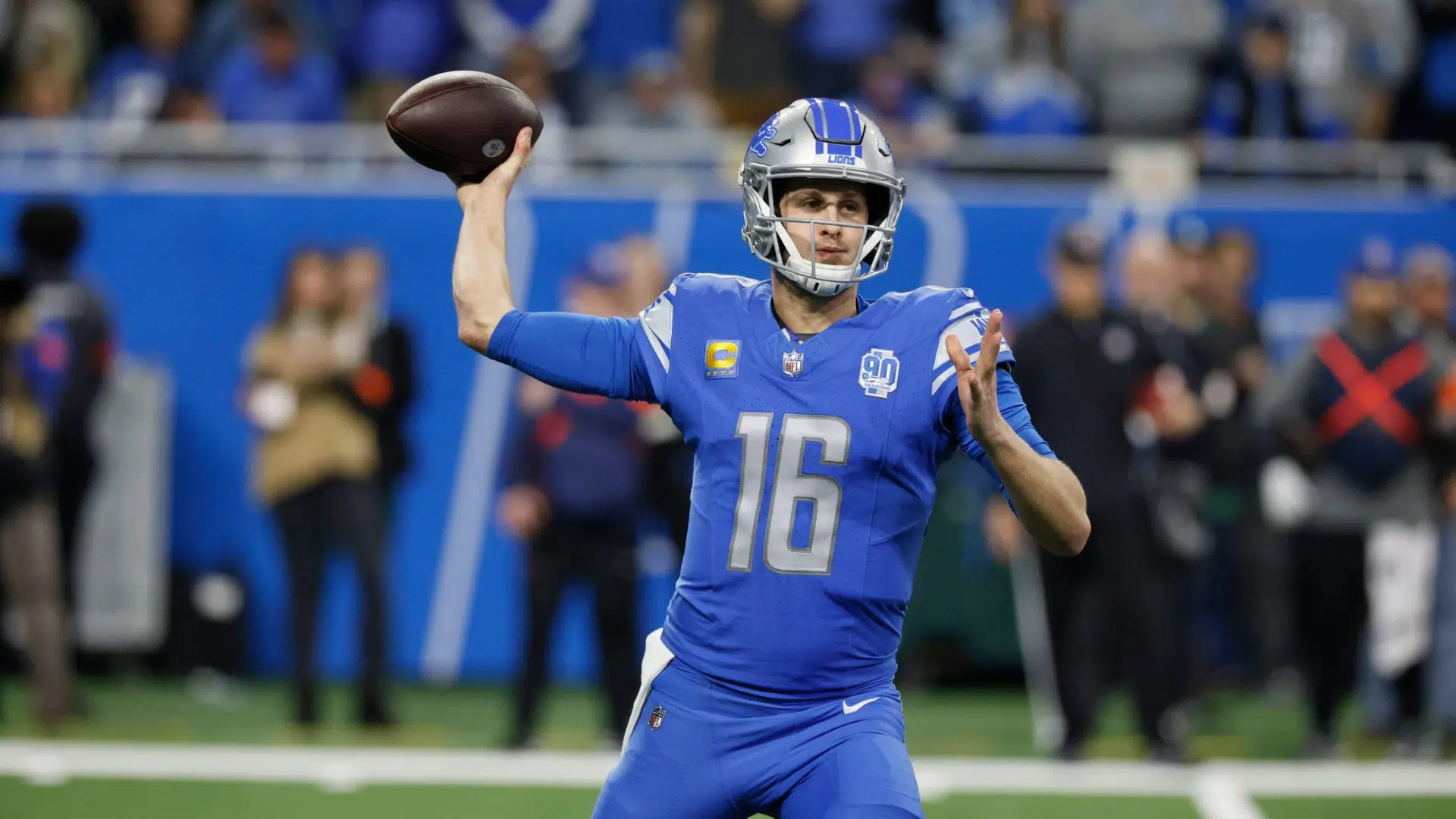
Jared Goff found success in structured offensive systems. He excelled with timing and rhythm-based passing. Goff led high-scoring offenses during peak seasons.
His accuracy improved with experience. He demonstrated adaptability across teams.
Goff adjusted to different coaching styles. His playoff appearances showed effective execution. System fit defined his success.
Key Achievements:
- Super Bowl appearance
- Multiple playoff runs
- High-yardage seasons
- Team success
32. Boomer Esiason
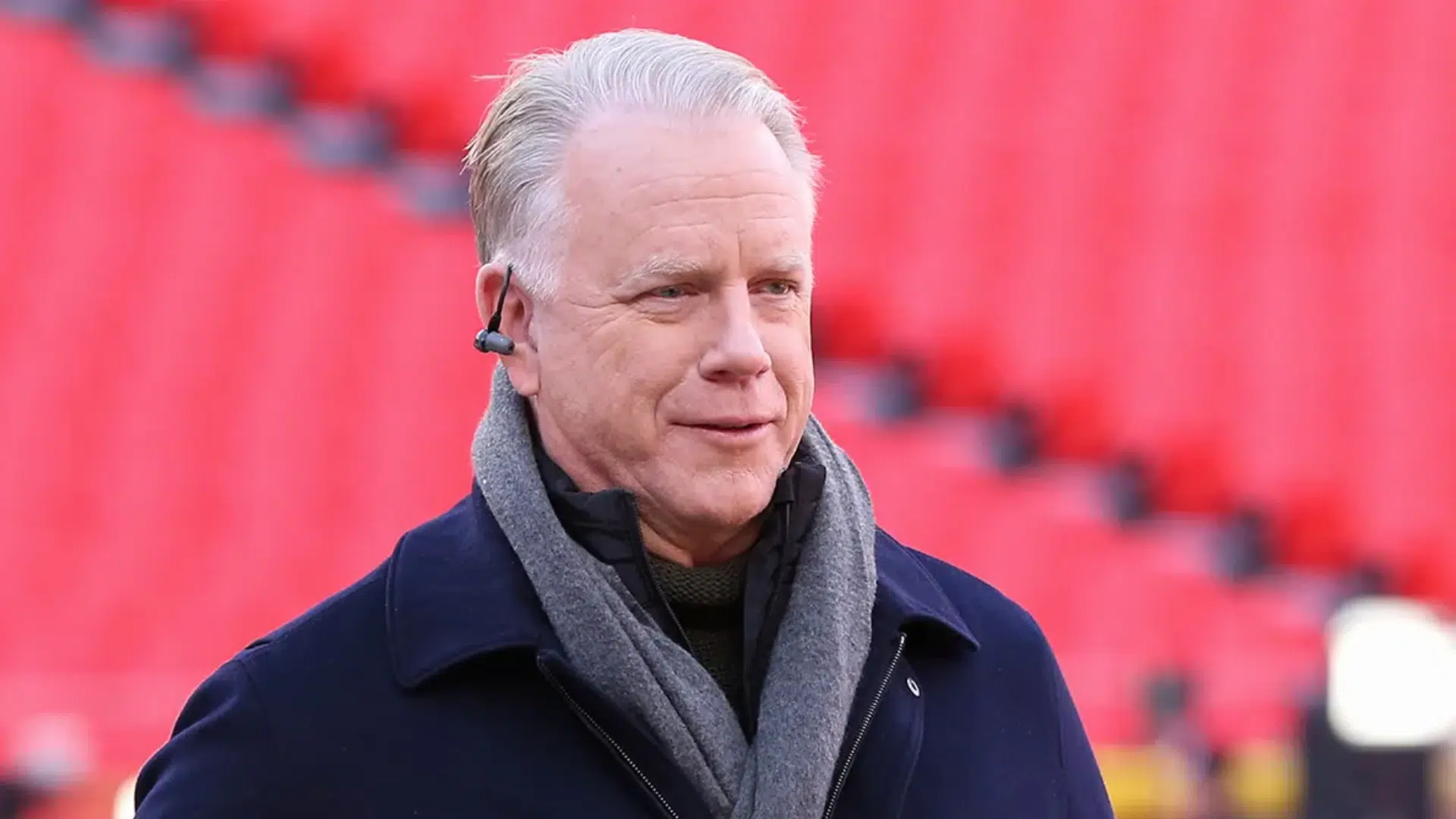
Boomer Esiason reached elite levels during his prime. He thrived in aggressive passing offenses. Esiason displayed strong anticipation and accuracy.
His MVP season highlighted his efficiency.
While his peak was shorter, it was impactful. He guided his teams deep into the postseason. Leadership and precision defined his best years. His career featured strong highs.
Key Achievements:
- NFL MVP award
- Super Bowl appearance
- Pro Bowl selections
- Strong passing efficiency
33. Tony Romo
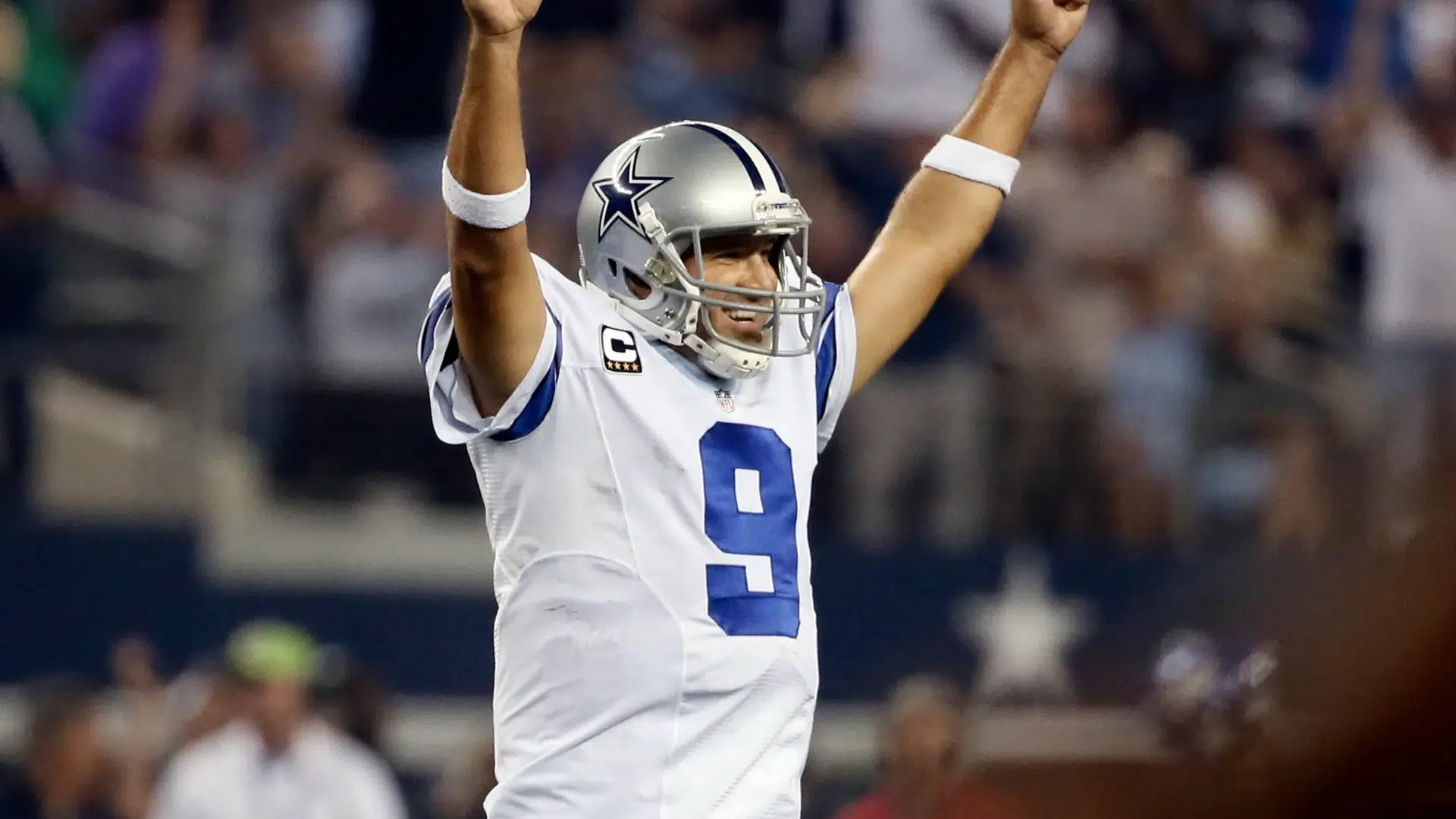
Tony Romo entered the league without expectations. He developed into a smart and creative quarterback. Romo read defenses quickly and extended plays.
His mobility added flexibility. Romo consistently elevated offensive production.
He carried heavy responsibilities late in games. His intelligence compensated for physical limitations. His career reflects growth and perseverance.
Key Achievements:
- Multiple Pro Bowl selections
- High passer ratings
- Franchise passing records
- Strong regular-season success
Statistical Comparison of All-Time and Top Great QBs
The numbers below give a quick look at how some of the greatest quarterbacks compare. These stats highlight championships, awards, and overall career production.
| Quarterback | Super Bowls | MVP Awards | Career Passing Yards | Career TDs |
| Tom Brady | 7 | 3 | 89,000+ | 649 |
| Peyton Manning | 2 | 5 | 71,000+ | 539 |
| Joe Montana | 4 | 2 | 40,000+ | 273 |
| Aaron Rodgers | 1 | 4 | 59,000+ | 475 |
| Drew Brees | 1 | 0 | 80,000+ | 571 |
Why Era Matters in the Best QB Debate?
Quarterbacks played under different rules, styles, and levels of defensive contact. These differences affect stats, wins, and how we judge greatness.
- Rule changes: Modern rules protect quarterbacks more, making passing safer and boosting completion rates and yardage totals.
- Defensive style: Earlier eras allowed more physical coverage and harder hits, which made consistent passing much tougher.
- Offensive schemes: Today’s spread systems create more passing chances, while older systems often relied heavily on the run.
- Training and conditioning: Modern players benefit from advanced training, nutrition, and recovery methods that extend careers.
- Statistical inflation: Higher passing totals today do not always mean better performance, but often reflect a pass-heavy league.
Conclusion
The best QB of all time debate will never truly end, and that ongoing discussion is part of what makes football so compelling.
Every era brings new styles, rule changes, and challenges that shape how the quarterback position is played.
Fans often connect most with the players they grew up watching, which keeps opinions divided and debates alive.
As the game changes, quarterbacks keep raising the bar and redefining what elite play looks like. Legends like Brady, Manning, Montana, and Rodgers set standards future QBs will chase.
Each mastered the position in a different way, blending leadership, skill, and consistency to leave a lasting mark on the league.
Now it is your turn, share your pick for the best QB of all time and join the debate.