
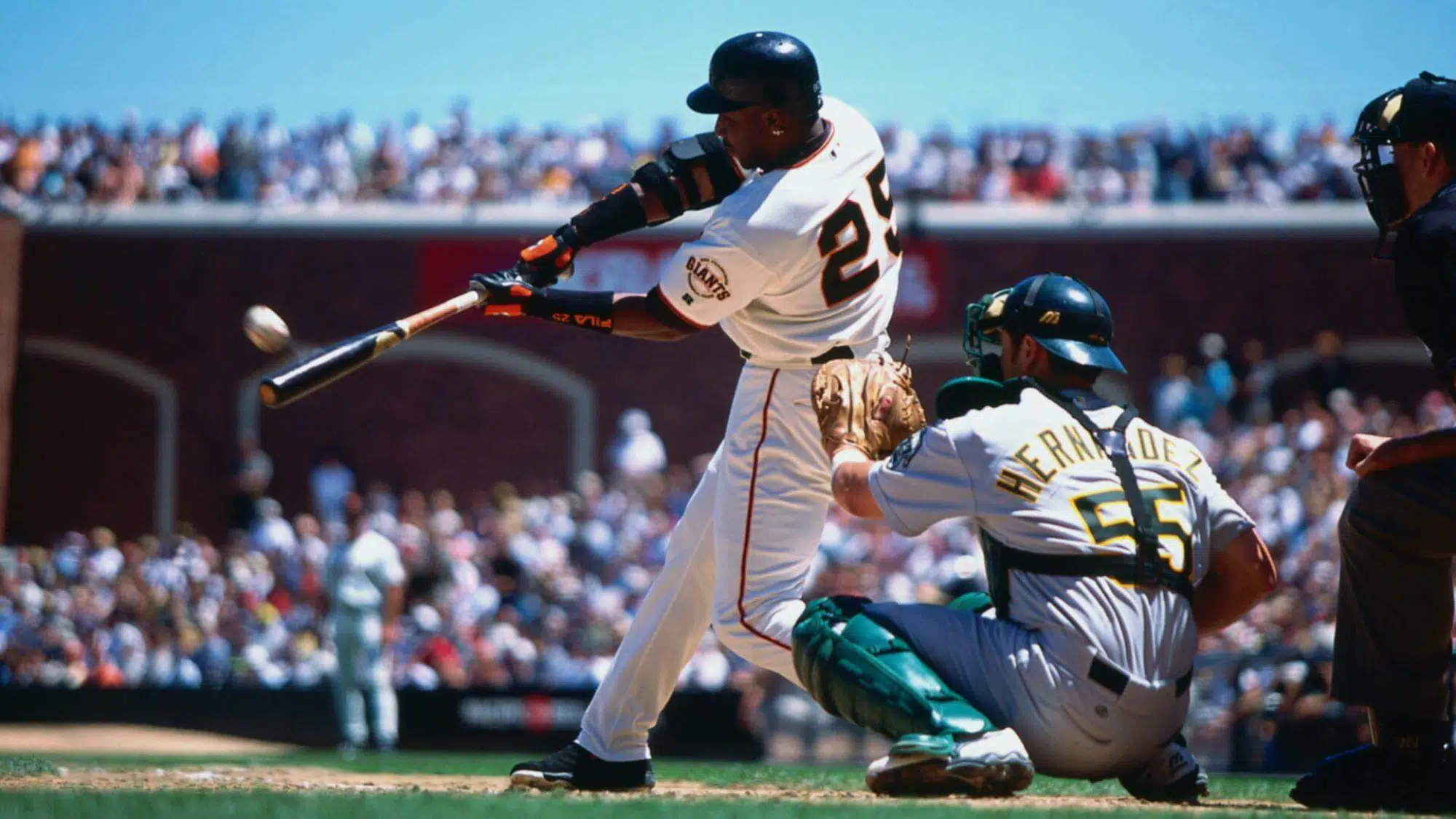
Baseball has a language of its own, and I know how confusing it can feel when you hear words that make no sense at first.
If you are new to the game or want a better grip on how people talk about it, this guide is for you.
And I put this together to help you follow games, understand stats, and enjoy baseball without having to guess what the terms mean.
In this article, I will share numerous baseball terms: common words, slang, and more, simply and clearly.You will find batting, pitching, fielding, base running, fielding terms, and game terms all in one place.
I wrote this so you can quickly learn, feel more confident, and talk baseball like you know the game.
What are Baseball Terms and Slang?
Baseball terms and slang are the words and phrases used to describe actions, plays, positions, and moments during a baseball game.
Some of these terms come directly from the official rules, while others developed over time through player talk, fan culture, and game commentary.
These words help players, coaches, announcers, and fans communicate clearly and quickly during games. For new fans, baseball slang can feel confusing at first, especially when watching live games or listening to commentators.
Learning these terms makes it easier to understand what is happening on the field and helps you enjoy the game with more confidence.
Baseball Batting Terms Used in the Game
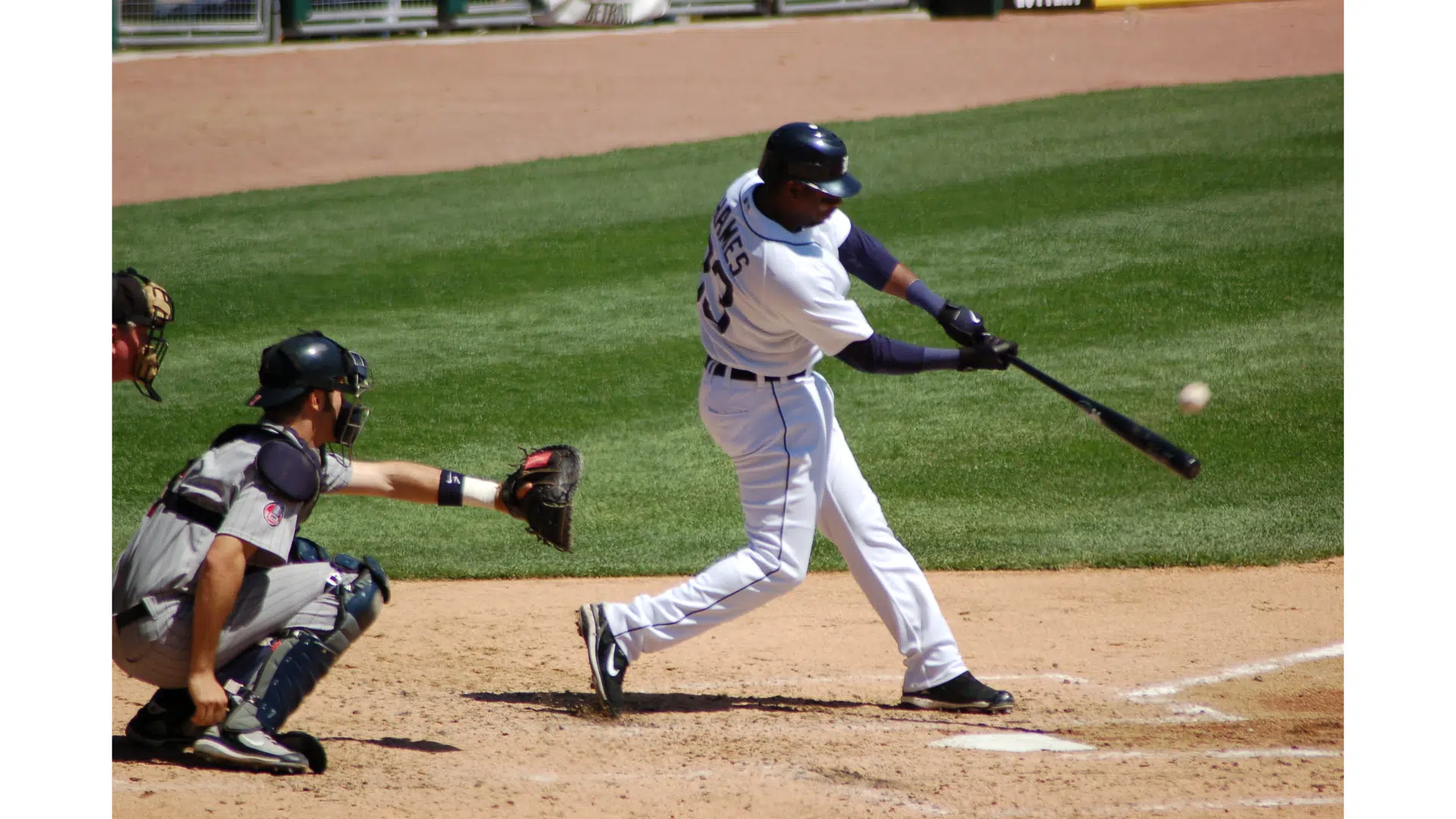
To begin, let’s go over some commonly used batting terms. These words are often used to describe player stats, game situations, or the actions a hitter goes through during a baseball game.
1. Ahead in The Count: A term that signifies whether the batter or pitcher possesses the advantage in an at-bat is “the count.” For example, “the batter is ahead in the count” or “the pitcher is ahead in the count.”
2. Barrel It Up: Refers to the action of hitting a pitch hard with the sweet spot of the baseball bat. This is called “squaring up” the ball.
3. Base Hit: A fair ball hit such that the batter can advance safely to a base without the aid of an error committed by the fielding team is called a “clean hit.”
4. Base Knock: Another term for hitting a single is “a base hit.
5. Bat Around: When each of the nine players in the lineup makes a plate appearance during a single inning, it is called a “batting around.”
6. Bat Flip: An action typically done by a batter to show off after hitting a home run. The batter will throw or flip their bat in the air in celebration. This is sometimes used to taunt the opposing pitcher or team.
7. Behind in The Count: For the batter, when the count contains more strikes than balls, it is referred to as being “in the hole.” For the pitcher, when the count contains more balls than strikes, it is said to be “ahead in the count.”
8. Big Fly: Another name for a home run is “round-tripper.”
9. Bleeder: A weakly hit ground ball that goes for a base hit.
10. Blistered: A ball that is hit extremely hard. “That ball was blistered!”
11. Blooper: A weakly hit fly ball that drops in for a hit, typically between an infielder and outfielder. Also called a “bloop single.”
12. Bomb: Another word for a home run.
13. Bunt: When a batter holds the baseball bat out and tries to lightly tap the ball instead of taking a full swing, the batter might do this to advance another base runner. This is called a “sacrifice bunt.”
14. Caught Looking: A term used when the third strike is called on a batter without the batter swinging at the ball is “called strike” or “looking strike.”
15. Checked Swing: A batter checks their swing by stopping it before the bat crosses the front of home plate.
16. Choke Up: A batter “chokes up” by sliding their hands up from the knob end of the bat to give them more control over the bat. This is typically done when the batter has two strikes against them.
17. Dead-Red: When a batter is waiting for or expecting a fastball to be thrown. “The batter is sitting dead-red here.”
18. Dinger: Another name for a home run.
19. Don’t Rub It: When a pitch hits a batter, a common phrase to yell at them is “Don’t rub it!” referring to the spot on their body where the ball hit them.
20. Double: When a batter hits the ball safely in fair play and reaches second base.
21. Drop a Bunt Down: When a batter stays in their batting stance until the last possible second before the ball reaches the plate, then quickly bunts the ball in an attempt to bunt for a base hit.
22. Find a Gap: Also known as a “gap shot,” to get a base hit by hitting the ball in the gap between outfielders.
23. Find a Hole: To get a base hit by hitting the ball between infielders.
24. Fishing: When a batter swings at a pitch that is out of the strike zone, they are said to have gone “fishing” for it.
25. Fly Ball: A baseball that is hit high into the air. Also called a “pop fly.”
26. Foul Ball: A baseball that is hit outside the field of play.
27. Frozen Rope: A hard-hit line drive.
28. Full Count: A count of three balls and two strikes. Another strike results in a strikeout, while another ball results in a walk.
29. Fungo Bat: A lightweight bat with a long, skinny barrel used by coaches to hit ground balls or fly balls during practice.
30. Going Yard: To hit a home run.
31. Golden Sombrero: When a player strikes out four times in one game.
32. Golfing: Swinging at an obviously low pitch, especially one in the dirt.
33. Ground Ball: A baseball that is hit on the ground. Also called a “grounder.”
34. Hack: To take a big swing at the ball. Sometimes called a “daddy hack.”
35. Hard 90: Running hard to first base out of the batter’s box. The distance between each base is 90 feet.
36. Hat Trick: When a player strikes out three times in one game.
37. Hit and Run: A baseball play where the baserunner starts to run as soon as the pitch is released.
38. Jack: Another term for a home run.
39. Launch Angle: The vertical angle at which the ball leaves a player’s bat after being struck.
40. Lead Runner: The baserunner closest to home plate on the base paths when more than one runner is on base.
41. Left on Base: A baserunner is said to be left on base, or stranded, when the half-inning ends and they have not scored or been put out.
42. Line Drive: A ball that is hard-hit and appears to travel in a straight line.
43. Lineup: The batting order, which also lists each player’s defensive position.
44. Locked Up: When a batter gets a pitch in on the hands that makes it impossible to swing effectively or at all, they are said to have gotten “locked up.”
45. Long Strike: A long foul ball that is usually close to being fair and would typically be a home run if it were fair.
46. Lumber: A wooden baseball bat.
47. Mendoza Line: A batting average of .200, named after Mario Mendoza.
48. Moonshot: A towering fly ball, typically used when a player hits a home run.
49. O-Fer: When a batter goes hitless in a game, they are said to have had an O-fer, as in going 0-for-3.
50. On-Deck: The next batter due up after the current batter.
51. Pinch Hitter: A substitute batter, commonly used in the National League when it is the pitcher’s turn to bat.
52. Pine Tar: A sticky substance most commonly used by batters to improve their grip on the bat.
53. Rake: A term used to describe a player who hits well to all parts of the field.
54. Ribbie: An RBI, or “run batted in,” is a run scored as a result of a hit.
55. Shot: Another name for a home run or a hard-hit ball. “That was a shot!”
56. Single: When a player hits the ball safely in fair play and only reaches first base.
57. Slugger: A player who commonly hits with great power.
58. Strike: When a batter swings at a pitch but fails to hit it.
59. Strike Out: The throwing of three strikes in one plate appearance. This usually retires the batter and counts as one out.
60. Strike Zone: The area above home plate where strikes are called. The pitch must be over home plate, above the batter’s knees, and below the middle of the torso. Commonly described as “above the knees and below the letters.”
61. Sweet Spot: A spot on the barrel of the bat that is ideal for hitting the ball and produces the most solid contact possible.
62. Switch-Hitter: A player who can hit from both the left and right sides of the plate.
63. Tater: Another term for a home run. “let’s go slap some taters.”
64. Texas Leaguer: A softly hit ball that lands fair in the outfield, usually just out of reach of an infielder moving into shallow outfield to try to make the catch.
65. Tied Up: When a batter gets a pitch in on the hands that makes it impossible to swing, they are said to be “tied up.”
66. Touch ’em All: A term sometimes used when a player hits a home run.
67. Triple: When a player hits the ball safely in fair territory and reaches third base.
68. Ugly Finder: A hard-hit ball that hits or almost hits someone, especially a line-drive foul ball into a dugout.
69. Upper Decker: A home run that lands in a stadium’s upper deck seating is called an “upper deck home run” or an “upper decker.”
70. Warning Track Power: When a batter hits a fly ball that is caught on the warning track or lands just short of a home run, they are said to have “warning track power.”
71. Wheelhouse: A hitter’s power zone is usually called their “wheelhouse.” This is the area in the strike zone where a hitter prefers the pitch to be thrown.
72. Yak: Another term for a home run.
73. Yiketty: Another term for a home run, made popular by Chipper Jones and sometimes used with “yak,” as in “yiketty yak.”
Baseball Pitching Terms
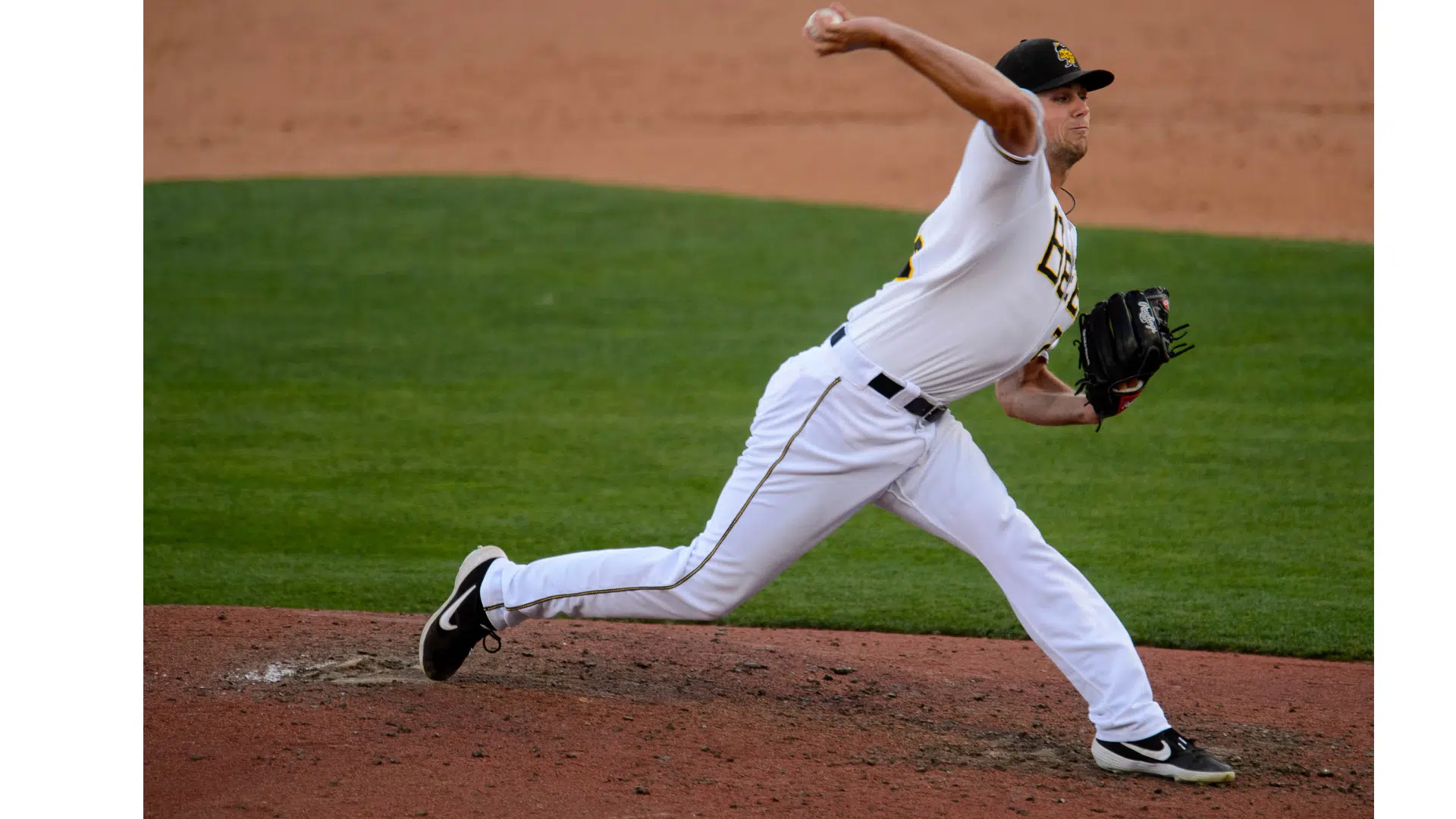
Like batting, baseball uses many terms to describe different aspects of pitching. These terms come up when discussing a pitcher’s actions, game situations, or statistics during a game.
74. 1-2-3 Inning: An inning in which a pitcher faces only three batters and none of them reach base. also called a “three up, three down” inning.
75. Ace: The best starting pitcher on the team, who is usually first in the pitching rotation.
76. Backwards K: When a batter strikes out looking at the final pitch without swinging, it is known as a backwards K.
77. Balk: Any pitching motion that violates baseball rules and results in all runners on base advancing one base.
78. Battery: The battery consists of two baseball players: the pitcher and the catcher. A pitcher and catcher on the same team are known as “battery mates.”
79. Beaning: When a pitcher intentionally throws a pitch to hit the batter, it is called “beaning” a hitter. “the batter got beaned on that pitch.”
80. Bender: A pitch that breaks sharply downward as it reaches the plate.
81. Blown Save: A blown save (BS) happens when a relief pitcher, usually the closer, enters a save situation and allows the tying run to score.
82. Breaking Ball: A pitch thrown with movement, usually sideways or downward. There are different types of breaking balls.
83. Changeup: A slow pitch that is meant to look much faster. There are different types of changeups.
84. Chin Music: A pitch thrown high and inside to move the batter off the plate.
85. Closer: A relief pitcher who is consistently used to close or finish a game by getting the final outs.
86. Curveball: A pitch that curves or breaks from a straight or expected path as it travels toward home plate.
87. Dropped Third Strike: A dropped third strike occurs when the catcher fails to catch a pitch that is strike three cleanly.
88. Fastball: The most commonly thrown pitch in baseball. It is thrown with the goal of high speed, and there are several different fastball variations.
89. Framing a Pitch: Refers to the positioning and movement of the catcher’s mitt and body when catching a pitch to make it look like a strike to the umpire.
90. Gas: Another term for a fastball. “this pitcher is throwing gas.”
91. Hanger: A poorly placed off-speed pitch that seems to hang in the air, usually right down the middle of the strike zone, and can be easily hit by the batter.
92. Heat(er): Another term for a fastball. “this pitcher is throwing heat.” “that pitch was a heater.”
93. Intentional Walk: When the defending team chooses to intentionally walk a batter, putting him on first base instead of letting him hit.
94. Live on The Corners: A pitcher is said to “live on the corners” when they consistently make pitches on the inside or outside corners of home plate.
95. Meatball: When a pitcher is throwing extremely easy pitches to hit. “This pitcher is throwing meatballs!”
96. Middle Reliever: A relief pitcher who is typically brought in during the middle innings (the 4th, 5th, or 6th).
97. No-Hitter: a Game in which one team does not get any hits; a rare feat for a pitcher, especially at the Major League Level. Also called a “no-No.”
98. Off-Speed Pitch: A pitch that is significantly slower than a given pitcher’s fastball, typically a curveball or some changeup.
99. On The Bump: This phrase is used when talking about a pitcher on the mound.
100. Paint the Black: This refers to a pitcher throwing strikes that cross the zone right on the edge of the black border of home plate. “This pitcher is really painting the black.
101. Pitch Around: When the pitcher does not throw a pitch near the plate to walk the batter without an intentional walk.
102. Pitch Out: A pitch that the batter cannot hit. used to intentionally walk a batter or try to catch a base stealer.
103. Punch-Out: Another name for a strikeout.
104. Relief Pitcher: A pitcher who comes into the game to replace the starting pitcher when they get tired, suffer an injury, or give up too many hits or runs. also called a “reliever.”
105. Rubber Arm: A pitcher is said to have a “rubber arm” if they can throw many pitches without getting tired.
106. Save Situation: Generally, a save situation is when a pitcher enters the game in the seventh inning or later with a lead of three runs or fewer.
107. Set-Up Pitcher: A relief pitcher who is consistently used immediately before the closer.
108. Slurve: A pitch that is a cross between a slider and a curveball.
109. Southpaw: A left-hand thrower, typically used to describe a pitcher.
110. Stretch: The stretch is a simpler, more compact pitching position. It is most commonly used when there are runners on first or second base.
111. Submarine: A pitcher who throws with a severe sidearm motion, making the pitch look like it comes from below the waist or even right off the ground, is said to throw “submarine.”
112. Take the Hill: When a pitcher steps onto the mound, they are said to “take the hill.”
113. Throw ’em a Chair: Most commonly used when cheering for a pitcher to strike out a batter, since the batter has to walk back to the dugout and sit down after the strikeout.
114. Uncle Charlie: A term sometimes used for a curveball is “the hook.”
115. Walk: When a pitcher throws four balls to a batter before recording three strikes, the batter is awarded first base automatically.
116. Windup: The windup is a pitching motion that uses a longer movement than the stretch and includes a large leg kick, which is believed to help generate more power.
Baseball Fielding Terms
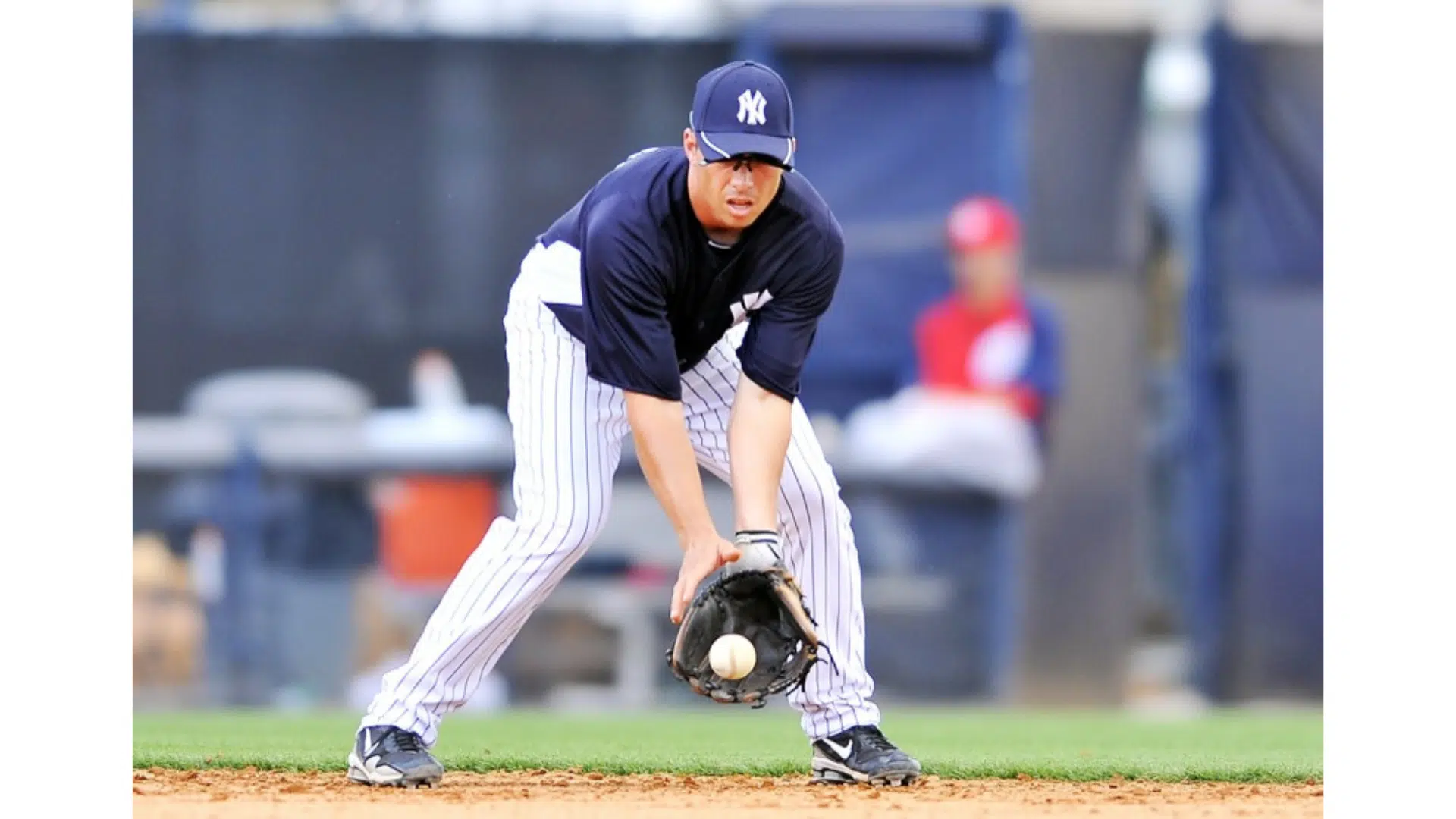
Over the years, many terms have been used to describe different fielding plays and actions in baseball. Some can sound confusing at first, especially to new fans.
117. Around the Horn: The act of infielders throwing the ball to each other after recording an out when there are no runners on base.
118. Ate Em’ Up: A slang expression describing a batted ball that is hard for a fielder to handle and often results in an error.
119. Bad Hop: A ball that bounces in front of a fielder unexpectedly, often caused by imperfections in the field or the spin of the ball.
120. Booted: Another way to say “made an error,” often used when a player misplays a ground ball. Some people also say the player “kicked it.”
121. Can of Corn: A fly ball hit directly to a player, usually in the outfield, that is very easy to catch and often requires little to no movement.
122. Cannon: A strong throwing arm.
123. Cut-Off Man: An infielder who positions themselves to receive and relay a long throw from the outfield to an important base or location in the infield.
124. Double Play: A defensive baseball play that results in two outs.
125. Error: A mistake by the defense while fielding the ball that allows a batter to reach base or a baserunner to advance.
126. Flashing the Leather: When a fielder makes a great defensive play, referring to the leather of the fielder’s glove.
127. Force Play: A play in which a runner must advance when a ball is hit, allowing a fielder to record an out by touching the next base before the runner arrives.
128. Hole in Their Glove: Used to describe dropping fly balls or misplaying ground balls, usually when the ball appears to go through the fielder’s glove.
129. Hose(d): A strong throwing arm, or the act of throwing out a baserunner with a powerful throw. For example, “That player has a hose,” or “That runner was hosed at third base!”
130. Hot Corner: Another word for the third base position is the hot corner.
131. Infield Fly Rule: The umpire calls the batter out when there are fewer than two outs, the batter hits a fly ball that an infielder can catch in fair territory, and there are runners on first and second, or the bases are loaded.
132. Infielder: A player whose position is first base, second base, third base, or shortstop.
133. Lay Out: When a fielder dives to make a play on a batted ball, it is often said as “lay out for it.”
134. Outfielder: A player whose position is left field, center field, or right field.
135. Pop Time: On a catcher’s pickoff attempt, the time it takes from when the pitch hits the catcher’s mitt to when the ball reaches the infielder’s glove.
136. Turn Two: To execute a double play, often said as “turn two.”
137. Twin Killing: Another term for a double play, or when a team wins both games of a doubleheader.
138. Utility Player: A player who can play several different positions, also known as a versatile player.
139. Web Gem: Literally referring to the webbing of a fielder’s glove, this term is used when a player makes an outstanding defensive play.
Baseball Base Running Terms
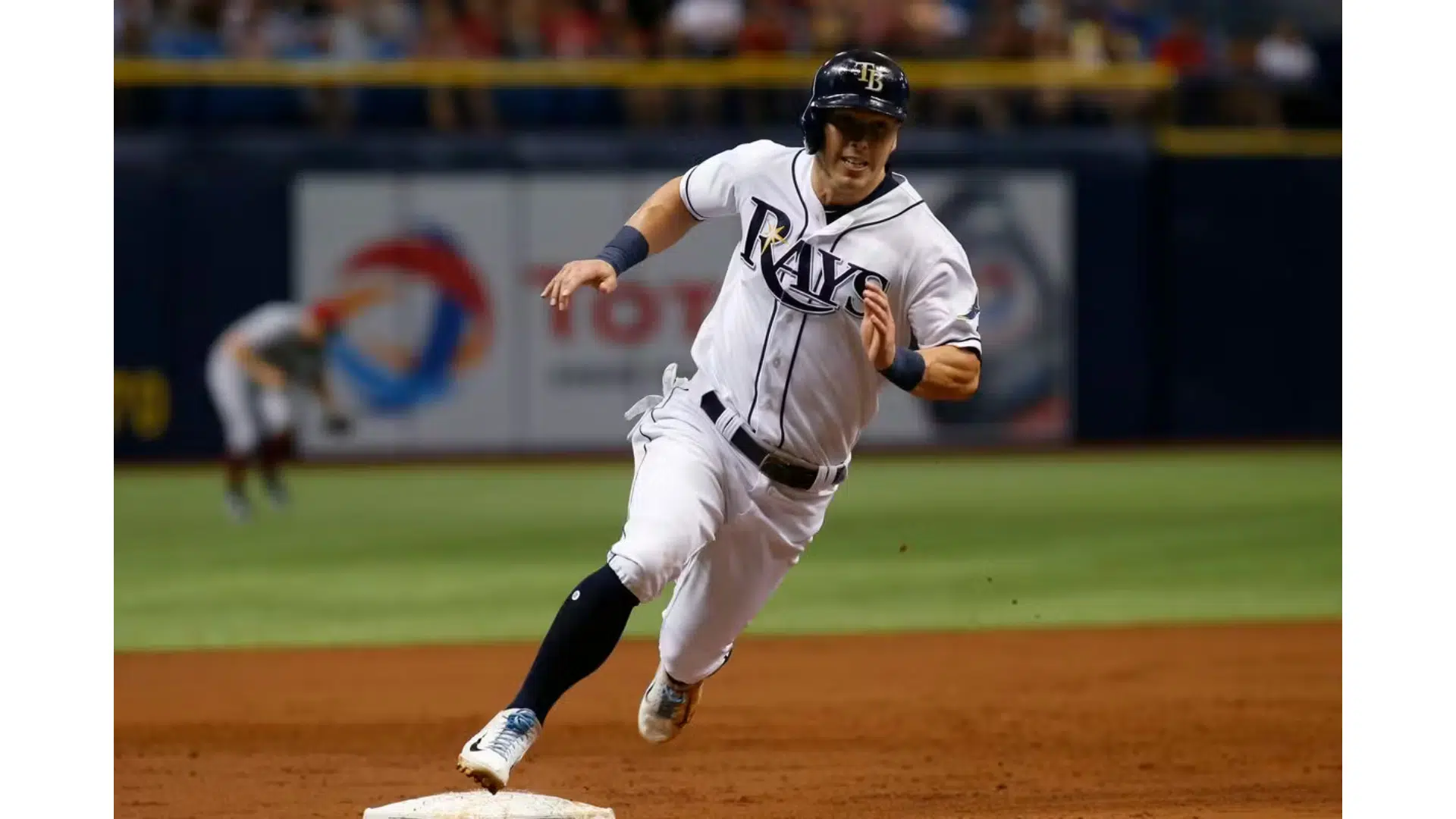
When it comes to baserunning, many of these terms are used to explain what happened in a past inning or what is happening in the current one.
140. Bases Loaded: Runners on first, second, and third base, commonly referred to as the bases being loaded.
141. Pinch Runner: A substitute baserunner, known as a pinch runner.
142. Runners at The Corners: A term used when baserunners are on first and third base, commonly called being “on the corners.”
143. Scoring Position: When a baserunner is on second or third base, they are said to be in scoring position.
144. Stolen Base: When a baserunner successfully advances to the next base while the pitcher is delivering the ball to home plate, it is called a “steal” or “stealing.”
145. Strand(ed): When a half-inning ends and the baserunner or baserunners have not scored or been put out, they are said to be “stranded on base.”
Baseball Field Terms
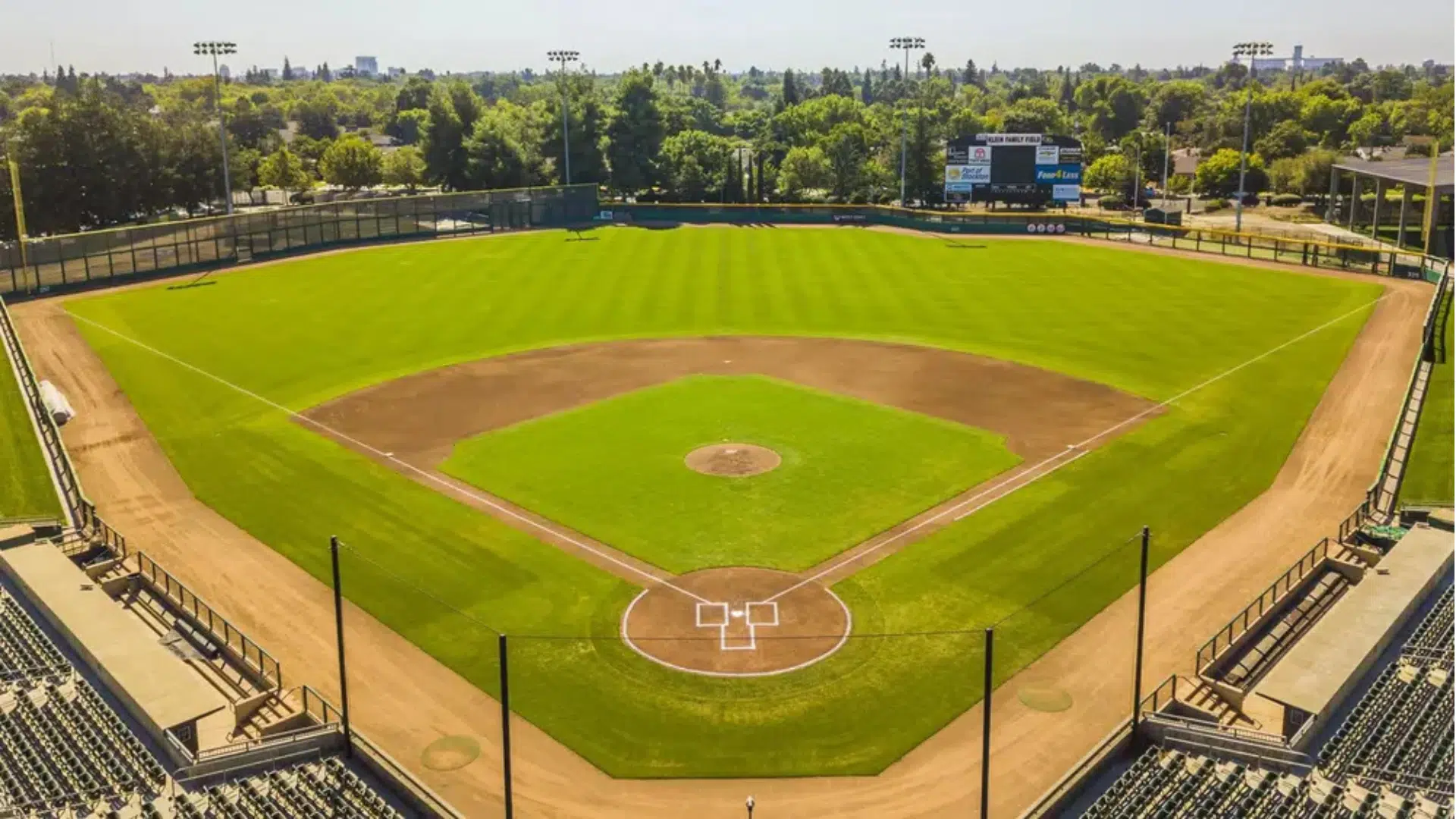
Baseball field terms name parts of the field only. They are not used for stats or gameplay. These terms describe specific areas that may confuse someone hearing them for the first time.
146. Backstop: The fence or wall behind home plate that protects spectators from wild pitches and foul balls.
147. Bag: The term is also used in phrases such as “two-bagger,” meaning a double or two-base hit, and “three-bagger,” meaning a triple or three-base hit.
148. Batter’s Box: A rectangular area on either side of home plate where the batter must stand for fair play to resume.
149. Batter’s Eye: A solid-colored, usually dark area beyond the center field wall of a baseball stadium that serves as the visual backdrop behind the pitcher, helping the batter clearly see the ball while awaiting a pitch.
150. Bullpen: A designated area where pitchers can warm up before entering the game.
151. Bump: Another word for the pitcher’s mound is “the bump.”
152. Short Porch: A baseball field with a short distance to the outfield fence, usually on one side of the outfield. For example, “Left field is a short porch!”
153. Warning Track: The dirt area that borders the fences of a baseball field, usually in the outfield, used to help prevent fielders from running into the fence at full speed.
154. Yard: A baseball field.
Baseball Game Terms
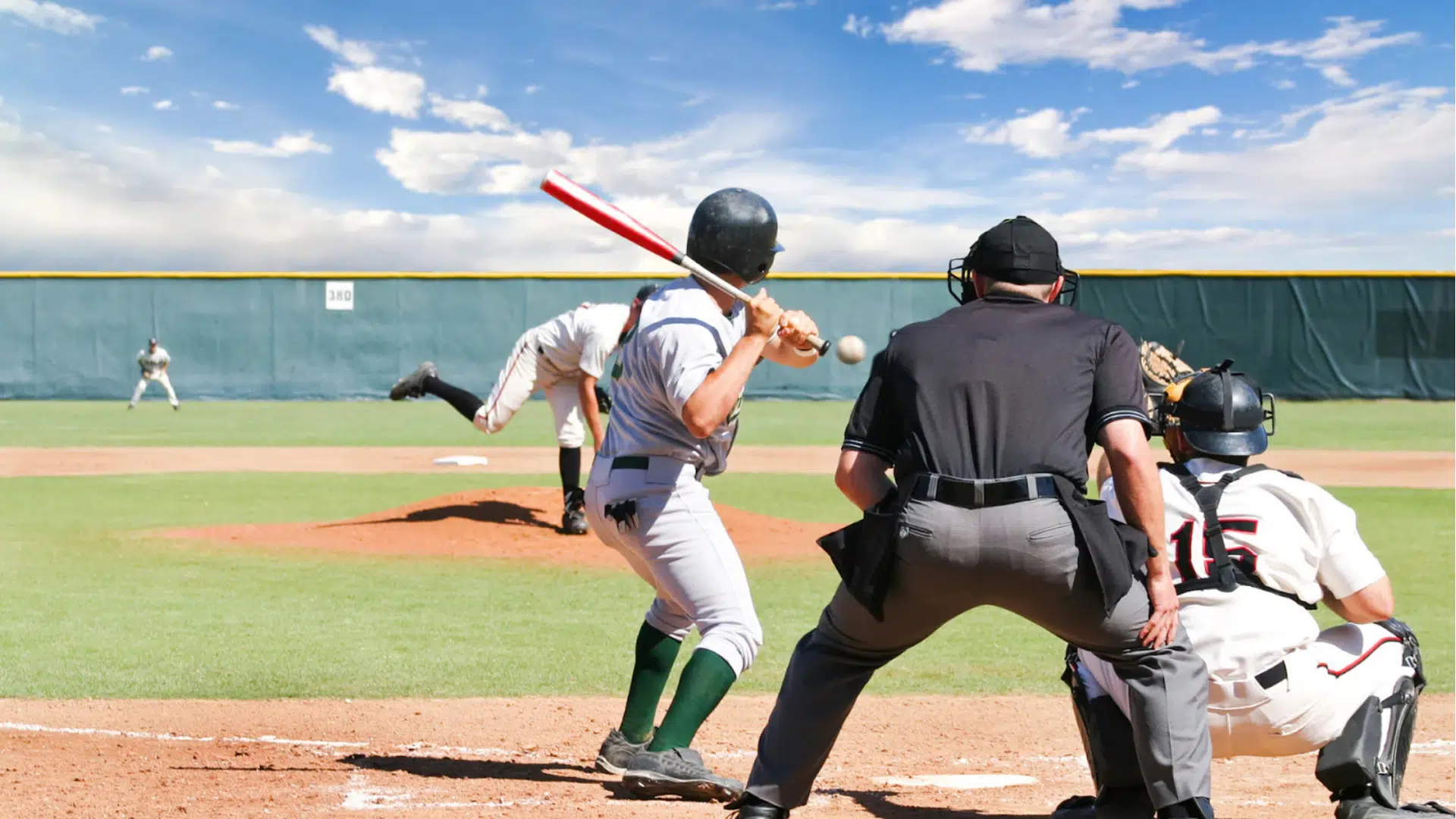
Lastly, the terms below describe baseball games in general. These are some of the most common terms you’ll hear, and they’re included to help anyone new to the game understand how baseball is discussed.
155. Big Leagues: A nickname for Major League Baseball is “the Big Leagues.
156. Bigs: Another term for being in the Major Leagues, often said as “being in the Bigs.”
157. Blue: A term commonly used by players to address an umpire, referring to the typical dark blue color of the umpire’s uniform.
158. Bonus Baseball: When a baseball game continues past nine innings into extra innings, it is often referred to as “free baseball.”
159. Bottom of The Inning: The second, or “last,” half of an inning when the home team bats, named for its position in the line score.
160. Bush League: A style of play or specific action that is considered unsophisticated, unprofessional, or lacking “class.”
161. Extra Innings: Additional innings played to determine a winner when a game is tied after the regulation number of innings.
162. Frame: Half of an inning, either the top or the bottom.
163. Goose Egg: A zero on the scoreboard.
164. Inning: An inning consists of two halves. In each half, one team bats until three outs are made.
165. Out: An out happens when the umpire rules a batter or runner out. After three outs in an inning, that team’s turn at bat ends. Common outs include strikeouts, flyouts, tag outs, and force outs.
166. Position Player: Any baseball player on the field other than the pitcher.
167. Seventh-Inning Stretch: The period between the top and bottom of the seventh inning, when fans traditionally stand up to stretch their legs.
168. Slump: An extended stretch when a player or team is playing poorly, most often used in baseball to describe hitting struggles. For example, if a batter goes several games without a hit, they are said to be in a slump.
169. The show: A common nickname for Major League Baseball is “The Big Leagues.”
170. Tossed: When an umpire ejects a player or coach from a game, it is often called being “tossed” out, usually after an argument with the umpire.
171. Yips: When a player suddenly cannot hit or field correctly, typically due to overthinking things.
Why are Baseball Terms Important?
Baseball terms serve as a shared language, helping everyone follow the action, quickly understand key moments, and enjoy the game without getting lost or confused.
- Clear Communication: Players and coaches use specific terms to give quick instructions. This keeps everyone on the same page during fast game moments.
- Better Game Understanding: Knowing the terms helps fans follow plays, stats, and calls without confusion.
- Stronger Teamwork: When players understand common words and signals, they react faster and work better together on the field.
- Confidence on the Field: Young players feel more confident when they know what coaches and teammates are talking about.
- Easier Learning Process: Learning the terms early makes it simpler to understand rules, positions, and strategies as skills improve.
Conclusion
Learning baseball terms makes the game feel more straightforward and more fun to watch. When you understand the words being used, you can follow plays faster and enjoy each moment without feeling lost.
I like how knowing the language helps games feel more connected, even when watching from home or talking with friends.
This guide was made to give you one place to learn the most common words and slang used in baseball today.
You do not need to memorize everything at once. Even picking up a few new terms can make a big difference the next time you watch a game.
Now I want to hear from you. Which baseball terms confused you the most when you first started watching?
Or are there words you hear often but still question? Share your experience in the comments below.