
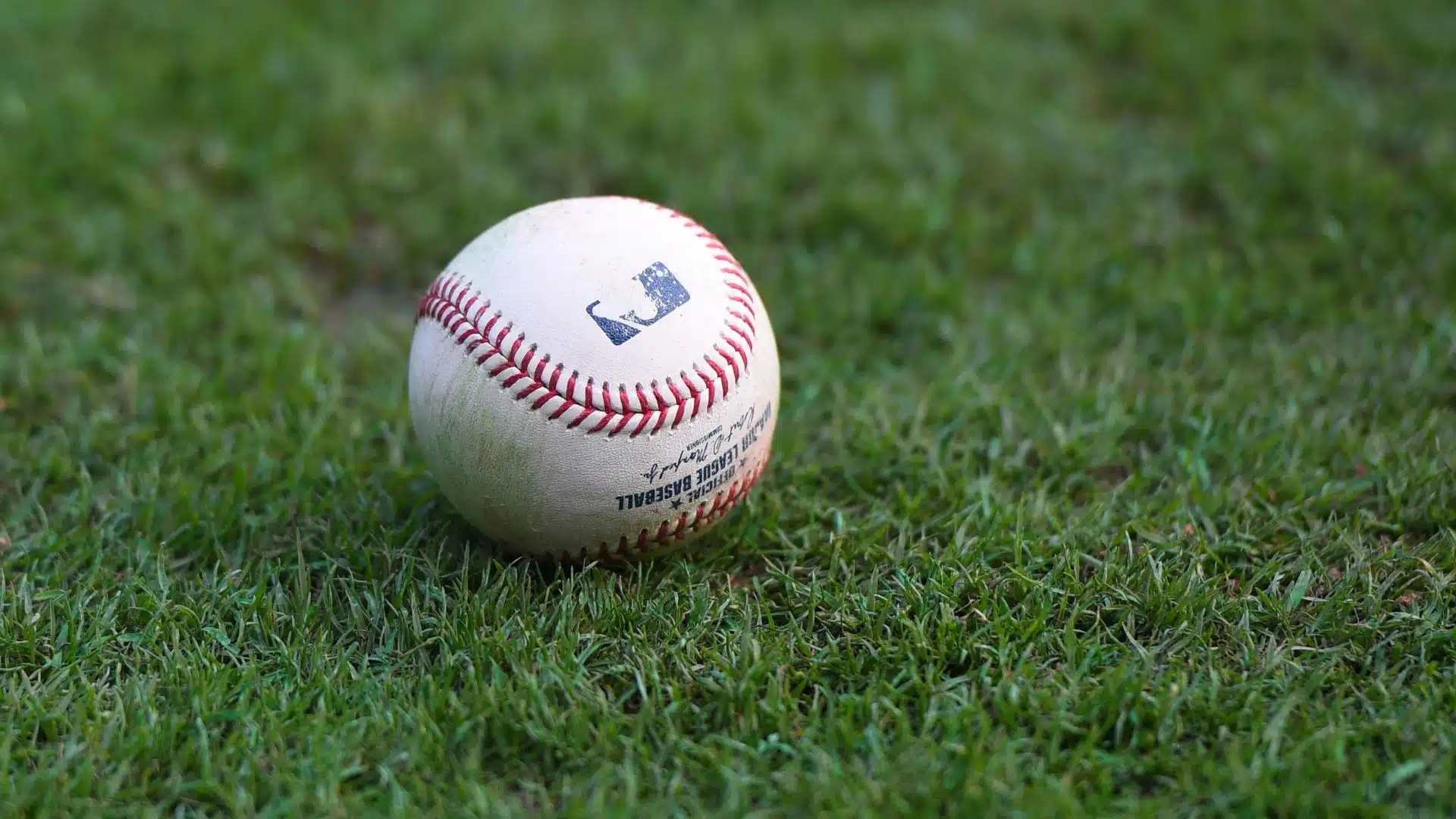
Baseballs may look simple, but after covering enough games and digging into the small details that decide big moments, I can tell you they’re built with a lot more care than most people realize.
If you’ve ever wondered what baseballs are made of, the answer is actually pretty easy to follow once you break it down.
At the center is a core made of cork and rubber, wrapped tightly in yarn. On the outside, the ball is finished with leather and held together by those familiar red stitches.
That build matters because each layer affects how the ball feels, flies, and lasts through nine innings.
The materials affect bounce, grip, and speed, so players check the ball before the first pitch.
In this article, I’ll walk you through each part of a baseball, explain the materials used, and show how it all comes together into the ball used in games today.
What Are Baseballs Made Of?
A baseball is built from several layers, each with a clear purpose. These materials work together to create the weight, bounce, and feel players expect.
The core, often called the “pill,” sits at the center of the ball. It is made from cork and rubber layers.
This part controls how the ball reacts when it is hit or thrown. Around the core are the yarn winding layers. These layers are made of wool, poly, or cotton yarn.
The yarn helps the ball keep its shape and adds strength. The outer cover is usually made from cowhide leather.
Some practice or youth baseballs use synthetic covers instead. The cover gives players grip and protects the inner layers.
Holding everything together is the stitching. The stitches also help pitchers grip the ball better.
What’s Inside a Baseball?
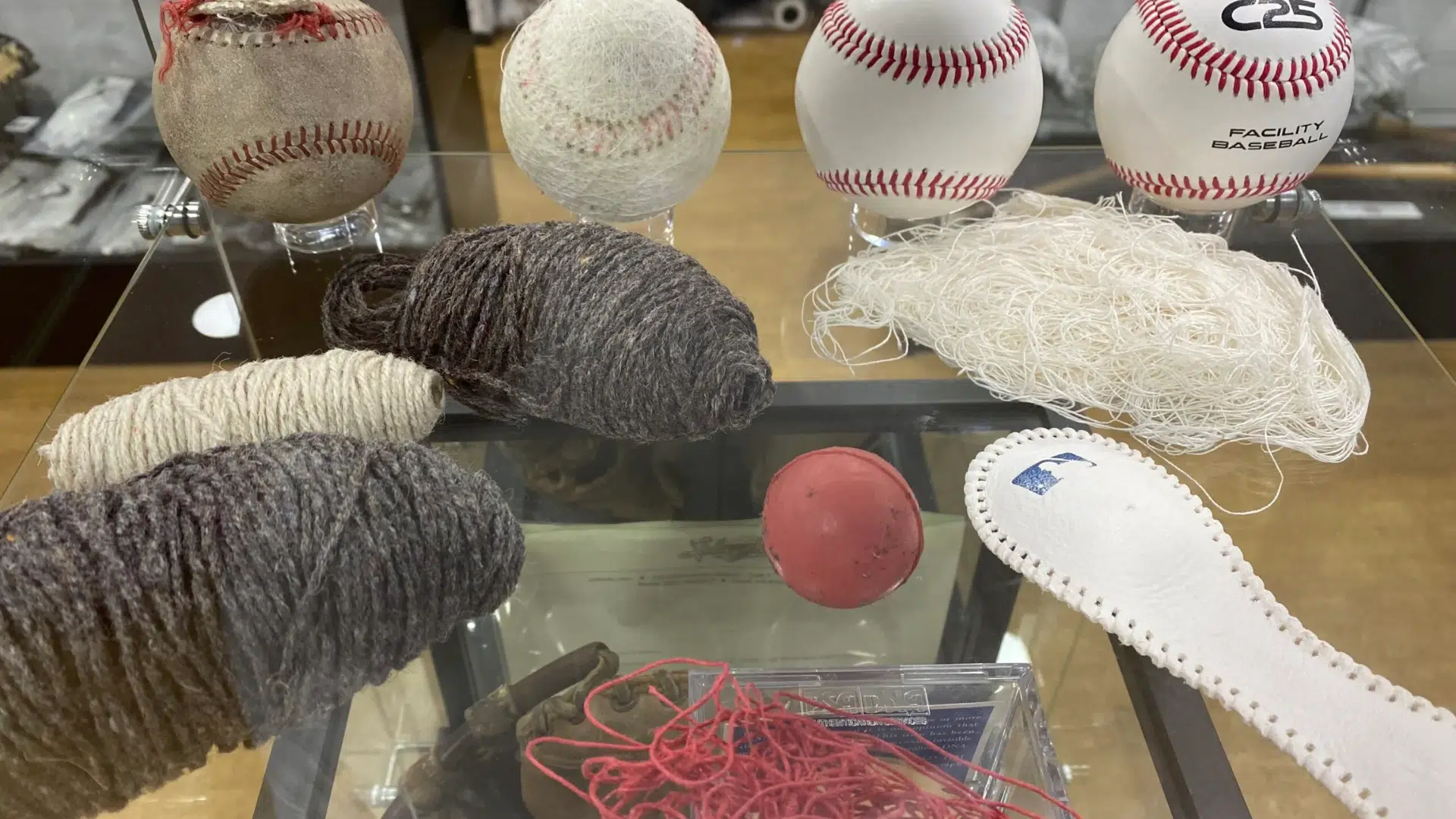
A baseball may look small, but each part inside has a job. Every layer shapes how it feels and performs. I once held a game ball before the first pitch and noticed how firm and balanced it felt.
1. The Core
The core is the most important part of a baseball. It sits right in the middle and is often called the “pill.”
The core is a small, cushioned cork sphere that forms the base of the ball. Around the cork are rubber layers, usually one black and one red.
These rubber layers add strength and help protect the cork inside.
Together, they keep the ball firm but not too hard. The core plays a big role in how a baseball performs.
It affects how high the ball bounces, how fast it travels, and how it reacts when hit by a bat. A well-made core helps the ball feel consistent from play to play.
2. Yarn and Winding Layers
After the core is finished, it is wrapped with many layers of yarn. The yarn is wound tightly around the core to help the baseball keep its round shape.
These winding layers are made from wool and polyester or cotton blends.
The mix of materials adds stretch and strength, which helps the ball handle repeated hits and throws.
The yarn layers also affect the ball’s weight, bounce, and overall durability. In total, a baseball can contain hundreds of yards of yarn, all wrapped carefully to create a strong and balanced ball.
3. Leather Cover
The outer layer of a baseball is made from leather. Professional baseballs are made of high-quality cowhide leather because it is strong and durable.
The leather cover is made from two figure-eight-shaped pieces.
These pieces are placed over the yarn layers and sewn together to form the ball’s outer shell.
Leather is used because it gives players a good grip and feels comfortable in the hand. It also protects the inside of the baseball and helps the ball hold up during games.
4. Stitching and Seams
The stitching holds the baseball together and gives it its familiar look. A standard baseball has 108 double stitches made with red waxed thread.
This strong thread keeps the leather cover secure during play.
The raised seams affect how air moves around the ball. This helps pitchers control the ball and improve their grip when throwing different pitches.
Red thread is used for easy visibility during games. It is also a long-standing tradition in baseball.
How Baseballs Differ from Softballs?
Both are used in bat-and-ball games, but their build and feel are not the same. Size, weight, and design all change how each ball moves and is played.
| Feature | Baseball | Softball |
| Size | Smaller, about 9 inches in circumference | Larger, usually 11 or 12 inches in circumference |
| Weight | Around 5 ounces | Slightly heavier, about 6 to 7 ounces |
| Core Material | Cork and rubber core | Often, polyurethane or a similar synthetic core |
| Cover Material | Cowhide leather (professional level) | Leather or synthetic cover |
| Stitching | 108 raised red stitches | Fewer but thicker raised stitches |
| Game Speed | Faster pitch speed and reaction time | Slower pitch speed but larger ball movement |
| Field Size | Larger field dimensions | Smaller field dimensions |
Why Baseballs Have Red Stitches?
Red stitches are not just for looks. They help players see the ball clearly as it moves through the air.
The bright red thread stands out against the white leather, making it easier for hitters to track spin.
Pitchers also rely on the raised seams to grip the ball firmly. That grip helps them throw different pitches with better control.
The stitches also affect airflow around the ball, which can cause pitches to move in different directions. Over time, red became the standard color because it was easy to see in daylight and under stadium lights.
Leagues kept this design for consistency. A baseball has 108 double stitches, all sewn by hand.
These stitches hold the leather together and help the ball keep its shape during play. Without them, the ball would not perform the same way.
How Baseball Materials Affect Game Performance?
The materials inside a baseball work together to shape how it behaves during play. Each layer plays a role in how the ball moves, feels, and responds on the field.
- Cork and rubber core: Controls bounce and energy transfer when the ball is hit or thrown. A balanced core helps the ball travel consistently and react the same way in each play.
- Yarn winding layers: Adds weight and keeps the ball round under pressure. Tight winding helps the baseball stay firm and reduces damage from repeated hits.
- Leather cover: Improves grip for both hitters and fielders. The leather also protects the inner layers and helps the ball hold its shape over time.
- Stitching and raised seams: Affects airflow around the ball during flight. Raised seams give pitchers better control and help create movement on different pitches.
- Overall material balance: Keeps the ball within standard weight and size rules. This balance ensures fair play and predictable performance throughout the game.
Are Baseball Materials Regulated by Leagues?
Yes, baseball equipment is regulated by league rules to keep the game fair. Professional leagues like MLB require baseballs to meet strict standards for size, weight, and materials.
The core must be made of approved cork and rubber, and the ball must be wrapped in yarn and covered in leather.
Stitching count and seam height are also regulated to prevent pitchers from gaining an unfair edge.
Youth and amateur leagues follow similar rules but may allow synthetic covers for safety and cost reasons. Training and practice baseballs can be made of different materials, but they are not used in official games.
These rules help ensure that every game ball performs the same, no matter where or when a game is played.
Consistent materials help players rely on familiar feel, grip, and flight during play.
Where Are Major League Baseballs Made?
Major League Baseballs are made by Rawlings, the official supplier for MLB. Today, all game-used baseballs are produced in Costa Rica.
Rawlings moved production there in the late 1980s to keep quality steady and consistent.
Each baseball is assembled by hand, not by machines. Workers stitch, weigh, and inspect every ball to meet MLB rules.
I once watched a close-up video of the hand-stitching process, and it gave me a new respect for how much care goes into every single ball. The process follows strict standards for size, weight, and materials.
After production, the baseballs are shipped to the United States for final testing and game use. Only approved balls reach MLB stadiums.
Practice and replica baseballs may be made in other countries, but official game balls always come from the same facility.
This controlled process helps ensure every MLB game uses baseballs that feel and perform the same on the field.
Conclusion
A baseball may seem simple at first, but once you know what’s inside it, the game starts to feel a little different, at least it always has for me when I’m watching closely.
It’s more than red stitches. Inside is a cork-and-rubber core, wrapped in yarn, and covered in stitched leather.
Every layer plays a role in how the ball feels, moves, and holds up over the course of a game.
When you see a pitch bite late or hear that sharp crack off the bat, those details are doing more work than most people realize.
That’s also why leagues pay so much attention to materials and standards; small differences can change a lot.
If you’ve played or noticed differences in game balls, share your thoughts in the comments.
Frequently Asked Questions
What Materials Help a Baseball Fly?
The cork core, yarn layers, stitching, and leather cover all affect how a baseball flies, explaining what it’s made of and how it travels.
Do Different Baseball Materials Affect How Long a Ball Lasts?
Yes, the materials used in a baseball directly affect durability. Leather covers and wool yarn last longer than synthetic options, which helps explain what baseballs are made of in professional games.
Are All Baseballs Made with the Same Materials Worldwide?
No, baseball materials can vary by league, age group, and country. While the basic design stays similar, changes in materials show what baseballs are made of for different levels of play.