
Getting started with volleyball can feel confusing at first. The game moves fast, and it is not always clear what to do when the ball comes your way.
Many beginners feel unsure about where to stand, how to hit the ball, or which move to make in the moment.
Over time, I have closely followed athletes’ development and real match performance, which has shaped how I look at the game.
This is where the small details often make the biggest difference in helping players truly grow and perform better.
In this guide, I will share the basic skills and rules of volleyball. You will also learn the most important volleyball moves every beginner should know before playing a real game.
By the end, you will understand how to move with confidence and make smarter decisions during a rally.
What Are the Basics of Volleyball?
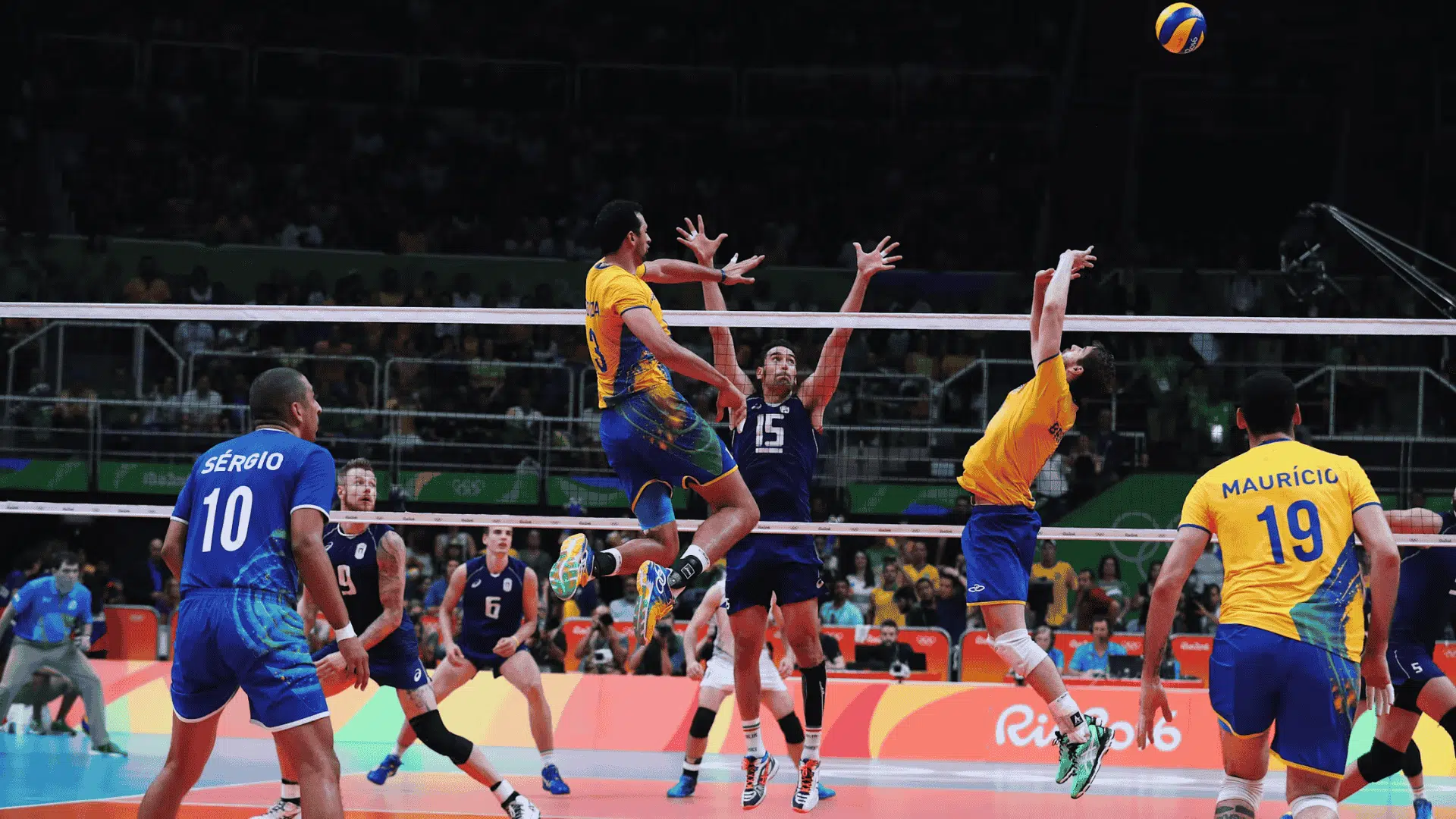
Volleyball is a team sport played by two teams of six players. The main goal is to send the ball over the net and land it inside the other team’s court.
Players use their hands and arms, but they cannot catch or hold the ball.
Each team is allowed a limited number of touches before returning the ball. Volleyball moves fast, so players need good timing, basic control, and clear communication.
The game focuses on quick reactions, teamwork, and knowing when to pass, set, or hit.
Matches are played in sets, and points are scored when the ball hits the floor or a mistake is made.
Basic Volleyball Rules to Know
These rules help players understand how the game flows and what is allowed on the court. Knowing them makes playing and watching volleyball moves much easier.
| Basic Volleyball Rule | What It Means |
| Team size | Each team has six players on the court at one time. |
| Rotation | Players rotate positions after winning the serve. |
| Touches per team | A team can touch the ball up to three times before returning it. |
| Scoring system | Rally scoring is used, so every rally earns a point. |
| Net contact | Players cannot touch the net during play. |
| Ball handling | The ball must be hit cleanly, not caught or thrown. |
Essential Volleyball Moves and Skills Every Player Should Learn
Volleyball is built on a small set of core skills that players use in every match. Learning these skills helps you stay in control, work better with teammates, and play with confidence.
1. Serving
Serving is one of the key volleyball moves that starts every rally and gives your team the first chance to take control.
The server stands behind the baseline and hits the ball over the net into the opponent’s court. Beginners often use an underhand serve because it is easier to control.
Overhand serves come later and allow more speed and better placement.
A good serve should be consistent and accurate. Even a simple serve can be effective if it lands in the right spot and puts pressure on the other team.
2. Passing
Passing is one of the most important volleyball moves used to receive a serve or attack from the other team.
Its main goal is to control the ball and send it to a teammate in a clear, playable way. The forearm pass is the most common method, using both arms together to guide the ball upward.
During one of my school matches, I felt nervous facing a strong serve, but I stayed low and steady.
The pass went perfectly to the setter, and we scored the next point.
3. Setting
Setting prepares the ball for an attack and connects the pass to the hit. The setter uses their fingertips to push the ball upward with control and balance.
Positioning is important, especially when passes are not perfect. The setter often acts as the decision-maker for the next play.
A good set places the ball at the right height and distance for the hitter.
A clean setting helps the offense run smoothly and keeps teammates confident. Inconsistent settings can disrupt timing and limit scoring opportunities.
4. Spiking
Spiking is a key volleyball move used to score points. A player runs to the net, jumps, and hits the ball into the opponent’s court.
Control and timing matter more than power, especially for newer players.
Spikers often aim for open spaces instead of hitting straight ahead. Good footwork helps the hitter stay balanced before jumping. A well-placed spike can force errors or end the rally.
Mistimed or rushed hits often send the ball out or straight to the defense.
5. Blocking
Blocking is a defensive skill used at the net to stop or slow down an opponent’s attack.
Players jump with their hands raised to block the ball as it crosses the net. Good blocking depends on timing, hand position, and reading the hitter.
Blockers must react quickly to the attacker’s movement and angle. Even if the block does not score a point, it can change the ball’s path and make it easier to defend.
Strong blocking adds pressure and can disrupt the other team’s offense.
6. Digging
Digging is one of the essential volleyball moves used to save the ball after a hard attack.
Players stay low and react fast to stop the ball from hitting the floor. I once saw this in a match I was watching.
A defender quickly dropped low and dug a powerful spike at the last second. The crowd cheered as the rally continued.
Digs are mostly done with the forearms. Good digging needs focus, balance, and quick movement to keep plays alive.
Basic Volleyball Rules and Moves You Must Know
Volleyball rules set clear limits and help keep volleyball moves fair and organized during play. Knowing them helps players focus on teamwork and clean execution.
- Three Touch Rule: Each team is allowed up to three touches before sending the ball over the net. The same player cannot touch the ball twice in a row, except after a block.
- Serving Rules: The serve must be taken from behind the baseline and sent over the net into the opponent’s court. Stepping on or over the line during the serve counts as a fault.
- Rotation Rule: Players rotate clockwise when their team wins the serve from the opponent. This rule ensures all players take turns in different court positions.
- Scoring System: Points are scored on every rally, no matter which team serves. Most matches are played best of five sets.
- Net and Contact Faults: Touching the net, carrying the ball, or double-hitting can result in a fault. These mistakes give the other team a point.
Key Techniques Used in Different Volleyball Moves
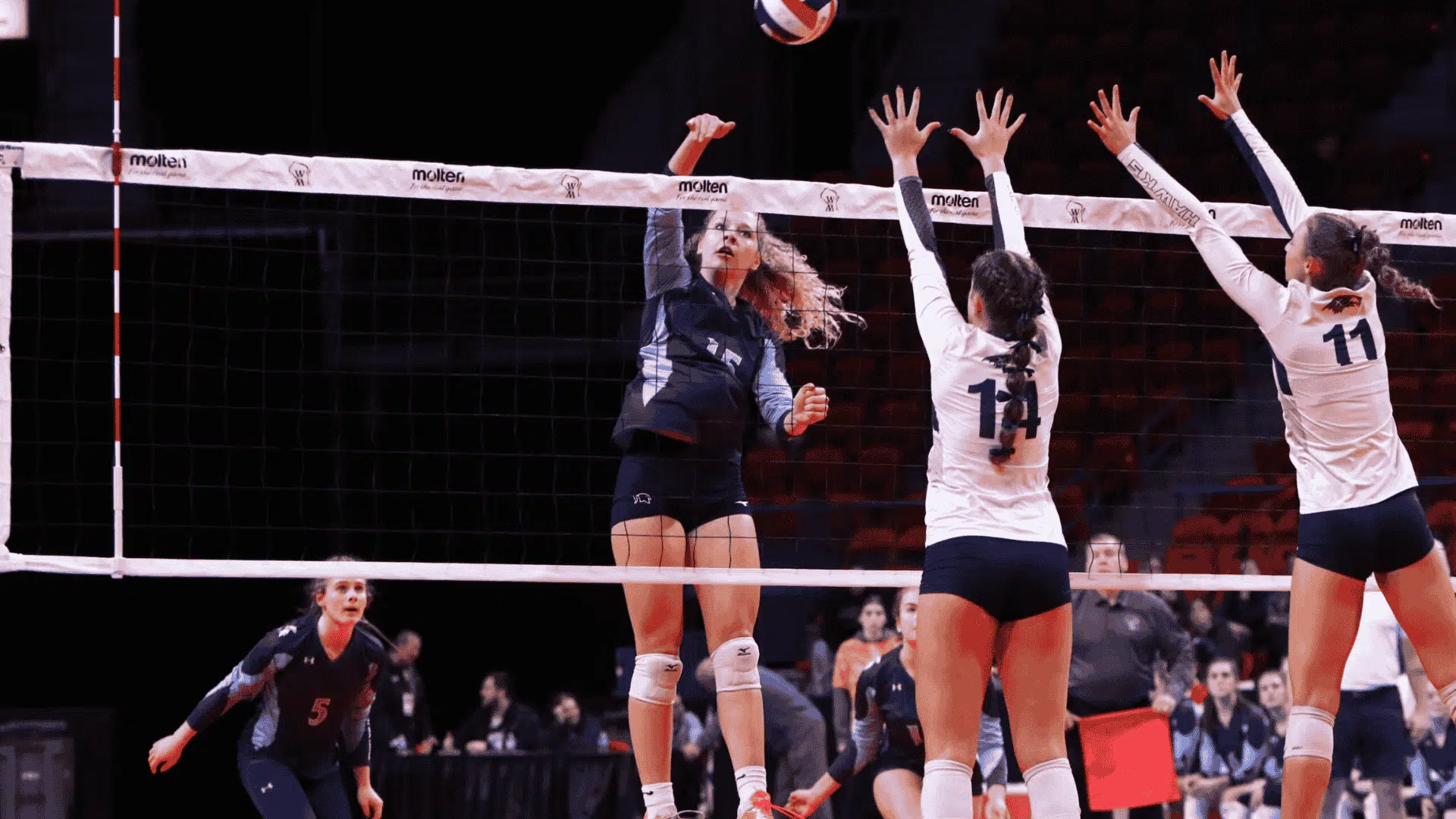
Volleyball is played using a small set of core actions that repeat throughout the match. These actions help teams control the ball and stay organized during play.
1. Positioning
Positioning is one of the most important volleyball moves because it puts players in the right place at the right time during a rally. Good positioning helps players react faster and stay balanced when the ball comes their way.
It also makes teamwork smoother, since each player knows their role on the court.
When players hold proper positions, passes become easier and plays stay organized. Poor positioning often leads to rushed movements and missed chances.
Staying aware of the ball, teammates, and open space helps players adjust quickly and stay ready for the next action.
2. Ball Control
Ball control is one of the most important volleyball moves because it helps guide the ball where it needs to go during play.
It keeps rallies alive and prevents the other team from scoring easy points. Controlled touches give teammates time to react and move into the next position.
Good ball control also helps players stay calm during fast exchanges.
When players stay focused, they handle difficult balls more effectively. Without solid ball control, even simple plays can fall apart and lead to missed chances.
3. Timing
Timing helps players move, jump, and react at the right moment during a rally. It plays an important role in attacking, blocking, and defensive saves.
I once read in a sports article about a coach who said that great players are not just strong, but well-timed.
He shared how one athlete improved simply by practicing when to jump, not how high. Good timing allows players to meet the ball cleanly and stay balanced.
It keeps teammates in sync and prevents rushed movements. When timing is off, contact becomes weak, and control is lost.
4. Communication
Communication is a key part of strong volleyball moves because it keeps the team connected and organized during each rally. Calling for the ball helps prevent confusion and missed plays.
Simple signals and verbal cues allow players to react faster and support one another.
Clear communication builds trust and improves teamwork on the court. It also helps players adjust during unexpected plays.
When communication breaks down, collisions and dropped balls become more common.
Indoor vs Outdoor Volleyball Moves: Key Differences
Indoor and outdoor volleyball share the same goal but play very differently. Knowing how they differ helps players understand what to expect in each setting.
| Feature | Indoor Volleyball | Outdoor Volleyball |
| Playing Area | Played on a hard indoor court | Played on sand |
| Team Size | Six players per team | Two players per team |
| Court Size | Larger court | Smaller court |
| Playing Environment | Controlled indoor setting | Open outdoor setting |
| Movement Style | Faster movement with a solid footing | Slower movement due to sand |
| Team Roles | Players rotate through positions | No fixed positions |
| Game Pace | Faster rallies and transitions | More endurance-based play |
| Physical Effort | Focus on speed and coordination | Higher effort due to sand |
| Play Style | Structured team play | Flexible and all-around play |
Common Volleyball Mistakes to Avoid
Small errors in volleyball moves can affect control, timing, and teamwork on the court. Knowing what to watch for helps players improve faster and play with more confidence.
- Poor positioning: Standing in the wrong spot makes it harder to react and cover the court properly.
- Overhitting the ball: Using too much power often sends the ball out instead of keeping it in play.
- Late communication: Waiting too long to call the ball leads to confusion and missed touches.
- Watching the ball only: Focusing only on the ball causes players to lose awareness of teammates and space.
- Rushing plays: Acting too quickly results in sloppy passes and weak attacks.
- Ignoring footwork: Bad foot placement affects balance and reduces control during key moves.
Conclusion
Learning volleyball takes time, and no one gets every move right on the first try.
What matters most is understanding the basics, practicing key volleyball moves, and knowing the rules that shape the game.
When you focus on strong fundamentals, things start to feel more natural on the court. Small improvements add up faster than you expect.
I hope this guide helped you understand volleyball better and feel more confident.
You don’t need to learn everything at once. Take one skill at a time, stay patient, and enjoy the process.
Volleyball is about teamwork and rhythm, not just technique. If you play already or are just starting out, feel free to share your experience, challenges, or tips in the comments.