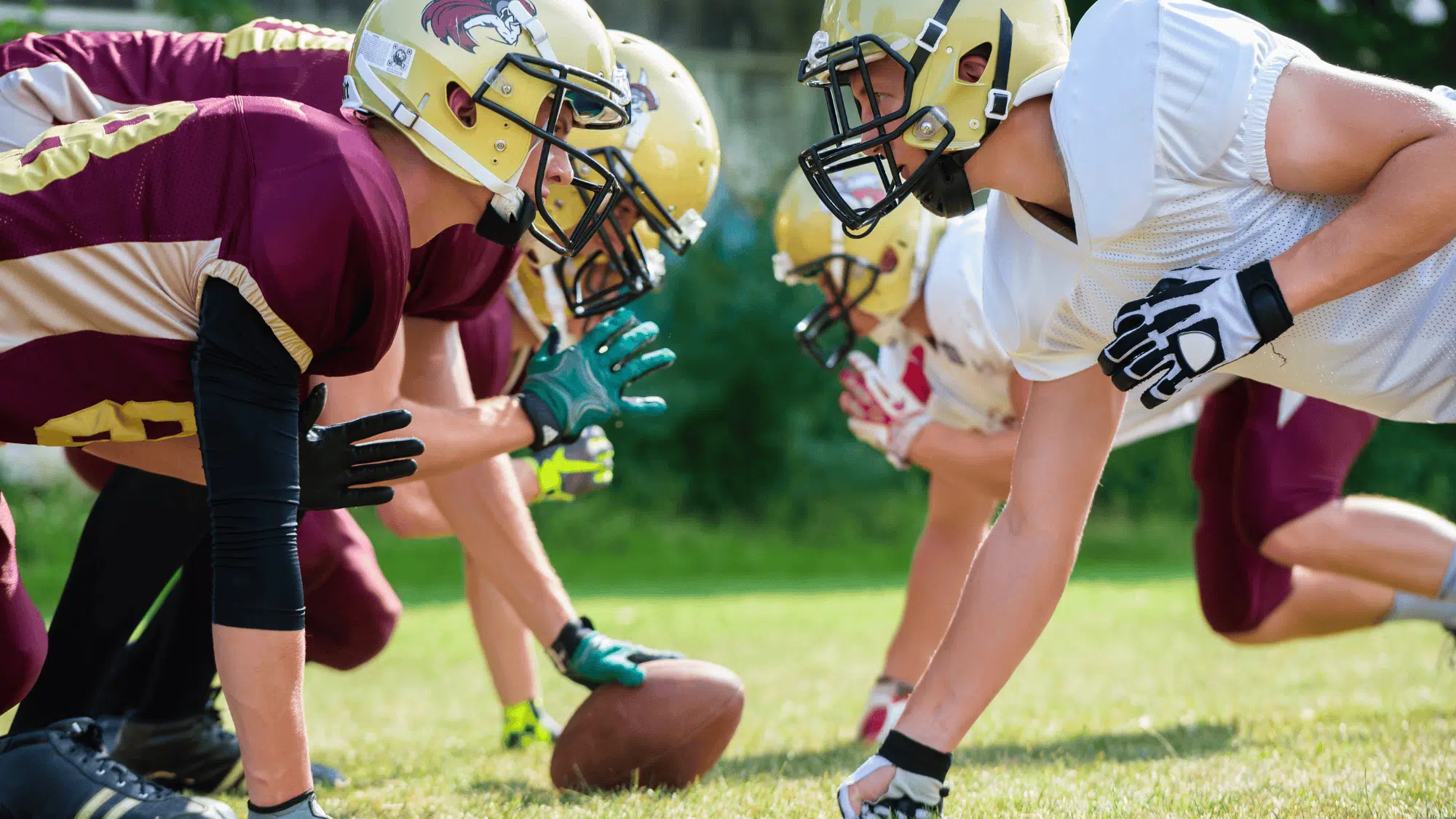



NIL deals in college football have changed the sport fast. Today, top players can earn real money from brands, social media posts, appearances, and team-backed NIL collectives.
Some athletes now have multi-million dollar NIL valuations, especially star quarterbacks and big-name recruits. This blog breaks it all down in simple words and keeps it easy to follow.
Inside, the latest NIL deals, college football rankings, and valuations for 2025-26 will be shared.
We will also explain how NIL works, who pays the money, how collectives help, and what the new 2025-26 rules mean for direct school payments and reporting. Finally, common NIL questions will be answered.
What Is NIL in College Football?
NIL stands for Name, Image, and Likeness. In college football, NIL means a player can legally earn money from their personal brand, like their name, photos, or popularity, without being a pro athlete.
This can include getting paid for ads, showing up at events, signing autographs, or posting about a product online.
NIL does not mean a player is “buying” wins, but it does mean players can now profit from the attention they already bring to schools and brands.
- Name: getting paid for using a player’s name in promotions
- Image: earning money from photos, videos, or ads featuring the player
- Likeness: paid use of their identity (voice, signature, brand style)
- NIL deals: agreements with brands, collectives, or other partners for pay
NIL can range from small local deals to huge partnerships worth millions for top stars. A player’s NIL value often depends on performance, position (QBs usually rank highest), social media reach, and how marketable they are.
In 2025-26, NIL also connects with significant rule changes, because some schools can now pay athletes directly under new models, making the money side of college football even more important than before.
Top College Football Players by NIL Valuation
These rankings are based on projected 12-month NIL value, not guaranteed income or salary. The valuations come from On3-style models, brand disclosures, and media reports.
1. Arch Manning – QB, Texas
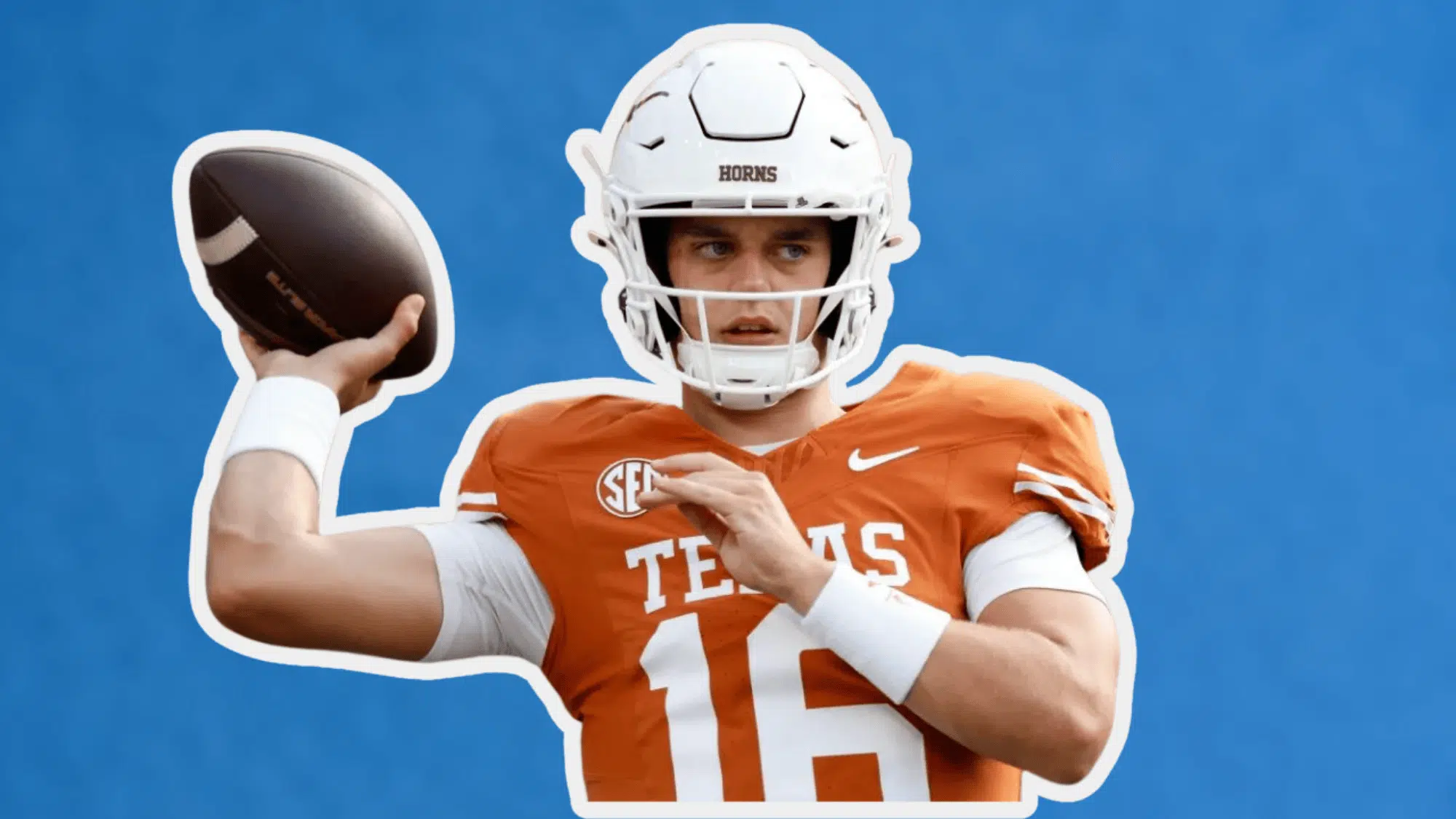
NIL Valuation:$6.8 million
Arch Manning remains one of the most marketable players in the sport, even before becoming a full-time starter.
His famous name, national media attention, and massive social media reach make him a top choice for major brands.
Playing quarterback at Texas, a high-profile program, boosts his visibility. Off the field, his brand partnerships and media deals keep his profile strong among fans and sponsors.
2. Carson Beck – QB, Miami (FL)
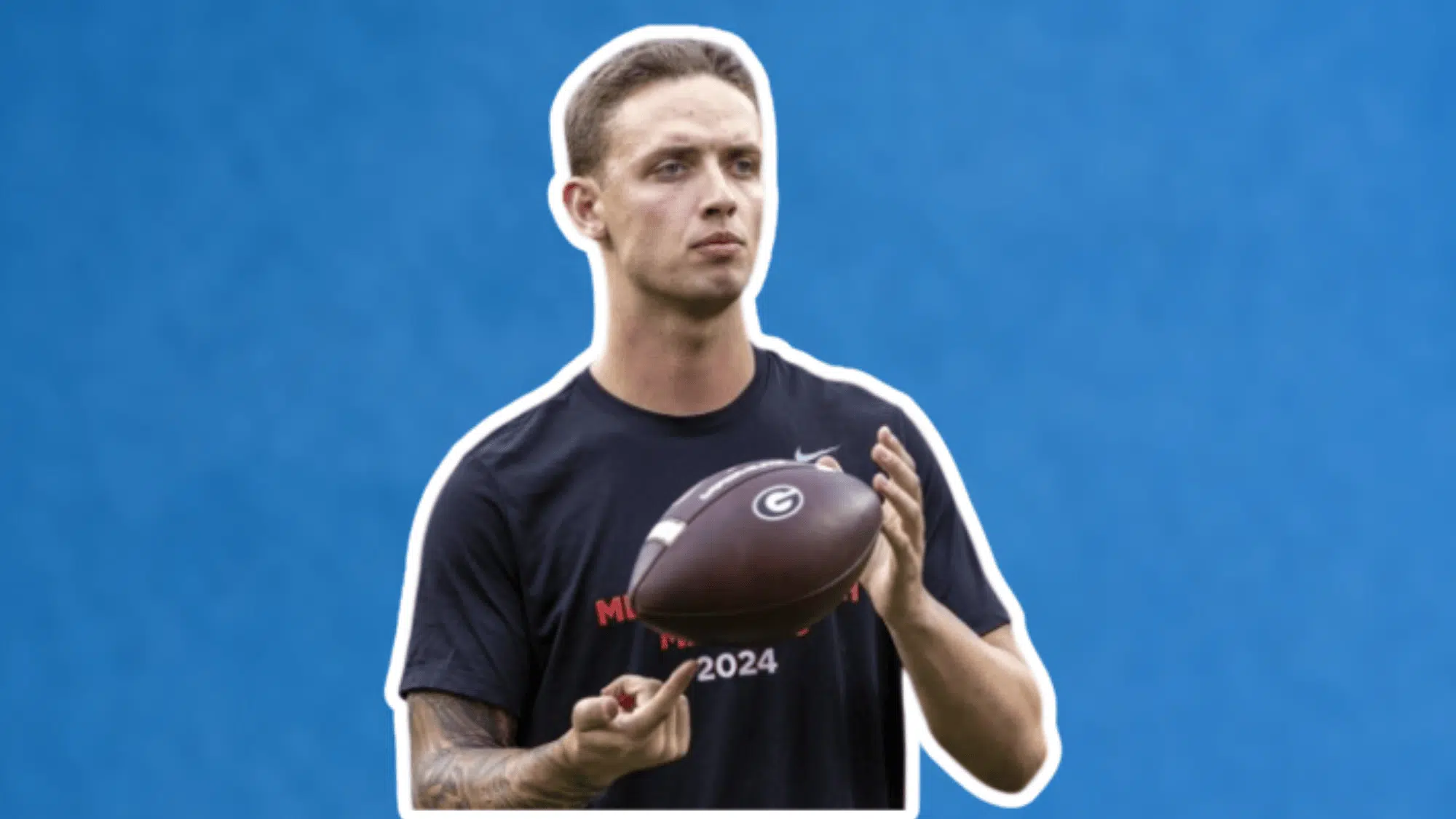
NIL Valuation:$4.3 million
Carson Beck’s transfer to Miami placed him in a major media market with strong financial backing from local and national sponsors.
As a successful quarterback with SEC credentials, he draws interest from big brands and regional partners.
Beck’s leadership on the field, combined with Miami’s growing program buzz and fan base, has helped elevate his name recognition and off-field opportunities.
3. Jeremiah Smith – WR, Ohio State
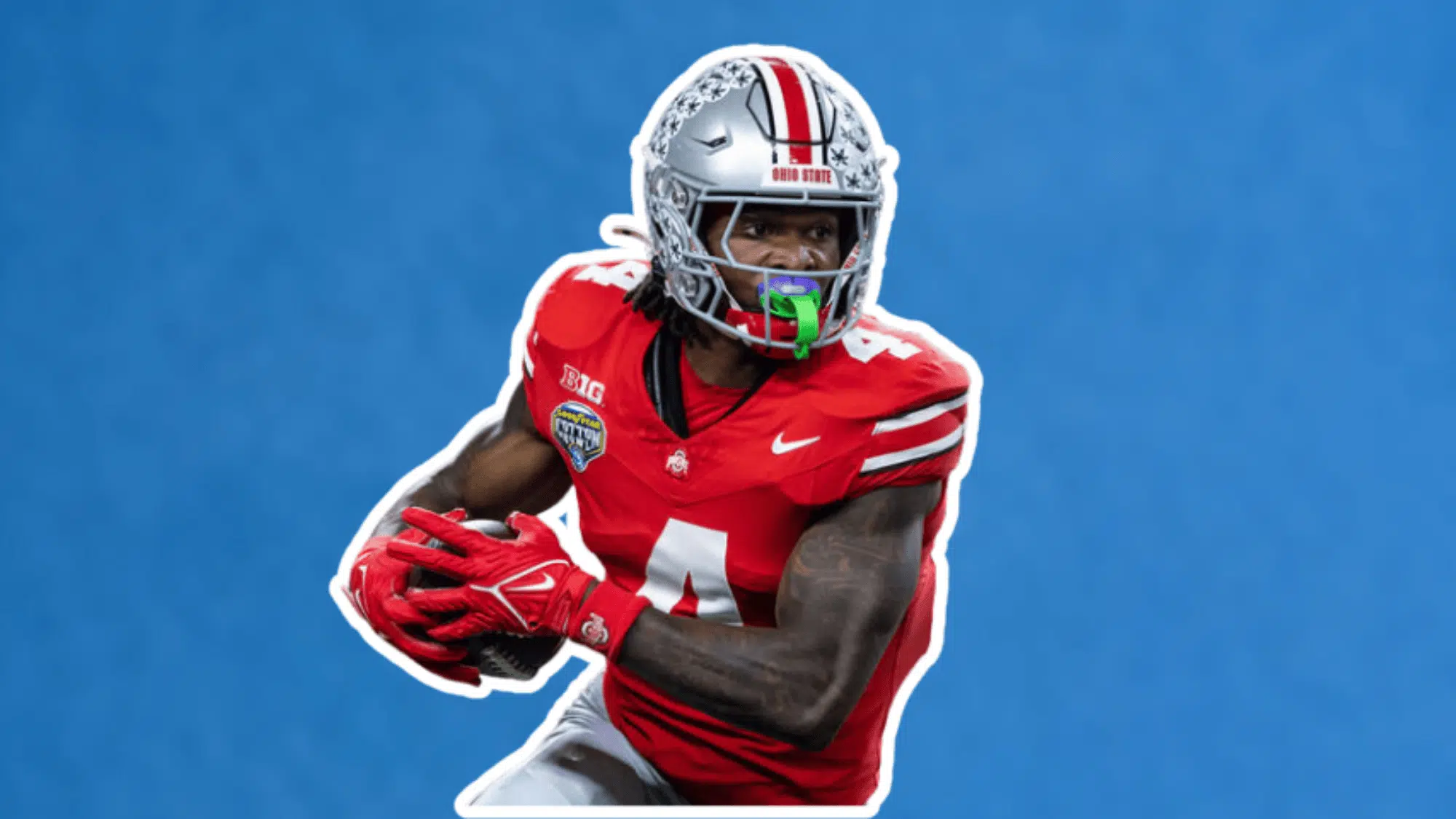
NIL Valuation:$4.2 million
Jeremiah Smith’s popularity exploded after a standout freshman season at Ohio State. Playing in a blue-chip program with national exposure helps his brand appeal.
Smith’s big plays and engaging personality give him a strong appeal to apparel and lifestyle companies. His involvement with media promotions and local events also boosts his visibility beyond the field.
4. DJ Lagway – QB, Florida
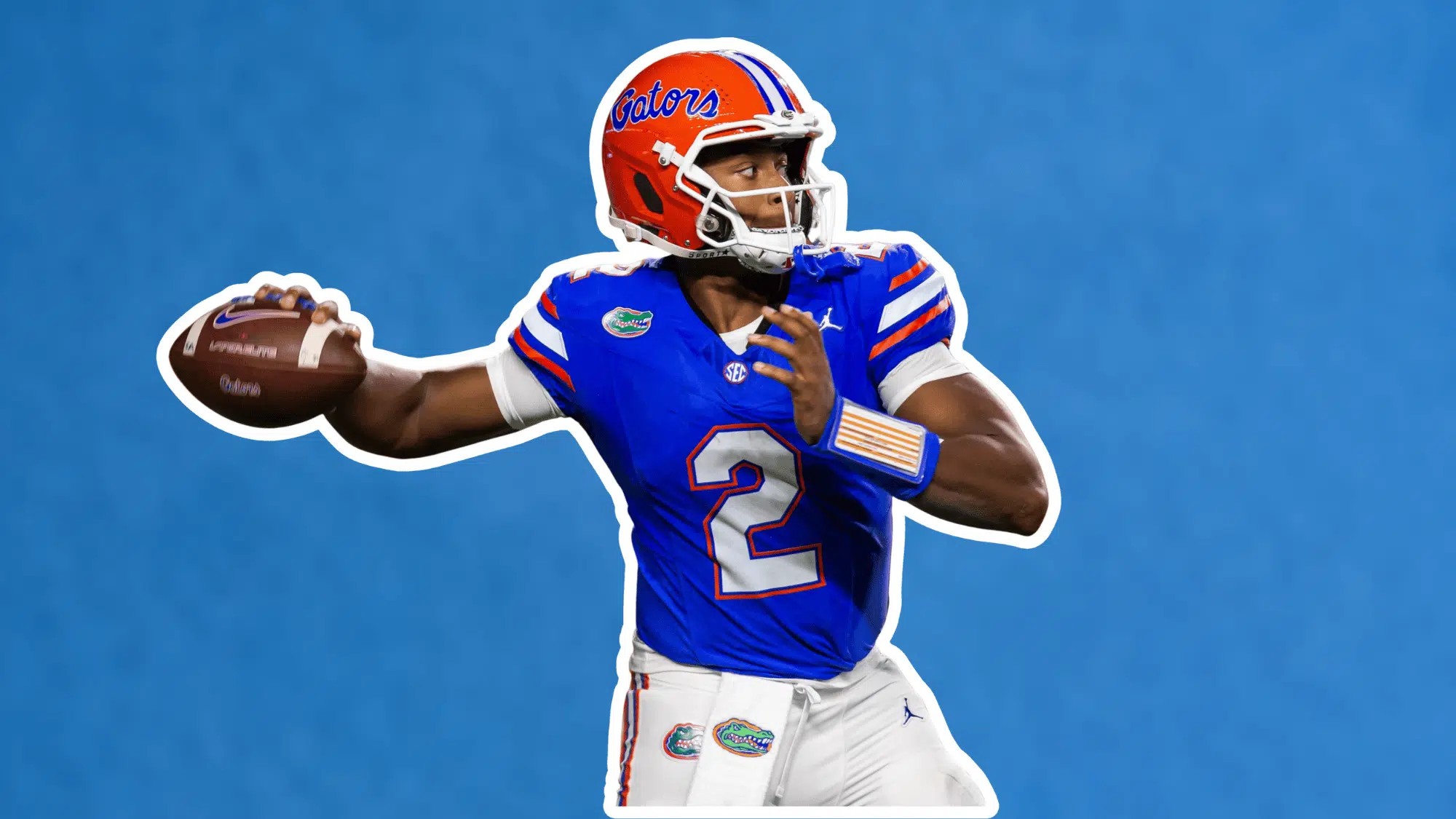
NIL Valuation:$3.7 million
DJ Lagway quickly became one of the most talked-about young quarterbacks in the SEC with his on-field performance. Florida’s large fan base and strong NIL support from local companies have increased his profile.
Off the field, he’s appeared in commercials and social campaigns that appeal to both national and regional audiences, helping grow his overall brand footprint.
5. LaNorris Sellers – QB, South Carolina
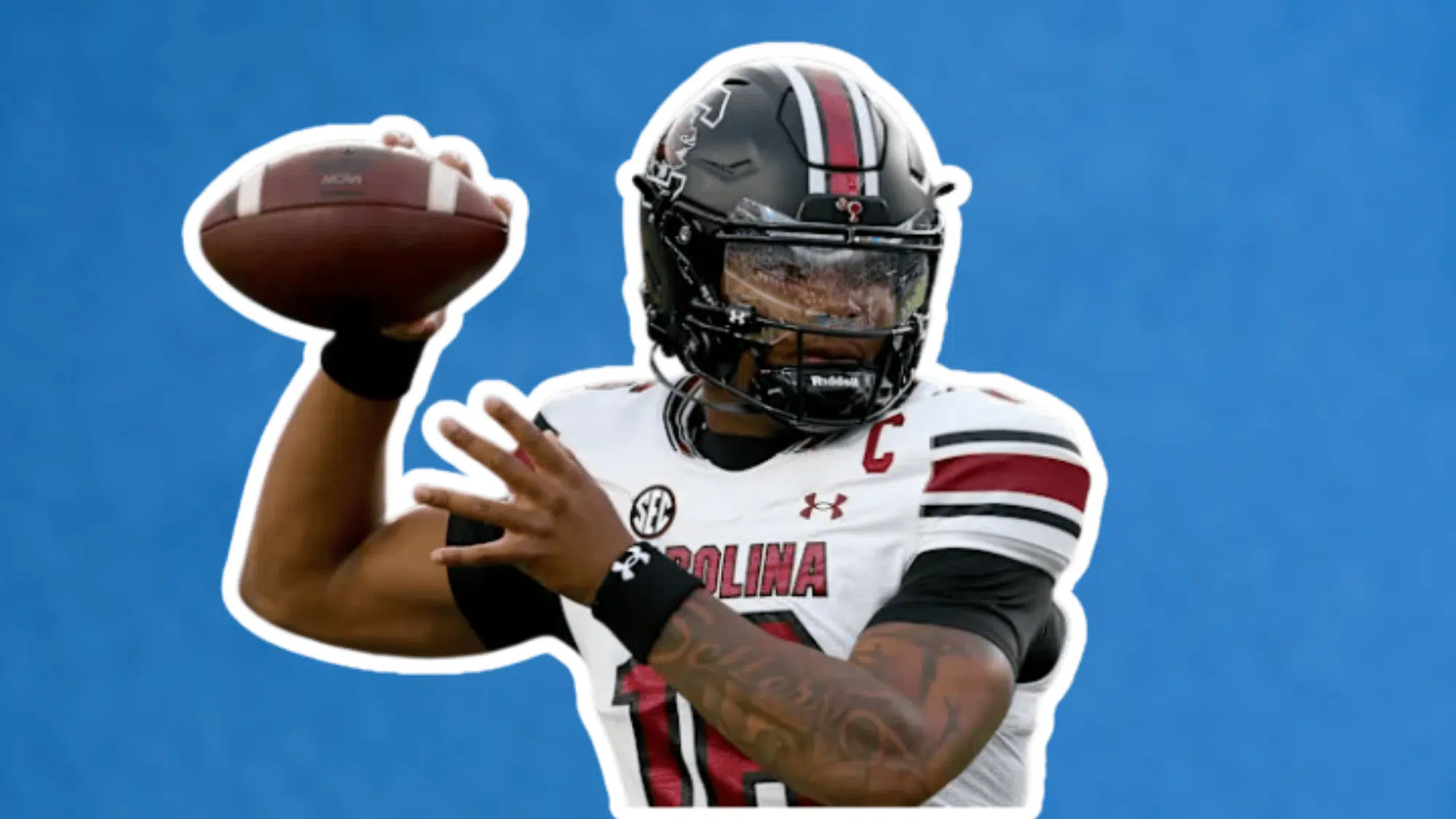
NIL Valuation:$3.7 million
LaNorris Sellers became a breakout name after an impressive season that put him on the national radar. His dual-threat ability and confident playing style have drawn strong fan interest across the SEC.
South Carolina’s growing football visibility and active NIL ecosystem have helped boost his popularity, while brand-friendly appearances and media attention continue to raise his profile.
6. Garrett Nussmeier – QB, LSU
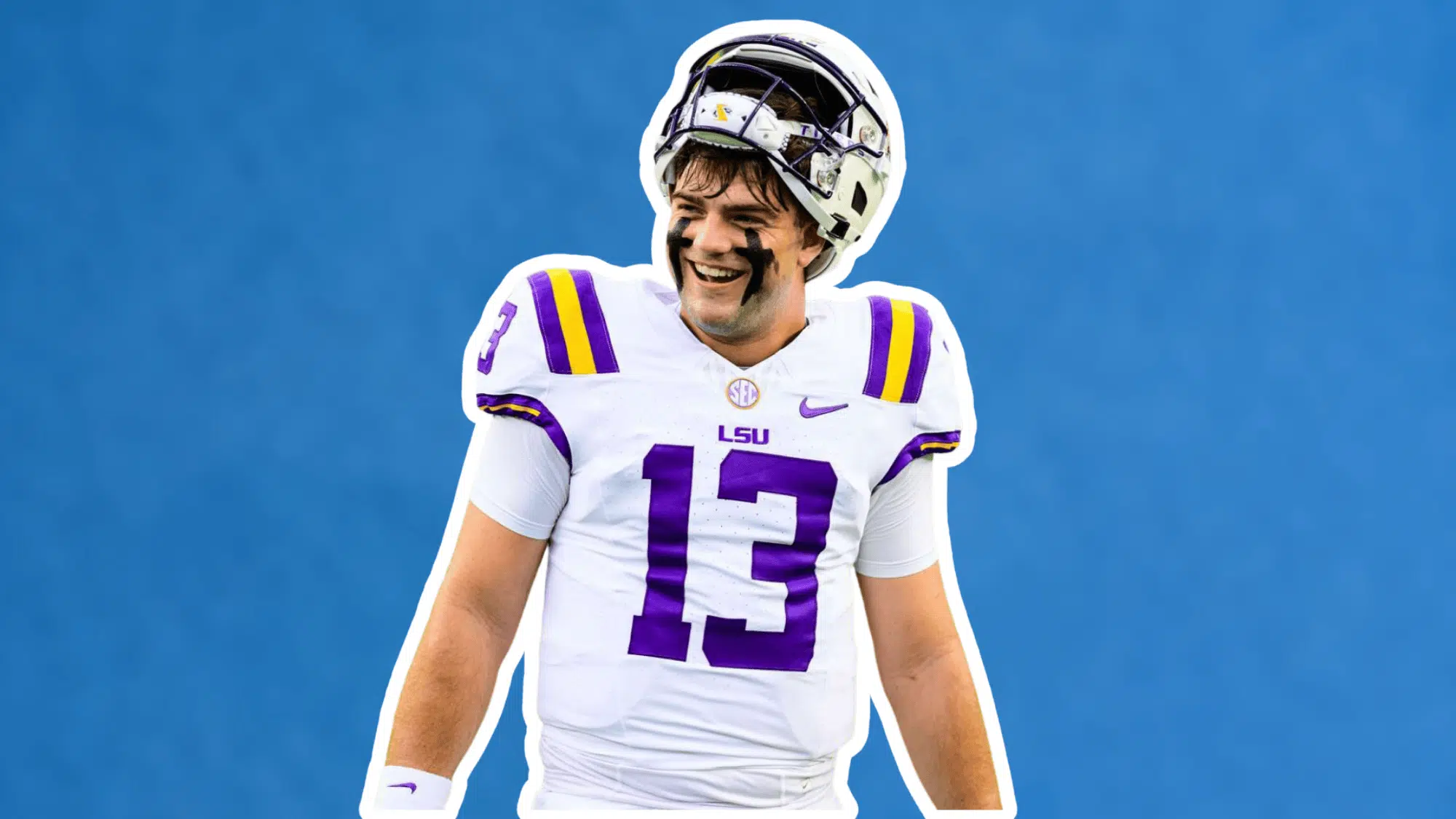
NIL Valuation:$3.7 million
Garrett Nussmeier benefits from playing quarterback at LSU, one of college football’s most-watched programs. His decision to stay in school rather than enter the NFL Draft increased his visibility and leadership role.
Regular national broadcasts, strong fan engagement, and LSU’s established NIL support have helped him build a solid personal brand off the field.
7. Cade Klubnik – QB, Clemson
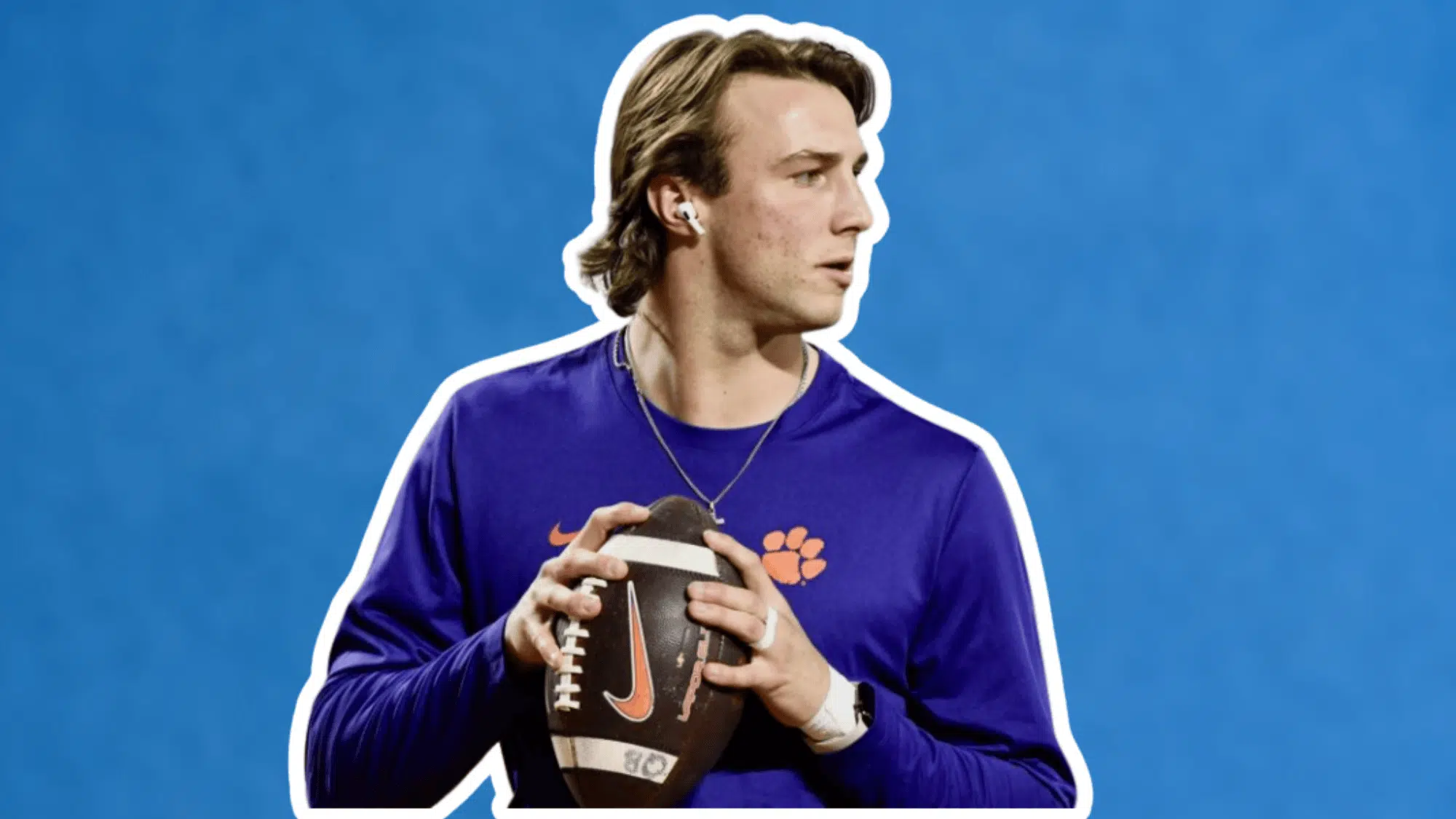
NIL Valuation:$3.4 million
Cade Klubnik commands attention as Clemson’s leader under center, bringing exposure from ACC broadcasts and national games.
His calm play style and leadership attract lifestyle and sports brands looking for fresh faces in college sports. A strong fan base and Clemson’s NIL infrastructure also help maintain his off-field appeal throughout the season.
8. Drew Allar – QB, Penn State
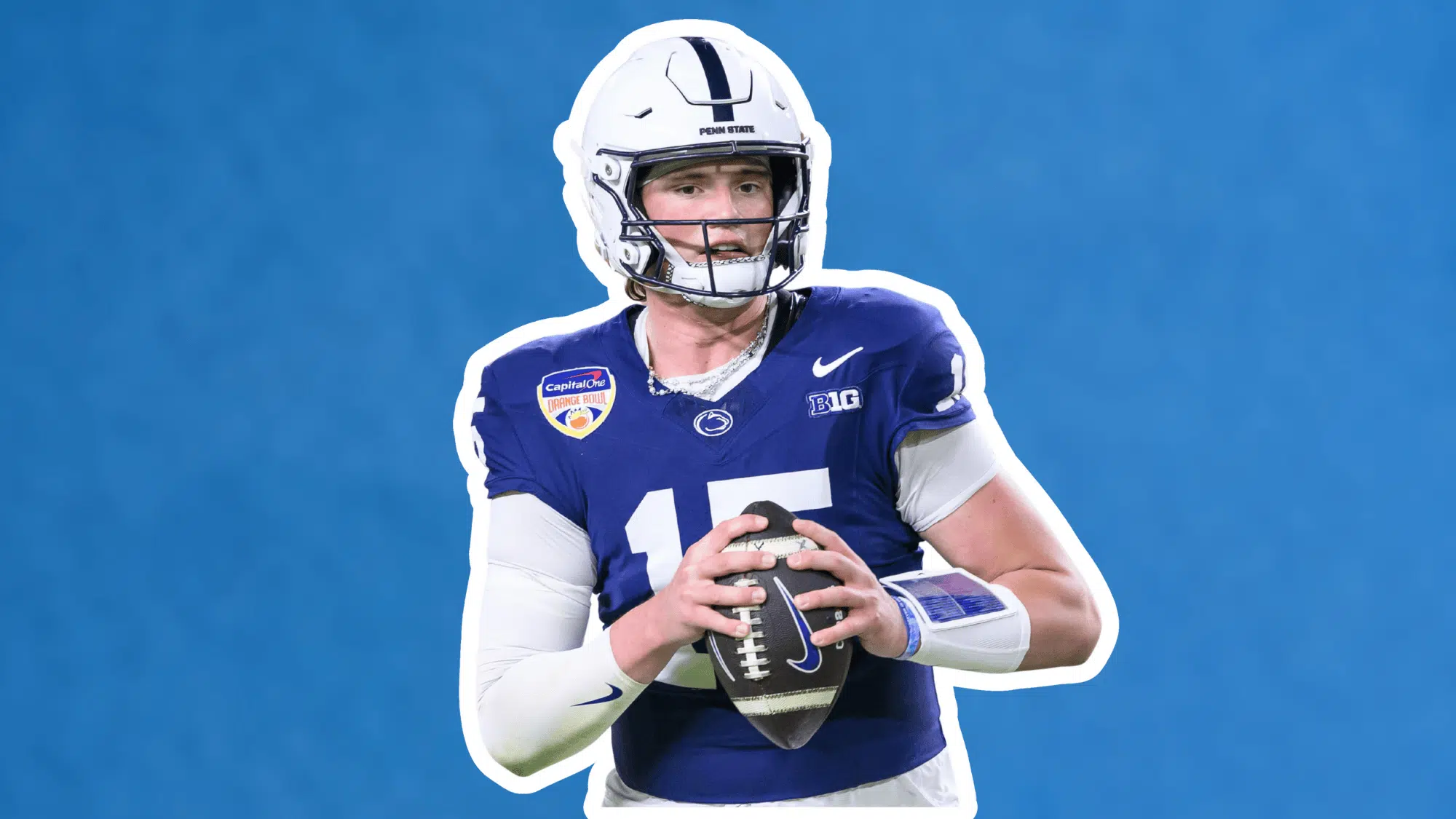
NIL Valuation:$3.1 million
Drew Allar’s steady development at Penn State has made him a recognizable name among college football fans. Leading a program with a massive national following gives him strong exposure each season.
His clean public image, leadership role, and appearances in major bowl and playoff games have helped attract attention from national brands and sponsors.
9. Sam Leavitt – QB, Arizona State
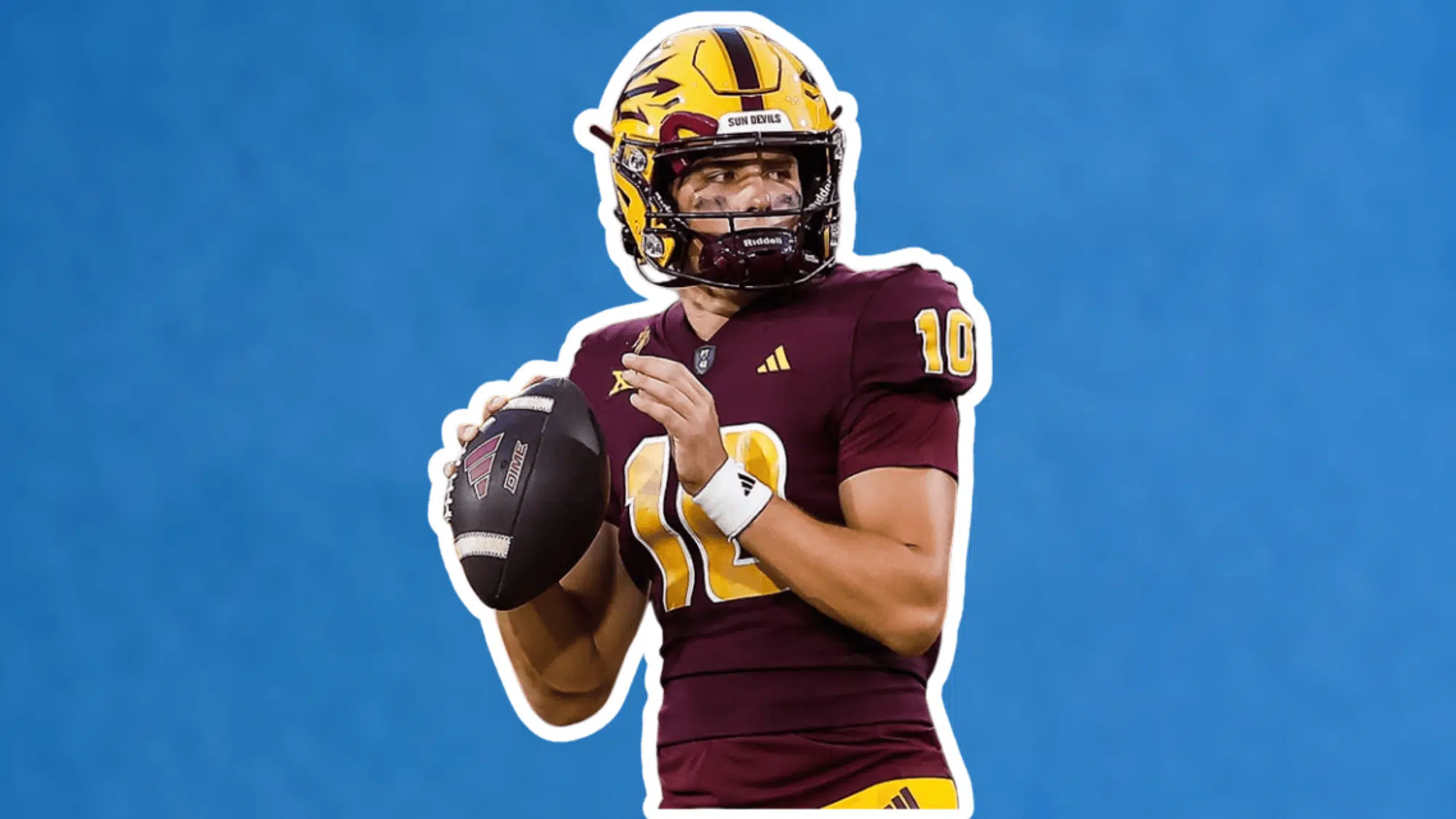
NIL Valuation:$3.1 million
Sam Leavitt’s rise at Arizona State has been driven by strong performances and stability at the quarterback position.
Playing in a major media market has increased his visibility, while local partnerships have helped strengthen his regional presence.
His decision to stay with the program also boosted his reputation as a long-term leader for the team.
10. Bryce Underwood – QB, Michigan
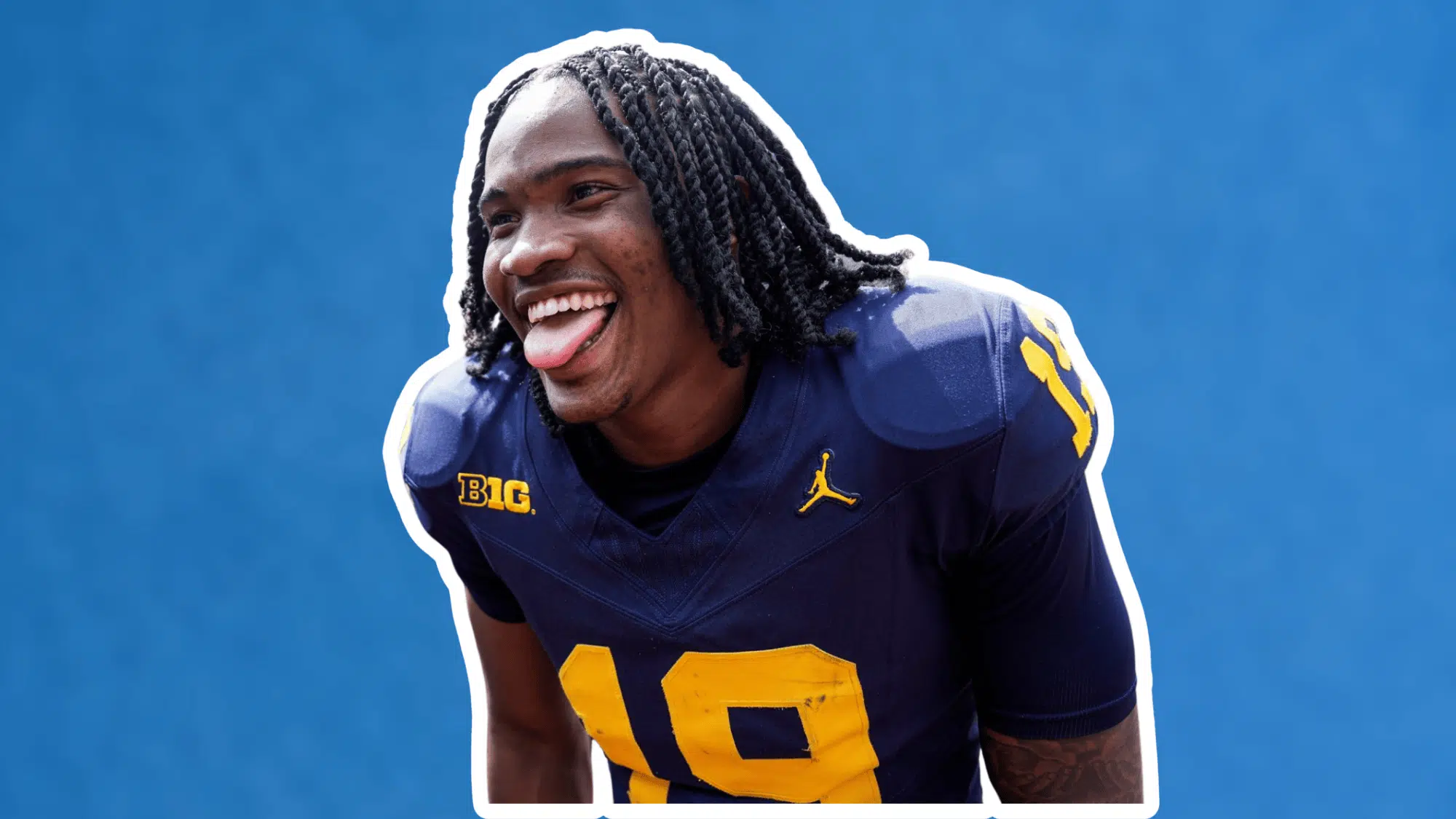
NIL Valuation:$3.0 million
Bryce Underwood entered college football with massive attention as one of the top quarterback recruits in the country. Staying in his home state to play for Michigan helped amplify his popularity among fans.
His recruiting story, national media coverage, and association with a historic program have made him one of the most talked-about young players in the sport.
11. JT Toppin – F, Texas Tech
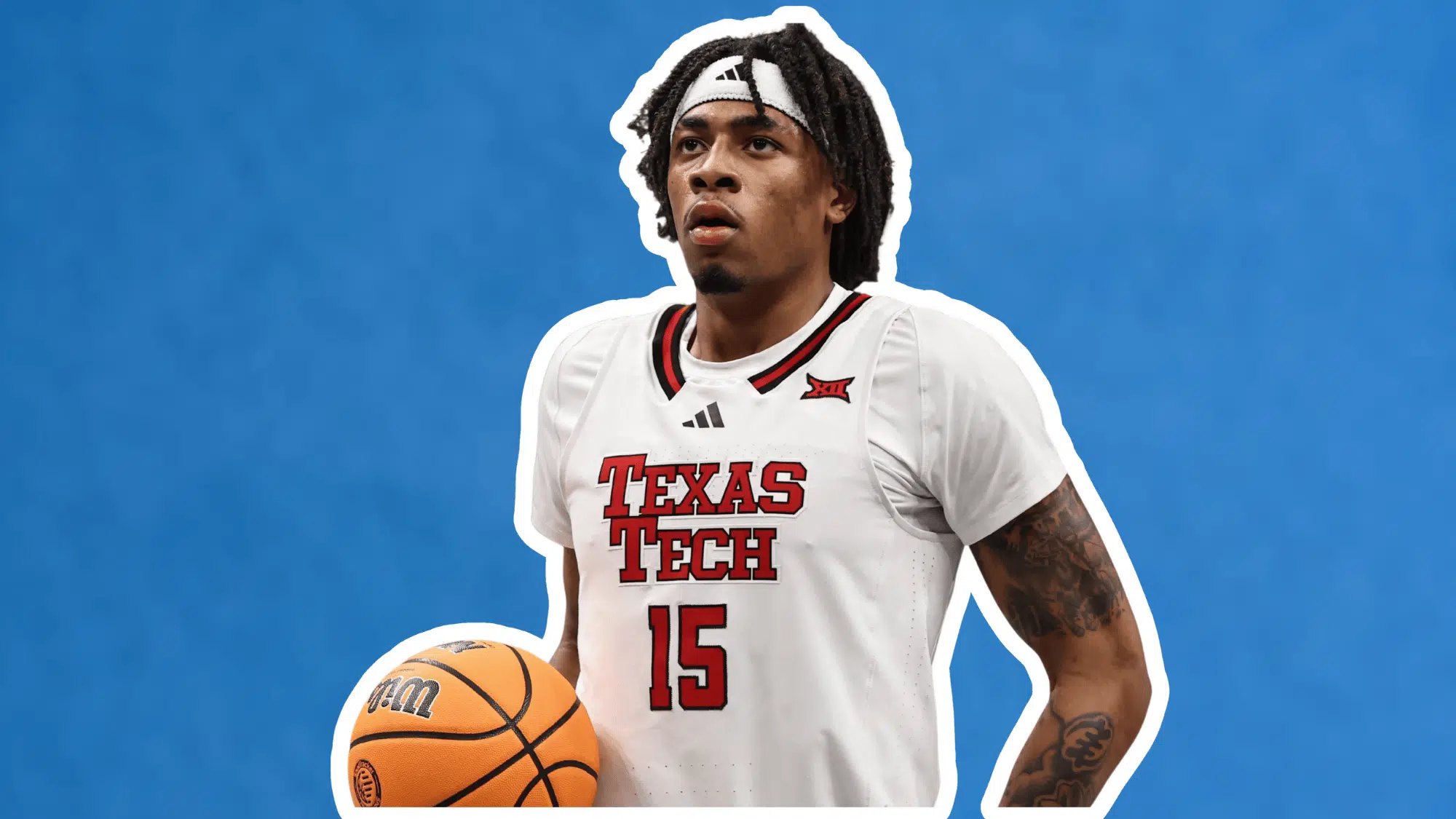
NIL Valuation:$2.8 million
JT Toppin became one of the most recognizable names in college sports after a dominant season that earned national awards and media attention.
His decision to return to school increased his visibility and leadership role.
Consistent performances, highlight moments, and strong fan support have made him attractive to sponsors looking for athletes with both on-court impact and growing national recognition.
12. Darian Mensah – QB, Duke
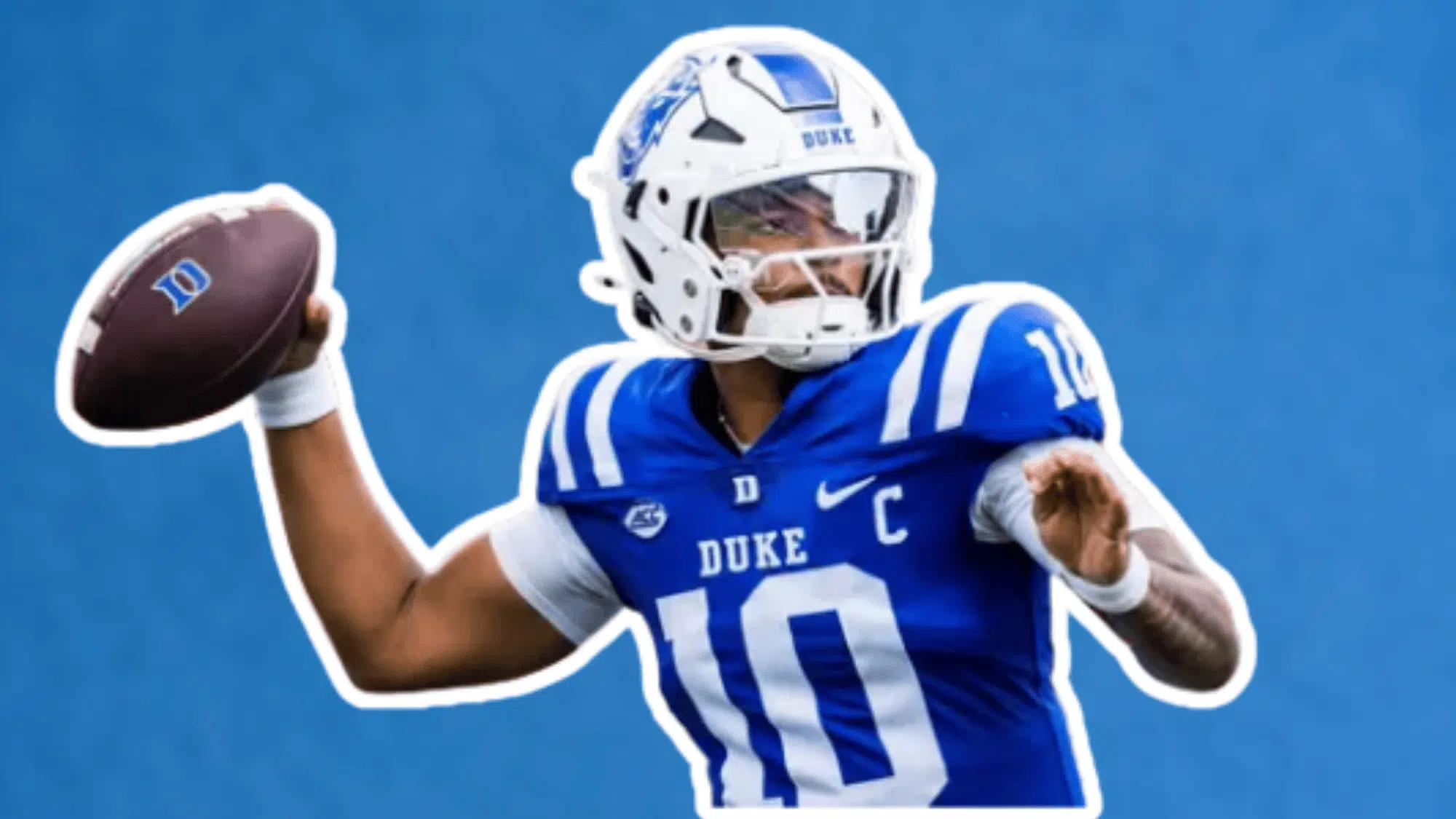
NIL Valuation:$2.8 million
Darian Mensah gained attention after a strong season that showed poise and consistency at quarterback. His transfer to Duke brought fresh spotlight and increased exposure within a Power Five program.
Playing a key leadership role while leading a rebuilding offense has helped boost his profile, especially among fans and brands interested in emerging quarterback talent.
13. John Mateer – QB, Oklahoma
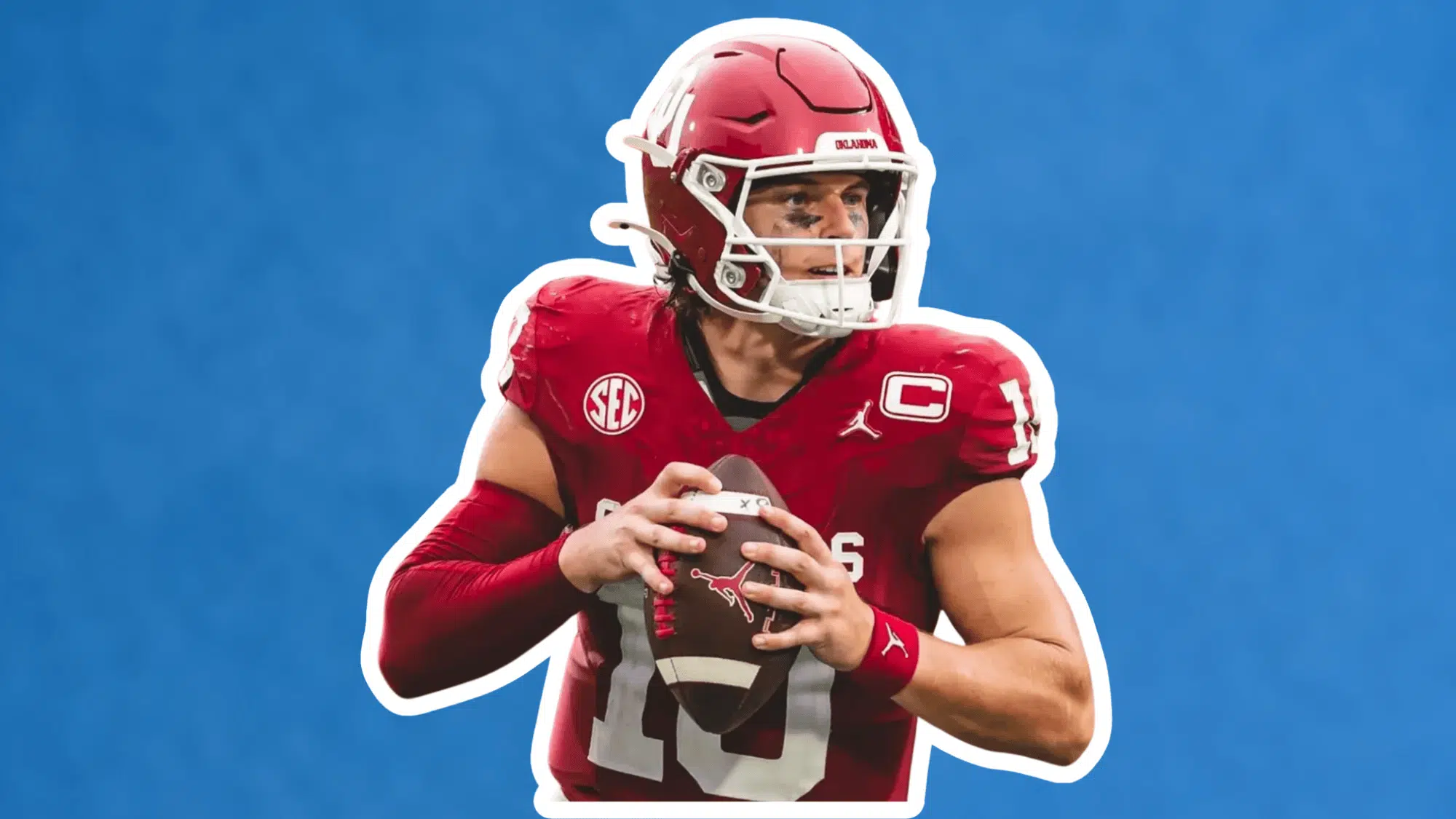
NIL Valuation:$2.7 million
John Mateer’s move to Oklahoma significantly raised his national profile. Known for his ability to contribute both through the air and on the ground, he fits well in a high-visibility offensive system.
Playing for a historic football program with a massive fan base has helped expand his recognition and made him a strong presence in college football discussions.
14. Ryan Williams – WR, Alabama
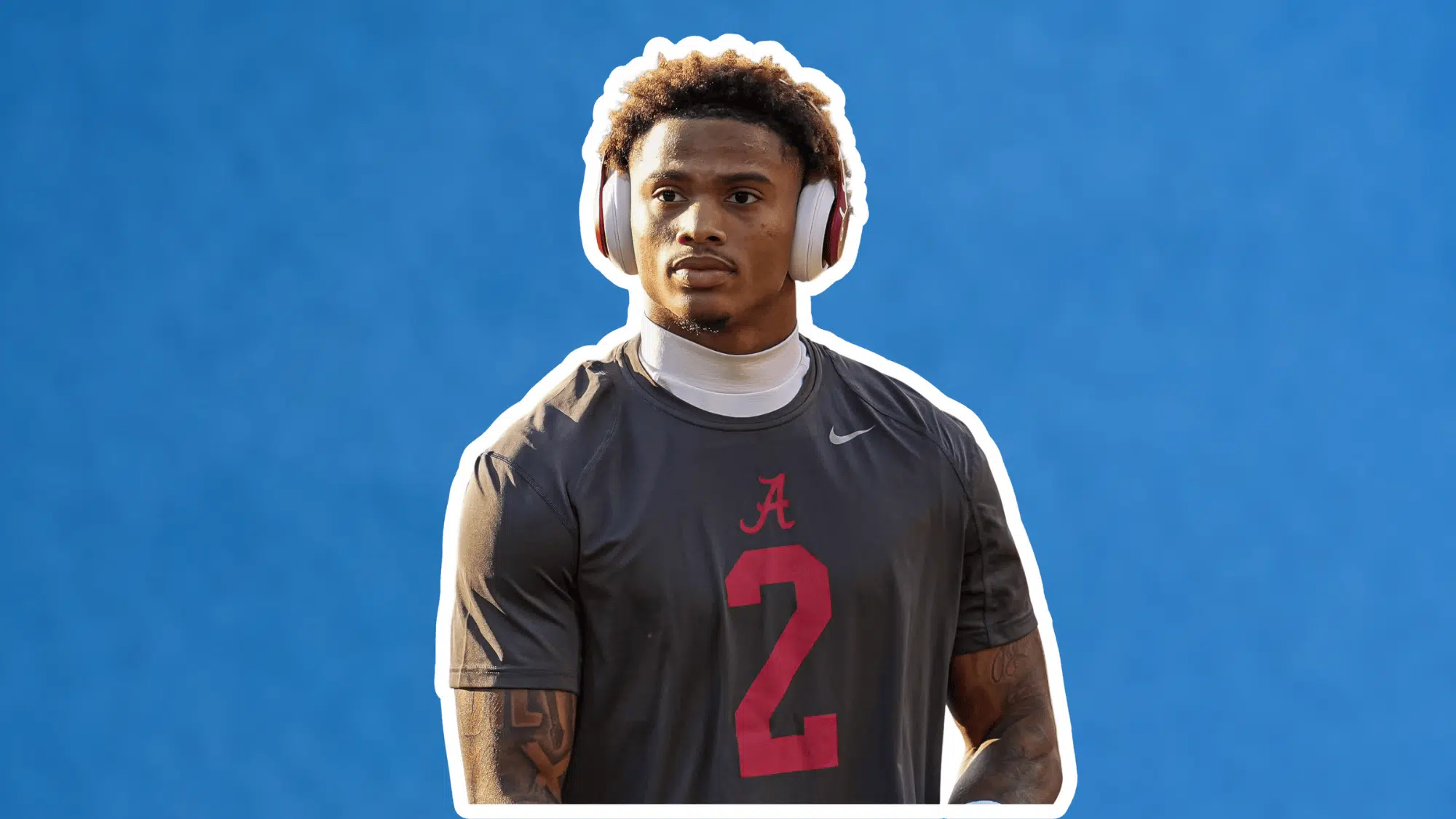
NIL Valuation: $2.7 million
Ryan Williams became one of the most talked-about young receivers in college football after making an immediate impact at Alabama.
His speed, route-running, and big-play ability quickly caught national attention.
Playing for a championship-level program gives him constant exposure, while strong fan interest and media coverage have helped raise his profile with lifestyle and apparel brands.
15. Josh Hoover – QB, TCU
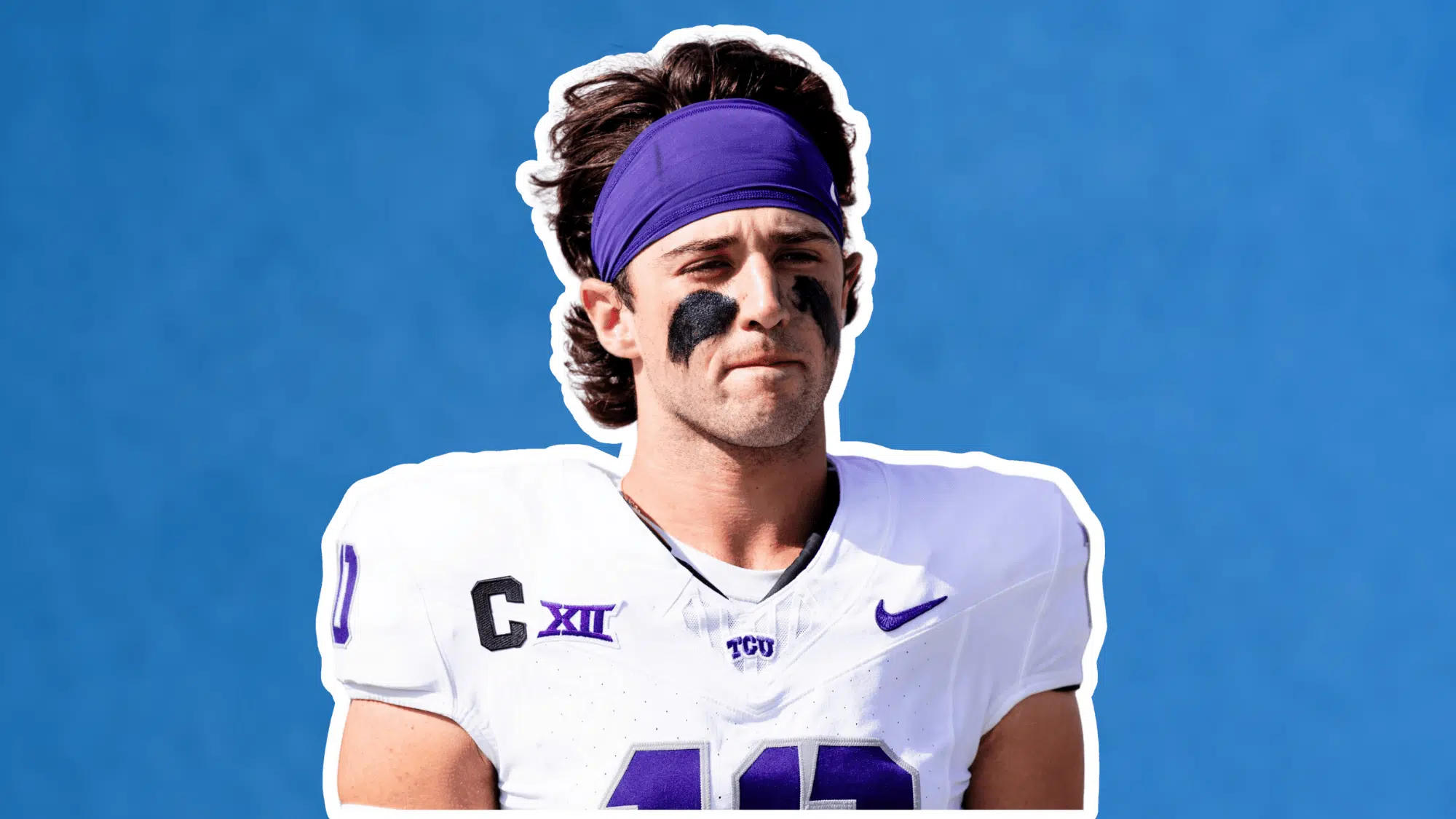
NIL Valuation:$2.4 million
Josh Hoover’s breakout performances at TCU made him one of the more talked-about quarterbacks in the Big 12. His ability to put up big numbers and lead the offense consistently has driven fan interest.
Staying with the program despite transfer interest also boosted his image as a committed leader, helping grow his off-field popularity.
16. Caleb Downs – S, Ohio State
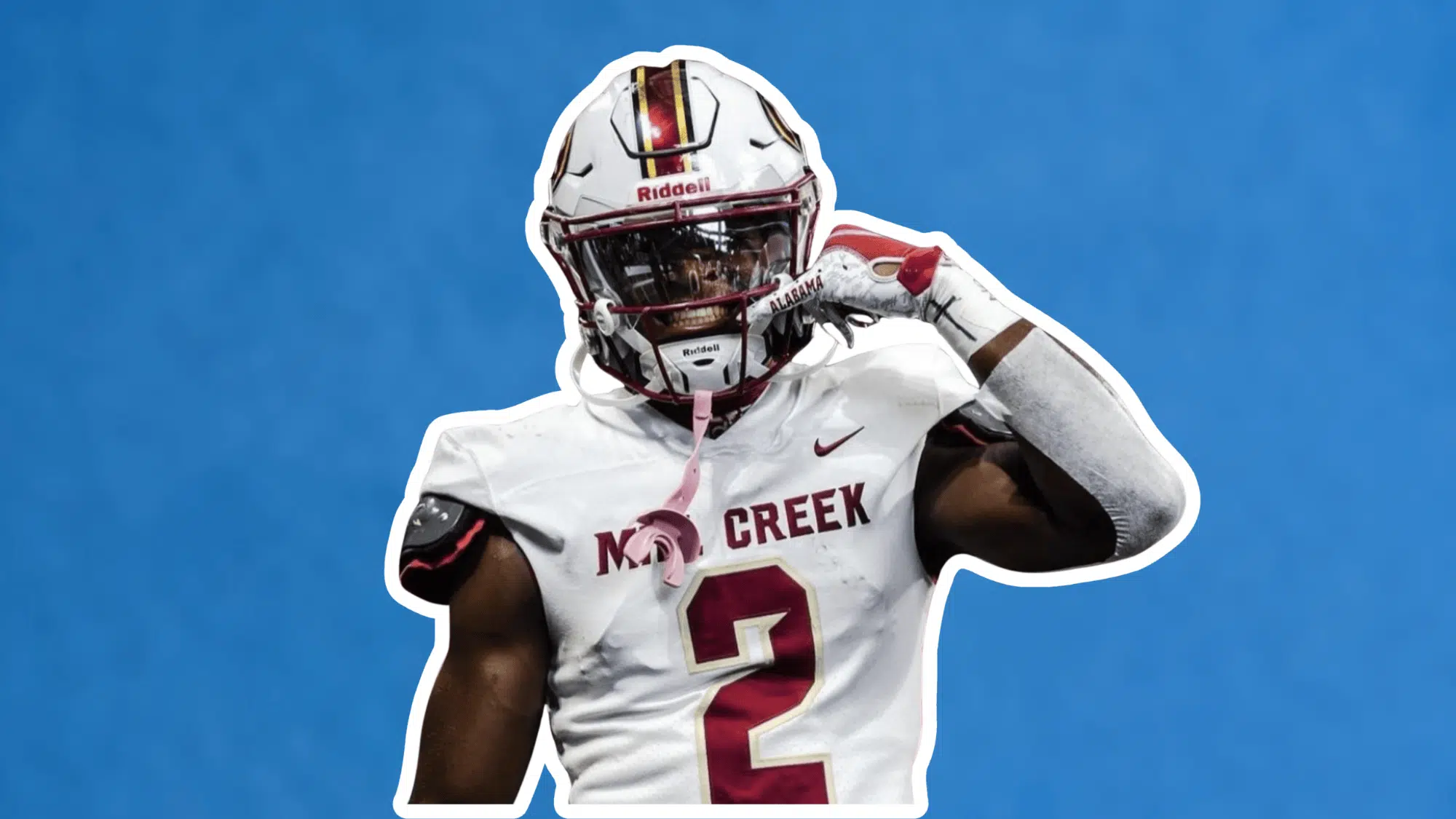
NIL Valuation:$2.4 million
Caleb Downs is widely viewed as one of the best defensive players in college football. His consistent impact on the field, leadership in the secondary, and national recognition have made him stand out among non-quarterbacks.
Playing for Ohio State brings major weekly exposure, while his reputation as an elite defender has helped attract attention from apparel and lifestyle brands.
17. CJ Bailey – QB, NC State
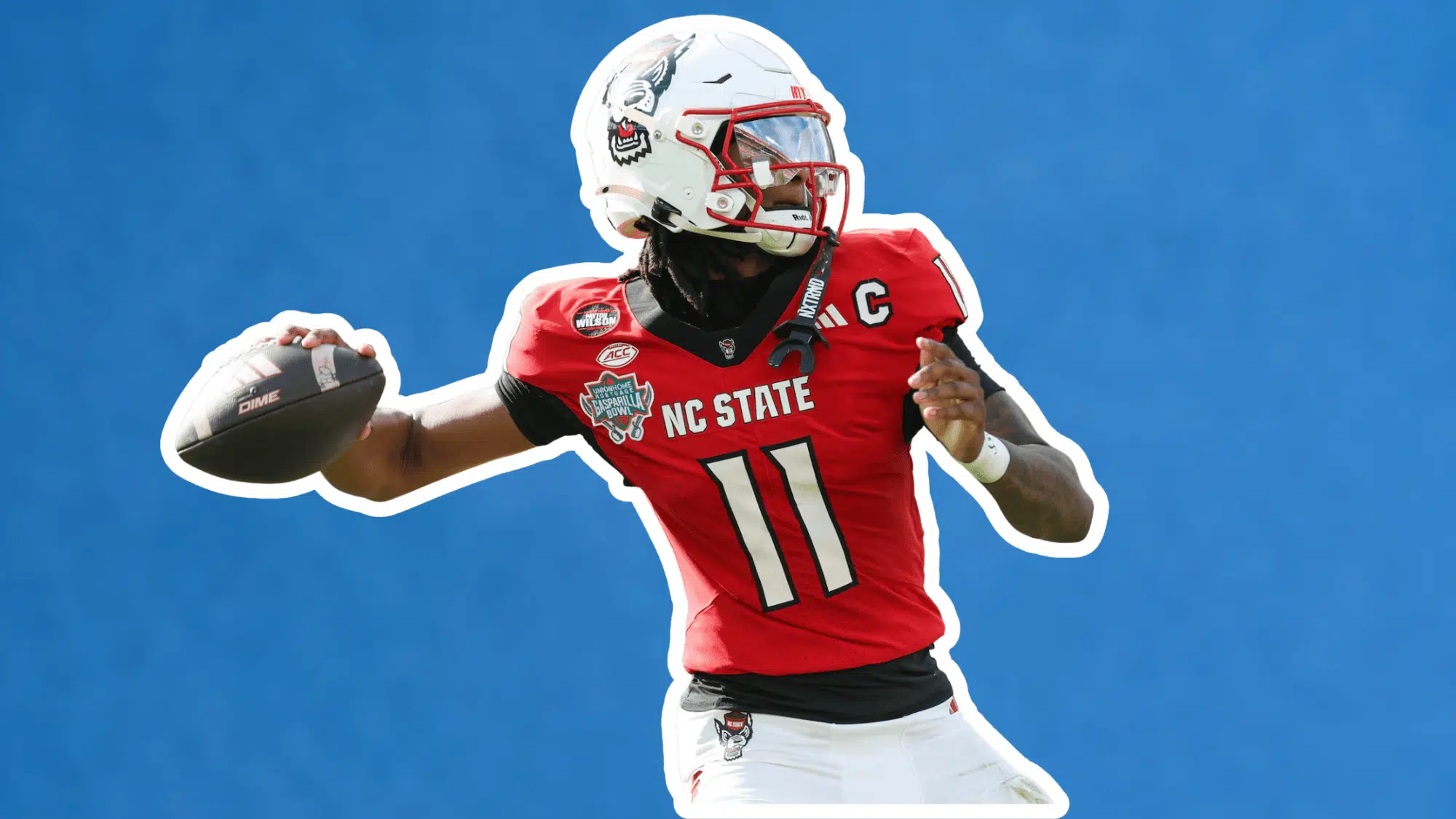
NIL Valuation:$2.3 million
CJ Bailey earned national attention after stepping into a starting role early in his college career. His calm presence, strong decision-making, and ability to lead the offense helped him gain trust from fans and coaches alike.
Remaining with NC State boosted his image as a program cornerstone, while steady performances increased his visibility within the ACC.
18. Dylan Raiola – QB, Nebraska
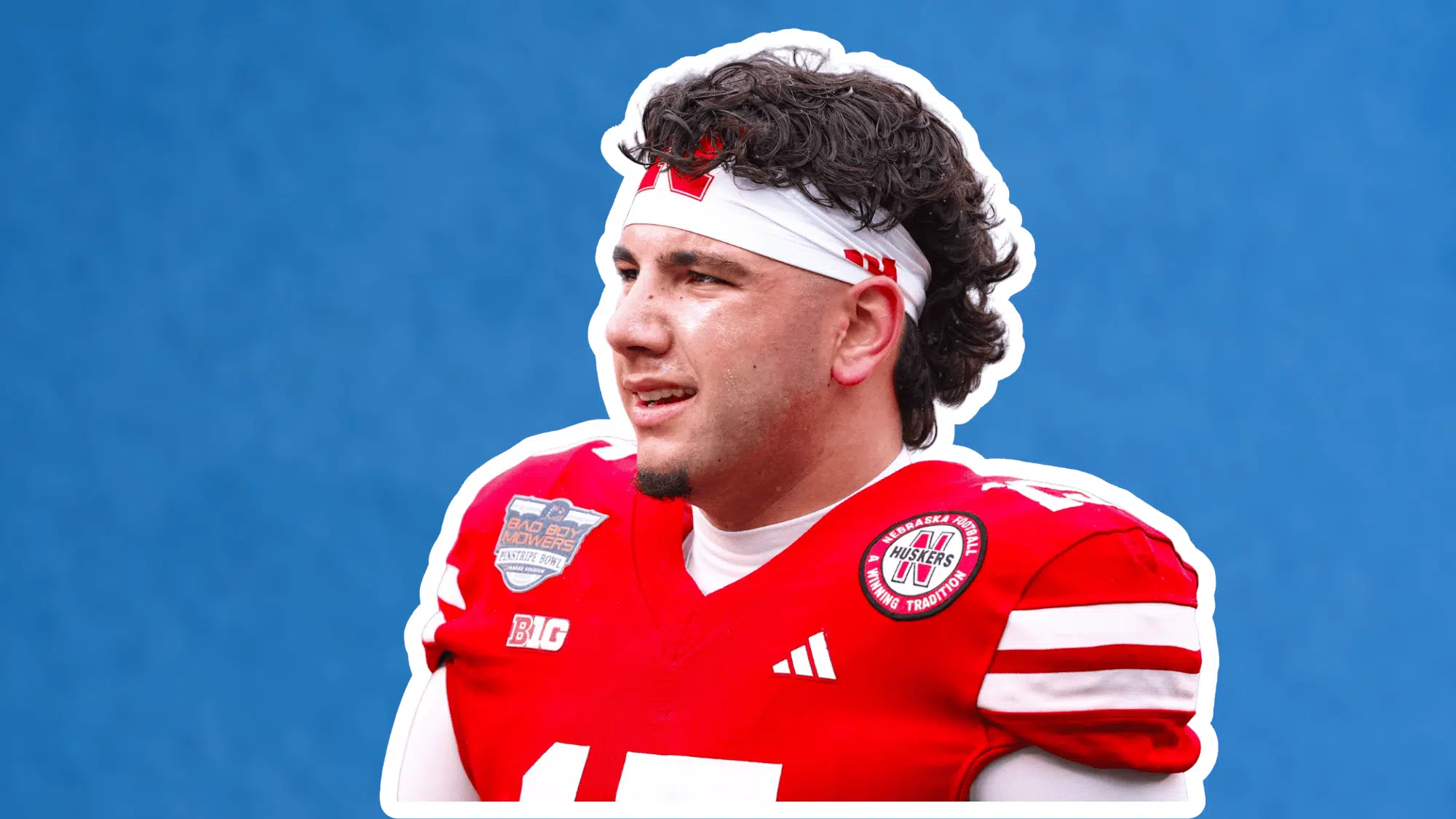
NIL Valuation:$2.3 million
Dylan Raiola entered college football with massive hype as one of the most followed quarterback recruits in recent years.
His commitment to Nebraska brought renewed excitement to the program and drew national media attention.
Strong brand appeal, a famous football background, and association with a historic program have helped grow his popularity quickly.
19. Dante Moore – QB, Oregon
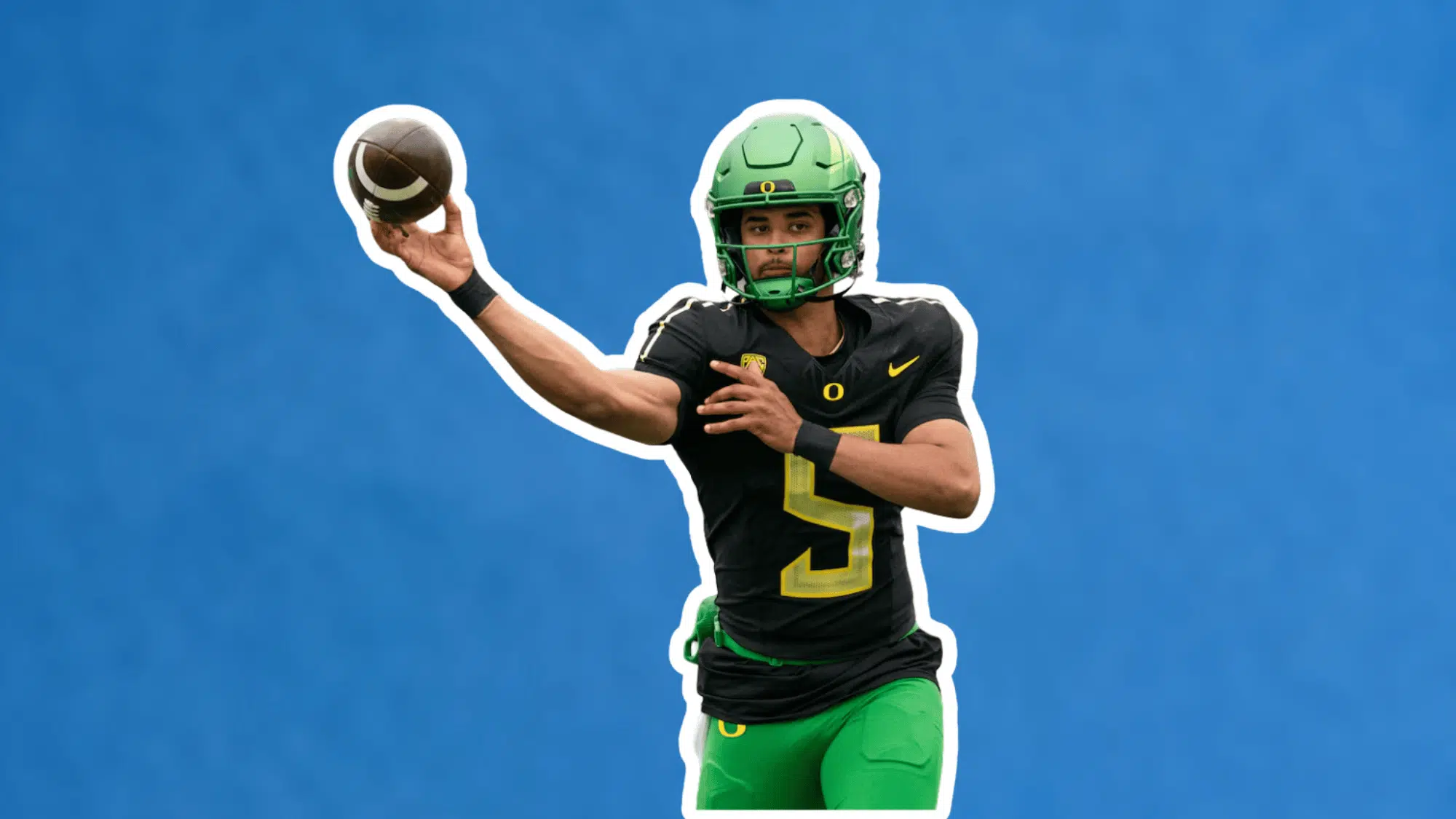
NIL Valuation: $2.3 million
Dante Moore stays in the spotlight because he’s a high-upside quarterback at a major national brand program. Oregon’s weekly exposure, strong fan support, and modern marketing machine help raise his visibility.
He also benefits from being a former top recruit, which keeps media attention high even before a full breakout season.
That combination of position value, attention, and program reach makes him a strong fit in this part of the rankings.
20. Taylen Green – QB, Arkansas
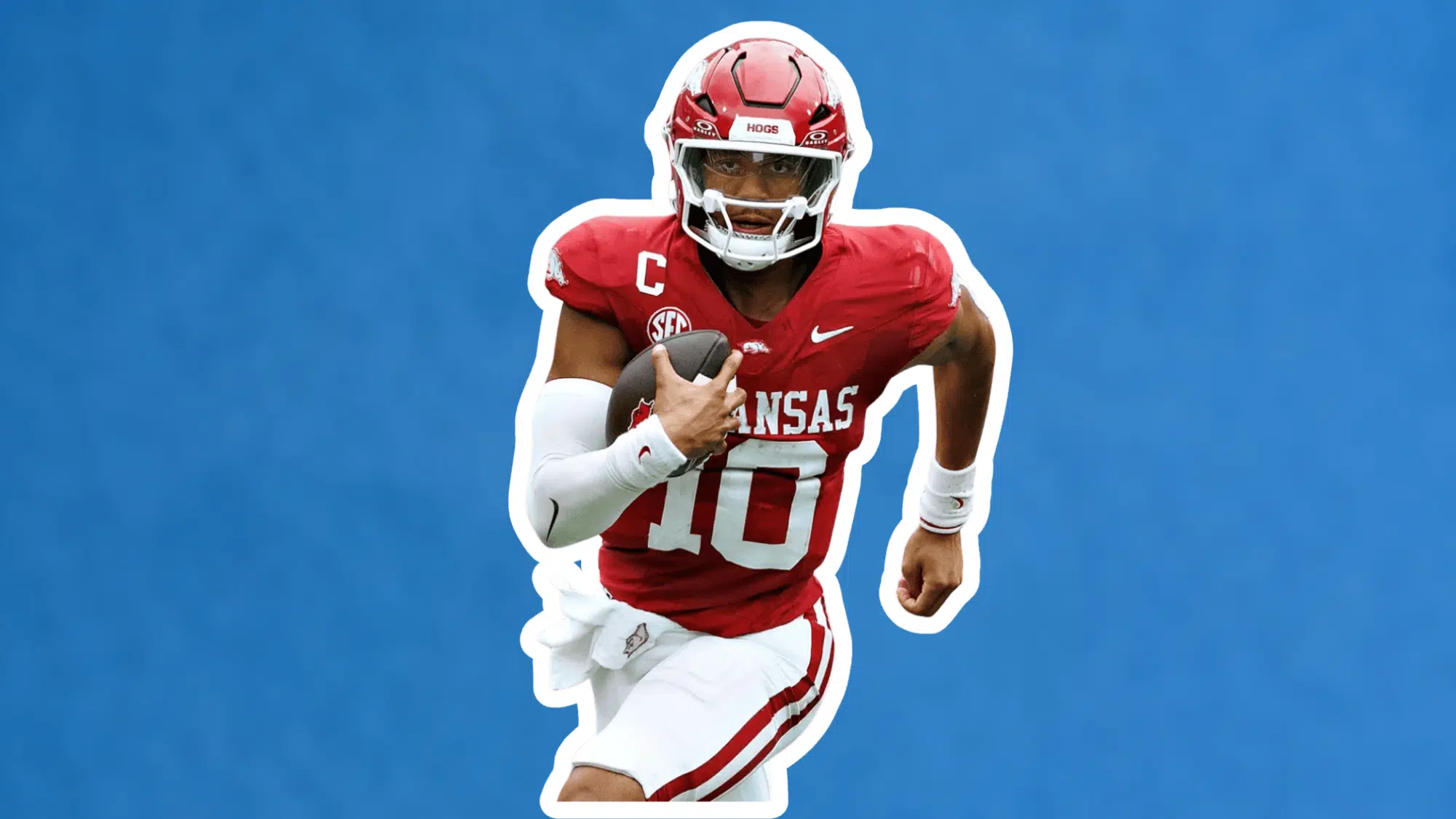
NIL Valuation:$2.1 million
Taylen Green’s athletic style of play and strong arm have made him a recognizable name in the SEC. His move to Arkansas brought new attention and expanded his audience in a competitive conference.
Local endorsements, fan engagement, and leadership responsibilities within the program have helped grow his presence both on and off the field.
21. Trevor Etienne – RB, Georgia
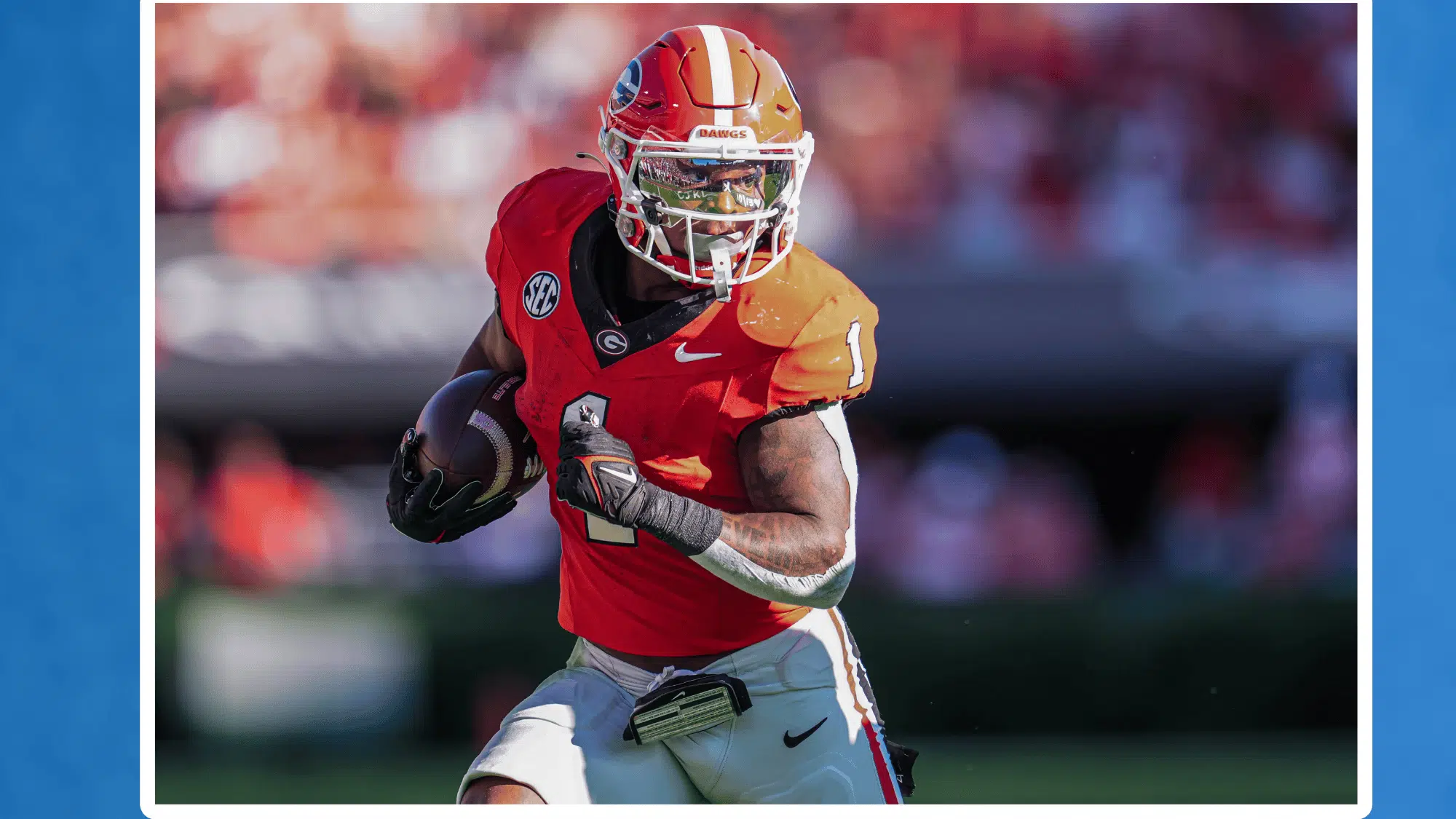
NIL Valuation: $2.1 million
Trevor Etienne’s move to Georgia placed him in one of the most successful programs in the country. His explosive running style and role in a high-powered offense have boosted his visibility across the SEC.
Regular national broadcasts and postseason expectations have helped grow his popularity with fans, while Georgia’s strong NIL support adds to his off-field appeal.
22. Quinn Ewers – QB, Texas
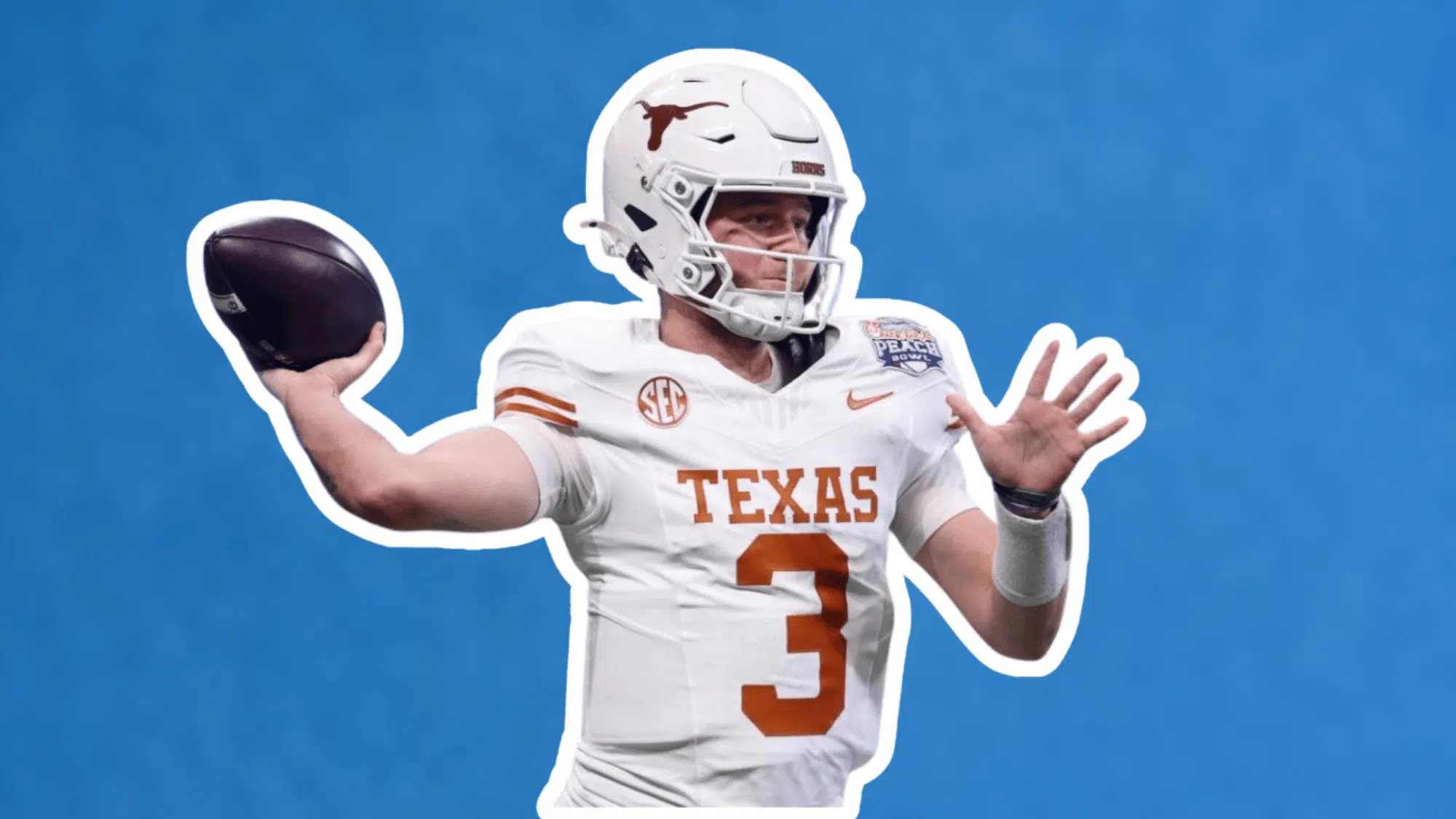
NIL Valuation: $2.0 million
Quinn Ewers remains one of the most recognizable quarterbacks in college football. His earlier success, high-profile recruitment, and time at Texas kept him in the national spotlight.
Playing for a program with massive media reach continues to support his brand value, while steady fan engagement and endorsements help maintain his relevance beyond game days.
23. Nico Iamaleava – QB, UCLA
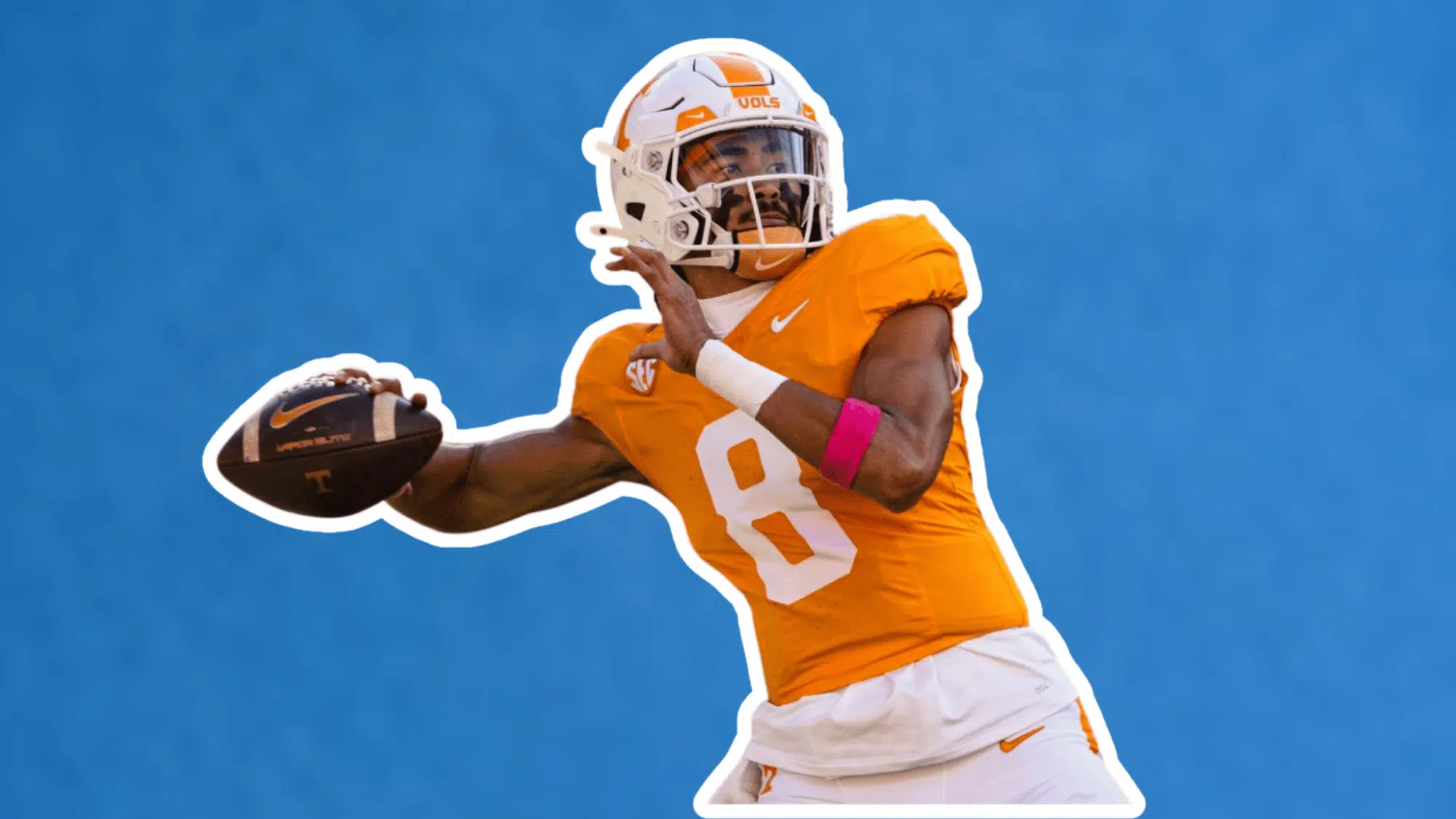
NIL Valuation:$2.0 million
Nico Iamaleava became a central figure in college football discussions after a high-profile transfer. His strong arm, size, and early-career expectations have kept him in the national spotlight.
Media coverage, fan interest, and appearances in major brand campaigns have all helped maintain his popularity despite changes in his college path.
24. Jackson Arnold – QB, Auburn
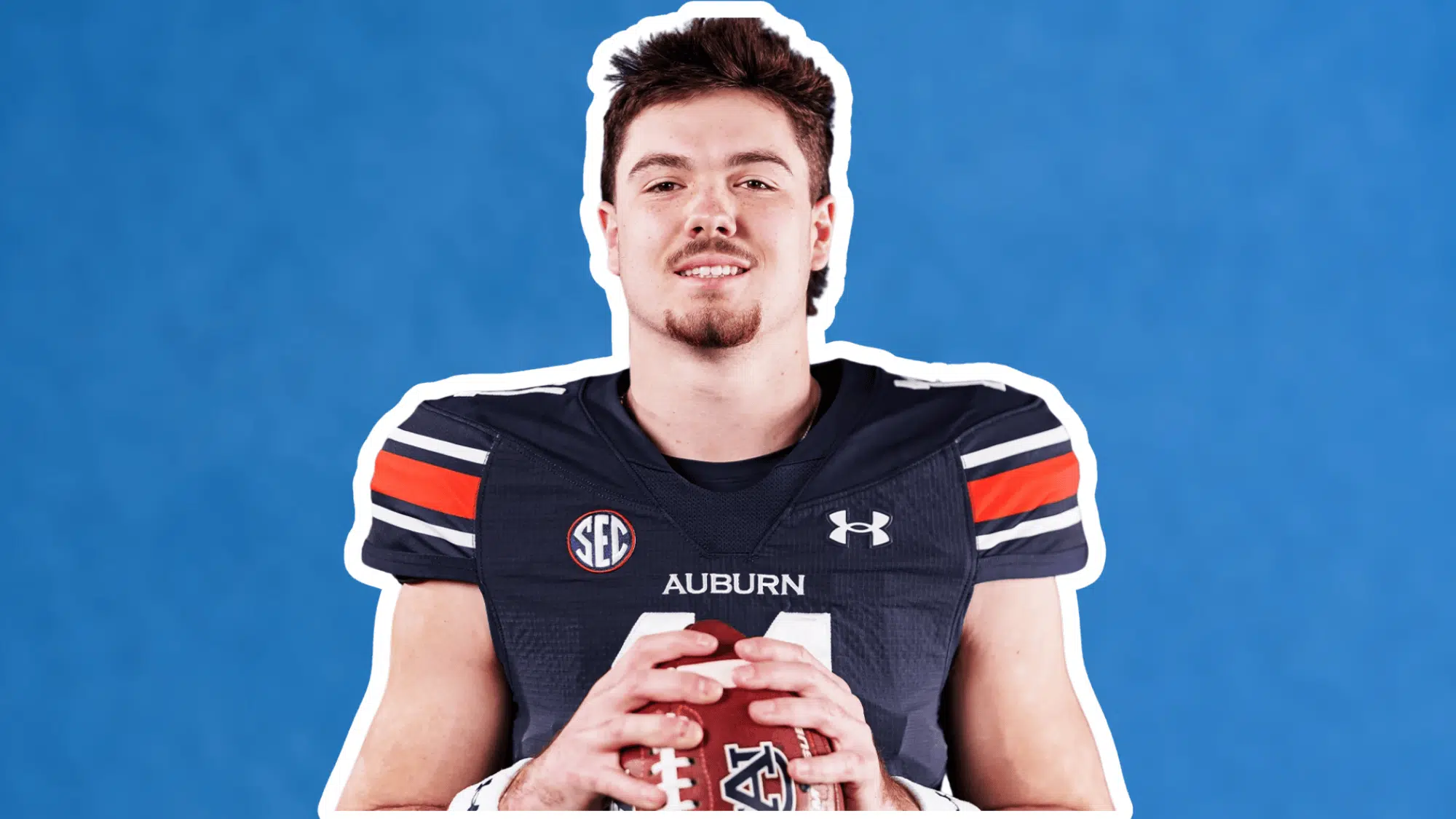
NIL Valuation:$2.0 million
Jackson Arnold’s move to Auburn placed him back into the SEC spotlight. As a former highly rated recruit, he continues to draw interest from fans eager to see his development.
Playing quarterback in a competitive conference brings constant exposure, while Auburn’s fan base and media reach have helped keep his name visible across college football.
25. Marcel Reed – QB, Texas A&M
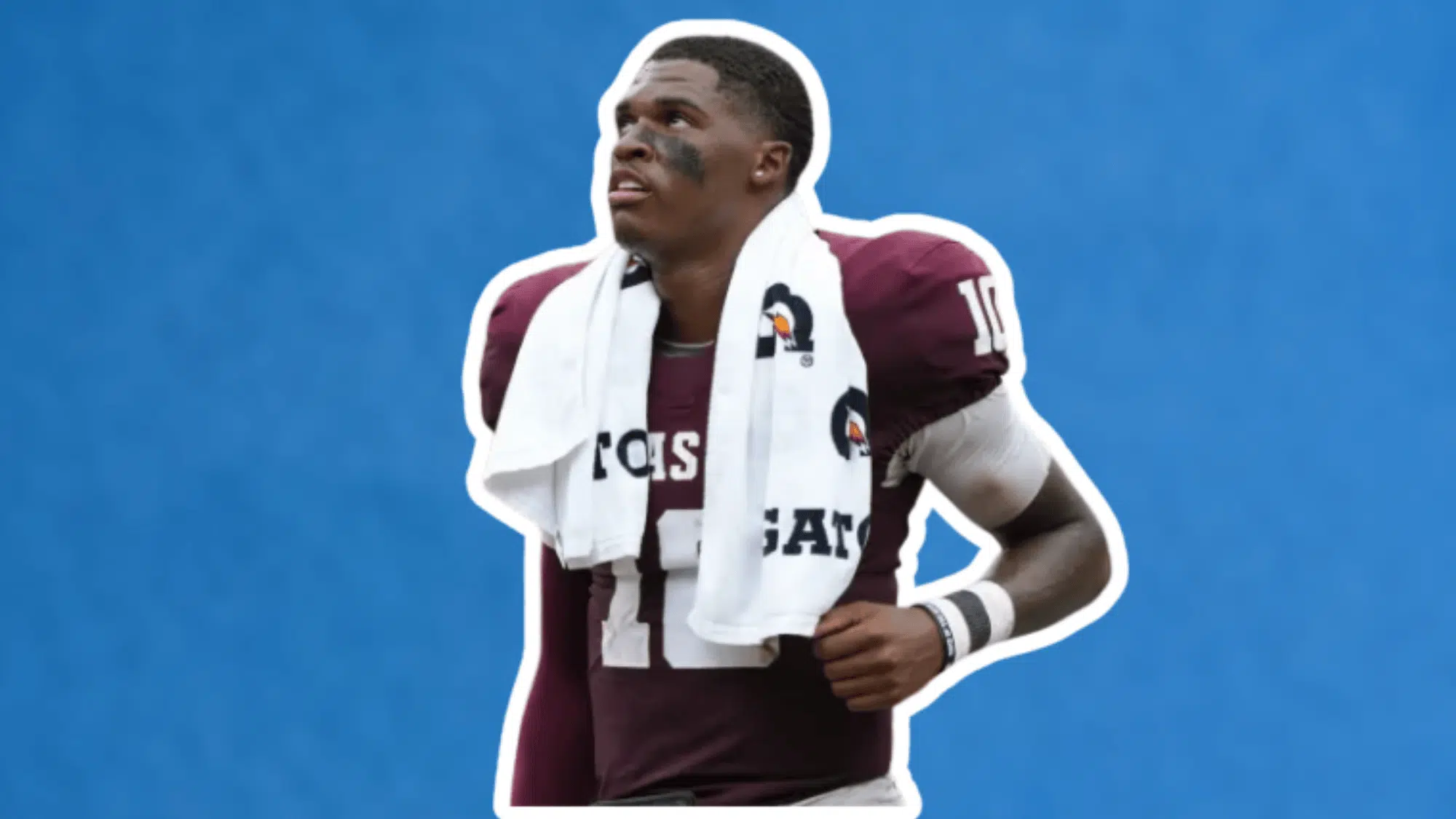
NIL Valuation: $1.9 million
Marcel Reed’s value is boosted by playing quarterback in the SEC and being tied to a program with a huge fan base and strong regional pull. Texas A&M’s size, culture, and game-day attention give players a big platform.
Even without being the most famous name nationally, the QB position and the school’s visibility help keep him highly marketable, which is why he fits well at this rank.
26. Jalen Milroe – QB, Alabama
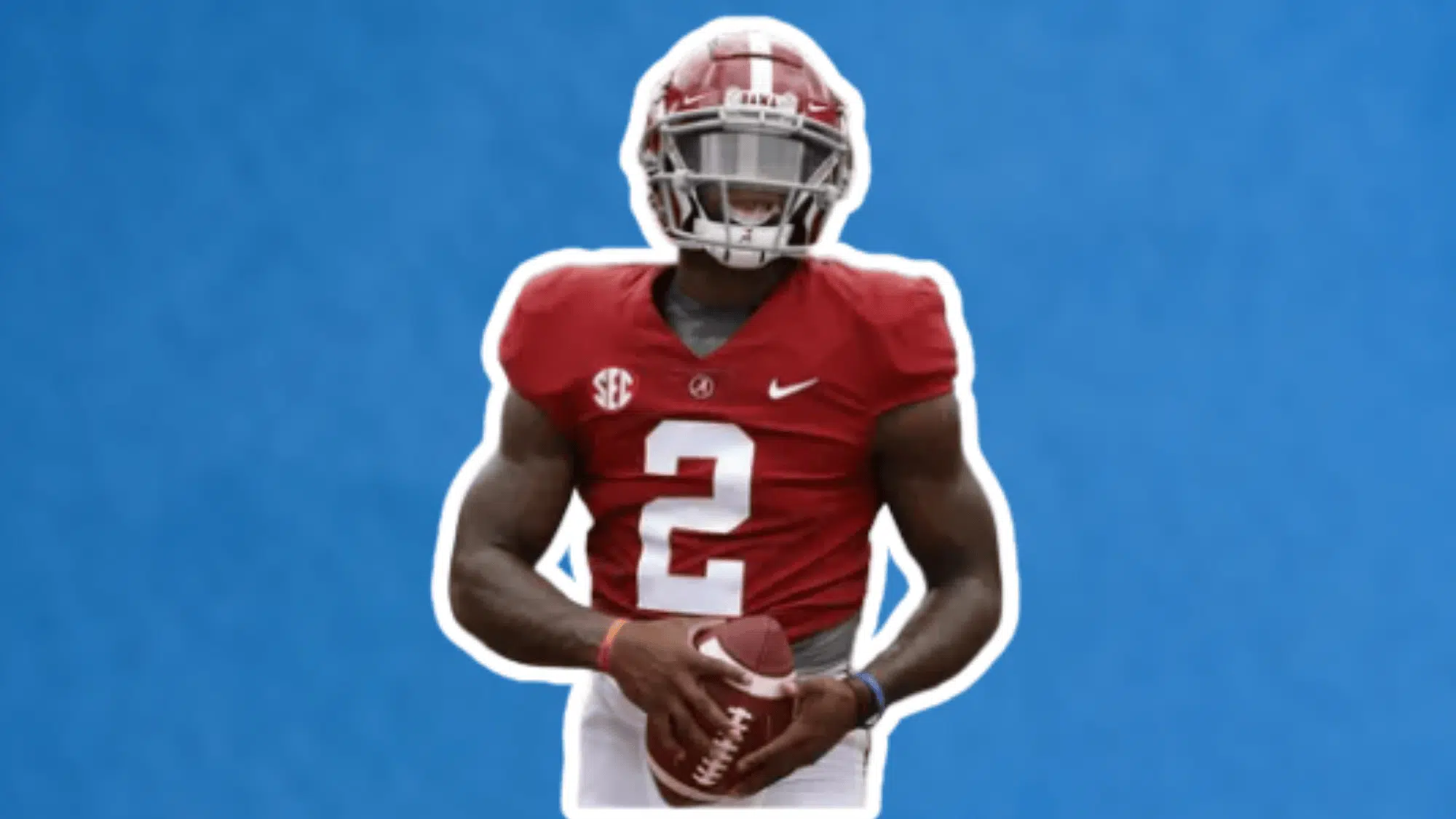
NIL Valuation:$1.9 million
Jalen Milroe gained widespread attention through his dynamic playing style and leadership at Alabama. Playing quarterback for a championship-level program brings constant national coverage.
His athleticism, highlight plays, and strong social media presence have helped him connect with fans, while Alabama’s massive platform boosts his off-field popularity.
27. Shedeur Sanders – QB, Colorado
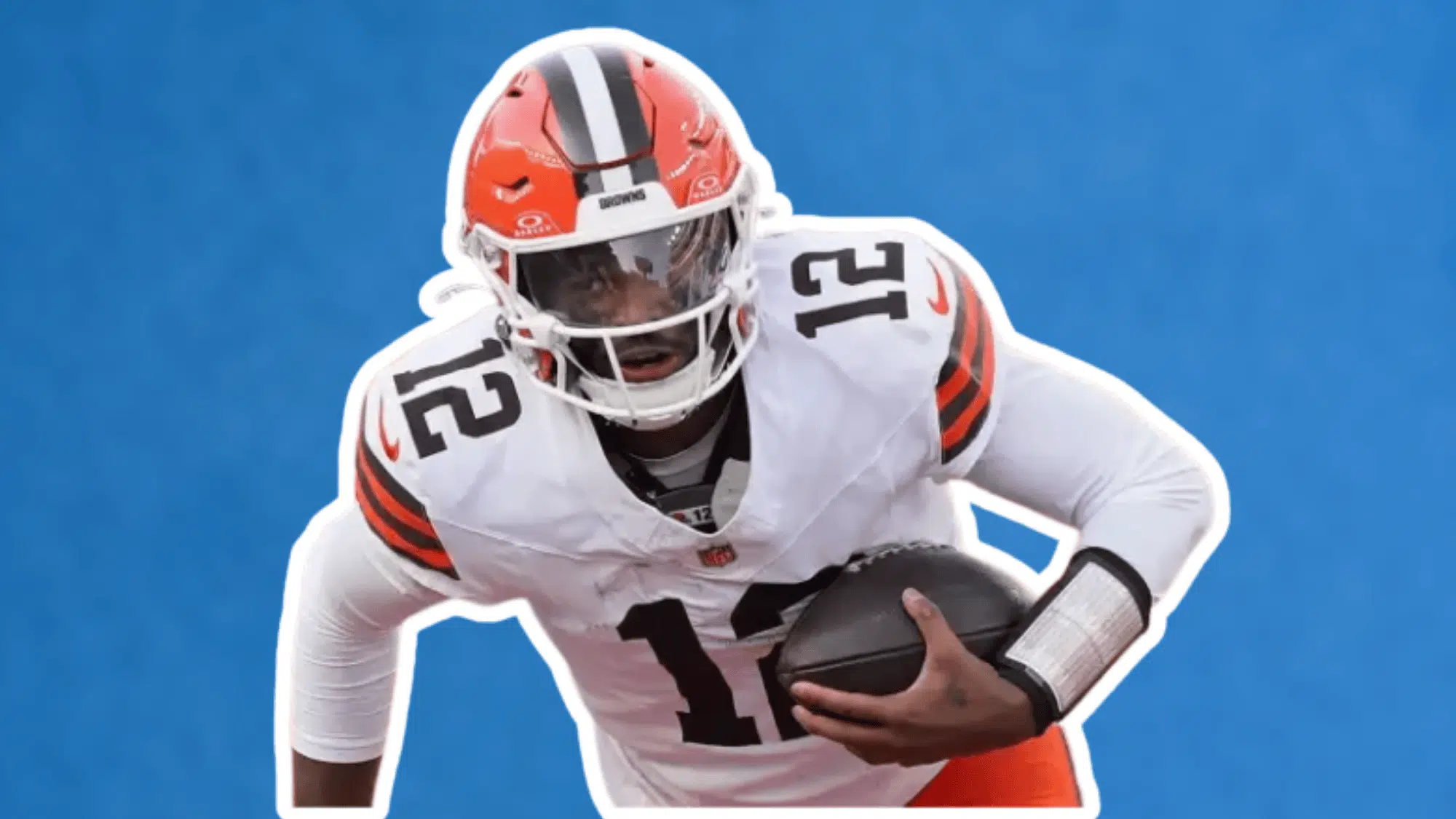
NIL Valuation:$1.8 million
Shedeur Sanders remains one of the most recognizable names tied to NIL discussions in college football. His time at Colorado brought heavy media attention, national brand deals, and strong social engagement.
Even after moving on, his influence on NIL culture, quarterback branding, and player marketability continues to shape how athletes build value beyond the field.
What Is an NIL Collective?
An NIL collective is a group, often backed by alumni, boosters, and local supporters, that raises money to support college athletes through NIL deals.
These groups pool funds from donations, memberships, and business partnerships, then use that money to create paid opportunities for players.
NIL collectives play a major role in recruiting and transfers because they help schools attract and retain talent by offering structured financial support.
For many athletes, collectives provide stability, especially in the transfer portal, where financial backing can influence where a player chooses to play.
Schools Known for Strong NIL Programs
Some programs lead NIL because they mix strong collectives, big fan reach, and major media attention, helping athletes grow brands and land deals.
| School | Why It’s Strong for NIL |
|---|---|
| Texas | Huge alumni network and constant national spotlight |
| Georgia | Recent title runs and deep booster backing |
| Miami | High-profile city market and strong local partnerships |
| Oregon | Strong brand connections and modern marketing style |
| Colorado | Heavy media attention and standout player branding |
| UCLA | Los Angeles exposure and entertainment connections |
New NIL Rules for 2025-26: What Changed?
Direct Payments From Schools
The 2025-26 season brings a major shift, as some schools can now pay athletes directly if they choose to opt into the new system.
These programs are allowed to distribute up to $20.5 million per year across their athletes using a revenue-sharing model. This moves college sports closer to a salary-style structure for top players.
All direct payments are overseen by the College Sports Commission (CSC), which sets standards, reviews contracts, and enforces fairness across programs.
NIL Reporting & Compliance Rules
Another key change is stricter reporting and transparency requirements. Any NIL payment of $600 or more must now be officially reported, creating clearer records of who is paying athletes and how much.
This rule aims to reduce under-the-table deals and improve accountability.
For NIL collectives, this means more documentation, compliance checks, and coordination with schools, which could limit informal payments while pushing deals into more structured, regulated agreements.
Key Factors That Determine NIL Value
NIL valuations are estimates of what an athlete could earn over time, not a guaranteed paycheck. Many factors shape these numbers, including performance, attention, and market reach.
Some players rank higher because their position and public image bring more brand interest, plus support from collectives and school visibility.
- On-field performance: Big games and strong stats boost attention and attract more sponsor interest.
- Position (QB premium): Quarterbacks get more spotlight, making them easier to market nationally.
- Social media following: Larger audiences help athletes earn more through posts, ads, and promotions.
- Market size: Bigger schools and cities create more exposure, media coverage, and local deals.
- Brand friendliness: Clean image and strong personality make brands feel safer partnering publicly.
- Collective funding: Strong collectives add steady support, making athletes more secure and visible.
Why Backup Players Can Be Worth Millions
A player does not have to be a full-time starter to carry a high NIL valuation. Arch Manning is the clearest example of this.
Even before taking over as a starter, his last name, media attention, and national brand appeal made him extremely valuable.
NIL focuses on brand power and visibility, not just game snaps. If fans, sponsors, and media are watching, the value can stay high regardless of playing time.
At the End
NIL has made college football feel like a whole new world. Players are not only chasing wins anymore, but they are also building personal brands, working with companies, and gaining real financial support.
The rankings and valuations shared above show how fast the market is growing, especially for quarterbacks and high-visibility stars.
At the same time, the 2025-26 rule changes bring more structure, with direct school payments and tighter reporting rules that could reshape how collectives work.
In the future, fans will likely see even more movement in rankings as players break out, transfer, and gain followers.
Want more updates like this? Comment on your favorite player and share this blog with a friend who follows college football.