





A team can finish last yet still earn a large paycheck, which explains why fans debate MLB revenue sharing and why it appears in labor talks, payroll debates, and spending questions.
This blog breaks down where the money goes, how it gets split across all 30 teams, and what the numbers can look like in real life.
It also covers which clubs tend to be net payers vs net receivers, how the luxury tax adds to the pot, and why loopholes tied to local TV deals and network ownership make the system even more controversial.
By the end, the whole money flow will feel much easier to follow.
What Is MLB Revenue Sharing?
MLB revenue sharing exists to manage how money moves between teams in different markets. Some clubs earn far more locally than others, which can create large financial gaps.
This system was created to reduce those gaps and keep teams from falling too far behind due to market size alone, while still allowing clubs to grow their own revenue.
- Simple Definition of MLB Revenue Sharing: Teams contribute a set share of their local income into a league pool that is redistributed across all 30 teams.
- Why Did MLB Introduce Revenue Sharing: The goal was to improve competitive balance, so smaller-market teams could afford talent and remain viable over time.
- Local vs National Revenue Sharing: Local revenue comes from team-specific sources, while national revenue, like TV deals, is already shared equally.
- How MLB differs from the NFL and the NBA: MLB relies more on local income, unlike the NFL’s heavier national revenue sharing or the NBA’s stricter system.
MLB revenue sharing sits between full equality and total independence. It aims to soften financial gaps without forcing teams into identical spending limits.
While it helps stabilize weaker markets, it also leaves room for debate about fairness, motivation, and whether the balance has truly been achieved.
How MLB Revenue Sharing Works

MLB revenue sharing follows a precise flow: teams report certain types of income, contribute a fixed percentage to the league, and then receive an equal share back.
While the rules are detailed behind the scenes, the basic structure can be understood in three simple steps.
1. What Revenue Is Shared
Not all the money a team earns goes into revenue sharing. Only local revenue is included, meaning income directly tied to a team’s market.
| Revenue Type | What It Includes |
|---|---|
| Ticket sales | Regular-season game tickets sold at the ballpark |
| Concessions & parking | Food, drinks, merchandise, and stadium parking |
| Local TV & radio deals | Broadcast rights negotiated by individual teams |
| Local sponsorships | Regional ads, stadium signage, and local partnerships |
National income, such as league-wide TV contracts, is handled separately.
2. The 48% Rule
Once local revenue is calculated, each team contributes a fixed portion.
- 48% of local revenue is sent to MLB’s revenue-sharing system
- The remaining 52% stays with the team
- All contributions are placed into one central pool
This rule applies to every team, regardless of market size or payroll.
3. How the Money Is Distributed
After the pool is created, the money is paid back out evenly.
| Distribution Source | How It’s Used |
|---|---|
| Revenue-sharing pool | Split equally among all 30 teams |
| National TV revenue | Shared evenly on top of local distributions |
| Luxury tax penalties | Added to help lower-spending teams |
Each team receives the same base distribution, even if it contributed more or less. This is why some teams are net payers while others are net receivers under MLB revenue sharing.
How Much Money Does Each MLB Team Get?
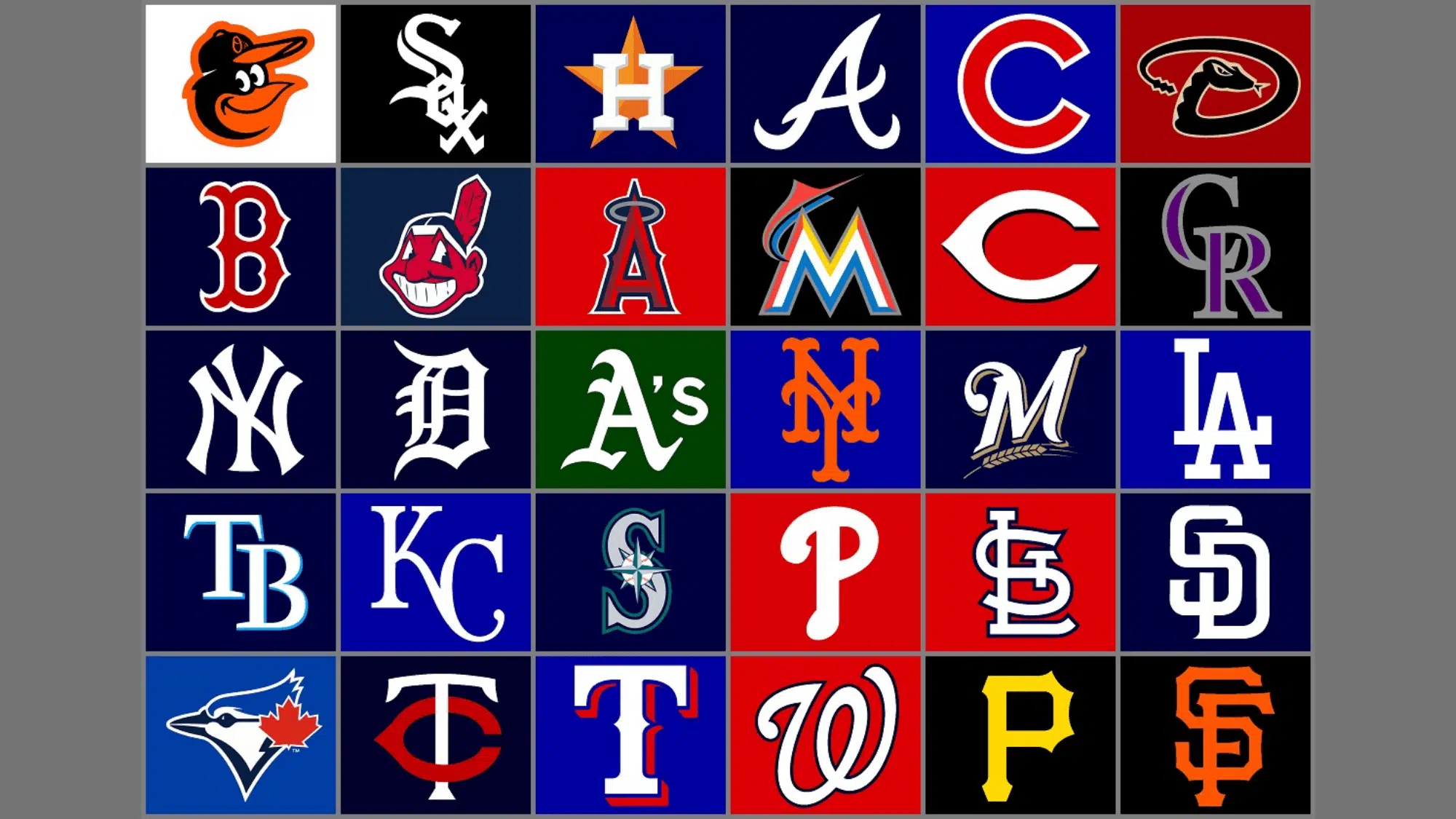
Under MLB revenue sharing, every team receives a large annual payout before counting its own ticket sales or local TV money.
In recent seasons, that shared amount has commonly landed in the $200 million or higher range per team. This figure combines revenue-sharing distributions and national income, giving every club a strong financial base.
Why the Exact Amount Changes Each Year
The final number is never the same because:
- League-wide revenue rises or falls year to year
- Local revenue totals change across teams
- Luxury tax payments vary depending on spending
- Media deals and postseason income fluctuate
Even with these changes, the overall payout remains massive.
Net Payers vs Net Recipients
Not all teams come out the same after the money is redistributed.
- Net Payers (Large-Market Teams): Clubs like the Dodgers and Yankees usually contribute far more into the pool than they receive back due to huge local revenues.
- Net Recipients (Small-Market Teams): Teams such as the Pirates and Rays often receive much more than they contribute, helping offset smaller markets and lower media deals.
Which MLB Teams Pay the Most and Which Receive the Most?
MLB revenue sharing creates clear winners and losers on paper, primarily based on market size and local income, not win–loss records.
Teams in major media markets usually pay far more into the system, while smaller-market clubs tend to receive larger net payouts.
Biggest Net Contributors
These teams generate massive local revenue and typically send more money into the shared pool than they get back:
- Los Angeles Dodgers – Huge local TV deal and strong attendance drive large contributions
- New York Yankees – YES Network revenue and brand power keep contributions among the highest
- New York Mets – Large market and high media value increase shared revenue payments
- Boston Red Sox – Strong regional network and consistent local earnings
- Chicago Cubs – Marquee Sports Network adds major local revenue strength
Biggest Net Recipients
These teams usually receive more from revenue sharing than they contribute:
- Pittsburgh Pirates – Smaller market with limited local media income
- Tampa Bay Rays – Low attendance and modest TV deals offset by shared revenue
- Cleveland Guardians – Mid-size market relying on league-wide redistribution
- Oakland Athletics – Historically low local revenue and attendance
- Milwaukee Brewers – Smaller market supported heavily by shared funds
Market Size vs Payroll
Large markets can earn more without spending more, while small markets often need revenue sharing just to stay afloat. A high payroll is a choice; revenue potential is tied to location.
Why Paying More Doesn’t Mean Losing
In theory, big-market teams still benefit because revenue sharing protects league health. Strong competition keeps national TV deals valuable, which ultimately sends money back to every team, including the biggest spenders.
MLB Revenue Sharing vs National Revenue (Key Difference)
Both revenue streams fund the league, but they work very differently and explain why some teams earn far more than others despite equal national payouts.
| Category | National Revenue | Local Revenue |
|---|---|---|
| Main sources | National TV deals, postseason rights, league sponsorships | Tickets, concessions, parking, local TV, and radio |
| How it’s shared | Split equally among all 30 teams | 48% pooled, then redistributed |
| Market impact | Market size does not matter | Market size heavily influences totals |
| Competitive effect | Creates financial stability for all teams | Drives a large gap between rich and poor clubs |
| Team control | Controlled by MLB | Negotiated individually by teams |
Because MLB earns so much from local media deals, teams in bigger markets naturally generate more money. This heavy reliance on local revenue is why revenue sharing remains necessary and controversial.
Revenue Sharing Loopholes that Benefit Big-Market Teams

MLB revenue sharing has rules, but some large-market teams operate within gray areas that significantly reduce how much they actually pay.
These loopholes don’t break the system outright, but they allow wealthier clubs to keep more money than the formula suggests.
Local TV Revenue Caps (The Dodgers Case)
The Dodgers received special revenue-sharing treatment tied to their local TV deal.
- Special revenue-sharing treatment: Only a capped portion of the Dodgers’ local TV income counts toward revenue sharing, even though actual earnings are much higher.
- Long-term impact on league finances: This cap stretches over decades, limiting how much revenue enters the shared pool and shrinking funds available to other teams.
- Annual and cumulative savings: The Dodgers save tens of millions per year, with cumulative savings projected to exceed $1 billion over the life of the agreement.
Ownership of Regional Sports Networks
Some teams reduce shared revenue by owning part of the networks that broadcast their games.
- YES Network (Yankees): Only broadcast rights fees are shared; profits from network ownership are not included.
- Marquee Sports Network (Cubs): Team ownership allows revenue to be classified as investment income, not local revenue.
- NESN (Red Sox): Similar structure limits how much TV-related income enters revenue sharing.
- Bally Sports affiliates: Several teams hold partial stakes, reducing shared obligations despite strong media earnings.
- Why network profits avoid revenue sharing: MLB treats network ownership income as a business investment, not team revenue, creating a legal workaround.
These loopholes don’t just reduce payments; they preserve spending power for big-market teams. That imbalance fuels ongoing criticism that revenue sharing, as structured, falls short of its competitive goals.
Market Scores, Tiers, and Penalties Explained
Beyond the basic revenue-sharing formula, MLB uses a set of advanced rules to control how money flows between teams. These rules are meant to prevent abuse, but their complexity often makes the system difficult to follow.
Market Score System
Each team is assigned a market score based on factors like market size, revenue potential, and local income. This score helps determine how much revenue sharing a team may receive or be expected to contribute.
Tier Classifications
Teams are grouped into tiers using their market scores:
- High-market tiers usually contribute more and receive less
- Mid-market tiers may balance between paying and receiving
- Low-market tiers are more likely to receive revenue-sharing funds
These tiers influence eligibility and restrictions.
Penalties Built Into the System
MLB applies penalties to limit contradictions in spending and behavior.
- Receiving Revenue Sharing While Paying Luxury Tax: Teams cannot be major revenue-sharing recipients while also exceeding payroll thresholds without facing restrictions.
- Excessive Non-Competitive Behavior: Clubs that repeatedly slash payroll or fail to attempt competitiveness can face reduced revenue-sharing eligibility.
Why Fans Find It Hard to Track
The formulas, thresholds, and tier rules are not publicly detailed. Without full transparency, fans are left guessing how market scores and penalties truly affect team finances.
Should MLB Change Its Revenue Sharing System?
As criticism grows, many analysts believe MLB revenue sharing needs updates to match its original goal better. The current system provides financial support but does not always reward effort, performance, or accountability.
Proposed Fixes From Analysts
| Reform idea | What It Means |
|---|---|
| Merit-based distribution | Teams that stay competitive or hit clear benchmarks could receive a bigger share of revenue-sharing money. |
| Performance-based incentives | Winning records, playoff trips, or strong player development could increase a team’s future payout from the pool. |
| Spending minimums | Teams that receive shared money may be required to spend a minimum amount on payroll or reinvest into the roster. |
| Penalties for repeated 100-loss seasons | Teams that keep losing 100+ games could lose part of their revenue-sharing payout or face tighter rules. |
Potential Benefits
- Stronger competitive balance: Incentives would encourage more teams to compete rather than rebuild endlessly.
- More accountability: Ownership groups would face pressure to use shared funds responsibly.
- Better on-field product: Fans would benefit from fewer prolonged tanking cycles and more meaningful games across the league.
Supporters argue these changes would align money with effort, strengthening the sport as a whole.
Final Thoughts
MLB revenue sharing sits at the center of baseball’s money debate because it shapes what teams can spend, how owners make choices, and what fans see on the field.
The system does help smaller markets stay afloat, but it also leaves room for loopholes, uneven effort, and plenty of frustration when teams don’t turn shared cash into better rosters.
That’s why topics like local TV power, luxury tax dollars, and stricter rules around spending keep coming up in every big MLB discussion. In the end, the real question isn’t just who gets paid, it’s what gets done with that money.
Want more finance breakdowns like this? Drop a comment with a team name and a topic to cover next.