
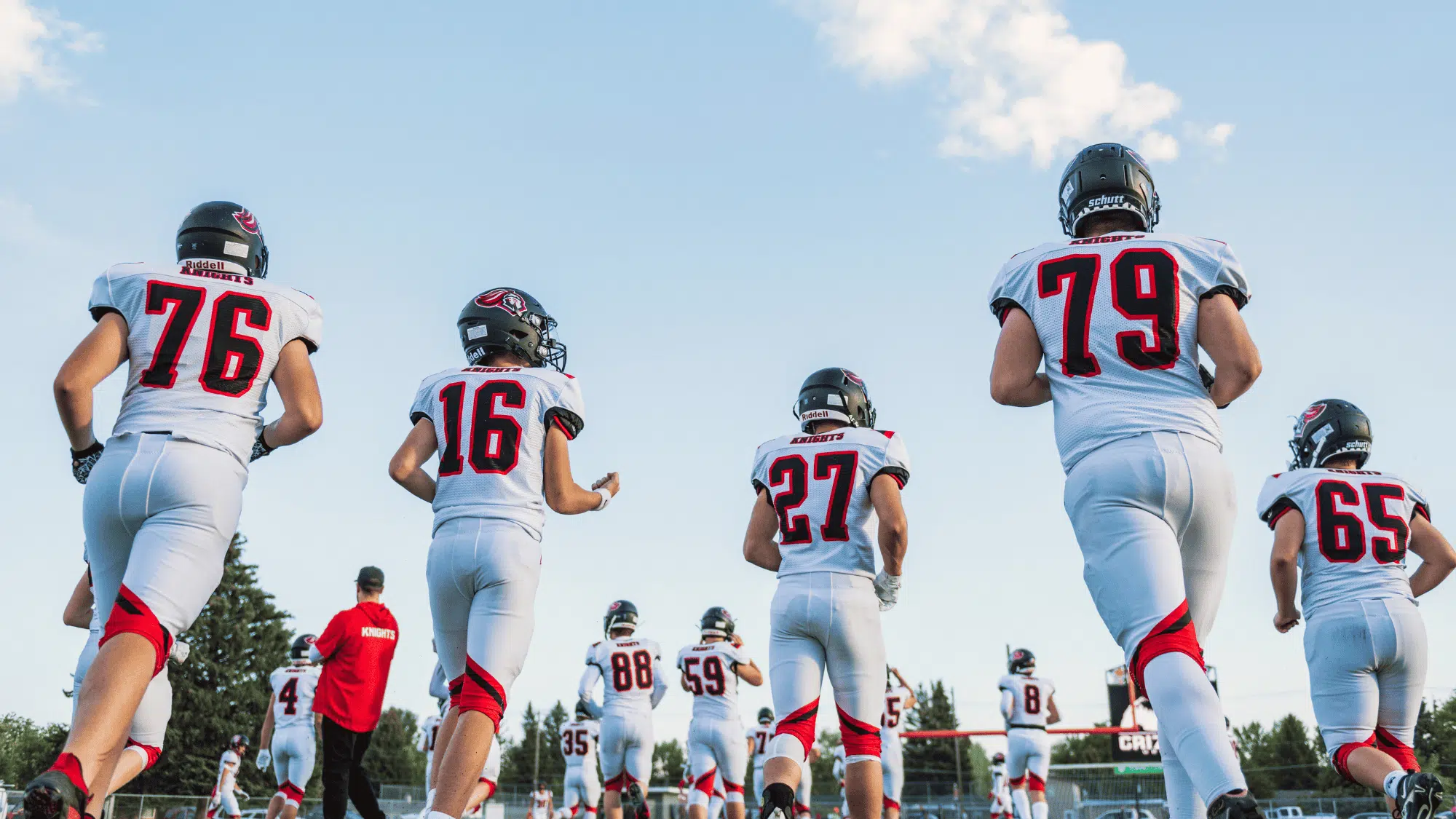





Football is one of the most exciting sports to watch, but the time it takes to finish a game can be confusing. The clock says 60 minutes, yet the full event lasts longer.
This blog breaks down exactly why football games run so long and what actually happens during all that extra time.
It will cover how the game clock works, why there are so many stoppages, how much actual action there is, and how commercials add even more time.
You’ll also see how long the NFL, college football, and the Super Bowl usually last, plus what happens during halftime. By the end, the full timeline of a football game will finally make sense.
How Long Do Football Games Last?
Let’s get straight to the point: the average NFL game lasts 3 hours and 12 minutes. Surprising, right? Especially when the official game clock shows only 60 minutes of play.
So why does a one-hour game stretch into more than three hours? The answer comes down to commercials, timeouts, replay reviews, and halftime breaks.
The length of football games really depends on what level you’re watching. College games and the Super Bowl run even longer.
Why Does a 60-Minute Game Take Over 3 Hours?
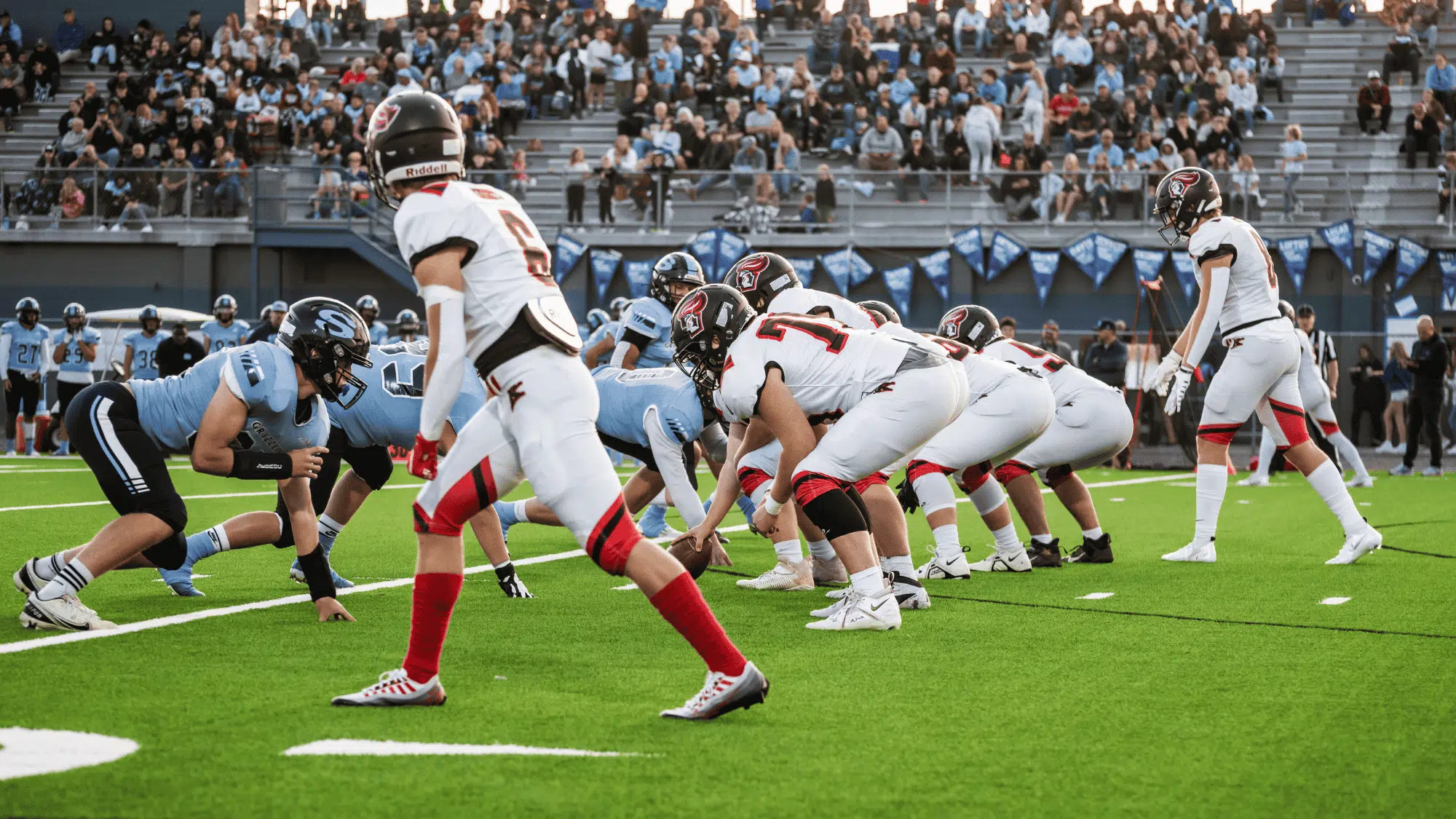
Football has a simple structure on paper: four quarters of 15 minutes each, totaling 60 minutes of game time. Add a halftime break, and you’d think the whole thing wraps up in about 90 minutes. But that’s not how it works in real life.
The game clock in football doesn’t run continuously as it does in basketball or hockey. It stops for all sorts of reasons, and that’s where the extra time creeps in. Here’s what adds hours to your viewing experience:
- Timeouts – Each team gets three timeouts per half. That’s 12 potential stoppages right there, and coaches love using them at crucial moments.
- Replay Reviews – When officials need to double-check a call, everyone waits while they watch the play again from multiple angles. These reviews can take several minutes each.
- Penalties – Flags on the field mean the refs need to discuss the call, announce it, and reset the ball. With dozens of penalties in a typical game, these add up quickly.
- TV Commercial Breaks – This is the big one. Networks pack games with commercial breaks during timeouts, after scores, and during quarter changes.
- Injuries – When a player gets hurt, the medical staff needs time to check on them and help them off the field safely.
- Change of Possession – Kickoffs, punts, and turnovers all create natural breaks where the clock stops, and teams switch sides.
All these stoppages turn that 60-minute game clock into a three-hour television event.
The Shocking Truth: How Much Real Action Happens
Here’s something that might surprise you: only 15 to 20 minutes of actual gameplay happens in a three-hour NFL broadcast. That’s right, out of three hours, you’re seeing less than 20 minutes of players actually running plays.
Back in 2010, researchers found that NFL games contained just 11 minutes of action. Things have improved slightly since then, with modern games averaging around 18 minutes of live play.
That’s over 100 plays compressed into less than 20 minutes of real action.
Why so little? Football is a strategy-heavy sport. Before every snap, quarterbacks read the defense, call audibles, and make adjustments. Coaches send in new plays. Players line up carefully.
All this pre-snap preparation is part of the game, but it’s not “action” in the traditional sense.
Compare that to other sports:
- Baseball has about 20 minutes of action
- Soccer, NBA, and NHL feature 45+ minutes of continuous movement
Football has the least active playing time among major American sports. But fans don’t seem to mind—the strategy and anticipation between plays are part of what makes the game exciting.
Commercials: The Real Time Killer
Want to know what really makes football games feel long? Commercials. Lots and lots of commercials.
The average NFL game includes:
- 20 commercial breaks
- More than 100 individual ads
- Roughly 45 to 60 minutes of total commercial time
That’s almost an entire hour of advertisements! Think about it—nearly one-third of the broadcast is commercials.
Football’s stop-and-go nature creates perfect opportunities for ad breaks. After a touchdown, commercial. After a punt, a commercial.
Two-minute warning, commercial. Quarter change, commercial. Networks have these breaks built right into the broadcast schedule.
Interestingly, if you watch NFL games on international broadcasts in Europe or other regions, you’ll notice fewer commercials.
American broadcasts are specifically designed to maximize advertising revenue, which is why games feel longer here than they do abroad.
Other Things That Make Games Run Long
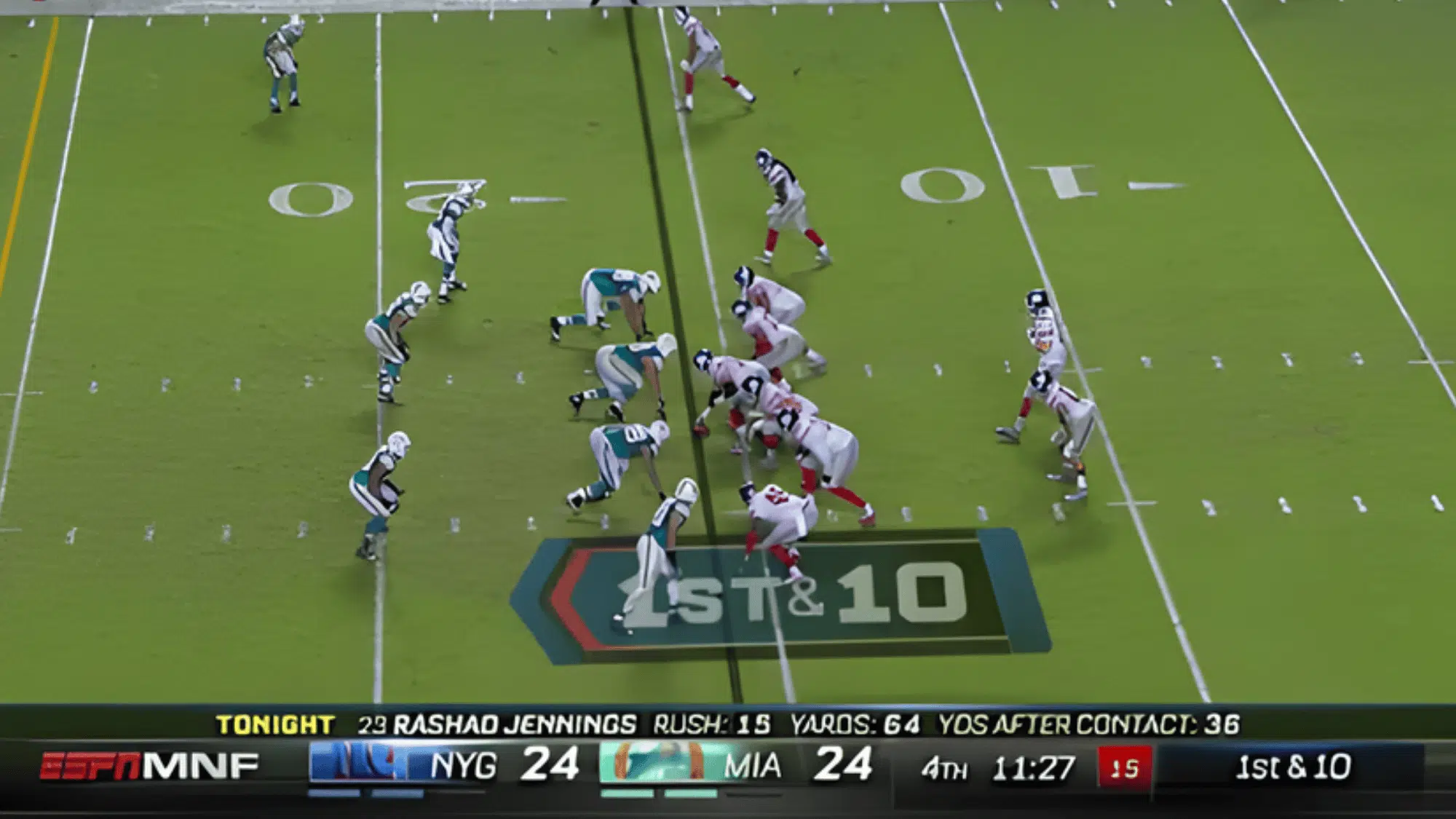
Beyond the standard breaks and commercials, several other factors can stretch game time even further:
Overtime – If the game is tied after four quarters, overtime begins. NFL rules give each team a chance to possess the ball, and games can extend into multiple overtimes. College overtime differs, but can add 15 to 30 minutes to total game time.
Weather Delays – Lightning, heavy rain, or snow can force officials to pause the game for safety. These delays can last anywhere from 30 minutes to several hours in extreme cases.
Extended Injury Reviews – When a serious injury occurs, medical staff takes whatever time is needed. Player safety always comes first, even if it means a longer wait.
Prime-Time Pacing – Games during prime-time (Sunday, Monday, Thursday Night Football) have more commercials due to premium ad rates.
How Long Do Different Football Games Last
Not all football games are created equal. Here’s how different types of games stack up:
| Game Type | Official Playing Time | Real Average Duration |
|---|---|---|
| NFL Regular Season | 60 minutes | 3 hours 12 minutes |
| College Football (NCAA) | 60 minutes | 3 hours 24 minutes |
| Super Bowl | 60 minutes | 3.5+ hours |
Notice that college games take even longer than NFL games. That’s because NCAA rules include a longer halftime (20 minutes instead of 12), different clock rules that create more stoppages, and often more total plays per game.
Plus, college teams tend to run more offensive plays, which means more chances for the clock to stop.
The Super Bowl is in a category by itself. With extra commercial breaks, an extended halftime show featuring major musical acts, and longer pre-game ceremonies, America’s biggest sports event easily becomes an all-evening affair.
How Long Is Halftime in Football?
Halftime isn’t just a bathroom break; it’s a significant chunk of the game.
NFL Regular-Season Games: They have a 12-minute halftime to regroup, make adjustments, and get water. Fans at home can refill snacks or watch other games.
College Football Halftime: It lasts 20 minutes, allowing marching bands to perform, a college tradition. The extra eight minutes compared to the NFL help explain why college games run longer overall.
Super Bowl Halftime: It is the longest, usually 20-30 minutes or more. Watching a pop star with pyrotechnics and dancers requires extra time, which is why the Super Bowl often exceeds 3.5 hours.
Wrapping It All Up
Football games may look long on TV, but every break, timeout, and replay is part of what makes the sport exciting.
Even though there are only about 60 minutes of game time, all the strategy, pauses, and big moments stretch the experience into a full event.
Whether it’s the NFL, college football, or the Super Bowl, each level has its own timing and traditions that add to the overall feel of the game.
Knowing what to expect helps the whole experience feel smoother and more enjoyable.
If this breakdown was helpful, be sure to check out more guides just like this to learn even more about your favorite sports!