




Ever walked into practice feeling tired, grabbed a random snack, and hoped for the best? For athletes, snacks aren’t just “extra food”; they’re power tools for energy, speed, and recovery.
This blog walks through the best healthy snack ideas that are easy to pack, quick to eat, and actually support performance.
It covers what to eat before, during, and after workouts, how carbs and protein work together, and simple options for school, games, and travel days.
There are ideas for endurance, strength, and team sport athletes, plus tips for staying hydrated.
By the end, picking the right snack will feel simple, not stressful, and your body will be ready to train, perform, and recover at its best.
What Are the Best Healthy Snacks for Athletes?
The best snacks for athletes combine carbohydrates for quick energy and protein for muscle repair. Think of carbs as your body’s fuel tank and protein as the repair crew that fixes your muscles after a tough workout.
Top picks include fruit with nut butter, Greek yogurt, hard-boiled eggs, trail mix, protein smoothies, and chocolate milk.
The key is choosing snacks that match your workout timing, lighter options before exercise, quick fuel during long sessions, and protein-rich foods afterward for recovery.
Healthy Snack Ideas
Here’s your go-to list of snacks that are easy to pack, quick to eat, and actually support performance, recovery, and steady energy all day long.
1. Fruit with Nut Butter
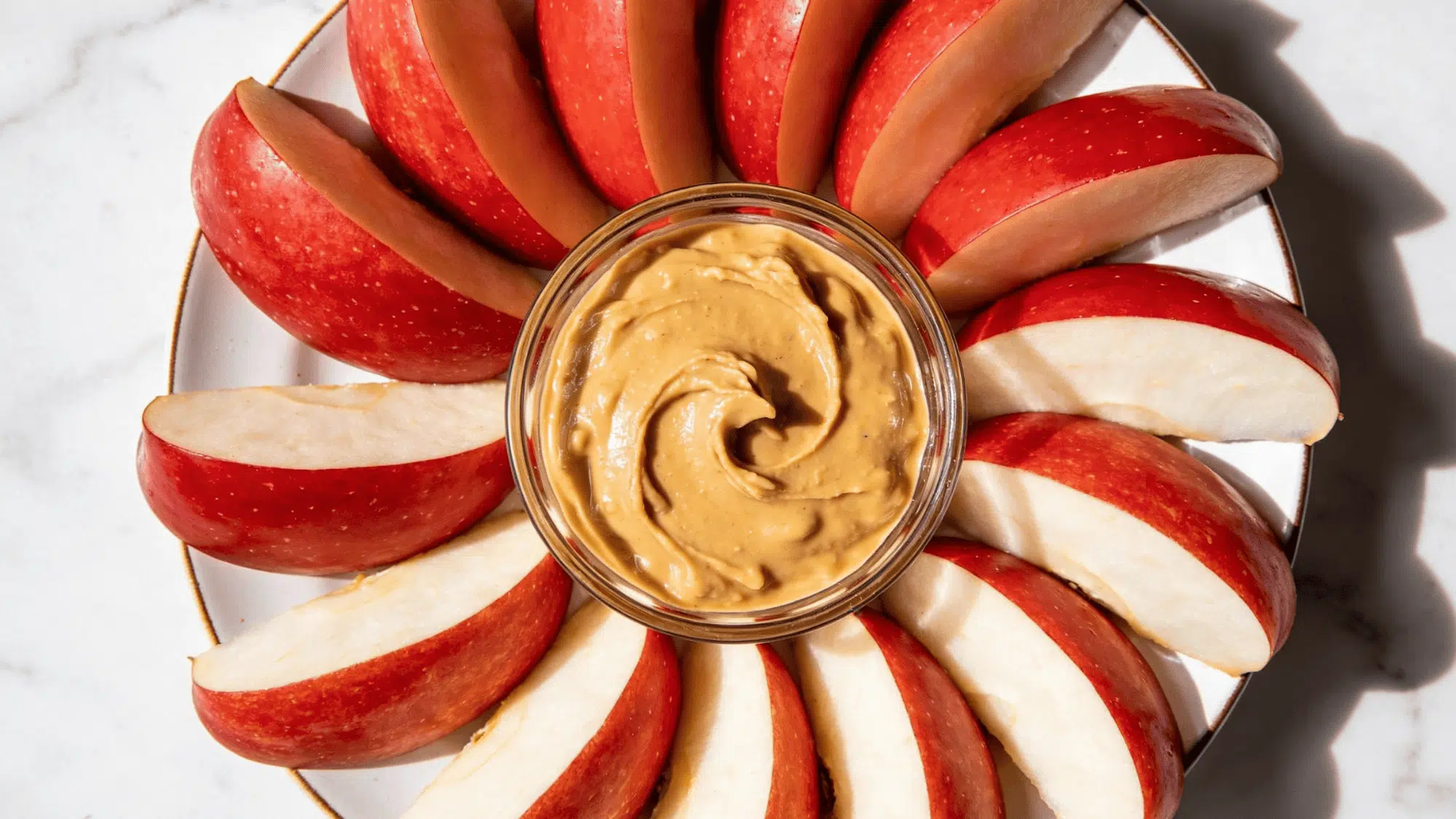
Portion: 1 medium apple or banana + 2 tbsp nut butter
| Calories | Protein | Carbs | Fat |
|---|---|---|---|
| ~250 kcal | ~6–8 g | ~30–35 g | ~12–16 g |
This classic pairing delivers immediate energy from natural fruit sugars while the nut butter provides staying power through healthy fats.
The combination helps stabilize blood sugar levels, preventing energy crashes during training sessions.
It’s incredibly versatile; swap apples for bananas depending on your preference, or try almond butter instead of peanut for variety. Perfect for 30-60 minutes before workouts when you need fuel that won’t weigh you down.
2. Fresh Fruit + Nuts
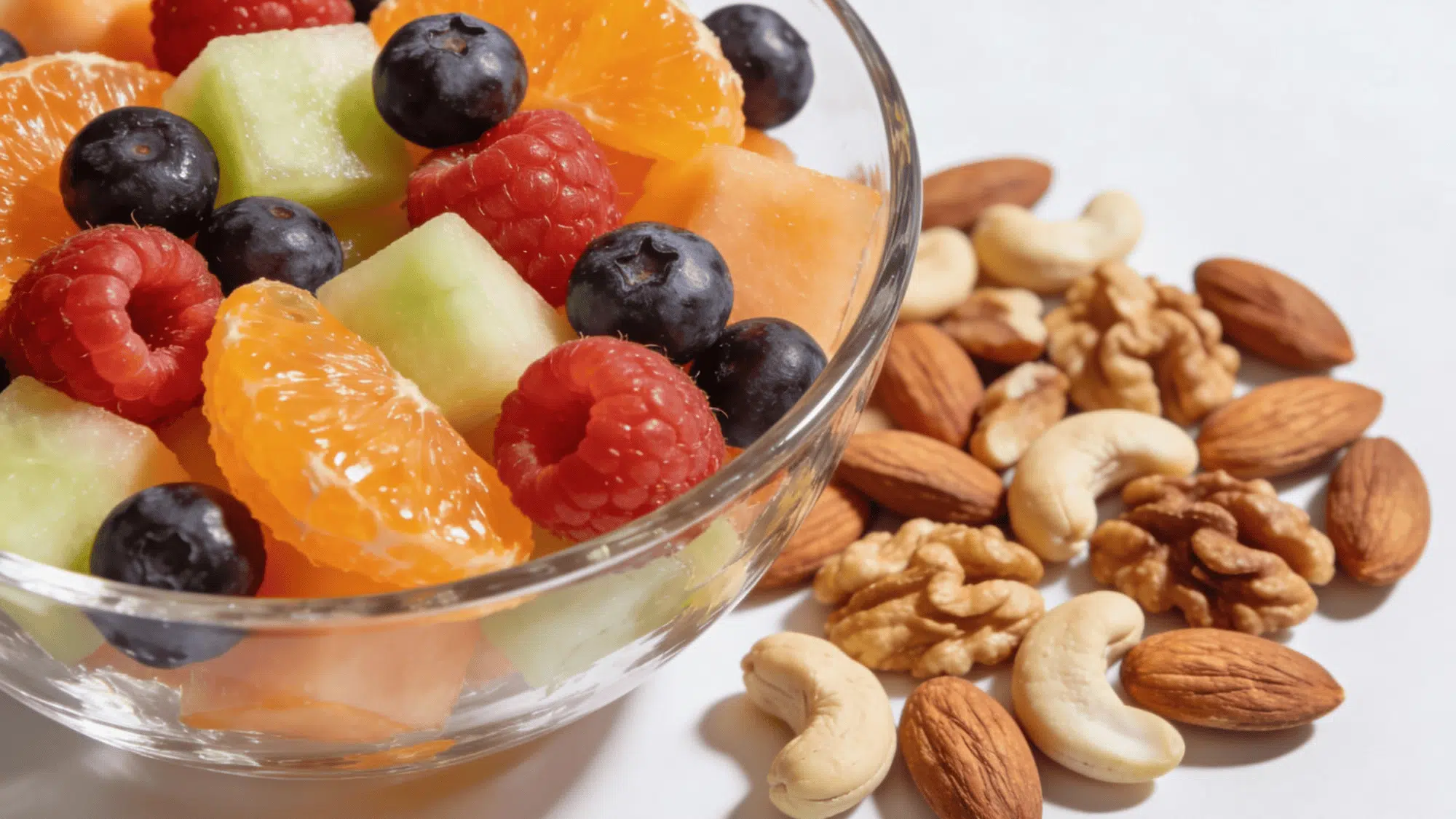
Portion: 1 cup mixed fruit + ¼ cup mixed nuts
| Calories | Protein | Carbs | Fat |
|---|---|---|---|
| ~220 kcal | ~5–6 g | ~25–30 g | ~12–15 g |
A colorful mix of berries, melon, or citrus paired with almonds, walnuts, or cashews creates a micronutrient powerhouse.
The fruit provides antioxidants that support recovery from intense training, while nuts deliver magnesium and zinc, which are crucial for muscle function.
This snack works beautifully as a mid-morning energy boost or post-workout refresher. Keep pre-portioned bags of nuts in your gym bag and grab whatever fruit is in season for maximum freshness and flavor.
3. Applesauce Pouch + Almonds
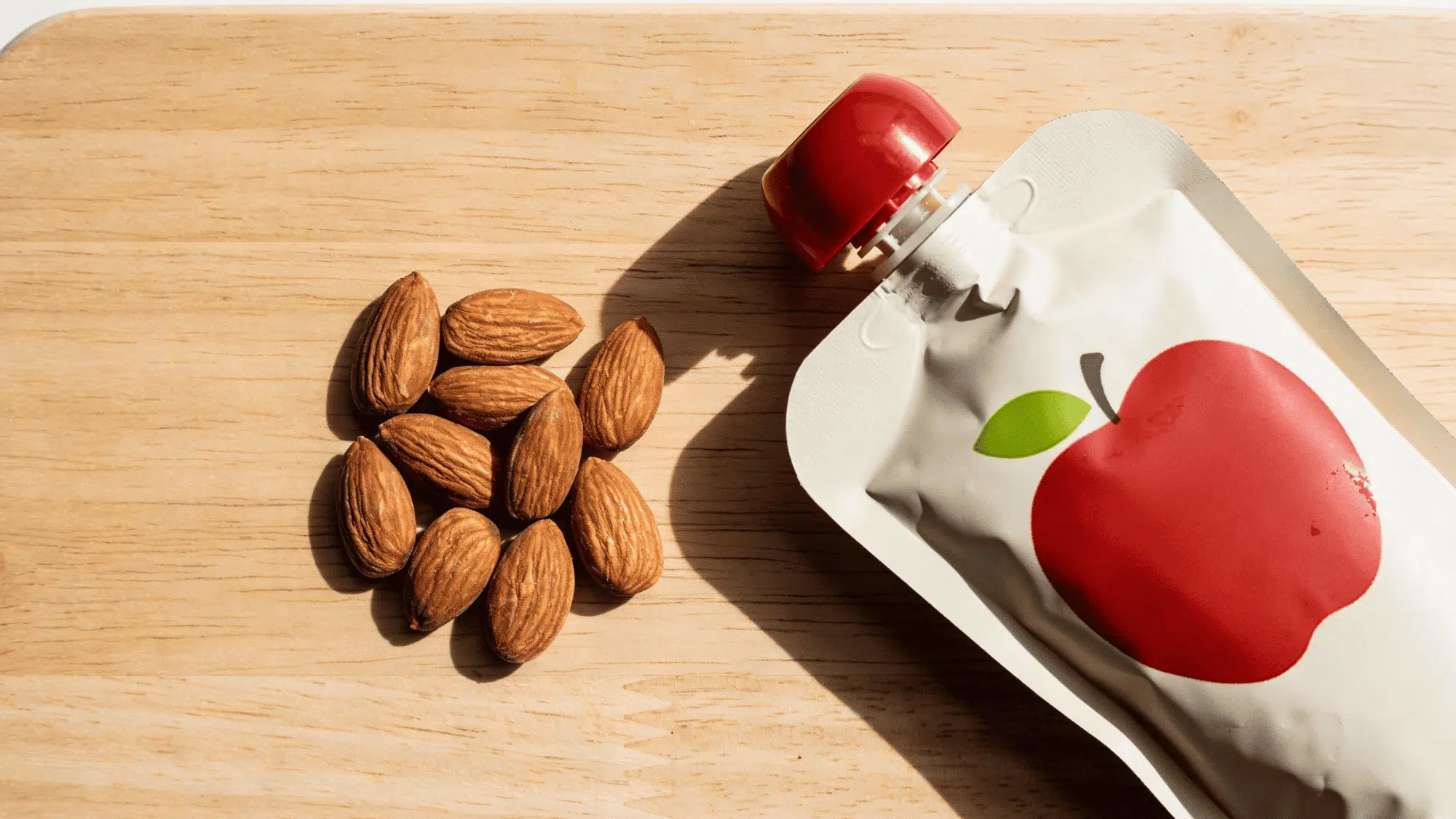
Portion: 1 unsweetened pouch (90–100 g) + ¼ cup almonds
| Calories | Protein | Carbs | Fat |
|---|---|---|---|
| ~210–230 kcal | ~6–7 g | ~20–25 g | ~12–14 g |
Unsweetened applesauce pouches offer gentle, easily digestible carbohydrates that won’t upset your stomach during activity.
Paired with crunchy almonds, you get satisfying texture contrast and sustained energy release.
This combination is beneficial for athletes with sensitive stomachs or those who struggle with solid foods before early morning workouts.
The pouches are TSA-friendly and survive being tossed around in bags, making them ideal travel companions for competitions or training camps.
4. Greek Yogurt Parfait with Berries and Granola
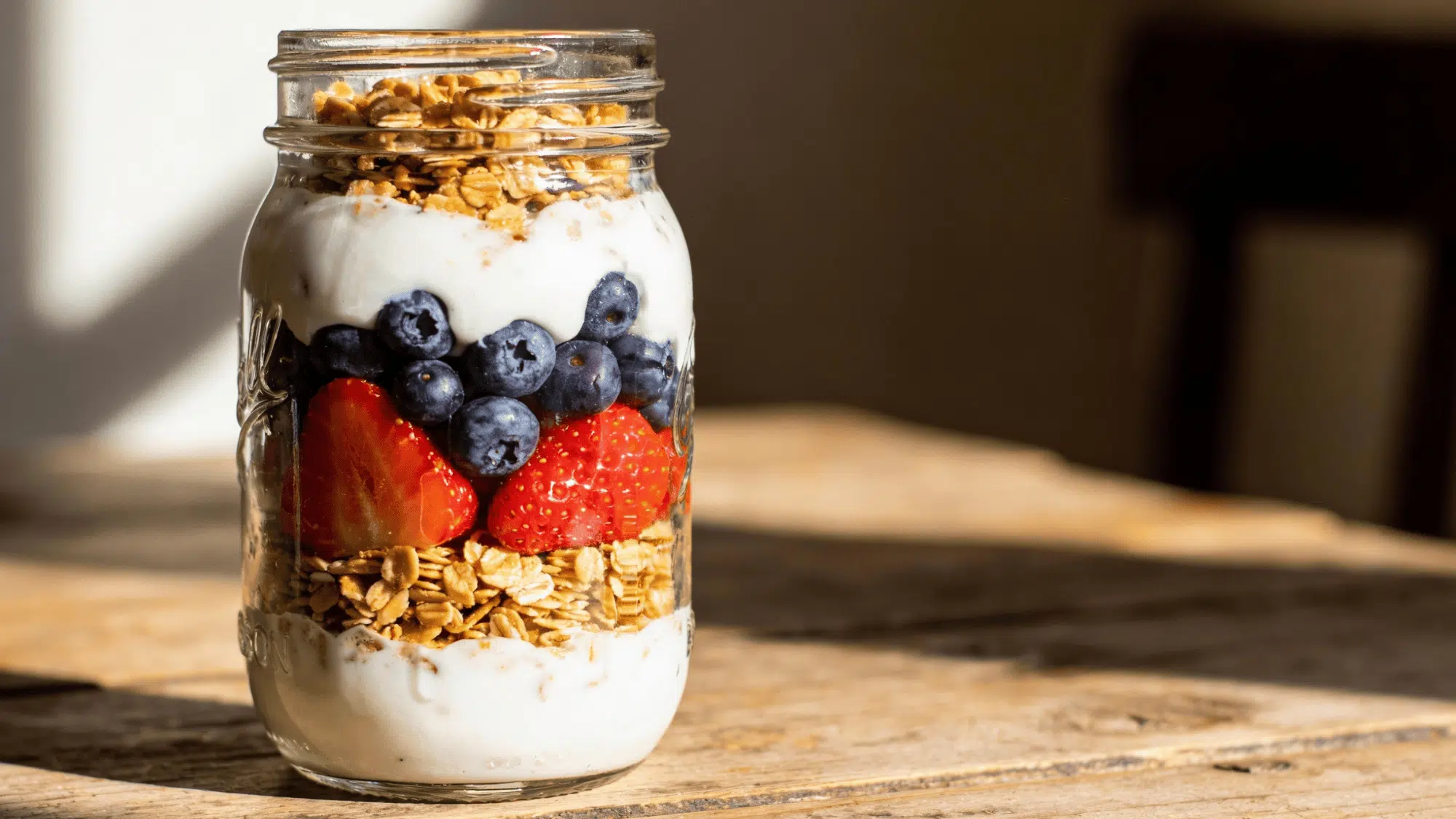
Portion: 150 g nonfat Greek yogurt + ½ cup berries + ¼ cup granola
| Calories | Protein | Carbs | Fat |
|---|---|---|---|
| ~250 kcal | ~16–18 g | ~35–38 g | ~3–6 g |
This layered powerhouse combines probiotics from yogurt with antioxidant-rich berries and energy-dense granola.
The impressive protein content supports muscle repair, while fiber from berries and granola aids digestion and promotes fullness. Build your parfait in a mason jar the night before for grab-and-go convenience.
The combination of textures, creamy, juicy, and crunchy, makes this snack satisfying enough to curb cravings between training sessions without feeling overly heavy.
5. Plain Greek Yogurt Cups
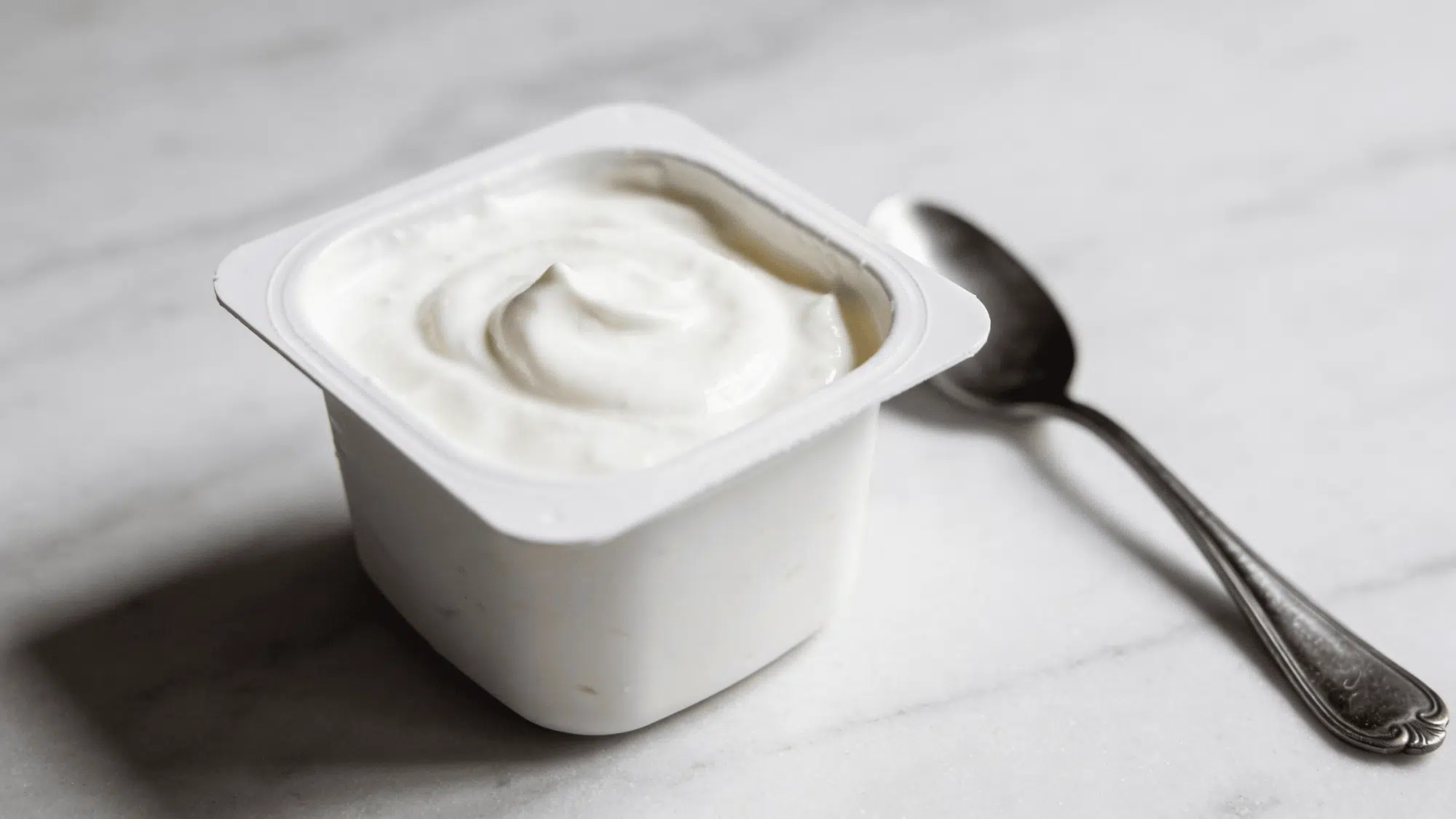
Portion: 170 g (6 oz) plain nonfat Greek yogurt
| Calories | Protein | Carbs | Fat |
|---|---|---|---|
| ~100–120 kcal | ~17–20 g | ~6–8 g | ~0–3 g |
Plain Greek yogurt serves as an incredibly versatile foundation for countless snack variations.
Its exceptional protein density makes it a recovery superstar, delivering nearly as much protein as three eggs with minimal calories.
The thick, creamy texture satisfies hunger effectively while the probiotic content supports gut health and immune function.
Customize it with honey, cinnamon, or a handful of granola when you need extra carbs, or keep it plain when prioritizing protein intake during cutting phases.
6. Cottage Cheese with Fruit or Bell Peppers
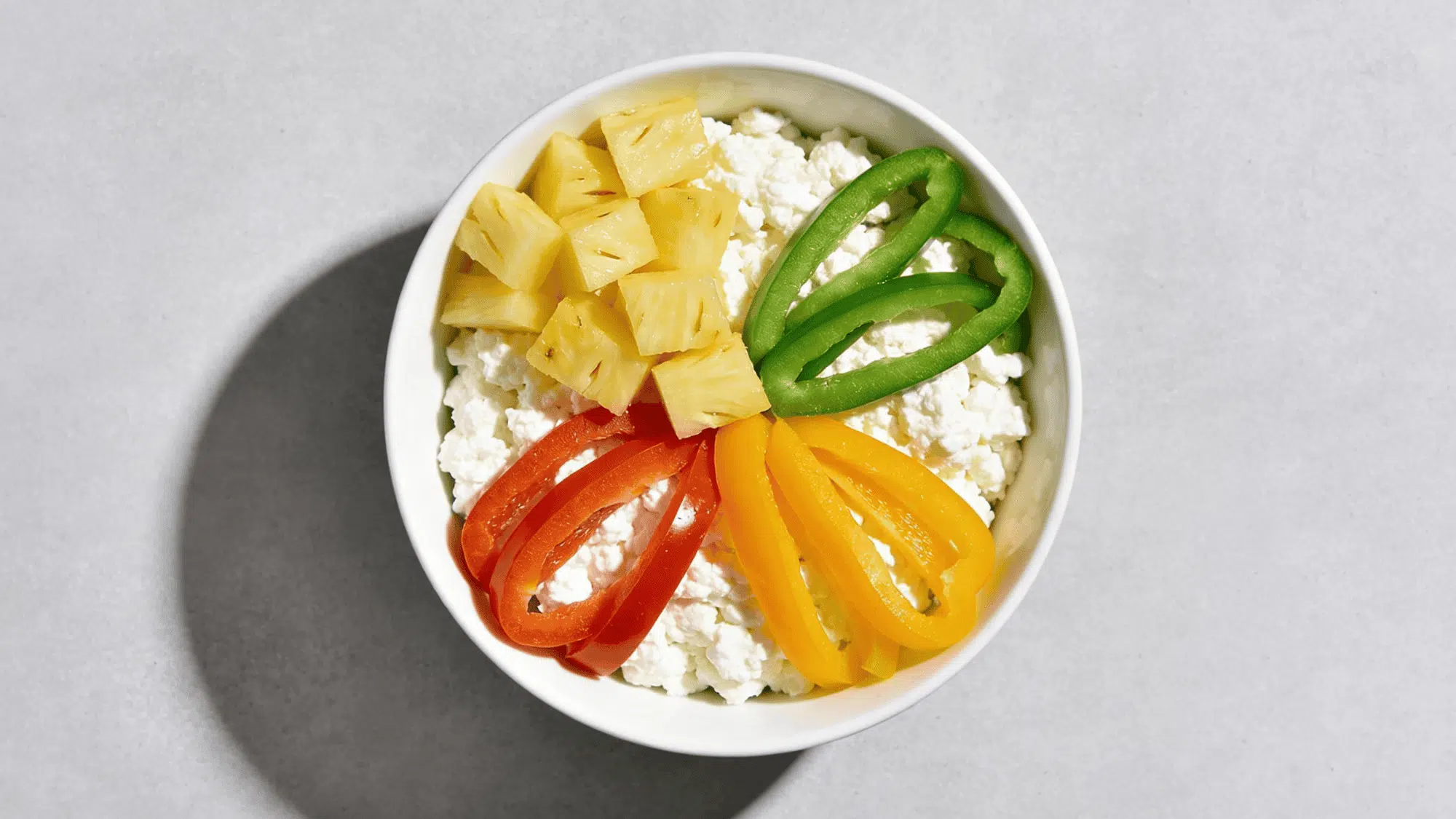
Portion: ½ cup 2% cottage cheese + ½ cup fruit/veggies
| Calories | Protein | Carbs | Fat |
|---|---|---|---|
| ~140–170 kcal | ~14–16 g | ~8–12 g | ~5–7 g |
Cottage cheese contains casein protein, which digests slowly to provide a steady stream of amino acids to recovering muscles over several hours.
This makes it particularly valuable as an evening snack before bed or during long breaks between training sessions.
Pair with pineapple or berries for sweetness, or go savory with crunchy bell pepper strips and a dash of black pepper. The mild flavor profile adapts easily to both sweet and savory preferences.
7. Hard-Boiled Eggs
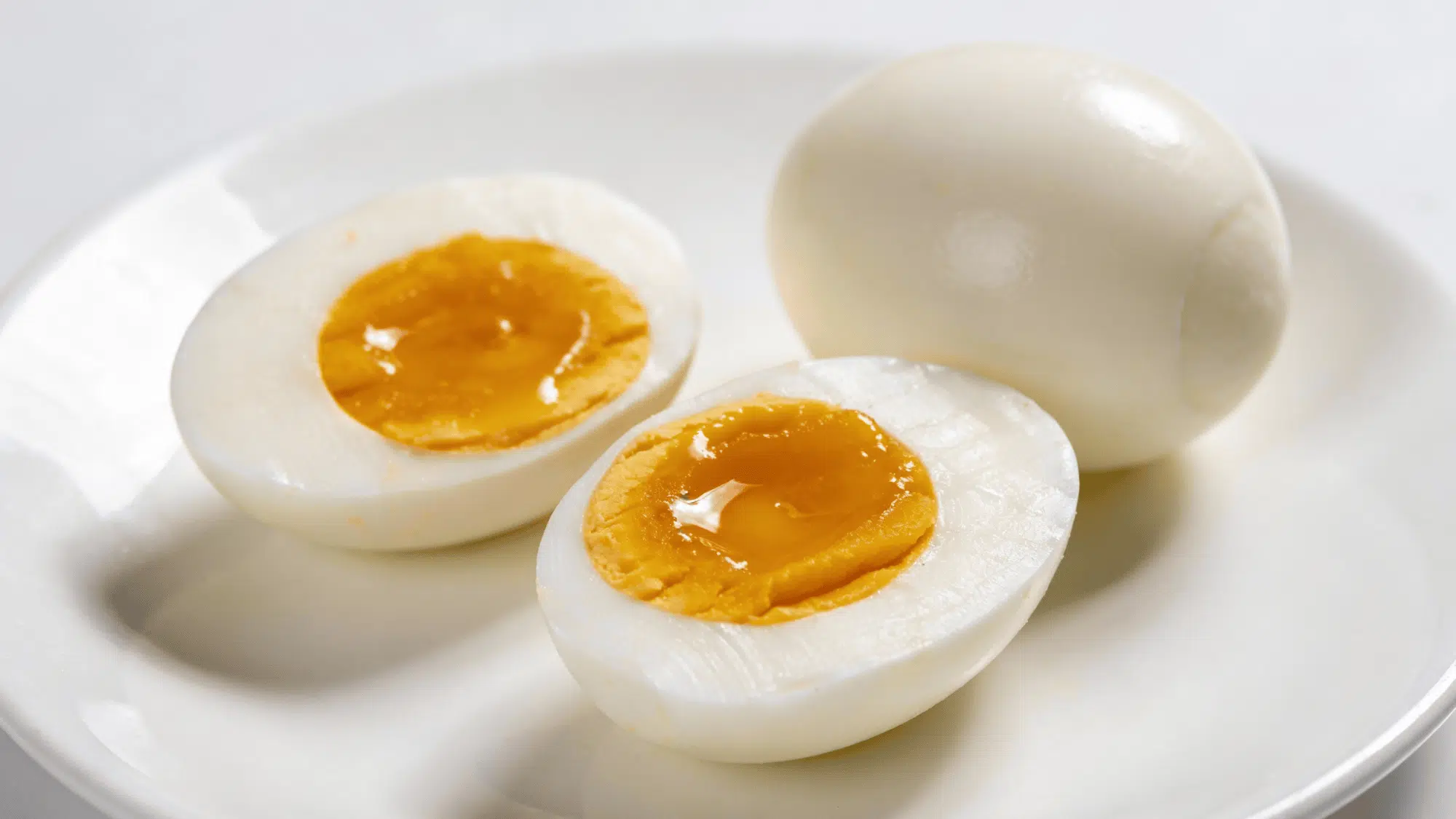
Portion: 2 large eggs
| Calories | Protein | Carbs | Fat |
|---|---|---|---|
| ~140 kcal | ~12 g | ~1 g | ~9–10 g |
Hard-boiled eggs are nature’s perfect portable protein package, containing all nine essential amino acids your body needs for muscle building and repair.
They’re incredibly economical; prep a dozen on Sunday for the entire week’s snacking needs. The yolks provide choline for brain function and vitamin D for bone health, nutrients many athletes lack.
Keep them refrigerated at home or in a cooler, and they’ll stay fresh for up to a week, making them reliable fuel for busy training schedules.
8. Cheese with Whole-Grain Crackers
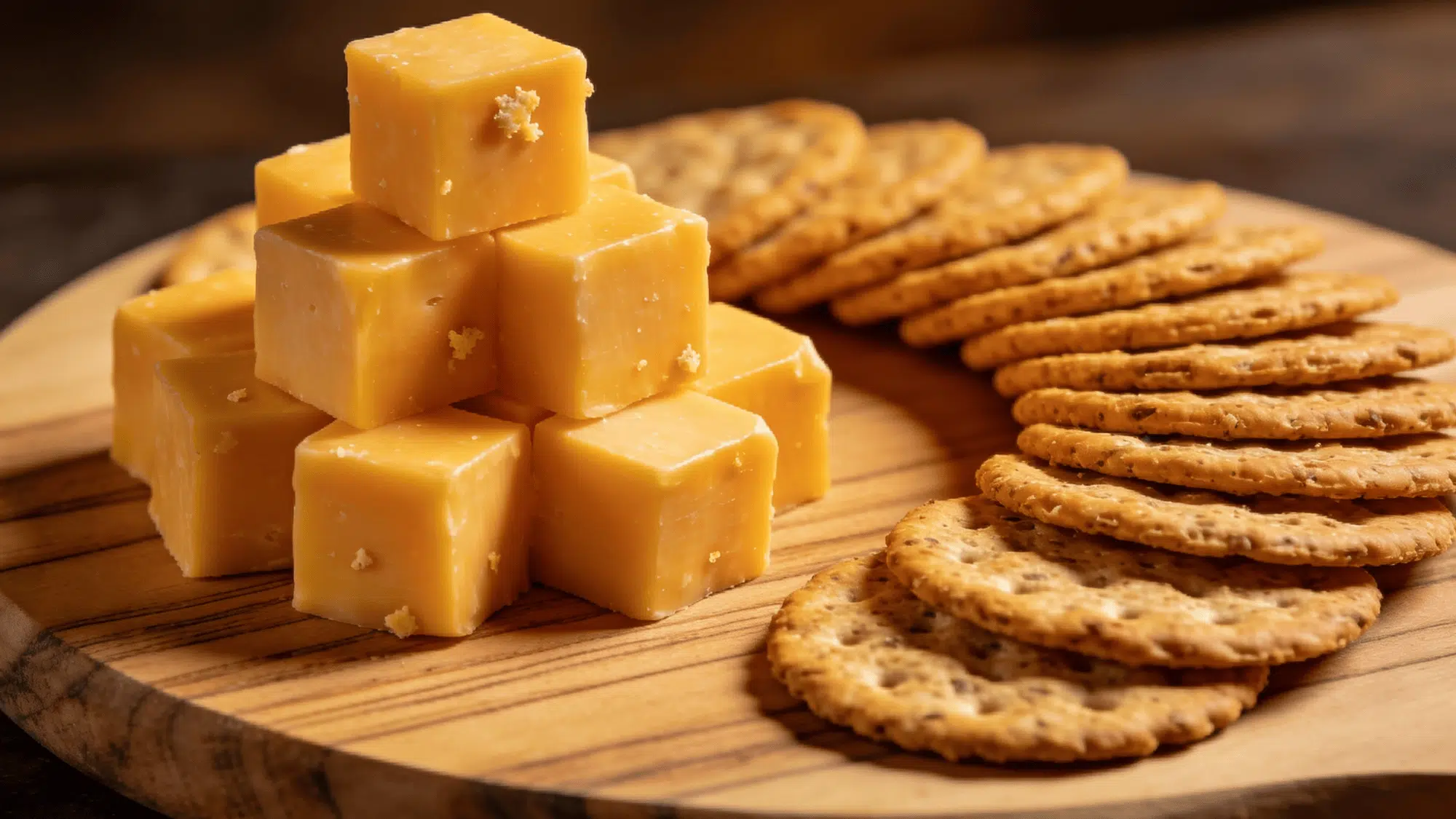
Portion: 30 g cheese + 6–8 whole-grain crackers
| Calories | Protein | Carbs | Fat |
|---|---|---|---|
| ~200–220 kcal | ~9–11 g | ~18–22 g | ~11–13 g |
This balanced trio of macronutrients delivers quick energy from complex carbohydrates while calcium-rich cheese supports bone health under training stress.
Whole-grain crackers provide B vitamins and sustained energy release, preventing the blood sugar spikes that come with refined options.
Choose aged cheddar, Gouda, or Swiss for maximum flavor in small portions.
The combination travels well in separate containers and requires no refrigeration for a few hours, making it conference-room and gym-bag friendly.
9. Pretzels with Cheese Cubes
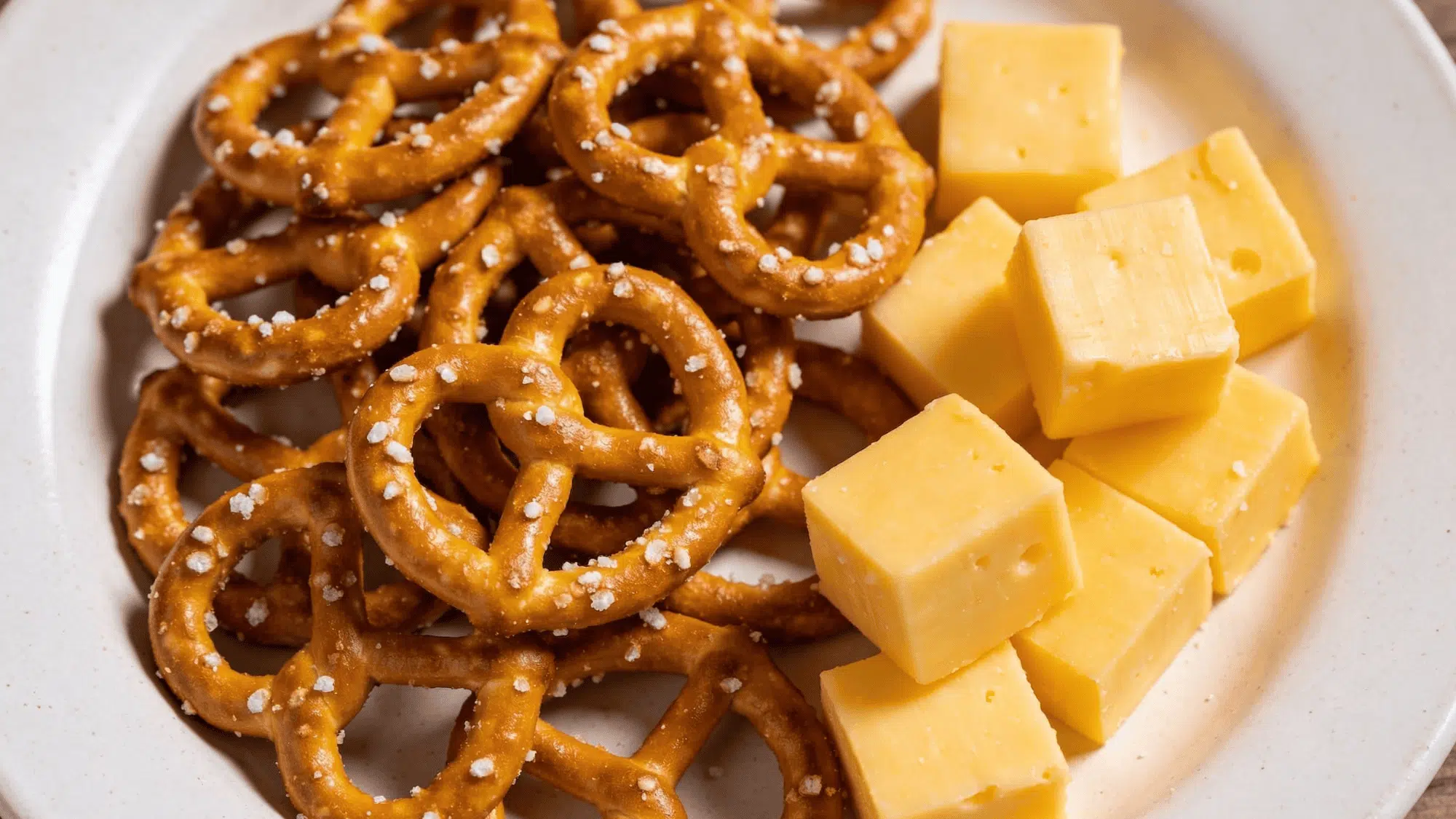
Portion: 1 oz pretzels + 28 g cheese
| Calories | Protein | Carbs | Fat |
|---|---|---|---|
| ~210–230 kcal | ~9–10 g | ~28–30 g | ~8–10 g |
When you’re craving something salty and crunchy after sweating through a tough session, this snack hits the spot while replenishing sodium lost through perspiration.
The higher carbohydrate content makes it particularly useful for refueling glycogen stores after endurance activities like long runs or cycling sessions.
Pretzels offer a satisfying crunch without excess fat, while cheese cubes add protein and calcium. This combination is also easy on the stomach, making it suitable even when appetite is suppressed post-workout immediately.
10. Jerky (Beef, Turkey, or Salmon)
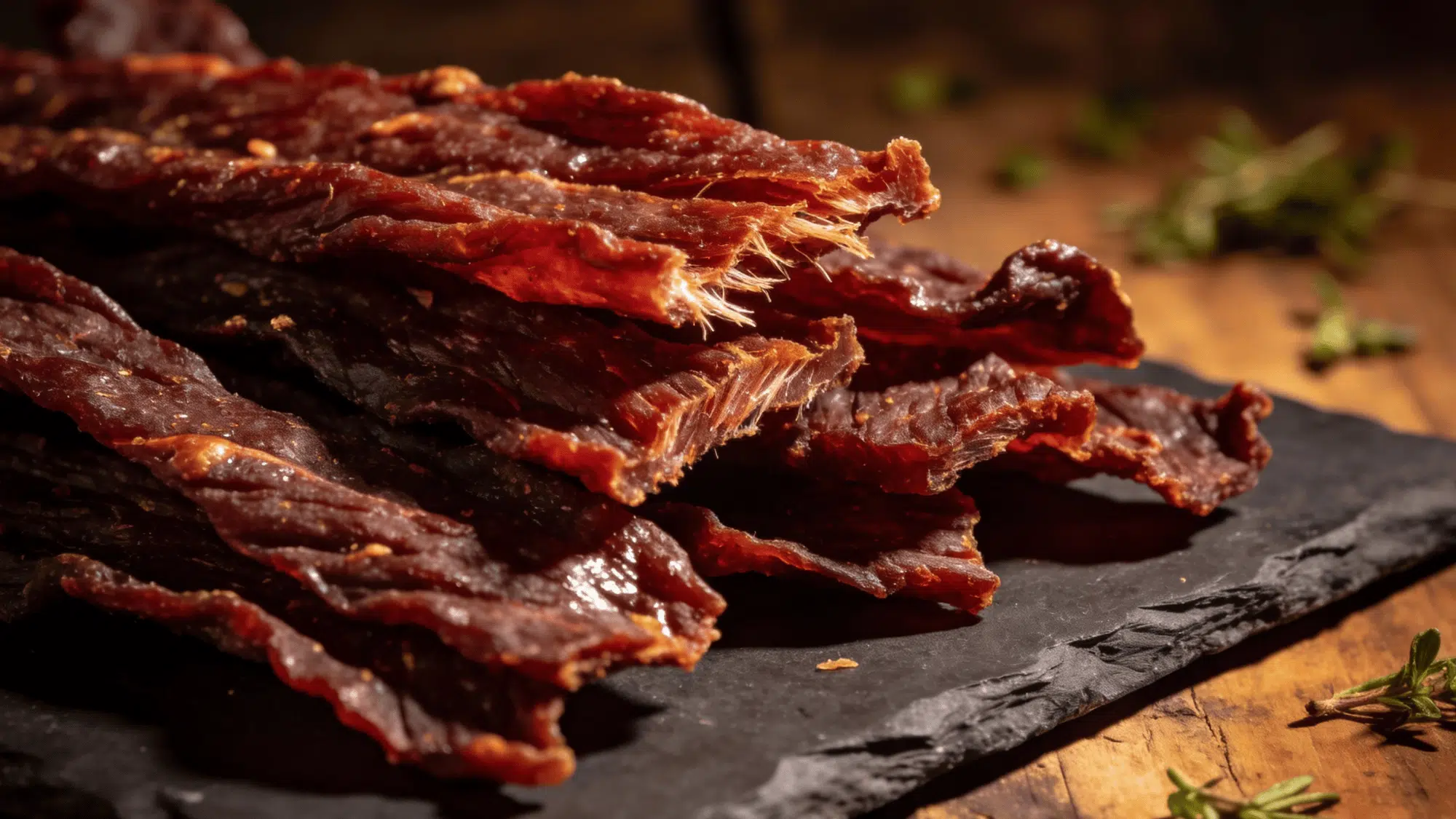
Portion: 1 oz (28 g) jerky
| Calories | Protein | Carbs | Fat |
|---|---|---|---|
| ~70–100 kcal | ~9–12 g | ~3–6 g | ~1–3 g |
Jerky delivers exceptional protein concentration in minimal space, making it the ultimate ultra-portable snack for athletes on the move.
Even if you choose beef, turkey, or salmon varieties, you’ll get complete protein that requires no refrigeration. The chewy texture naturally slows eating, promoting satiety despite the small portion size.
Watch sodium content if you’re monitoring salt intake, but remember that some sodium can be beneficial for athletes who train heavily and lose electrolytes through sweat.
11. Trail Mix (Store-Bought or DIY High-Protein Mix)
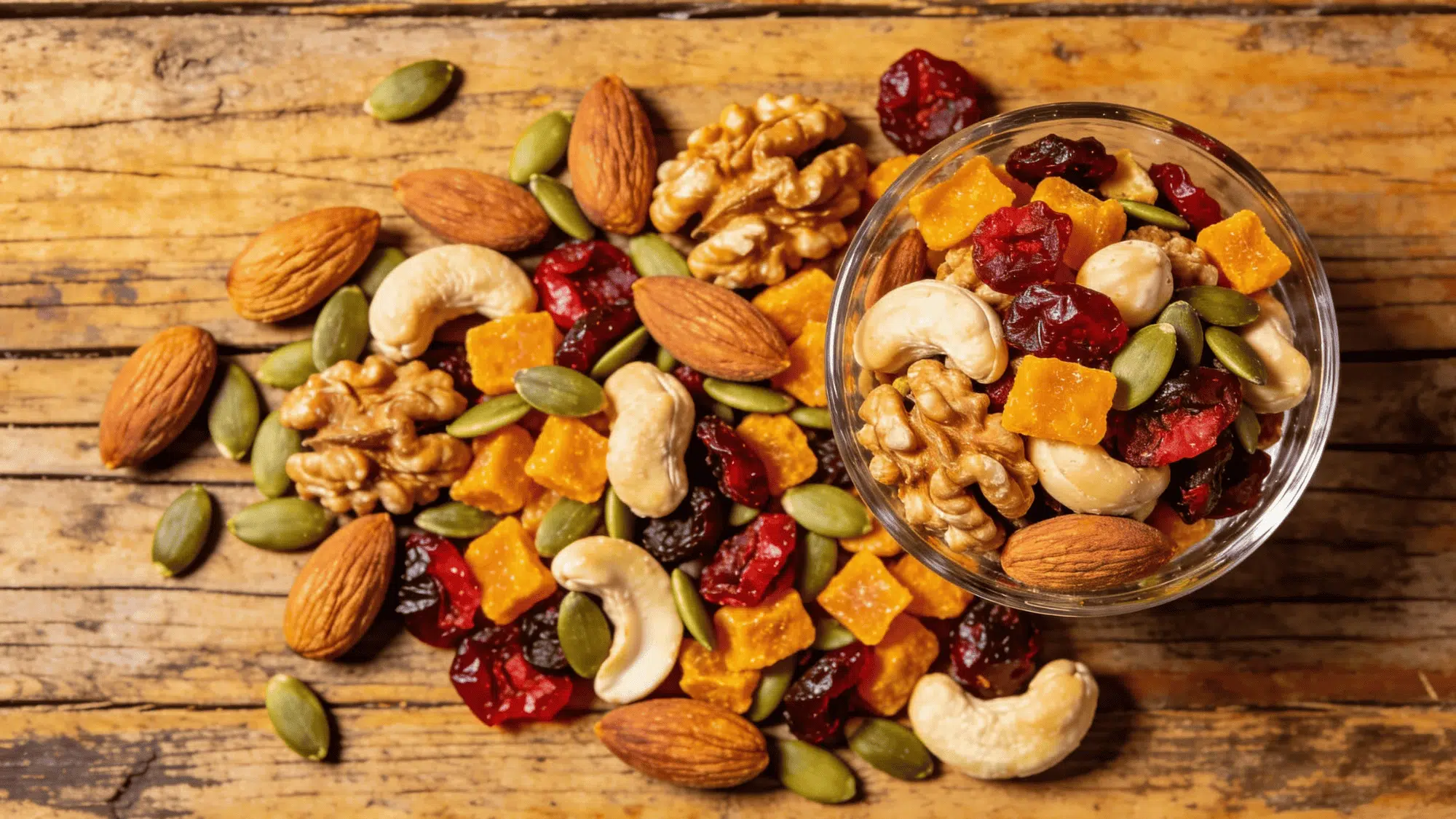
Portion: ¼ cup mix with nuts, seeds, dried fruit
| Calories | Protein | Carbs | Fat |
|---|---|---|---|
| ~150–180 kcal | ~4–6 g | ~12–18 g | ~9–12 g |
Trail mix packs serious energy density into a small handful, making it ideal for long training days or multi-hour competitions.
Build your own blend heavy on almonds, walnuts, and pumpkin seeds to maximize protein and healthy fats while controlling sugar from dried fruit.
The combination provides both quick energy and sustained fuel, adapting to whatever your workout demands.
Store-bought versions offer convenience, but making your own lets you customize ratios and avoid unwanted additives like chocolate chips or excess sugar.
12. Peanut Butter Crackers
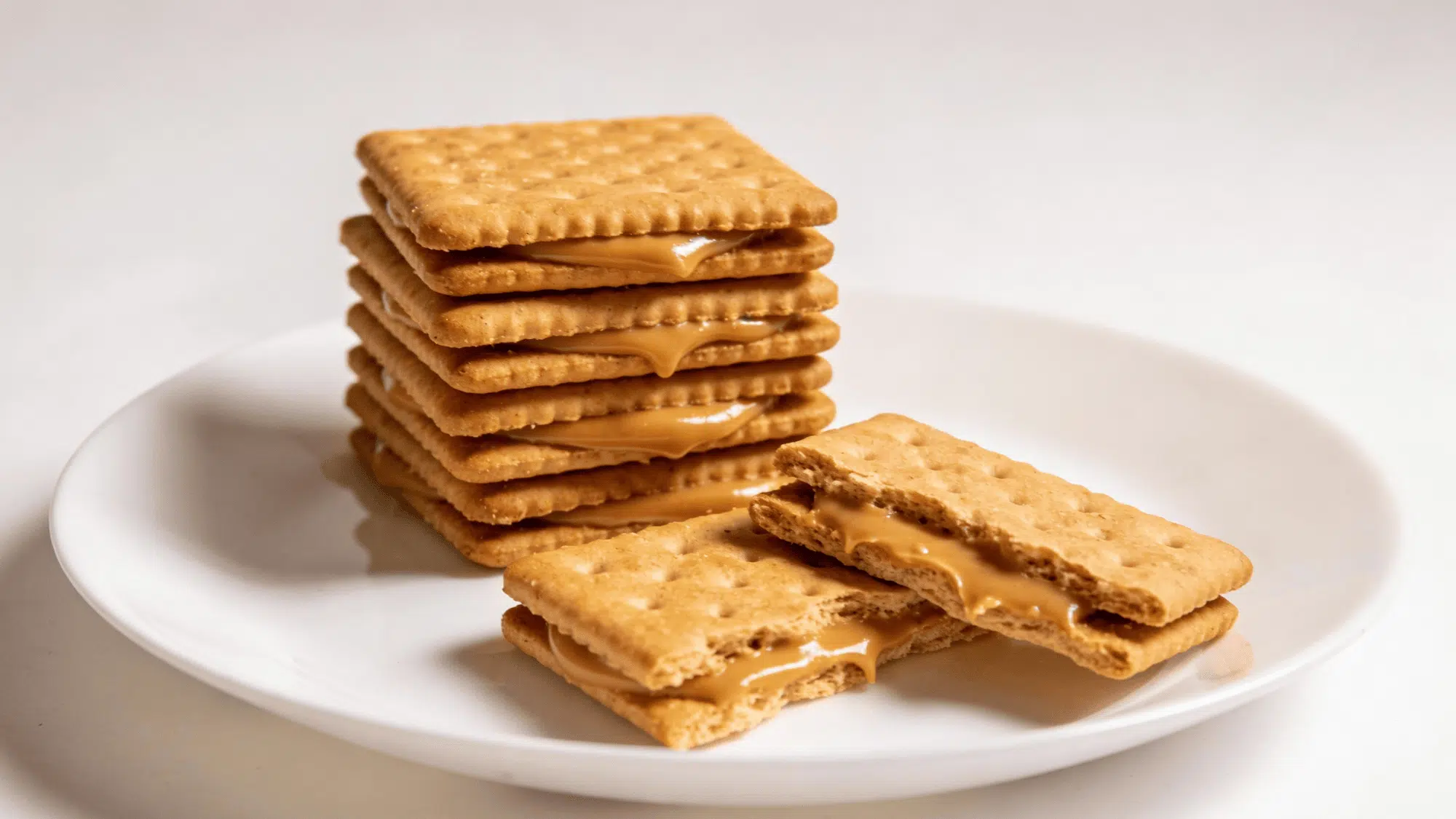
Portion: 6 peanut butter sandwich crackers
| Calories | Protein | Carbs | Fat |
|---|---|---|---|
| ~190–210 kcal | ~4–6 g | ~20–24 g | ~10–12 g |
These ready-made sandwich crackers provide instant gratification when hunger strikes between sessions.
The carbohydrate-forward profile makes them especially useful for quick pre-workout fuel that won’t sit heavy in your stomach.
They’re shelf-stable for months and individually wrapped for portion control, perfect for stashing in gym bags, car consoles, or office drawers.
While not the most protein-dense option, they deliver reliable energy when you need something familiar and easy to digest during hectic training schedules.
13. Peanut Butter Celery Sticks
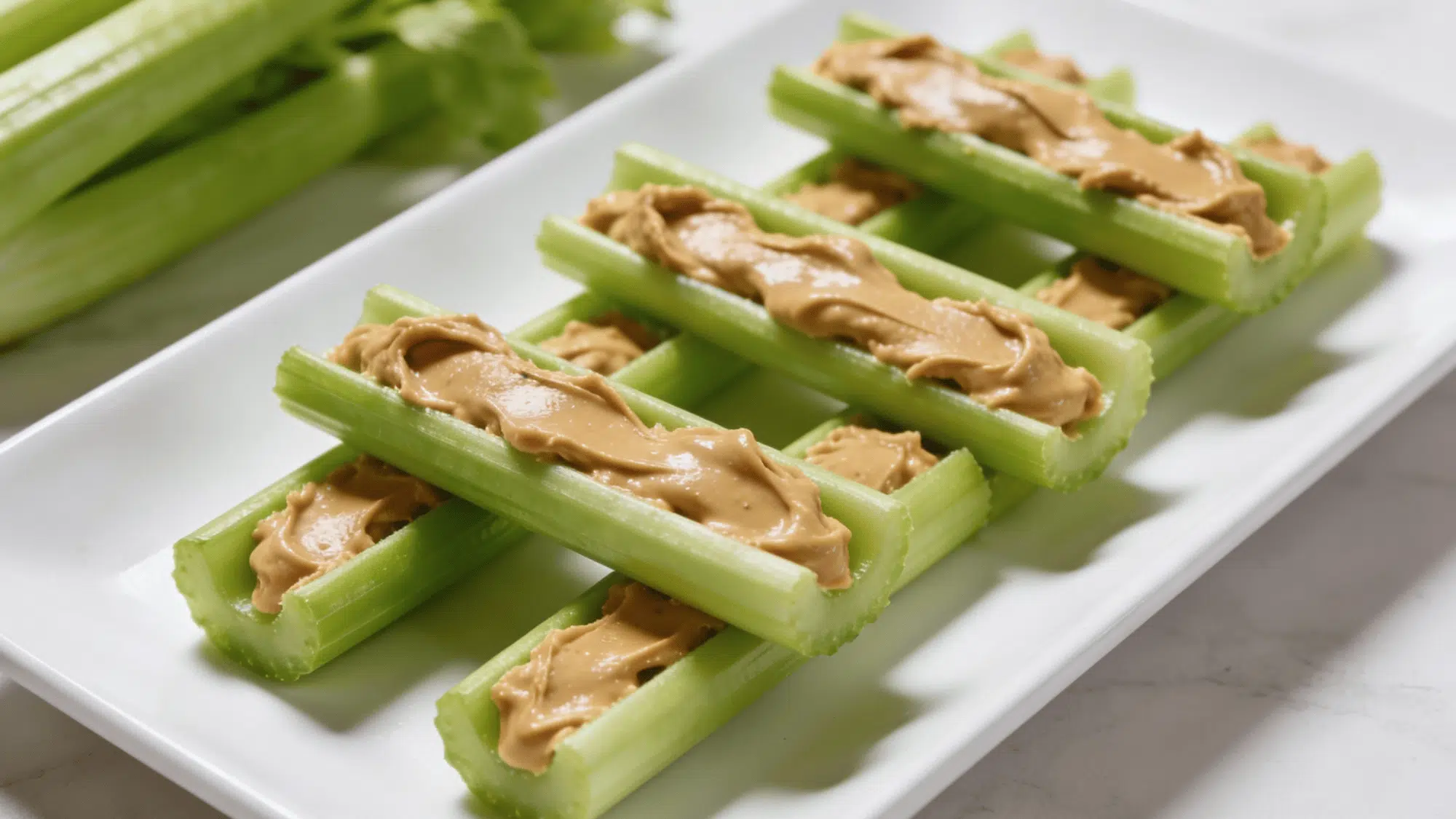
Portion: 2 tbsp peanut butter + 2 large celery sticks
| Calories | Protein | Carbs | Fat |
|---|---|---|---|
| ~180–200 kcal | ~7–8 g | ~7–9 g | ~15–16 g |
This classic combination delivers satisfying crunch with minimal carbohydrates, making it perfect for athletes following lower-carb nutrition plans or those timing carb intake around workouts.
Celery provides hydration and fiber while adding virtually no calories, letting the nutrient-dense peanut butter shine. The high healthy fat content promotes satiety between meals without spiking blood sugar.
Prep celery sticks in advance and store them in water to maintain crispness, then spread peanut butter just before eating for optimal texture.
14. Turkey Roll-Ups with Cheese and Veggies
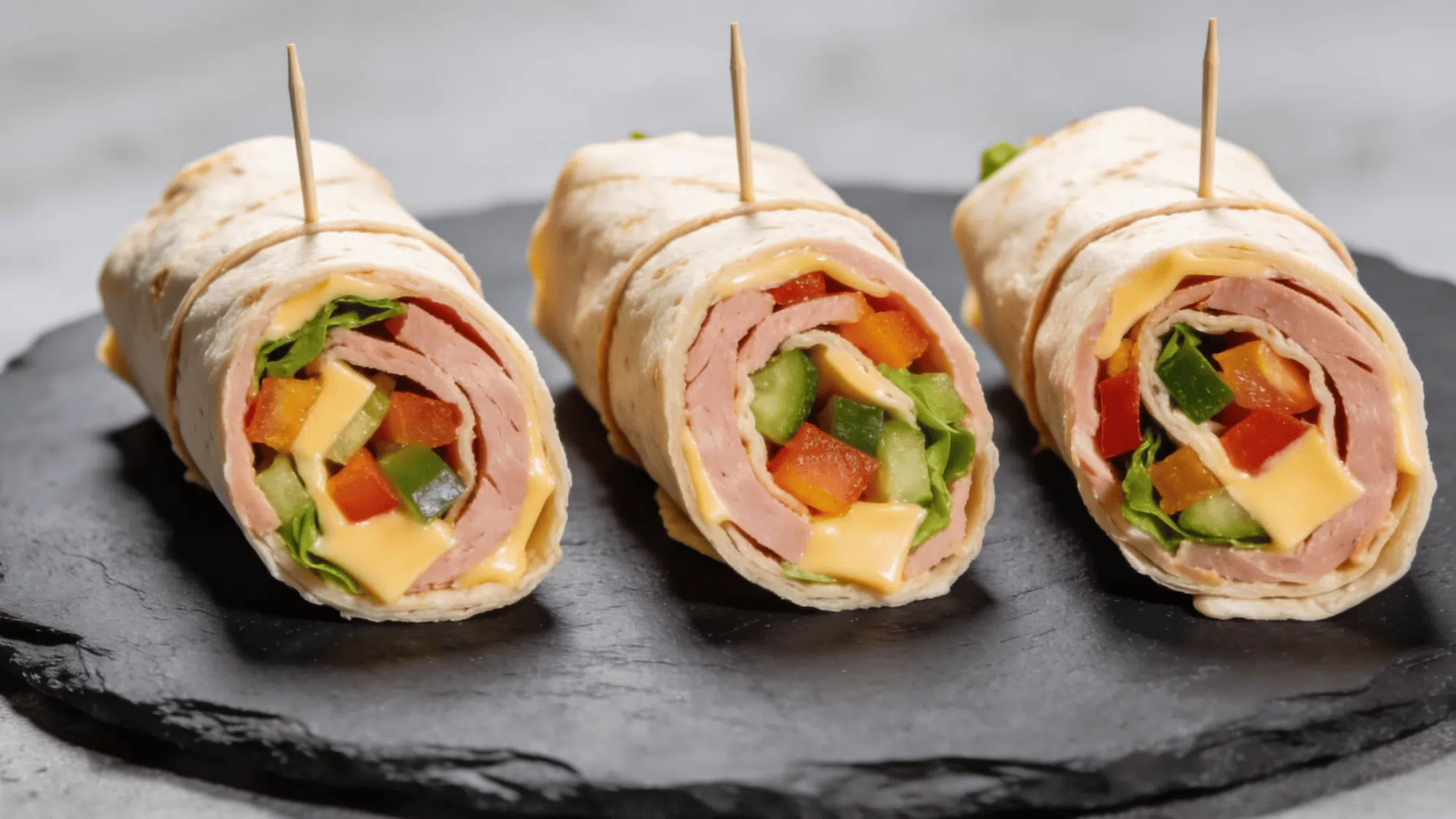
Portion: 3 slices turkey + 1 slice cheese + sliced veg
| Calories | Protein | Carbs | Fat |
|---|---|---|---|
| ~160–190 kcal | ~16–20 g | ~3–5 g | ~8–10 g |
These protein-packed roll-ups require no bread, making them exceptionally low in carbohydrates while delivering impressive protein numbers.
Layer turkey slices with cheese and add cucumber, bell pepper, or spinach for extra crunch and micronutrients.
They’re particularly valuable during two-a-day training when you need substantial protein between sessions without filling up on heavy carbs.
Prepare several at once and refrigerate for quick grab-and-go convenience throughout your training week.
15. Hummus with Veggie Sticks or Whole-Wheat Pita
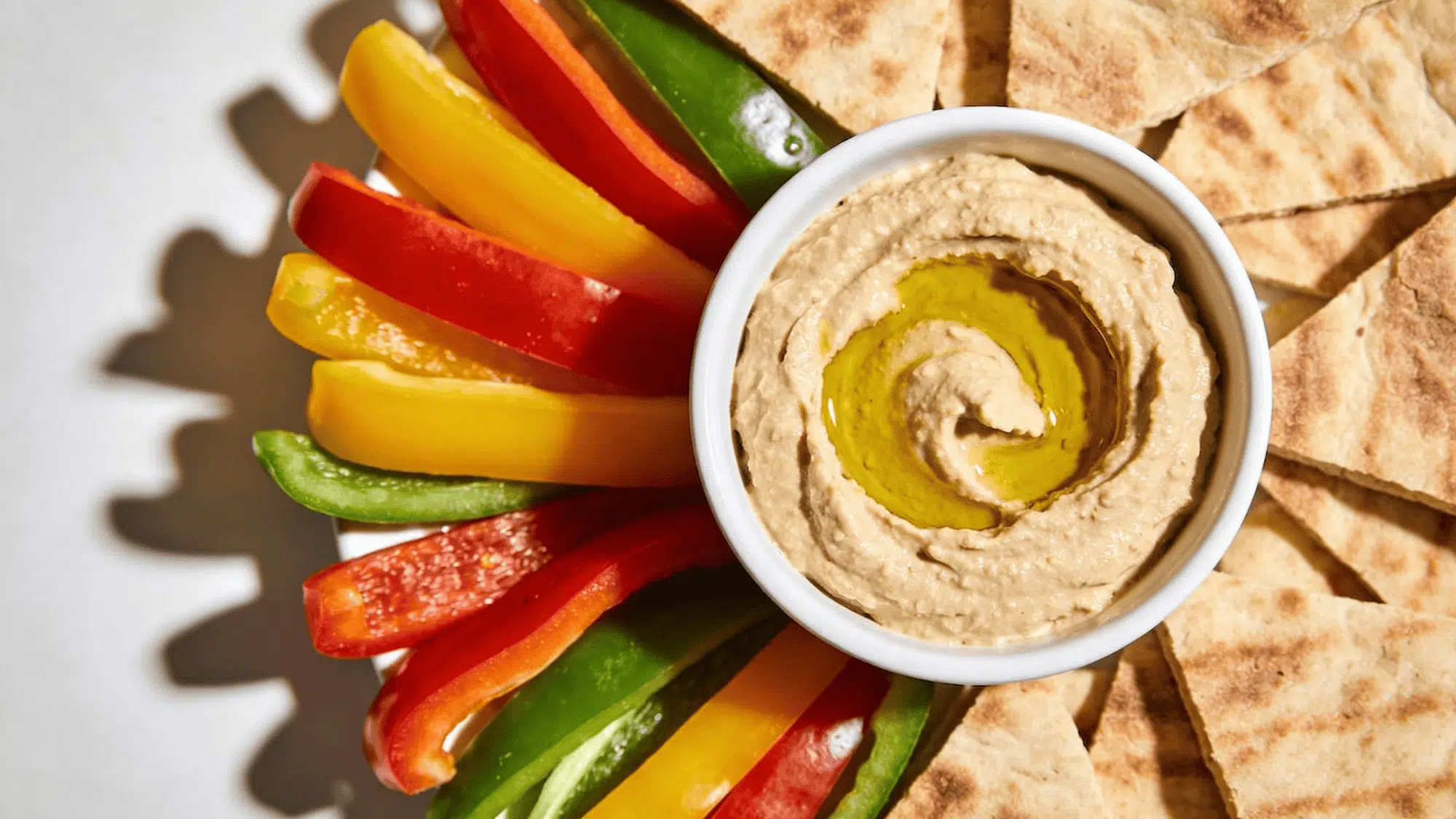
Portion: 3 tbsp hummus + 1 cup veg or ½ pita
| Calories | Protein | Carbs | Fat |
|---|---|---|---|
| ~150–180 kcal | ~5–7 g | ~18–22 g | ~6–8 g |
Chickpea-based hummus provides plant protein along with fiber that supports digestive health and sustained energy release.
The creamy texture pairs perfectly with crisp vegetables like carrots, cucumbers, and bell peppers, or use whole-wheat pita for more substantial carbohydrate content when needed.
Hummus offers iron and folate, particularly valuable for endurance athletes. Single-serve containers make portions easy to control and transport, though buying larger tubs proves more economical for regular snacking at home.
16. Protein Smoothies (Yogurt or Milk + Fruit + Nut Butter + Greens)
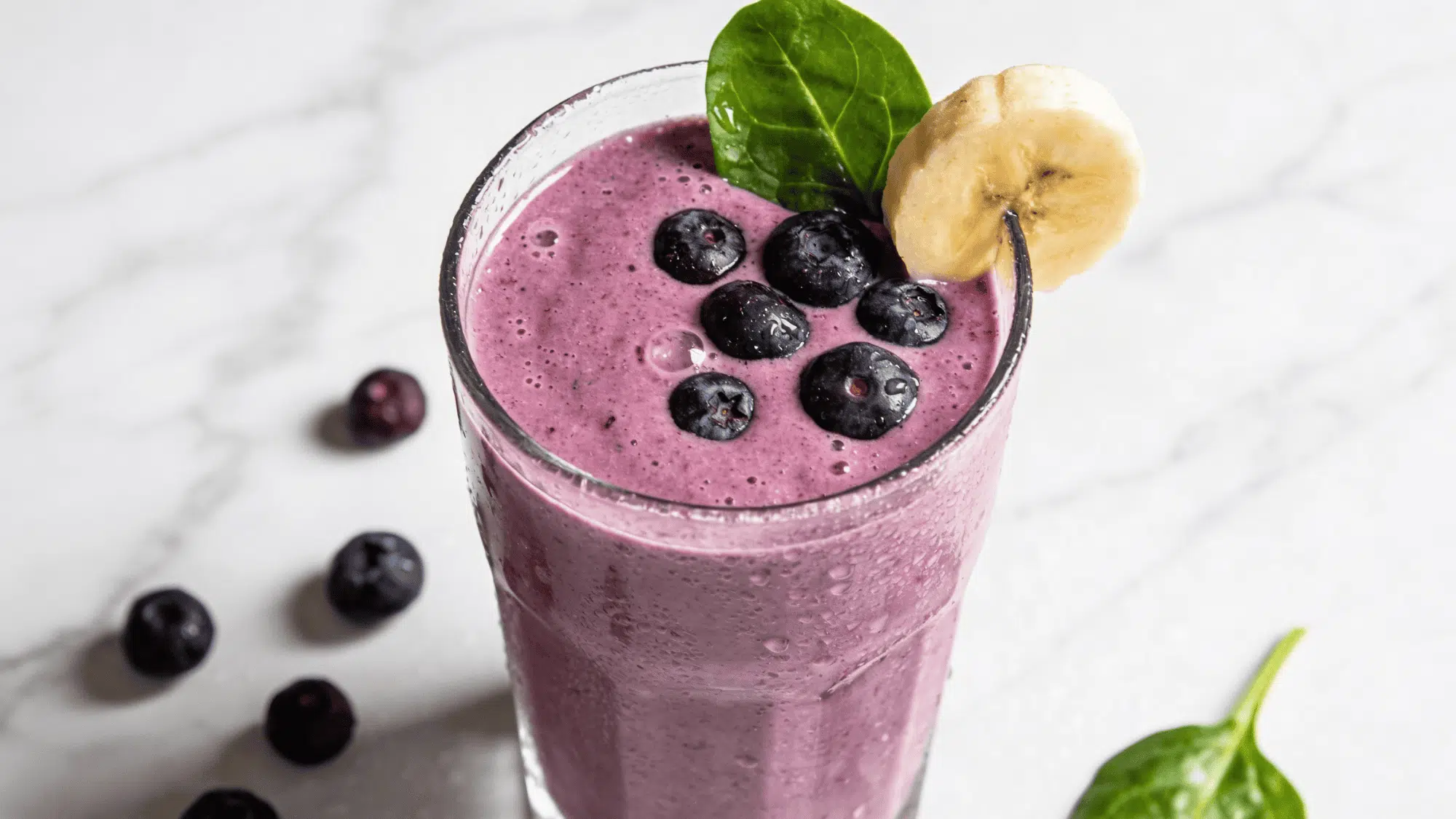
Portion: 1 cup milk, ½ banana, 1 tbsp nut butter, handful spinach
| Calories | Protein | Carbs | Fat |
|---|---|---|---|
| ~250–300 kcal | ~12–18 g | ~25–35 g | ~8–12 g |
Smoothies offer unmatched versatility, letting you blend exactly what your training demands that day.
The liquid format aids rapid digestion, making smoothies excellent immediately post-workout when solid food feels unappealing.
Sneak in leafy greens for vitamins without affecting the fruity flavor, and boost protein further with a scoop of powder if needed.
Prep ingredients in freezer bags for quick blending, or invest in a portable blender for fresh smoothies anywhere. The drinkable format also helps meet hydration needs alongside nutrition.
17. Overnight Oats with Berries and Nuts
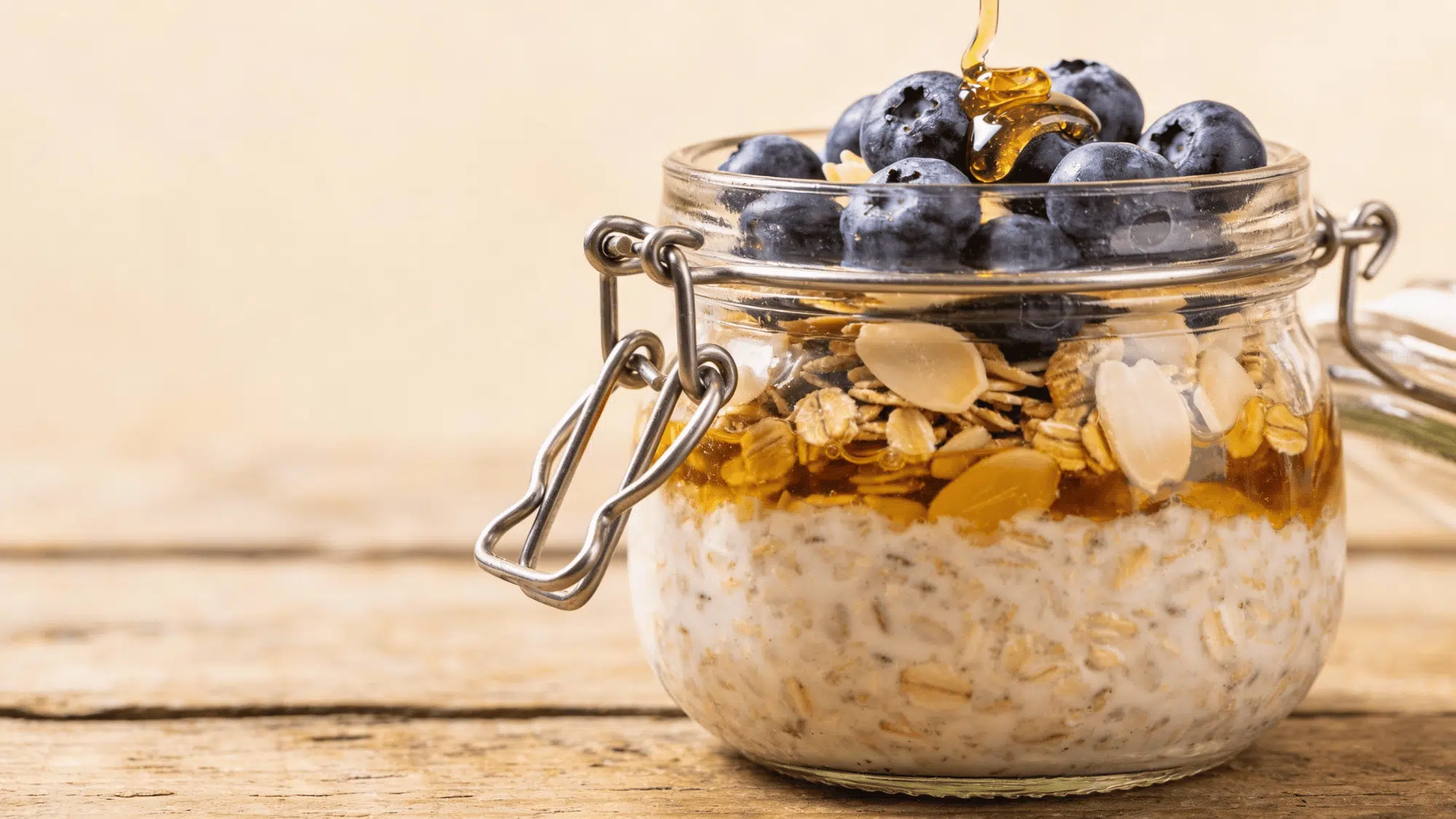
Portion: ½ cup oats + ½ cup milk + ¼ cup berries + 1 tbsp nuts
| Calories | Protein | Carbs | Fat |
|---|---|---|---|
| ~260–300 kcal | ~9–12 g | ~35–40 g | ~9–12 g |
Overnight oats transform simple rolled oats into a creamy, ready-to-eat snack that requires zero morning effort.
The complex carbohydrates provide steady energy for hours, making this ideal before long training sessions or as a substantial mid-morning snack.
Prepare multiple jars on Sunday for the entire week’s convenience. The soaking process breaks down starches for easier digestion while maintaining fiber content.
Experiment with flavor combinations like apple-cinnamon, chocolate-banana, or tropical coconut to prevent boredom during regular rotation.
18. Whole-Grain Toast with Avocado or Egg
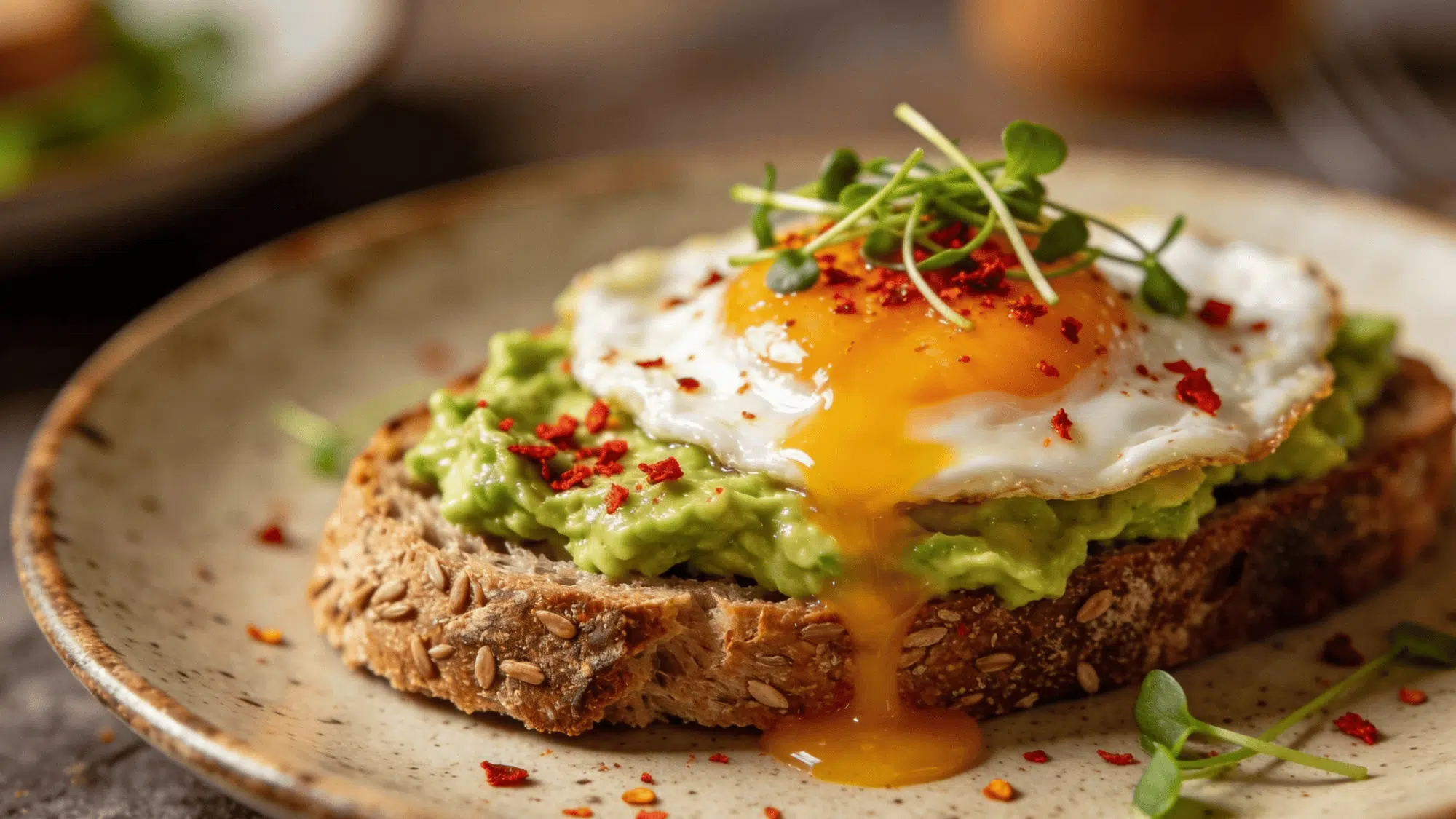
Portion: 1 slice toast + ½ avocado or 1 egg
| Calories | Protein | Carbs | Fat |
|---|---|---|---|
| Avocado: ~200–220 kcal; Egg: ~150–170 kcal | Avocado: ~4 g; Egg: ~9 g | ~18–22 g | Avocado: ~11–14 g; Egg: ~7–9 g |
Whole-grain toast provides a sturdy base for either creamy avocado or protein-rich eggs, each offering distinct nutritional benefits.
Avocado delivers heart-healthy monounsaturated fats and potassium, crucial for muscle function and blood pressure regulation. The egg option prioritizes protein for muscle recovery while keeping calories lower.
Both versions supply complex carbohydrates that fuel workouts without causing energy crashes. Top with everything bagel seasoning, hot sauce, or microgreens to elevate basic ingredients into something crave-worthy.
19. Dried Fruit (Raisins, Cranberries, Apricots)
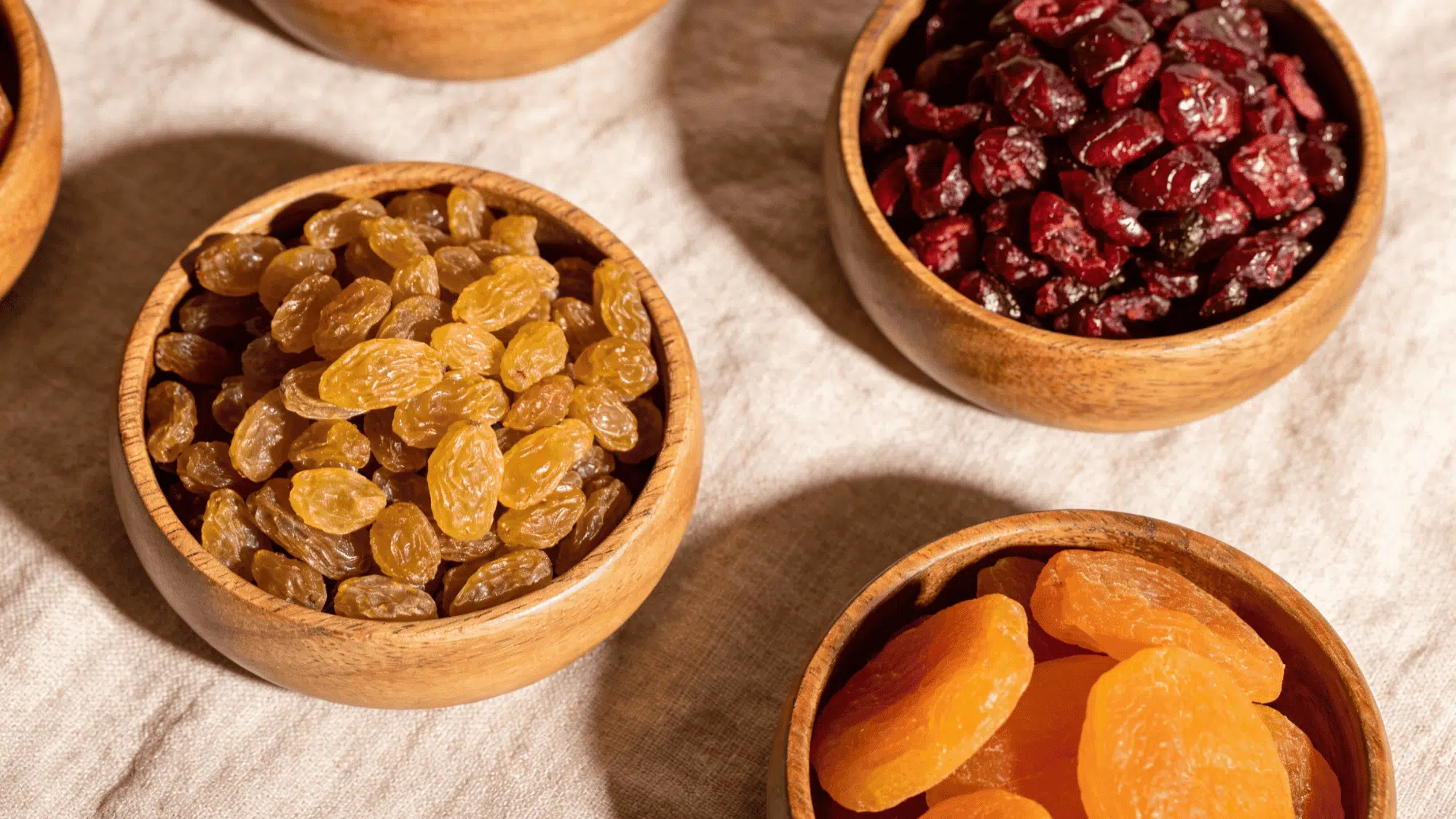
Portion: ¼ cup mixed dried fruit
| Calories | Protein | Carbs | Fat |
|---|---|---|---|
| ~90–110 kcal | ~1–2 g | ~22–26 g | ~0–1 g |
Dried fruit concentrates natural sugars into a compact, shelf-stable package perfect for rapid carbohydrate delivery. These work exceptionally well during endurance activities when you need quick energy that won’t upset your stomach.
The chewy texture requires minimal digestion compared to whole fruit, getting glucose into your bloodstream faster.
Always pair with nuts or protein sources when eating dried fruit outside of workouts to prevent blood sugar spikes. Choose unsweetened varieties without added sugar or sulfites for cleaner nutrition.
20. Energy Gels or Chews
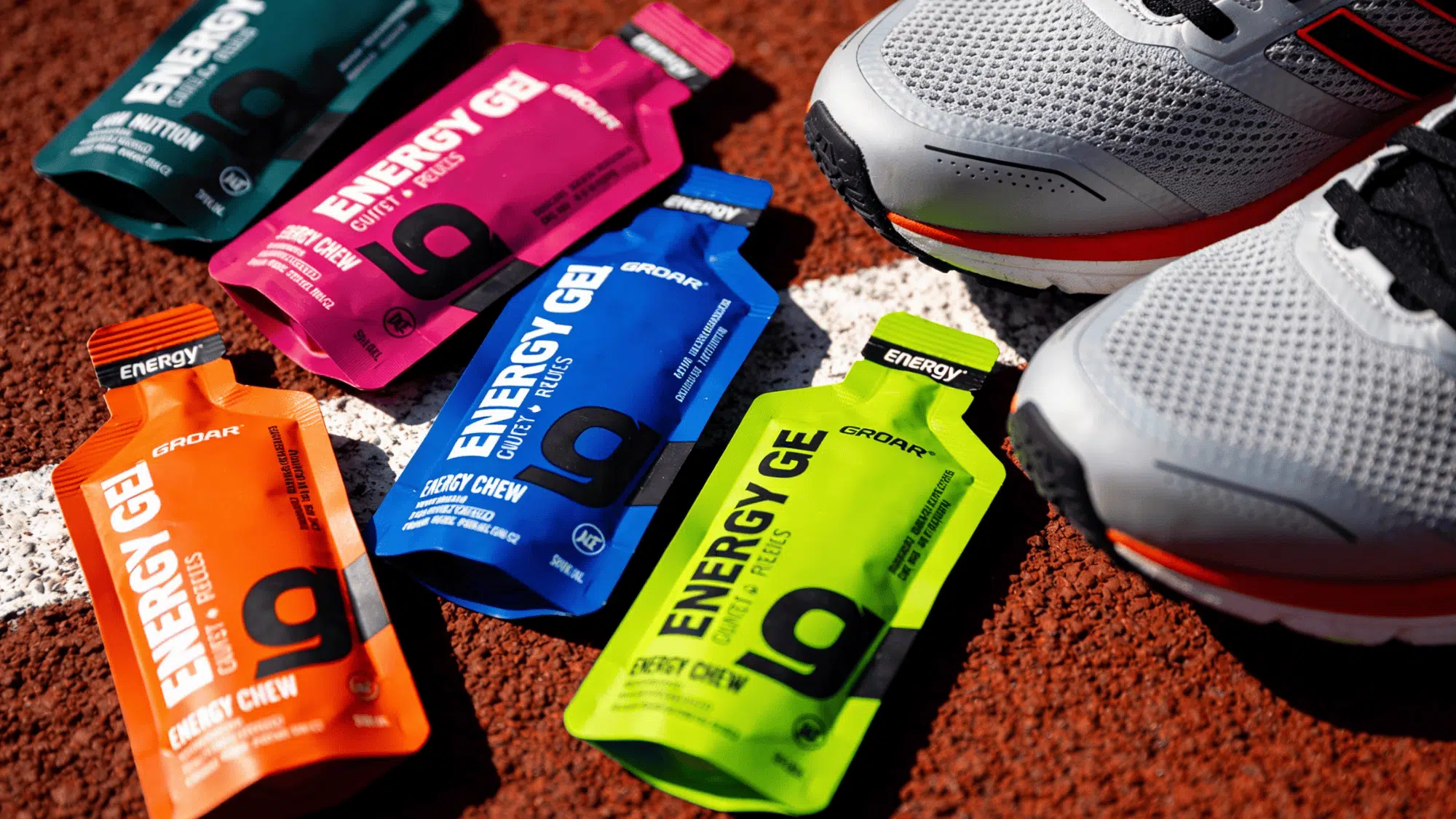
Portion: 1 gel or 1 serving of chews
| Calories | Protein | Carbs | Fat |
|---|---|---|---|
| ~80–110 kcal | ~0 g | ~20–28 g | ~0–1 g |
Energy gels and chews are engineered mainly for fast carbohydrate absorption during prolonged endurance activities like marathons, century rides, or long trail runs.
The concentrated format delivers essential fuel without requiring your digestive system to work hard when blood flow is directed to working muscles.
Most contain added electrolytes to replace what’s lost through sweat. Practice using these products during training before race day to identify which brands and flavors your stomach tolerates best under exercise stress.
21. Electrolyte Snacks and Drinks (Sports Drinks, Pickle Juice)
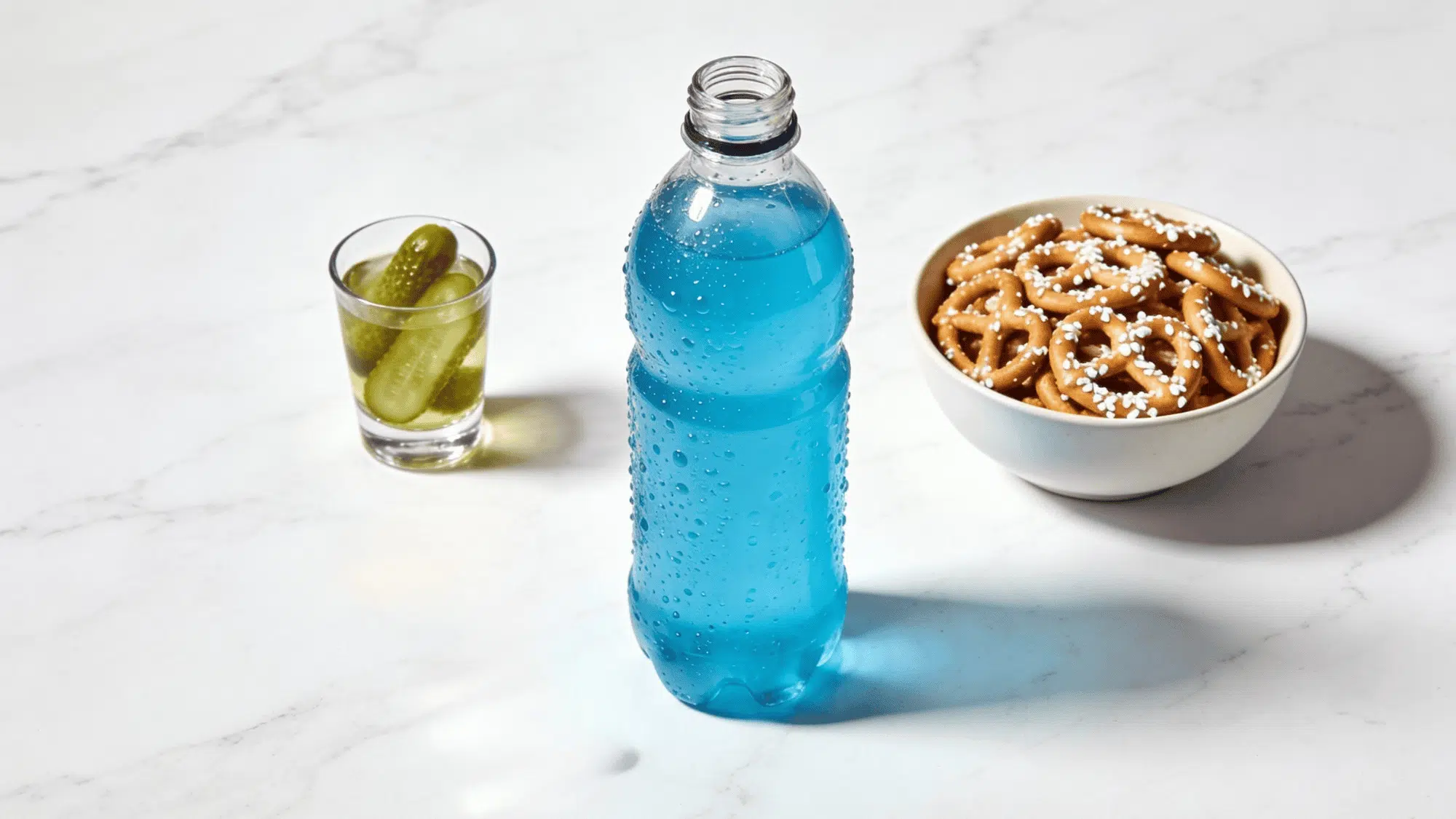
Portion: 1 sports drink (500 ml) or small salty snack
| Calories | Protein | Carbs | Fat |
|---|---|---|---|
| Drink: ~120 kcal, ~30 g carbs; pickle juice: minimal calories | ~0–1 g | ~0–30 g | ~0–5 g |
Electrolyte replenishment becomes critical during intense training sessions lasting over an hour or in hot, humid conditions where sweat loss is substantial.
Sports drinks combine sodium, potassium, and fast-acting carbohydrates to restore what exercise depletes. Pickle juice has gained popularity among athletes for its rapid sodium delivery and potential cramping relief.
Salty pretzels or crackers offer a whole-food alternative. The primary goal here is hydration and mineral balance rather than macronutrient delivery, making these strategic choices for specific training scenarios.
22. Baked Tofu Cubes
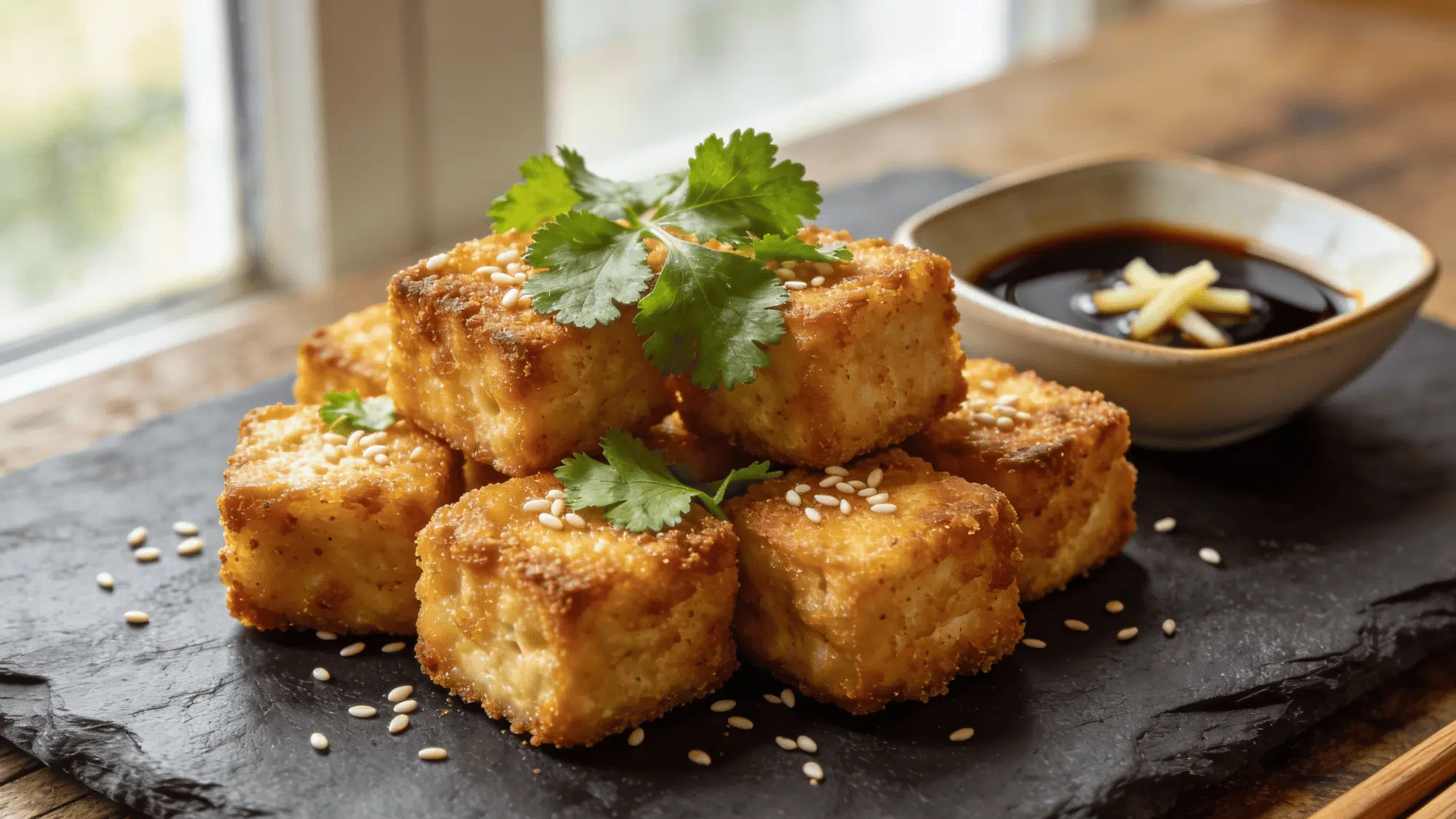
Portion: 100 g baked firm tofu
| Calories | Protein | Carbs | Fat |
|---|---|---|---|
| ~150–170 kcal | ~14–17 g | ~3–5 g | ~9–10 g |
Baked tofu provides plant-based complete protein with all essential amino acids, making it an excellent option for vegetarian and vegan athletes.
The firm texture holds up well when seasoned and baked until crispy, creating a satisfying savory snack.
Tofu naturally contains iron and calcium, nutrients that can be challenging to obtain in adequate amounts on plant-based diets.
Marinate cubes in soy sauce, garlic, and ginger before baking, then portion into containers for several days of protein-rich snacking.
23. Roasted Chickpeas
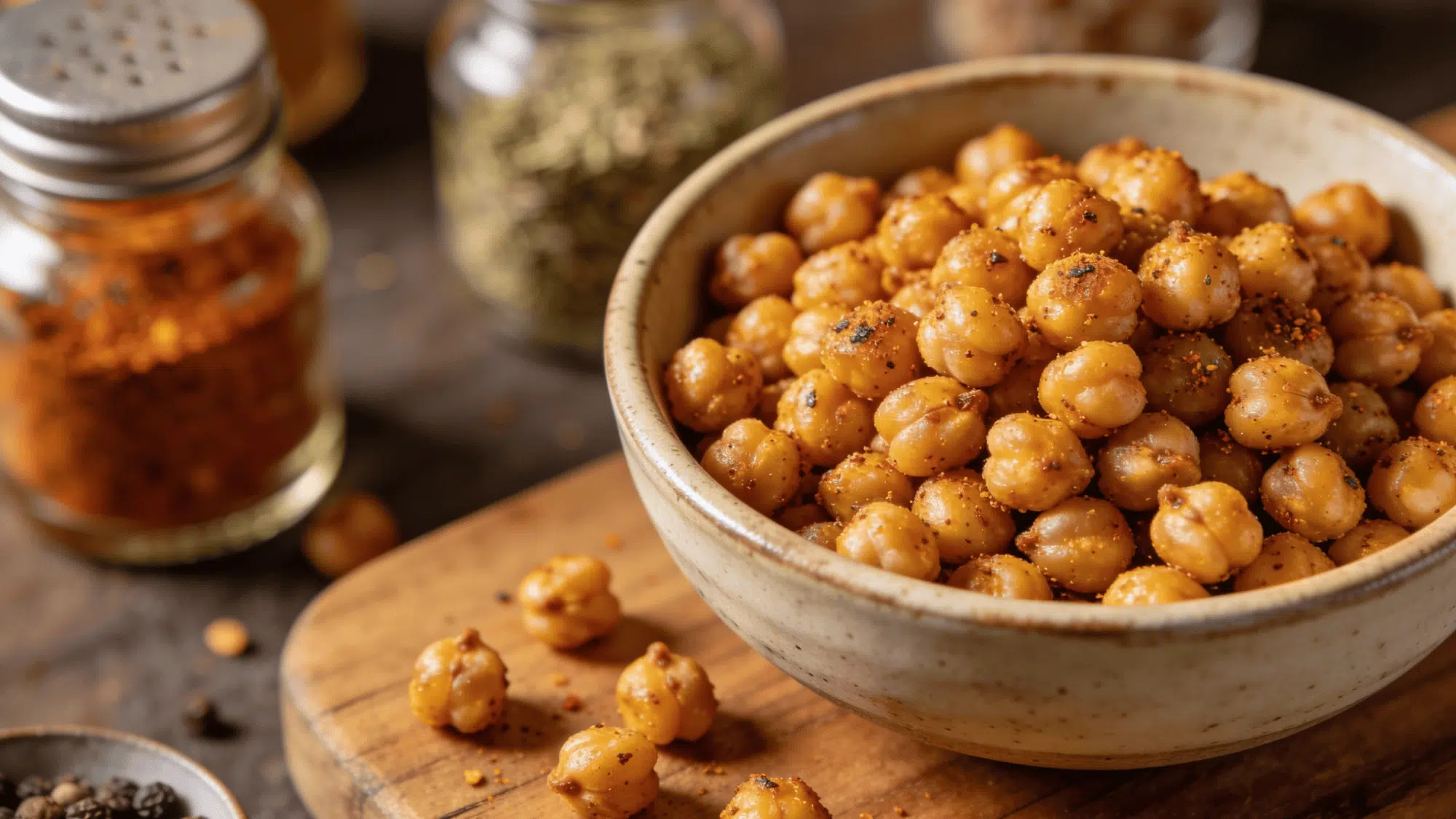
Portion: ½ cup roasted chickpeas
| Calories | Protein | Carbs | Fat |
|---|---|---|---|
| ~135 kcal | ~6 g | ~16 g | ~5–6 g |
Roasted chickpeas deliver a satisfying crunch that rivals traditional chips while providing substantially more nutrition. The high fiber content supports digestive health and promotes lasting fullness between training sessions.
Season them with everything from ranch spice to cinnamon sugar, depending on your flavor preference. Making your own proves economical and lets you control sodium levels, though many quality pre-made options exist.
The plant-based protein and iron content make these particularly valuable for athletes who avoid or reduce animal products.
24. Chia Pudding Made with Milk or Soy Milk
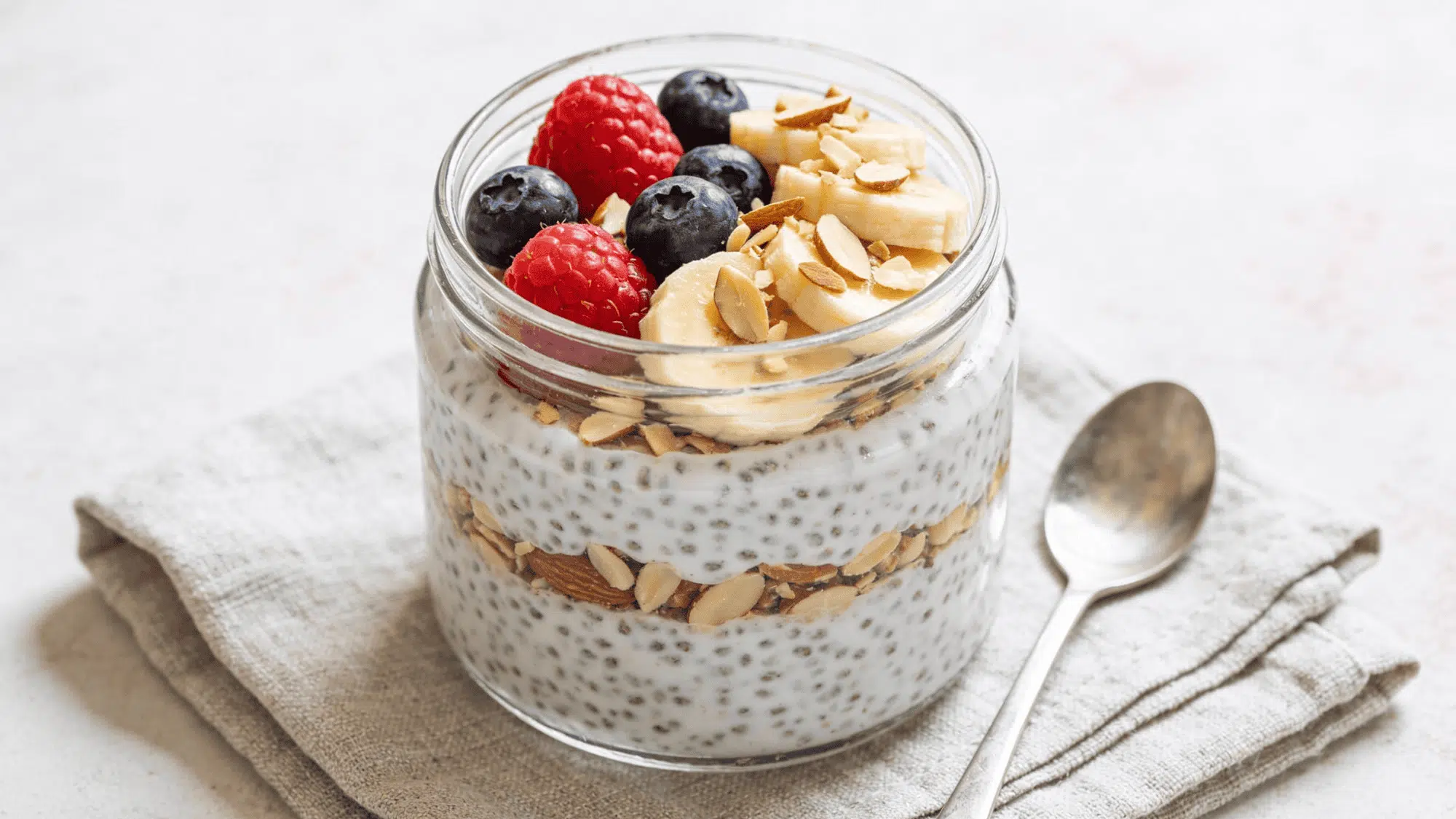
Portion: ½ serving (about ½ cup) of chia pudding
| Calories | Protein | Carbs | Fat |
|---|---|---|---|
| ~120 kcal | ~5–6 g | ~11–12 g | ~6 g |
Chia seeds absorb liquid to create a tapioca-like pudding texture that’s surprisingly filling for its calorie count.
These tiny seeds pack omega-3 fatty acids that support anti-inflammatory processes crucial for recovery from hard training. The fiber content aids digestive regularity and blood sugar stability throughout your day.
Mix chia seeds with milk and sweetener the night before, then top with fruit or nuts in the morning. The gel-like consistency makes this gentle on the stomach, even before early workouts.
25. Pumpkin Seeds
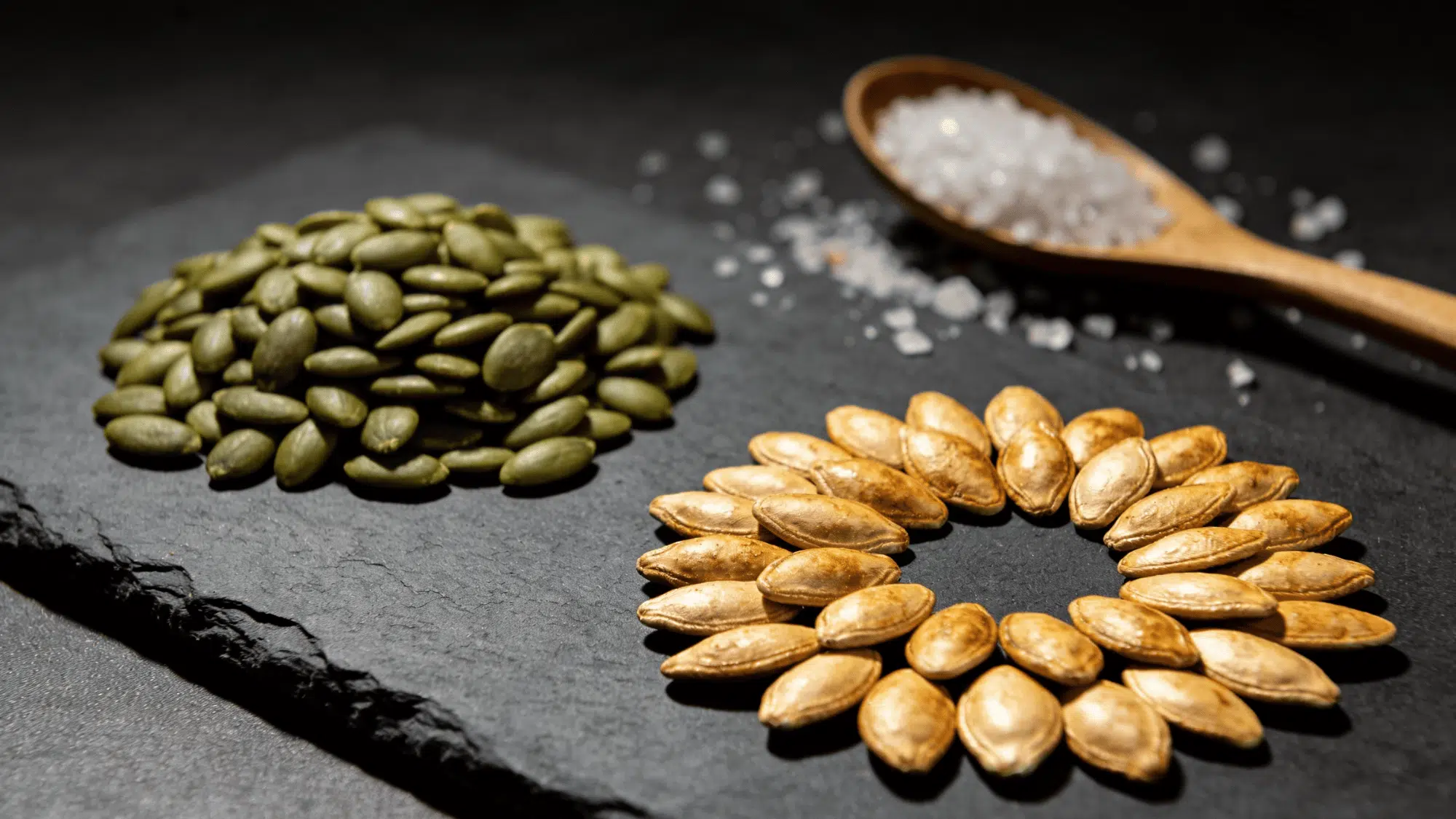
Portion: 2 tbsp (about 16 g)
| Calories | Protein | Carbs | Fat |
|---|---|---|---|
| ~90–100 kcal | ~4–5 g | ~2–4 g | ~7–8 g |
Pumpkin seeds are nutrient density champions, delivering magnesium essential for muscle relaxation and recovery, along with zinc that supports immune function and protein synthesis.
The small serving size makes them perfect for adding to other snacks like yogurt, oatmeal, or trail mix. Their mild, slightly sweet flavor works in both sweet and savory applications.
Roast them yourself with sea salt and spices for a crunchy standalone snack, or buy pre-roasted versions for convenience. Store in airtight containers to maintain freshness.
26. Nut Butter Squeeze Packs
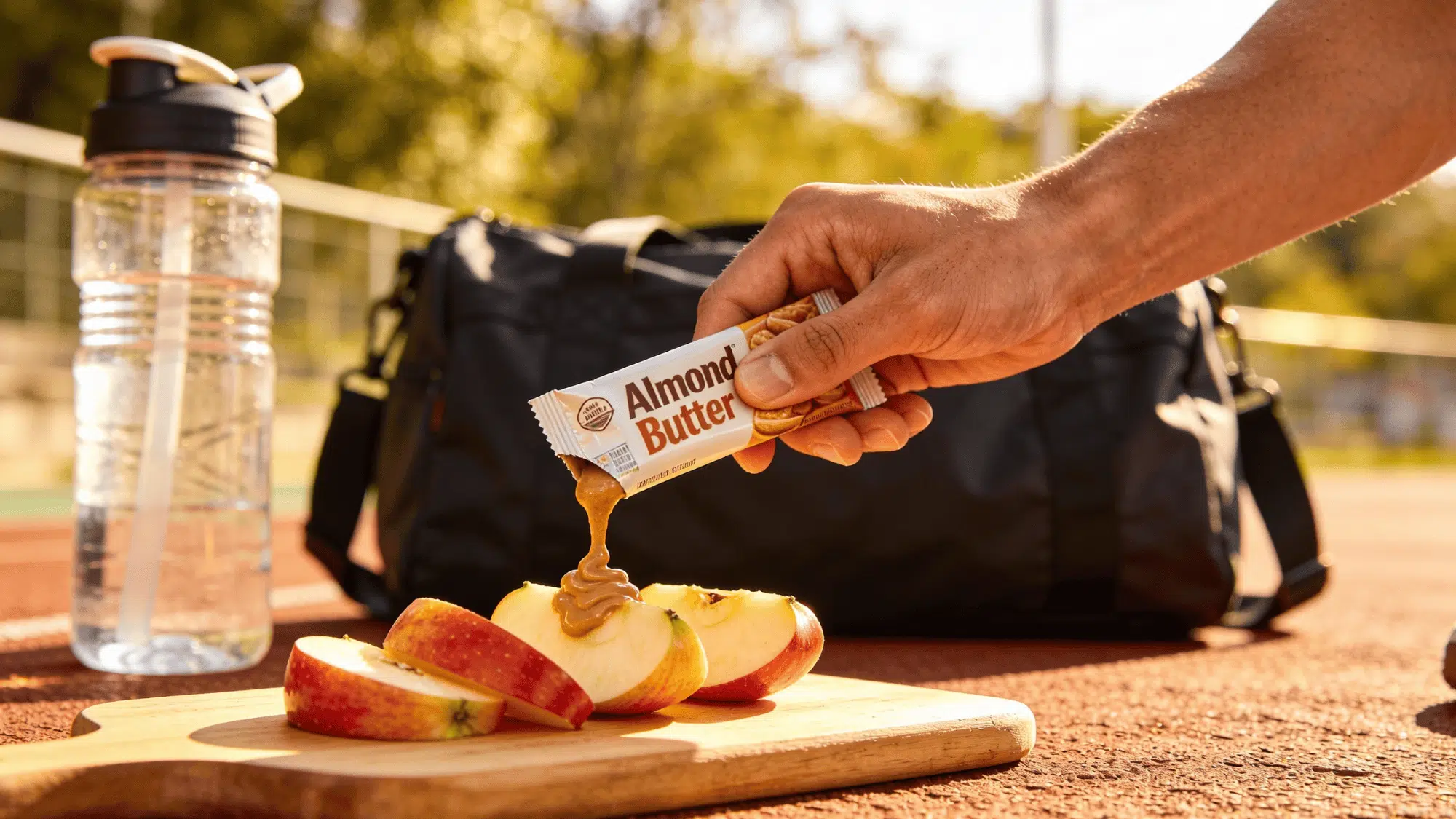
Portion: 1 single-serve pack (1–1.15 oz / 28–32 g)
| Calories | Protein | Carbs | Fat |
|---|---|---|---|
| ~170–200 kcal | ~6–7 g | ~5–8 g | ~15–18 g |
Individual nut butter packets eliminate the need for spoons or refrigeration, making them ideal for endurance events, hiking, or travel when access to proper meals becomes challenging.
The concentrated healthy fats provide sustained energy without requiring much digestive effort. Squeeze directly into your mouth or onto fruit, crackers, or energy bars for an instant protein and fat boost.
While more expensive per ounce than jar varieties, the convenience and portion control justify the premium for athletes constantly on the move.
27. Protein Bars
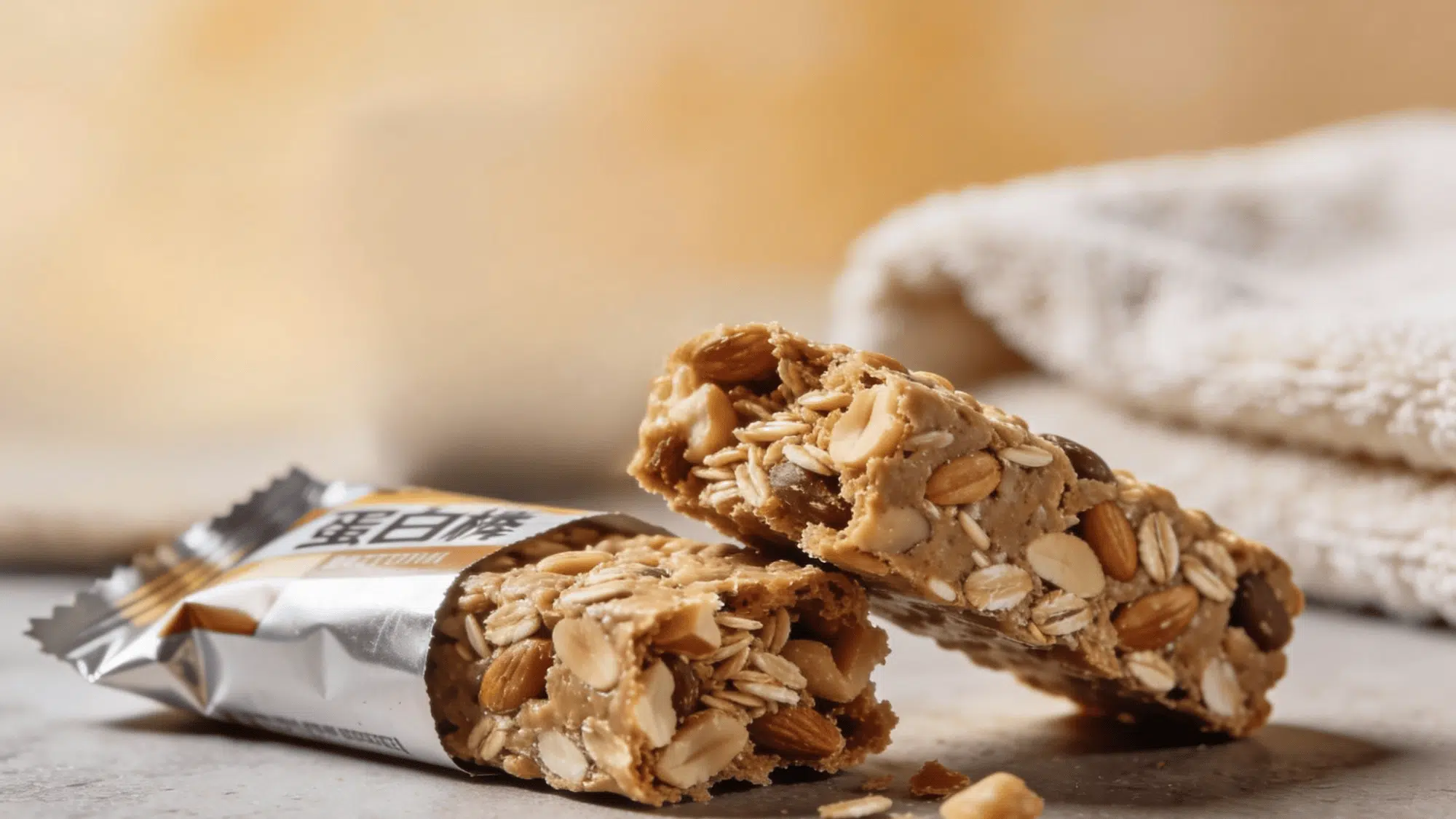
Portion: 1 bar (~50–60 g)
| Calories | Protein | Carbs | Fat |
|---|---|---|---|
| ~190–250 kcal | ~15–20 g | ~20–25 g | ~5–9 g |
Protein bars offer complete nutrition in a portable format that fits anywhere, making them invaluable backup fuel when real meals aren’t accessible.
Quality matters significantly, look for bars with recognizable ingredients, adequate fiber, and moderate sugar content rather than candy-bar imposters.
The balanced macronutrient profile makes them suitable pre-workout, post-workout, or as meal replacements during busy days.
Keep several varieties stocked to prevent flavor fatigue, and always read labels since protein bars vary wildly in quality and nutritional composition.
28. Protein Shakes
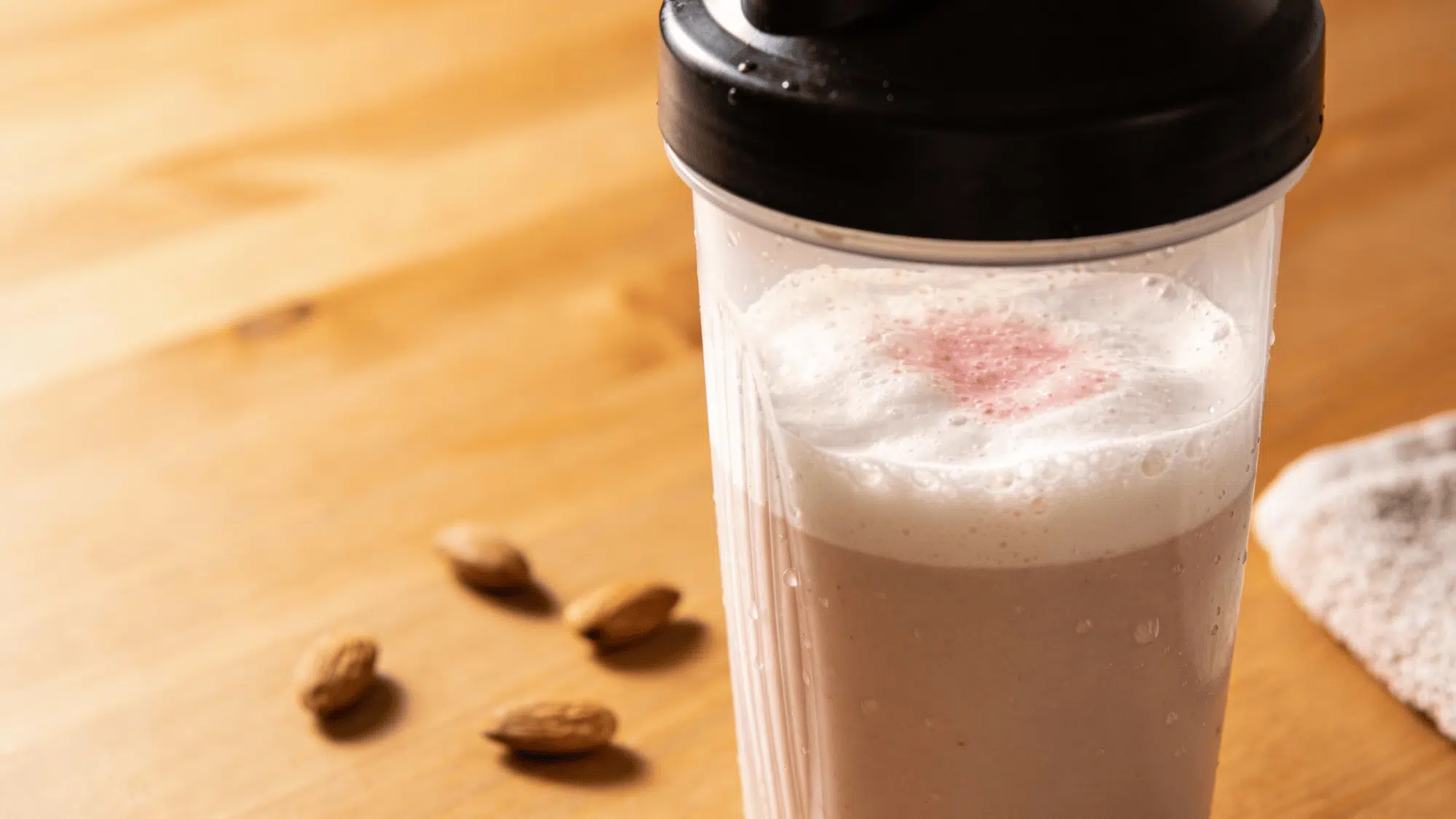
Portion: 1 scoop whey in water or milk (≈30 g powder)
| Calories | Protein | Carbs | Fat |
|---|---|---|---|
| Water: ~120 kcal, ~24 g protein; With 1 cup milk: ~200 kcal, ~32–34 g protein | ~24–34 g | ~3–12 g | ~1–5 g |
Protein shakes deliver rapidly absorbing whey protein that kickstarts muscle recovery immediately after training when your body is primed for nutrient uptake.
Mix with water for minimal calories and fastest absorption, or use milk for additional protein and a creamier texture. The liquid format bypasses much of the digestive process, getting amino acids to muscles quickly.
Whey provides all essential amino acids in optimal ratios for human muscle building. Keep a shaker bottle and single-serve packets in your gym bag for post-workout convenience anywhere.
29. Edamame (Steamed Soybeans)
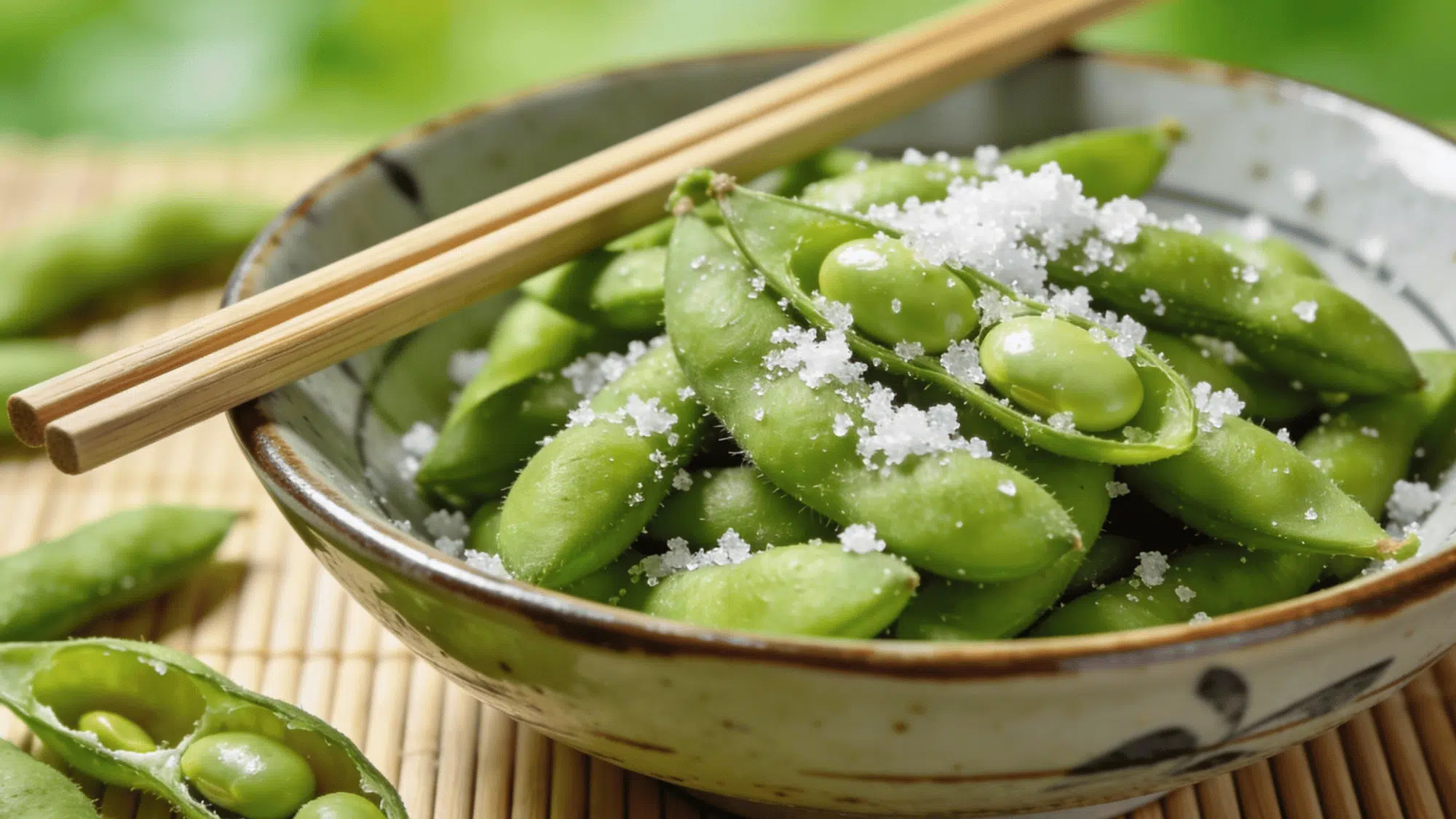
Portion: ½ cup shelled (75 g)
| Calories | Protein | Carbs | Fat |
|---|---|---|---|
| ~90–100 kcal | ~8–9 g | ~8–9 g | ~3–4 g |
Edamame delivers impressive protein in a low-calorie package that also provides folate and iron, crucial for red blood cell production and oxygen transport.
The fun, hands-on eating experience makes snacking feel more satisfying than the calorie count suggests. Buy pre-cooked frozen edamame for quick microwave preparation, or find them ready-to-eat in produce sections.
Sprinkle with sea salt or experiment with spicy seasonings like chili-lime or garlic. The balanced protein-to-carb ratio makes edamame appropriate any time of day.
30. Homemade Energy Bites (Oats, Nut Butter, Seeds)
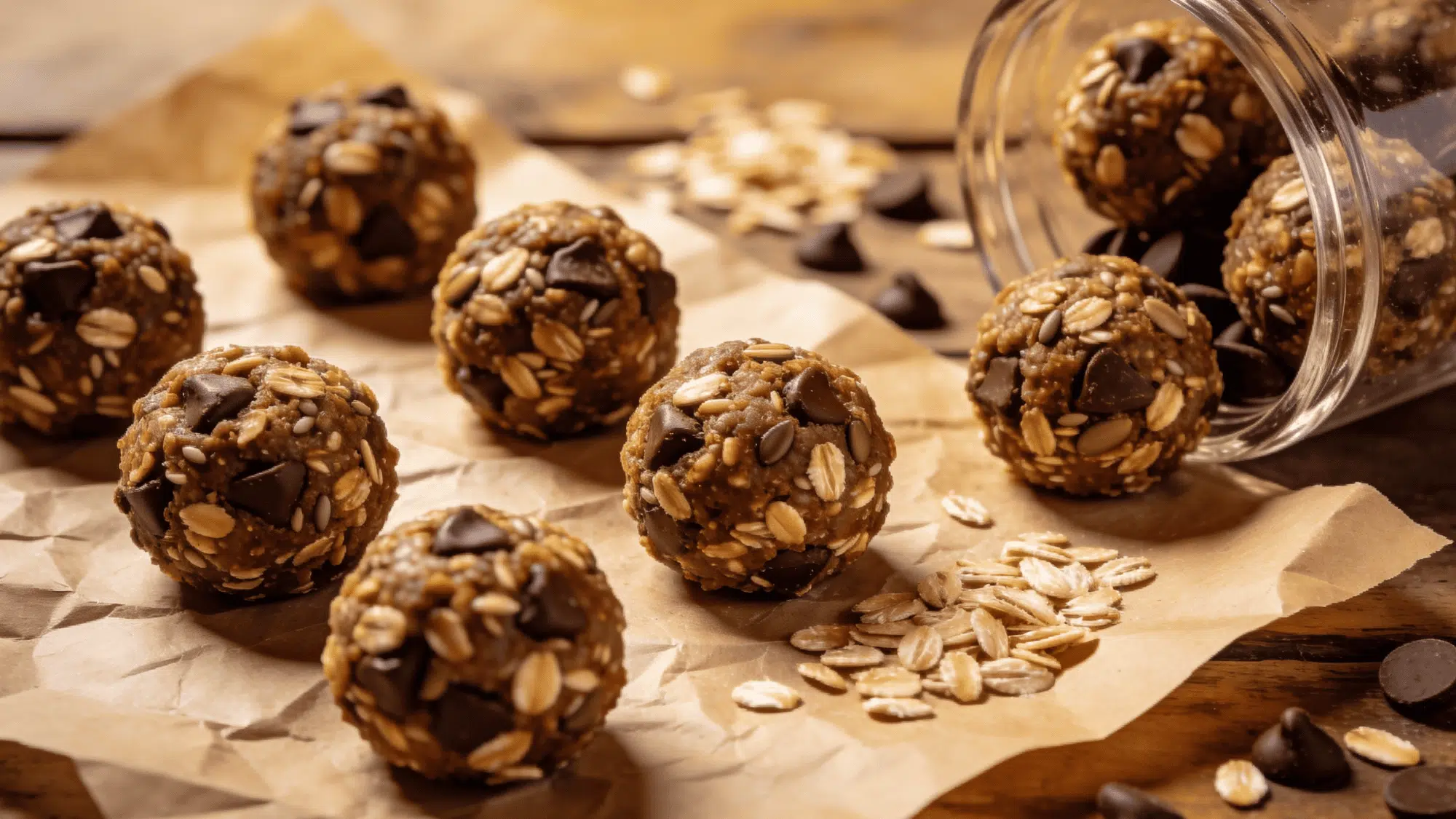
Portion: 2 small bites (~30–35 g total)
| Calories | Protein | Carbs | Fat |
|---|---|---|---|
| ~150–180 kcal | ~4–6 g | ~15–20 g | ~8–10 g |
Energy bites pack whole-food nutrition into poppable portions that satisfy sweet cravings without processed sugar crashes.
Mix rolled oats, nut butter, honey, and add-ins like chocolate chips, dried fruit, or protein powder, then roll into balls and refrigerate. The no-bake preparation takes minutes and yields dozens of snacks for the week.
These dense little spheres provide pre-workout fuel that’s gentle on the stomach yet substantial enough to power through training. Customize flavors endlessly to match your preferences and nutritional needs.
31. Homemade Granola (As a Snack or Yogurt Topping)
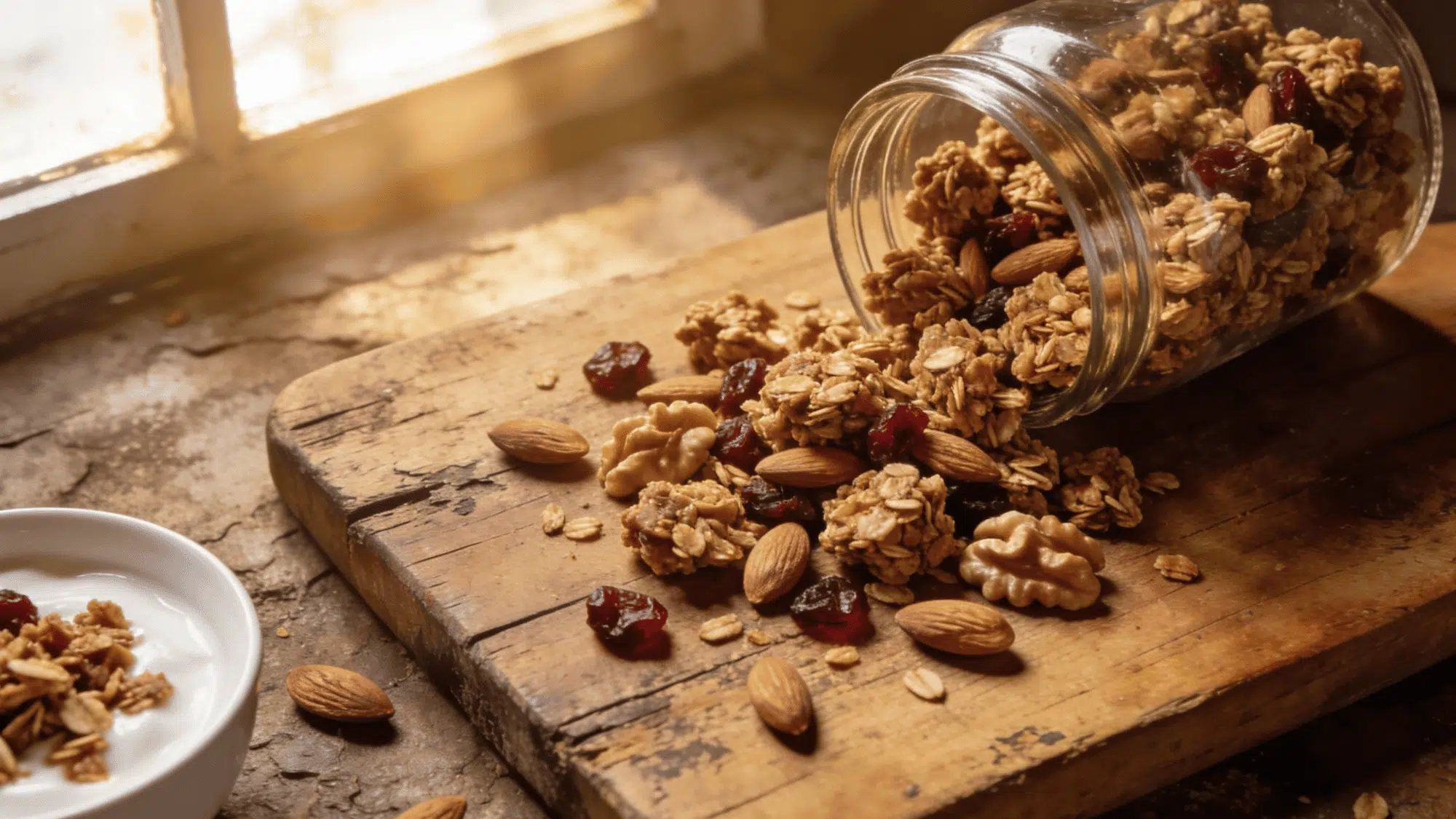
Portion: ¼ cup granola
| Calories | Protein | Carbs | Fat |
|---|---|---|---|
| ~120–150 kcal | ~3–4 g | ~18–22 g | ~4–6 g |
Homemade granola lets you control sugar content while maximizing nuts, seeds, and whole grains for superior nutrition compared to store-bought versions.
Bake large batches that stay fresh for weeks in airtight containers, providing quick breakfast toppings or standalone snacks.
The crunchy clusters satisfy textural cravings while delivering sustained energy from complex carbohydrates.
Mix with Greek yogurt for a complete snack, sprinkle over smoothie bowls for added crunch, or eat by the handful when you need something sweet and wholesome.
Pre-, Mid-, and Post-Workout Snack Timing for Athletes
What you eat matters, but when you eat it can be just as important for steady energy, strong performance, and faster recovery after training too.
Best Pre-Workout Snacks
When to eat: 30–90 minutes before your workout
Your pre-workout snack should be easy to digest and give you steady energy without weighing you down. Focus on carbs with a little protein.
Great choices:
- Apple slices with peanut butter
- Banana with a handful of almonds
- Oatmeal topped with berries
- Greek yogurt with granola
- Whole-grain toast with almond butter
Pro tip: If you’re eating closer to your workout (30 minutes before), stick with simple carbs like a banana or applesauce pouch. The closer to exercise time, the lighter you should go.
Best During-Workout Snacks
When you need them: During workouts lasting longer than 60–90 minutes
Most regular workouts don’t need mid-session fuel. But if you’re running a half-marathon, cycling for hours, or doing an intense tournament day, your body needs quick energy.
Perfect options:
- Dried fruit (raisins, apricots, dates)
- Energy gels or chews
- Sports drinks with electrolytes
- A few pretzels or crackers
Remember: During exercise, your body can’t digest complex foods well. Stick with simple, fast-absorbing carbs that won’t upset your stomach.
Best Post-Workout Recovery Snacks
When to eat: Within 30–60 minutes after finishing
This is your golden window for recovery! Your muscles are like sponges ready to soak up nutrients. You need both carbs to refill your energy stores and protein to repair muscle tissue.
Top recovery snacks:
- Chocolate milk (yes, really, it’s a perfect combo!)
- Protein smoothie with fruit and nut butter
- Cottage cheese with pineapple or berries
- Whole-grain toast with avocado and egg
- Protein bar or shake
- Turkey roll-ups with cheese
Quick rule: Aim for a 3:1 or 4:1 ratio of carbs to protein. For example, if your snack has 30 grams of carbs, include about 8–10 grams of protein.
How to Choose the Right Snack
Picking the right snack doesn’t have to be complicated. Here’s what your body needs:
The Building Blocks
| Nutrient | Why You Need It | Best Sources |
|---|---|---|
| Carbohydrates | Main energy source for workouts | Fruits, oats, whole-grain crackers, pretzels |
| Protein | Repairs and builds muscle tissue | Greek yogurt, eggs, cheese, nuts, protein powder |
| Healthy Fats | Long-lasting energy and fullness | Nut butter, avocado, seeds, nuts |
| Electrolytes | Replaces what you lose in sweat | Sports drinks, pickles, salty snacks |
Match Your Snack to Your Goals
Different sports stress your body in different ways, so the best snack for you depends on whether you need quick energy, strength, or all-day stamina.
For Endurance Athletes (Runners, Cyclists, Swimmers): Focus on carb-heavy snacks before and during workouts. Your body burns through carbs quickly during long sessions.
For Strength Athletes (Weightlifters, CrossFit): Prioritize protein after workouts to help muscles recover and grow stronger.
For Team Sport Athletes (Basketball, Soccer, Tennis): You need a mix of everything! Quick energy from carbs, staying power from protein, and good hydration throughout.
Don’t Forget Hydration!
Even mild dehydration can hurt your performance. Water is perfect for most workouts under an hour. For longer or more intense sessions, choose sports drinks that replace electrolytes (sodium, potassium) lost through sweat.
Signs you need more fluids:
- Dark yellow urine
- Feeling tired or dizzy
- Muscle cramps
- Headache
Your Action Plan
Ready to upgrade your snack game? Start small:
- This week: Try 2–3 new snacks from different categories
- Next week: Prep grab-and-go options for busy days
- Build your routine: Figure out which snacks make you feel strongest
Remember, even small improvements in your nutrition can lead to big gains in performance. You’re training hard—make sure you’re fueling smart too!
Make Snacking Simple
The best snack is the one you’ll actually eat! Here’s how to make healthy snacking a habit:
- Plan ahead: Prep snacks on Sunday for the whole week. Chop veggies, portion out trail mix, or make a batch of energy bites.
- Keep it portable: Pack snacks in your gym bag, car, or locker so you’re never caught without fuel.
- Mix it up: Eating the same snack every day gets boring. Rotate through different options to keep things interesting and get varied nutrients.
- Listen to your body: Some snacks might work great for your teammate but not for you. Pay attention to how different foods make you feel during and after workouts.
Final Thoughts
In the end, healthy snacks are one of the easiest ways to support intense training, better performance, and faster recovery.
The right mix of carbs, protein, healthy fats, and fluids keeps energy steady and muscles happy, whether it’s game day or a rest day.
Snacks do not need to be fancy to work well; they just need to be planned and matched to workout timing and goals. With a few wise choices in your bag, fridge, or locker, it becomes much easier to stay fueled and focused.
Now it’s your turn, pick a few snacks from this list, test them around your workouts, and see which ones help you feel and play your best.