



Sports can be exciting, but some take danger to a whole new level. From jumping off cliffs to riding huge waves, certain activities push the limits of what the human body can handle.
This blog breaks down the most dangerous sports in the world, ranking them by how likely they are to cause serious injuries or even death.
We also examine popular everyday sports that cause the most injuries, why people still choose to engage in high-risk activities, and how modern safety technology helps reduce some of the risks.
By understanding what makes a sport dangerous, readers can better appreciate the skill, courage, and preparation these athletes bring to every challenge.
Ranking the Most Dangerous Sports
Understanding what makes a sport dangerous requires examining multiple factors: fatality rates, the frequency of severe injuries, environmental unpredictability, and the consequences of equipment failure.
Here are the fifteen most dangerous sports ranked by their risk to human life.
1. BASE Jumping
| Attribute | Score |
|---|---|
| Fatality Risk | 10/10 |
| Injury Severity | 10/10 |
| Environmental Factors | 10/10 |
| Equipment Dependence | 10/10 |
| Skill Required | 10/10 |
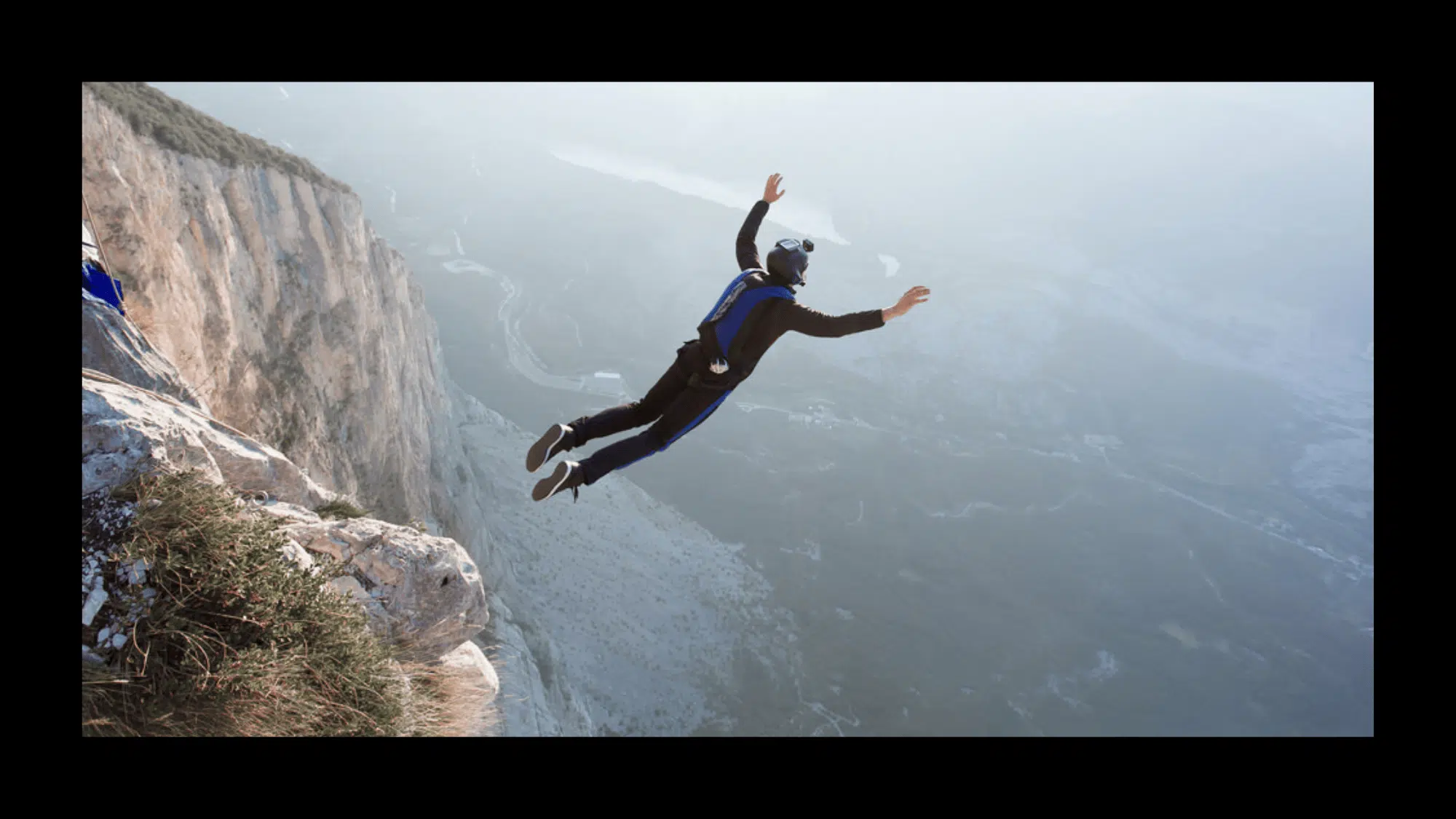
Why It’s Deadly: BASE jumping represents the pinnacle of dangerous sports, combining low altitude deployment with high-speed impacts and no backup systems.
Jumpers face death from parachute malfunctions, collision with cliff faces, or landing in dangerous terrain. The sport requires absolute precision under extreme pressure, with no second chances.
Famous Athletes: Jeb Corliss, Valery Rozov
Safety Considerations: Even experienced jumpers acknowledge that BASE jumping carries inherent, uncontrollable risks. Weather conditions can change instantly, and many jump sites offer no safe abort options once committed.
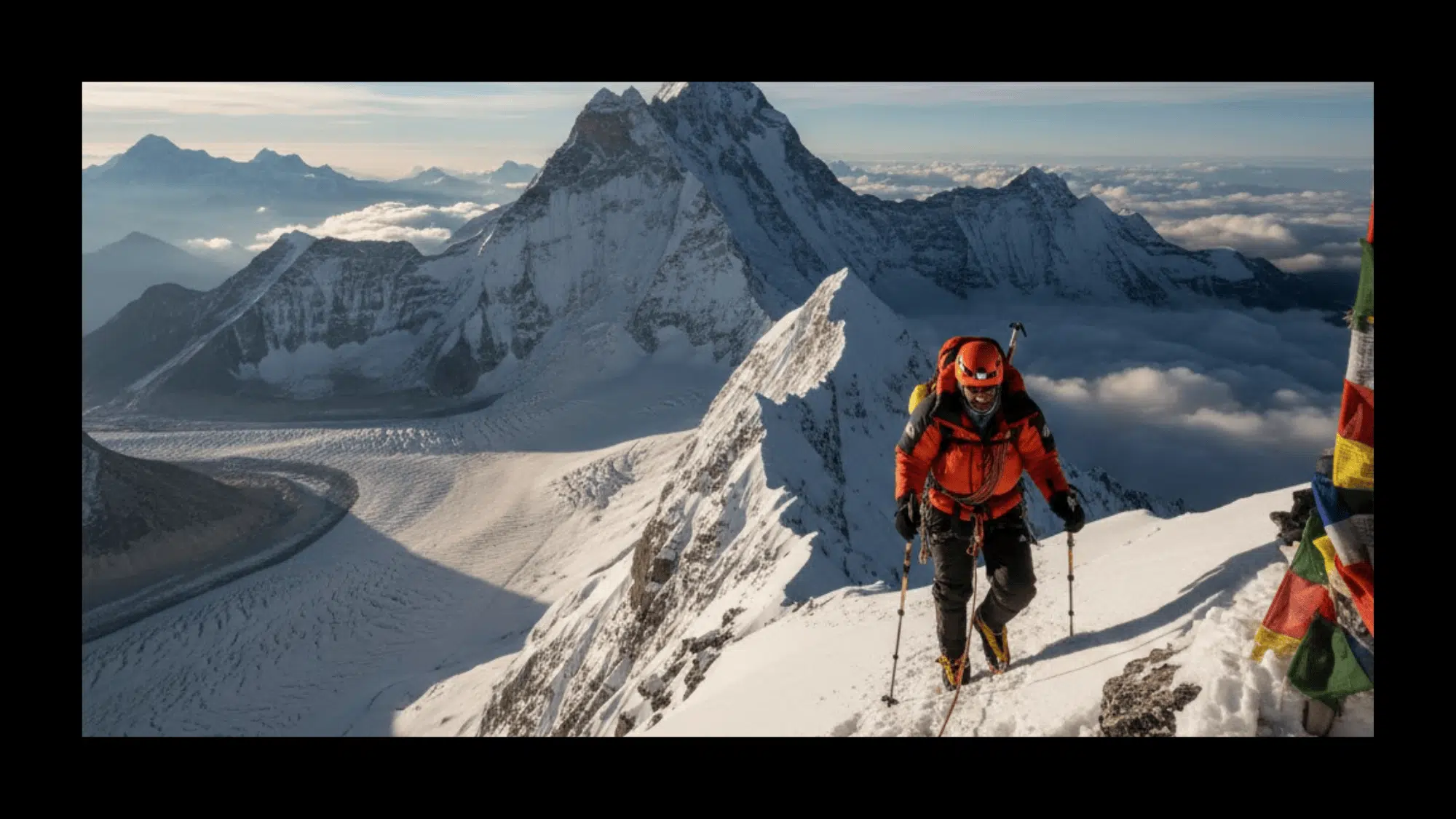
2. High-Altitude Mountaineering
| Attribute | Score |
|---|---|
| Fatality Risk | 10/10 |
| Injury Severity | 9/10 |
| Environmental Factors | 10/10 |
| Equipment Dependence | 9/10 |
| Skill Required | 9/10 |
Why It’s Deadly: Climbing peaks above 8,000 meters enters the “death zone” where human bodies literally die from oxygen deprivation.
Annapurna holds a fatality rate approaching 25%, while Mount Everest has claimed over 300 lives.
Climbers face avalanches, crevasse falls, altitude sickness, hypothermia, and exhaustion that impairs judgment at critical moments.
Famous Athletes: Reinhold Messner, Edmund Hillary, Tenzing Norgay
Safety Considerations: Modern equipment and weather forecasting have improved survival rates, but the mountains remain unpredictable. Many deaths occur during descent when climbers are exhausted and low on oxygen.
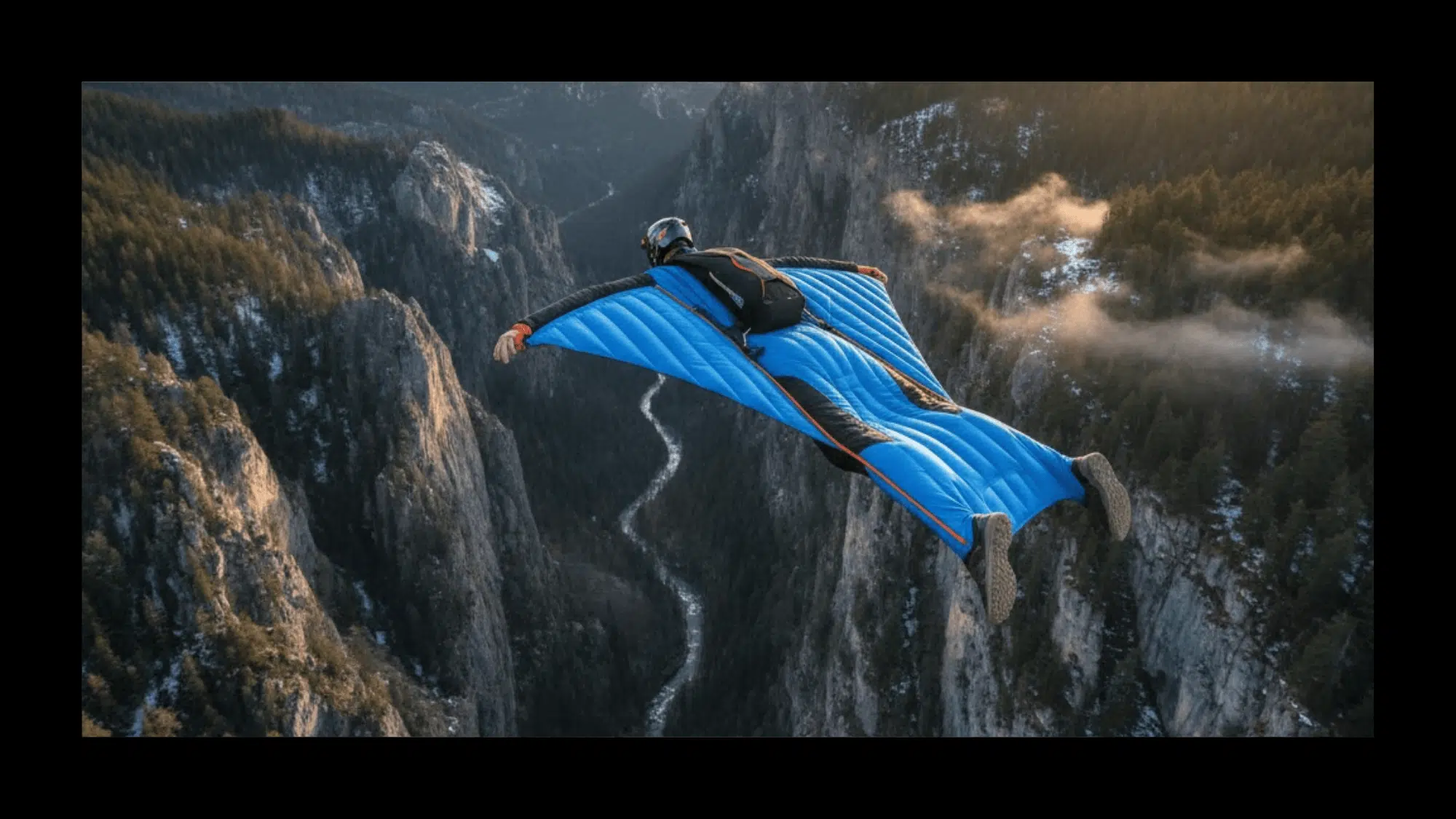
3. Wingsuit Flying
| Attribute | Score |
|---|---|
| Fatality Risk | 10/10 |
| Injury Severity | 10/10 |
| Environmental Factors | 9/10 |
| Equipment Dependence | 10/10 |
| Skill Required | 10/10 |
Why It’s Deadly: Over 170 wingsuit flyers have died since 2002, with proximity flying, gliding close to cliff faces and terrain, greatly increasing risk.
Flying at speeds exceeding 120 mph while navigating natural obstacles requires split-second reactions. A slight miscalculation or equipment failure at those speeds is invariably fatal.
Famous Athletes: Jokke Sommer, Alexander Polli, Espen Fadnes
Safety Considerations: Many deaths occur among experienced pilots attempting increasingly difficult proximity flights. The margin between an exhilarating flight and a fatal crash measures in mere feet.
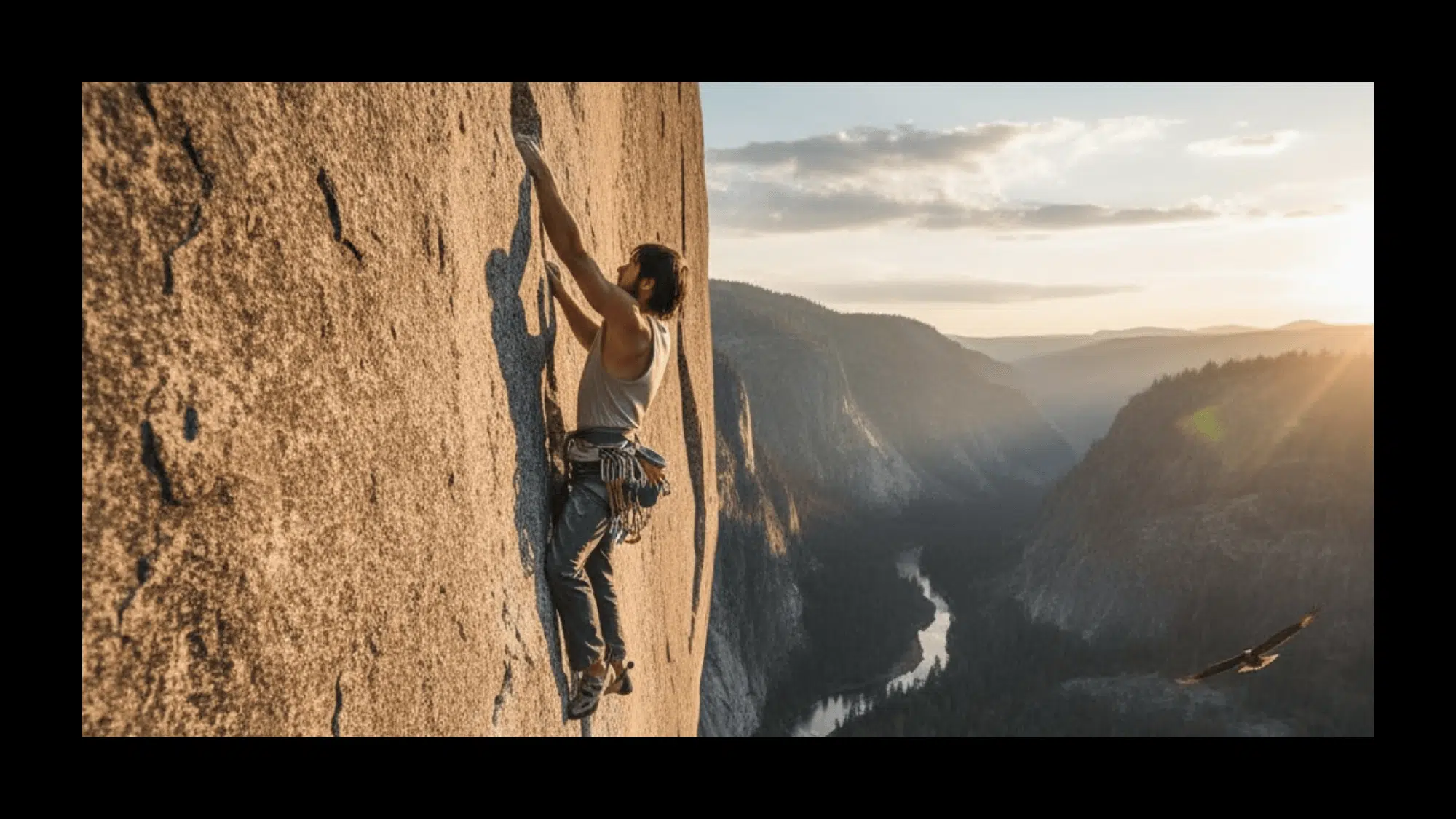
4. Free Solo Rock Climbing
| Attribute | Score |
|---|---|
| Fatality Risk | 10/10 |
| Injury Severity | 10/10 |
| Environmental Factors | 8/10 |
| Equipment Dependence | 10/10 |
| Skill Required | 10/10 |
Why It’s Deadly: Free solo climbing eliminates all protective equipment, no ropes, no harnesses, no safety nets.
A single mistake, whether from fatigue, misjudgment, or environmental factors like loose rock, results in death. Climbers scale thousand-foot vertical faces where a fall from any height proves fatal.
Famous Athletes: Alex Honnold, Dean Potter, Alain Robert
Safety Considerations: Free soloists typically climb routes they’ve practiced extensively with ropes. However, the psychological pressure of climbing without protection can affect even the most experienced athletes.
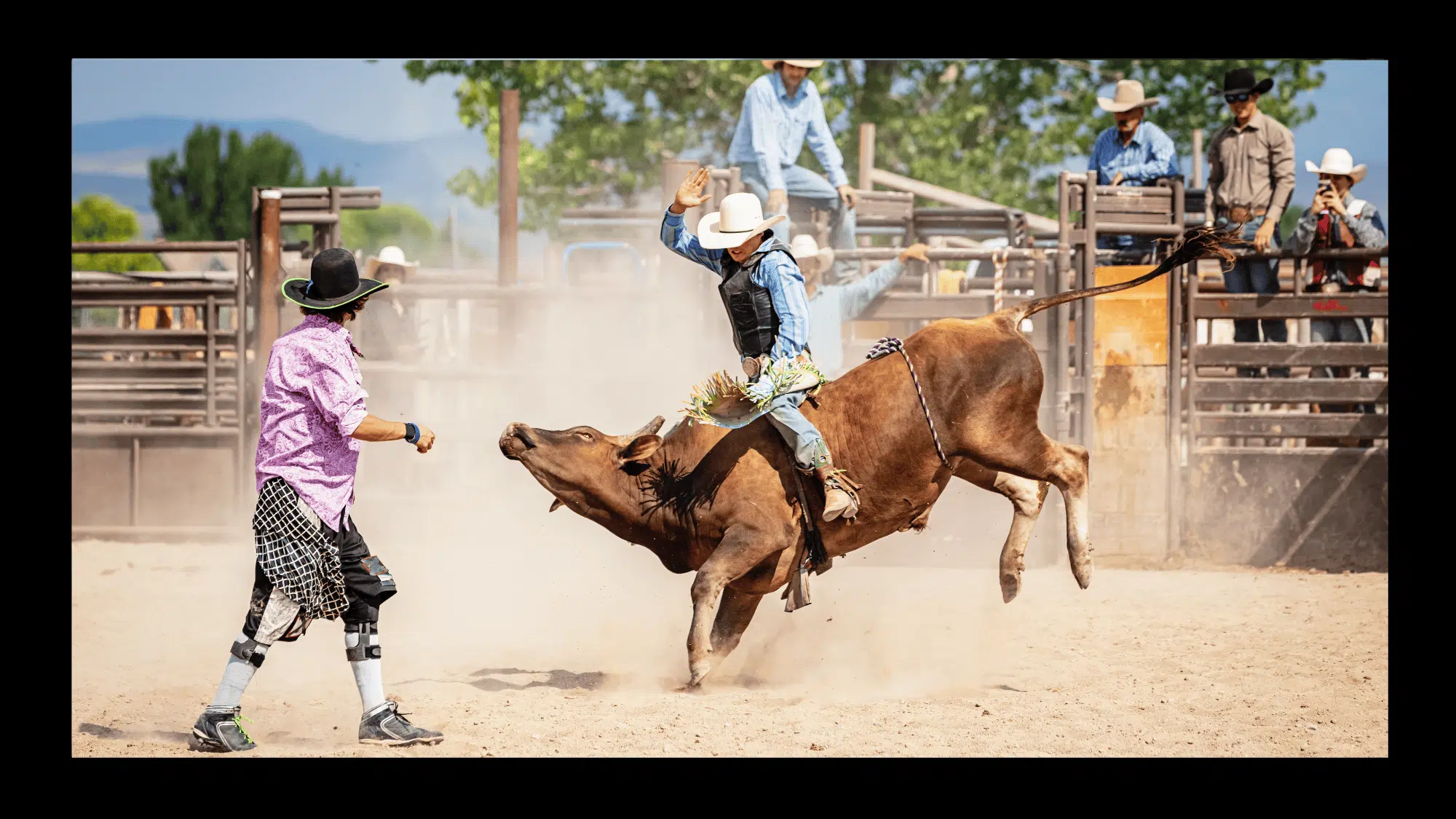
5. Bull Riding
| Attribute | Score |
|---|---|
| Fatality Risk | 8/10 |
| Injury Severity | 10/10 |
| Environmental Factors | 7/10 |
| Equipment Dependence | 6/10 |
| Skill Required | 9/10 |
Why It’s Deadly: Often called “the most dangerous eight seconds in sports,” bull riding pits humans against 1,800-pound animals bred for power and unpredictability.
Riders face severe head trauma, spinal injuries, internal organ damage, and being trampled or gored.
The combination of violent bucking, rapid direction changes, and the bull’s aggressive nature after dismount creates multiple injury opportunities.
Famous Athletes: Lane Frost, Ty Murray, J.B. Mauney
Safety Considerations: Protective vests and helmets have become standard, but cannot fully mitigate the force of a bull’s impact. Rodeo clowns play a crucial role in distracting bulls after riders dismount.
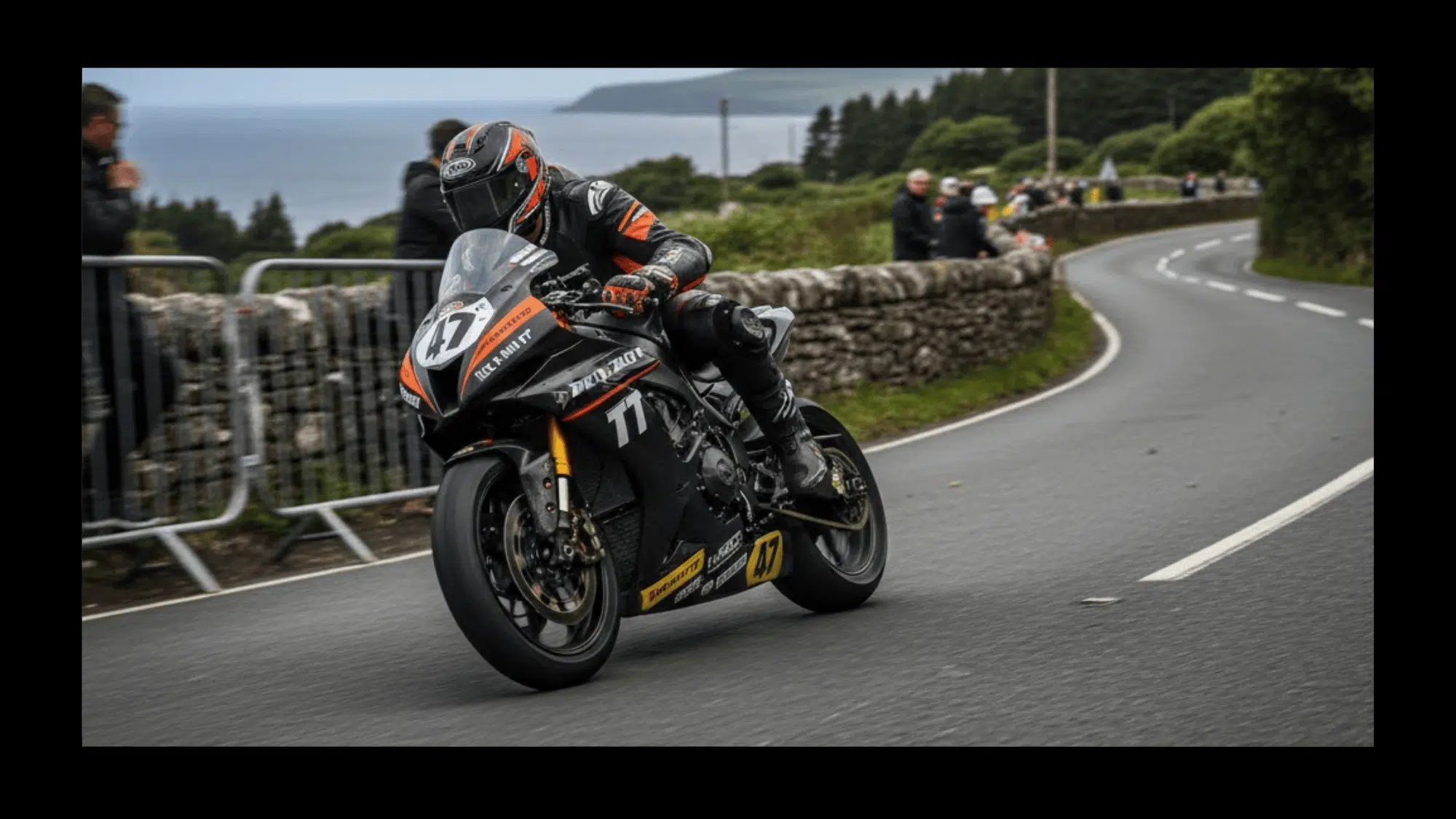
6. Motorcycle Racing (Including Isle of Man TT)
| Attribute | Score |
|---|---|
| Fatality Risk | 9/10 |
| Injury Severity | 10/10 |
| Environmental Factors | 8/10 |
| Equipment Dependence | 9/10 |
| Skill Required | 9/10 |
Why It’s Deadly: The Isle of Man TT stands as the deadliest racing event in motorsports, claiming over 250 lives since 1907.
Riders navigate narrow public roads at speeds exceeding 200 mph, with stone walls, buildings, and curbs mere inches from their racing line.
High-speed crashes at these speeds leave little chance of survival, even with modern protective gear.
Famous Athletes: Joey Dunlop, Giacomo Agostini, Mike Hailwood
Safety Considerations: Unlike circuit racing, which features runoff areas and barriers, road racing offers no margin for error. Modern airbag suits have prevented some injuries, but cannot protect against direct impacts with solid objects.
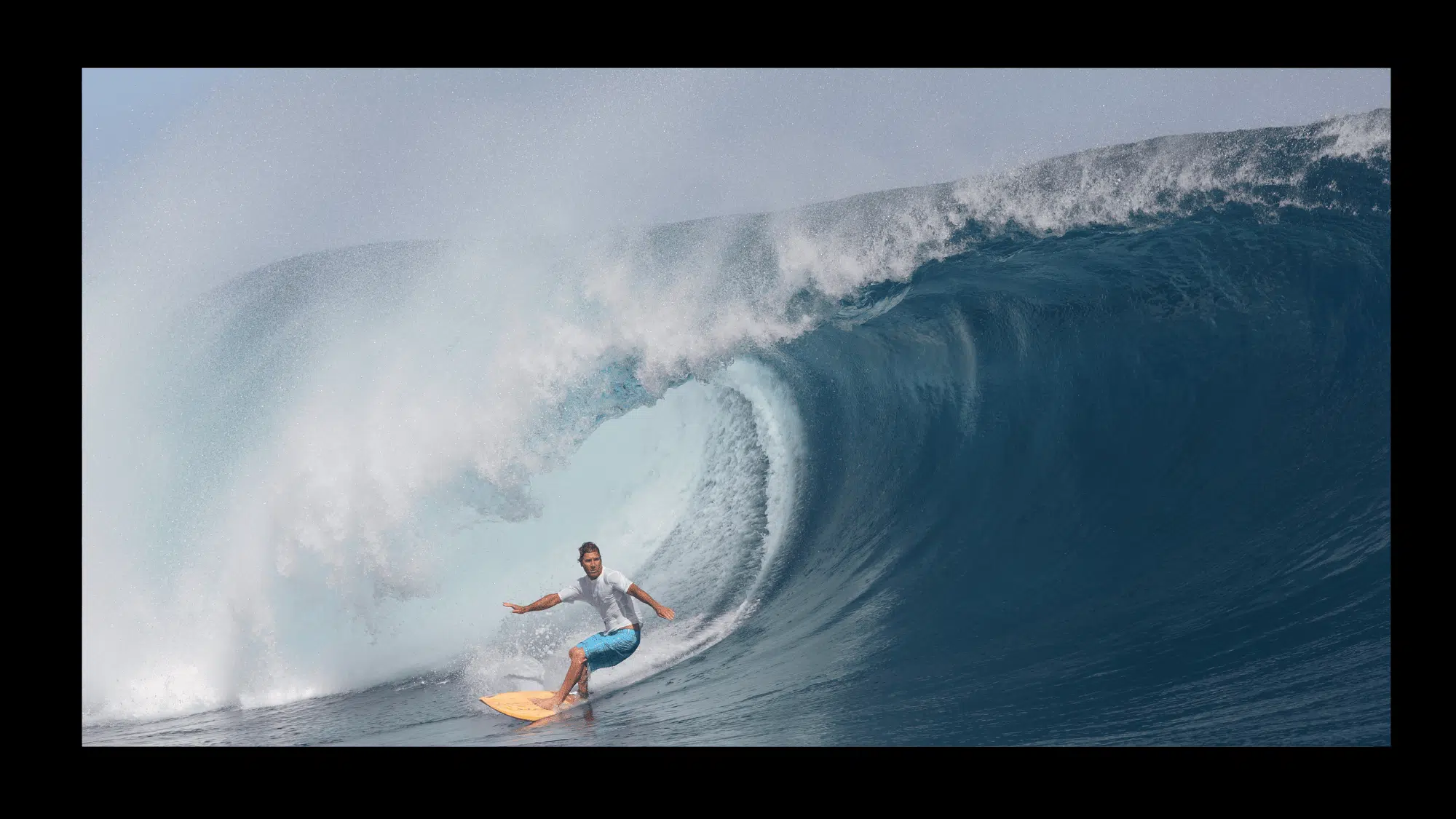
7. Big Wave Surfing
| Attribute | Score |
|---|---|
| Fatality Risk | 8/10 |
| Injury Severity | 9/10 |
| Environmental Factors | 10/10 |
| Equipment Dependence | 8/10 |
| Skill Required | 9/10 |
Why It’s Deadly: Surfing waves reaching 60-100 feet high combines drowning risk with the force of tons of water crashing down.
Surfers face being held underwater for extended periods by successive waves, being struck by underwater rocks and reefs, and being separated from their boards in chaotic water.
The violence of wipeouts can cause unconsciousness, making drowning even more likely.
Famous Athletes: Laird Hamilton, Garrett McNamara, Maya Gabeira
Safety Considerations: Surfers now use inflatable vests for emergency flotation and jet ski support teams for rapid rescue. However, the ocean’s power remains overwhelming when conditions turn deadly.
8. Boxing

| Attribute | Score |
|---|---|
| Fatality Risk | 7/10 |
| Injury Severity | 10/10 |
| Environmental Factors | 5/10 |
| Equipment Dependence | 6/10 |
| Skill Required | 9/10 |
Why It’s Deadly: Boxing has recorded over 1,500 deaths throughout its history, with repeated head trauma causing both immediate fatalities and long-term brain damage.
Fighters endure hundreds of blows to the head during careers, accumulating damage that leads to chronic traumatic encephalopathy and other neurological conditions.
The sport deliberately targets the head, making brain injuries inevitable.
Famous Athletes: Muhammad Ali, Rocky Marciano, Sugar Ray Robinson
Safety Considerations: Modern medical oversight, referee stoppages, and reduced round counts have improved safety, but the inherent risk of repeatedly striking an opponent’s head remains.
9. Mixed Martial Arts (MMA)

| Attribute | Score |
|---|---|
| Fatality Risk | 6/10 |
| Injury Severity | 9/10 |
| Environmental Factors | 5/10 |
| Equipment Dependence | 6/10 |
| Skill Required | 10/10 |
Why It’s Deadly: MMA combines striking, grappling, and submissions, creating a diverse array of injury mechanisms.
Fighters face knockouts, broken bones, joint damage, and potential death from head trauma or chokes held too long.
The sport’s intensity demands peak physical condition while accepting that serious injury can occur in any fight.
Famous Athletes: Anderson Silva, Georges St-Pierre, Amanda Nunes
Safety Considerations: Stricter regulations, medical testing, and referee training have made MMA safer than its early “no holds barred” days, though critics still point to the sport’s violent nature.
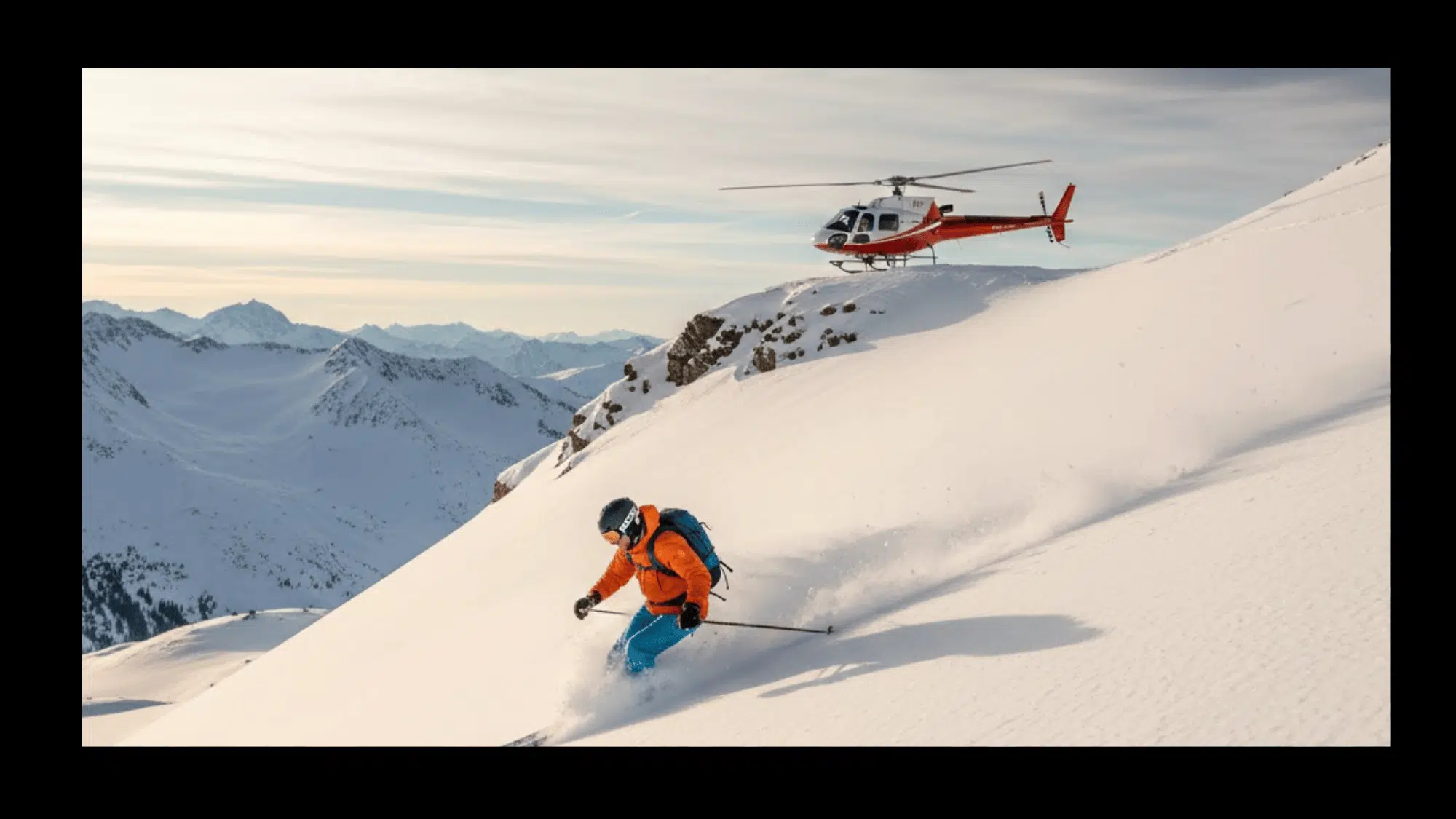
10. Heli-Skiing
| Attribute | Score |
|---|---|
| Fatality Risk | 8/10 |
| Injury Severity | 9/10 |
| Environmental Factors | 10/10 |
| Equipment Dependence | 8/10 |
| Skill Required | 9/10 |
Why It’s Deadly: Heli-skiing drops skiers into remote, avalanche-prone backcountry terrain far from immediate rescue.
Participants face avalanche burial, tree well suffocation, cliff falls, and severe traumatic injuries in areas where medical evacuation can take hours. The combination of challenging terrain and isolation amplifies every risk.
Famous Athletes: Glen Plake, Seth Morrison, Chris Davenport
Safety Considerations: Guides carry avalanche safety equipment and assess conditions, but backcountry environments remain inherently unpredictable. Weather can deteriorate rapidly, stranding groups in life-threatening conditions.
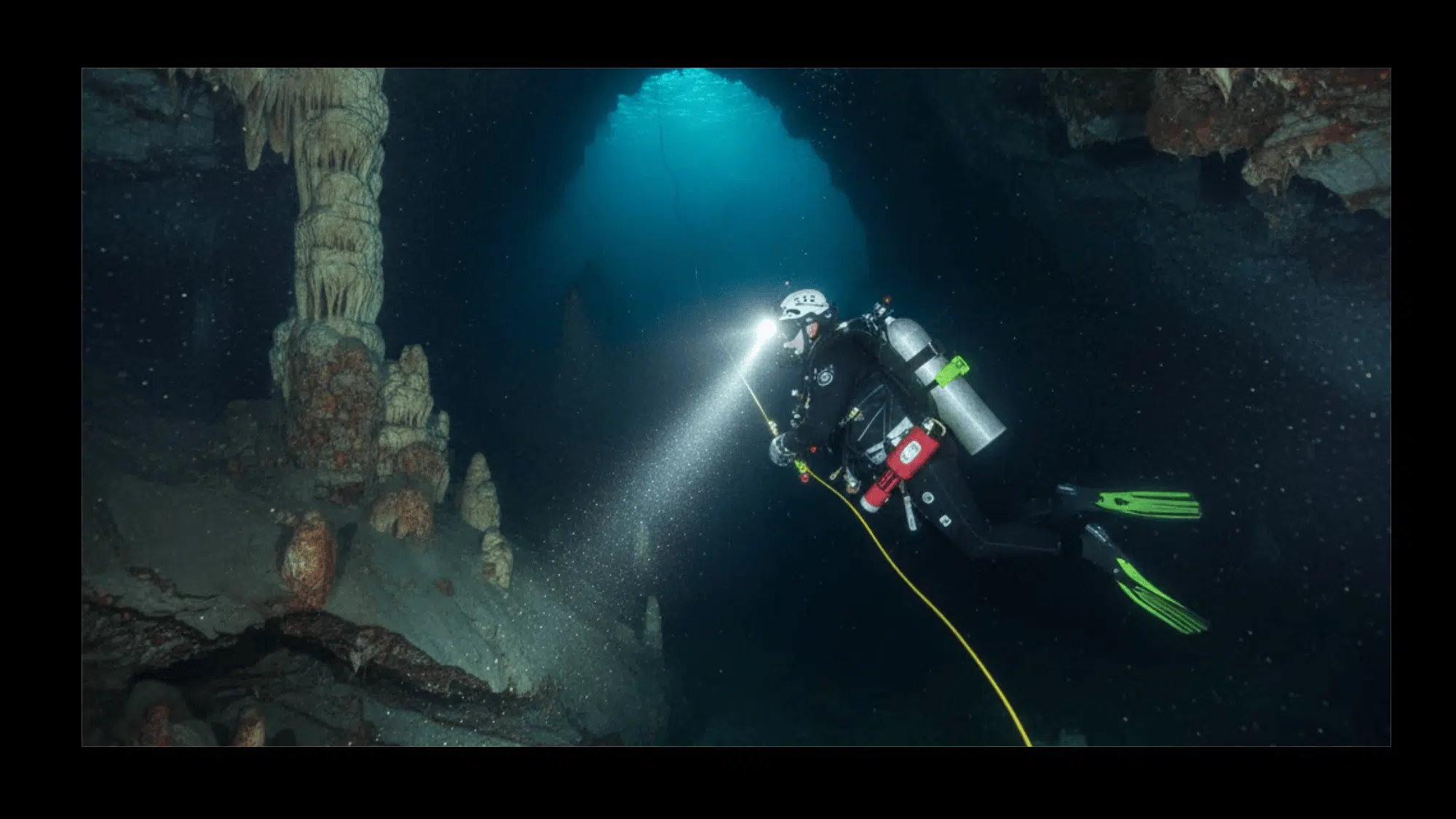
11. Cave Diving
| Attribute | Score |
|---|---|
| Fatality Risk | 9/10 |
| Injury Severity | 10/10 |
| Environmental Factors | 10/10 |
| Equipment Dependence | 10/10 |
| Skill Required | 10/10 |
Why It’s Deadly: Cave diving combines the dangers of underwater exploration with confined spaces and no direct route to the surface.
Divers face drowning from equipment failure, getting lost in complex cave systems, running out of air, and panic in zero-visibility conditions.
Even minor problems become life-threatening when escape requires navigating tight passages in darkness.
Famous Athletes: Jill Heinerth, Wes Skiles, Sheck Exley
Safety Considerations: Cave-diving deaths often occur when divers exceed their training level or violate safety protocols, such as the “rule of thirds” for air consumption. Recovery of bodies from deep caves can prove impossible.
12. Horse Racing (Jockeys)

| Attribute | Score |
|---|---|
| Fatality Risk | 7/10 |
| Injury Severity | 9/10 |
| Environmental Factors | 7/10 |
| Equipment Dependence | 7/10 |
| Skill Required | 8/10 |
Why It’s Deadly: Jockeys riding at speeds up to 40 mph face catastrophic falls when horses stumble, collide, or clip heels.
Falls often result in being trampled by following horses, causing head trauma, spinal injuries, and internal damage. The lightweight protective equipment jockeys wear offers minimal protection during high-speed impacts.
Famous Athletes: Frankie Dettori, Ruby Walsh, AP McCoy
Safety Considerations: Despite safety vests and helmets, the forces involved in falls at racing speeds cause frequent serious injuries. Steeplechase and hurdle racing carry even higher risks due to jumps.
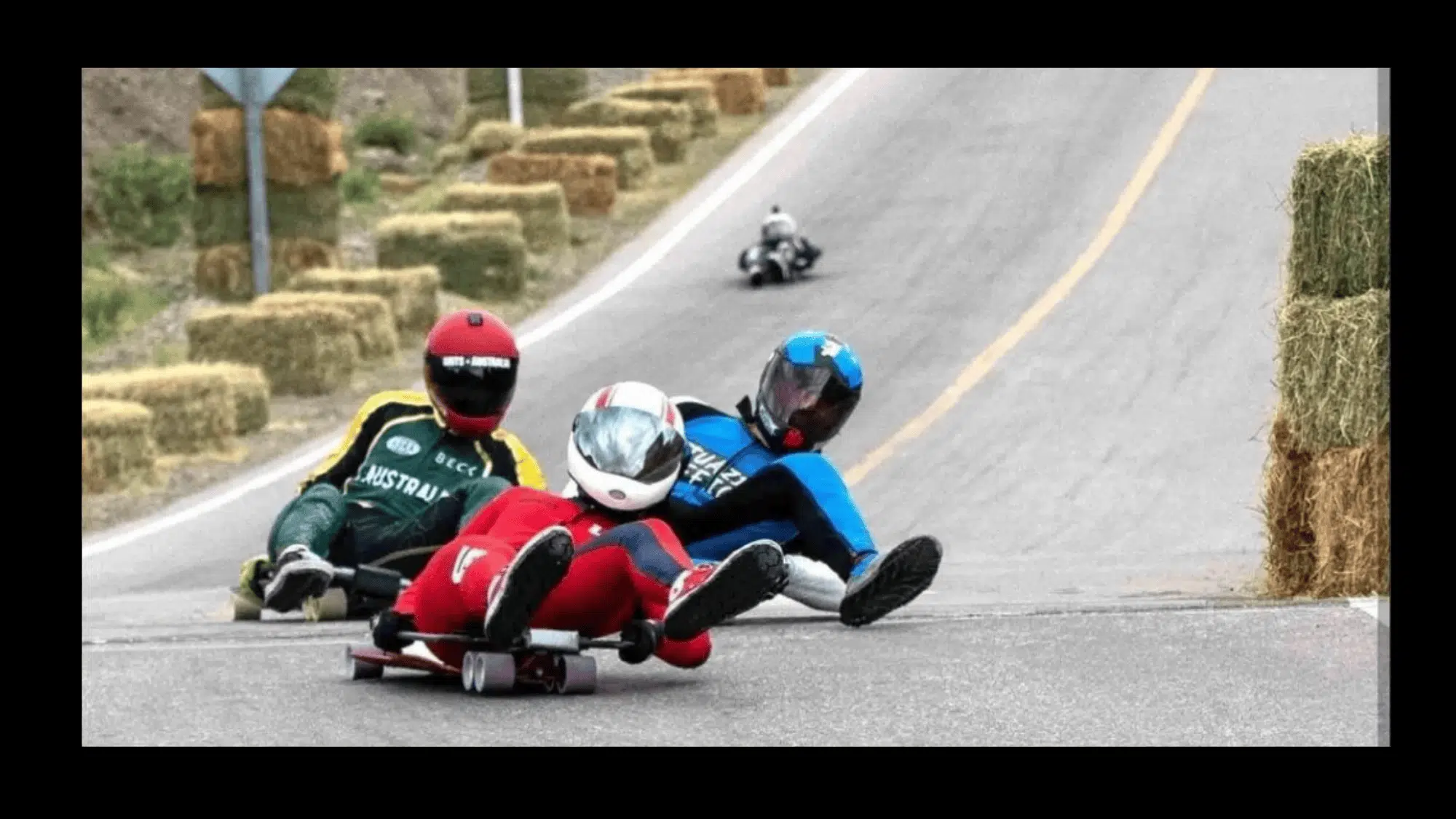
13. Street Luge
| Attribute | Score |
|---|---|
| Fatality Risk | 7/10 |
| Injury Severity | 9/10 |
| Environmental Factors | 8/10 |
| Equipment Dependence | 8/10 |
| Skill Required | 8/10 |
Why It’s Deadly: Street luge riders lie flat on their backs while descending steep roads at speeds exceeding 80 mph, just inches from the pavement.
With minimal protective equipment and limited steering control, riders face devastating crashes from obstacles, road irregularities, or loss of control. The prone position offers no natural protective response during crashes.
Famous Athletes: Biker Sherlock, Bob Pereyra, Rat Sult
Safety Considerations: Riders wear leather suits and helmets, but the proximity to pavement and high speeds make serious road rash and impact injuries common even in minor incidents.
14. Rodeo (Multiple Events)

| Attribute | Score |
|---|---|
| Fatality Risk | 7/10 |
| Injury Severity | 9/10 |
| Environmental Factors | 7/10 |
| Equipment Dependence | 6/10 |
| Skill Required | 8/10 |
Why It’s Deadly: Beyond bull riding, rodeo events like saddle bronc riding, bareback bronc riding, and steer wrestling involve large, powerful animals in unpredictable situations.
Participants suffer head injuries, broken bones, being crushed, kicked, or trampled. The combination of animal power, speed, and the competitive drive to stay on for required times creates constant danger.
Famous Athletes: Trevor Brazile, Tuf Cooper, Fallon Taylor
Safety Considerations: Rodeo stock is bred for athleticism and bucking ability, making these animals particularly difficult to control. Medical personnel are on hand at all professional rodeos, acknowledging the sport’s inherent risks.
15. Downhill Mountain Biking

| Attribute | Score |
|---|---|
| Fatality Risk | 6/10 |
| Injury Severity | 9/10 |
| Environmental Factors | 8/10 |
| Equipment Dependence | 8/10 |
| Skill Required | 9/10 |
Why It’s Deadly: Racing down mountainsides at speeds over 40 mph on technical terrain filled with rocks, roots, drops, and jumps creates numerous crash opportunities.
Riders face severe injuries from high-speed impacts with trees, rocks, and ground. The technical difficulty, combined with speed, leaves little reaction time when obstacles appear.
Famous Athletes: Greg Minnaar, Rachel Atherton, Aaron Gwin
Safety Considerations: Full-face helmets, body armor, and knee pads are standard equipment, but the technical nature of courses means crashes occur frequently even among elite riders. Course design balances challenge with safety considerations.
What Makes a Sport “Dangerous”?
Understanding sports danger requires examining multiple risk factors:
- Fatality Rate Per Participant: The most critical metric for extreme sports, measuring deaths against the number of active participants. This reveals the likelihood of fatal outcomes.
- Injury Rate Per 100,000 Participants: Used for mainstream sports, this standardizes injury data across different participation levels, allowing fair comparisons.
- Severity of Injuries: The nature of typical injuries matters as much as frequency. Sports causing paralysis, brain damage, or permanent disability rank higher in danger than those producing treatable injuries.
- Environmental Unpredictability: Sports dependent on weather, water, terrain, or animals introduce variables beyond participant control, increasing risk unpredictably.
- Availability and Effectiveness of Protective Gear: Some sports allow protective equipment that meaningfully reduces injury risk, while others offer no protection against their primary dangers.
- Skill Ceiling and Consequences of Error: Sports where mistakes prove immediately fatal rank as more dangerous than those offering recovery opportunities from errors.
Why People Still Do the World’s Most Dangerous Sports
High-risk sports continue to attract thousands of participants despite the dangers. The intense adrenaline rush, sense of accomplishment, and deep personal growth make these activities uniquely rewarding.
For many, extreme environments create a rare feeling of presence, purpose, and heightened awareness.
- Athletes chase adrenaline-driven satisfaction and the prestige of rare achievements, such as summiting all 8,000-meter peaks.
- Dangerous sports offer personal growth, focus, and mental clarity—often described as “meditation in motion.”
- Adventure tourism and social media make extreme activities more accessible and appealing to new participants.
Ultimately, dangerous sports deliver a powerful mix of thrill, identity, and challenge that keeps people coming back, even when the risks are high.
Can Dangerous Sports Be Made Safer?
Technology and training have significantly improved safety across dangerous sports, though inherent risks remain.
| Safety Innovation | Description |
|---|---|
| Airbag Systems | Motorcycle suits now feature airbags that deploy on impact, greatly reducing injury severity. |
| Avalanche Safety Technology | Athletes use transceivers, airbag packs, and standard avalanche training to improve survival chances. |
| Advanced Protective Equipment | Better helmets and protective gear in sports like boxing, MMA, football, and cycling help limit head and impact injuries. |
| Parachute Technology | Modern gear includes automatic reserve activation and improved chute designs for safer, more reliable jumps. |
| Medical Support | Events now have on-site trauma teams, enabling faster treatment and higher survival rates. |
| Training and Certification | Structured training and certification systems ensure athletes build essential skills before attempting high-risk activities. |
| Weather Forecasting | Improved forecasting tools help athletes avoid dangerous conditions, especially in mountain and water sports. |
Despite these advances, some risks remain irreducible. The fundamental nature of certain sports, jumping from cliffs, climbing without protection, and riding enormous waves, ensures that danger persists regardless of technology.
Wrapping Up
Dangerous sports will always have a special place in the world because they mix adventure, skill, and real risk.
Whether it’s climbing giant mountains, riding huge waves, or racing at extreme speeds, these activities demand focus, strength, and respect for the dangers involved.
Modern safety gear and training have helped, but no technology can fully remove the risks that come with pushing the limits.
Understanding these dangers helps people appreciate the athletes who take them on and reminds everyone to put safety first in any sport.
Want to learn more about high-risk activities, safety tips, or other extreme topics? Keep reading and check out more guides!