





Ever felt a sudden, sharp pain in your arm while lifting something or playing sports? Maybe even while carrying groceries? That scary feeling can leave you wondering what’s wrong.
Sometimes it’s just a pulled muscle. But other times, that pain might mean you’ve torn your bicep.
It can be confusing to know the difference, mainly when the pain sticks around or gets worse. That’s why learning about torn bicep symptoms matters.
This guide will help you understand the main symptoms, how they affect your daily life, the different types of tears, and what treatment options are available.
What does a Torn Bicep Feel Like?
A bicep tear doesn’t always feel the same for everyone, but there are everyday experiences that signal something’s seriously wrong.
The moment it happens, most people feel like their arm suddenly “gave out” or something snapped inside, not your typical workout soreness.
- Immediate Weakness and Instability: Your arm feels unresponsive, making it hard to lift or hold objects you’d typically handle with ease.
- Rapid Swelling and Color Changes: Within hours, the area becomes tender, puffy, and may show purple or blue discoloration spreading across the skin.
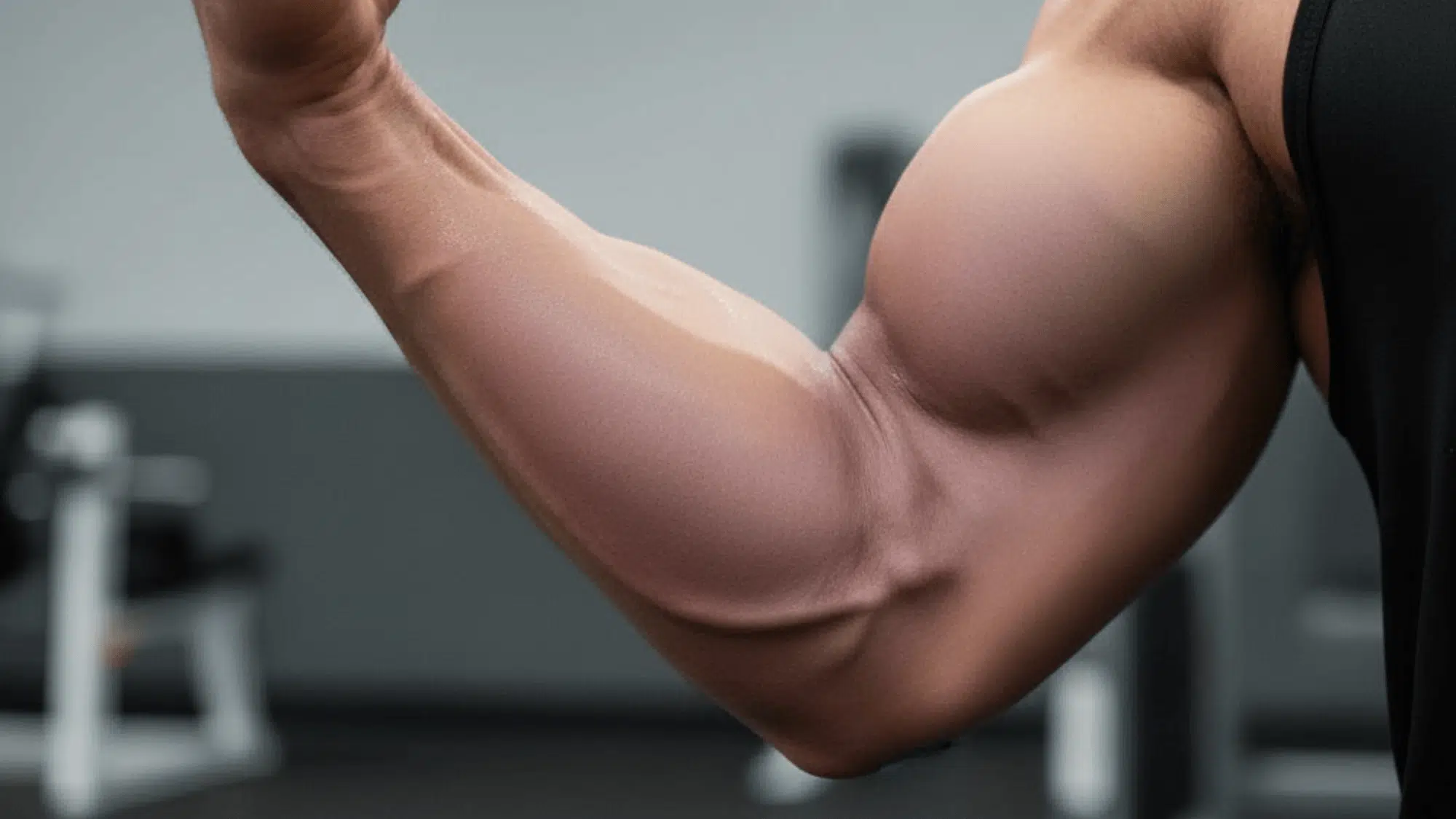
- Unusual Muscle Appearance: The bicep might bunch up oddly or create a visible bulge that wasn’t there before, especially when you flex.
If your arm pain comes with these experiences, especially that immediate “something’s wrong” feeling, don’t wait it out. Getting checked quickly can make a big difference in how well you heal and regain strength.
Common Symptoms of Bicep Tear

Understanding a torn bicep isn’t just about medical terms. These symptoms pop up in everyday moments, making normal tasks painful and frustrating.
1. Pain in Your Arm
The most common first sign is sudden, sharp pain. This usually hits right after the injury and can really catch you off guard.
After that first sharp pain, it might turn into a dull ache that won’t go away. Where you feel the pain tells you about the type of tear: pain near your shoulder usually means the tear is up high, while pain near your elbow means it’s lower down.
2. Bruising and Puffiness
Another clear sign is bruising and swelling around the injured area. This typically develops within hours or days after you get injured.
Your skin might change colors, turning purple, blue, or even yellowish as it heals. The swelling makes your arm look puffy and feel sore when you touch it.
These signs together are strong clues that you’ve hurt a tendon.
3. Feeling Weak and Limited Movement
A torn bicep doesn’t just hurt; it also makes everyday movements harder. You might notice weakness when you try to:
- Pick up things, even light stuff
- Turn your forearm, like when you’re opening a doorknob
This loss of strength can make daily tasks really frustrating. Many people also find they can’t move their arm through its full range of motion, making it hard to bend or straighten it.
4. Popping or Snapping Noise
Many people remember hearing or feeling a distinct pop or snap right at the moment the injury occurs. This sound can be startling, and usually it marks the exact moment when the tendon tears.
It might feel like something “gave way” inside your arm. If you experience sharp pain and a popping sound together, there’s a good chance you’ve torn your bicep.
5. The “Popeye” Bulge
One of the easiest symptoms to spot is the “Popeye sign.” Your muscle bulges up like the cartoon character’s arm. This happens because the tendon pulls back, leaving the bicep muscle bunched up in a ball.
You’ll usually see it more clearly when you flex your arm. Not every torn bicep causes this bulge, but when it’s there, it makes diagnosis much easier and usually means the tendon is completely torn.
6. Other Warning Signs
Besides the primary symptoms, a torn bicep can cause other problems in daily life:
- Cramping or muscle spasms in the hurt arm
- Tenderness when you press on the sore spot
- Trouble fully straightening your arm
Some people also have trouble sleeping because lying on the injured side or moving the arm at night worsens the pain.
These extra issues might not be as apparent as a bulge or a pop, but they’re essential warning signs you shouldn’t ignore.
Different Types of Bicep Tears
Not all bicep tears are the same. Where the tendon is injured affects how serious it is and which symptoms you’ll have. There are two main types:
Tear Near the Shoulder (Proximal Tear):
- Happens where the bicep tendon connects to the shoulder
- More common and usually less serious
- Causes shoulder pain, bruising, and sometimes a smaller “Popeye” bulge
Tear Near the Elbow (Distal Tear):
- Happens where the tendon connects to the elbow
- Less common but typically more serious
- Leads to sharp elbow pain, weakness when turning your forearm, and a bigger risk of long-term strength loss
Both types can mess with your daily movements, but tears near the elbow are more likely to need surgery to get your strength back.
Getting it Diagnosed & When to See a Doctor

Doctors usually start by checking your arm strength and how well you can move it, and looking for visible changes, such as bruising or a “Popeye” bulge.
If needed, they’ll use imaging tests like an MRI or ultrasound to assess the severity of the tear.
You should see a doctor right away if you notice sudden, sharp pain, hear a popping sound, feel severe weakness, or see a weird bulge in your arm.
Getting treatment early helps prevent long-term damage and makes recovery go much smoother.
Treatment Options
The proper treatment depends on how severe the tear is, your age, your level of activity, and where the tear occurred. Some people can heal without surgery, while others need surgery to regain full strength.
Treatment Without Surgery
For partial tears or cases where you can still use your arm fairly well, doctors often recommend non-surgical care:
- Rest and Ice: Helps reduce pain and swelling in the early stages.
- Medicine: Over-the-counter pain relievers like ibuprofen or Tylenol ease discomfort.
- Physical Therapy: Gentle stretching and strengthening exercises help you regain motion and prevent stiffness.
- Changing Activities: Avoid heavy lifting or overhead movements to give the tendon time to heal.
This approach usually works well for tears near the shoulder, especially for people who don’t need maximum arm strength for sports or physical work.
Surgery
Surgery is more common for tears near the elbow or complete tears where you’ve lost a lot of strength. In this procedure, the surgeon reattaches the tendon to the bone. Here’s what to know:
- Who Needs It: Active adults, athletes, or people whose jobs require strong arms.
- What Happens: The tendon gets reattached, often through minor cuts.
- Recovery: Your arm goes in a sling, then you do physical therapy. Full recovery can take 3 to 6 months.
Surgery generally restores strength and better function than non-surgical treatment in severe cases, but it carries risks such as stiffness, infection, or nerve problems.
What to Expect
Most people respond well to treatment, whether or not they undergo surgery. The key is to get the correct diagnosis and start care quickly.
The sooner you begin the proper treatment, the better your chances of a smooth recovery and getting back to normal activities.
Recovery & Staying Safe
Recovery time depends on the type of tear you have and your treatment. Healing without surgery may take several weeks to months, while surgery typically needs 3–6 months of rehab before you’re back to full strength.
Physical therapy plays a huge role in helping you move again and preventing stiffness.
| How to Prevent Injury | What it does for You |
|---|---|
| Do warm-up exercises before lifting or working out | Prepares your muscles and tendons for activity, making sudden injuries less likely |
| Keep correct posture and technique during exercise | Spreads the effort evenly across your muscle, avoiding too much pressure on the bicep tendon |
| Increase your workout intensity slowly over time | Gives your tendon time to get stronger and adjust, reducing the risk of a sudden tear |
These simple steps go a long way in protecting your biceps and keeping them strong.
Final Thoughts
Dealing with a torn bicep can feel overwhelming, especially when the pain shows up out of nowhere and everyday tasks become harder than they should be.
But knowing the main symptoms, from sharp pain and swelling to the “Popeye” bulge, gives you the knowledge to take action rather than ignore the warning signs.
The good news? With timely medical care and the right recovery plan, most people regain their strength and function.
If you’re ever wondering whether your pain is just a strain or something more serious, remember: your biceps are worth protecting, and getting help early makes all the difference.
Take care of your strength now; if your arm pain feels more than minor, schedule a check-up and give your biceps the attention they deserve.