



Picture this: the big game (or leg day) starts in 10 minutes—and someone is calmly wrapping tape around an ankle like it’s part of the warm-up.
That’s because athletic tape isn’t just “injury stuff.” For many people, it’s a simple way to feel more locked-in, confident, and smoother with movement, especially when a joint feels a little unsure.
In this blog, you will learn what athletic tape really does and why different types exist. We will also explain the difference between rigid tape (more limited and controlled) and kinesiology tape (more flexible support).
We will also cover how taping may help with pain signals, swelling, and posture reminders. You will also get easy guidance on when taping makes sense, how to apply it safely, and how to remove it without wrecking your skin.
Why People Use Athletic Tape?
Athletic tape isn’t only for injuries. A lot of people use it as a small “insurance policy” during workouts or sports when they expect a joint or muscle to get cranky.
For example, someone might tape an ankle before a long run, a wrist before pressing day, or a shoulder before a tournament, just to feel more secure and consistent.
Taping can also help when you’re trying a new movement, coming back after time off, or training on a tired body.
The big idea is simple: tape can make you feel steadier and more aware, so you move with better control. It’s not a strength replacement, just extra support while you build the real foundation.
What Does Athletic Tape Do?
1. Stabilizes Joints (Especially with Rigid Tape)
Rigid athletic tape acts like a safety belt for your joints. When you wrap it around an ankle or wrist, it physically limits how far that joint can move in risky directions. This is super helpful for:
- Preventing ankle rolls during basketball or soccer
- Supporting a previously sprained wrist during weightlifting
- Helping hypermobile joints (joints that bend too far) feel more controlled
- Giving actively injured joints extra protection during healing
Think of it this way: if your ankle has a habit of rolling outward, rigid tape can create a barrier that stops that dangerous motion before it happens.
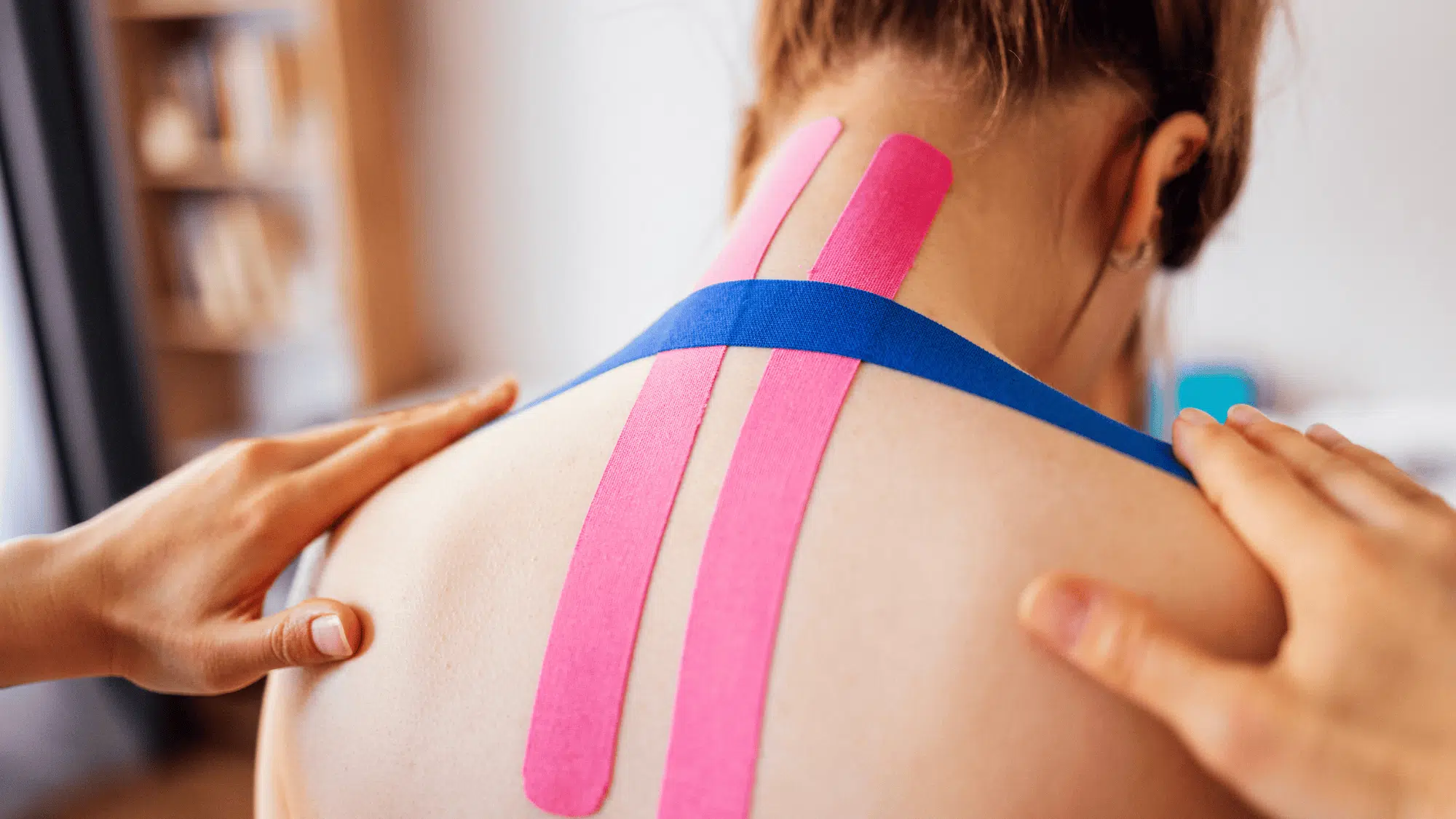
2. Supports Weak or Injured Muscles (Often with Kinesiology Tape)
Kinesiology tape works differently. Instead of stopping movement, it gives your muscles a gentle “helper” feeling without fully restricting what you can do. Athletes and people in physical therapy often use this during the return-to-activity phase because:
- Muscles get a reminder to activate properly
- You can still move through your full range of motion
- The support feels lighter and less restrictive than rigid tape
- It’s comfortable enough to wear for days at a time
The elastic nature of kinesio tape means you’re not sacrificing mobility for stability—you’re getting a balance of both.
3. Reduce Pain by Changing Sensory Feedback
Here’s something interesting: when tape touches your skin, it can actually change how your brain reads pain and pressure signals. The sensation of the tape creates competing signals that may “override” some of the pain messages your nerves are sending to your brain.
Some people also use tape over trigger points (those tender, tight spots in muscles) to help reduce discomfort. The pressure from the tape can give a massage-like effect that helps relax the area. While this isn’t a cure, many people notice their pain feels more manageable with tape in place.
4. Help Swelling Management (Kinesiology-Style Application)
When applied with a specific technique, kinesiology tape can create tiny wrinkles in your skin. The theory is that these wrinkles create more space under the skin, which may help fluid move away from swollen areas more easily. This “lifting” effect is why you’ll see kinesio tape applied in fan patterns or with special techniques around bruises or puffy joints.
Let’s be honest here: the research on this is mixed. Some people swear they see less swelling with tape, while others don’t notice much difference. It’s one of those “worth trying to see if it helps you” situations, especially since kinesio tape is low-risk when used correctly.
5. Posture and Muscle Activation Awareness
Ever notice how wearing a watch on your wrist makes you more aware of that arm? Athletic tape works similarly. When you have tape on your shoulder, back, or knee, you feel it with every movement. This constant reminder can help you:
- Adjust your posture throughout the day
- Remember to activate certain muscles during exercises
- Move more carefully during activities
- Stay mindful of your body position
Physical therapists often use this “reminder effect” to help people maintain better form as they build strength and relearn movement patterns.
Rigid Athletic Tape vs Elastic (Kinesiology) Tape
| Rigid Athletic Tape (White, Non-Stretch) | Elastic Athletic Tape (Kinesiology Tape) | |
|---|---|---|
| What it does | Physically restricts movement by creating a firm, tape-based brace around the joint. | Provides flexible support that moves with you. May help with pain and swelling while preserving your full movement. |
| Best for | Ankles, wrists, and thumbs are prone to sprains, especially during heavy lifting, skiing, or ball sports. Acute sprains requiring support and high-impact sports also pose injury risks. | Muscle support during training, rehab, lighter needs, natural movement, and longer wear (several days). |
| Feel | Firm, stable, and secure, you’ll definitely know it’s there. | Stretchy, breathable, and almost like a second skin, comfortable for all-day wear. |
| Tradeoff | Less range of motion, choosing safety over flexibility. | Not brace-like stability, won’t stop joints from moving into dangerous positions. |
When Should You Use Athletic Tape?
Athletic tape shines in specific situations. Here’s when reaching for the tape makes the most sense:
- Injury prevention during high-risk activities: Think ankle taping before a basketball game, wrist support for Olympic lifting, or thumb taping for volleyball. If you know certain movements put stress on vulnerable joints, preventive taping can help.
- Post-injury support during rehab: Your physical therapist might tape you between sessions to support the work you’re doing. The tape acts as an adjunct to your exercises and manual therapy, not a replacement for them.
- Mild pain flare-ups during training: Got a nagging knee that acts up during runs? Tape can help you complete your workout more comfortably while you address the underlying issue with strengthening exercises.
- Swelling or bruising support: Kinesiology tape with lymphatic drainage patterns may help your body clear fluid from injured areas faster (though results vary person to person).
- Competition day extra support: Athletes often tape for big events even if they don’t tape during practice. Just keep realistic expectations, tape adds support but won’t magically prevent all injuries.
How to Use Athletic Tape
Before You Tape
Getting your skin ready makes a huge difference in how well the tape sticks and how comfortable it feels:
- Clean and dry your skin completely. No lotion, oils, or sweat. Even hand sanitizer residue can reduce stickiness.
- Trim excess hair if needed. You don’t need to shave everything, but thick hair can make removal painful and reduce adhesion.
- Round the corners of your tape strips. Sharp corners peel up faster. Rounded edges stay stuck longer.
- Do a patch test if you have sensitive skin. Place a small piece of tape on your forearm for 30 minutes to check for a reaction.
How to Tape with Rigid Athletic Tape
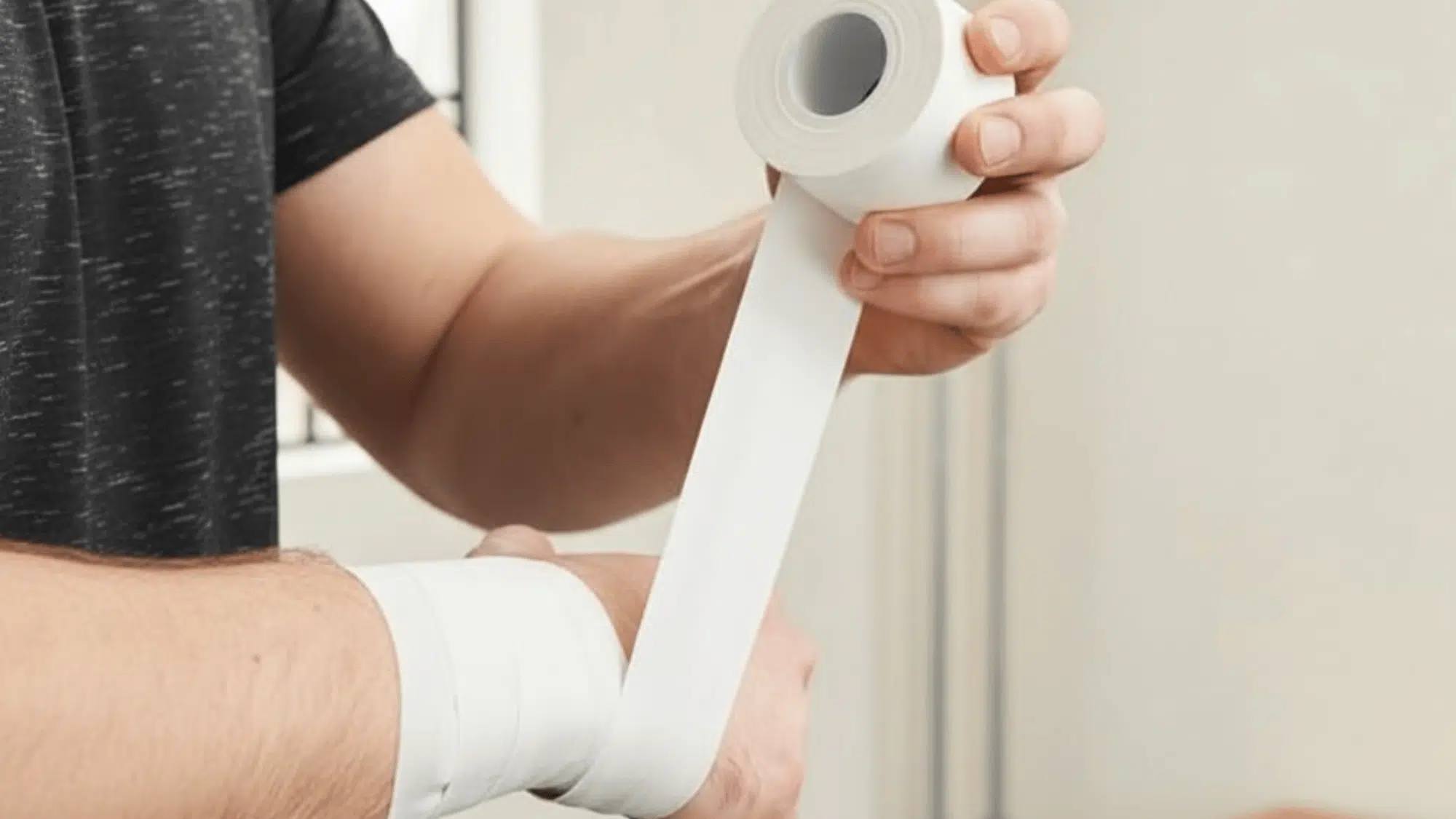
- Start with Anchor Strips: Use anchor strips at each end of the area you’re supporting. Don’t pull these tight; they’re just the foundation.
- Add Overlapping Layers for Stability: Each strip should overlap the previous one by about half its width.
- Check Circulation Frequently: Ask yourself: Are my fingers or toes warm? Can I feel normal sensations? Is my skin a normal color? If anything feels numb, tingly, or looks pale, the tape is too tight.
- Learn Joint-Specific Patterns from a Pro: The best taping techniques vary by body part. A physical therapist, athletic trainer, or experienced coach can teach you the right pattern for your needs.
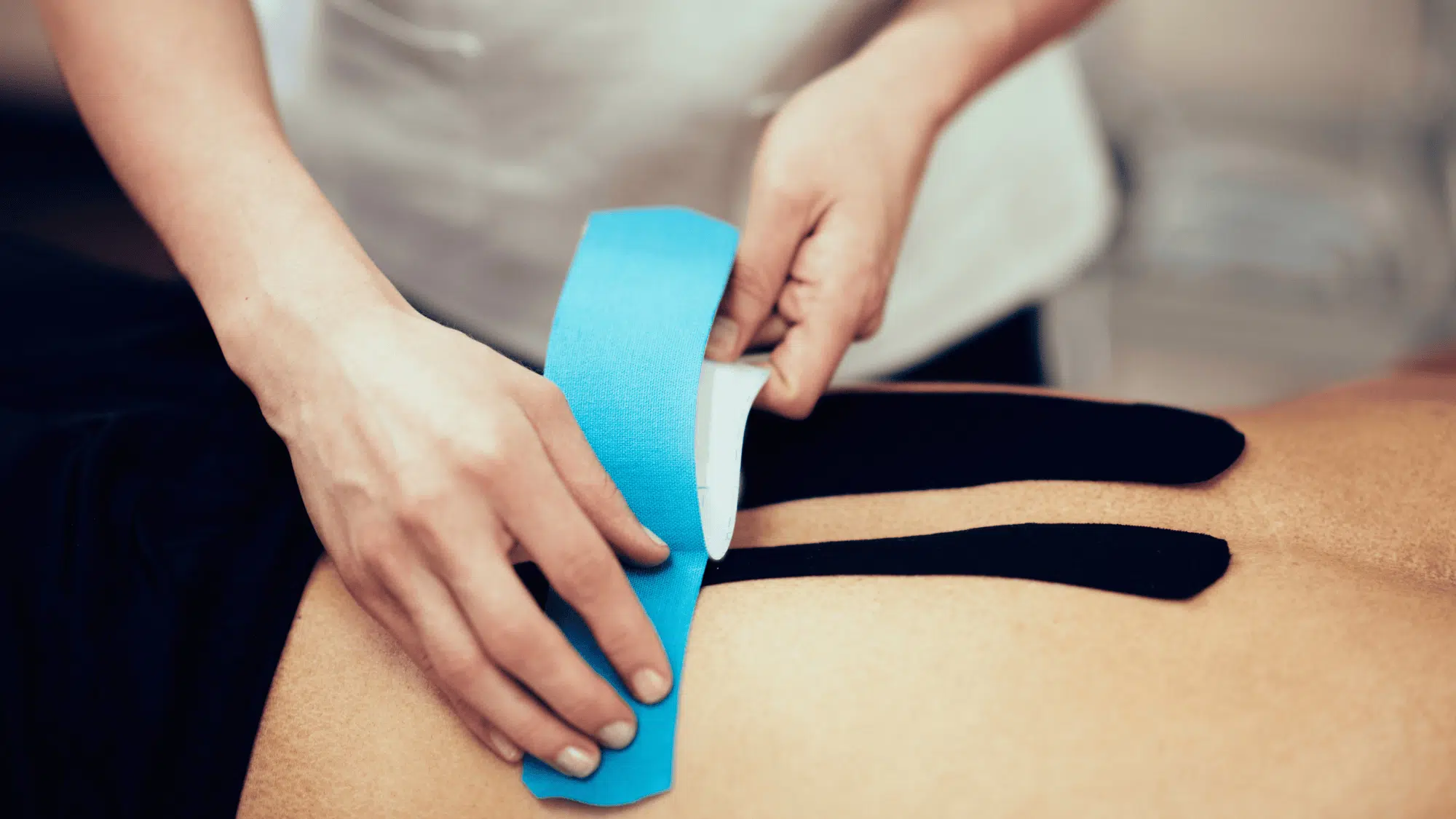
How to Apply Kinesiology Tape
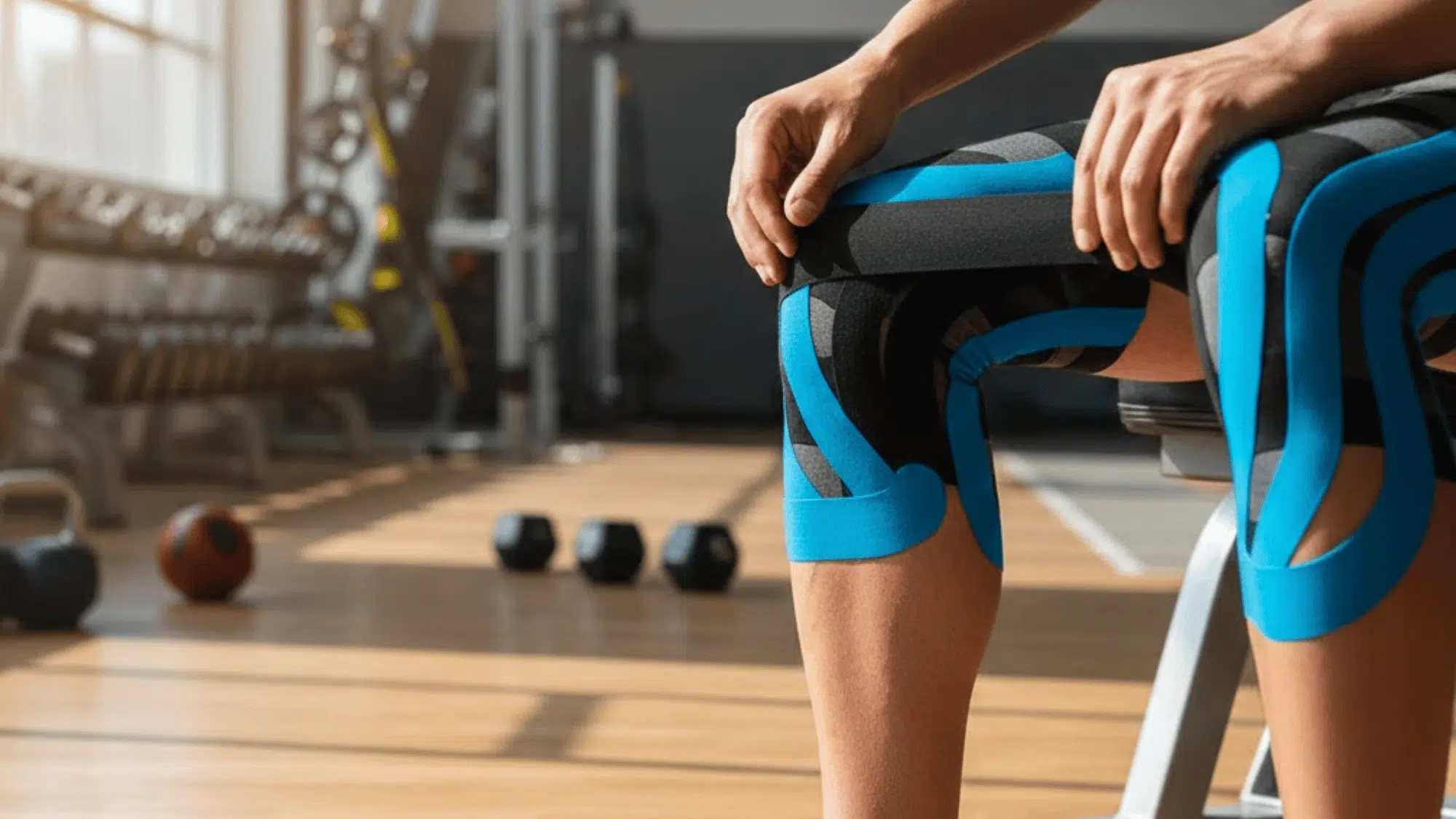
- Don’t Stretch the End Tabs: Leave the last 2 inches of each strip unstretched. These anchor points need to lie flat without tension.
- Use the Appropriate Stretch only in the Middle: Most applications use a 25-50% stretch (stretch the tape to about 1.5 times its resting length). Some spots need more, some need less.
- Rub the Tape After Applying: This friction creates heat that activates the adhesive. Press firmly and rub back and forth for 10-15 seconds.
- Expect Different Patterns for Different Goals: Kinesio tape comes in I-strips, Y-strips, X-strips, and fan patterns. Each one serves a specific purpose depending on your body part and what you’re trying to achieve.
Tips to Remove Athletic Tape Safely
Tape removal can be the worst part if you do it wrong. Follow these tips for pain-free removal:
- Go slow. Peel the tape back along your skin (parallel to your body), not straight up. This “low-angle” approach is way less painful.
- Use oil or lotion to loosen the adhesive. Baby oil, coconut oil, or even regular moisturizer can help dissolve the sticky residue. Apply it along the edge you’re peeling and wait 30 seconds.
- Support your skin. Use your free hand to hold the skin down while you peel with the other hand. This prevents pulling and reduces the chance of irritation.
- If skin looks irritated, take a break. Red, itchy, or rashy skin needs time to recover. Wait at least 24-48 hours before taping again, and consider using a barrier spray next time.
Does Athletic Tape Actually Work?
Let’s talk about what the research actually shows. The science of athletic tape is complicated. Studies show mixed results, with small to moderate benefits for some conditions and no clear benefit for others.
What seems to work:
- Rigid ankle taping can reduce ankle sprain rates in high-risk sports
- Some people experience real pain reduction
- Tape works best when combined with proper rehab, strength training, mobility work, and fixing movement patterns
What doesn’t work as well as hoped:
- Tape alone won’t cure chronic problems
- It’s not a substitute for addressing the root cause of pain
- Performance gains are minimal at best (tape won’t make you faster or stronger)
The bottom line: Athletic tape is a useful tool in a larger toolbox. Think of it as a supportive cast member, not the star of the show. The real work happens through exercise, proper loading, and sometimes professional treatment. Tape just helps you stay comfortable and protected while you do that work.
Here’s a practical benchmark: If tape barely helps or you can’t tell a difference, it might be technique issues or simply not the right tool for your problem. A physical therapist can help you figure out better options.
Final Thoughts
Athletic tape can be a smart, simple tool when the body needs a little extra help. Rigid tape is best for joints that need firm control, while kinesiology tape is better for lighter support, comfort, and movement awareness.
Taping may also help calm pain signals, support swelling, and serve as a “posture reminder” during training.
Still, tape works best when it’s paired with strength work, good form, and the right rehab plan. If numbness, tingling, or skin irritation shows up, remove it and reset.
Want better results and fewer mistakes? Try a proper taping method today, or get a quick demo from a physio or trainer.